

P0352 on 2010-2012 Hyundai Santa Fe: Ignition Coil 'B' Circuit Causes and Fixes
P0352 on a 2010-2012 Santa Fe almost always indicates a failed ignition coil on cylinder #2. A new coil costs between $40 and $90 for a quality aftermarket part, and replacement is a simple 15-minute DIY job. The coil swap test is the definitive way to confirm the failure before purchasing parts.
- P0352 points directly to a problem with the ignition coil circuit for cylinder #2.
- The most likely fix is replacing the cylinder #2 ignition coil, which is an easy and affordable DIY job on this vehicle.
- Always perform the 'coil swap' test to confirm the coil is the problem before buying parts.
- It's wise to inspect the spark plug and check for oil in the spark plug tube when replacing the coil. Oil presence requires replacing the valve cover gasket.
- Do not ignore a flashing check engine light, as it signals a severe misfire that can quickly destroy your catalytic converter.
What's Unique About the 2010-2012 Hyundai Santa Fe
The 2010-2012 Santa Fe (second generation, CM) uses a reliable coil-on-plug ignition system. 🎬 Watch this quick guide on fixing ignition coil codes. For this specific code, P0352, the repair is straightforward on both the 2.4L I4 and 3.5L V6 engines because cylinder #2 is easily accessible on the front of the engine. While some V6 repairs are complex, this particular fault does not require removing the intake manifold, making it a simple fix for owners. This is a significant advantage over a code like P0351, P0353, or P0355 on the V6, which would point to a rear bank coil and necessitate a much more involved repair.
Symptoms You May Notice
- Check Engine Light is on (may be flashing in severe cases)
- Rough idle or engine vibration
- Engine misfiring, sputtering, or stumbling on acceleration
- Loss of power and poor acceleration
- Reduced fuel economy
- Difficulty starting the engine
- Engine may stall at stops
- Replacing the spark plug without testing the ignition coil.
- Replacing the wrong cylinder's ignition coil due to incorrect cylinder identification.
- Assuming the PCM is bad before thoroughly testing the coil, plug, and wiring circuit.
Most Likely Causes
- Failed Ignition Coil on Cylinder #2 🔴 High Probability → Shop Ignition Coil Ignition coils are a common wear item that fail due to age, heat cycles, and electrical stress. They typically have a lifespan of 80,000-120,000 miles.
How to confirm: Swap the ignition coil from cylinder #2 with another easily accessible coil (e.g., cylinder #4). Clear the codes and run the engine. If the code changes to P0354 ('Ignition Coil D'), the coil is faulty. This is the most reliable diagnostic step.
Typical fix: Replace the failed ignition coil. It is held on by a single 10mm bolt.
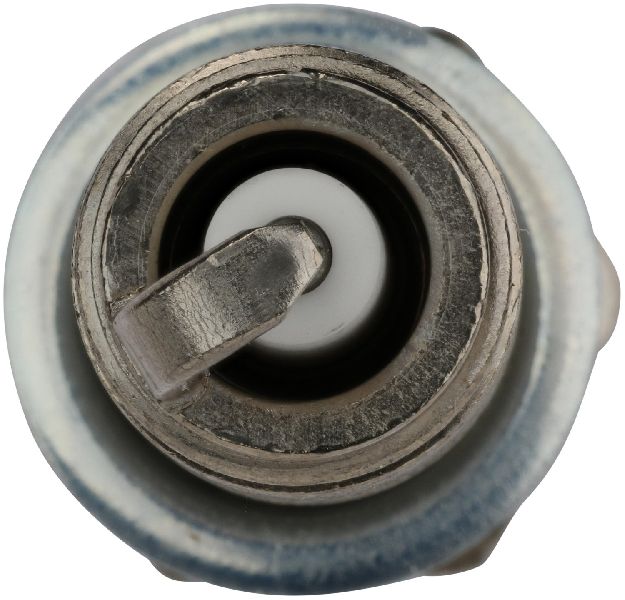
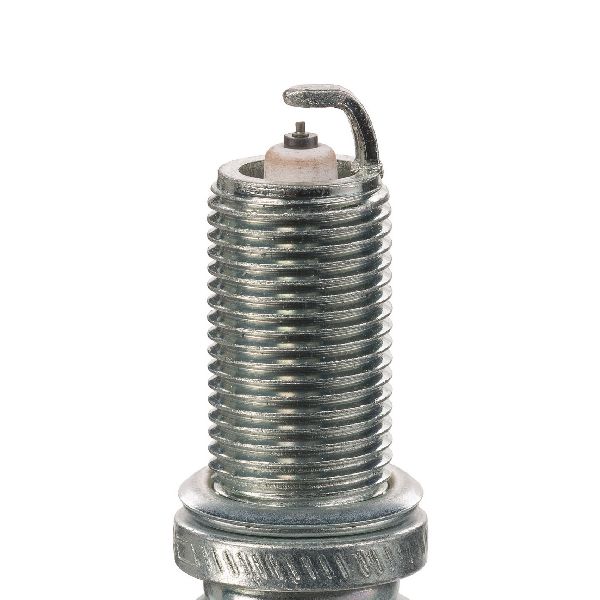
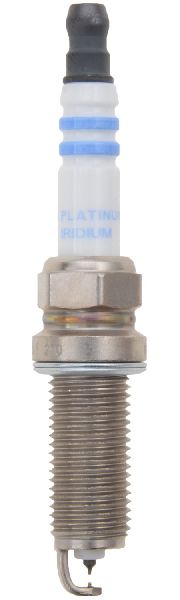
Est. part cost: $40-$90 - Worn or Fouled Spark Plug in Cylinder #2 🟡 Medium Probability → Shop Spark Plug A worn-out spark plug with a large gap increases resistance in the secondary ignition circuit, putting extra strain on the ignition coil and causing it to fail or trigger a circuit code.
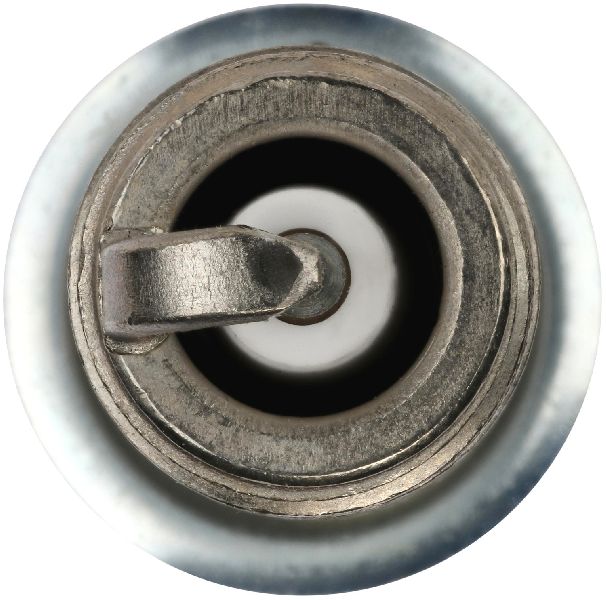
How to confirm: When the ignition coil is removed, inspect the spark plug. Look for heavy carbon buildup, oil fouling, a wet appearance (fuel), or a worn-out electrode. If the plugs haven't been changed in over 60,000 miles, they are suspect.
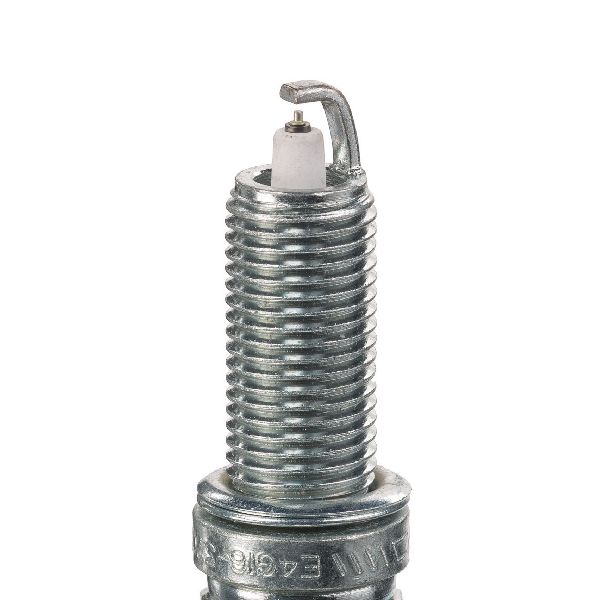
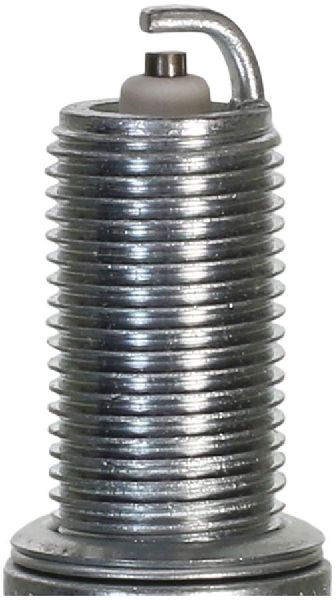
Typical fix: Replace the spark plug. It is highly recommended to replace all spark plugs as a set if they are near the end of their service life to maintain engine balance.
Est. part cost: $10-$25 - Damaged Wiring or Connector ⚪ Low Probability Engine vibration and heat can cause wiring to become brittle or the connector's plastic locking tab to break over time. Rodent damage is also a possibility.
How to confirm: Visually inspect the electrical connector and wiring going to the cylinder #2 ignition coil. Check for broken plastic, corroded pins, or frayed wires. Wiggle the connector with the engine running to see if it induces a misfire. Use a multimeter to check for 12V+ power, ground, and the PCM trigger signal at the connector pins.
Typical fix: Repair the damaged wire or replace the connector pigtail.
Est. part cost: $15-$30
Rare But Worth Checking
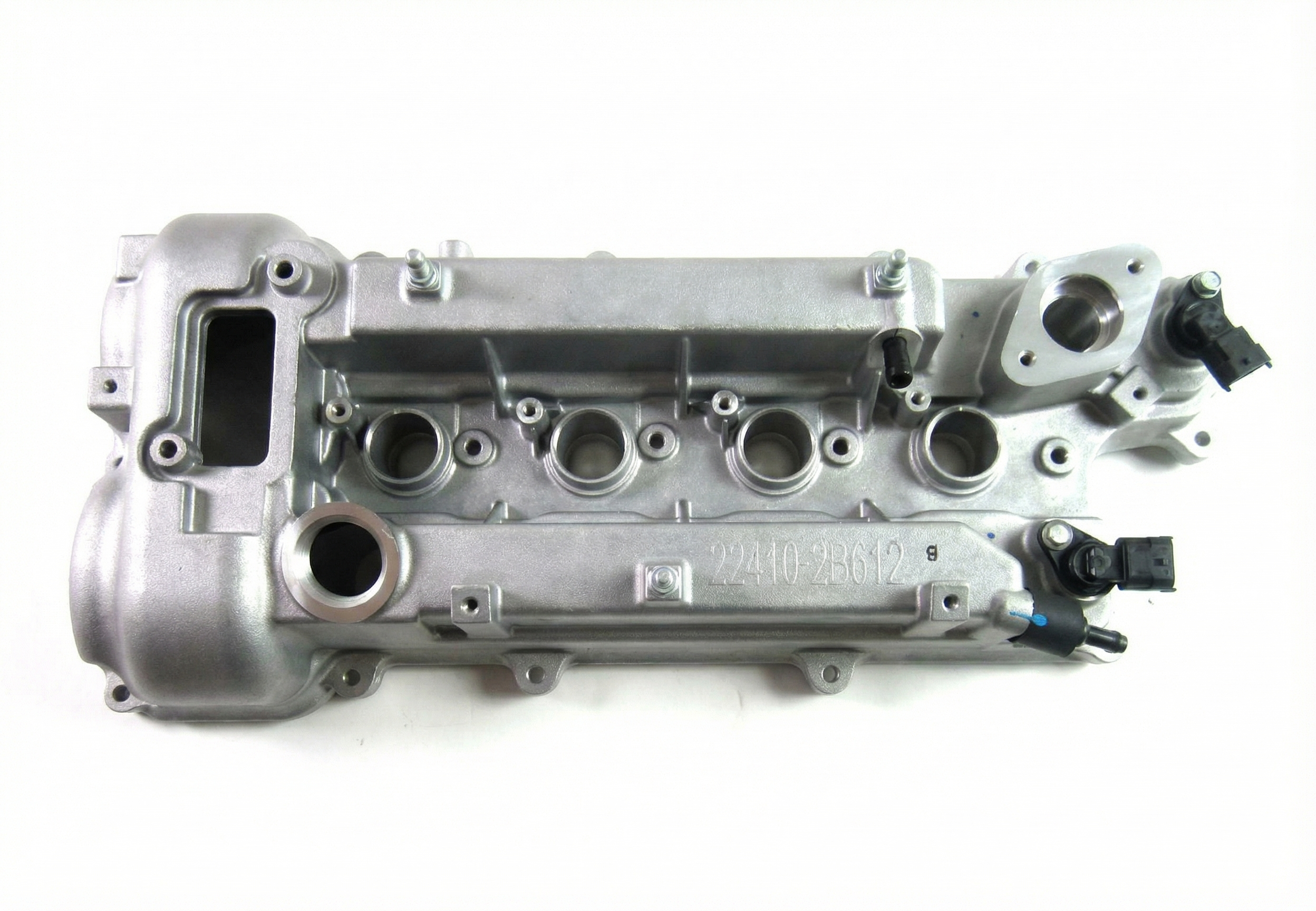
- Leaking Valve Cover Gasket: → Shop Engine Valve Cover If you find oil in the spark plug tube when you remove the ignition coil, it means the valve cover gasket or its integrated spark plug tube seals are leaking. This oil can saturate and destroy the ignition coil boot, leading to misfires and repeat failure of the new coil. The gasket must be replaced to prevent a comeback. This is a known issue on some Hyundai V6 engines where a leak on the front bank can also drip onto and destroy the alternator.
- Faulty Powertrain Control Module (PCM): → Shop Engine Control Module (ECM) This is extremely rare. The PCM's internal driver for the ignition coil can fail, but this should only be considered after all other possibilities (coil, plug, wiring) have been definitively ruled out with a multimeter or oscilloscope. Sometimes a PCM failure will be accompanied by other ignition coil codes (P0351, P0353, etc.).
Diagnosis Steps
- Confirm the code with an OBD-II scanner. Note if P0302 is also present.
- Identify Cylinder #2. On the 2.4L I4, it is the second cylinder from the left (passenger side/belt side). On the 3.5L V6, it is the first cylinder on the front bank (closest to the radiator), on the driver's side.
- Disconnect the electrical connector from the cylinder #2 ignition coil and remove the 10mm bolt holding it in place.
- Swap the cylinder #2 coil with the coil from cylinder #4 (the last cylinder on the 2.4L or the middle cylinder on the front of the 3.5L V6).
- Clear the trouble codes with the scanner, start the engine, and let it idle for a minute.
- Re-scan for codes. If the code is now P0354, the ignition coil you moved is bad and needs to be replaced.
- If code P0352 returns, the problem is not the coil. The issue lies in the spark plug or the wiring to cylinder #2.
- Remove the coil again and inspect the spark plug for wear, damage, or oil fouling. Check for oil inside the spark plug tube, which indicates a leaking valve cover gasket.
- If the plug is good, carefully inspect the wiring harness and connector for cylinder #2 for any signs of damage, corrosion, or loose pins.
- If no visible issues are found, use a multimeter to test the connector (with key on, engine off). Check for ~12V on the power wire (often terminal 3) and continuity to ground on the ground wire. The third wire is the signal from the PCM, which is best tested with a noid light or oscilloscope to see the trigger pulse.
Parts You'll Likely Need
- Ignition Coil
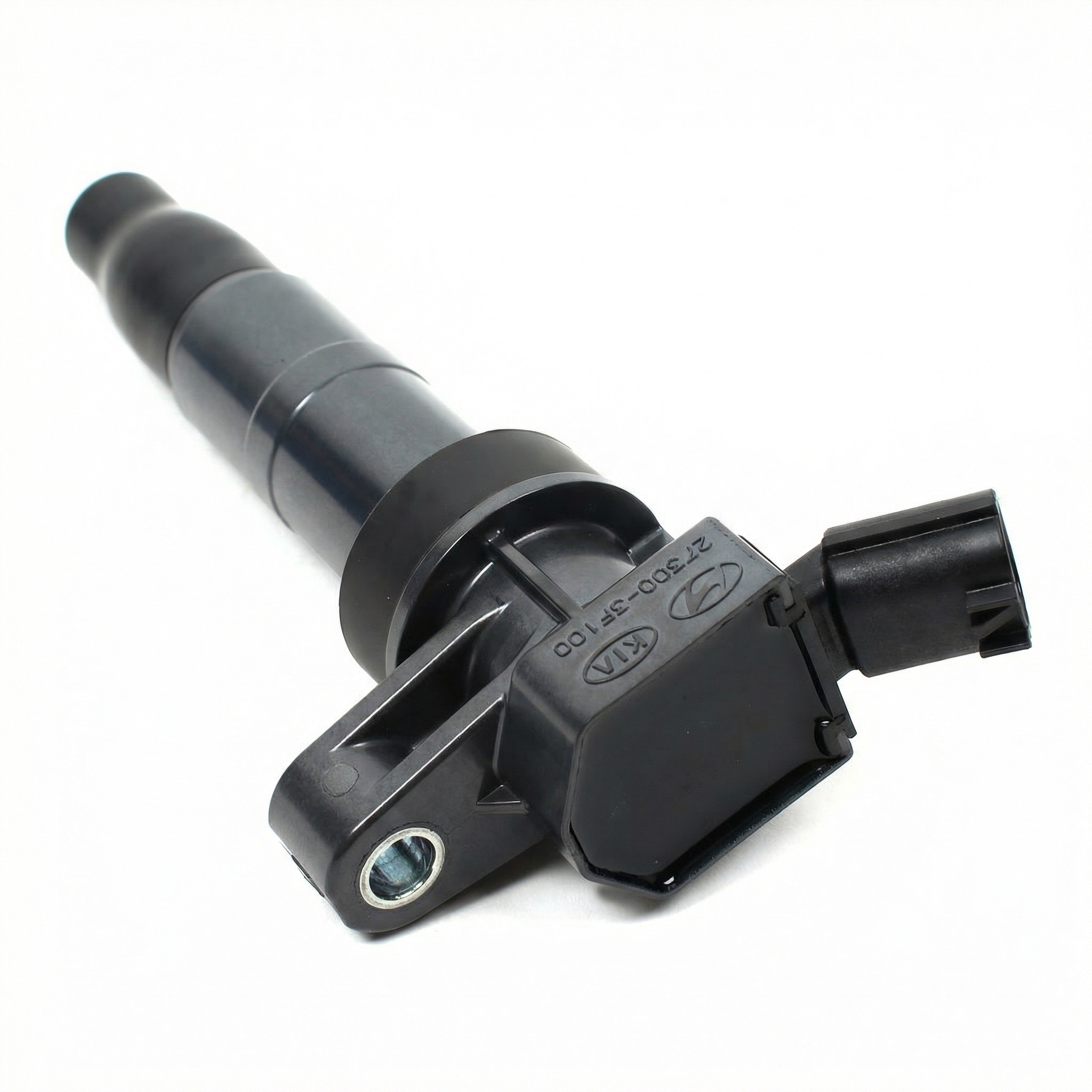
(OEM #27300-2G000 (for 2.4L I4), 27301-3C000 (for 3.5L V6, supersedes 27301-3C010))— This is the most common failure point for a P0352 code.
Trusted brands: Denso, NGK, Delphi, Standard Motor Products (SMP)
OEM price range: $85-$150
Aftermarket price range: $40-$90 - Spark Plug
(OEM #NGK: LFR5A-11 (for 2.4L & 3.5L), Denso: 3381/K16HPR-U11 (for 2.4L))— A worn spark plug can cause the coil to fail and should be inspected or replaced at the same time.
Trusted brands: NGK, Denso
OEM price range: $15-$25
Aftermarket price range: $8-$18 - Valve Cover Gasket Kit
(OEM #22441-2G100 (for 2.4L I4), 22441-3C110 (Front, for 3.5L V6))— Required if oil is found in the spark plug tubes, as this indicates a leak that will cause the new coil to fail prematurely.
Trusted brands: Fel-Pro, Mahle, Hyundai OEM
OEM price range: $40-$60
Aftermarket price range: $20-$40
Related Codes That Often Appear With This One
- P0302 — P0302 means 'Cylinder 2 Misfire Detected.' P0352 is the specific circuit fault that is causing the misfire, so these codes almost always appear together. Fixing the P0352 issue will resolve the P0302 code. 🎬 Watch: How to diagnose and fix a cylinder 2 misfire.
- P0300 — This means 'Random/Multiple Cylinder Misfire.' It can sometimes appear alongside P0352 if the misfire is severe enough to affect overall engine stability and be detected on other cylinders.
Technical Service Bulletins (TSBs) & Recalls
- No specific TSBs for P0352 on the 2010-2012 Santa Fe were found. However, Hyundai has issued TSBs for other models like the Elantra (20-FL-001H) and Sonata (16-01-003) for ignition coil issues and related ECM updates, indicating a history of coil-related problems in the brand's lineup.
Platform-Specific Known Issues
- On the 3.5L V6, while cylinder #2 is on the accessible front bank, the rear bank coils (cylinders 1, 3, 5) are much more difficult to access, requiring removal of the upper intake manifold. This makes a P0352 fault significantly easier and cheaper to repair than a P0351, P0353, or P0355.
- A leaking front valve cover gasket on the V6 engines can drip oil directly onto the alternator, causing it to fail. If you find oil leaking from the front valve cover, it is critical to inspect the alternator for oil saturation.
Mechanic-Grade Diagnostic Values
- Ignition Coil Primary Winding Resistance — expected: 0.5 to 2.0 Ohms. A more specific factory manual for a similar engine lists 0.79 Ω ± 15% at 68°F (20°C).. Failure: A reading outside the specified range, especially an open circuit (infinite resistance) or a dead short (near zero resistance).
- Ignition Coil Secondary Winding Resistance — expected: 7.0 kΩ to 15.0 kΩ. A factory manual for a similar engine lists 7.0 kΩ ± 15% at 68°F (20°C).. Failure: A resistance value significantly outside of this range indicates a faulty coil winding.
- Ignition Coil Connector Power Supply — expected: Approximately 12 Volts (battery voltage) at the power supply pin (often pin 3) with the key in the 'ON' position, engine off.. Failure: No voltage or significantly low voltage points to a problem in the wiring or ignition system fuse, not the coil itself.
Scan Tool Commands That Help
- Hyundai GDS (Global Diagnostic System): Actuation Test / Output Test — After confirming the wiring has power and ground, an actuation test can command the PCM to fire the cylinder #2 coil. This can help determine if the PCM driver and the coil itself are functional without swapping parts. A lack of response indicates a bad coil or a wiring issue on the signal wire.
- Hyundai GDS (Global Diagnostic System): Reset Adaptive Values — While not always necessary for a coil replacement, resetting engine adaptive values after a repair can help the engine run more smoothly, faster by clearing learned adjustments made to compensate for the old, failing part.
Wiring & Ground Locations
- Ignition Coils 2, 4, 6 (V6) — On the 3.5L V6, these coils are located on the top left side of the engine (the front bank, closest to the radiator).. Confirms that cylinder #2 is on the easily accessible front bank, simplifying diagnosis and repair.
- GLG04 (V6) — A ground point located on the rear of the engine for the 3.5L V6.. A poor engine ground can cause a host of electrical issues, including erratic behavior in the ignition system. While not a primary cause, it's a critical check if multiple electrical faults are present.
- 91860-0W510 — This is the part number for the main engine ground wiring assembly for the 2009-2012 Santa Fe.. Ensuring this ground strap and its connection points on the chassis and engine are clean and tight is a fundamental step in diagnosing any electrical fault.
OEM Part Supersession History
27300-2G000→27300-3F100, 27300-2GGA0— Part revision and consolidation across multiple vehicle platforms.
Heads up: While 27300-3F100 is listed as a replacement, 27300-2GGA0 is also a common part number associated with this application. Always verify the correct part number with the vehicle's VIN before purchasing.
Model Year Variations Within This Range
- 2010-2012: The 2010 model year marked a major refresh, introducing the 2.4L 'Theta II' I4 and 3.5L 'Lambda II' V6 engines, which replaced the previous V6 options.
- 2010 vs. 2012 (2.4L I4): Some data suggests the 2.4L I4 engine received a power increase for the 2012 model year, from ~174 hp to ~192 hp. While the core ignition system is the same, this could reflect minor changes in engine management software (PCM calibration).
Diagnostic Flowchart
Used vs. New Parts: Buying Guide for This Vehicle
When a used part is the smart pick: For this repair, a used part is generally not recommended. Ignition coils are wear-and-tear components with a finite lifespan. The cost savings of a used coil are minimal compared to the risk of premature failure and the need to repeat the (albeit simple) repair.
Donor-vehicle mileage cap: roughly under 40000 miles for the part to have meaningful remaining life.
What to inspect on the donor part:
- Check for any cracks in the plastic housing.
- Ensure the electrical connector pins are clean, straight, and free of corrosion.
- Inspect the rubber boot for tears, swelling, or signs of oil contamination.
- Avoid parts from engines that show signs of severe oil leaks or overheating.
OEM-only on this vehicle (don't cheap out):
- Powertrain Control Module (PCM) - Used PCMs often have VIN-locking or anti-theft programming that makes them incompatible without expensive dealer-level tools.
Aftermarket brands forum-validated for this vehicle:
- DENSO (often an OE supplier)
- Delphi
- NGK
- Mando (OE supplier for Hyundai/Kia)
Brands owners have reported issues with on this vehicle:
- Generic, unbranded ignition coils from online marketplaces can have high failure rates and may not meet OEM specifications for voltage output and durability.
Real Owner Stories
Aggregated from forums and TSBs cited above. Mileages and costs reflect what owners reported in those sources.
2010-2012 Hyundai Santa Fe 2.4L
Symptoms: The Check Engine Light came on, and a scan showed ignition coil fault codes.
What fixed it: The video demonstrated that identifying and replacing the failed ignition coil resolved the issue.
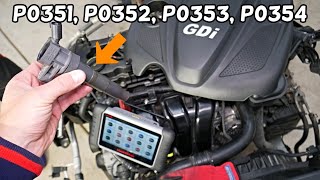
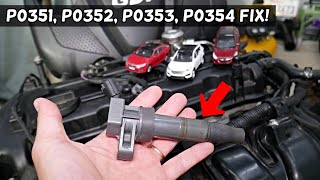
Source hint: YouTube video from 'Electrical Car Repair LIVE' titled 'HYUNDAI SANTA FE CHECK ENGINE LIGHT CODE P0351 P0352 P0353 P0354 IGNITION COIL FIX'
Related OBD-II Codes
Frequently Asked Questions
Where is cylinder #2 on my 2011 Santa Fe so I can find the right ignition coil?
I have the 3.5L V6 engine. Is fixing a P0352 code a difficult or expensive job?
How can I be 100% sure the ignition coil is the problem before I buy a new one?
When I pulled the coil, I found oil in the spark plug tube. Is this related to the P0352 code?
Should I replace all the spark plugs if I'm only getting a code for cylinder #2?
Are there any official recalls or TSBs for this ignition coil problem on my 2010-2012 Santa Fe?
What are the best aftermarket brands for a replacement ignition coil?
Helpful Videos
Used OEM Parts in Stock
New Aftermarket Parts Available

The information in this article is provided for general reference and educational purposes only. Vehicle specifications, procedures, and part compatibility can vary by production date, trim level, and region. Always consult your vehicle's factory service manual and verify part numbers before purchasing or performing repairs. Safety-critical components such as airbags, seat belts, and braking systems should be installed by a qualified professional.
- Hyundai Santa Fe:
- 🧭 Diagnostic Flowchart
- 🎬 Helpful Videos
- 🛍️ Shop This Part
- What's Unique About the 2010-2012 Hyundai Santa Fe
- Symptoms You May Notice
- Most Likely Causes
- Rare But Worth Checking
- Diagnosis Steps
- Parts You'll Likely Need
- Related Codes That Often Appear With This One
- Technical Service Bulletins (TSBs) & Recalls
- Platform-Specific Known Issues
- Mechanic-Grade Diagnostic Values
- Scan Tool Commands That Help
- Wiring & Ground Locations
- OEM Part Supersession History
- Model Year Variations Within This Range
- Used vs. New Parts: Buying Guide for This Vehicle
- Real Owner Stories
- 2010-2012 Hyundai Santa Fe 2.4L
- Related OBD-II Codes
- Frequently Asked Questions
- 🎟️ Get 5% Off