

P0352 on 2010-2012 Hyundai Santa Fe 3.5L V6: Ignition Coil 'B' Circuit Causes and Fixes
On a 2010-2012 Santa Fe with the 3.5L V6, P0352 almost always means the ignition coil for cylinder #2 has failed. Because cylinder #2 is on the easily accessible front bank, this is a simple 15-minute DIY fix. A new coil costs between $40 and $90. Always confirm by swapping the coil with cylinder #4 before buying parts.
- P0352 on this Santa Fe almost certainly points to a bad ignition coil on cylinder #2.
- Cylinder #2 is located on the front bank by the radiator, making this a very easy DIY repair.
- Always confirm the bad coil by swapping it with cylinder #4 and seeing if the code changes to P0354 before purchasing parts.
- When replacing the coil, check the spark plug tube for oil. If oil is present, you must also replace the front valve cover gasket to prevent a repeat failure.
What's Unique About the 2010-2012 Hyundai Santa Fe
The good news for owners of the 2010-2012 Santa Fe with the 3.5L V6 is the location of cylinder #2. On this transversely mounted engine, the cylinders are in two banks: Bank 1 (cylinders 1, 3, 5) against the firewall, and Bank 2 (cylinders 2, 4, 6) at the front by the radiator. Since P0352 points to cylinder #2, the faulty component is right on top and easy to access, making this a much simpler and cheaper repair than if the issue were on the rear bank (codes P0351, P0353, P0355), which requires removing the upper intake manifold.
Symptoms You May Notice
- Check Engine Light is on
- Flashing Check Engine Light under load
- Engine misfire or running rough, especially at idle
- Noticeable loss of power and poor acceleration
- Difficulty starting the engine
- Reduced fuel economy
- Engine may stall, particularly at low speeds when coming to a stop
- Replacing only the spark plug without testing the ignition coil. The coil is the most common failure point for this specific code.
- Replacing the catalytic converter due to a misfire, when the misfire itself is caused by the ignition system fault and has not yet caused permanent converter damage.
Most Likely Causes
- Failed Ignition Coil on Cylinder #2 🔴 High Probability → Shop Ignition Coil Ignition coils are a common wear item that fail from age and repeated heat cycles. The location on top of the engine exposes them to significant heat.
How to confirm: Perform a 'coil swap' test. Label and swap the ignition coil from cylinder #2 with the one from cylinder #4 (the middle cylinder on the same front bank). Clear the codes and run the engine. If the code changes to P0354, the coil is definitively bad.
Typical fix: Replace the faulty ignition coil. It is held on by a single 10mm bolt. Apply a small amount of dielectric grease to the inside of the new coil's boot before installation.
Est. part cost: $40-$90 - Worn or Fouled Spark Plug 🟡 Medium Probability → Shop Spark Plug Spark plugs are a regular maintenance item. An old plug with a wide gap puts extra strain on the ignition coil, which can cause the coil's circuit to fail or the PCM to flag a fault.
How to confirm: After confirming the coil is good with a swap test, remove the spark plug from cylinder #2. Inspect it for a cracked insulator, heavy carbon buildup, oil fouling, or an excessively worn electrode.
Typical fix: Replace the spark plug. It is highly recommended to replace all six spark plugs as a set if they are near or over their service interval (typically 60,000-100,000 miles) to ensure balanced engine performance.
Est. part cost: $10-$25 per plug - Damaged Ignition Coil Wiring or Connector ⚪ Low Probability → Shop Ignition Coil The plastic connector and wiring can become brittle over time due to engine heat and vibration, leading to cracks, loose pins, or corrosion. The locking tab on the connector is particularly prone to breaking.
How to confirm: Visually inspect the electrical connector and the wiring harness leading to the cylinder #2 ignition coil. Look for any signs of damage, melting, corrosion, or pins that may have backed out of the connector. Wiggle the connector with the engine running to see if it induces a misfire.
Typical fix: Repair the damaged section of wiring or replace the pigtail connector if it's broken.
Est. part cost: $15-$30 for a new connector pigtail
Rare But Worth Checking
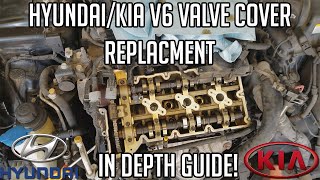
- Leaking Valve Cover Gasket: → Shop Engine Valve Cover A very common issue on Hyundai V6 engines is a leaking front valve cover gasket. This allows oil to fill the spark plug tubes, which will saturate and destroy the ignition coil and boot. If you remove the ignition coil and find liquid oil in the spark plug tube, the valve cover gasket (or its integrated tube seals) has failed and must be replaced to solve the root cause. This leak can also drip oil onto the alternator, causing it to fail. 🎬 Watch this step-by-step guide to replacing the V6 valve cover gasket.
- Faulty Powertrain Control Module (PCM): → Shop Engine Control Module (ECM) This is extremely rare. Before condemning the PCM, all other possibilities (coil, plug, wiring) must be exhaustively ruled out. A faulty PCM driver circuit for coil #2 would cause the P0352 code to return immediately even with a known-good coil and wiring.
Diagnosis Steps
- Connect an OBD-II scanner and confirm that P0352 is present. Note any other codes, especially P0302.
- Locate cylinder #2. On the 3.5L V6, it is the first cylinder on the front bank (closest to the radiator) on the passenger side of the engine.
- Swap the ignition coil from cylinder #2 with the coil from cylinder #4 (the middle cylinder on the same front bank). This is the most reliable way to confirm a bad coil.
- Clear the trouble codes with the scanner.
- Start the engine and let it run for a minute or take a short drive.
- Re-scan for codes. If the code is now P0354 ('Ignition Coil 'D' Circuit'), the ignition coil you moved is bad and must be replaced.
- If code P0352 returns, the coil is not the problem. Remove the coil and spark plug from cylinder #2.
- Inspect the spark plug for damage, wear, or fouling. Check for oil inside the spark plug tube, which indicates a leaking valve cover gasket that must be repaired.
- If the plug is good and there's no oil, carefully inspect the wiring and connector for cylinder #2. Test for power, ground, and signal at the connector using a multimeter and a wiring diagram.
Parts You'll Likely Need
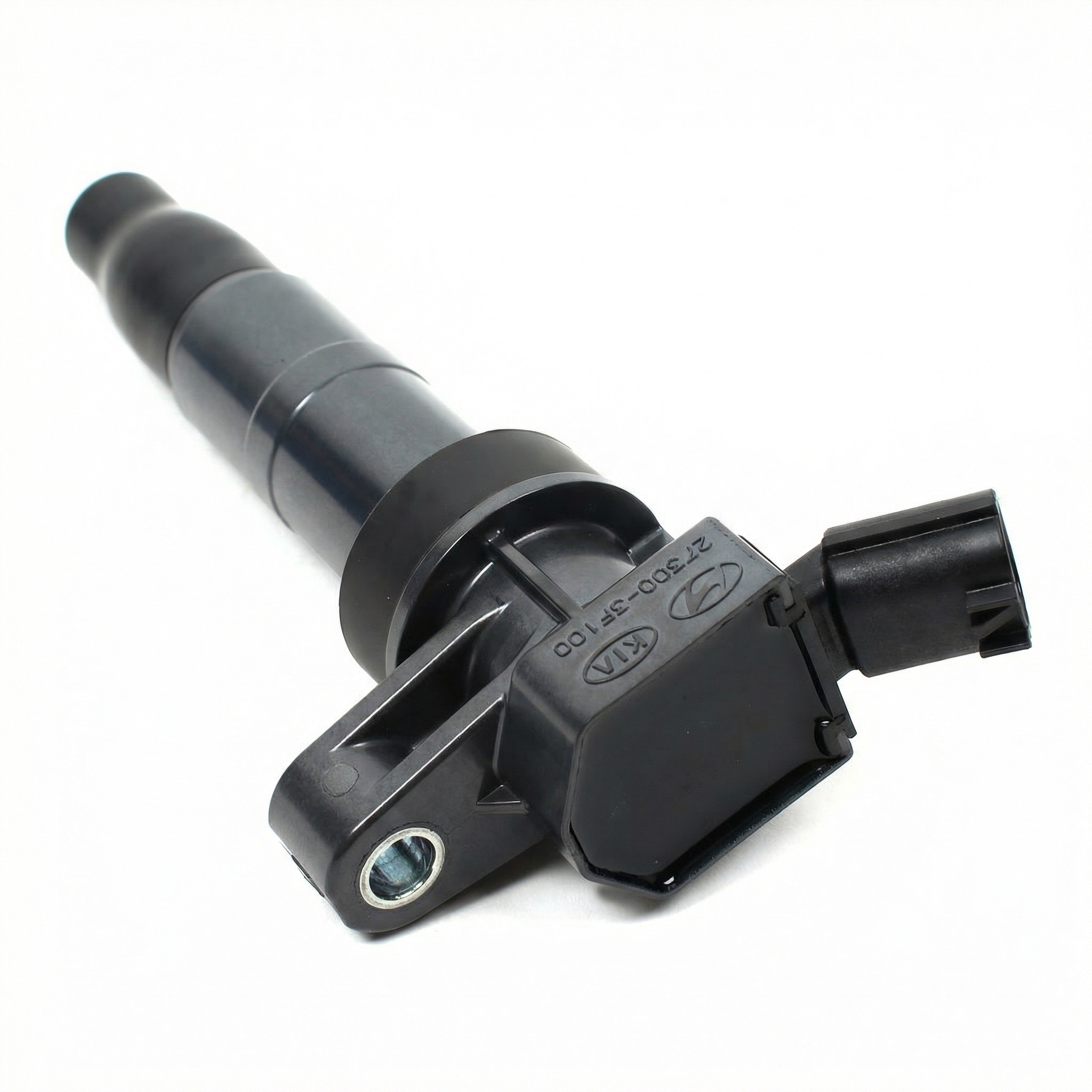
- Ignition Coil
(OEM #27300-3F100)— This is the most common failure part for a P0352 code. Internal windings break down over time from heat and vibration. This part number may supersede 27300-2G000.
Trusted brands: Hyundai (OEM), NGK, Delphi, Denso, Hitachi
OEM price range: $85-$160
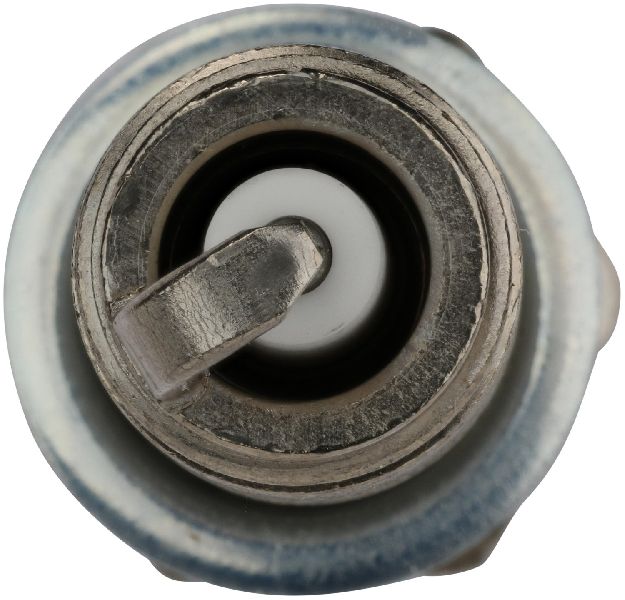
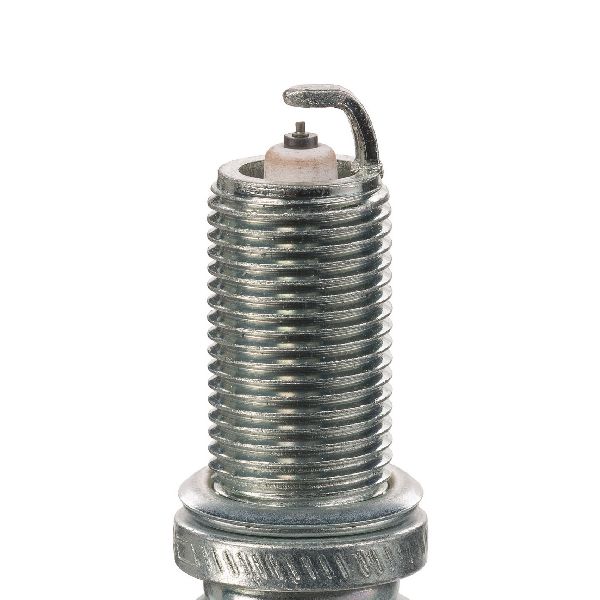
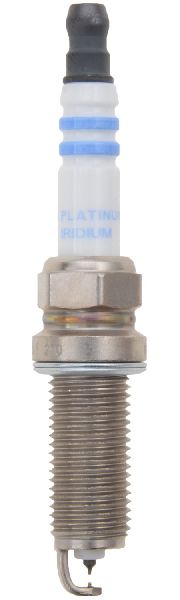
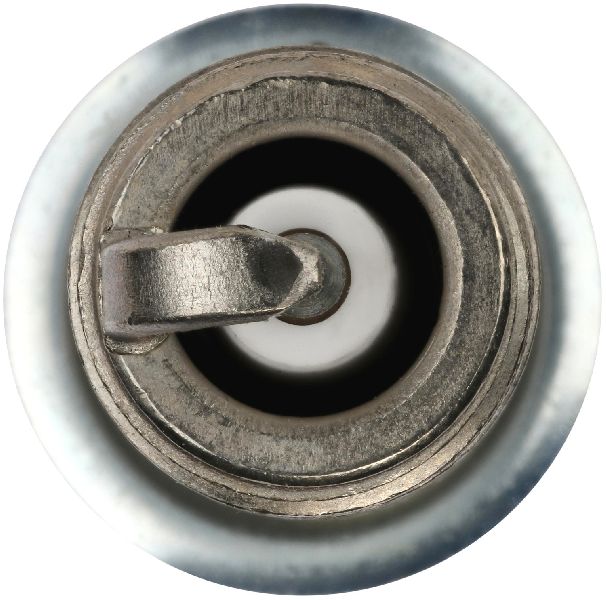
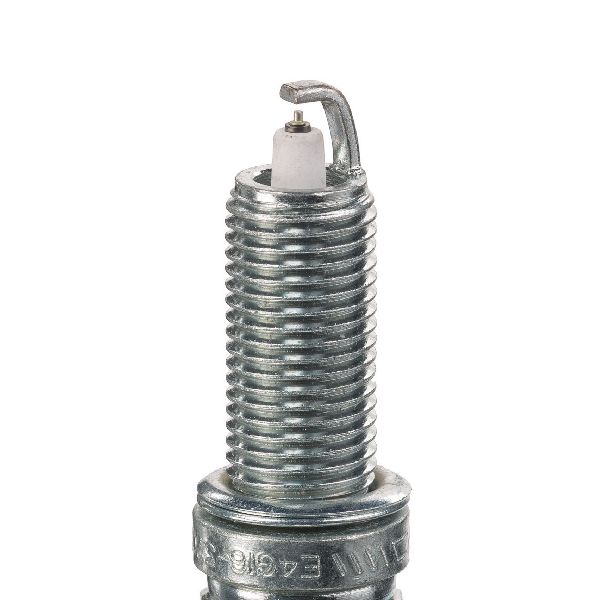
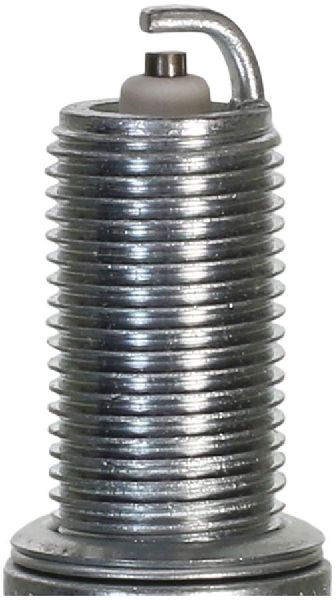
Aftermarket price range: $40-$90 - Spark Plug (Iridium)
(OEM #18846-11070)— Often replaced as preventative maintenance when replacing a coil, as a worn plug can cause a new coil to fail prematurely. Recommended to replace all six at once.
Trusted brands: NGK (Laser Iridium), Denso (Iridium TT)
OEM price range: $15-$25
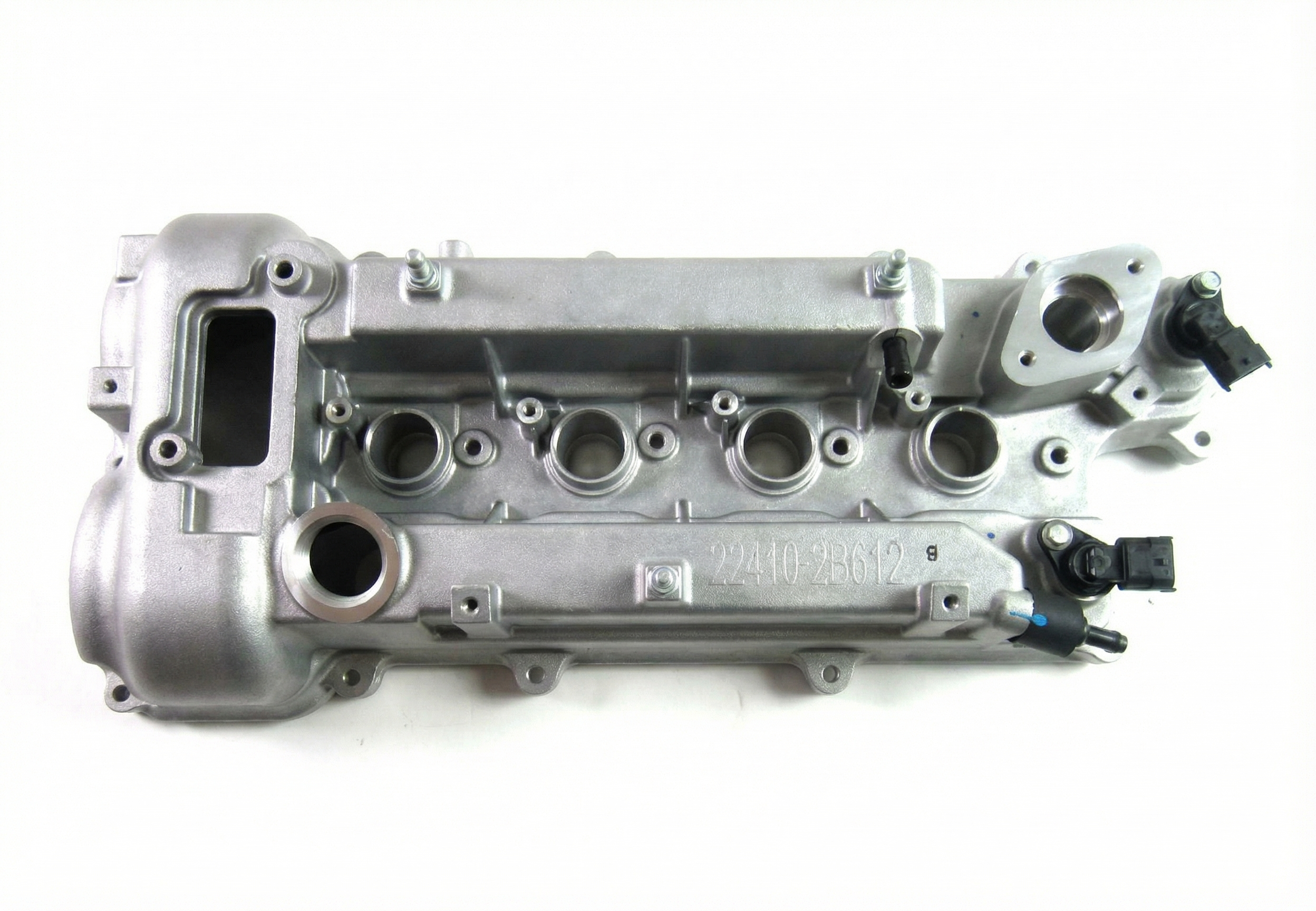
Aftermarket price range: $10-$20 - Valve Cover Gasket Set (Front Bank)
(OEM #22441-3C110)— Required only if oil is found in the spark plug tubes. The gasket set includes the main gasket and the spark plug tube seals. Failure to replace a leaking gasket will cause the new ignition coil to fail from oil saturation.
Trusted brands: Hyundai (OEM), Fel-Pro, Mahle
OEM price range: $30-$50
Aftermarket price range: $15-$30
Related Codes That Often Appear With This One
- P0302 — This code means 'Cylinder 2 Misfire Detected.' P0352 is the electrical fault that prevents the spark plug from firing, which directly causes the misfire. These two codes almost always appear together. 🎬 See this video explaining how to diagnose a cylinder 2 misfire.
- P0300 — This code for 'Random/Multiple Cylinder Misfire' can appear if the misfire in cylinder #2 is severe enough to disrupt the engine's overall rotational speed, causing the PCM to detect instability across other cylinders.
Technical Service Bulletins (TSBs) & Recalls
- TSB 15-01-020: Supersedes earlier bulletins and provides an ECM software update for 2010-2012 3.5L Santa Fe models to address potential engine stalling when coming to a stop due to electrical load management, and to update diagnostic logic.
- TSB 12-FL-004: An earlier TSB providing an ECM software update for some 3.5L vehicles that may experience a Check Engine Light.
Platform-Specific Known Issues
- A known issue on some Hyundai V6 engines is a leaking front valve cover gasket that can drip oil into the spark plug tubes, destroying the ignition coils. It can also drip onto the alternator, causing premature failure.
- A small number of owners have experienced engine stalling at low speeds when braking. Hyundai released a TSB (15-01-020) for an ECM software update to address this issue by improving the engine's electrical load management.
Diagnostic Flowchart
Other Known Issues on This Vehicle
Issues unrelated to this code that are worth knowing about as an owner of this generation:
- Timing Chain Tensioner Rattle on Startup 🟠 Medium — Commonly reported. A brief 1-2 second rattle after the vehicle has been sitting for a few hours. While often considered a non-critical noise by dealers, it can be caused by a worn timing chain tensioner or failing oil pump losing its prime.
- Front Valve Cover Gasket Leak Causing Alternator Failure 🔴 High → Shop Engine Valve Cover — This is a very common and well-documented failure pattern. The front valve cover gasket leaks oil directly onto the alternator below, causing it to fail prematurely. Symptoms include a battery light, dimming lights, and a whining noise. (Ref: While TSBs exist for older 3.3L models for this issue (e.g., TSB 23-01-076H-2), the design flaw persists in the 3.5L.)
- Failing Oil Pressure Switch/Sensor 🟠 Medium — The oil pressure switch on the 3.5L Lambda II is known to fail, causing a significant oil leak. While not directly causing P0352, a major oil pressure loss could contribute to other engine issues like CVVT faults.
- Engine Stalling at Low Speeds 🟡 Low — Some owners reported the engine stalling when coming to a stop. Hyundai addressed this with a service campaign for an ECM software update to better manage alternator load on the engine at low RPMs. (Ref: TSB 15-01-020)
Real Owner Stories
Aggregated from forums and TSBs cited above. Mileages and costs reflect what owners reported in those sources.
2012 Hyundai Santa Fe 3.5L V6
Symptoms: The owner experienced a timing chain rattle issue.
What fixed it: The dealer diagnosed and addressed the issue as a weak oil pump.
Source hint: bobistheoilguy.com
2010-2012 Hyundai Santa Fe 3.5L V6
Symptoms: Engine stalling at low speeds when braking or coming to a stop.
What fixed it: ECM software update to improve electrical load management and diagnostic logic.
Source hint: TSB 15-01-020
2011-2013 Kia Sorento (3.5L V6)
Symptoms: Ignition coil failure and valve cover gasket leaks.
What fixed it: Replacement of ignition system components and repair of valve cover gasket leaks.
Source hint: platform_mates: 2011-2013 Kia Sorento (3.5L V6)
Related OBD-II Codes
Frequently Asked Questions
My 2011 Santa Fe 3.5L stalls when I'm coming to a stop; is there a software fix for this?
Where is the cylinder #2 ignition coil located on the 3.5L V6 engine?
Can a leaking valve cover gasket cause the P0352 code on my Santa Fe?
Is there a TSB for the Check Engine Light on my 2010 Santa Fe 3.5L?
Should I replace all my spark plugs when fixing a P0352 code?
I have a 2012 Santa Fe with a rattle on startup; is this related to the ignition coil?
Helpful Videos

Used OEM Parts in Stock
New Aftermarket Parts Available

The information in this article is provided for general reference and educational purposes only. Vehicle specifications, procedures, and part compatibility can vary by production date, trim level, and region. Always consult your vehicle's factory service manual and verify part numbers before purchasing or performing repairs. Safety-critical components such as airbags, seat belts, and braking systems should be installed by a qualified professional.
- Hyundai Santa Fe:
- 🧭 Diagnostic Flowchart
- 🎬 Helpful Videos
- 🛍️ Shop This Part
- What's Unique About the 2010-2012 Hyundai Santa Fe
- Symptoms You May Notice
- Most Likely Causes
- Rare But Worth Checking
- Diagnosis Steps
- Parts You'll Likely Need
- Related Codes That Often Appear With This One
- Technical Service Bulletins (TSBs) & Recalls
- Platform-Specific Known Issues
- Other Known Issues on This Vehicle
- Real Owner Stories
- 2012 Hyundai Santa Fe 3.5L V6
- 2010-2012 Hyundai Santa Fe 3.5L V6
- 2011-2013 Kia Sorento (3.5L V6)
- Related OBD-II Codes
- Frequently Asked Questions
- 🎟️ Get 5% Off