

P0352 on 2000-2001 Jeep Cherokee 4.0L: Ignition Coil 'B' Circuit Fixes
This code almost always points to a failed ignition coil rail on 2000-2001 models. The PCM has detected that the peak primary circuit current for the #2 coil was not achieved within the expected time. Replacing the entire coil rail assembly and a fresh set of copper spark plugs is the most common and effective fix. Expect to pay $100-$180 for parts for a DIY repair.
- P0352 is specific to 2000-2001 Jeep Cherokees with the 4.0L engine and its coil rail ignition.
- The most likely cause is a failed ignition coil rail. It's best practice to replace the entire rail, not just attempt to fix one part of it.
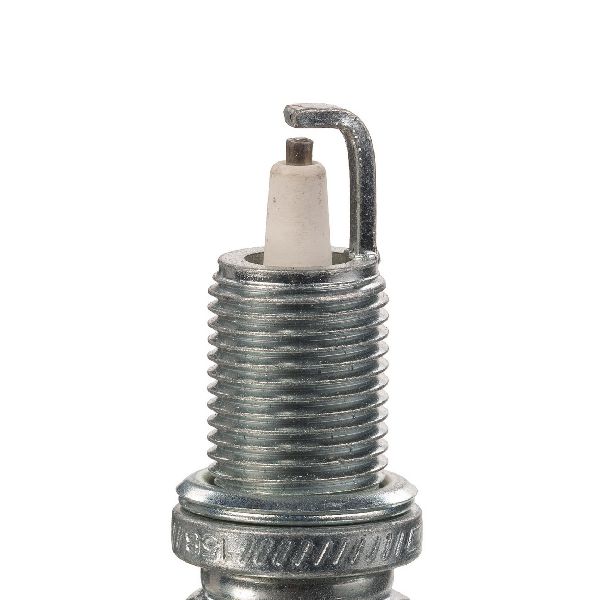
- Always replace all six spark plugs with standard copper plugs (gapped to 0.035") when you replace the coil rail to ensure longevity and proper performance.
- The repair is straightforward and can be done by a DIYer with basic tools in about an hour.
- While driving is possible, it should be minimized to avoid expensive damage to the catalytic converter.
What's Unique About the 1997-2001 Jeep Cherokee
The user-specified 1997-2001 year range crosses a major ignition system change. 1997-1999 models use a distributor and single coil, making the P0352 code non-applicable. This guide exclusively covers the 2000-2001 models, which switched to a distributorless ignition system (DIS) featuring a one-piece coil rail mounted directly on the spark plugs. A failure of one internal coil requires the replacement of the entire rail assembly, a common repair for this platform. This coil rail design is shared with the Grand Cherokee (WJ) and Wrangler (TJ) of the same era.
Generation note: While the 1997-2001 Jeep Cherokee is all the 'XJ' generation, a critical change occurred in the ignition system for the 2000 model year. 1997-1999 models have a distributor and single ignition coil. 2000-2001 models have a distributorless ignition system with a coil rail. This P0352 code only applies to the 2000-2001 models.
Symptoms You May Notice
- Check Engine Light is on (may be solid or flashing)
- Rough, unstable idle
- Engine misfiring, especially under acceleration
- Hesitation or loss of engine power
- Vehicle may be difficult to start
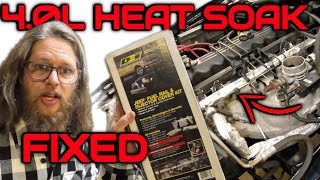
- Stalling, especially after warming up in traffic, with a no-restart condition until it cools down. 🎬 Learn how to fix common Jeep heat soak and starting issues.
- Replacing only the spark plugs without addressing a faulty coil rail. A bad coil can quickly foul new plugs.
- Replacing the Crankshaft or Camshaft Position Sensor. While these can cause no-start or misfire issues, they typically set different codes (like P0320 or P1391) and are less likely to cause a single coil circuit code.
Most Likely Causes
- Failed Ignition Coil Rail 🔴 High Probability → Shop Ignition Coil The coil rail is a single unit containing three coils. After many heat cycles, the internal windings for one coil can fail, or the epoxy housing can crack. It is a common wear item at higher mileage, with many owners replacing the original after 100k+ miles.
How to confirm: Test the primary resistance of each coil pack through the 4-pin connector. Measure resistance between the shared 12V+ pin (Pin 2, DG/OR wire) and the driver pins for each coil (Pin 1 for coil A, Pin 3 for coil B, Pin 4 for coil C). The FSM spec is 0.71 - 0.88 Ohms, though measurements of ~1.5 Ohms on both old and new parts are reported by owners. A significant deviation on one coil indicates failure. 🎬 Watch: Diagnosing misfires and primary ignition codes on the 4.0L. A simpler method is to replace it with a known-good part, as this is the most frequent failure point.
Typical fix: Replace the entire ignition coil rail assembly.
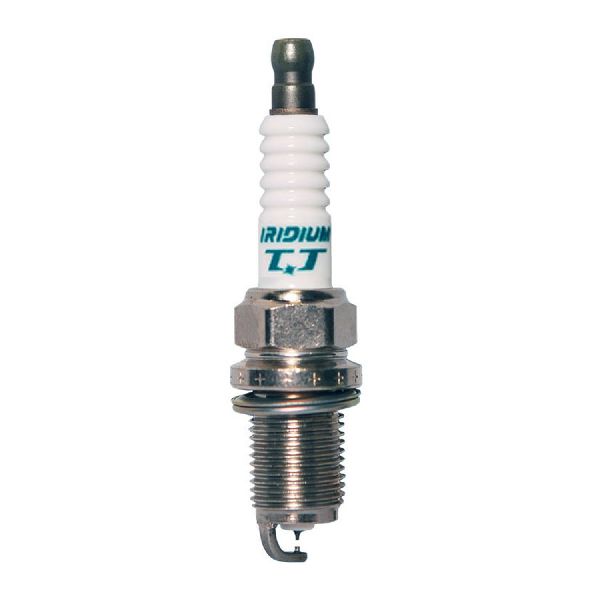
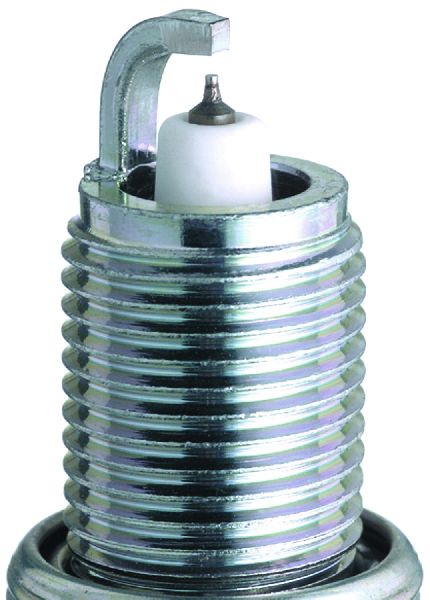
Est. part cost: $120-$185 - Worn or Incorrect Spark Plugs 🟡 Medium Probability → Shop Spark Plug The 4.0L engine's waste-spark ignition system is sensitive and designed for standard copper electrode spark plugs. Using single platinum, double platinum, or iridium plugs can overwork and damage the coil rail due to higher resistance. Worn or fouled plugs also increase resistance, stressing the coil.
How to confirm: Remove and inspect the spark plugs for cylinders #2 and #3. Look for excessive wear on the electrode, carbon fouling, or oil/coolant contamination. Check the spark plug gap; it should be 0.035".
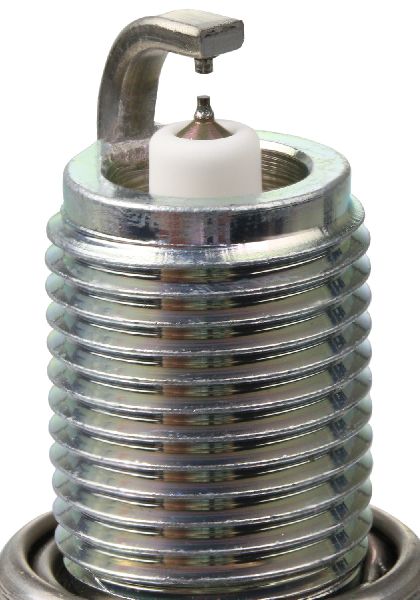
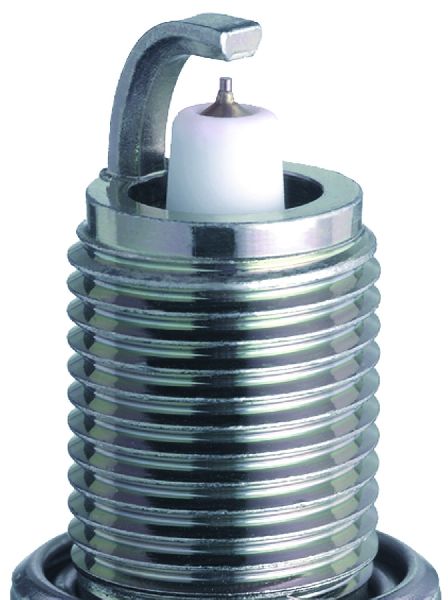
Typical fix: Replace all six spark plugs with the correct type (e.g., NGK ZFR5N or Champion RC12ECC) and gap them to 0.035". It is highly recommended to do this whenever replacing the coil rail.
Est. part cost: $20-$40 - Damaged Wiring or Connector ⚪ Low Probability The wiring harness and 4-pin connector for the coil rail are located at the back of the engine and are exposed to significant heat, which can make them brittle over time. Wires can chafe, and the connector pins can lose tension or corrode.
How to confirm: Visually inspect the wiring harness leading to the coil rail for any signs of cracking, melting, or chafing. Unplug the connector and check for corrosion, moisture, or pushed-out pins. Check for a good ground connection at the dipstick mounting bolt, as a bad ground there is a known cause of ignition issues.
Typical fix: Repair the damaged section of wire or replace the connector pigtail. Clean and secure engine block ground points.
Est. part cost: $15-$30
Rare But Worth Checking
- Failed Powertrain Control Module (PCM): → Shop Engine Control Module (ECM) The driver circuit within the PCM that controls the ignition coil can fail. This should only be considered after all other possibilities (coil, plugs, wiring) have been definitively ruled out. This is a very rare cause.
- Cracked '0331' Cylinder Head: A known issue on 2000-2001 4.0L engines is a crack developing in the '0331' cast cylinder head, typically between cylinders #3 and #4. This can cause coolant to leak into the cylinder, fouling the spark plug and causing a misfire that could potentially be misdiagnosed or accompanied by a coil circuit code. Check for unexplained coolant loss or milky residue under the oil cap.
Diagnosis Steps
- Verify the code P0352 is present using an OBD-II scanner. Note any other codes, such as P0302 or P0303.
- Turn the engine off and allow it to cool.
- Disconnect the 4-pin electrical connector from the coil rail, located at the rear of the valve cover. Inspect the connector and pins for damage, corrosion, or pushed-out pins.
- Optional - Advanced Test: Using a multimeter set to Ohms, check the primary resistance of the coil pack. The FSM specification is 0.71 - 0.88 Ω at 70-80°F. Test between pin 2 (power) and pin 3 (coil B driver). Compare with the readings for coil A (pin 2 to pin 1) and coil C (pin 2 to pin 4). A reading on coil B that is significantly different points to a bad coil rail.
- Remove the four bolts (typically 13mm or 1/2") holding the coil rail to the valve cover.
- Carefully pry and wiggle the coil rail assembly up and off the spark plugs. The boots can create a strong seal.
- Remove the spark plugs from cylinders #2 and #3 using a 5/8" spark plug socket. Inspect them for wear, fouling, and correct gap (0.035"). If they are old, incorrect (e.g., platinum), or fouled, replace all six with new copper plugs.
- While the rail is off, check for oil pooling in the spark plug tubes, which indicates a leaking valve cover gasket that should be replaced.
- If plugs are good, the coil rail is the primary suspect. The most straightforward test for a DIYer is to install a new coil rail.
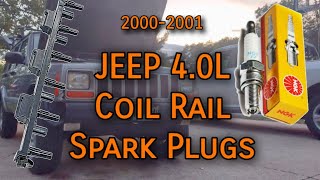
- Install the new coil rail, ensuring all boots are properly seated on the spark plugs. Torque the bolts to 21 ft-lbs. 🎬 See this walkthrough for replacing spark plugs and the coil rail.
- Reconnect the electrical connector and ensure the red locking tab is engaged.
- Clear the codes with the scanner and start the engine. Test drive to see if the code returns.
Parts You'll Likely Need
- Ignition Coil Rail
(OEM #56041476AA, 56041476AB)— This is the most common point of failure for a P0352 code on the 2000-2001 4.0L engine. The internal coil for cylinders 2 & 3 fails.
Trusted brands: Mopar (56041476AB), NGK (48901), Delphi (GN10369), Standard Motor Products (UF296)
OEM price range: $180-$250
Aftermarket price range: $120-$185 - Spark Plugs — Worn, fouled, or incorrect type spark plugs can cause this code and should always be replaced with the coil rail. The 4.0L DIS system requires standard copper plugs for longevity.
Trusted brands: NGK (ZFR5N, stock #3459), Champion (RC12ECC)
OEM price range: $30-$50
Aftermarket price range: $20-$40
Related Codes That Often Appear With This One
- P0302 — P0302 indicates a misfire on cylinder #2. Since P0352 signifies a fault in the coil circuit that fires cylinder #2, these codes often appear together.
- P0303 — P0303 indicates a misfire on cylinder #3. In the waste spark system, the same coil fires cylinders #2 and #3, so a fault can cause misfires on both.
- P0300 — This code means 'Random/Multiple Cylinder Misfire Detected.' If the coil is failing intermittently, it can lead to misfires across multiple cylinders that the PCM logs as random.
- P0351, P0353 — These codes indicate faults with coil 'A' (cylinders 1/6) and 'C' (cylinders 4/5). Seeing all three codes together (P0351, P0352, P0353) often points to a common failure point for the entire rail, such as a bad power feed, ground connection, or a faulty PCM, rather than three simultaneous internal coil failures.
Technical Service Bulletins (TSBs) & Recalls
- TSB #0900303 - While not directly for P0352, this TSB addresses multiple cylinder misfires on 2000-2001 4.0L engines, sometimes related to issues that could stress the ignition system.
Platform-Specific Known Issues
- The 2000-2001 4.0L engine uses the '0331' casting cylinder head, which is known to be susceptible to cracking between cylinders 3 and 4. A crack can allow coolant to leak into the cylinders, fouling spark plugs and potentially causing misfire and coil circuit codes. Always check for signs of coolant loss or milky oil when diagnosing this code. A replacement head with a 'TUPY' casting mark is the preferred fix if a crack is found.
Mechanic-Grade Diagnostic Values
- PCM Fault Set Condition — expected: The PCM expects the coil to achieve peak current within a calculated time.. Failure: Code sets if peak current is not achieved within (battery based dwell + 1.5 msec diagnostic offset). This takes less than 3 seconds during cranking or up to 6 seconds while running.
- Coil Rail Primary Resistance — expected: 0.71 - 0.88 Ω at 70-80°F between the power pin (2) and the respective driver pin (1, 3, or 4).. Failure: A reading that is significantly higher, lower, or open on one coil compared to the other two. One owner reported readings of 3.0, 3.0, and 1.1 ohms on a failing rail, with the 1.1 ohm circuit being the problem.
Wiring & Ground Locations
- G101 — Two bolts on the engine block near the alternator and passenger-side motor mount.. This is a primary ground point for the engine block, as well as the PCM and TCM. A poor connection here can cause widespread electrical issues, including erratic ignition system behavior.
- Dipstick Tube Stud Ground — A stud on the engine block where the oil dipstick tube mounts.. This is a notoriously critical but often overlooked ground point for multiple engine sensors and the ECU itself. Corrosion or a loose connection here is a very common cause of hard-to-diagnose running problems, including misfires that could trigger a P035x code.
- G102 — A single bolt on the block near the Camshaft Position Sensor Synchronizer Assembly.. This is the ground point for the radio interference suppression capacitor. While not directly for the ignition coil, a poor ground here can introduce electrical noise that may affect sensor readings.
- Coil Rail Connector — A 4-pin connector at the rear of the valve cover, plugging into the coil rail.. This is the single point of connection for power, ground, and PCM control for all three coils. The plastic can become brittle from heat, and the locking tab often breaks, leading to a poor connection. The pins themselves can also lose tension or corrode.
Real Owner Repair Stories
- Jeepz.com forum user (Jeep Cherokee, year not specified but has coil rail) — Runs fine cold, but misfires on cylinders #2 and #5 when at operating temperature. Stalls and acts up when hot.
❌ Tried (didn't work) Replaced spark plugs, ignition coil rail, camshaft position sensor, crankshaft position sensor.
✅ What actually fixed it The relay for the ignition coil was getting hot and failing. Swapping it with the horn relay (which was identical) solved the problem, confirming the relay was the faulty component. - CherokeeForum user 'Nothing Special' (2001 Cherokee Sport, 81k miles) — Engine runs rough, loses power, and then dies, especially under hard acceleration. Restarts after key cycle.
❌ Tried (didn't work) Replaced Crankshaft Position Sensor (with aftermarket part), then replaced again with Mopar part. Replaced coil rail. Replaced ECM.
✅ What actually fixed it The user was getting P0351, P0352, P0353, and P1391 (cam sensor) codes together. The thread did not have a final confirmed fix from the original poster, but the community consensus was that the combination of all three coil codes plus the P1391 strongly pointed to a faulty Camshaft Position Sensor or its wiring, as this is a common input for all coils. - CherokeeForum user (2000 Cherokee, 4.0L, 250k miles) — Engine shut off while driving, threw P0352. No start condition.
❌ Tried (didn't work) Replaced the coil rail.
✅ What actually fixed it The user's initial diagnosis of the coil rail was incorrect. After replacing the rail with no success, they moved on to test the Crankshaft Position Sensor (CPS), which is a very common cause of no-start conditions on the 4.0L engine. The story highlights that even with a specific coil code, a primary sensor like the CPS can be the root cause.
Documented NHTSA Reports
- NHTSA ODI #10073172 describes an instance where a handheld scanner caught a P0352 code. In this case, the owner reported the code was the result of the pick-up coil inside the distributor going out, which was resolved by purchasing part #56041030 from the dealer.
When the Usual Fixes Don't Work
- While P0352 most often points to a failed coil rail, it is critical to evaluate the context. If P0352 appears alongside P0351 and P0353, the problem is highly unlikely to be the coil rail itself (as all three internal coils rarely fail simultaneously). In this case, the root cause is almost always a component common to the entire ignition system, such as a failing Crankshaft Position Sensor (CPS), Camshaft Position Sensor (CMP), a bad ground connection, or a failing PCM. One owner replaced the coil and even the PCM to no avail, when the combination of codes strongly suggested a sensor input issue. Another owner replaced the coil for a no-start with P0352, only to find the issue persisted, leading them to correctly suspect the CPS next.
OEM Part Supersession History
56041476AA→56041476AB— Standard part revision by manufacturer.
Heads up: The parts are interchangeable. However, some Mopar sources now list 56041476AB as discontinued, pushing owners towards aftermarket options.
Model Year Variations Within This Range
- 2000-2001: These models use a distributorless ignition system with the coil rail that this code applies to. They also feature a redesigned exhaust manifold with two pre-catalytic converters directly below the intake manifold. This design concentrates a significant amount of heat on the passenger side of the engine, making components like the coil rail, connector, wiring, and fuel injectors highly susceptible to heat-soak related failures.
Diagnostic Flowchart
Used vs. New Parts: Buying Guide for This Vehicle
When a used part is the smart pick: A used part is generally NOT recommended for the ignition coil rail itself, as it is a common wear item that fails from heat cycles. However, sourcing a used coil rail connector pigtail from a junkyard is a very common and cost-effective way to repair a connector with a broken locking tab or brittle housing.
Donor-vehicle mileage cap: roughly under 150000 miles for the part to have meaningful remaining life.
What to inspect on the donor part:
- For a connector pigtail, inspect the plastic for flexibility; avoid any that are visibly cracked or brittle.
- Ensure the locking tab on the connector is intact and functional.
- Check that the wires have at least 6-8 inches of length for splicing.
OEM-only on this vehicle (don't cheap out):
- Crankshaft Position Sensor (CPS) - Forum consensus is overwhelming that aftermarket CPS units for the 4.0L are highly unreliable and can cause intermittent no-start and stalling issues that are difficult to diagnose. Always use a genuine Mopar sensor.
Aftermarket brands forum-validated for this vehicle:
- NGK (Part numbers 48901 or U6032) is a well-regarded aftermarket brand for the coil rail.
- Delphi is also considered a reliable OEM-quality alternative.
Brands owners have reported issues with on this vehicle:
- Unbranded, 'white-box' ignition coils from online marketplaces should be avoided. Quality can be extremely inconsistent, and they may fail prematurely or cause performance issues.
Real Owner Stories
Aggregated from forums and TSBs cited above. Mileages and costs reflect what owners reported in those sources.
2000 Jeep Cherokee 4.0L Auto — 85000 miles
Symptoms: Engine sputtered and died after startup, sometimes would restart and run briefly. Codes P0351, P0352, P0353, and P1391 were present.
What fixed it: The oil pump drive / cam position sensor drive was found to be almost completely seized, which had thrown off the ignition timing. Replacing the damaged component resolved the multiple ignition codes.
Source hint: NAXJA Forums
2000 Jeep Cherokee XJ 4.0L — 250000 miles
Symptoms: Engine shut off while driving and threw code P0352.
What fixed it: The owner measured the primary resistance on the coil rail and found a discrepancy on one coil. Replacing the entire coil rail assembly fixed the problem.
Source hint: cherokeeforum.com thread titled 'Ignition-coil-bad-error-code-p0352-140277'
2000 Jeep Cherokee XJ 4.0L
Symptoms: The vehicle would stall and not restart when the engine was hot, triggering code P0352.
What fixed it: After a new coil rail did not solve the problem, the owner found and repaired issues with the wiring harness and engine grounds.
Source hint: cherokeeforum.com thread titled 'p0352-stalls-wont-restart-227995'
Jeep Cherokee 4.0L
Symptoms: Codes P0351, P0352, and P0353 all appeared at the same time after an engine swap.
What fixed it: The problem was traced to a bad main ground connection at the dipstick tube bolt. Cleaning and securing the ground resolved all three codes.
Source hint: NAXJA.org thread titled 'showthread.php?t=1164964'
Related OBD-II Codes
Frequently Asked Questions
My 2000 Cherokee has P0352 and I'm losing coolant. Could these issues be related?
What are the correct spark plugs to use in my 4.0L Cherokee to avoid ignition problems?
I have P0351, P0352, and P0353 all at once. Is it likely the entire coil rail failed?
I replaced the coil rail but my Jeep still stalls and won't restart when it's hot. What's next?
What is the correct primary resistance for the ignition coil packs on my Cherokee?
Is the P0352 coil failure a common problem on other Jeeps with the 4.0L engine?
Helpful Videos
Used OEM Parts in Stock
New Aftermarket Parts Available


The information in this article is provided for general reference and educational purposes only. Vehicle specifications, procedures, and part compatibility can vary by production date, trim level, and region. Always consult your vehicle's factory service manual and verify part numbers before purchasing or performing repairs. Safety-critical components such as airbags, seat belts, and braking systems should be installed by a qualified professional.
- Jeep Cherokee:
- 🧭 Diagnostic Flowchart
- 🎬 Helpful Videos
- 🛍️ Shop This Part
- What's Unique About the 1997-2001 Jeep Cherokee
- Symptoms You May Notice
- Most Likely Causes
- Rare But Worth Checking
- Diagnosis Steps
- Parts You'll Likely Need
- Related Codes That Often Appear With This One
- Technical Service Bulletins (TSBs) & Recalls
- Platform-Specific Known Issues
- Mechanic-Grade Diagnostic Values
- Wiring & Ground Locations
- Real Owner Repair Stories
- Documented NHTSA Reports
- When the Usual Fixes Don't Work
- OEM Part Supersession History
- Model Year Variations Within This Range
- Used vs. New Parts: Buying Guide for This Vehicle
- Real Owner Stories
- 2000 Jeep Cherokee 4.0L Auto — 85000 miles
- 2000 Jeep Cherokee XJ 4.0L — 250000 miles
- 2000 Jeep Cherokee XJ 4.0L
- Jeep Cherokee 4.0L
- Related OBD-II Codes
- Frequently Asked Questions
- 🎟️ Get 5% Off