

P0352 on 2010-2015 Kia Optima 2.4L: Ignition Coil 'B' Circuit Causes and Fixes
On a 2010-2015 Kia Optima with the 2.4L GDI engine, P0352 almost always means the ignition coil on cylinder #2 has failed. This is a common issue, often caused by a leaking valve cover gasket that allows oil to saturate the spark plug well. A new ignition coil costs between $40 and $100, and replacement is a simple DIY job taking about 15-20 minutes. A 'coil swap test' is the definitive way to confirm the failure before buying parts.
- P0352 on a 2010-2015 Kia Optima 2.4L means there is an electrical fault with the ignition coil circuit for cylinder #2.
- The most probable cause is a failed ignition coil, which is a very common issue on this engine.
- A simple 'coil swap' test is the fastest way to confirm if the coil is bad.
- Before replacing the coil, always check the spark plug well for oil, as a leaking valve cover gasket is a frequent root cause of the failure.
- This is a straightforward and inexpensive DIY repair for most home mechanics.
What's Unique About the 2010-2015 Kia Optima
The Theta II 2.4L GDI engine, used across the Hyundai and Kia lineup including the 2010-2015 Optima, is known for having ignition coil failures. This is often attributed to high operating temperatures in the engine bay. A particularly common issue on this platform is the valve cover gasket becoming brittle from heat and leaking oil directly into the spark plug tubes. This oil saturates the ignition coil boot, causing it to swell and fail prematurely, which is a well-documented root cause for P0352 on these engines.
Generation note: The 2010-2015 year range covers the third generation (TF) of the Kia Optima (2010-2015). The information provided is consistent across this entire generation for the 2.4L GDI engine.
Symptoms You May Notice
- Check Engine Light is on (may be flashing)
- Rough or shaking idle
- Engine misfiring, especially under load
- Noticeable loss of power and acceleration
- Reduced fuel economy
- Difficulty starting the engine
- Sputtering or stumbling sound from the engine
- Replacing the spark plug without testing the ignition coil. The P0352 code specifically points to a circuit fault, which is most often the coil itself or its wiring.
- Replacing the ignition coil without checking for oil in the spark plug tube. If a leaking valve cover gasket is the root cause, the new coil will likely fail again in a short amount of time.
Most Likely Causes
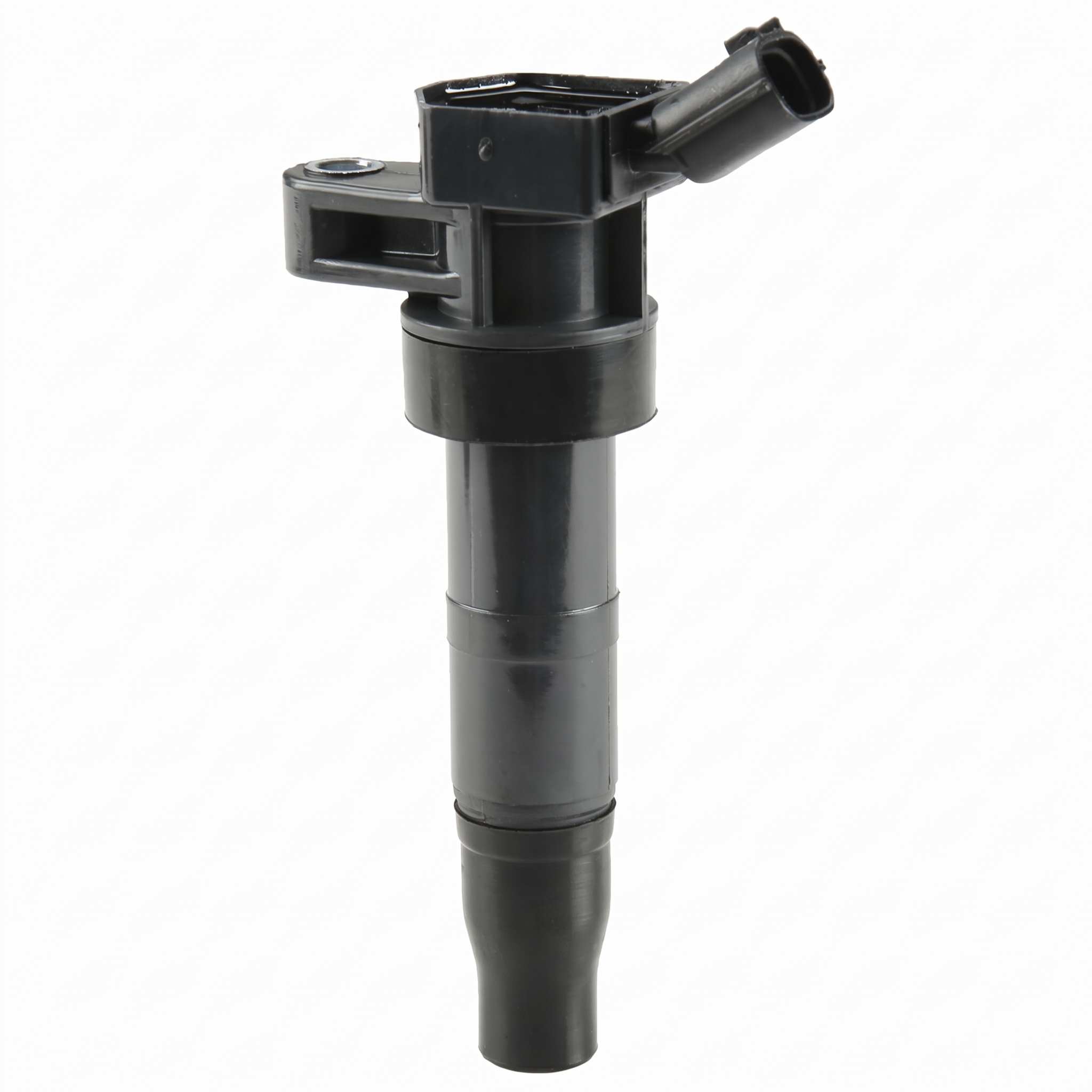
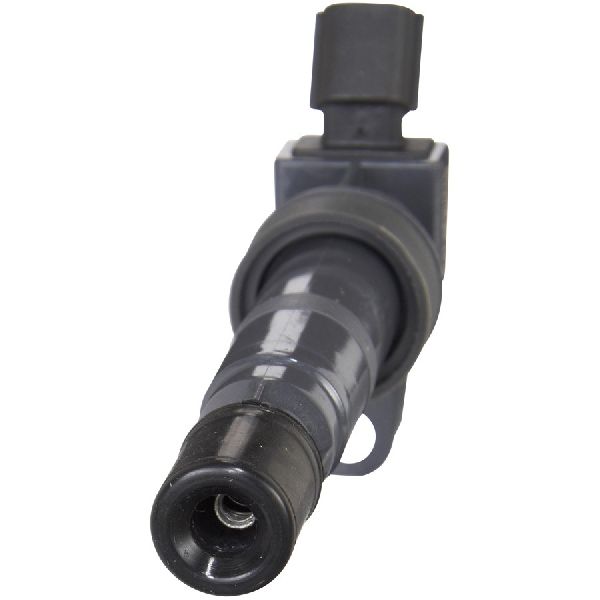
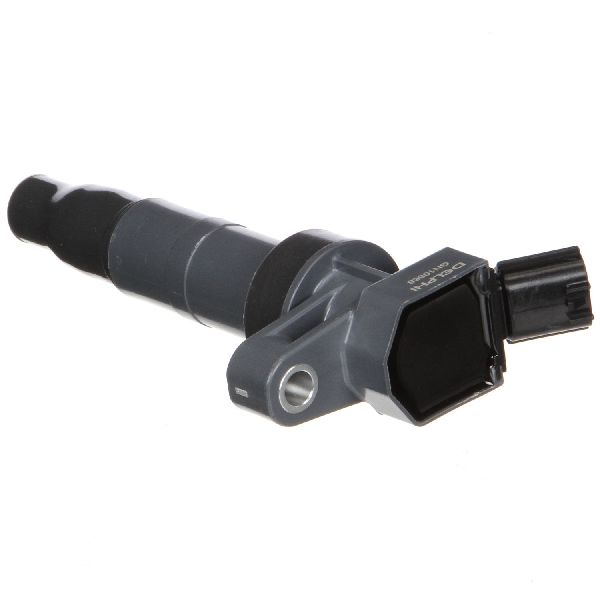
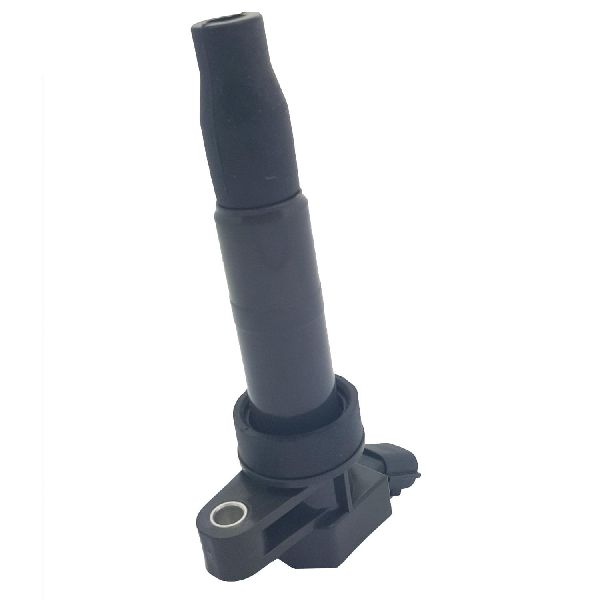
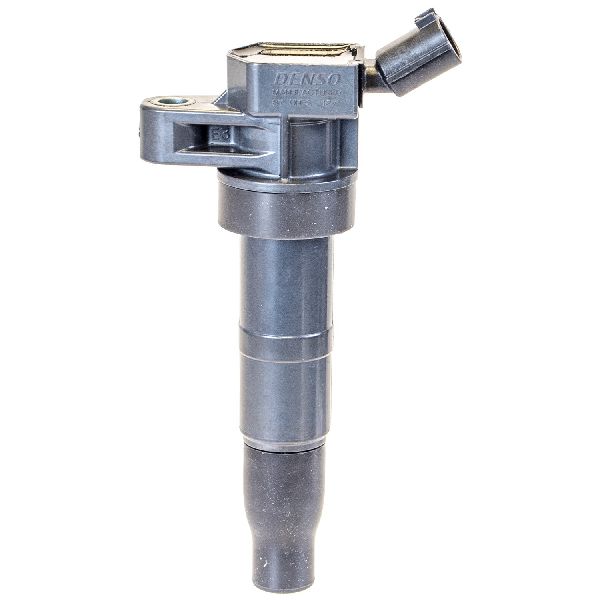
- Failed Ignition Coil on Cylinder #2 🔴 High Probability → Shop Ignition Coil Ignition coils on the Theta II GDI engine are a common failure point due to high thermal stress and age-related degradation of internal components.
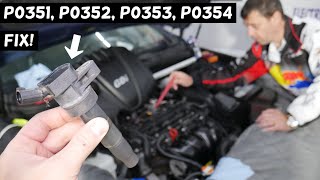
How to confirm: Perform a 'coil swap test': Move the ignition coil from cylinder #2 to another cylinder (e.g., cylinder #1). Clear the codes and drive the vehicle. If the code changes to P0351, it confirms the ignition coil is faulty. 🎬 Watch: How to diagnose and fix P0351-P0354 codes
Typical fix: Replace the faulty ignition coil. It is held in place by a single 10mm bolt.
Est. part cost: $40-$100 - Leaking Valve Cover Gasket 🟡 Medium Probability → Shop Engine Valve Cover The valve cover gasket on the Theta II engine is a well-documented failure point. Over time, engine heat makes the rubber gasket and spark plug tube seals hard and brittle, allowing oil to seep into the spark plug wells, which directly damages the ignition coils.
How to confirm: When removing the ignition coil from cylinder #2, visually inspect the spark plug tube for the presence of liquid engine oil. A burning oil smell may also be present.
Typical fix: Replace the valve cover gasket and the spark plug tube seals. Clean all oil out of the spark plug well before installing the new ignition coil. A YouTube video by '2CarPros' provides a detailed walkthrough of this process for the 2011-2015 Optima/Sonata. 🎬 Watch: Step-by-step valve cover gasket replacement video
Est. part cost: $25-$60 - Worn or Fouled Spark Plug 🟡 Medium Probability → Shop Spark Plug
How to confirm: Remove the spark plug from cylinder #2 and inspect its condition. Look for a worn electrode, heavy carbon deposits, or oil fouling. The correct gap for non-hybrid 2.4L models is typically 0.044 inches.
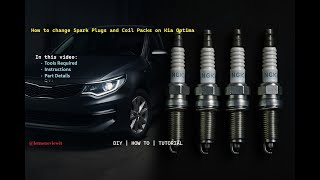
Typical fix: Replace the spark plug. It is recommended to replace all four spark plugs at the same time for balanced engine performance. 🎬 See how to replace spark plugs and coil packs
Est. part cost: $10-$25 per plug - Damaged Wiring or Loose Connector ⚪ Low Probability The plastic locking tabs on the ignition coil electrical connectors can become brittle from engine heat and break, leading to a poor or intermittent connection. This is a known issue on Hyundai/Kia vehicles of this era.
How to confirm: Visually inspect the wiring harness and connector for cylinder #2's ignition coil. Check for frayed wires, corrosion on the pins, or a broken connector lock. Wiggle the connector with the engine running to see if it induces a misfire.
Typical fix: Repair the damaged section of wiring or replace the pigtail connector if the lock is broken.
Est. part cost: $15-$30 for a new connector
Rare But Worth Checking
- Faulty Powertrain Control Module (PCM): → Shop Engine Control Module (ECM) This is very rare. The PCM should only be considered after all other possibilities (coil, plug, wiring) have been definitively ruled out. A faulty PCM driver circuit can cause this code, but it is the least likely culprit.
Diagnosis Steps
- Read the trouble codes with an OBD-II scanner and confirm P0352 is present. Note any other codes, like P0302.
- Visually inspect the ignition coil and its electrical connector on cylinder #2 (the second coil from the left side of the engine when facing it). Check for any obvious damage, cracks, or loose connections.
- Perform a 'coil swap test'. Disconnect the battery. Swap the ignition coil from cylinder #2 with the coil from cylinder #1. Reconnect the battery.
- Clear the trouble codes and start the engine. Let it run and drive it for a short period.
- Re-scan for codes. If the code has changed to P0351 ('Ignition Coil A...'), the ignition coil you moved is faulty and needs to be replaced.
- If the P0352 code returns, the problem is not the coil. The issue lies in the wiring to the coil or the PCM.
- While the coil is removed, use a flashlight to inspect the spark plug well for pooled oil. If oil is present, the valve cover gasket is leaking and must be replaced to prevent repeat failures.
- If the coil swap test points to a wiring issue, inspect the connector for damage, corrosion, or a broken locking tab. Use a multimeter to check for 12V power and a good ground at the connector with the key on, engine off. Check for the trigger signal from the PCM using a noid light or oscilloscope while cranking.
- If wiring and connections are good, the final and least likely cause is the PCM.
Parts You'll Likely Need
- Ignition Coil
(OEM #27300-2GGA0)— This is the most frequent cause of a P0352 code on this specific engine due to heat and age-related failure.
Trusted brands: Denso, NGK, Delphi, Bosch, Genuine Kia
OEM price range: $80-$120
Aftermarket price range: $40-$90 - Spark Plug
(OEM #18857-09085 (Denso Iridium for non-hybrid))— A worn spark plug can overwork the ignition coil, leading to its failure. It's best practice to replace the plug when replacing the coil, especially if it's fouled with oil.
Trusted brands: NGK, Denso
OEM price range: $15-$25
Aftermarket price range: $10-$20 - Valve Cover Gasket Kit
(OEM #22441-2GGB0)— If oil is found in the spark plug well, this gasket has failed and is the root cause of the ignition coil failure. The kit should include the main gasket and spark plug tube seals.
Trusted brands: Fel-Pro, Mahle, Genuine Kia
OEM price range: $40-$70
Aftermarket price range: $25-$50
Related Codes That Often Appear With This One
- P0302 — P0302 means 'Cylinder 2 Misfire Detected.' Since P0352 indicates the ignition coil circuit for cylinder 2 has failed, a misfire is the direct result. This code is almost always present with P0352.
- P0351, P0353, P0354 — These codes indicate the same ignition coil circuit fault on other cylinders. Seeing multiple P035x codes together may point to a systemic issue like a shared power/ground problem, a significant wiring harness issue, or a failing PCM, rather than multiple coils failing at once.
Platform-Specific Known Issues
- Owners on various forums confirm that the valve cover gasket leaking into the spark plug wells is a very common precursor to ignition coil failure on the Theta II 2.4L engine. Ignoring the leak will lead to repeated coil replacements.
- The plastic on the ignition coil connectors becomes very brittle over time due to engine heat, making it easy to break the locking tab during removal. This can cause a loose connection and a persistent P0352 code even with a new coil.
Mechanic-Grade Diagnostic Values
- Ignition Coil Primary Resistance — expected: 0.4 - 2.0 Ohms. Failure: A reading of infinity (OL) indicates an open circuit, while a reading near 0 Ohms indicates a short.
- Ignition Coil Secondary Resistance — expected: 6,000 - 15,000 Ohms. Failure: A reading of infinity (OL) or a value significantly outside the expected range indicates a failed coil.
- Ignition Coil Connector Power Supply Pin — expected: Approximately 12V with Key On, Engine Off (KOEO); ~14V with engine running.. Failure: Significantly lower voltage or no voltage indicates a problem in the power supply circuit.
Scan Tool Commands That Help
- Kia GDS (Global Diagnostic System): Actuation Test for Ignition Coils — This function allows a technician to command individual ignition coils to fire, confirming if the PCM driver and the wiring to the coil are functioning correctly. It's used when a coil swap test is inconclusive and you suspect a wiring or PCM issue.
- Kia GDS (Global Diagnostic System): Resetting Adaptive Values — After replacing components like ignition coils or spark plugs, or after a major repair, resetting the engine's adaptive values can help the ECU relearn parameters faster and ensure smooth operation.
Wiring & Ground Locations
- Engine Ground Wiring Assembly — This ground strap connects the engine block/cylinder head to the chassis to ensure a solid ground path for components mounted on the engine, including the ignition coils.. A corroded or loose engine ground can cause intermittent and hard-to-diagnose electrical issues, including weak spark or erratic coil behavior that could trigger a P0352 code. The OEM part number for 2011-2013 models is 91860-2T011.
- Main Chassis Ground — There is typically a primary grounding bolt located near the interior fuse panel, often behind the driver's side kick panel, where multiple vehicle harnesses connect to the chassis.. While less likely to cause a single coil code, a poor main ground can create widespread electrical gremlins. It's a good practice to check major ground points for tightness and corrosion when diagnosing any electrical fault.
Real Owner Repair Stories
- Reddit r/MechanicAdvice User Post (Vehicle not specified but experiencing identical P0352 symptoms after replacing major components.) — Intermittent shuddering/misfiring followed by a P0352 code. The issue would resolve itself and the car would drive normally for days before reoccurring.
❌ Tried (didn't work) Replaced ECU, Replaced coil pack, Replaced spark plugs
✅ What actually fixed it The user discovered the problem was reproducible only during a 'luke-warm' start (e.g., after driving, letting the car sit for an hour, then restarting). This points to a heat-soak related issue, likely in the wiring or a connector where thermal expansion causes a temporary open circuit. The final fix was not posted, but the diagnosis isolated the condition to a specific temperature-related failure mode.
OEM Part Supersession History
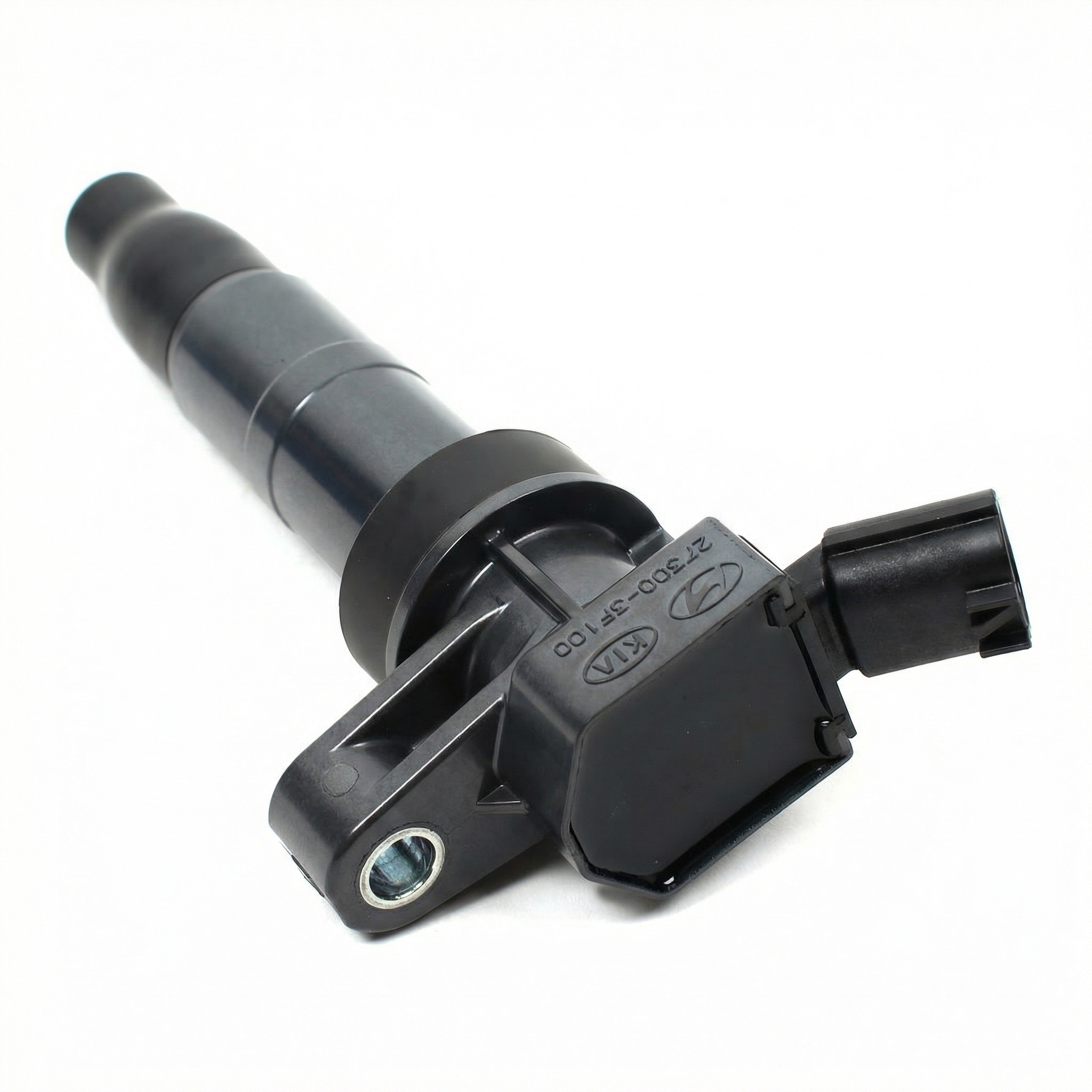
27300-2G000→27300-3F100— Part update/revision by the manufacturer.
Heads up: While the correct OEM part number for the 2010-2015 2.4L GDI is 27300-2GGA0, some parts catalogs show this older supersession. Always verify the part number with the vehicle's VIN to ensure compatibility, as using the wrong coil can lead to incorrect dwell times and premature failure.
Model Year Variations Within This Range
- 2011-2014: Models within this range equipped with the 2.0L and 2.4L GDI engines were subject to a major recall and class-action lawsuit related to engine bearing failure, which could lead to catastrophic engine seizure. While not directly causing a P0352 code, severe engine vibration or internal damage from this known issue could potentially stress electrical components or mimic misfire symptoms.
Diagnostic Flowchart
Other Known Issues on This Vehicle
Issues unrelated to this code that are worth knowing about as an owner of this generation:
- Theta II Engine Failure (Connecting Rod Bearing) 🔴 High — Very common across the 2011-2015 model years. Can occur at various mileages, often under 100,000 miles. (Ref: Recall SC147; Numerous class-action lawsuits and settlements have been issued, extending warranties and providing compensation for affected owners.)
- MDPS Steering Coupler Failure 🟠 Medium — Common failure leading to a clicking or knocking noise in the steering column when turning. Typically occurs after 60,000 miles. (Ref: Customer Satisfaction Program CS1604 / Warranty Extension (WTY006) issued for many affected vehicles.)
- Engine Compartment Fire Risk (HECU) 🔴 High — Affects a wide range of Kia models, including the 2011-2015 Optima. Can occur while parked or driving. (Ref: NHTSA Recall 22V-760. Involves a potential electrical short in the Hydraulic Electronic Control Unit (HECU).)
- Excessive Oil Consumption 🟠 Medium — Many owners report high oil consumption between changes, which can exacerbate other engine wear issues if the oil level is not frequently checked. (Ref: Related to the broader Theta II engine issues, but not always a direct symptom of the rod bearing failure.)
Used vs. New Parts: Buying Guide for This Vehicle
When a used part is the smart pick: For this repair, a used ignition coil from a reputable salvage yard is a reasonable option, especially for diagnostic purposes. If a used coil from a donor vehicle resolves the P0352 code, it confirms the diagnosis without the cost of a new part. However, due to the high failure rate of these coils, a new part is recommended for the final repair.
Donor-vehicle mileage cap: roughly under 80000 miles for the part to have meaningful remaining life.
What to inspect on the donor part:
- Check the plastic housing for any cracks, especially around the bolt hole.
- Inspect the electrical connector for corrosion or broken locking tabs.
- Examine the rubber boot for swelling, tears, or signs of oil saturation.
- If possible, choose a donor vehicle that appears to have been well-maintained and is from a later model year in the range (e.g., 2014-2015).
OEM-only on this vehicle (don't cheap out):
- Powertrain Control Module (PCM) - A used PCM will require reprogramming by a dealer or specialized shop to match the vehicle's VIN and immobilizer system, making a new or properly refurbished unit a more reliable choice.
Aftermarket brands forum-validated for this vehicle:
- NGK
- Denso
- Delphi
Brands owners have reported issues with on this vehicle:
- Unnamed, no-brand 'white box' coils from online marketplaces are frequently reported to have a short service life.
Real Owner Stories
Aggregated from forums and TSBs cited above. Mileages and costs reflect what owners reported in those sources.
2011-2015 Kia Optima 2.4L GDI
Symptoms: Owners reported misfires and P035x codes, often accompanied by a leaking valve cover gasket that allowed oil to enter the spark plug wells.
What fixed it: Replacement of the ignition coil and the valve cover gasket to prevent oil from damaging the new coil.
Source hint: optimaforums.com
2011-2015 Kia Optima 2.4L GDI
Symptoms: Persistent P0352 code even after replacing the coil; the plastic locking tab on the ignition coil connector was found to be broken.
What fixed it: Repairing the damaged section of wiring or replacing the pigtail connector.
Source hint: vehicle_specific_issues
2011-2015 Kia Optima 2.4L GDI
Symptoms: Misfiring under load, rough idle, and a flashing Check Engine Light; community consensus pointed to the coil and a leaking gasket.
What fixed it: Replacing the faulty ignition coil and cleaning oil out of the spark plug well.
Source hint: Reddit r/kia and r/mechanicadvice
Related OBD-II Codes
Frequently Asked Questions
Is there a recall for the engine issues on my 2011-2015 Kia Optima that might be related to this code?
I replaced the coil on cylinder #2 but the P0352 code came back. What else should I check on this specific engine?
What is the correct spark plug gap for my 2.4L GDI Optima when addressing a misfire?
Why does my Optima keep blowing ignition coils on cylinder #2?
Is there a specific TSB for the steering noise I hear while diagnosing this engine code?
Can I use a used ignition coil to fix the P0352 code on my Kia?
Helpful Videos
Used OEM Parts in Stock
New Aftermarket Parts Available


The information in this article is provided for general reference and educational purposes only. Vehicle specifications, procedures, and part compatibility can vary by production date, trim level, and region. Always consult your vehicle's factory service manual and verify part numbers before purchasing or performing repairs. Safety-critical components such as airbags, seat belts, and braking systems should be installed by a qualified professional.
- Kia Optima:
- 🧭 Diagnostic Flowchart
- 🎬 Helpful Videos
- 🛍️ Shop This Part
- What's Unique About the 2010-2015 Kia Optima
- Symptoms You May Notice
- Most Likely Causes
- Rare But Worth Checking
- Diagnosis Steps
- Parts You'll Likely Need
- Related Codes That Often Appear With This One
- Platform-Specific Known Issues
- Mechanic-Grade Diagnostic Values
- Scan Tool Commands That Help
- Wiring & Ground Locations
- Real Owner Repair Stories
- OEM Part Supersession History
- Model Year Variations Within This Range
- Other Known Issues on This Vehicle
- Used vs. New Parts: Buying Guide for This Vehicle
- Real Owner Stories
- 2011-2015 Kia Optima 2.4L GDI
- 2011-2015 Kia Optima 2.4L GDI
- 2011-2015 Kia Optima 2.4L GDI
- Related OBD-II Codes
- Frequently Asked Questions
- 🎟️ Get 5% Off