

P0352 on 2011-2015 Kia Optima 2.4L: Ignition Coil 'B' Circuit Malfunction Causes and Fixes
On a 2011-2015 Kia Optima with the 2.4L engine, code P0352 almost always means the ignition coil on cylinder #2 has failed. This is a simple DIY fix that involves swapping the coil with another cylinder to confirm the fault. A quality replacement coil costs between $30 and $75. It is critical to also inspect the spark plug tube for oil, as a leaking valve cover gasket is a very common underlying cause that will lead to repeat failure of the new coil.
- P0352 on your Kia Optima points to a problem with the ignition coil circuit for cylinder #2.
- The most likely cause is a failed ignition coil, which is a simple and inexpensive part to replace yourself.
- Always perform the 'coil swap test' to confirm the coil is bad before buying a new one.
- When you remove the coil, check the spark plug tube for oil. An oil leak from the valve cover gasket is a common secondary failure that must be fixed.
- Do not drive if the check engine light is flashing, as this can quickly lead to costly catalytic converter damage.
What's Unique About the 2011-2015 Kia Optima
For this generation of Kia Optima, the 2.4L GDI 'Theta II' engine has a well-documented history of issues beyond simple ignition coil failure. While P0352 is often a straightforward coil replacement, it can sometimes be an early symptom of more significant problems like excessive oil consumption fouling the spark plugs or, in rarer cases, issues related to the engine's internal health. These engines were subject to a major safety recall (SC147) and a class-action lawsuit for connecting rod bearing wear caused by manufacturing debris. Therefore, it's crucial to rule out basic ignition problems first and to check with a Kia dealer for open recalls or warranty extensions, as a lifetime engine warranty was provided for certain issues after a software update.
Symptoms You May Notice
- Check Engine Light is on
- Engine misfiring, which may feel like shaking or stumbling
- Rough or uneven idle
- Hesitation or loss of power during acceleration
- Difficulty starting the engine
- Flashing Check Engine Light (in severe cases)
- Reduced fuel efficiency
- Replacing only the spark plug when the ignition coil is the actual cause.
- Replacing the ignition coil without checking for and fixing an oil leak from the valve cover gasket, leading to repeat failure of the new coil.
- Replacing ignition components when the actual fault is a loose or damaged electrical connector at the coil.
Most Likely Causes
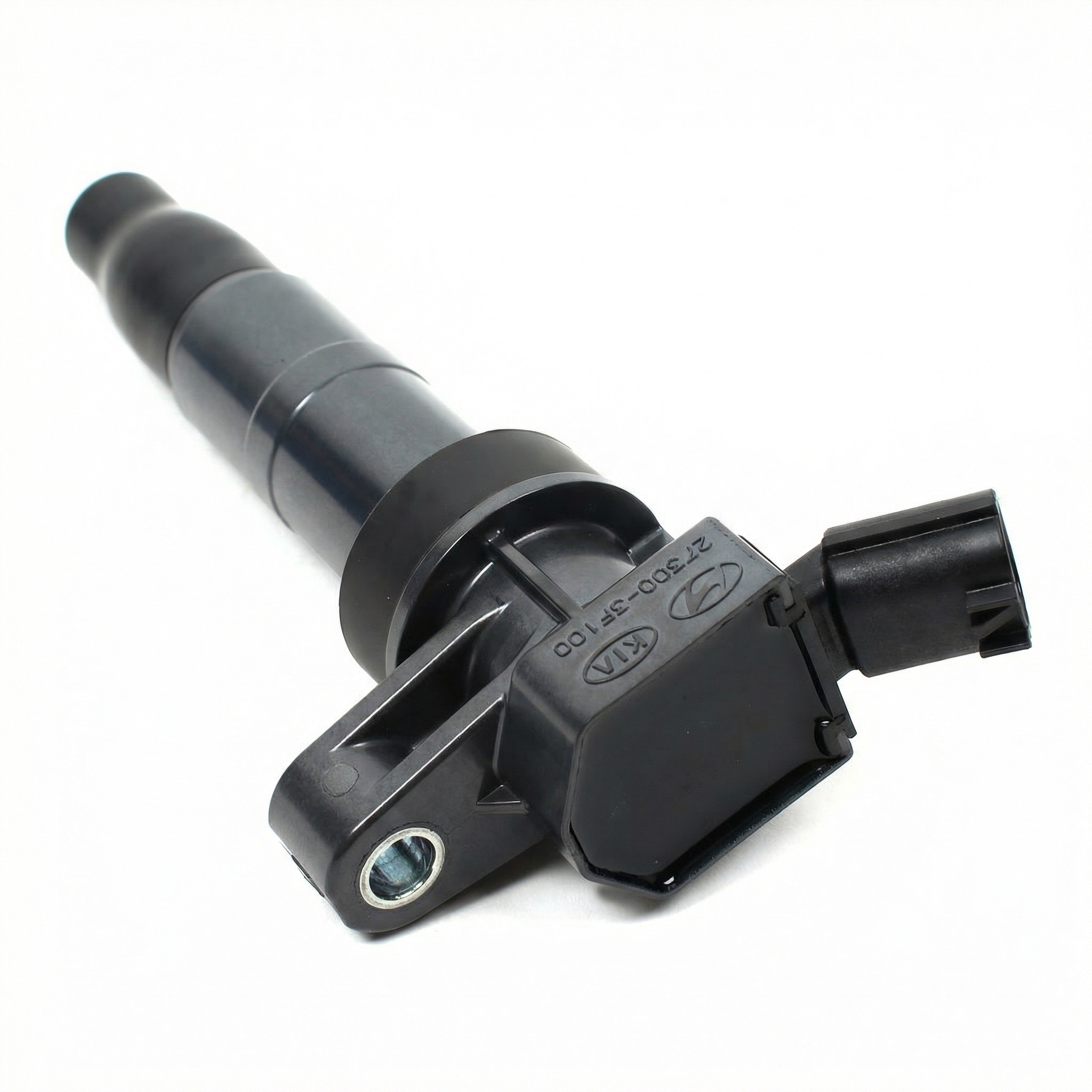
- Faulty Ignition Coil on Cylinder #2 🔴 High Probability → Shop Ignition Coil Ignition coils are a common wear-and-tear item on most modern engines, subject to high heat and vibration which eventually causes the internal windings to fail. This is a well-documented, frequent failure point on the Theta II GDI engine.
How to confirm: Swap the ignition coil from cylinder #2 with another cylinder (e.g., cylinder #1 or #3). Clear the codes and drive the vehicle. If the code changes to P0351 or P0353, you have confirmed the ignition coil is the faulty part. This is the universally recommended first diagnostic step.
Typical fix: Replace the faulty ignition coil. It is often recommended to replace the corresponding spark plug at the same time.
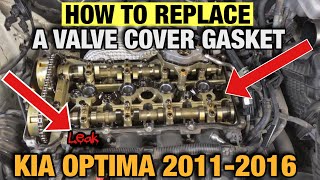
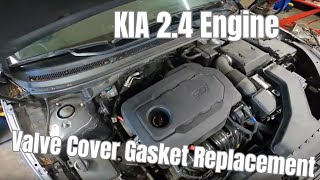
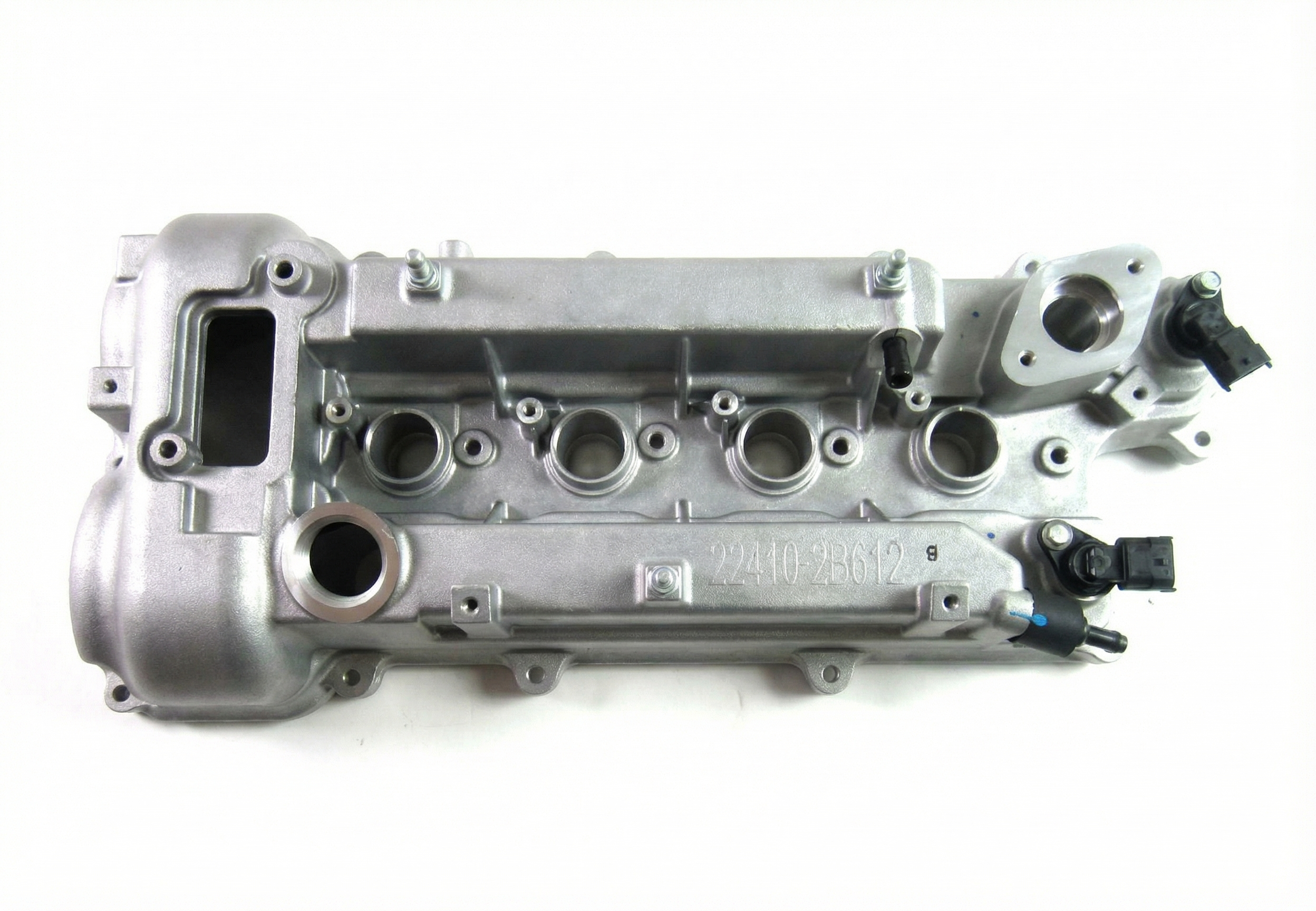
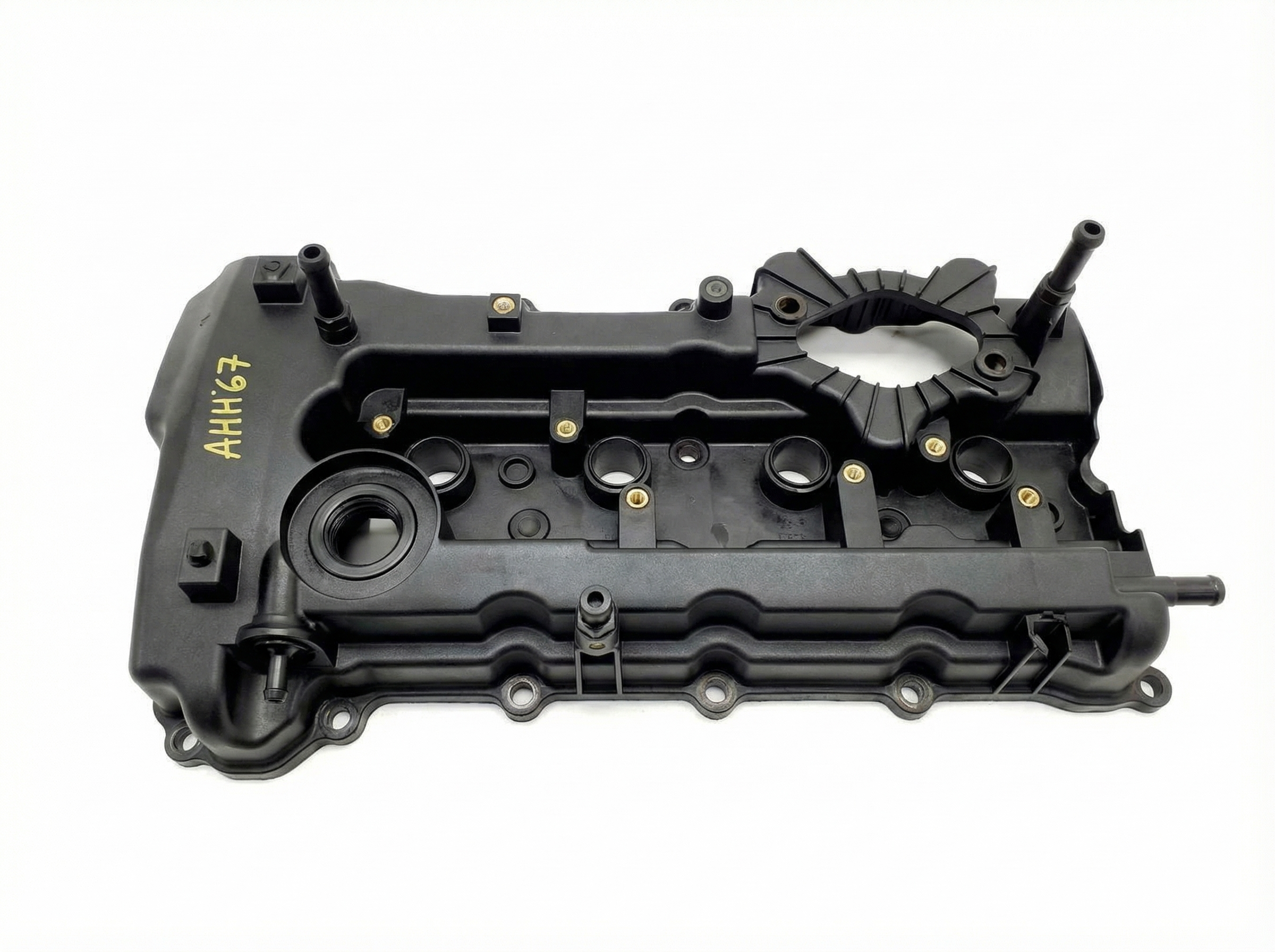
Est. part cost: $30-$75 - Leaking Valve Cover Gasket 🔴 High Probability → Shop Engine Valve Cover The gasket that seals the valve cover, particularly the spark plug tube seals (o-rings), can become brittle over time and leak oil directly into the spark plug tubes. This oil can saturate the ignition coil boot and spark plug, causing a short and leading to a circuit malfunction code. This is a very common root cause of P035x codes on this engine.
How to confirm: When you remove the ignition coil from cylinder #2, look for liquid oil pooled in the bottom of the spark plug tube or coating the coil boot.
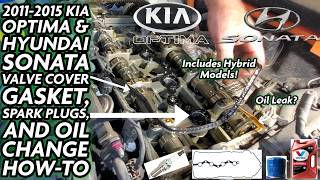
Typical fix: Replace the valve cover gasket and the spark plug tube seals. It is essential to clean all oil from the spark plug tube and replace the oil-fouled ignition coil and spark plug to prevent a repeat failure.
Est. part cost: $25-$60 for the gasket set - Worn or Fouled Spark Plug in Cylinder #2 🟡 Medium Probability → Shop Spark Plug These GDI engines can be prone to oil consumption, which can foul the spark plugs with oil and carbon deposits, leading to a weak or non-existent spark. A fouled plug can also overwork and damage the ignition coil.
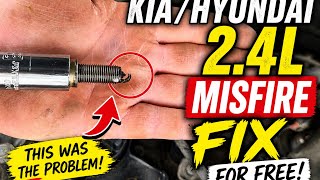
How to confirm: Remove the spark plug from cylinder #2 and inspect it. Look for signs of oil, heavy carbon buildup, or a worn-out electrode. Compare it to a new plug.
Typical fix: Replace the spark plug. It is best practice to replace all four spark plugs at the same time to ensure even performance.
Est. part cost: $10-$25 per plug - Damaged Wiring or Loose Connector ⚪ Low Probability
How to confirm: Visually inspect the wiring harness and connector going to the cylinder #2 ignition coil. Look for any signs of cracking, melting, corrosion, or wires that may have been chewed by rodents. The plastic locking tab on the connector can become brittle from heat and break, causing a poor connection. Ensure the connector clicks securely into place.
Typical fix: Repair the damaged section of wiring or replace the connector pigtail.
Est. part cost: $10-$30
Rare But Worth Checking
- Faulty Powertrain Control Module (PCM): → Shop Engine Control Module (ECM) This is extremely rare. The PCM's internal driver for the ignition coil can fail, but all other potential causes, especially the coil, wiring, and any oil leaks, should be exhaustively ruled out before considering PCM replacement.
Diagnosis Steps
- Connect an OBD-II scanner to confirm the P0352 code and check for any other related codes like P0302 or P1326.
- Turn off the engine and locate the ignition coils on top of the engine. On the 2.4L I4, they are in a line from left to right (1-2-3-4, standing in front of the car). Cylinder #2 is the second from the left (passenger side).
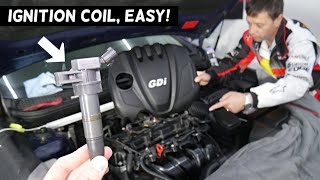
- Swap the ignition coil from cylinder #2 with the coil from cylinder #1 or #3. This requires removing a single 10mm bolt and disconnecting the electrical connector for each coil.
- While the coil is out, use a flashlight to inspect the spark plug tube for any pooled oil. The presence of oil indicates a leaking valve cover gasket which must be fixed.
- Clear the trouble codes with the scanner.
- Start the engine and let it run for a minute, or take a short test drive.
- Re-scan for codes. If the code has changed to P0351 (for cylinder 1) or P0353 (for cylinder 3), the ignition coil you moved is faulty and needs to be replaced.
- If the P0352 code returns, the problem is not the coil. The issue likely lies with the spark plug, the wiring/connector, or the valve cover gasket leak you may have observed.
- Inspect the wiring and connector for cylinder #2 for any visible damage, corrosion, or a broken locking tab.
- If the wiring appears fine, the next step would be to remove and inspect the spark plug from cylinder #2 for wear or fouling.
- If all else fails, use a multimeter to test the circuit for power and ground at the coil connector.
Parts You'll Likely Need
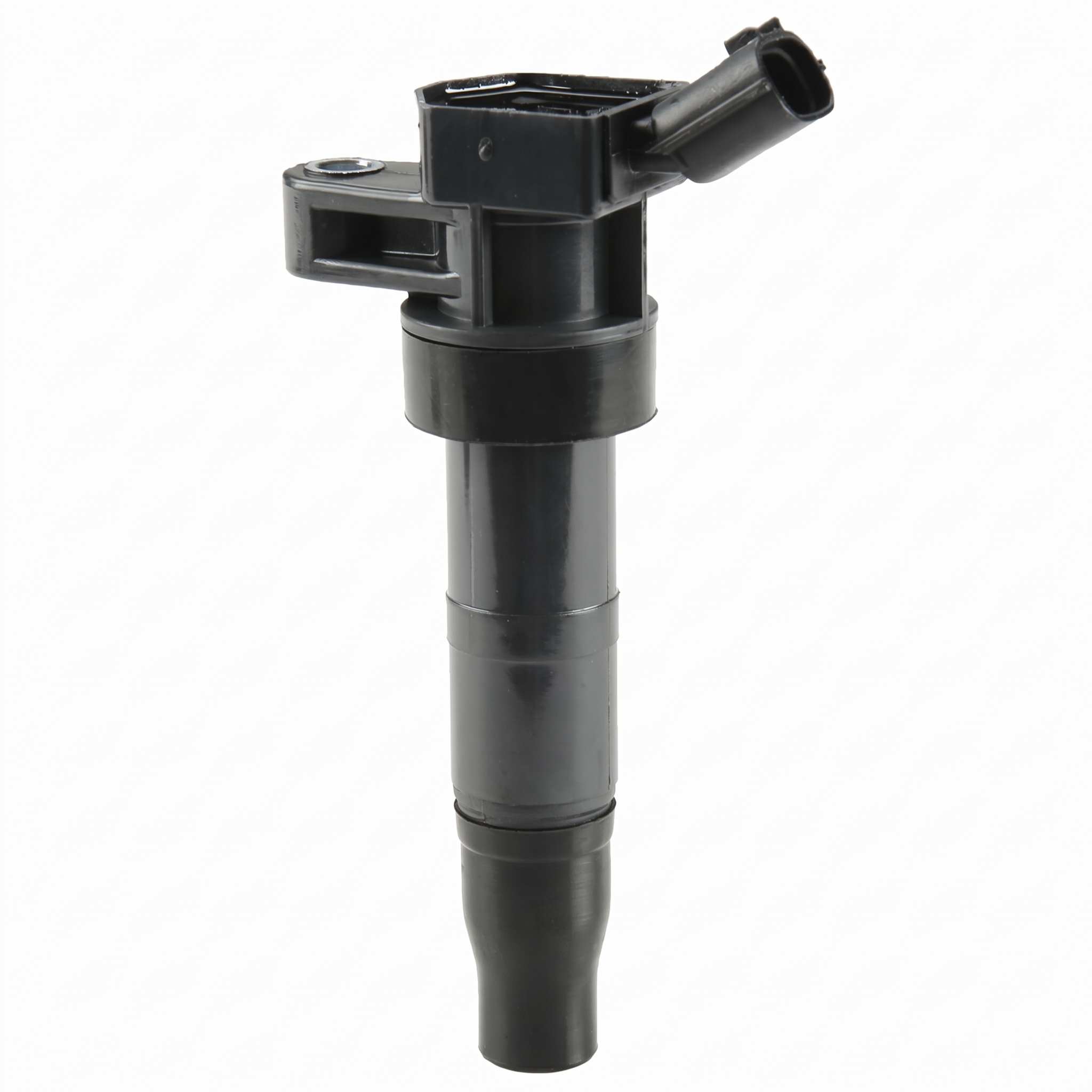
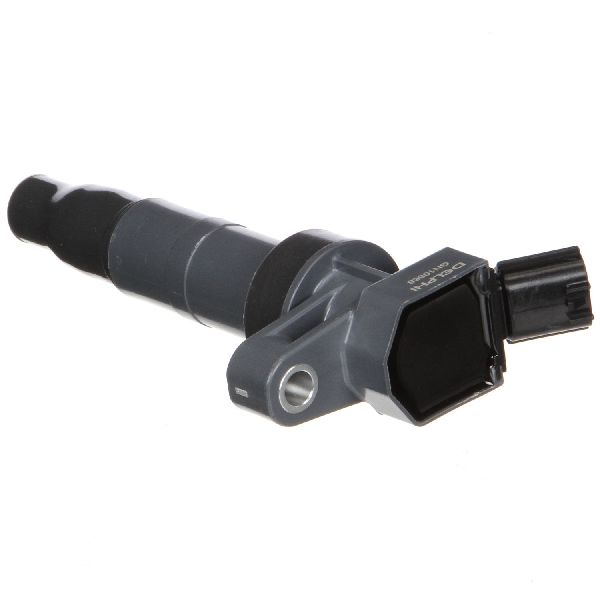
- Ignition Coil
(OEM #27301-2G000)— This is the most common failure part for a P0352 code. Heat and vibration cause the internal components to fail over time. Note: Part number 27301-3C000 is often listed but is for V6 engines and is incorrect for the 2.4L I4.
Trusted brands: Hyundai/Kia (OEM), NGK, Delphi, Denso
OEM price range: $60-$90
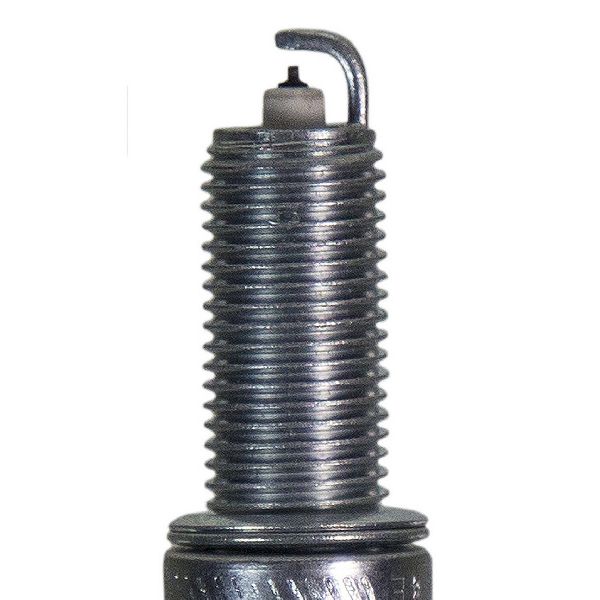
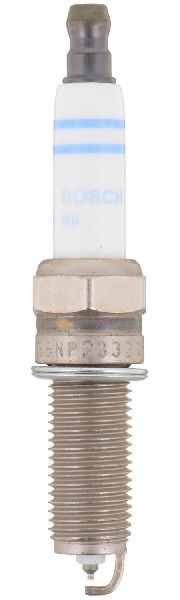
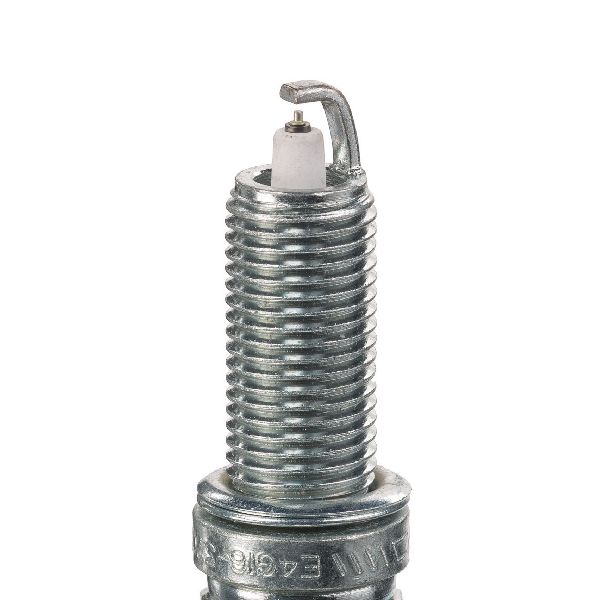
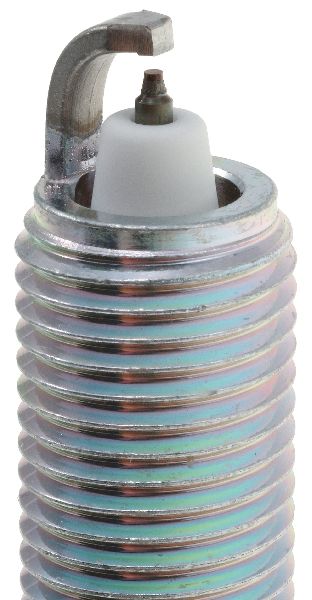
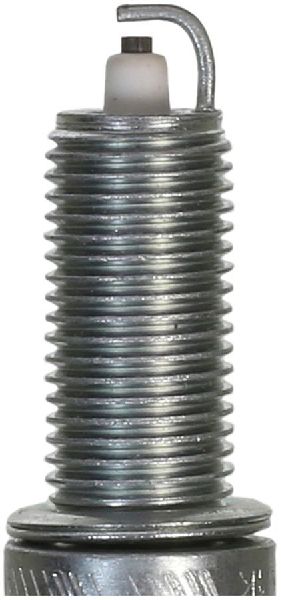
Aftermarket price range: $30-$75 - Iridium Spark Plug
(OEM #18846-11070)— A worn or oil-fouled spark plug can cause a misfire and may contribute to stress on the ignition coil.
Trusted brands: NGK, Denso
OEM price range: $15-$25
Aftermarket price range: $10-$20 - Valve Cover Gasket Set
(OEM #22441-2G100)— If oil is found in the spark plug tube, the valve cover gasket and spark plug tube seals have failed and must be replaced to prevent repeat ignition coil failure.
Trusted brands: Fel-Pro, Beck/Arnley, Mahle
OEM price range: $40-$70
Aftermarket price range: $25-$60
Related Codes That Often Appear With This One
- P0302 — P0302 means 'Cylinder 2 Misfire Detected.' Since P0352 indicates a failure in the ignition circuit for cylinder 2, a misfire is the direct result. This code is almost always seen alongside P0352.
- P0300 — This code for 'Random/Multiple Cylinder Misfire' can appear if the misfire from cylinder 2 is severe enough to disrupt the engine's overall balance and rotational speed.
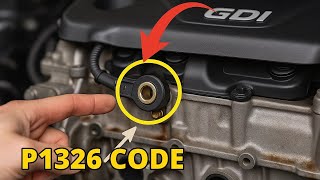
- P1326 — This Kia/Hyundai specific code indicates that the Knock Sensor Detection System (KSDS) has detected vibrations characteristic of connecting rod bearing failure. If seen with a misfire code, it strongly suggests the infamous Theta II engine failure is occurring and the vehicle will enter a reduced-power 'limp mode'.
Technical Service Bulletins (TSBs) & Recalls
- PI1803W/X: This TSB provides dealers with diagnostic procedures if a vehicle returns with DTC P1326 after the KSDS update. It outlines how to check for wiring interference before proceeding with an engine replacement.
Platform-Specific Known Issues
- Theta II Engine Issues: The 2.4L GDI engine in this Optima is known for potential manufacturing defects leading to connecting rod bearing failure. While P0352 is typically an isolated ignition issue, any misfire code on this engine warrants checking the oil level and ensuring the vehicle has had all relevant recalls (like SC147) and software updates (KSDS) performed by a Kia dealer. The KSDS update was designed to detect bearing wear early and trigger code P1326, putting the car in limp mode to prevent catastrophic failure.
Mechanic-Grade Diagnostic Values
- Ignition Coil Primary Winding Resistance — expected: 0.45 - 0.65 ohms. Failure: A reading of infinite ohms (OL) indicates an open circuit. A reading of zero indicates a short. Any reading outside the specified range suggests a faulty coil.
- Ignition Coil Secondary Winding Resistance — expected: 6,000 - 10,000 ohms (6kΩ - 10kΩ). Failure: A reading outside of this range indicates a fault in the secondary coil windings.
- Voltage Supply at Ignition Coil Connector (Key On, Engine Off) — expected: 12V+ (Battery Voltage). Failure: Voltage below 9V suggests a power supply problem from the main relay or fuse. Check the 20A ignition coil fuse in the under-hood fuse box.
- Ground Circuit at Ignition Coil Connector — expected: < 0.1V. Failure: Higher voltage indicates a poor ground connection, which can cause weak or no spark. The main engine ground strap should be inspected.
Scan Tool Commands That Help
- Kia GDS (Global Diagnostic System): Cylinder Power Balance Test — This function allows a technician to sequentially disable the fuel injector to each cylinder. When disabling cylinder #2 causes no change in engine RPM, it confirms that cylinder is not contributing, which is expected with a P0352. If disabling another cylinder *also* causes little change, it may indicate additional problems.
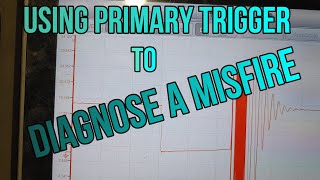
- Advanced Oscilloscope: Ignition Primary Waveform Analysis — When a coil swap and wiring check do not resolve the issue, connecting a lab scope to the signal wire at the coil can definitively test the PCM driver. A healthy PCM will show a crisp square wave pattern. A flat line or erratic signal confirms the PCM's internal driver has failed, which is a rare but possible cause.
Wiring & Ground Locations
- Engine Ground Wiring Assembly — This is a harness that typically connects the engine block/cylinder head to the chassis frame rail near the driver's side.. A corroded or loose main engine ground can cause insufficient voltage to reach the ignition coils, leading to weak spark, misfires, and codes like P0352. All electrical components on the engine rely on this for a clean return path to the battery.
- Ignition Coil Connector (Cylinder #2) — On top of the engine, second from the left (passenger side), connecting to the ignition coil. It is a 4-pin connector.. This connector is the direct interface for the coil. The plastic locking tab can become brittle from heat cycles and break, causing a poor connection. The terminals can also corrode or back out. A wiggle test on this connector and harness while the engine is running can help identify intermittent connection issues.
OEM Part Supersession History
27301-2G000→27300-2G000, 27300-2GGA0— Part number consolidation and potential minor internal revisions for durability across multiple Hyundai/Kia platforms using the Theta II engine.
Heads up: While multiple part numbers exist, they are generally interchangeable for the 2011-2015 2.4L Optima. However, always verify fitment with a VIN at a dealership or trusted parts supplier. Avoid coils intended for the 2.0L Turbo or V6 engines as they have different electrical characteristics.
Model Year Variations Within This Range
- 2011-2015 (SULEV models): In states with California-level emissions standards, the Optima was sold as a Super Ultra Low Emissions Vehicle (SULEV). These models have a slightly lower power output (192 hp vs 200 hp) due to tuning and emissions components, but the ignition system and diagnosis for P0352 remain identical.
- 2014-2015: The Kia Optima received a mid-generation facelift for the 2014 model year. While the core 2.4L engine and ignition system remained the same, there could be minor differences in wiring harness routing or connector designs. However, the fundamental causes and fixes for P0352 are consistent across the 2011-2015 range.
Diagnostic Flowchart
Other Known Issues on This Vehicle
Issues unrelated to this code that are worth knowing about as an owner of this generation:
- Catastrophic Engine Failure (Rod Bearing Wear) 🔴 High — Widespread across 2011-2014 models. Failure can occur suddenly, often between 60,000 and 120,000 miles. (Ref: Recall SC147 / NHTSA 17V224000)
- Excessive Oil Consumption 🔴 High — Very common, often starting after 60,000 miles. Can be a precursor to rod bearing failure. Many owners report consuming a quart of oil in under 1,000 miles. (Ref: TSB ENG222 (describes oil consumption test procedure))
- Intake Valve Carbon Buildup 🟠 Medium — Inherent to the GDI design. Typically causes noticeable performance issues like misfires (P0300) and hesitation after 60,000-100,000 miles.
- Starter Motor Failure 🟠 Medium — A common complaint for this generation, where the starter may fail prematurely, resulting in a no-start condition.
- Steering Column Click/Noise 🟡 Low — Frequently reported issue caused by a worn flexible coupling in the steering column, resulting in a clicking noise when turning the wheel. (Ref: TSB CHA084 / CHA091)
Used vs. New Parts: Buying Guide for This Vehicle
When a used part is the smart pick: For this repair, a used part is almost never a smart choice for the ignition coil itself due to its nature as a high-wear electronic component. However, sourcing a used connector pigtail from a junkyard harness is a perfectly acceptable and cost-effective repair if only the connector is damaged.
Donor-vehicle mileage cap: roughly under 40000 miles for the part to have meaningful remaining life.
What to inspect on the donor part:
- For a connector pigtail, ensure the plastic is not brittle or cracked.
- Check that the locking tab is intact and functional.
- Inspect the wire insulation for any signs of cracking, melting, or previous repairs.
- Look for any green or white corrosion on the metal terminals inside the connector.
OEM-only on this vehicle (don't cheap out):
- Powertrain Control Module (PCM) - Due to programming requirements specific to the vehicle's VIN and options, a used PCM is often more trouble than it's worth.
Aftermarket brands forum-validated for this vehicle:
- NGK
- Delphi
- Denso
- Mando (often the Original Equipment supplier for Hyundai/Kia)
Brands owners have reported issues with on this vehicle:
- Unbranded, low-cost ignition coils from online marketplaces. These often use inferior materials like aluminum windings instead of copper, leading to a high rate of premature failure.
Real Owner Stories
Aggregated from forums and TSBs cited above. Mileages and costs reflect what owners reported in those sources.
2011-2015 Kia Optima Hybrid
Symptoms: Oil in the spark plug wells.
What fixed it: Replacing the failed valve cover gasket and spark plug tube seals.
Source hint: Reddit r/kia - 'Oil in spark plugs: am I cooked'
Related OBD-II Codes
Frequently Asked Questions
My 2013 Kia Optima is shaking and the Check Engine Light is flashing; could this be related to the engine recall SC147?
I found oil inside the spark plug tube while checking my ignition coil. Is this a common issue for the 2.4L GDI engine?
Which cylinder do I need to check for a P0352 code on my 2014 Optima 2.4L?
Can I just replace the spark plug to fix P0352, or do I need a new coil?
Is there a TSB for the P1326 code that sometimes appears with misfire issues on this Kia?
Should I buy a used ignition coil from a junkyard to save money on this repair?
Helpful Videos

Used OEM Parts in Stock
New Aftermarket Parts Available

The information in this article is provided for general reference and educational purposes only. Vehicle specifications, procedures, and part compatibility can vary by production date, trim level, and region. Always consult your vehicle's factory service manual and verify part numbers before purchasing or performing repairs. Safety-critical components such as airbags, seat belts, and braking systems should be installed by a qualified professional.
- Kia Optima:
- 🧭 Diagnostic Flowchart
- 🎬 Helpful Videos
- 🛍️ Shop This Part
- What's Unique About the 2011-2015 Kia Optima
- Symptoms You May Notice
- Most Likely Causes
- Rare But Worth Checking
- Diagnosis Steps
- Parts You'll Likely Need
- Related Codes That Often Appear With This One
- Technical Service Bulletins (TSBs) & Recalls
- Platform-Specific Known Issues
- Mechanic-Grade Diagnostic Values
- Scan Tool Commands That Help
- Wiring & Ground Locations
- OEM Part Supersession History
- Model Year Variations Within This Range
- Other Known Issues on This Vehicle
- Used vs. New Parts: Buying Guide for This Vehicle
- Real Owner Stories
- 2011-2015 Kia Optima Hybrid
- Related OBD-II Codes
- Frequently Asked Questions
- 🎟️ Get 5% Off