

P0352 on 2018-2023 Kia Stinger 3.3L: Ignition Coil 'B' Circuit Malfunction Causes and Fixes
The P0352 code on a 3.3L Kia Stinger almost always points to a failed ignition coil for cylinder #2. This is a common issue, and the fix is typically a new ignition coil, which costs around $50-$110. The repair is straightforward for this specific cylinder, with a DIY difficulty of 2/5.
- P0352 on a 3.3L Stinger means there's an electrical problem with the ignition coil circuit for cylinder #2.
- The most likely cause by far is a failed ignition coil, a common issue on this platform.
- The easiest way to diagnose a bad coil is to swap it with one from another cylinder and see if the fault code follows the coil.
- Cylinder #2 is the front-most cylinder on the driver's side, making it easy to access for DIY repair.
- If the check engine light is flashing, stop driving immediately to prevent catalytic converter damage.
What's Unique About the 2018-2023 Kia Stinger
The Kia Stinger's 3.3L twin-turbo V6 is a high-performance engine that generates significant heat in the engine bay. This high-heat environment can contribute to a shorter lifespan for ignition components, making ignition coil failure a relatively common issue. While the P0352 code itself is generic, its frequent appearance on this platform is often tied to these conditions. Fortunately, cylinder #2 is located on the driver's side of the engine at the very front, making it the most accessible cylinder for diagnosis and repair. Additionally, a recall for the left turbocharger oil feed pipe (NHTSA 24V143000 / Kia SC300) addresses an oil leak that can increase under-hood temperatures near cylinder #2, potentially accelerating coil failure.
Symptoms You May Notice
- Check Engine Light is on
- Rough or unstable idle
- Engine hesitation or stumbling during acceleration
- Noticeable loss of engine power
- Difficulty starting the engine
- Vibrations felt in the cabin
- Smell of raw fuel from the exhaust
- A loud 'pop' or 'bang' sound from the engine bay, which can indicate a cracked spark plug insulator, a known issue on this platform.
- Replacing the spark plug without first testing the ignition coil.
- Replacing an oxygen sensor, which is unlikely to cause a single-cylinder ignition circuit fault.
- Assuming a fuel injector is bad, when P0352 is specifically an ignition circuit electrical fault.
Most Likely Causes
- Faulty Ignition Coil (Cylinder #2) 🔴 High Probability → Shop Ignition Coil The high-output, twin-turbo engine generates significant heat, which can accelerate the wear and tear on ignition coils. Proximity to the left-side turbocharger and exhaust manifold contributes to this heat soak.
How to confirm: The most effective method is to swap the ignition coil from cylinder #2 with another cylinder (e.g., cylinder #4, the middle one on the driver's side). Clear the codes and drive the vehicle. If the code changes to P0354, the ignition coil is confirmed to be faulty.
Typical fix: Replace the faulty ignition coil for cylinder #2.
Est. part cost: $50-$110 - Worn or Fouled Spark Plug (Cylinder #2) 🟡 Medium Probability → Shop Spark Plug The 3.3L T-GDi engine has a recommended spark plug service interval of just 42,000 miles due to the stresses of direct injection and turbocharging. A worn plug can overwork and damage the ignition coil. Cracked ceramic insulators are also a known failure mode.
How to confirm: After ruling out the ignition coil, remove and inspect the spark plug from cylinder #2. Look for signs of wear, carbon fouling, oil, or damage to the electrode or ceramic insulator. A cracked insulator is a common finding.
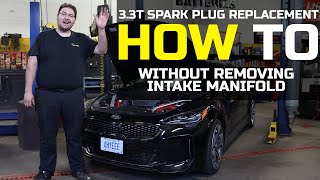
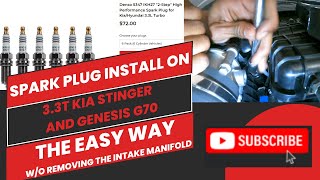
Typical fix: Replace the spark plug in cylinder #2. It is highly recommended to replace all six spark plugs as a set 🎬 See this easy spark plug replacement walkthrough without removing the intake if they are near or past their service interval. Ensure they are gapped correctly, especially on tuned vehicles which may require a smaller gap 🎬 Watch: How to change and gap Stinger spark plugs correctly (e.g., 0.022-0.026 inches).
Est. part cost: $15-$25 per plug - Damaged Wiring or Loose Connector ⚪ Low Probability Engine vibrations and heat can, over time, cause wiring to become brittle or connectors to loosen. A recall on some 2018 models (NHTSA 18V-754) addressed a front wiring harness that could chafe on the fender apron, potentially causing shorts.
How to confirm: Visually inspect the wiring harness and connector going to the cylinder #2 ignition coil. Check for any signs of melting, corrosion, chafing, or broken locking tabs on the connector. Use a multimeter to check for 12V power and ground at the connector with the key on.
Typical fix: Repair the damaged section of the wiring harness or replace the ignition coil pigtail connector.
Est. part cost: $15-$30 for a new connector
Rare But Worth Checking
- Faulty Powertrain Control Module (PCM): → Shop Engine Control Module (ECM) This is extremely rare. Before condemning the PCM, all other possibilities (coil, plug, wiring) must be exhaustively ruled out. A professional diagnosis is required to confirm a faulty PCM driver circuit, which can be tested by commanding the coil to pulse with a high-end scan tool.
Diagnosis Steps
- Retrieve all stored fault codes with an OBD-II scanner.
- Confirm that P0352 (and likely P0302) is present.
- Locate cylinder #2. On the 3.3L V6, this is the front-most cylinder on the driver's side (Bank 2).
- Visually inspect the ignition coil's electrical connector and wiring for any obvious damage, such as melting, corrosion, or chafing.
- Swap the ignition coil from cylinder #2 with the coil from cylinder #4 (middle cylinder, driver's side). This is the easiest and most definitive test.
- Clear the fault codes and perform a test drive, including some moderate acceleration.
- Re-scan the vehicle. If the code has moved to P0354, the ignition coil is faulty and needs to be replaced.
- If the P0352/P0302 code returns, the issue is likely not the coil. Proceed to inspect the spark plug in cylinder #2.
- Remove the spark plug. Look for a cracked ceramic insulator (a known issue), heavy carbon fouling, or excessive electrode wear.
- If the spark plug is in poor condition or near its 42,000-mile service interval, replace it. It is best practice to replace all six plugs as a set to maintain engine balance.
- If both the coil and plug are good, use a multimeter to test the ignition coil connector. With the key on (engine off), check for battery voltage on the power supply wire and check for a good ground on the ground wire.
- If all else fails, the issue may be with the PCM's coil driver circuit, which requires professional diagnosis with advanced scan tools.
Parts You'll Likely Need
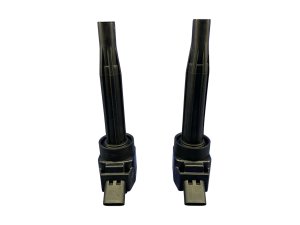
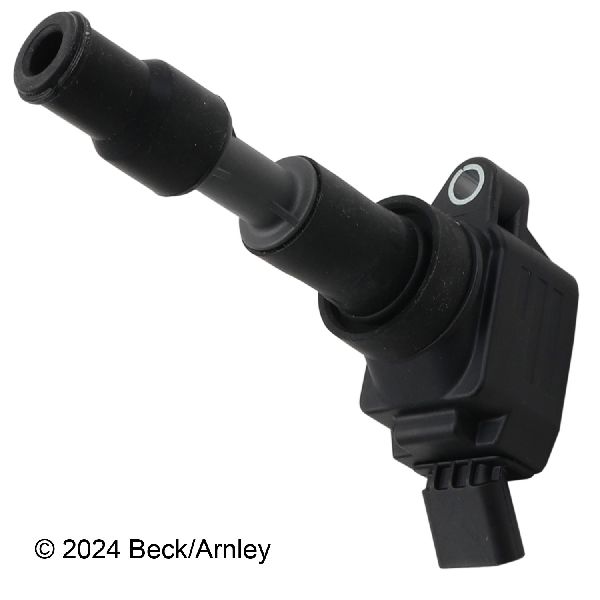
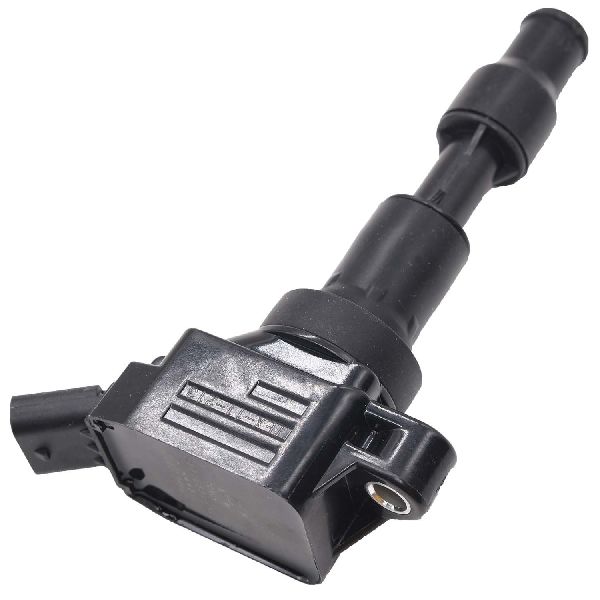
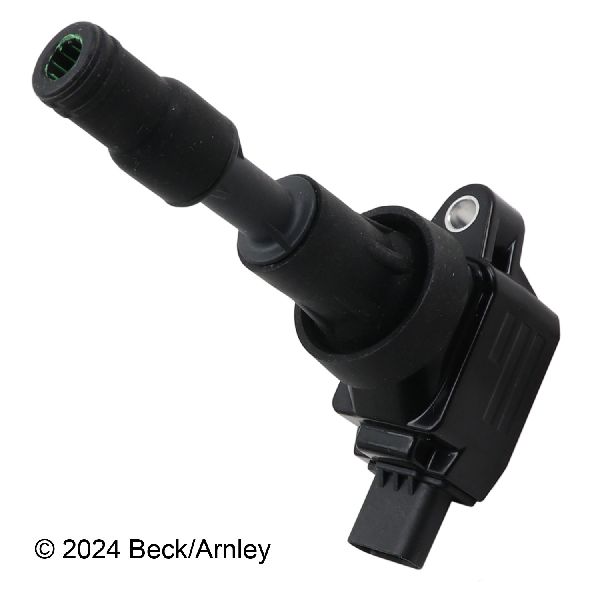
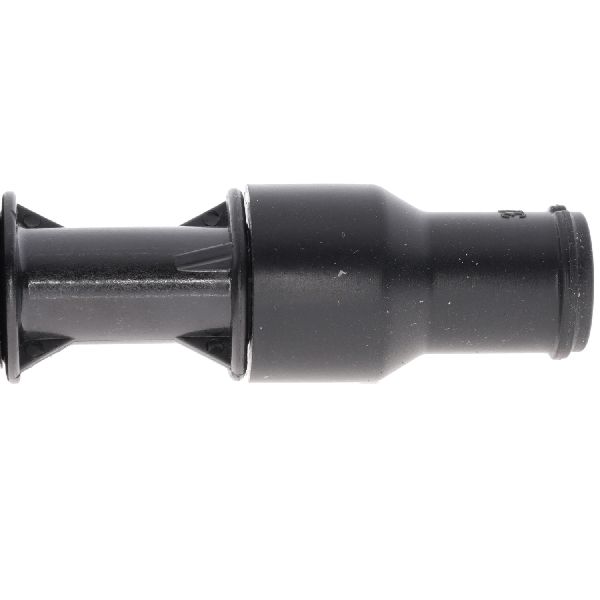
- Ignition Coil
(OEM #27301-3L100)— This is the most common failure part for a P0352 code, often due to the high-heat environment of the engine bay.
Trusted brands: Kia/Hyundai (Genuine), Bosch, Delphi, NGK
OEM price range: $75-$110
Aftermarket price range: $50-$80 - Spark Plug
(OEM #18852-09070 (NGK SILZKR8E8G))— The short service interval (42k miles) means these are often due for replacement. A worn plug can cause the coil to fail, so it's wise to replace them together. Cracked insulators are also a known failure point on this engine.
Trusted brands: NGK, Denso
OEM price range: $18-$25
Aftermarket price range: $15-$22
Related Codes That Often Appear With This One
- P0302 — P0302 indicates a misfire in cylinder #2. 🎬 Watch: How to diagnose and fix a cylinder 2 misfire P0352 is the specific electrical fault causing that misfire. It is very common to see both codes together.
- P0300 — If the ignition problem is intermittent or if other coils/plugs are also failing, a P0300 (Random/Multiple Cylinder Misfire) may appear alongside P0352.
Platform-Specific Known Issues
- Intake Valve Carbon Buildup: While not a direct cause of P0352, it's a chronic issue on all GDI engines, including the Stinger's 3.3T. Severe buildup can lead to misfires (P0300, P0302) and should be considered if ignition components don't solve the problem. Cleaning is often recommended every 30,000-60,000 miles.
- Recall SC300 / NHTSA 24V143000: This recall addresses a deteriorating left turbocharger oil feed pipe. While it's for an oil leak and fire risk, the excess heat from this issue could potentially accelerate the degradation of the nearby cylinder #2 ignition coil and its wiring harness.
Mechanic-Grade Diagnostic Values
- Ignition Coil Connector Power Supply Voltage — expected: 12V (or battery voltage). Failure: A reading below 9V indicates a problem with the power supply circuit or a poor main engine ground.
- Ignition Coil Primary Circuit Resistance — expected: Approximately 0.8 - 1.2 Ohms. Failure: A reading of infinite resistance (OL) indicates an open circuit inside the coil, while a reading of zero indicates a short.
Scan Tool Commands That Help
- Kia GDS (Global Diagnostic System) / KDS: Actuation Test for Ignition Coils — This bidirectional command is used to force the PCM to fire the cylinder #2 ignition coil. If the coil does not fire during the test (verified with a spark tester), but the wiring and coil test good, it points towards a faulty PCM driver circuit. This is a definitive way to test the PCM's command signal without an oscilloscope.
- Kia GDS (Global Diagnostic System) / KDS: Resetting Adaptive Values — After replacing components like ignition coils or spark plugs that may have caused poor combustion, resetting the engine's adaptive learning values can help the PCM adjust to the new parts more quickly for a smoother idle and performance.
Wiring & Ground Locations
- Main Engine Ground Strap — Typically located on the driver's side of the engine bay, connecting the engine block to the chassis frame rail or fender apron.. While not part of the coil circuit itself, a corroded or loose main ground can cause a voltage drop across the entire engine electrical system. This can lead to insufficient voltage at the ignition coil, causing weak spark, misfires, and potentially triggering a P0352 code.
Real Owner Repair Stories
- Reddit r/StingerGT (2019 Kia Stinger, 74k miles) — Check Engine Light came on after hearing a loud 'bang' from the engine bay. The associated code was P0302 (Cylinder 2 Misfire), which is the direct result of the P0352 fault.
❌ Tried (didn't work) The owner did not report trying other fixes first; they went straight to the forums for advice after the distinct symptom.
✅ What actually fixed it Community members immediately suggested the loud bang was indicative of a cracked spark plug insulator, a known issue. Upon inspection, the spark plug for cylinder #2 was found to be cracked and was replaced, which resolved the misfire code.
OEM Part Supersession History
27310-3L030→27301-3L100— Standard part revision, likely for improved durability or manufacturing process.
Heads up: The 3.3L V6 uses two different ignition coils. The front bank (cylinders 2, 4, 6) uses this part number. The rear bank (cylinders 1, 3, 5) uses part number 27310-3L000. They are not interchangeable. P0352 is for cylinder #2, which is on the front bank.
Model Year Variations Within This Range
- 2022-2023: For the 2022 model year refresh, the 3.3L V6 engine received a new variable exhaust system. This resulted in a minor power increase from 365 to 368 horsepower. This change does not affect the ignition system, and the diagnosis for P0352 remains identical for all model years.
Diagnostic Flowchart
Other Known Issues on This Vehicle
Issues unrelated to this code that are worth knowing about as an owner of this generation:
- Left Turbocharger Oil Feed Pipe Leak 🔴 High — Common enough to warrant a safety recall across all model years (2018-2023). (Ref: NHTSA 24V143000 / Kia SC300)
- Electronic Wastegate Actuator (EWGA) Failure 🟠 Medium — A common failure point, often preceded by a distinct squeaking or rattling noise from the turbo area upon engine shutdown. Can cause overboost (P0234) or underboost (P0299) codes.
- High-Pressure Fuel Pump (HPFP) Failure 🔴 High — Common on 2018-2021 models, can cause sudden loss of power and stalling. (Ref: NHTSA 23V-634 / Kia SC281)
- Intake Valve Carbon Buildup 🟠 Medium — A universal issue for GDI engines. Performance degradation can be noticed after 40,000-60,000 miles. Requires periodic cleaning (walnut blasting or chemical) for optimal performance.
- Front Wiring Harness Chafing (2018 models) 🔴 High — Specific to early 2018 models, a harness could rub against a sharp edge on the fender apron, creating a fire risk. (Ref: NHTSA 18V-754 / Kia SC170)
Used vs. New Parts: Buying Guide for This Vehicle
When a used part is the smart pick: A used OEM ignition coil from a reputable salvage yard with a low-mileage donor vehicle is a viable and cost-effective option. The engine wiring harness, if found to be damaged, is also a good candidate for a used part.
Donor-vehicle mileage cap: roughly under 60000 miles for the part to have meaningful remaining life.
What to inspect on the donor part:
- Inspect the plastic housing of the ignition coil for any cracks or signs of melting.
- Check the electrical connector pins for any corrosion or damage.
- Ensure the rubber boot that seals against the spark plug is not torn, oily, or brittle.
OEM-only on this vehicle (don't cheap out):
- Powertrain Control Module (PCM): While a used PCM can be purchased, it is VIN-locked and will require specialized programming to work with the vehicle's immobilizer system. A new or professionally refurbished unit is a more reliable, though more expensive, choice.
Aftermarket brands forum-validated for this vehicle:
- Ignition Coils: NGK, Bosch, Delphi.
- Spark Plugs: NGK (OEM supplier), Denso.
Brands owners have reported issues with on this vehicle:
- Unbranded, low-cost 'economy' ignition coils. Forum consensus generally advises against the cheapest available parts for critical ignition components, as they have a higher failure rate.
Real Owner Stories
Aggregated from forums and TSBs cited above. Mileages and costs reflect what owners reported in those sources.
2019 Kia Stinger GT 3.3T — 74000 miles
Symptoms: Heard a loud bang followed by a P0302 code.
What fixed it: Replacement of a cracked spark plug.
Source hint: Reddit r/StingerGT
2018-2023 Kia Stinger 3.3T
Symptoms: P0302 and related ignition codes; owners often use the coil-swap method to diagnose.
What fixed it: Swapping or replacing ignition coils or addressing cracked spark plug insulators.
Source hint: stingerforum.org
Related OBD-II Codes
Frequently Asked Questions
Where is cylinder #2 located on my Stinger's 3.3L V6 engine?
Could the recent turbo oil feed pipe recall (SC300) be related to my P0352 code?
I heard a loud 'pop' from the engine bay before the light came on; what does that mean for a Stinger?
Why do my spark plugs need service so early at 42,000 miles?
Is there a recall for the wiring harness on 2018 models that could cause ignition codes?
If I'm tuned, should I use the factory spark plug gap to fix this misfire?
Helpful Videos

Used OEM Parts in Stock
New Aftermarket Parts Available


The information in this article is provided for general reference and educational purposes only. Vehicle specifications, procedures, and part compatibility can vary by production date, trim level, and region. Always consult your vehicle's factory service manual and verify part numbers before purchasing or performing repairs. Safety-critical components such as airbags, seat belts, and braking systems should be installed by a qualified professional.
- Kia Stinger:
- 🧭 Diagnostic Flowchart
- 🎬 Helpful Videos
- 🛍️ Shop This Part
- What's Unique About the 2018-2023 Kia Stinger
- Symptoms You May Notice
- Most Likely Causes
- Rare But Worth Checking
- Diagnosis Steps
- Parts You'll Likely Need
- Related Codes That Often Appear With This One
- Platform-Specific Known Issues
- Mechanic-Grade Diagnostic Values
- Scan Tool Commands That Help
- Wiring & Ground Locations
- Real Owner Repair Stories
- OEM Part Supersession History
- Model Year Variations Within This Range
- Other Known Issues on This Vehicle
- Used vs. New Parts: Buying Guide for This Vehicle
- Real Owner Stories
- 2019 Kia Stinger GT 3.3T — 74000 miles
- 2018-2023 Kia Stinger 3.3T
- Related OBD-II Codes
- Frequently Asked Questions
- 🎟️ Get 5% Off