

P0352 on 2003-2011 Saab 9-3: Ignition Coil 'B' Circuit Malfunction Causes and Fixes
P0352 on a Saab 9-3 almost always means the ignition coil on cylinder 2 has failed. This is a very common and simple DIY repair. Replacing the single coil costs between $40 for an aftermarket part and $125 for a genuine OEM part and can be done in under 15 minutes with basic tools.
- P0352 on a 2003-2011 Saab 9-3 points directly to a problem with the ignition coil on cylinder 2.
- The most effective diagnostic step is to swap the cylinder 2 coil with another one and see if the code follows the coil.
- This is a very DIY-friendly repair that requires minimal tools (a 10mm or T30 socket) and can be done in under 15 minutes for the 4-cylinder and front-bank V6 cylinders.
- Be careful with the plastic electrical connectors, as they become brittle and are known to break.
What's Unique About the 2003-2011 Saab 9-3
The 2003-2011 Saab 9-3 uses a reliable coil-on-plug ignition system, but the individual coils are a common wear item, often lasting between 60,000 and 100,000 miles. Unlike older Saabs with a single large ignition cassette, this generation allows for the easy and inexpensive replacement of a single coil. The key difference within this generation is the engine: the 4-cylinder B207 and V6 B284 use different, non-interchangeable ignition coils from different suppliers (Mitsubishi for the B207, Bosch for the B284). A critical feature of the B207's Trionic 8 system is its use of the ignition coils and spark plugs to measure ionization current after combustion, eliminating the need for a separate knock sensor. This is why using correct, high-quality OEM coils is essential.
Symptoms You May Notice
- Check Engine Light illuminated.
- Engine misfiring, which may feel like shaking, shuddering, or hesitation during acceleration. 🎬 See how to identify and fix a random engine misfire.
- Rough or unstable idle.
- Noticeable loss of engine power.
- Reduced fuel economy.
- Engine may be difficult to start.
- In rare cases, a smell of gasoline from the exhaust or backfiring sounds.
- Replacing the fuel injector on cylinder 2. While a bad injector can cause a misfire (P0302), it will not cause an ignition coil circuit code like P0352.
Most Likely Causes
- Failed Ignition Coil on Cylinder 2 🔴 High Probability → Shop Ignition Coil Ignition coils are a regular maintenance item that fail due to age, heat cycles, and electrical stress. They are a well-documented failure point on this platform, with many owner accounts of failure.
How to confirm: The easiest method is to swap the ignition coil from cylinder 2 with another cylinder (e.g., cylinder 3). Clear the codes and drive the car. If the code returns as P0353, the coil is faulty.
Typical fix: Replace the faulty ignition coil. It is held in by a single T30 Torx or 10mm bolt. Many owners choose to replace all coils at once for preventative maintenance, especially if they are original or if another has recently failed.
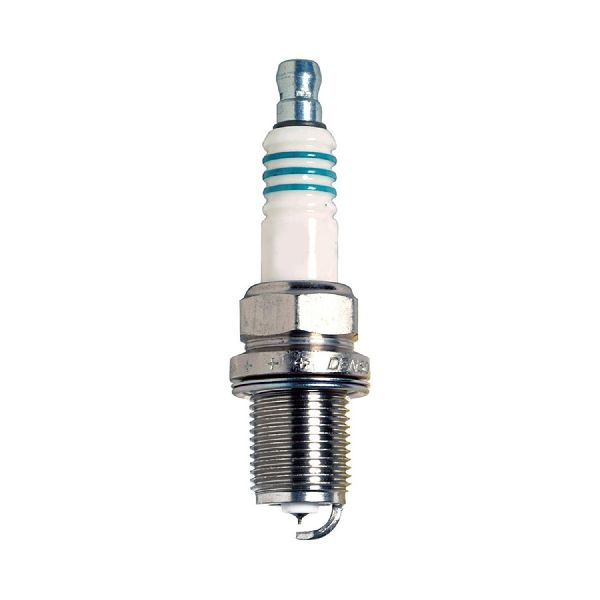
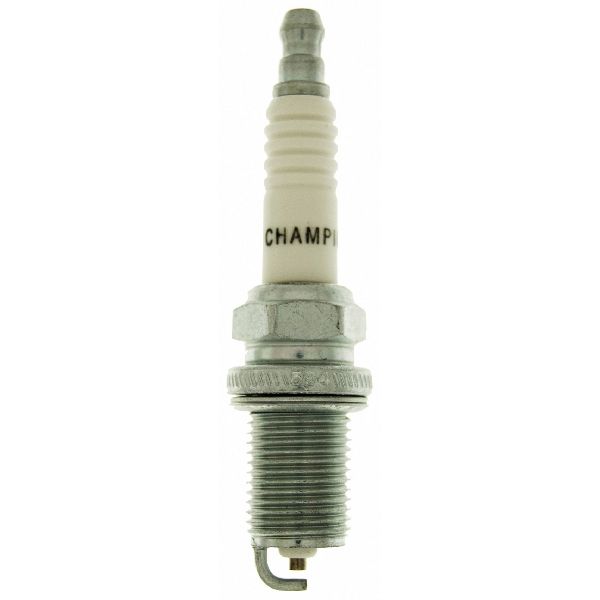
Est. part cost: $40-$125 - Worn or Fouled Spark Plug in Cylinder 2 🟡 Medium Probability → Shop Spark Plug A spark plug with an excessive gap or heavy deposits increases the electrical resistance, forcing the ignition coil to work harder and generate more heat, which can lead to premature coil failure or trigger a circuit code. Saab specifies replacement intervals of 60,000 miles for the B207 engine, but plugs can fail sooner.
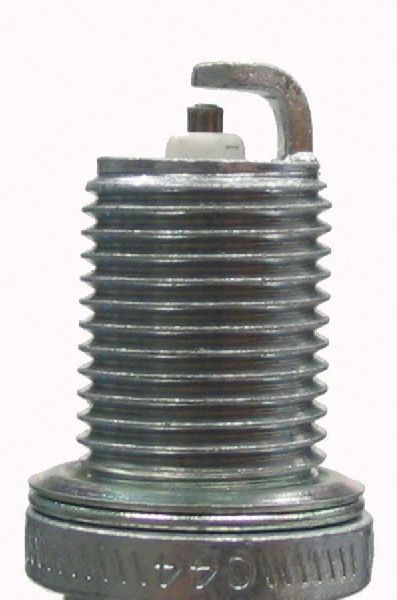
How to confirm: When you remove the ignition coil to inspect or swap it, remove the spark plug from cylinder 2. Check for wear on the electrode, cracks in the porcelain, or heavy carbon/oil fouling. Compare it to a plug from another cylinder.
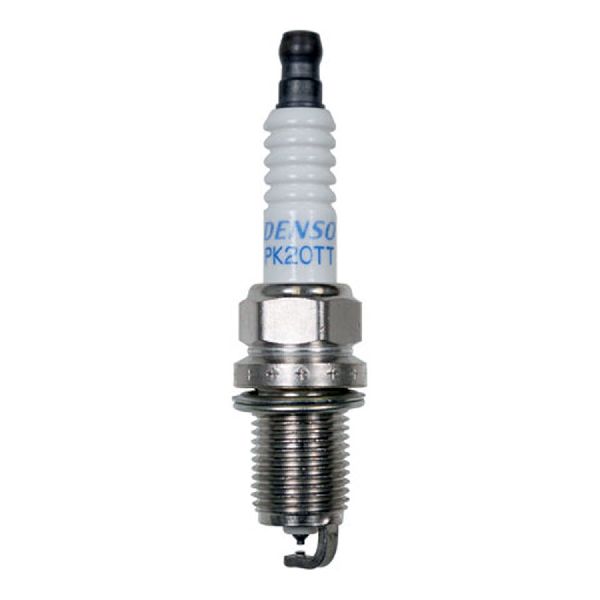
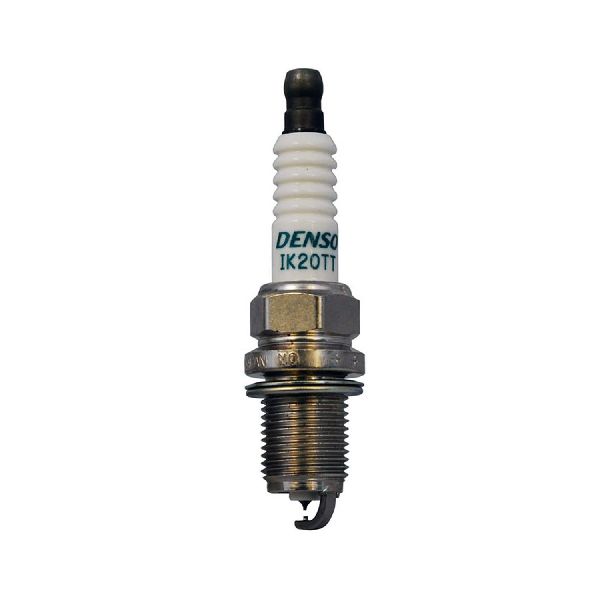
Typical fix: Replace the spark plug. It is highly recommended to replace all spark plugs as a set 🎬 Watch: A complete walkthrough for replacing coils and spark plugs. to ensure even performance. Use the correct NGK plugs specified for your engine.
Est. part cost: $8-$15 per plug - Damaged Wiring or Connector ⚪ Low Probability Over years of heat cycles, the plastic ignition coil connector and its wiring can become brittle. The locking tab on the connector is especially prone to breaking during removal, leading to a poor connection.
How to confirm: Visually inspect the wiring harness and the electrical connector going to the cylinder 2 ignition coil. Look for any signs of brittle or cracked insulation, corrosion on the pins, or a loose connection. Wiggle the connector with the engine running to see if it induces a misfire.
Typical fix: If the connector is broken, replace the connector pigtail. This requires cutting the old connector off and splicing the new one in. If wiring is damaged, repair the specific section of wire.
Est. part cost: $10-$30
Rare But Worth Checking
- Faulty Engine Control Module (ECM): → Shop Engine Control Module (ECM) This is very uncommon. The coil driver transistor within the ECM can fail, but this should only be suspected after exhaustively ruling out the coil, spark plug, and all related wiring. Professional diagnosis is recommended to confirm an ECM fault.
Diagnosis Steps
- Read the fault codes with an OBD-II scanner to confirm P0352 and check for any other codes like P0302.
- Locate cylinder 2. On the 4-cylinder B207, it's the second cylinder from the front (belt side) of the engine. On the V6 B284, it's the middle cylinder on the front bank (the bank closer to the radiator).
- Swap the ignition coil from cylinder 2 with the coil from cylinder 3. They are identical and held by a single T30 Torx or 10mm bolt.
- Clear the fault codes with the scanner.
- Start the engine and drive for a few minutes until the Check Engine Light returns.
- Re-scan for codes. If the code is now P0353 ('Ignition Coil C Circuit'), the coil you moved is bad and needs replacement.
- If the code remains P0352, the problem is not the coil. The next step is to inspect the spark plug and the wiring connector for cylinder 2.
- Remove the coil and spark plug from cylinder 2. Inspect the plug for damage, wear, or fouling. If it looks bad or is old, replace it (preferably as a full set).
- Inspect the electrical connector for the coil. Check for corrosion, bent pins, or damaged wires. Pay close attention to the plastic locking tab, which often breaks from heat and age.
- For advanced diagnosis, use a multimeter to check for 12V power and ground at the coil connector with the key on. You can also check the signal wire for a pulse from the ECM during cranking.
- If the coil, plug, and wiring all appear to be in good condition, the issue may be a rare ECM fault, which should be diagnosed by a professional.
Parts You'll Likely Need
- Ignition Coil (for 4-Cylinder B207 Engine)
(OEM #12787707)— This is the most common cause of P0352 on the 2.0T and 1.8t models.
Trusted brands: Genuine Saab (Mitsubishi), Bosch, NGK
OEM price range: $90-$125
Aftermarket price range: $40-$75 - Ignition Coil (for V6 B284 Engine)
(OEM #12629037)— This is the most common cause of P0352 on the 2.8T V6 models.
Trusted brands: Genuine GM/Saab (Bosch), Bosch, Delphi
OEM price range: $55-$80
Aftermarket price range: $35-$60 - Spark Plugs (for 4-Cylinder B207 Engine)
(OEM #NGK PFR6T-10G)— Worn spark plugs are a contributing factor to coil failure and should be replaced if they are old or show signs of wear.
Trusted brands: NGK
OEM price range: $10-$15 per plug
Aftermarket price range: $8-$12 per plug - Spark Plugs (for V6 B284 Engine)
(OEM #NGK ILTR6A-8G)— Worn spark plugs contribute to coil failure. The V6 uses a different plug from the 4-cylinder.
Trusted brands: NGK
OEM price range: $12-$18 per plug
Aftermarket price range: $9-$15 per plug
Related Codes That Often Appear With This One
- P0302 — P0302 means 'Cylinder 2 Misfire Detected'. Since P0352 indicates a fault in the coil circuit for cylinder 2, a misfire is the direct result, and these two codes almost always appear together.
- P1312 — This is a Saab-specific code indicating 'Combustion Detection Circuit Malfunction'. On B207 engines, the Trionic 8 ignition system uses the coils to detect combustion quality. A failing coil or plug can trigger this code alongside the more specific P035x code.
Platform-Specific Known Issues
- Brittle Ignition Coil Connectors: → Shop Ignition Coil Owners frequently report that the plastic clips on the ignition coil electrical connectors become extremely brittle due to engine heat. They often break when attempting to disconnect them for diagnosis or replacement, leading to a loose connection that can perpetuate the P0352 code even with a new coil. If the connector housing cracks or the lock tab breaks, replacing the pigtail connector is the proper fix.
- V6 Rear Bank Access: On the B284 V6 engine, cylinder 2 is on the front bank and is easily accessible. However, if a coil on the rear bank (cylinders 1, 3, 5) fails, access is much more difficult. It requires removing the engine control unit (ECU) and associated wiring harnesses to reach the coils, making the job significantly more time-consuming than for the front bank.
Mechanic-Grade Diagnostic Values
- B207 (4-cyl) Ignition Coil Connector - Power Supply — expected: 11.5V - 12.5V at Pin 1 (B+) with ignition on, engine off.. Failure: No voltage indicates a problem with the main relay or wiring from the fuse box.
- B207 (4-cyl) Ignition Coil Connector - Ground — expected: Near 0 Ohms resistance between Pin 2 (B-) and chassis ground.. Failure: High resistance indicates a problem with the G7 ground point or wiring.
- B207 (4-cyl) Ignition Coil Connector - Trigger Signal — expected: Fluctuating low voltage (0V-5V pulse) at Pin 3 during engine cranking.. Failure: No fluctuation or signal indicates a wiring issue from the ECM or a faulty ECM driver.
- B284 (V6) Ignition Coil Connector - Power Supply — expected: Battery Voltage (B+) at Pin 2 from the main relay with ignition on.. Failure: No voltage points to a wiring or main relay fault.
- Tech2 Live Data - Misfire Counters — expected: Counters for all cylinders should be at or near zero.. Failure: A rapidly increasing 'Misfire Count' on a specific cylinder while driving confirms the location of the misfire.
Scan Tool Commands That Help
- Saab Tech2: Read Live Data > Misfire Counters / Knock Counters — This is the definitive way to confirm which cylinder is actively misfiring, especially for intermittent faults that don't always set a code immediately. It allows the technician to see misfire events in real-time during a test drive under specific conditions (e.g., high load, cold start).
Wiring & Ground Locations
- G7 — On the B207 (4-cyl) engine, located on or above the top right attachment lug of the Engine Control Module (ECM) on the front of the engine.. This is the direct grounding point for the ignition coils. Corrosion or a loose connection here can cause erratic coil behavior, intermittent misfires, and codes like P0352 across one or multiple cylinders.
- G7F / G7R — On the B284 (V6) engine, these are the ground points for the front (F) and rear (R) cylinder bank ignition coils.. A fault at G7F would affect the front bank, which includes cylinder 2. A poor ground can cause a voltage drop in the coil circuit, triggering a fault code.
- G2 — Main battery-to-chassis ground, located on the side of the left-hand structural member in the engine bay, near the battery.. While not the direct coil ground, a poor main ground can cause widespread, unpredictable electrical issues throughout the vehicle, including problems with the ECM and ignition system.
Real Owner Repair Stories
- Nix Electronics Repair Video (2003-2011 Saab 9-3 (general)) — Random misfire codes (P030x) and injector/coil circuit codes (P020x, P035x), limp mode.
❌ Tried (didn't work) Replacing spark plugs, Replacing ignition coils, Replacing fuel injectors
✅ What actually fixed it The Engine Control Module (ECM) itself was faulty. Due to its location, heat and vibration cause internal solder joints for the main processors to crack over time. The fix was to have a specialist repair the original ECM by re-balling the processors, which is a plug-and-play repair that requires no reprogramming. - Reddit r/saab community consensus (2003-2011 Saab 9-3 with B207 engine) — Misfires, rough idle, P035x codes.
❌ Tried (didn't work) Installing cheap aftermarket ignition coils (e.g., Proparts Sweden or unbranded parts).
✅ What actually fixed it Replacing the faulty coil with a Genuine Saab (Mitsubishi-stamped) part number 12787707, or a high-quality equivalent from NGK or Bosch. Owners report that cheap coils often fail within weeks or months, or don't work correctly with the Trionic 8 ionization sensing system.
OEM Part Supersession History
12787707→12787707— This part number for the B207 engine's Mitsubishi-made ignition coil has remained consistent, with no major supersessions noted.
Heads up: Crucially, ignition coils from other GM vehicles like the Chevrolet Cobalt, which may appear physically similar, are NOT compatible. The Saab coil contains unique circuitry for the Trionic 8 ionization current measurement system used for knock detection. Using a non-specified coil will result in poor performance and additional fault codes like P1312.
Model Year Variations Within This Range
- 2003-2005 (approx.): Early Trionic 8 models used an 'analogue output' Combustion Detection Module (CDM), part number 12787708. Later models switched to a 'digital output' CDM, part number 55352173. While the ignition coils themselves are the same, this internal electronics change could affect diagnostics or fault reporting behavior, though the root cause of P0352 remains the same.
Diagnostic Flowchart
Other Known Issues on This Vehicle
Issues unrelated to this code that are worth knowing about as an owner of this generation:
- CIM (Column Integrated Module) Failure 🔴 High — Common failure. Can occur at any mileage but more frequent on cars over 80,000 miles. Symptoms include horn/steering wheel controls not working, airbag light, 'Steering Lock Malfunction' messages, and no-start conditions.
- Fuel Level Sending Unit Failure 🟠 Medium — Very common issue where the fuel gauge reads empty or inaccurately, even with a full tank. Caused by worn contacts on the sender inside the fuel tank.
- Premature Timing Chain Stretch (B284 V6 Engine) 🔴 High — A notorious issue on the 2.8T V6 engine, often appearing between 70,000-120,000 miles. Symptoms include a rattle on startup and CEL codes like P0016. Failure can cause catastrophic engine damage. Repair is very labor-intensive.
- Broken Rear Coil Springs 🟠 Medium — Extremely common, especially in regions with harsh weather or salted roads. The bottom coil of the rear springs is prone to cracking and breaking, causing a clunking noise and a lower rear ride height.
- Balance Shaft Chain Guide Failure (B207 Engine) 🟠 Medium — While the main timing chain on the B207 is robust, the guides for the secondary balance shaft chain can wear out or break, typically after 100,000 miles, causing a rattling noise from the side of the engine.
- Convertible Top Hydraulic/Sensor Failures 🟠 Medium — Specific to the convertible model, failures of hydraulic lines, the pump motor, or the numerous position sensors are common, leading to the top getting stuck or displaying a 'Soft Top Failure' message.
Used vs. New Parts: Buying Guide for This Vehicle
When a used part is the smart pick: For ignition coils, a used OEM part from a reputable salvage yard is often a smarter and more reliable choice than a new, cheap aftermarket coil. Given the known issues with non-OEM parts on this system, a tested, genuine used part provides better compatibility.
Donor-vehicle mileage cap: roughly under 100000 miles for the part to have meaningful remaining life.
What to inspect on the donor part:
- Ensure the coil has 'SAAB' and/or the Mitsubishi logo molded into the plastic housing.
- Inspect for any cracks in the plastic body or rubber boot.
- Check the electrical connector pins for signs of corrosion or damage.
- Ask the seller if the part has been tested or comes with a short-term warranty.
OEM-only on this vehicle (don't cheap out):
- Ignition Coils (B207 Engine): Due to the integrated ionization-current knock detection, using anything other than the Genuine Saab/Mitsubishi part (12787707) or a top-tier OEM equivalent is highly discouraged.
Aftermarket brands forum-validated for this vehicle:
- Bosch
- NGK
Brands owners have reported issues with on this vehicle:
- Proparts Sweden
- Pronto
- Generic unbranded coils from online marketplaces.
Real Owner Stories
Aggregated from forums and TSBs cited above. Mileages and costs reflect what owners reported in those sources.
2003 9-3 2.0T
Symptoms: multiple coil codes (P0351, P0352, P0353, P0354) and misfire
What fixed it: replacing all four coils and spark plugs
Source hint: Saabplanet.com: In a thread titled 'P0351, P0352, P0353, P0354 Misfire,'
2008 9-3 2.0T
Symptoms: rough idle and misfire codes including P0352
What fixed it: using genuine OEM Mitsubishi coils, as advised by other owners
Source hint: Reddit r/saab
2003-2011 Saab 9-3
Symptoms: P0352 code persisted even with a new coil
What fixed it: replacing the pigtail connector because the plastic clip on the original had become brittle and broken
Source hint: Vehicle Specific Issues: Brittle Ignition Coil Connectors
Related OBD-II Codes
Frequently Asked Questions
My ignition coil connector clip broke when I tried to remove it. Can this still cause the P0352 code?
How do I know which cylinder is number 2 on my Saab 9-3?
I swapped the coil from cylinder 2 to cylinder 3, and now I have a P0353 code. What does that mean?
I'm getting P0352. Should I replace just the one coil or all of them at once?
Are aftermarket ignition coils okay for my 2008 Saab 9-3, or should I stick with OEM?
I have a V6 Saab 9-3. Is it harder to change the ignition coil for cylinder 2?
What kind of spark plugs should I use for my Saab 9-3?
Helpful Videos
We Have This Part in Stock


The information in this article is provided for general reference and educational purposes only. Vehicle specifications, procedures, and part compatibility can vary by production date, trim level, and region. Always consult your vehicle's factory service manual and verify part numbers before purchasing or performing repairs. Safety-critical components such as airbags, seat belts, and braking systems should be installed by a qualified professional.
- Saab 9-3:
- 🧭 Diagnostic Flowchart
- 🎬 Helpful Videos
- 🛍️ Shop This Part
- What's Unique About the 2003-2011 Saab 9-3
- Symptoms You May Notice
- Most Likely Causes
- Rare But Worth Checking
- Diagnosis Steps
- Parts You'll Likely Need
- Related Codes That Often Appear With This One
- Platform-Specific Known Issues
- Mechanic-Grade Diagnostic Values
- Scan Tool Commands That Help
- Wiring & Ground Locations
- Real Owner Repair Stories
- OEM Part Supersession History
- Model Year Variations Within This Range
- Other Known Issues on This Vehicle
- Used vs. New Parts: Buying Guide for This Vehicle
- Real Owner Stories
- 2003 9-3 2.0T
- 2008 9-3 2.0T
- 2003-2011 Saab 9-3
- Related OBD-II Codes
- Frequently Asked Questions
- 🎟️ Get 5% Off