

P0353 on 2010-2015 Chevrolet Camaro 3.6L V6: Ignition Coil 'C' Circuit Fixes
P0353 on a 3.6L V6 Camaro indicates a fault with the ignition coil for cylinder #3. The most common fix is replacing the #3 ignition coil and spark plug. A new ACDelco coil costs around $40-$60, and a spark plug is about $10. This is a straightforward DIY repair for most owners. Before replacing, swap the coil to another cylinder to confirm it's faulty. If the old coil looks melted, further diagnosis of the ECM is needed as per TSB PIP5038B.
- P0353 on your Camaro almost always points to a problem with the ignition coil or spark plug on cylinder #3.
- The easiest and most definitive diagnostic step is to swap the cylinder #3 coil with another one and see if the code follows it.
- Cylinder #3 is the middle cylinder on the passenger's side of the engine.
- Do not ignore a flashing check engine light, as it can lead to very expensive catalytic converter damage.
- When replacing a failed coil, it's a good idea to also replace the spark plug for that cylinder, or all six if they are due for service.
What's Unique About the 2010-2015 Chevrolet Camaro
The 3.6L V6 (LLT and LFX) in the 5th generation Camaro uses a coil-on-plug ignition system, which is generally reliable but susceptible to heat degradation over time. The coils are located directly on top of the spark plugs, and due to the tight engine bay, they experience significant thermal stress. This can lead to micro-fractures in the coil's epoxy housing, causing misfires. While the issue is not unique to the Camaro, it's a common failure point for this specific engine platform as it ages. A GM Preliminary Information Bulletin (PIP5038B) also notes that on some 3.6L engines, a faulty ECM driver can cause the coil to overheat and melt, making visual inspection of the failed coil critical. Manufacturer Bulletin #PIP5038B specifically lists P0353 alongside other ignition circuit codes as a condition that may trigger the Malfunction Indicator Lamp.
Symptoms You May Notice
- Check Engine Light is on or flashing
- Rough idle or engine stumbling
- Engine misfires, especially noticeable during acceleration
- Reduced engine power and poor acceleration
- The 'Service StabiliTrak' message may also appear, as engine instability and misfires can disable the traction control system.
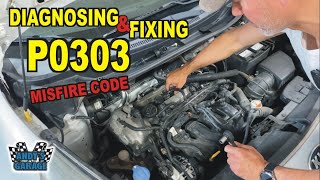
- Replacing the fuel injector for cylinder #3. While a bad injector can cause a misfire (P0303), 🎬 See this step-by-step P0303 misfire diagnostic guide the P0353 code specifically points to an electrical fault in the ignition coil's control circuit, not a fuel delivery problem.
Most Likely Causes
- Failed Ignition Coil (Cylinder #3) 🔴 High Probability → Shop Ignition Coil The coil-on-plug units on the 3.6L V6 are exposed to high heat in the engine bay, which can degrade the internal components and epoxy housing over time, leading to failure.
How to confirm: Perform an 'ignition coil swap test'. Move the ignition coil from cylinder #3 to another cylinder (e.g., cylinder #1). Clear the codes and drive the vehicle. If the code changes to P0351 (Ignition Coil 'A' Malfunction), the coil is confirmed to be faulty.
Typical fix: Replace the failed ignition coil for cylinder #3. Cylinder #3 is the middle cylinder on the passenger side (Bank 1).
Est. part cost: $40 - $90 for an OEM ACDelco coil. - Worn or Fouled Spark Plug (Cylinder #3) 🟡 Medium Probability → Shop Spark Plug Spark plugs are a standard wear item. A worn plug with a large gap can strain the ignition coil, causing it to work harder and potentially fail. The recommended service interval is around 100,000 miles.
How to confirm: After confirming the coil is good, remove the spark plug from cylinder #3. Inspect it for a worn electrode, carbon fouling, oil contamination, or cracks in the porcelain insulator.
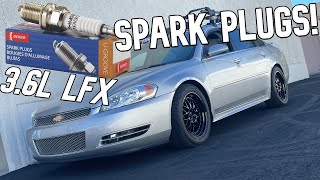
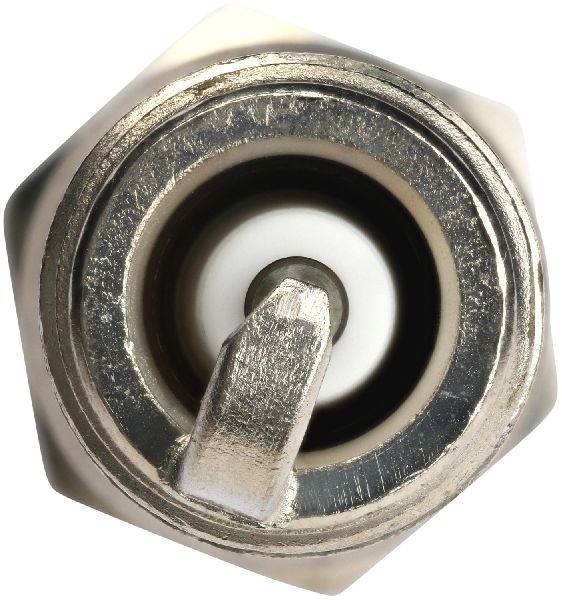
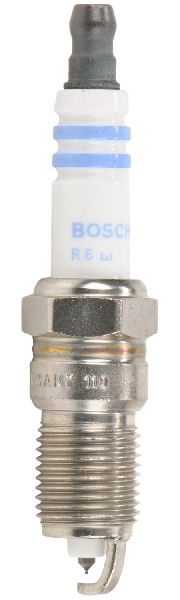
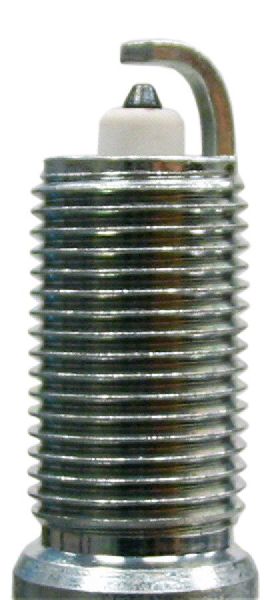
Typical fix: Replace the spark plug. It is best practice to replace all six spark plugs at the same time 🎬 Watch: How to change spark plugs on a 3.6L LFX engine to ensure even performance.
Est. part cost: $8 - $15 per iridium spark plug. - Damaged Wiring or Loose Connector ⚪ Low Probability The plastic connector or locking tab for the ignition coil can become brittle from heat cycles and break. Wires can also be damaged from chafing or improper servicing.
How to confirm: Visually inspect the electrical connector and wiring harness going to the cylinder #3 ignition coil. Check for broken plastic, corrosion on the pins, or any signs of melted or chafed wires. Ensure the connector 'clicks' securely into place.
Typical fix: Repair the damaged section of the wiring harness or replace the pigtail connector if the lock is broken.
Est. part cost: $15 - $30 for a new pigtail connector.
Rare But Worth Checking
- Leaking Valve Cover Gasket: → Shop Engine Valve Cover Oil can leak from the valve cover gasket and pool in the spark plug tube. This oil will saturate the ignition coil boot, causing it to swell and degrade, eventually leading to a short and coil failure. If you find oil on the spark plug when you remove it, the valve cover gasket must be replaced to prevent repeat coil failure.
- Faulty Powertrain Control Module (PCM): → Shop Engine Control Module (ECM) This is a very rare cause. However, GM TSB PIP5038B specifically addresses a condition where the internal driver circuit in the ECM can malfunction and remain 'on', which overheats and destroys the ignition coil, sometimes melting it. If a coil is found to be melted, the ECM and all coils may need replacement.
- Engine Wiring Harness Chafing: On some GM V6 platforms, the engine wiring harness is known to chafe against engine brackets, particularly near the rear bank of cylinders. This can cause a short or open in the ignition coil circuit. A thorough visual inspection of the harness loom is recommended if a new coil and plug do not resolve the issue.
Diagnosis Steps
- Read the code with an OBD-II scanner and confirm P0353 is present. Note any other codes, like P0303, and review freeze-frame data.
- Visually inspect the ignition coil, connector, and wiring for cylinder #3 (middle cylinder, passenger side). Look for any obvious damage, corrosion, or loose connections. Critically, check for signs of melting or heat damage on the coil housing.
- Perform an ignition coil 'swap test'. Label and move the coil from cylinder #3 to cylinder #1. Clear the codes.
- Drive the vehicle until the check engine light returns. Re-scan for codes.
- If the code is now P0351, the ignition coil is faulty and must be replaced.
- If the code P0353 returns, the problem is not the coil. Turn off the engine and remove the spark plug from cylinder #3.
- Inspect the spark plug for wear, damage, or oil fouling. If it's old or in poor condition, replace it. It's recommended to replace all six.
- If the plug and coil are good, use a multimeter to check for 12V power at the coil connector with the key on. Check the ground and signal wires for continuity back to the PCM. This step may require a wiring diagram.
- If wiring is confirmed to be good and the original coil showed signs of melting, the issue may be a rare PCM failure as described in TSB PIP5038B, which typically requires professional diagnosis.
Parts You'll Likely Need
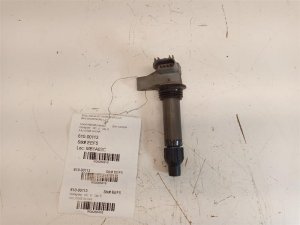
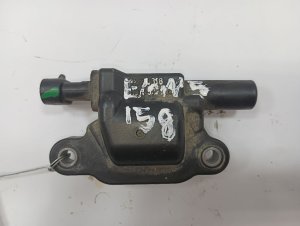
- Ignition Coil
(OEM #12632479 (Superseded by ACDelco D515C))— This is the most common failure part for a P0353 code due to heat degradation over time.
Trusted brands: ACDelco (GM OE), Delphi, NGK, Bosch
OEM price range: $40-$90
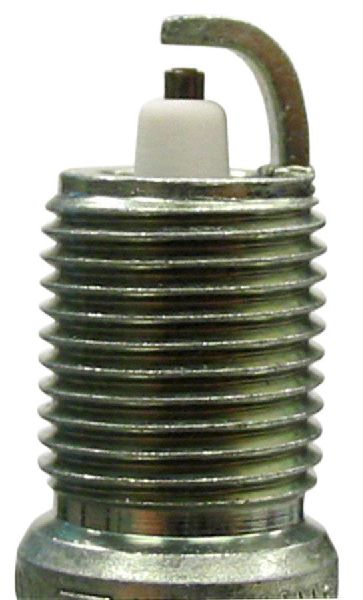
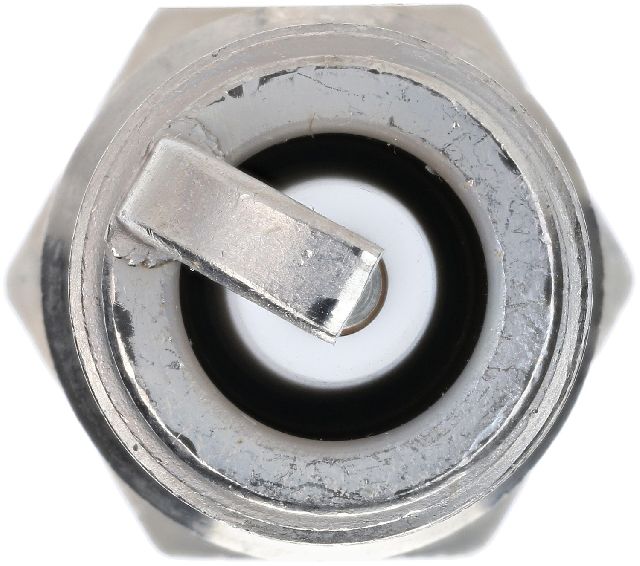
Aftermarket price range: $25-$60 - Iridium Spark Plug
(OEM #41-109)— A worn or fouled spark plug can cause the P0353 code or contribute to ignition coil failure. It's a standard maintenance item that should be replaced alongside a failed coil if its age is unknown.
Trusted brands: ACDelco (GM OE), NGK, Denso
OEM price range: $10-$15
Aftermarket price range: $8-$12
Related Codes That Often Appear With This One
- P0303 — P0303 means 'Cylinder 3 Misfire Detected'. Since P0353 indicates a fault in the ignition system for cylinder 3, it is the direct cause of the misfire, so these codes almost always appear together.
- P0300 — P0300 means 'Random/Multiple Cylinder Misfire Detected'. While less common, an underlying electrical issue that starts with one coil could potentially cause intermittent issues on other cylinders, leading to a P0300.
- P0351, P0352, P0354, P0355, P0356 — Appearance of other P035x codes alongside P0353 can indicate a more systemic problem, such as a bad ground, a loose fuse block connection, or the rare ECM fault described in TSB PIP5038B.
Technical Service Bulletins (TSBs) & Recalls
- PIP5038B: Addresses a condition where a faulty ECM driver can overheat and destroy an ignition coil, causing P035x codes. This TSB is critical if a melted coil is discovered, as simply replacing the coil will result in a repeat failure.
- Bulletin #PIP5038B: Notes that technicians may find Diagnostic Trouble Codes P0300 through P0306 and P0351 through P0356, and should follow published Service Information diagnostics for these codes first.
Platform-Specific Known Issues
- There was a significant recall (GM recall number 14294) for 2010-2014 Camaros regarding the ignition switch. A driver's knee could bump the key fob and turn the engine off while driving. While this does not directly cause a P0353 code, it highlights a known electrical system sensitivity in the vehicle.
Mechanic-Grade Diagnostic Values
- Ignition Coil Connector Voltage (Key On, Engine Off) — expected: Pin with Pink wire (or Pink/Black) should show battery voltage (approx. 12.6V).. Failure: 0V or significantly low voltage points to a problem with the power supply from the fuse block (e.g., INJ ODD fuse).
- Ignition Coil Connector Ground Circuit (Key On, Engine Off) — expected: Pin with Black wire should show less than 0.1V (100 millivolts).. Failure: Voltage significantly higher than 0.1V indicates a poor ground connection, which could be at the main engine grounds (G104/G107).
- Ignition Coil Primary/Secondary Resistance — expected: GM does not typically publish official resistance specs for these coils, as it's not a reliable test for modern coil-on-plug units.. Failure: An open circuit (infinite resistance) or a dead short (zero resistance) would indicate failure, but coils can have internal shorts that only manifest under load. A coil swap test is the definitive diagnostic method.
Scan Tool Commands That Help
- GDS2/Tech2: Cylinder Power Balance Test — This test allows a technician to disable individual cylinders one by one to see the effect on engine RPM. If disabling cylinder #3 causes no change in RPM drop compared to other cylinders, it confirms that cylinder #3 is not contributing, which supports the P0353 diagnosis.
- GDS2/Tech2: Ignition Control (IC) Spark Test — This bidirectional command allows the technician to command the ECM to fire the cylinder #3 coil with a test light connected. This can help differentiate between a wiring/ECM issue and a faulty coil or spark plug without having to swap parts.
Wiring & Ground Locations
- G104 — On the rear of the right (passenger's side) cylinder head.. This is a primary engine-to-chassis ground for Bank 1 components. A loose or corroded connection here can cause unstable voltage and erratic signals for all Bank 1 ignition coils, including cylinder #3, leading to intermittent P035x codes.
- G107 / G108 — G107 is on the left rear of the engine; G108 is on the left side of the engine.. These are additional engine block grounds. While G104 is the most directly related for Bank 1, poor connections at any main engine ground can create electrical noise that affects the entire ignition system and ECM performance.
- INJ ODD Fuse — In the underhood fuse block.. The odd-numbered ignition coils (1, 3, 5) often share a power supply circuit fused here. While a blown fuse would typically cause codes for all three cylinders (P0351, P0353, P0355), a poor connection or intermittent failure at this fuse could potentially manifest as a single coil code initially.
- Ignition Coil #3 Connector — On top of the ignition coil for the middle cylinder on the passenger (right) side of the engine.. This is the direct connection point. The 4-pin connector provides: Pin A (Ignition 1 Voltage - Pink wire), Pin B (Ignition Control signal from ECM), Pin C (Ground - Black wire), and Pin D (Reference Low). A loose pin, corrosion, or broken locking tab will directly cause P0353.
OEM Part Supersession History
12590990, 12632479→ACDelco D515C— Standard part consolidation and potential minor improvements in materials or manufacturing process over the production run.
Heads up: The ACDelco D515C is the current direct replacement for the specified model years and is fully compatible.
Model Year Variations Within This Range
- 2010-2011 (LLT Engine): Uses a Bosch ECM. Has a metal intake manifold and separate exhaust manifolds. These models were more commonly associated with early timing chain stretch issues, though that does not directly cause a P0353.
- 2012-2015 (LFX Engine): Uses a Delphi ECM. Features a composite (plastic) intake manifold and integrated exhaust manifolds (cylinder head and manifold are one piece). The LFX is considered a refinement of the LLT with slightly more horsepower and lighter weight. While the ignition coil part number is the same, the different ECM and engine heat characteristics could slightly alter failure patterns.
Diagnostic Flowchart
Other Known Issues on This Vehicle
Issues unrelated to this code that are worth knowing about as an owner of this generation:
- Premature Timing Chain Wear (LLT Engine) 🔴 High — Common on 2010-2011 models (LLT engine), often appearing between 70,000 and 120,000 miles. Caused by a combination of long oil change intervals and chain design. The LFX engine (2012+) has improved components but is not entirely immune. (Ref: GM offered extended warranty coverage under Special Coverage Adjustment 11340C for some vehicles.)
- Intake Valve Carbon Buildup 🟠 Medium — A common issue for all direct-injection (DI) engines like the LLT and LFX. Buildup becomes significant enough to cause misfires or poor performance typically after 60,000-80,000 miles. Requires manual cleaning (walnut blasting).
- Water Leaks into Trunk 🟡 Low — Reported by numerous owners. Commonly caused by clogged or disconnected sunroof drain tubes, a faulty trunk lid seal, or pinched wiring harnesses creating a gap in the seal. Can lead to moisture around the battery and other electronics located in the trunk.
- Excessive Oil Consumption (LLT Engine) 🟠 Medium — More prevalent on the earlier LLT engines, often linked to the PCV system and piston ring design. Owners report needing to add oil between changes.
- Key Gets Stuck in Ignition 🟡 Low — A common annoyance where the key cannot be removed from the ignition switch, often related to a faulty shifter interlock on automatic transmission models.
Used vs. New Parts: Buying Guide for This Vehicle
When a used part is the smart pick: For this repair, using a used part is generally not recommended for the ignition coil itself. The cost of a new, quality aftermarket or OEM coil is low enough that the risk of getting a used coil near the end of its service life is not worth the small savings. A used wiring pigtail connector is a viable option if the original is broken.
Donor-vehicle mileage cap: roughly under 60000 miles for the part to have meaningful remaining life.
What to inspect on the donor part:
- For a wiring pigtail, ensure the plastic is not brittle and the locking tab is intact.
- Check for any signs of melting, discoloration, or corrosion on the connector pins.
- Ensure at least 4-6 inches of wire is left on the pigtail for easier splicing.
OEM-only on this vehicle (don't cheap out):
- Powertrain Control Module (PCM/ECM) - If the rare ECM failure occurs, a new or professionally remanufactured unit programmed to the vehicle's VIN is required.
Aftermarket brands forum-validated for this vehicle:
- ACDelco (Original Equipment)
- Delphi
- NGK
- Bosch
Brands owners have reported issues with on this vehicle:
- Unnamed, no-brand "value" coils from online marketplaces. These often have a high failure rate due to poor quality windings and epoxy, leading to a repeat repair.
Real Owner Stories
Aggregated from forums and TSBs cited above. Mileages and costs reflect what owners reported in those sources.
2010-2011 Chevrolet Camaro 3.6L LLT — ~95000 miles
Symptoms: Timing chain problems occurred more frequently during short trips where the oil did not reach full operating temperature.
What fixed it: The context notes that GM offered extended warranty coverage under Special Coverage Adjustment 11340C for timing chain wear on these models.
Source hint: Camaro5.com thread titled 'timing chain problems on the LLT V6'
2010-2015 Chevrolet Camaro
Symptoms: Water leaks into the trunk area, specifically finding water below the battery.
What fixed it: Troubleshooting revealed pinched wiring harnesses, faulty trunk lid seals, or clogged/disconnected sunroof drain tubes.
Source hint: Reddit r/camaro thread titled 'Water below battery'
Chevrolet Owner Report
Symptoms: While driving, the vehicle suddenly lost power and encountered a misfire with a flashing engine light. Diagnostic codes P0353 and P0300 indicated a misfire on cylinder three.
What fixed it: An owner reported that even after replacing the coil pack and spark plugs for cylinder three, the issue persisted (NHTSA ODI #11719981).
Related OBD-II Codes
Frequently Asked Questions
Where is cylinder #3 located on my 2010-2015 Camaro 3.6L V6?
My Camaro is showing a 'Service StabiliTrak' message along with the P0353 code. Are they related?
Could my P0353 code be related to the GM ignition switch recall (14294)?
What should I do if I find a melted ignition coil on my 3.6L engine?
How can I be sure the ignition coil is actually the problem before buying a new one?
What brand of replacement parts should I use for my Camaro's ignition system?
Helpful Videos
Used OEM Parts in Stock
New Aftermarket Parts Available

The information in this article is provided for general reference and educational purposes only. Vehicle specifications, procedures, and part compatibility can vary by production date, trim level, and region. Always consult your vehicle's factory service manual and verify part numbers before purchasing or performing repairs. Safety-critical components such as airbags, seat belts, and braking systems should be installed by a qualified professional.
- Chevrolet Camaro:
- 🧭 Diagnostic Flowchart
- 🎬 Helpful Videos
- 🛍️ Shop This Part
- What's Unique About the 2010-2015 Chevrolet Camaro
- Symptoms You May Notice
- Most Likely Causes
- Rare But Worth Checking
- Diagnosis Steps
- Parts You'll Likely Need
- Related Codes That Often Appear With This One
- Technical Service Bulletins (TSBs) & Recalls
- Platform-Specific Known Issues
- Mechanic-Grade Diagnostic Values
- Scan Tool Commands That Help
- Wiring & Ground Locations
- OEM Part Supersession History
- Model Year Variations Within This Range
- Other Known Issues on This Vehicle
- Used vs. New Parts: Buying Guide for This Vehicle
- Real Owner Stories
- 2010-2011 Chevrolet Camaro 3.6L LLT — ~95000 miles
- 2010-2015 Chevrolet Camaro
- Chevrolet Owner Report
- Related OBD-II Codes
- Frequently Asked Questions
- 🎟️ Get 5% Off