

P0353 on 2007-2014 Ford Edge 3.5L: Ignition Coil 'C' Failure Causes and Fixes
This code indicates a fault with the ignition coil for cylinder #3. On the 3.5L Edge, this cylinder is on the rear bank against the firewall, requiring removal of the upper intake manifold for access. The most common fix is replacing the ignition coil and spark plug, but be aware that a failed coil can damage the engine computer (PCM) on these vehicles. If a new coil doesn't fix the code, the PCM is almost certainly bad.
- P0353 on a 2007-2014 Ford Edge points to a bad ignition coil or circuit for cylinder #3.
- Cylinder #3 is located on the rear bank against the firewall, and replacing it is a difficult job that requires removing the upper intake manifold.
- Due to the high labor cost, it is strongly recommended to replace all three rear coils, all six spark plugs, and the intake gaskets at the same time.
- Inspect the old coil for cracks or heat damage. If found, be prepared for the possibility that the Powertrain Control Module (PCM) is also damaged, a known issue on this vehicle.
What's Unique About the 2007-2014 Ford Edge
On the Ford Edge's transverse 3.5L V6 engine, the cylinders are arranged in two banks. Cylinders 4, 5, and 6 are easily accessible at the front of the engine bay, but cylinders 1, 2, and 3 are on the rear bank, tucked against the firewall. Accessing cylinder #3 requires removing the entire upper intake manifold 🎬 Watch: Easiest way to remove the intake manifold, a labor-intensive job. Crucially, Ford issued Technical Service Bulletin (TSB) 14-0059 for these vehicles, warning that a shorted ignition coil can send a voltage spike back to the Powertrain Control Module (PCM), destroying the internal transistor (driver) for that cylinder. This is a well-documented design flaw, and the only correct fix is to replace the PCM, all six ignition coils, and all six spark plugs simultaneously.
Generation note: The 2007-2014 model years cover the entire first-generation Ford Edge, including the 2011 facelift. The 3.5L Duratec V6 engine and ignition system design remained fundamentally the same, so the causes, symptoms, and repair procedures for a P0353 code are consistent across this period. The TSB regarding PCM failure specifically applies to models built on or before March 1, 2008, but the failure pattern is seen across the entire generation.
Symptoms You May Notice
- Check Engine Light is on and may be flashing
- Rough, shaking, or vibrating engine idle
- Noticeable loss of power, especially during acceleration
- Engine hesitates or stumbles
- Reduced fuel economy
- Gasoline smell from the exhaust
- Replacing only the spark plug without replacing the faulty coil.
- Replacing only the single failed ignition coil on cylinder #3. If the PCM is damaged, it will destroy the new coil.
- Replacing the PCM without also replacing all six ignition coils and spark plugs, leading to a repeat PCM failure from another old coil shorting out.
Most Likely Causes
- Failed Ignition Coil on Cylinder #3 🔴 High Probability → Shop Ignition Coil Ignition coils are wear items that fail from heat and high voltage stress over time. The rear bank location may trap more heat, contributing to failure. These specific coils are known to short internally, which is the root of the widespread PCM issue.
How to confirm: After removing the intake manifold, inspect the coil for cracks, swelling, or white/brown burn marks on the boot. The definitive test is to replace the coil. 🎬 See this step-by-step misfire diagnosis and spark plug change Swapping with another cylinder is impractical due to the labor involved to access the rear bank.
Typical fix: Replace the ignition coil for cylinder #3. It is highly recommended to replace all three rear coils (cylinders 1, 2, 3) and all six spark plugs at the same time to avoid repeating this labor-intensive repair.
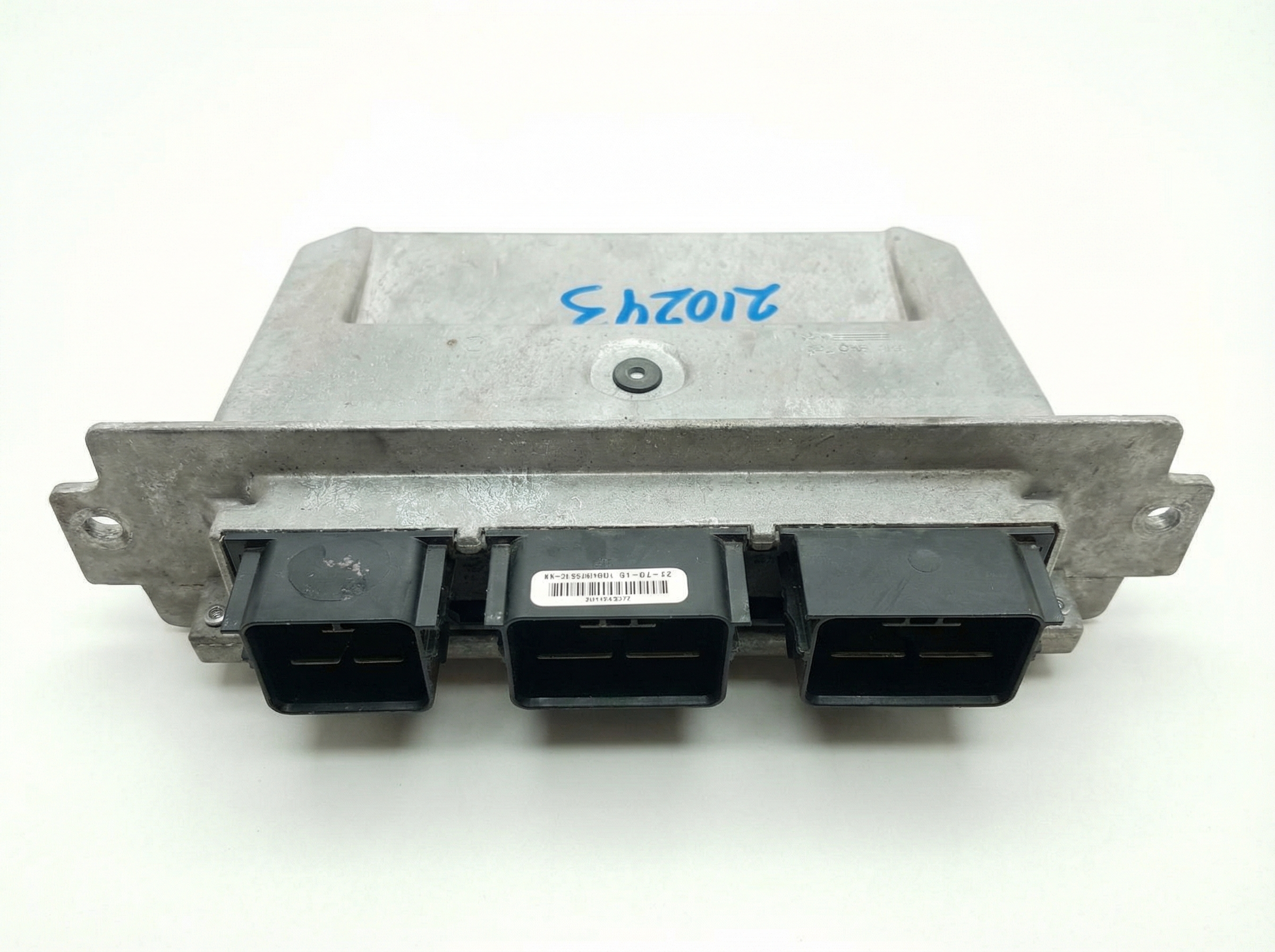
Est. part cost: $30-$70 for one coil - Damaged Powertrain Control Module (PCM) 🔴 High Probability → Shop Engine Control Module (ECM) Per Ford TSB 14-0059, a shorted ignition coil sends excessive voltage back to the PCM, burning out the internal driver circuit for that cylinder. This is a very common and well-documented issue. If you replace only the coil, the new coil will be immediately destroyed by the faulty PCM, or the code will simply not go away.
How to confirm: If replacing the coil and spark plug does not fix the P0353 code, the PCM is the culprit. A key diagnostic step is to use a noid light on the cylinder #3 coil connector; if the light is out, stays on solid, or is very dim when cranking, the PCM driver is bad. 🎬 Watch: How to fix ignition coil codes on a Ford Edge Visible melting or damage on the old coil is a strong indicator of PCM failure.
Typical fix: The PCM must be replaced or sent to a specialist for repair. When the PCM is replaced or repaired, it is MANDATORY to also replace all six ignition coils and all six spark plugs with high-quality OEM (Motorcraft) parts to prevent a repeat failure.
Est. part cost: $250-$500 for a repaired PCM, $600-$1000 for a new/programmed unit. - Worn or Fouled Spark Plug in Cylinder #3 🟡 Medium Probability → Shop Spark Plug Spark plugs are a regular maintenance item with a service life of around 100,000 miles. A worn plug with a large gap forces the ignition coil to generate a higher voltage, increasing stress and leading to premature coil failure.
How to confirm: After removing the intake manifold and ignition coil, remove the spark plug and inspect it for wear (rounded electrode), fouling (black, oily, or white deposits), or an excessive gap.
Typical fix: Replace the spark plug. Best practice is to replace all six spark plugs when performing this service, as they have all aged the same.
Est. part cost: $8-$20 per plug - Damaged Wiring or Connector ⚪ Low Probability Engine bay heat can make plastic connectors brittle over time. The locking tab on the coil connector is known to break, leading to a poor connection.
How to confirm: Visually inspect the wiring harness and connector for cylinder #3's ignition coil. Check for broken wires, loose pins, corrosion, or a broken connector tab.
Typical fix: Repair the damaged section of wire or replace the connector pigtail.
Est. part cost: $15-$30 for a connector pigtail
Diagnosis Steps
- Confirm the presence of code P0353 with an OBD-II scanner. Note any other codes, such as P0303.
- Acknowledge that cylinder #3 is on the rear bank and requires removal of the upper intake manifold for access.
- Plan to replace all three rear ignition coils, all six spark plugs, and the upper intake manifold gaskets as a complete job.
- Disconnect the battery.
- Remove the air intake assembly, throttle body, and upper intake manifold. Keep the intake ports covered with clean rags to prevent debris from falling into the engine.
- Remove the ignition coil from cylinder #3. Inspect the coil and its electrical connector for cracks, melting, or burn marks. Significant physical damage to the coil is a strong indicator that the PCM is also damaged.
- Remove and inspect the spark plug from cylinder #3.
- CRITICAL STEP: Before installing new parts, test the PCM driver. Connect a noid light to the cylinder #3 ignition coil electrical connector. Have a helper crank the engine. The noid light should flash consistently. If the noid light is off, stays on solid, or is very dim, the PCM is faulty. Do not proceed with installing new parts until the PCM is repaired or replaced.
- If the PCM test passes, replace the ignition coils and spark plugs for cylinders 1, 2, and 3. It is highly recommended to also replace the front three plugs (4, 5, 6) at this time.
- Install new upper intake manifold gaskets.
- Reassemble the intake manifold, throttle body, and air intake assembly. Torque all bolts to manufacturer specifications.
- Reconnect the battery. Clear the trouble codes with the scanner and start the vehicle.
- If the misfire is gone and the code does not return, the repair is complete.
- If code P0353 returns immediately, and you confirmed the PCM was good with a noid light, re-check the wiring and connector for cylinder #3. If you skipped the noid light test, the PCM is the confirmed failure point.
Parts You'll Likely Need
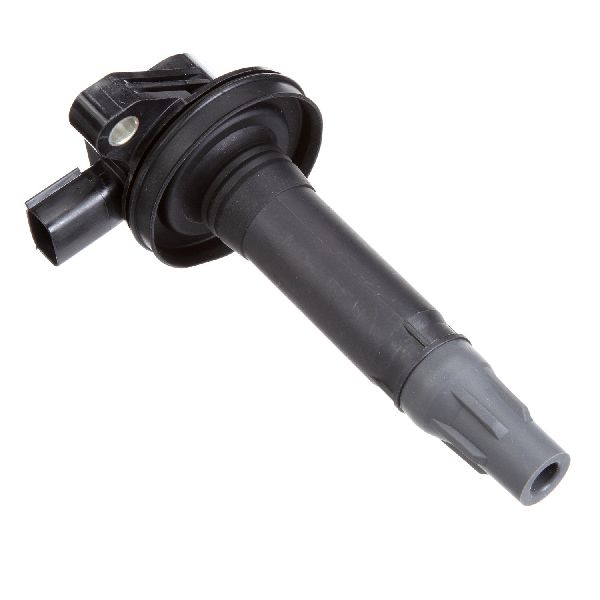
- Ignition Coil
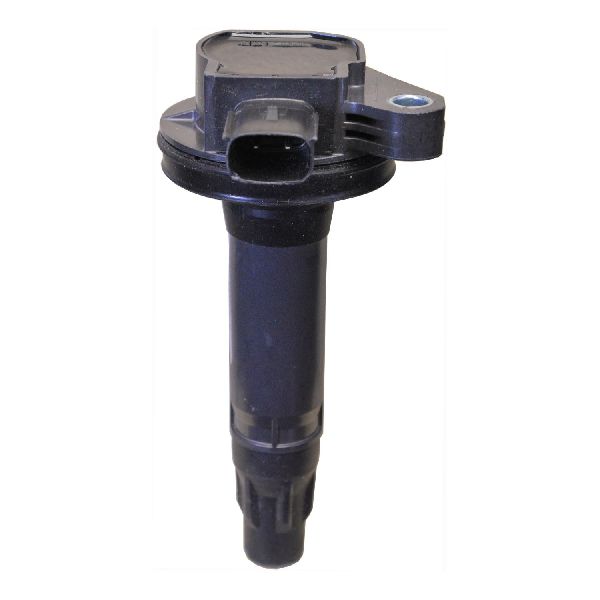
(OEM #DG520 (Motorcraft))— This is the most common failure point for a P0353 code. Using OEM Motorcraft parts is highly recommended to prevent premature failure and PCM damage.
Trusted brands: Motorcraft, Denso, NGK
OEM price range: $50-$80
Aftermarket price range: $30-$60 - Spark Plug
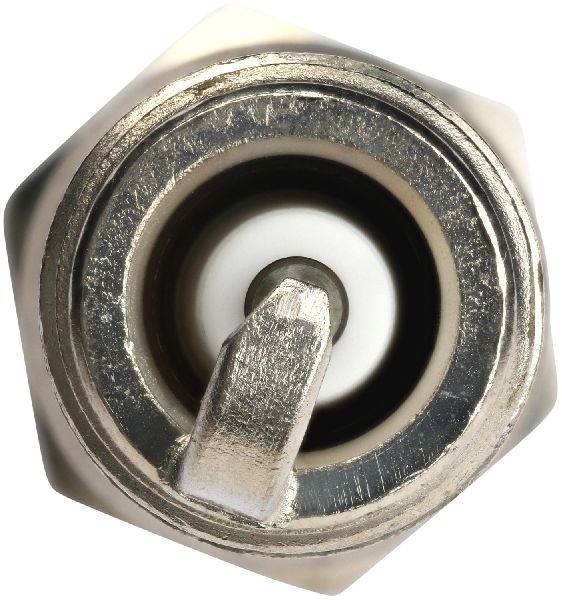
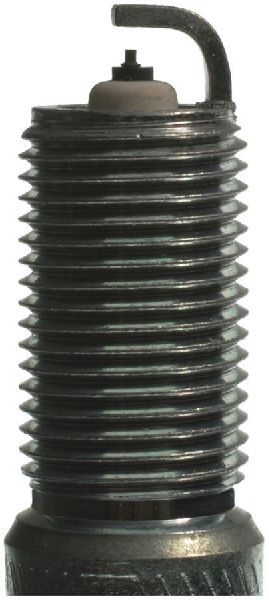
(OEM #SP580 or CYFS12Y1 (Motorcraft Iridium). Note: Supersedes SP535.)— Worn spark plugs cause coil failure and should always be replaced with the coils as a set.
Trusted brands: Motorcraft, NGK, Bosch
OEM price range: $10-$15
Aftermarket price range: $8-$12 - Upper Intake Manifold Gasket Set
(OEM #7T4Z-9439-A (Motorcraft))— These gaskets are single-use and must be replaced anytime the intake manifold is removed to prevent vacuum leaks.
Trusted brands: Motorcraft, Fel-Pro, Mahle
OEM price range: $25-$40
Aftermarket price range: $15-$30 - Powertrain Control Module (PCM) Repair Service or Replacement
(OEM #Varies by VIN. Example base P/N: BT4A-12A650-xxx)— A required repair if the old ignition coil was shorted and damaged the internal driver, as is common on this platform and noted in TSB 14-0059.
Related Codes That Often Appear With This One
- P0303 — P0303 means 'Cylinder 3 Misfire Detected.' P0353 is the specific electrical circuit fault that is CAUSING the P0303 misfire. They almost always appear together.
- P0351, P0352, P0354, P0355, P0356 — If multiple ignition coil codes are present, it strongly indicates a widespread failure due to age or, more likely on this platform, a faulty PCM that is damaging multiple coil circuits.
Technical Service Bulletins (TSBs) & Recalls
- TSB 14-0059: Documents the issue of a failed ignition coil causing PCM damage on 2007-2008 Edge models (and other Fords with the 3.5L engine), requiring replacement of the coil, plug, and PCM if the coil is found to be damaged.
Platform-Specific Known Issues
- A known issue documented in Ford TSB 14-0059 where a failing ignition coil shorts out and damages the Powertrain Control Module (PCM). If the old coil shows signs of cracking or heat damage, the PCM may also need to be replaced.
Mechanic-Grade Diagnostic Values
- Ignition Coil Primary Resistance — expected: 0.5 to 2.0 ohms. Failure: A reading of OL (Over Limit/infinite) indicates an open circuit; a reading near 0 ohms indicates a short.
- Ignition Coil Secondary Resistance — expected: 5,500 to 11,500 ohms (5.5kΩ to 11.5kΩ). Failure: A reading significantly outside this range indicates the internal secondary windings have failed.
- Voltage at Coil Connector Power Wire (Pin 2) — expected: ~12.6V (Battery Voltage) with Key On, Engine Off. Failure: Low or no voltage indicates a problem with the power supply circuit or fuse, not the coil or PCM driver.
- Mode 6 Misfire Count for Cylinder 3 — expected: Value of 0 for the current and last 10 drive cycles.. Failure: Any count above zero indicates a misfire has been detected. A high value that exceeds the manufacturer's maximum threshold will trigger the check engine light.
- Mode 6 Test ID for Ignition Coil Circuits — expected: Test ID $53 is used for ignition monitor data on many Ford vehicles.. Failure: A failed test result for the component corresponding to cylinder 3 points to an electrical fault detected by the PCM.
Scan Tool Commands That Help
- Ford IDS (Integrated Diagnostic System): Power Balance Test — This function graphically displays the power contribution of each cylinder in real-time. For a P0353, the graph for cylinder #3 would show a significant drop or no contribution, confirming the misfire is present and isolated to that cylinder before beginning disassembly.
- Ford IDS (Integrated Diagnostic System): Coil On Plug (COP) Stress Test — This is a bidirectional control that commands the PCM to repeatedly fire a specific coil. It can be used with a spark tester to confirm if the PCM is capable of firing the coil under controlled conditions, helping to differentiate between a wiring and PCM issue.
Wiring & Ground Locations
- Ignition Coil #3 Connector — On the #3 ignition coil, located on the rear cylinder bank (firewall side), center cylinder. Requires removal of the upper intake manifold to access.. This is the primary connection point for testing. Pin 2 (often Brown/Orange) should have 12V+ with key on. Pin 1 (often Green/Violet) is the trigger signal from the PCM that should show a pulsing ground signal with a noid light during cranking.
- G104 and G105 — On the driver's side of the engine compartment, on the chassis frame rail.. These are primary PCM and engine compartment ground points. A loose or corroded connection here can cause a wide range of erratic electrical issues, including false sensor readings and intermittent circuit codes like P0353.
- PCM Connector C175B — This is the center connector on the Powertrain Control Module (PCM), located in the engine bay near the firewall.. The trigger signal for ignition coil #3 originates here. For a 2007 model, the circuit (GN-VT wire) is on Pin 50. This is the final point to test for continuity back from the coil connector if a wiring break is suspected.
Real Owner Repair Stories
- Ford Edge Forum (2007-2008 Ford Edge 3.5L) — Check Engine Light with P035x codes.
❌ Tried (didn't work) Replacing only the spark plugs associated with the DTCs.
✅ What actually fixed it The final repair, as outlined in TSB 14-0059, was to replace the faulty ignition coil(s) AND the Powertrain Control Module (PCM) because the coil had shorted and damaged the PCM's internal driver. The TSB confirms this is a known failure pattern. - 2CarPros Forum (2007 Ford Edge, 220,000 miles) — P0351 and P0354 codes, engine runs rough, unplugging coils 1 and 4 makes no difference.
❌ Tried (didn't work) Swapping ignition coil from cylinder #1 to cylinder #4; the code did not follow the coil.
✅ What actually fixed it The user confirmed the coil was good by testing it on a working cylinder (#5). The diagnosis concluded that the PCM drivers for cylinders 1 and 4 were burned out, and the user was planning to send the PCM for repair. This demonstrates the classic PCM failure pattern where swapping a known-good coil does not resolve the code. - NHTSA ODI #11145130 — An owner reported that their vehicle began jerking in gears on the freeway. After a check engine light appeared, an OBD reader identified code P0353 for Ignition Coil C. The owner replaced the ignition coil and all six spark plugs, but reported that the repair did not clear the code while driving.
OEM Part Supersession History
SP535 (Motorcraft)→SP580 / CYFS12Y1 (Motorcraft)— The original iridium spark plug was updated. The service replacement is SP580.SP534 (Motorcraft)→SP580 / CYFS12YT4 (Motorcraft)— Part number consolidation and potential design update for similar V6 engines. SP580 is the common replacement.
Heads up: SP580 is the correct replacement for this engine family.TSB 13-4-17→TSB 14-0059— Ford updated the service procedure and part list for addressing the coil-on-plug failure that damages the PCM.
Heads up: The newer TSB is the definitive guide for this repair.
Model Year Variations Within This Range
- 2007 - 2008 (built on or before March 1, 2008): These model years are specifically called out in Ford TSB 14-0059 for the ignition coil shorting and destroying the PCM driver. While the failure pattern is common across the whole generation, these early models are officially documented by Ford.
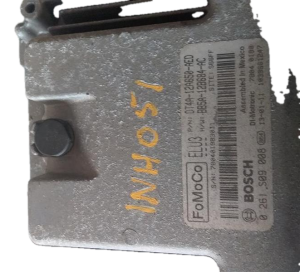
- 2007-2010 vs 2011-2014: PCM part numbers are different between the pre-facelift and post-facelift models (e.g., part numbers starting with 7T4A- vs. BT4A-). If sourcing a used PCM, it must be from the correct year range and match the original part number to ensure compatibility with the vehicle's systems.
Diagnostic Flowchart
Other Known Issues on This Vehicle
Issues unrelated to this code that are worth knowing about as an owner of this generation:
- Internal Timing-Chain-Driven Water Pump Failure 🔴 High — Common after 80,000-150,000 miles. Failure can be catastrophic.
- Power Transfer Unit (PTU) Failure (AWD Models) 🔴 High — Failures can occur as early as 50,000 miles, very common by 100,000 miles.
- Brake Booster Diaphragm Tear 🟠 Medium — Very common across the 2007-2014 model years. (Ref: Customer Satisfaction Program 13N02 (Warranty Extension))
- Electronic Throttle Body (ETB) Failure 🟠 Medium — Common failure item, often occurring between 60,000 and 120,000 miles. (Ref: Customer Satisfaction Program 13N03 (Warranty Extension))
Used vs. New Parts: Buying Guide for This Vehicle
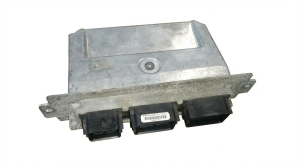
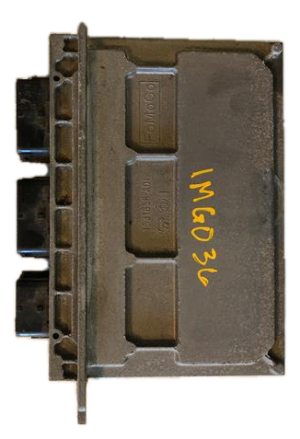
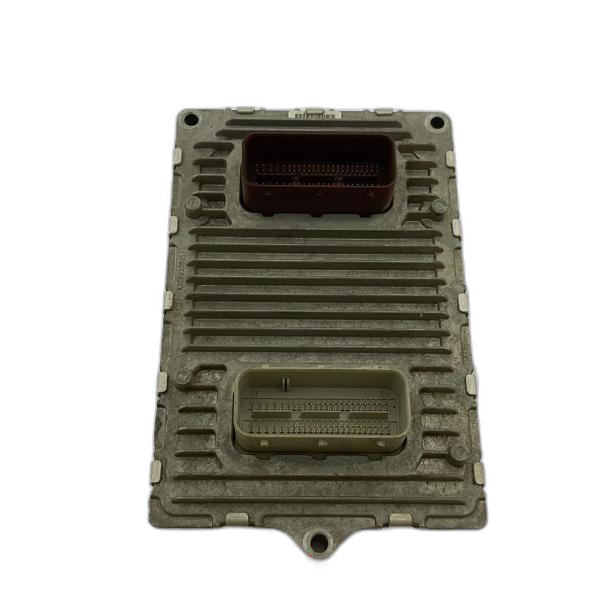
When a used part is the smart pick: A used Powertrain Control Module (PCM) from a reputable automotive recycler can be a cost-effective option, especially if a new unit is prohibitively expensive or unavailable. It is critical to match the part number exactly.
Donor-vehicle mileage cap: roughly under 80000 miles for the part to have meaningful remaining life.
What to inspect on the donor part:
- Verify the donor vehicle was not involved in a front-end collision or flood.
- Ensure the part number on the used PCM is an exact match to the original.
- Ask the seller if they offer any warranty or return period.
- Check the connectors for any bent pins, corrosion, or physical damage.
OEM-only on this vehicle (don't cheap out):
- Ignition Coils: The overwhelming consensus from mechanics and owners is to use only OEM Motorcraft (DG520) ignition coils. The labor to access the rear bank is too high to risk using unproven aftermarket parts that have a high failure rate.
- Powertrain Control Module (PCM): While a used OEM unit is acceptable, avoid generic or unverified aftermarket PCM/ECU units. A reputable repair service that rebuilds your original PCM is also a strong alternative.
Aftermarket brands forum-validated for this vehicle:
- Denso (for Ignition Coils, often an OE supplier)
- NGK (for Spark Plugs)
- Fel-Pro (for Intake Manifold Gaskets)
Brands owners have reported issues with on this vehicle:
- Unbranded, low-cost ignition coil sets from online marketplaces (e.g., Amazon, eBay). These are frequently reported to fail prematurely, sometimes immediately, causing a repeat of the entire repair.
Real Owner Stories
Aggregated from forums and TSBs cited above. Mileages and costs reflect what owners reported in those sources.
2014 Ford Edge 3.5L
Symptoms: A coil failure occurred that immediately damaged the PCM.
What fixed it: The owner used Circuit Board Medics for a PCM repair, which fixed the vehicle for a fraction of the dealer's quoted price.
Source hint: Ford Edge Forum thread titled 'Bad Coil Went Backwards and Killed PCM/ECM FIX'
2011 Ford Edge 3.5L
Symptoms: The owner found a physically melted ignition coil for cylinder #3.
What fixed it: The PCM was identified as damaged due to the melted coil; a new coil alone would not fix the issue.
Source hint: Reddit r/MechanicAdvice thread titled 'Ignition coil damage | 2011 Ford Edge 3.5l'
2007-2014 Ford Edge 3.5L
Symptoms: The vehicle was still skipping and misfiring even after the owner replaced all coils and plugs.
What fixed it: The root cause was diagnosed as a damaged PCM, which is common when multiple coil circuit codes persist after a parts swap.
Source hint: Ford Edge Forum thread titled 'ARG!!! still skippingafter coils and plugs'
2007 Ford Edge
Symptoms: An owner reported via NHTSA ODI #11145130 that the vehicle was jerking in gears on the freeway before the check engine light came on.
What fixed it: Despite replacing all six spark plugs and the ignition coil for cylinder #3 (Ignition Coil C) as indicated by the P0353 code, the owner noted the code did not clear during driving, suggesting a deeper electrical issue.
Source hint: NHTSA ODI #11145130
Related OBD-II Codes
Frequently Asked Questions
Does TSB 14-0059 apply to my 2007-2008 Ford Edge with the 3.5L engine?
Can I just replace the cylinder #3 coil if I see P0353?
Why is the PCM failure so common on the 2007-2014 Ford Edge 3.5L?
How can I tell if my Ford Edge PCM is actually damaged before I buy a new one?
Is it true that a bad PCM will destroy my new ignition coils?
What spark plugs should I use for my 3.5L Duratec V6 to prevent this?
Helpful Videos

Used OEM Parts in Stock
New Aftermarket Parts Available


The information in this article is provided for general reference and educational purposes only. Vehicle specifications, procedures, and part compatibility can vary by production date, trim level, and region. Always consult your vehicle's factory service manual and verify part numbers before purchasing or performing repairs. Safety-critical components such as airbags, seat belts, and braking systems should be installed by a qualified professional.
- Ford Edge:
- 🧭 Diagnostic Flowchart
- 🎬 Helpful Videos
- 🛍️ Shop This Part
- What's Unique About the 2007-2014 Ford Edge
- Symptoms You May Notice
- Most Likely Causes
- Diagnosis Steps
- Parts You'll Likely Need
- Related Codes That Often Appear With This One
- Technical Service Bulletins (TSBs) & Recalls
- Platform-Specific Known Issues
- Mechanic-Grade Diagnostic Values
- Scan Tool Commands That Help
- Wiring & Ground Locations
- Real Owner Repair Stories
- OEM Part Supersession History
- Model Year Variations Within This Range
- Other Known Issues on This Vehicle
- Used vs. New Parts: Buying Guide for This Vehicle
- Real Owner Stories
- 2014 Ford Edge 3.5L
- 2011 Ford Edge 3.5L
- 2007-2014 Ford Edge 3.5L
- 2007 Ford Edge
- Related OBD-II Codes
- Frequently Asked Questions
- 🎟️ Get 5% Off