

P0353 on 2007-2013 GMC Sierra 1500 5.3L: Ignition Coil 'C' Circuit Malfunction Explained
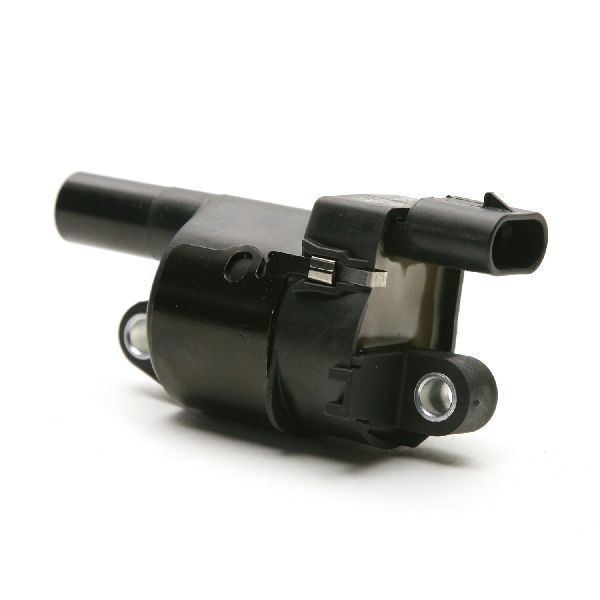
This code means there's a problem with the ignition coil for cylinder #3. The most common fix is replacing the ignition coil for that cylinder, which is a relatively simple and affordable DIY job. Expect to pay between $30 and $80 for a quality aftermarket coil.
- P0353 on your Sierra 5.3L points directly to an issue with the ignition coil circuit for cylinder #3.
- The most likely culprit is a failed ignition coil, which is easy to access and replace.
- A simple 'swap test' (moving the coil to another cylinder) is the fastest way to confirm if the coil is bad without spending any money on parts.
- While replacing the coil, it is highly recommended to inspect and likely replace the spark plug for cylinder #3.
- If a new coil and plug don't fix the issue, inspect the wiring and connector for damage before considering more complex causes like a faulty PCM.
What's Unique About the 2007-2013 GMC Sierra 1500
On the 2007-2013 GMC Sierra with the 5.3L V8 (a Gen IV LS-based engine), the ignition system is a straightforward coil-on-plug design, with one coil for each cylinder. This makes diagnosis relatively simple, as the issue is isolated to a single cylinder's components. Unlike some platforms where coils are buried under intake manifolds, all eight coils on this V8 are mounted on the valve covers and are easily accessible, making diagnosis and replacement a common DIY task.
Symptoms You May Notice
- Check Engine Light is on
- Engine running rough or shaking, especially at idle
- Noticeable engine misfire or hesitation during acceleration
- Reduced engine power
- Decreased fuel economy
- Flashing Check Engine Light under heavy load
- Replacing the fuel injector for cylinder #3 when the issue is with the ignition system.
- Replacing the PCM before thoroughly testing the ignition coil and wiring circuit.
Most Likely Causes
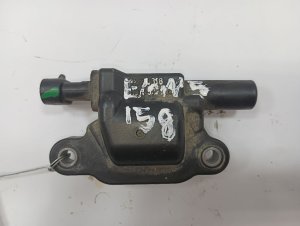
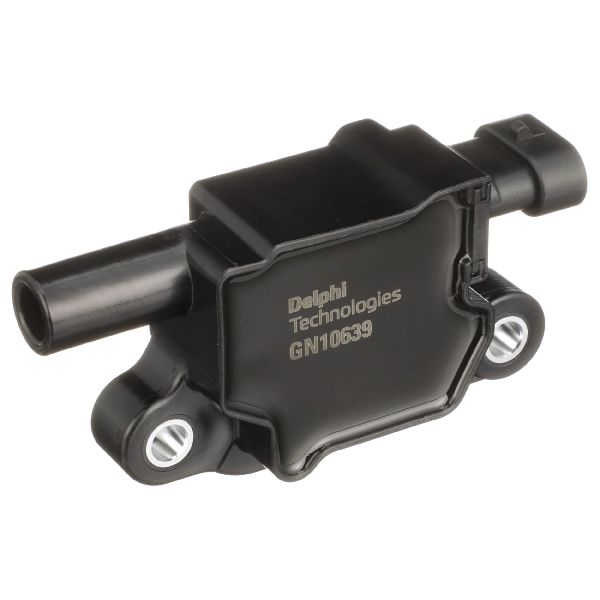
- Faulty Ignition Coil 🔴 High Probability → Shop Ignition Coil Ignition coils are a common wear item that can fail from heat cycles and vibration over time. After 60,000 to 100,000 miles, the internal insulation can break down, causing shorts or open circuits. The location on top of the engine exposes them to significant heat.
How to confirm: Swap the ignition coil from cylinder #3 with another cylinder (e.g., cylinder #1). Clear the codes and drive the vehicle. If the code changes to P0351 (for cylinder #1), the coil is bad. If P0353 returns, the problem is elsewhere. You can also test the coil's primary resistance with a multimeter; it should typically be between 0.5 and 2 ohms.
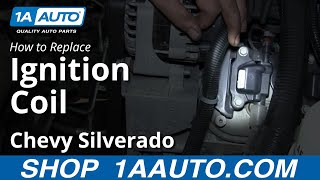
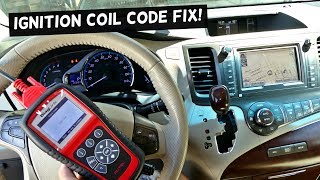
Typical fix: Replace the faulty ignition coil. It's held on by two 10mm bolts. 🎬 Watch this step-by-step ignition coil replacement guide. While not required, some owners choose to replace the spark plug at the same time.
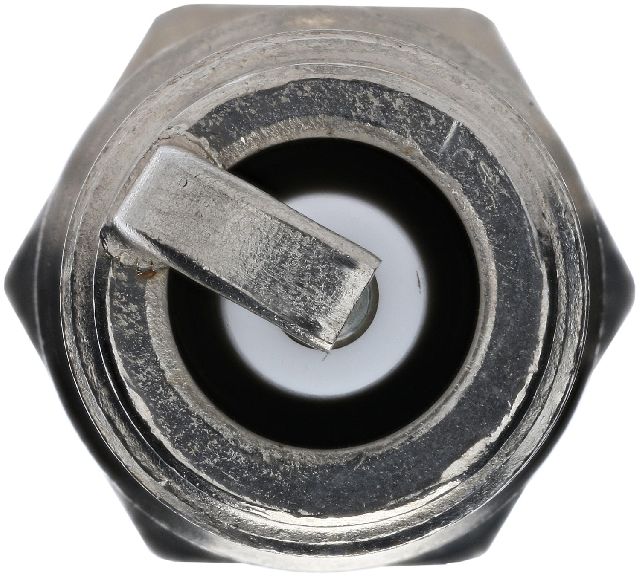
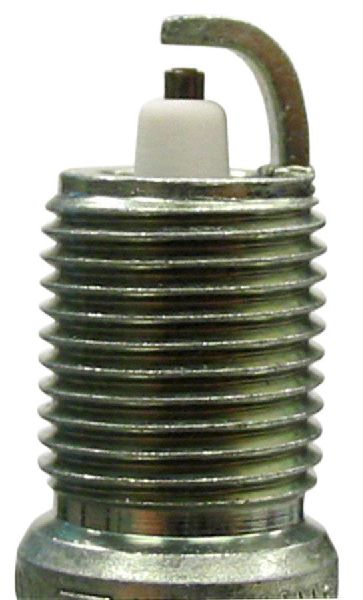
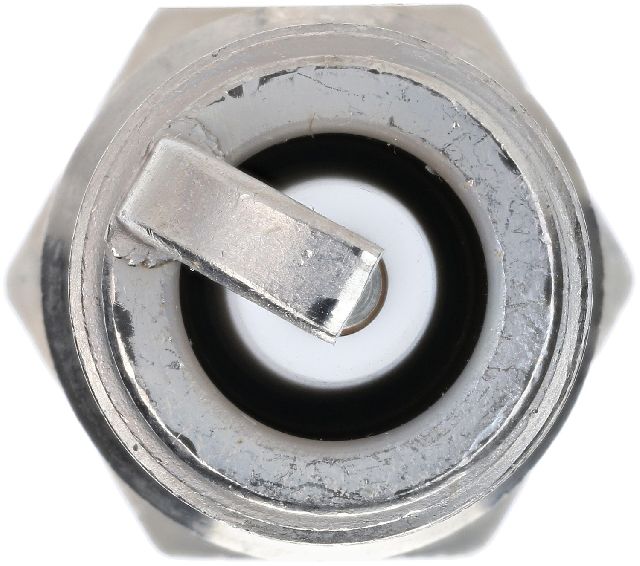
Est. part cost: $30-$80 - Worn or Fouled Spark Plug 🟡 Medium Probability → Shop Spark Plug A worn spark plug with an excessive gap can strain the ignition coil, causing it to fail. Oil leaks from valve cover gaskets can also foul the plug. The recommended ACDelco Iridium plugs (41-110) are durable but can still fail or become fouled, especially if the engine has oil consumption issues related to the AFM system.
How to confirm: After removing the ignition coil, remove the spark plug from cylinder #3. Inspect it for wear (rounded electrode), damage (cracked porcelain), or fouling from oil (black, wet) or carbon (dry, sooty). The correct gap for the OEM Iridium plug is 0.040 inches.
Typical fix: Replace the spark plug. It is often recommended to replace all 8 spark plugs at the same time 🎬 See how to replace the spark plugs and wires. for consistent performance.
Est. part cost: $5-$15 per plug - Damaged Wiring or Loose Connector ⚪ Low Probability The engine wiring harness is exposed to heat and vibration, which can cause wires to become brittle or chafe over time. The plastic locking tabs on connectors can also break, leading to a poor connection.
How to confirm: Visually inspect the wiring harness and connector for the cylinder #3 ignition coil. Look for any signs of melting, chafing, or corrosion. Ensure the connector is fully seated and the locking tab is engaged. Use a multimeter to check for battery voltage (approx. 12V) at the pink wire on the connector with the key on.
Typical fix: Repair the damaged section of wiring or replace the connector pigtail.
Est. part cost: $15-$50 for a pigtail
Rare But Worth Checking
- Leaking Valve Cover Gasket: → Shop Engine Valve Cover Oil can leak from the valve cover gasket and pool in the spark plug tube, shorting out the ignition coil and fouling the spark plug. If you find oil on the coil boot or spark plug, the gasket must be replaced to prevent repeat failure.
- Faulty Powertrain Control Module (PCM): → Shop Engine Control Module (ECM) This is very rare, but the internal driver circuit in the PCM that controls the ignition coil can fail. This should only be considered after all other possibilities (coil, plug, wiring) have been definitively ruled out. A professional diagnosis with an oscilloscope may be needed to confirm a bad PCM driver.
Technical Service Bulletins (TSBs) & Recalls
Manufacturer service bulletins highlight that this code is often part of a broader diagnostic path. For instance, TSB Bulletin #PIP5038B notes that technicians may find P0353 alongside other ignition circuit and misfire codes (P0300-P0306 and P0351-P0356), advising that published service information diagnostics must be followed first to isolate the root cause.
Diagnosis Steps
- Confirm Cylinder #3 Location: On the 5.3L V8, the cylinders on the driver's side are 1, 3, 5, 7, from front to back. Cylinder #3 is the second one back on the driver's side.
- Inspect the Coil and Connector: Visually inspect the ignition coil, its electrical connector, and the wiring for any obvious signs of damage, melting, or corrosion. Ensure the connector is securely latched.
- Perform the 'Swap Test': Swap the ignition coil from cylinder #3 with the coil from cylinder #1. Clear the codes using a scanner.
- Test Drive: Drive the vehicle until the Check Engine Light comes back on.
- Re-Scan for Codes: If the code is now P0351, the ignition coil is faulty and needs to be replaced. If the code P0353 returns, the coil is good, and the problem is likely the spark plug or wiring.
- Inspect Spark Plug: If the coil is not the issue, remove the spark plug from cylinder #3. Check its condition. Look for excessive wear, carbon buildup, or oil fouling. Verify the gap is 0.040". Replace if necessary.
- Test the Circuit: If the coil and plug are good, use a multimeter to check for 12V power at the ignition coil connector (typically the pink wire) with the key on. Check the ground and signal wires for continuity back to the PCM. This step may require a vehicle-specific wiring diagram.
Parts You'll Likely Need
- Ignition Coil
(OEM #12611424 (superseded by 12739916))— This is the most frequent point of failure for a P0353 code due to constant exposure to heat and vibration.
Trusted brands: ACDelco, Delphi, NGK, Denso
OEM price range: $60-$90
Aftermarket price range: $30-$80 - Spark Plug
(OEM #41-110)— A worn or fouled spark plug can cause the P0353 code or be damaged by the same issue that caused the coil to fail. It's best practice to inspect and often replace it when replacing the coil.
Trusted brands: ACDelco, NGK
OEM price range: $8-$15
Aftermarket price range: $5-$12
Related Codes That Often Appear With This One
- P0303 — P0303 indicates a misfire detected on cylinder #3. Since P0353 points to a fault in the ignition coil circuit for that same cylinder, the lack of spark will directly cause a misfire.
- P0300 — While P0353 is specific to cylinder #3, if the underlying cause (like a vacuum leak or fuel delivery issue) is severe enough, it might lead to random misfires across multiple cylinders, triggering a P0300 code as well.
Mechanic-Grade Diagnostic Values
- Ignition Coil Primary Winding Resistance — expected: 0.5 to 2.0 ohms. Failure: A reading of 0 ohms (short) or infinite/OL (open) indicates a bad coil.
- Ignition Coil Secondary Winding Resistance — expected: 5,000 to 10,000 ohms (5k-10k Ω). Failure: A reading significantly outside this range suggests a faulty coil winding.
- Voltage at Coil Connector (Pink Wire) — expected: ~12 Volts (Battery Voltage) with Key On, Engine Off. Failure: No voltage indicates a problem with the power supply circuit, potentially a fuse or wiring issue upstream.
- Hertz Signal at Coil Driver Circuit — expected: A pulsing signal, typically between 5 and 20 Hz while cranking. Failure: A steady voltage or no signal indicates a problem with the PCM driver or the signal wire.
Scan Tool Commands That Help
- GDS2 / Tech2: Ignition Coil Activation / Cylinder Power Balance Test — This bidirectional command allows a technician to command the PCM to fire the #3 coil on demand. It's the most definitive way to test the entire circuit (PCM driver, wiring, and coil) without swapping parts. If the command is sent but no spark is produced (when testing with a spark tester), it confirms a fault in the circuit.
- Advanced OBD-II Scanner (Mode 6): Misfire Count Data — Before a hard code like P0303 sets, Mode 6 can show you live misfire counts for each cylinder. If you have an intermittent rough idle without a code, checking the misfire counter for cylinder #3 can confirm the issue is isolated there, pointing you towards the P0353-related components.
Wiring & Ground Locations
- G103 / G104 — These are the primary engine-to-chassis grounds. G103 is typically located on the rear of the driver's side cylinder head. G104 is on the front of the passenger's side cylinder head.. A poor engine ground can cause a host of erratic electrical issues, including weak spark or incorrect signals from the ignition system. While not a direct cause of a single-coil code, ensuring these grounds are clean and tight is a critical step in diagnosing any electrical fault.
- Ignition Coil Connector (Cylinder #3) — On the driver's side valve cover, second coil from the front.. This is the direct connection point. The pins are: Pink (Ignition 1 Voltage), Black (Ground), and a third wire (color varies by year) which is the Ignition Control (IC) signal from the PCM. Testing for power, ground, and signal at this connector is the primary electrical diagnostic step after swapping the coil.
Real Owner Repair Stories
- GM-Trucks.com Forum User (2008 GMC Sierra 5.3L) — Intermittent P0353 and P0303 codes, with a noticeable misfire. The issue would come and go.
❌ Tried (didn't work) Replaced the ignition coil for cylinder #3., Replaced the spark plug for cylinder #3.
✅ What actually fixed it The spark plug wire boot was not fully seating on the new spark plug, creating a poor connection. After ensuring the boot clicked firmly into place, the code and misfire were resolved. This highlights the importance of checking the simple things, even after replacing parts.
OEM Part Supersession History
12570616→12611424— Updated design for improved durability and heat resistance. This is the common 'square' or 'LS3' style coil used on many Gen IV V8s.
Heads up: While earlier Gen III LS engines used a different style coil ('round' or 'Delphi' style), the 2007-2013 GMT900 trucks consistently use this square style coil. Ensure you are purchasing the correct shape.
Model Year Variations Within This Range
- 2007-2013: All 5.3L engines in this generation feature Active Fuel Management (AFM), which can lead to increased oil consumption. This oil consumption can foul the spark plugs, particularly in the AFM cylinders (1, 4, 6, and 7), but excessive oil can affect any plug. While P0353 is for cylinder #3 (a non-AFM cylinder), a history of oil consumption should heighten suspicion of a fouled spark plug as a contributing factor to the coil circuit fault. GM made minor revisions to the valve cover and PCV system around 2011 to help combat oil consumption, but the fundamental risk remains.
Diagnostic Flowchart
Other Known Issues on This Vehicle
Issues unrelated to this code that are worth knowing about as an owner of this generation:
- Active Fuel Management (AFM) Lifter Failure 🔴 High — Common, especially on 2007-2011 models. Can occur anywhere from 70,000 to 150,000 miles. Often presents as a ticking noise and misfire codes (e.g., P0300). (Ref: Multiple TSBs have been issued by GM addressing this, such as #20-NA-038.)
- Excessive Oil Consumption 🟠 Medium — Widespread issue linked to the AFM system and piston ring design. Owners report consuming 1-2 quarts of oil between changes. (Ref: GM issued TSBs with potential fixes, including a revised valve cover and piston ring cleaning/replacement.)
- Cracked Dashboard 🟡 Low — Extremely common across all GMT900 trucks and SUVs, especially in warmer climates. Cracks typically appear near the passenger airbag and around the instrument cluster bezel. (Ref: No recall was ever issued; this is considered a cosmetic flaw by GM.)
- Service 4WD Message / Failed Transfer Case Position Sensor 🟠 Medium — A very common failure point where the electronic sensor on the transfer case fails, causing the 'Service 4WD' light to illuminate and preventing engagement of 4WD.
- Instrument Cluster Stepper Motor Failure 🟡 Low — Carry-over issue from the previous generation; stepper motors for gauges (speedometer, tachometer, etc.) can fail, causing the needle to get stuck, read incorrectly, or not move at all. (Ref: GM had a special coverage program for earlier models, but it may not apply to this full generation.)
Used vs. New Parts: Buying Guide for This Vehicle
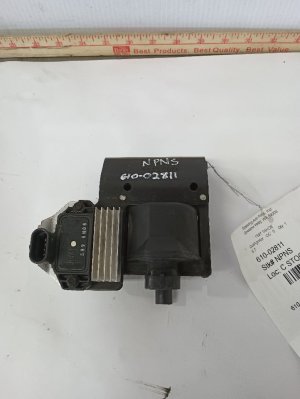
When a used part is the smart pick: A used OEM ignition coil from a low-mileage donor vehicle can be a reliable and cost-effective option. Since the coils are easily accessible, the labor to replace one again if it fails is minimal, making the risk of a used part acceptable. It is not recommended to buy used spark plugs.
Donor-vehicle mileage cap: roughly under 80000 miles for the part to have meaningful remaining life.
What to inspect on the donor part:
- Check the plastic housing for any cracks, melting, or signs of arcing (white or black carbon tracks).
- Ensure the electrical connector pins are clean and not corroded.
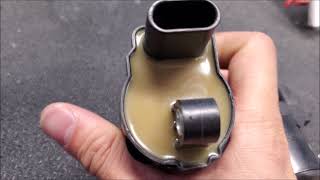
- Inspect the coil boot for tears, swelling, or oil contamination.
- Ask for the donor vehicle's mileage if possible.
Aftermarket brands forum-validated for this vehicle:
- ACDelco (OEM supplier)
- Delphi
- NGK
- Denso
- MSD (Performance-oriented)
Brands owners have reported issues with on this vehicle:
- Unbranded, no-name ignition coils from online marketplaces often have a high failure rate. While the initial cost is low, they may not last, leading to repeated repairs.
Real Owner Stories
Aggregated from forums and TSBs cited above. Mileages and costs reflect what owners reported in those sources.
2007-2013 GMC Sierra 1500 5.3L V8
Symptoms: The user described symptoms leading up to a P0353 code and questioned if the coil pack itself had failed.
What fixed it: Replacement of the ignition coil pack.
Source hint: LS1TECH - 'Ignition Coil Problem P0353, Bad Coil Pack?'
Related OBD-II Codes
Frequently Asked Questions
Where is cylinder #3 located on my 5.3L V8 engine?
Which spark plugs should I use for my 2007-2013 Sierra 1500 to avoid P0353 codes?
Could my Sierra's AFM system be causing this misfire code?
Is there a specific wire I should check on the coil connector if I suspect a wiring issue?
Can I use an ignition coil from a Chevrolet Silverado or Cadillac Escalade to fix this?
What is the typical resistance for a healthy coil on this truck?
Helpful Videos
Used OEM Parts in Stock
New Aftermarket Parts Available

The information in this article is provided for general reference and educational purposes only. Vehicle specifications, procedures, and part compatibility can vary by production date, trim level, and region. Always consult your vehicle's factory service manual and verify part numbers before purchasing or performing repairs. Safety-critical components such as airbags, seat belts, and braking systems should be installed by a qualified professional.
- GMC Sierra 1500:
- 🧭 Diagnostic Flowchart
- 🎬 Helpful Videos
- 🛍️ Shop This Part
- What's Unique About the 2007-2013 GMC Sierra 1500
- Symptoms You May Notice
- Most Likely Causes
- Rare But Worth Checking
- Technical Service Bulletins (TSBs) & Recalls
- Diagnosis Steps
- Parts You'll Likely Need
- Related Codes That Often Appear With This One
- Mechanic-Grade Diagnostic Values
- Scan Tool Commands That Help
- Wiring & Ground Locations
- Real Owner Repair Stories
- OEM Part Supersession History
- Model Year Variations Within This Range
- Other Known Issues on This Vehicle
- Used vs. New Parts: Buying Guide for This Vehicle
- Real Owner Stories
- 2007-2013 GMC Sierra 1500 5.3L V8
- Related OBD-II Codes
- Frequently Asked Questions
- 🎟️ Get 5% Off