

P0353 on 2009-2014 Hyundai Genesis 3.8L: Ignition Coil 'C' Circuit Failure Causes and Fixes
P0353 on a 2009-2014 Hyundai Genesis 3.8L indicates a fault in the ignition coil circuit for cylinder #3. The most common fix is replacing the ignition coil for cylinder #3, which is the middle cylinder on the passenger side. Expect to pay $40-$80 for an aftermarket coil or around $160 for an OEM part. Before replacing the coil, it is wise to check the spark plug tube for oil, as a leaking valve cover gasket is a common underlying cause.
- P0353 almost always points to a bad ignition coil on cylinder #3.
- Cylinder #3 is the middle cylinder on the passenger side of the engine.
- The fastest way to confirm a bad coil is to swap it with another cylinder (like #1) and see if the code changes to P0351.
- The ignition coil part is the same for all 2009-2014 3.8L models, but the spark plugs changed in 2012 with the GDI engine, so verify the correct plug for your year.
- This is a very DIY-friendly repair that requires minimal tools and can be done in under 30 minutes.
What's Unique About the 2009-2014 Hyundai Genesis
The 2009-2014 Genesis 3.8L spans two versions of the Lambda V6: the Multi-Port Injection (MPI) engine (2009-2011) and the more powerful Gasoline Direct Injection (GDI) engine (2012-2014). Fortunately, the ignition coil part number is the same for both engine types. However, the spark plugs are different, so it's crucial to get the correct plug for your specific year. While not a direct cause of this electrical code, the GDI engines are known to be susceptible to carbon buildup on intake valves, which can cause misfires and affect overall engine health. Additionally, a common issue on the Lambda V6 is a leaking valve cover gasket, which allows oil to pool in the spark plug tubes, saturating the coil boot and causing a short that can trigger P0353 and P0303.
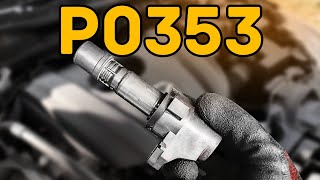
🎬 Watch: P0353 code symptoms and diagnosis explainedSymptoms You May Notice
- Rough idle or engine shaking
- Engine hesitation or stumbling during acceleration
- Noticeable loss of power
- Solid or flashing Check Engine Light
- Reduced fuel economy
- Hard starting condition
- Replacing only the spark plug without testing the coil. P0353 is an electrical circuit code, pointing more directly to the coil or wiring.
- Replacing the fuel injector for cylinder #3. A fuel injector issue would typically set a different code (e.g., P0203).
- Replacing the ignition coil without checking for oil in the spark plug tube. If a leaking valve cover gasket is the root cause, the new coil may fail prematurely as well.
Most Likely Causes
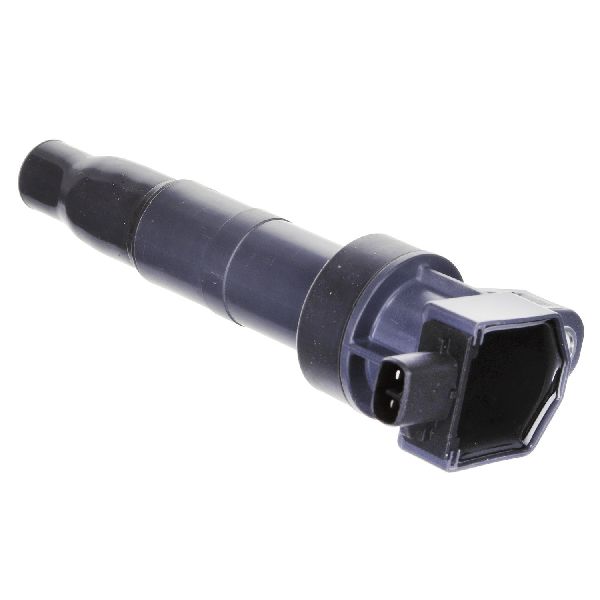
- Failed Ignition Coil 🔴 High Probability → Shop Ignition Coil Ignition coils are a common wear item that operate under high thermal stress. Failure after 80,000-120,000 miles is common across many vehicles. They are a known failure point on many Hyundai engines.
How to confirm: Perform the 'swap test': Swap the ignition coil from cylinder #3 (passenger side, middle) with the coil from cylinder #1 (passenger side, front). Clear the codes. If the code returns as P0351, the ignition coil is confirmed bad.
Typical fix: Replace the faulty ignition coil. Many owners choose to replace the corresponding spark plug at the same time. It is often recommended to replace all coils on one bank, or all six, if they are original and high-mileage.
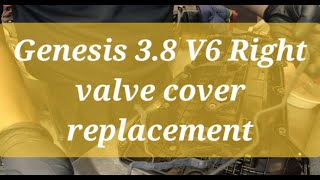
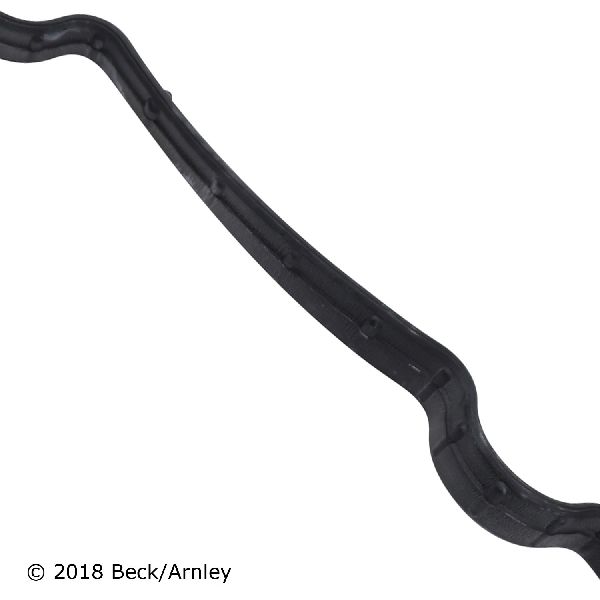
Est. part cost: $40-$160 - Leaking Valve Cover Gasket 🔴 High Probability → Shop Engine Valve Cover The valve cover gaskets on the Lambda V6 engine, particularly the integrated spark plug tube seals, are known to harden and fail over time. This allows engine oil to leak directly into the spark plug wells.
How to confirm: When you remove the ignition coil from cylinder #3, visually inspect the coil boot and the spark plug tube for the presence of liquid engine oil. If oil is present, the valve cover gasket and tube seals have failed.
Typical fix: Replace the valve cover gasket and the spark plug tube seals for the affected bank (Bank 1, passenger side). While the cover is off, it is best practice to replace the spark plugs and clean any oil from the ignition coil boots.
Est. part cost: $50-$100 for gasket set - Wiring or Connector Issue 🟡 Medium Probability The plastic connector and its locking tab can become brittle over time due to engine heat cycles, leading to a poor connection. Wires can also be damaged by rodents or improper servicing.
How to confirm: Visually inspect the connector for cylinder #3's ignition coil for cracks, corrosion on the pins, or loose-fitting wires. Ensure the connector is fully seated and the locking tab clicks into place. If the 'swap test' does not move the code, the wiring is the next suspect.
Typical fix: Repair the damaged section of wire or replace the ignition coil connector pigtail.
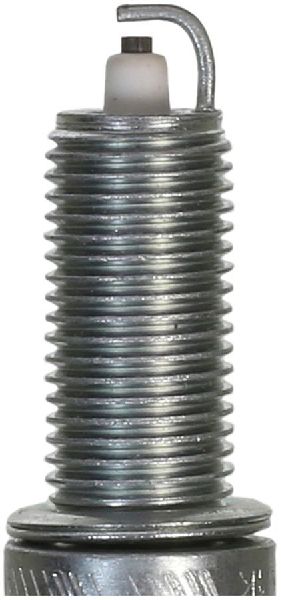
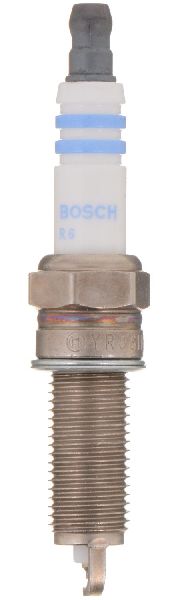
Est. part cost: $10-$25 - Worn or Fouled Spark Plug ⚪ Low Probability → Shop Spark Plug While P0353 is an electrical circuit code, an excessively worn or oil-fouled spark plug can increase resistance in the secondary ignition circuit, potentially stressing the coil and contributing to its failure or mimicking a fault.
How to confirm: Remove the spark plug from cylinder #3. Inspect for signs of heavy wear on the electrode, oil fouling, or excessive carbon buildup. A healthy plug should have a light tan color.
Typical fix: Replace the spark plug. It is best practice to replace all six plugs at once if they are near the end of their service life (approx. 100,000 miles).
Est. part cost: $15-$25 per plug
Rare But Worth Checking
- Failed Powertrain Control Module (PCM): → Shop Engine Control Module (ECM) This is very rare. The internal driver circuit for the coil can fail within the PCM. This should only be considered after all other possibilities (coil, plug, wiring, oil leaks) have been definitively ruled out.
Diagnosis Steps
- Read the code with an OBD-II scanner and confirm P0353 is present. Note any other codes, such as P0303.
- Locate cylinder #3 on the engine. It is the middle cylinder on the passenger side (Bank 1).
- Remove the 10mm bolt holding the ignition coil in place and pull the coil out.
- CRITICAL STEP: Inspect the coil boot and the spark plug tube for any liquid engine oil. If oil is present, the valve cover gasket is leaking and must be replaced. This is a likely root cause.
- Inspect the ignition coil connector and wiring for any visible damage, corrosion, or looseness.
- If no oil is found, perform a 'swap test'. Label and swap the ignition coil from cylinder #3 with the coil from cylinder #1 (front cylinder on the same bank).
- Clear the trouble codes with the scanner.
- Start the engine and let it run, or drive it for a short period until the Check Engine Light returns.
- Re-scan for codes. If the code is now P0351, the ignition coil you moved is faulty and needs to be replaced.
- If the code remains P0353, the problem is not the coil but is likely in the wiring harness or, rarely, the PCM.
- If the code remains P0353, inspect the spark plug in cylinder #3. If it is heavily worn or fouled, replace it. It is recommended to replace all six if they are due.
- If the coil and plug are good, use a multimeter to test for 12V power, ground, and the trigger signal at the ignition coil connector with the key on and while cranking.
Parts You'll Likely Need
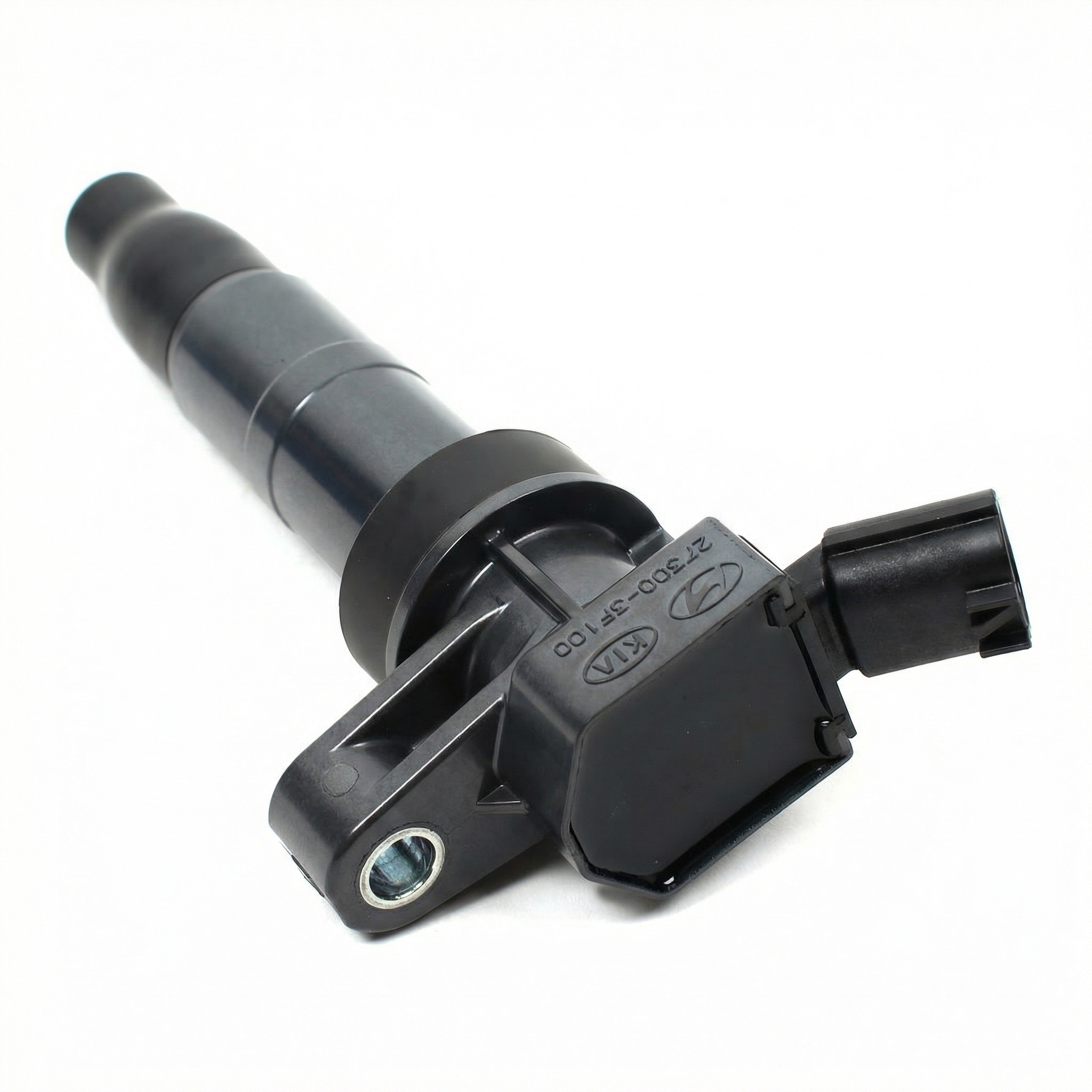
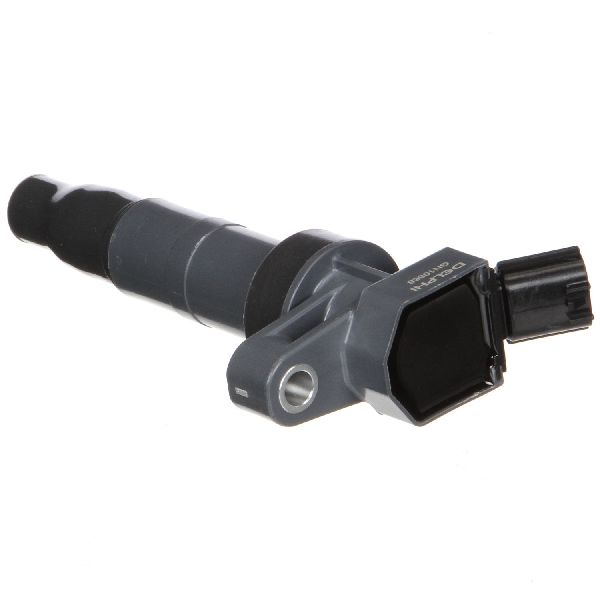
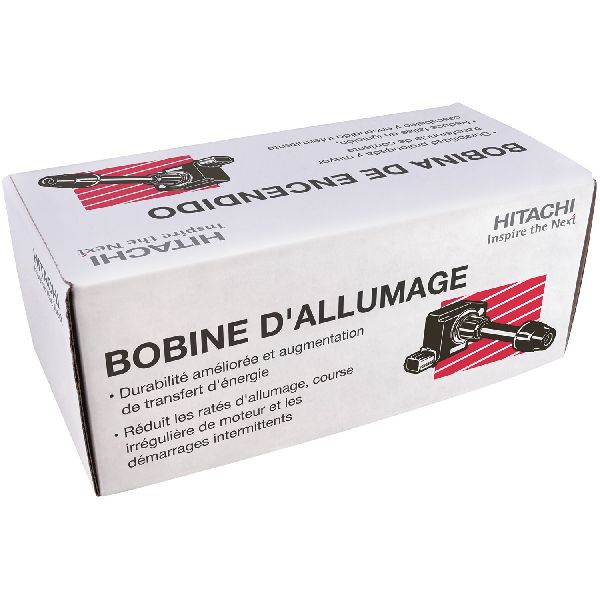
- Ignition Coil
(OEM #27301-3C000)— This is the most common point of failure for a P0353 code. This part number fits both MPI and GDI 3.8L engines in this year range and has been superseded by 27301-3C010, though both are interchangeable.
Trusted brands: Hyundai (OEM), Denso, NGK, Delphi
OEM price range: $150-$170
Aftermarket price range: $40-$80 - Valve Cover Gasket Kit (Bank 1 / Passenger Side)
(OEM #22441-3C110 (Gasket), 22443-3C100 (Tube Seals))— A very common root cause for this code is oil leaking from failed tube seals into the spark plug wells, shorting the coil. This should be checked whenever a coil is replaced.
Trusted brands: Hyundai (OEM), Fel-Pro, Mahle
OEM price range: $40-$60
Aftermarket price range: $25-$45 - Spark Plug (2009-2011 MPI)
(OEM #18851-11060)— A worn spark plug can contribute to coil failure and should be replaced if it's old or fouled. This part is for the earlier MPI engine.
Trusted brands: NGK, Denso
OEM price range: $20-$30
Aftermarket price range: $15-$20 - Spark Plug (2012-2014 GDI)
(OEM #18851-11070)— The GDI engine uses a different spark plug than the earlier MPI version. Verify the correct part for your vehicle.
Trusted brands: NGK, Denso
OEM price range: $20-$30
Aftermarket price range: $15-$20
Related Codes That Often Appear With This One
- P0303 — P0303 is 'Cylinder 3 Misfire Detected'. A fault in the ignition coil circuit (P0353) will prevent a proper spark, directly causing a misfire in that cylinder. They almost always appear together.
- P0300 — P0300 is 'Random/Multiple Cylinder Misfire Detected'. This can occur if the P0353 fault is intermittent or if other cylinders are also beginning to experience similar issues, such as widespread oil leaks from the valve cover gaskets.
Technical Service Bulletins (TSBs) & Recalls
- TSB 20-FL-001H: While for a 2017 Elantra 2.0L, this TSB is relevant as it shows a history of Hyundai addressing misfire DTCs (P030x) via ECM software updates and inspection/replacement of ignition coils, indicating coils are a known issue area for the manufacturer.
Platform-Specific Known Issues
- While not a direct cause of P0353, the 2012-2014 GDI engines are known for carbon buildup on the intake valves, which can cause misfire codes (P030x). If you are replacing spark plugs, it's a good time to inspect for carbon if possible, as it's a known maintenance item.
Mechanic-Grade Diagnostic Values
- Ignition Coil Primary Resistance — expected: 0.62 Ω ± 10% at 20°C (68°F).. Failure: A reading significantly outside this range, or OL (Over Limit), indicates a faulty primary winding.
- Ignition Coil Secondary Resistance — expected: 7.0 kΩ ± 15% at 20°C (68°F).. Failure: A reading of OL (open circuit) or a value far from the specification points to a failed secondary winding.
- Ignition Coil Connector Voltage (Key On, Engine Off) — expected: Pin 1 (Power): Battery Voltage (approx. 12V), Pin 3 (Ground): Good ground continuity, Pin 2 (Signal): Voltage present, as it's switched to ground by the ECM.. Failure: No voltage on the power pin indicates a fuse or wiring issue upstream. No signal on the control wire points to a wiring or ECM driver problem.
- Mode 6 Misfire Count (Cylinder 3) — expected: The count should be zero or very close to zero over a drive cycle.. Failure: A high or rapidly increasing count for cylinder 3 confirms intermittent or consistent misfires, even if a P0303 code is not yet present.
Hidden / Shadow Codes Worth Checking
- Mode 6, Test ID $A2-$AF: Hyundai/Genesis vehicles store raw, non-CEL-triggering misfire counts for each cylinder under Mode 6 data. Cylinder 3 would correspond to Test ID $A4. This data is more sensitive than the threshold required to set a P0303 code. (see via Use an advanced OBD-II scanner or the dealer-level Hyundai GDS that supports Mode 6 data viewing.)
Scan Tool Commands That Help
- Hyundai GDS (Global Diagnostic System): Actuator Driving / Coil Activation Test — This bidirectional command forces the ECM to fire the cylinder 3 ignition coil on demand. It's a definitive test to see if the coil, wiring, and PCM driver are capable of creating a spark, helping to isolate the fault without swapping parts.
- Hyundai GDS (Global Diagnostic System): Cylinder Power Balance Test — This function deactivates one cylinder at a time and measures the RPM drop. If deactivating cylinder 3 causes little or no change in RPM, it confirms that cylinder is not contributing power, verifying the misfire is real and significant.
- Hyundai GDS (Global Diagnostic System): Misfire Data / History — Used to view the raw misfire counts for each cylinder over current and previous drive cycles. This is invaluable for diagnosing intermittent P0353 faults that may not set a P0303 code every time.
Wiring & Ground Locations
- Bank 1 Injector/Coil Ground — Located on the intake manifold on the passenger side (Bank 1) of the engine.. A loose or corroded ground at this location can cause intermittent and hard-to-diagnose electrical issues for all Bank 1 components, including the ignition coils for cylinders 1, 3, and 5. Cleaning and tightening this ground is a critical diagnostic step if a coil swap doesn't resolve the issue.
- Ignition Coil #3 Connector Pins — The 3-pin connector on top of the ignition coil for cylinder #3.. For manual testing: Pin 1 is the 12V+ power feed from the ignition relay/fuse. Pin 2 is the trigger/signal wire from the ECM. Pin 3 is the ground. Verifying power, ground, and a signal here is essential when a coil swap test fails.
- E/R Junction Box — The main fuse and relay box in the engine compartment, typically on the right (passenger) side.. This box contains the individual fuses for the ignition coils. A blown fuse (e.g., 'IGN COIL 3') would cause a P0353. The fuse layout can vary by year, so check the cover label.
Real Owner Repair Stories
- CarKiller Forum User FMCamry (2012 Toyota Camry Hybrid (demonstrates universal P0353 intermittent fault logic)) — Intermittent P0353 code with engine shaking that would resolve immediately after turning the car off and on again. The issue occurred sporadically over several years and 100,000 km.
❌ Tried (didn't work) Dealer swapped coils, but the problem was too intermittent to verify the fix., Replaced all spark plugs with OEM parts.
✅ What actually fixed it The suggested root cause was a poor connection in the wiring or connector for the #3 ignition coil. The ECM sets P0353 and disables the fuel injector for that cylinder to protect the catalytic converter. When the car is restarted, the ECM re-checks the circuit. If the intermittent connection is temporarily good, the system functions normally until the fault reappears, explaining why a simple restart could 'fix' the problem temporarily.
OEM Part Supersession History
27301-3C000→27301-3C010— Standard part revision, likely for improved durability or manufacturing process.
Heads up: Both parts are considered interchangeable for the 2009-2014 3.8L Genesis.
Model Year Variations Within This Range
- 2009-2011 vs 2012-2014: The primary difference is the engine type: MPI (Multi-Port Injection) for 2009-2011 and GDI (Gasoline Direct Injection) for 2012-2014. While the ignition coil (27301-3C000/3C010) is the same, the spark plugs are different (18851-11060 for MPI vs. 18851-11070 for GDI). Using the wrong plug can affect performance and coil life.
Diagnostic Flowchart
Other Known Issues on This Vehicle
Issues unrelated to this code that are worth knowing about as an owner of this generation:
- Timing Chain Rattle / Tensioner Wear 🔴 High — Becomes more common over 100,000 miles. Often presents as a brief rattle on cold startup as oil pressure builds.
- Excessive Oil Consumption 🟠 Medium — More prevalent on GDI engines but can affect MPI as well. Hyundai has a generic TSB (23-EM-008H) for dealers to perform an oil consumption test if a customer complains. The threshold is typically losing more than 1 quart per 1,000 miles. (Ref: TSB 23-EM-008H)
- Carbon Buildup on Intake Valves (GDI Engines) 🟠 Medium — A common issue inherent to Gasoline Direct Injection (GDI) engines, as fuel is not sprayed over the back of the valves to clean them. Can cause misfires, rough idle, and power loss over 60,000-100,000 miles. (Ref: TSB 23-EM-007H (Combustion Chamber Cleaning Procedure))
- Peeling Interior 'Chrome' Trim 🟡 Low — A cosmetic issue where the chrome-like finish on interior plastic parts (door handles, cupholders, steering wheel) flakes off over time.
- ZF 6-Speed Automatic Transmission Issues 🟠 Medium — Some owners report harsh shifting, slipping, or eventual failure. While not universal, transmission problems are a known potential weak point for the first-generation Genesis sedan.
Used vs. New Parts: Buying Guide for This Vehicle
When a used part is the smart pick: A used OEM ignition coil from a low-mileage (under 60k miles) donor vehicle can be a cost-effective option, as new aftermarket coils can have questionable reliability. Given the low cost of new aftermarket parts, many owners opt for new, but a used OEM part is often superior to a cheap, no-name new part.
Donor-vehicle mileage cap: roughly under 60000 miles for the part to have meaningful remaining life.
What to inspect on the donor part:
- Check for a clean, low-mileage donor vehicle.
- Inspect the coil for any cracks in the plastic housing or epoxy.
- Ensure the electrical connector pins are clean and free of corrosion.
- Avoid coils that show signs of oil saturation on the boot, as this indicates they were subjected to a leaking valve cover gasket.
OEM-only on this vehicle (don't cheap out):
- While not strictly required, many Hyundai technicians and owners report that these engines are sensitive to aftermarket electronic parts. Using OEM or OE-supplier (like Mando, Denso, NGK) ignition coils is strongly recommended to avoid premature failure or compatibility issues.
Aftermarket brands forum-validated for this vehicle:
- NGK
- Denso
- Delphi
- Mando (often the Original Equipment supplier)
Brands owners have reported issues with on this vehicle:
- Unnamed or generic 'white box' brands from online marketplaces like Amazon or eBay are frequently reported to fail quickly or be dead on arrival.
Documented NHTSA Reports
NHTSA ODI #11464602
Symptoms: One day after receiving a vehicle back from service for spark plugs, the car threw codes P0353 and P0354, indicating an open primary control circuit for ignition coils C and D, along with a catalyst system code (P0420).
Real Owner Stories
Aggregated from forums and TSBs cited above. Mileages and costs reflect what owners reported in those sources.
2009-2014 Hyundai Genesis 3.8L V6
Symptoms: Owners frequently resolve misfire codes by replacing coils and plugs; a common theme is the need to avoid chasing the misfire from cylinder to cylinder as old coils fail.
What fixed it: Replacing all six ignition coils and spark plugs at once.
Source hint: genesisowners.com
Hyundai Genesis Coupe 3.8L V6
Symptoms: Cylinder 5 misfire (rearmost cylinder on the passenger side).
What fixed it: Correctly identifying the cylinder location using the 1-3-5 passenger side numbering and replacing the ignition component.
Source hint: Reddit r/genesiscoupe
Related OBD-II Codes
Frequently Asked Questions
Where is cylinder #3 located on my 2009-2014 Hyundai Genesis 3.8L?
Does TSB 20-FL-001H apply to my Genesis P0353 code?
I found oil on my ignition coil boot while checking P0353. What does this mean?
Should I replace just the cylinder #3 coil or all of them?
Can carbon buildup cause this code on my 2012 Genesis 3.8L?
Is there a specific ignition coil part number I should look for?
Helpful Videos
Used OEM Parts in Stock
New Aftermarket Parts Available

The information in this article is provided for general reference and educational purposes only. Vehicle specifications, procedures, and part compatibility can vary by production date, trim level, and region. Always consult your vehicle's factory service manual and verify part numbers before purchasing or performing repairs. Safety-critical components such as airbags, seat belts, and braking systems should be installed by a qualified professional.
- Hyundai Genesis:
- 🧭 Diagnostic Flowchart
- 🎬 Helpful Videos
- 🛍️ Shop This Part
- What's Unique About the 2009-2014 Hyundai Genesis
- Symptoms You May Notice
- Most Likely Causes
- Rare But Worth Checking
- Diagnosis Steps
- Parts You'll Likely Need
- Related Codes That Often Appear With This One
- Technical Service Bulletins (TSBs) & Recalls
- Platform-Specific Known Issues
- Mechanic-Grade Diagnostic Values
- Hidden / Shadow Codes Worth Checking
- Scan Tool Commands That Help
- Wiring & Ground Locations
- Real Owner Repair Stories
- OEM Part Supersession History
- Model Year Variations Within This Range
- Other Known Issues on This Vehicle
- Used vs. New Parts: Buying Guide for This Vehicle
- Documented NHTSA Reports
- NHTSA ODI #11464602
- Real Owner Stories
- 2009-2014 Hyundai Genesis 3.8L V6
- Hyundai Genesis Coupe 3.8L V6
- Related OBD-II Codes
- Frequently Asked Questions
- 🎟️ Get 5% Off