

P0353 on 2002-2007 Jeep Liberty 3.7L: Ignition Coil 'C' Causes and Fixes
This code indicates a fault with the ignition coil for cylinder #3. The most common fix is replacing the faulty ignition coil, which is an easy DIY job. Expect to pay between $25-$75 for a quality aftermarket coil and replace the spark plug at the same time. Also, inspect for coolant or oil leaks onto the coil, a known issue for this engine.
- P0353 on a 3.7L Jeep Liberty almost always points to a problem with the ignition coil or spark plug for cylinder #3.
- Cylinder #3 is the middle cylinder on the driver's side of the engine.
- The easiest way to diagnose a bad coil is to swap it with one from another cylinder and see if the trouble code follows it.
- This is a very DIY-friendly repair that requires basic tools and can be completed in under an hour.
- While replacing the coil, inspect the area for oil or coolant leaks from above, as this is a known cause of coil failure on the 3.7L engine.
- If a new coil fails or melts immediately, suspect a bad spark plug or a wiring issue before condemning the PCM.
What's Unique About the 2002-2007 Jeep Liberty
On the Jeep Liberty's 3.7L PowerTech V6, ignition coil failure is a relatively common issue. The engine uses a Coil-on-Plug (COP) design, with one individual coil for each of the six cylinders. A notable and frequently reported issue for this platform is that coolant hoses are routed near the coils; a small leak can drip onto a coil and cause it to fail, leading to misfires. Another known issue is oil leaks from the valve cover gaskets seeping into the spark plug wells and damaging the coils.
Symptoms You May Notice
- Check Engine Light is on
- Engine misfire (feels like shaking, stumbling, or shuddering, especially under acceleration)
- Rough idle
- Poor acceleration and loss of power
- Hesitation when accelerating
- Noticeable drop in fuel economy by 10-20%
- Strong smell of unburned gasoline from the exhaust.
- Replacing the fuel injector for cylinder #3 when the issue is with the ignition system.
- Assuming the catalytic converter is bad due to poor performance, when the converter is actually being damaged by the misfire.
- Replacing the PCM before thoroughly testing the coil, spark plug, and wiring harness.
Most Likely Causes
- Faulty Ignition Coil on Cylinder #3 🔴 High Probability → Shop Ignition Coil Ignition coil failure is a common maintenance item on the 3.7L PowerTech V6, often exacerbated by heat and fluid leaks from valve covers or coolant hoses.
How to confirm: Perform a 'swap test': Swap the ignition coil from cylinder #3 with another cylinder (e.g., cylinder #1). Clear the codes and drive. If the code changes to P0351, the coil is confirmed bad. Cylinder #3 is the middle cylinder on the driver's side (left bank). The firing order is 1-6-5-4-3-2, with cylinders 1-3-5 on the driver's side (front to back) and 2-4-6 on the passenger's side.
Typical fix: Replace the faulty ignition coil. 🎬 Watch: How to fix ignition coil circuit codes P0351-P0358 It is held in by a single 10mm bolt. It's also best practice to replace the spark plug at the same time. Disconnect the battery before starting work.
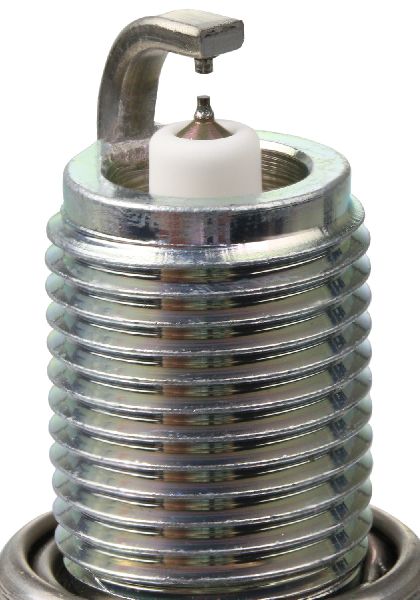
Est. part cost: $25-$75 for a single reputable aftermarket coil. - Worn or Fouled Spark Plug in Cylinder #3 🟡 Medium Probability → Shop Spark Plug Spark plugs are a regular wear item. A faulty plug with a wide gap or heavy deposits can prevent a proper spark, causing the coil to work harder and potentially fail or even melt.
How to confirm: After removing the ignition coil, remove the spark plug for cylinder #3. Inspect it for heavy carbon buildup, oil fouling, or a worn/damaged electrode. Compare it to a new plug. A faulty plug can cause an open in the secondary circuit, leading to the coil overheating.
Typical fix: Replace the spark plug. Many owners choose to replace all six plugs at the same time for preventative maintenance. Ensure the new plug is gapped correctly. 🎬 See this step-by-step spark plug replacement walkthrough
Est. part cost: $5-$15 for a single spark plug. - Damaged Wiring or Connector ⚪ Low Probability Engine heat and vibration can make the plastic connector for the coil brittle and wires fragile over time. The locking tab on the connector is known to break easily.
How to confirm: Visually inspect the electrical connector and wiring harness going to the #3 ignition coil. Look for cracked plastic, corroded pins, or broken/chafed wires. Use a multimeter to check for 12V power at the connector with the key on and check for continuity on the ground and signal wires back to the PCM.
Typical fix: Repair the damaged section of wire or replace the pigtail connector. Ensure a secure connection.
Est. part cost: $10-$25 for a new pigtail connector.
Rare But Worth Checking
- Failed Powertrain Control Module (PCM): → Shop Engine Control Module (ECM) This is the least likely cause, but it is a known failure mode for this platform. The internal driver circuit in the PCM for the #3 coil can fail. This often happens after a faulty coil shorts out. If a new coil melts or the P0353 code immediately returns after swapping coils and checking wiring, the PCM is suspect. Companies like Circuit Board Medics offer repair services for this specific issue.
- Coolant or Oil Leak: On the 3.7L V6, a leaking valve cover gasket or coolant hose above the driver's side of the engine can drip fluid down into the spark plug wells, shorting out the ignition coil. Always inspect the top of the engine and the spark plug tube for any signs of fluid contamination when replacing a coil.
- Poor Engine Ground: A corroded or loose engine ground strap can cause various electrical issues, including ignition coil circuit codes. This can lead to reduced or unstable voltage at the coil, triggering the P0353 code.
Diagnosis Steps
- Read the code with an OBD-II scanner and confirm P0353 is present. Note any other codes, like P0303 or P2308.
- Locate cylinder #3 on the 3.7L V6. It is the middle cylinder on the driver's side (left side of the engine, third from the front).
- Inspect the electrical connector and wiring for the #3 ignition coil. Check for damage, corrosion, or loose connections. Ensure the connector lock is secure.
- To confirm a bad coil, perform a 'swap test'. Swap the #3 ignition coil with the coil from another cylinder (e.g., cylinder #1, at the front on the driver's side).
- Clear the trouble codes with the scanner.
- Start the engine and let it run for a minute or two. Re-scan for codes.
- If the code has moved to P0351 ('Ignition Coil A'), the coil you moved is faulty and needs to be replaced.
- If code P0353 returns, the coil is likely good. The problem is likely the spark plug or the wiring circuit. A user on a forum reported a new coil melting immediately, indicating a short or open in the circuit that was not the coil itself.
- Remove and inspect the spark plug from cylinder #3. Replace it if it is worn, fouled, or has exceeded its service life, as a bad plug can cause the coil to fail.
- If the coil and spark plug are good, use a multimeter to test the wiring. Check for 12V at the power pin and check for a good ground. The third wire is the signal wire from the PCM.
- If the wiring is confirmed to be good and the code persists on cylinder #3 after swapping components, the PCM's coil driver may have failed. This is a rare but known issue.
Parts You'll Likely Need
- Ignition Coil
(OEM #56028138AF)— This is the most common failure point for a P0353 code.
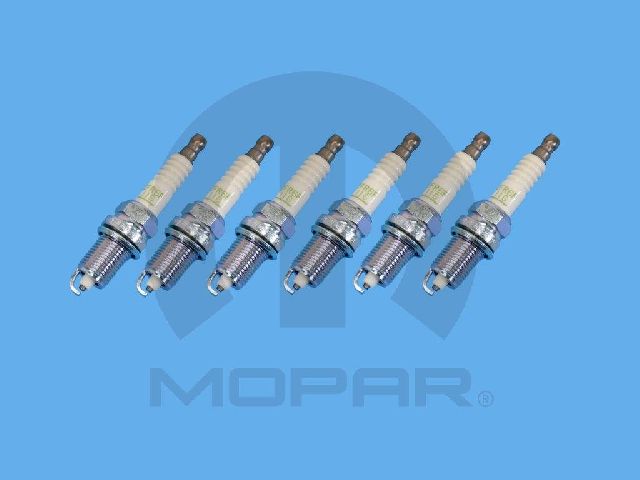
Trusted brands: Mopar, NGK, Delphi, Denso
OEM price range: $60-$90
Aftermarket price range: $25-$75 - Spark Plug
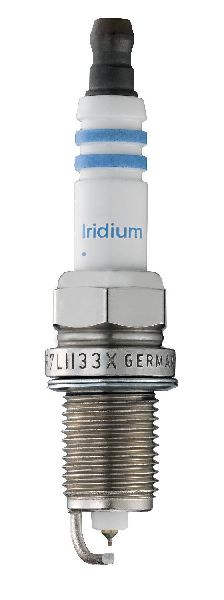
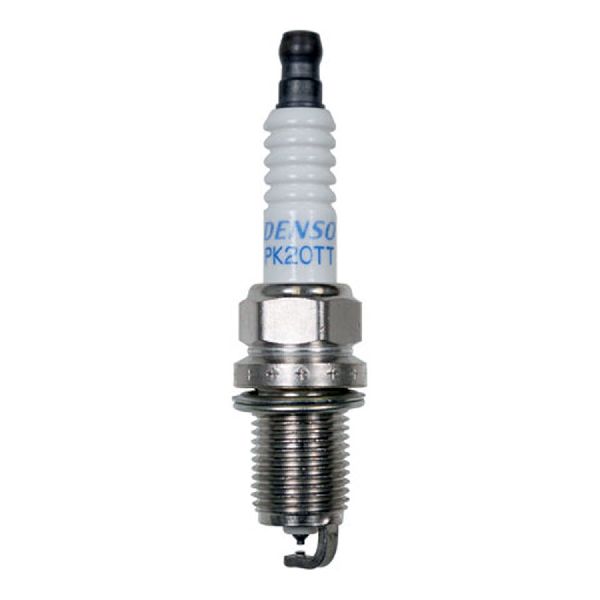
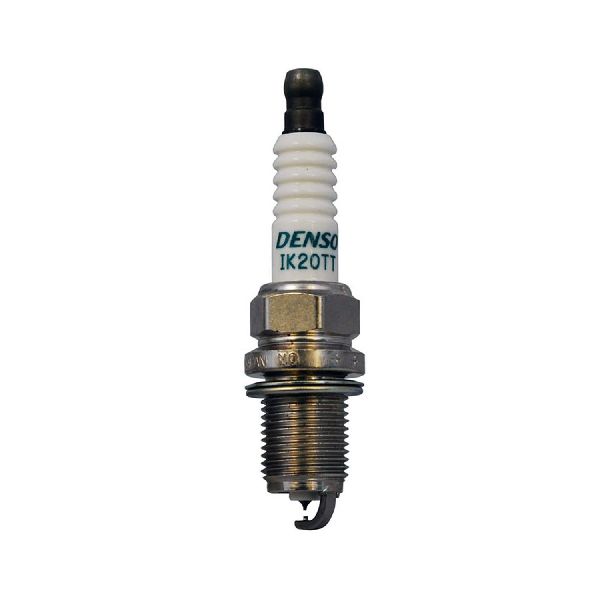
(OEM #SP00ZFR6F11G (NGK V-Power))— It is best practice to replace the spark plug when replacing a coil. A worn plug can stress a new coil, and its condition provides diagnostic clues.
Trusted brands: NGK, Champion
OEM price range: $10-$20
Aftermarket price range: $5-$15 - Ignition Coil Connector Pigtail — The plastic connector can become brittle from heat and break, causing a poor connection. Replacing the pigtail may be necessary if the connector is damaged.
Trusted brands: Mopar, Dorman
OEM price range: $20-$35
Aftermarket price range: $10-$25
Related Codes That Often Appear With This One
- P0303 — P0303 means 'Cylinder 3 Misfire Detected.' Since P0353 indicates a fault in the coil circuit for cylinder 3, it directly causes the misfire that P0303 reports.
- P2308 — P2308 stands for 'Ignition Coil C Secondary Circuit - Insufficient Ionization'. This code is often seen alongside P0353 on Chrysler/Jeep products and points more specifically to a problem on the secondary (spark plug) side of the coil circuit, reinforcing the diagnosis of a bad coil or plug.
Technical Service Bulletins (TSBs) & Recalls
- 08-001-05 (Jan 2005) - Ignition Coil DTC's/MIL ON
Platform-Specific Known Issues
- A Technical Service Bulletin (TSB 08-001-05) was issued for 'Ignition Coil DTC's/MIL ON', though specific details are sparse and it may apply to a range of vehicles.
- Another TSB advises against using dielectric grease on the coil boots, as it can degrade the modern silicone material.
- Forum users frequently report that coolant leaks from hoses above the engine can drip onto the coils, causing failure.
- A user on the CarKiller forum reported an interesting failure where a short in the circuit caused two consecutive ignition coils on cylinder #3 to physically melt. The underlying cause was suspected to be a faulty spark plug creating an open in the secondary circuit.
Diagnostic Flowchart
Real Owner Stories
Aggregated from forums and TSBs cited above. Mileages and costs reflect what owners reported in those sources.
2003 Jeep Liberty 3.7L V6
Symptoms: After parking the vehicle for a day, the Check Engine Light came on. The owner found that new replacement ignition coils were physically melting.
What fixed it: The community diagnosed the root cause as a likely open in the secondary circuit, probably caused by a bad spark plug, which was making the new coils overheat and fail.
Source hint: CarKiller Forum - 'P0353 on 03 Jeep Liberty'
2003 Dodge Ram 1500 3.7L V6
Symptoms: The owner had a persistent P0353 code.
What fixed it: The issue was not the coil itself but was traced back to a problem with the ASD (Auto Shutdown) relay circuit, demonstrating that other electrical faults can trigger this code.
Source hint: 2CarPros Forum - 'ASD relay no PCM ground'
Related OBD-II Codes
Frequently Asked Questions
Where exactly is cylinder #3 on my 2004 Jeep Liberty 3.7L engine?
I swapped the ignition coil from cylinder #3 to cylinder #1 and now the code is P0351. What does this mean?
My new ignition coil on cylinder #3 melted. What could cause this on my Liberty?
Can a coolant leak cause a P0353 code?
Is there an official TSB for ignition coil problems on these Jeeps?
Should I use dielectric grease on the new coil boot?
I've replaced the coil and spark plug for cylinder #3, but the P0353 code keeps coming back. What else could it be?
Helpful Videos
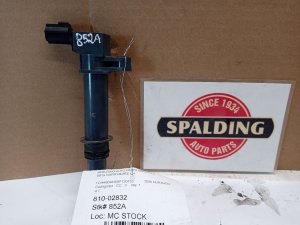
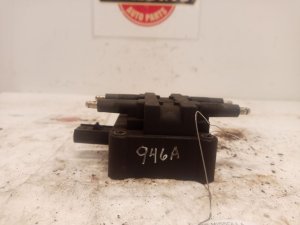
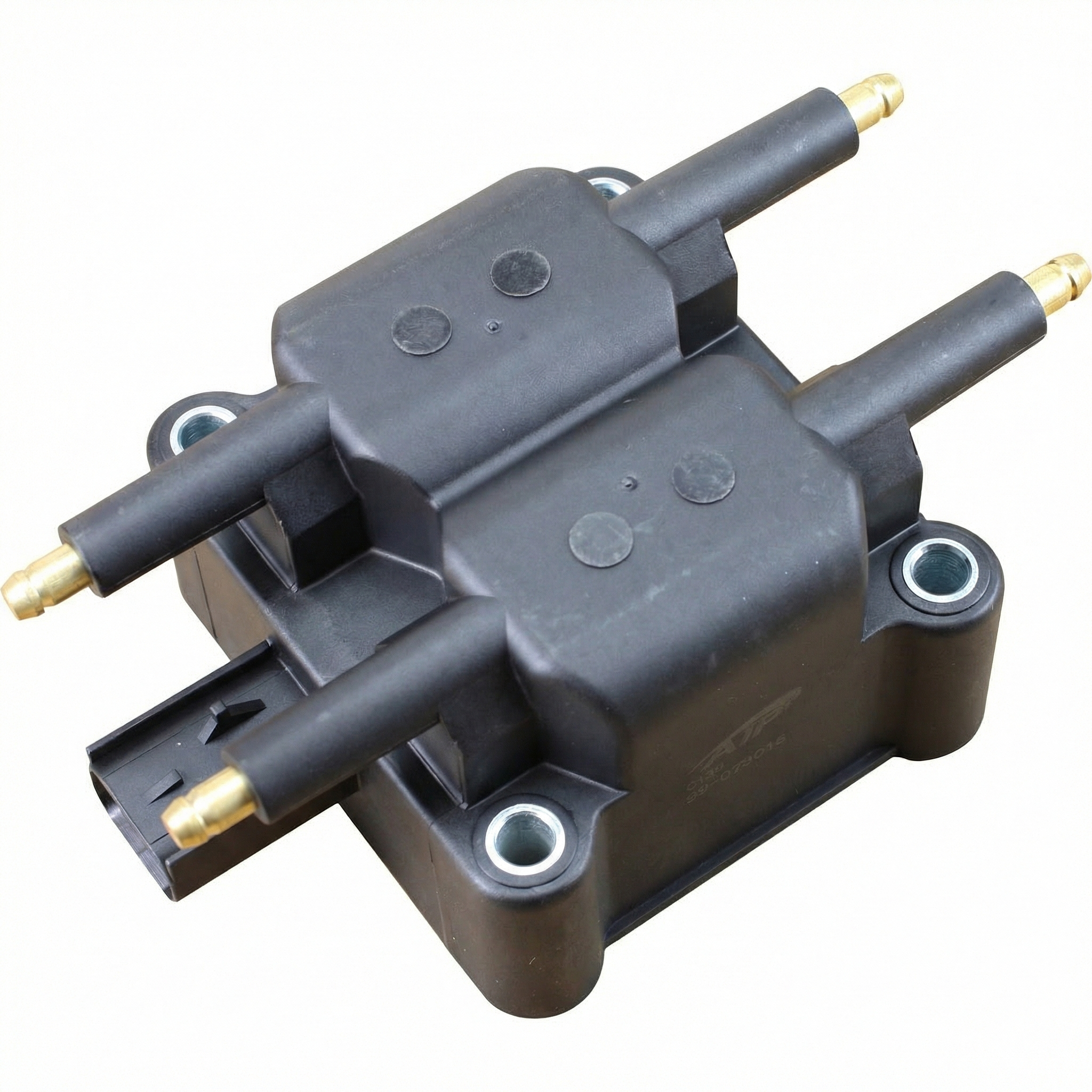
Used OEM Parts in Stock
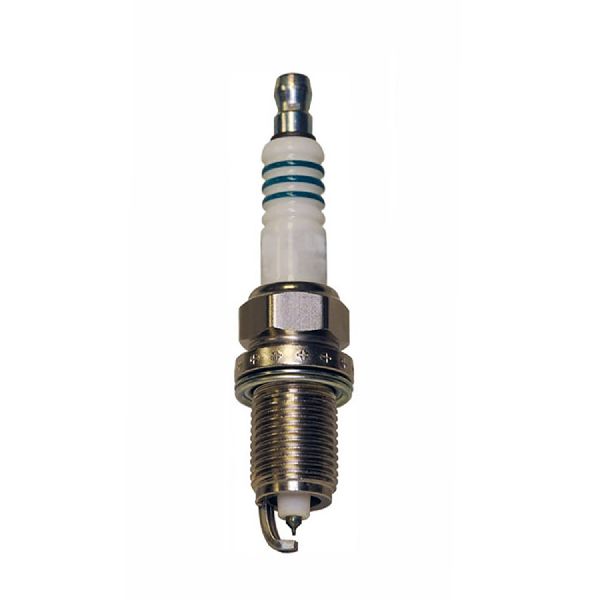
New Aftermarket Parts Available

The information in this article is provided for general reference and educational purposes only. Vehicle specifications, procedures, and part compatibility can vary by production date, trim level, and region. Always consult your vehicle's factory service manual and verify part numbers before purchasing or performing repairs. Safety-critical components such as airbags, seat belts, and braking systems should be installed by a qualified professional.
- Jeep Liberty:
- 🧭 Diagnostic Flowchart
- 🎬 Helpful Videos
- 🛍️ Shop This Part
- What's Unique About the 2002-2007 Jeep Liberty
- Symptoms You May Notice
- Most Likely Causes
- Rare But Worth Checking
- Diagnosis Steps
- Parts You'll Likely Need
- Related Codes That Often Appear With This One
- Technical Service Bulletins (TSBs) & Recalls
- Platform-Specific Known Issues
- Real Owner Stories
- 2003 Jeep Liberty 3.7L V6
- 2003 Dodge Ram 1500 3.7L V6
- Related OBD-II Codes
- Frequently Asked Questions
- 🎟️ Get 5% Off