

P0353 on 2007-2009 Saturn Aura 3.6L: Ignition Coil 'C' (Cylinder 3) Failure and Fixes
The P0353 code on a Saturn Aura 3.6L almost always means the ignition coil for cylinder #3 has failed. This is a labor-intensive repair because cylinder #3 is on the rear bank against the firewall, requiring removal of the intake manifold. To avoid repeat repairs, it is highly recommended to replace all three rear coils and spark plugs at the same time. Expect to pay $250-$450 for a shop to replace a single coil and plug, or more for all three.
- P0353 on the Aura 3.6L points directly to a problem with the ignition coil circuit for cylinder #3.
- The biggest challenge of this repair is that cylinder #3 is on the rear bank, requiring the intake manifold to be removed for access.
- The most likely cause is a bad ignition coil. Always replace the spark plug at the same time.
- **Crucial Advice:** Due to the significant labor involved, it is strongly recommended to replace all three rear ignition coils (cylinders 1, 3, 5) and all six spark plugs at once to prevent future repairs.
- Do not ignore this code. A continuous misfire will damage your catalytic converter, a much more expensive repair.
What's Unique About the 2007-2009 Saturn Aura
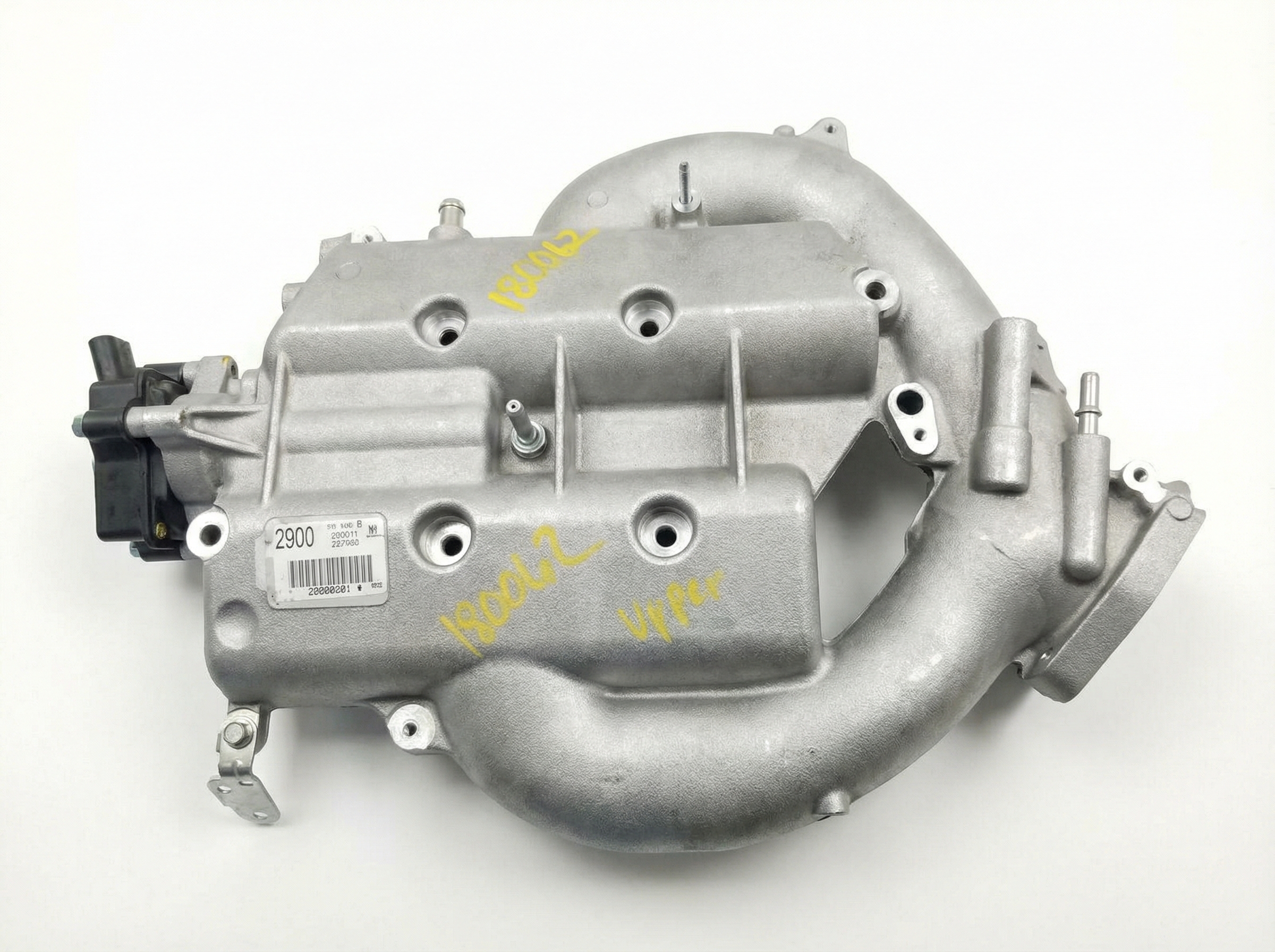
On the 3.6L V6 in the Saturn Aura, the engine is mounted transversely (sideways). Cylinder #3 is part of 'Bank 1', which is the cylinder bank located against the firewall. This makes what would be a simple repair on another engine a significantly more complex and labor-intensive job. Accessing the ignition coil for cylinder #3 requires the complete removal of the upper intake manifold, which adds hours and cost to the repair.
Symptoms You May Notice
- Check Engine Light is on (may be flashing)
- Rough or shaking idle
- Engine misfires, especially during acceleration
- Noticeable loss of engine power
- Reduced fuel economy
- Engine may stall or be difficult to start
- Replacing only the spark plug without testing the ignition coil.
- Assuming a fuel injector is bad without checking for ignition system codes first.
- Replacing the PCM before thoroughly testing the coil, plug, and wiring circuit.
Most Likely Causes
- Failed Ignition Coil for Cylinder #3 🔴 High Probability → Shop Ignition Coil The ignition coils on the 3.6L LY7 engine are known to fail from constant exposure to high heat and vibration. The rear bank where cylinder #3 is located can trap more heat, potentially accelerating failure. This is the most common cause of P0353.
How to confirm: The most common diagnostic method is to swap the cylinder #3 ignition coil with an easily accessible coil from the front bank (e.g., cylinder #2). Clear the codes and run the engine. If the code changes to P0352 (for cylinder #2), the coil is confirmed to be faulty.
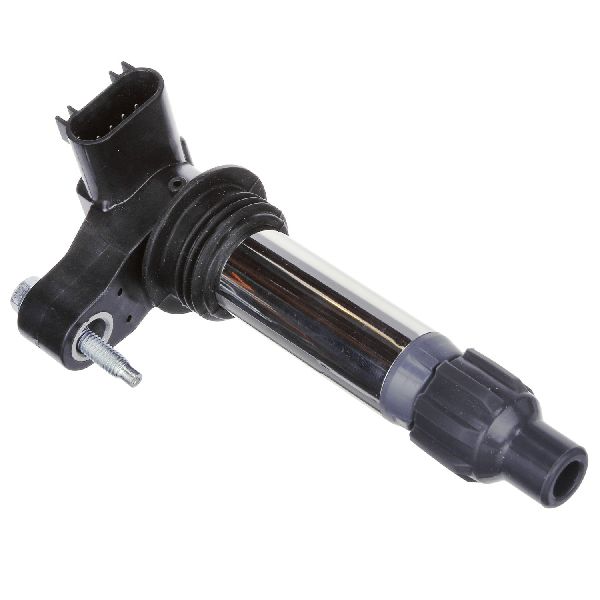
Typical fix: Replace the failed ignition coil. It is highly recommended to also replace the corresponding spark plug at the same time. Due to the labor involved, many owners and shops replace all three rear coils (cylinders 1, 3, 5) and all six spark plugs simultaneously.
Est. part cost: $30-$90 - Worn or Fouled Spark Plug 🟡 Medium Probability → Shop Spark Plug Spark plugs are a regular maintenance item. A worn plug with a large gap can strain the ignition coil, causing it to fail. Oil leaks from the valve cover gasket, a common issue on the LY7 engine, can also foul the spark plug and damage the coil boot.
How to confirm: Visually inspect the spark plug after removing the ignition coil. Look for heavy carbon deposits, oil fouling, or a visibly worn electrode.
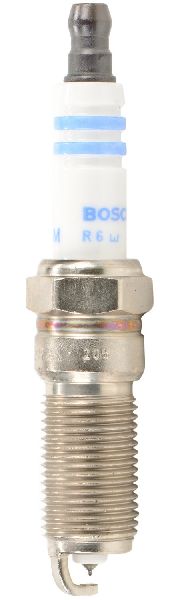
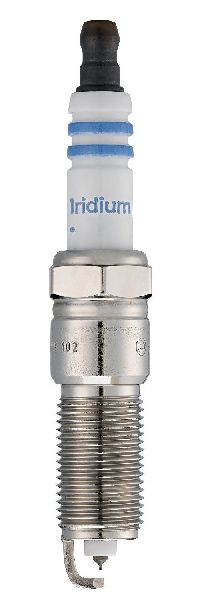
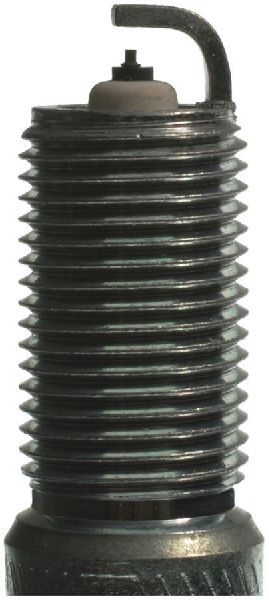
Typical fix: Replace the spark plug. The OEM-recommended plug is an Iridium type for longevity. If oil is present, the valve cover gasket and spark plug tube seals should also be replaced.
Est. part cost: $10-$20 - Damaged Wiring or Loose Connector ⚪ Low Probability The engine wiring harness can become brittle from heat and vibration. The connector to the ignition coil can break, or wires can chafe against the engine block or intake manifold. The plastic locking tab on the connector is particularly prone to breaking.
How to confirm: Visually inspect the wiring harness leading to the cylinder #3 ignition coil. Check for brittle insulation, exposed wires, or damage. Ensure the electrical connector is securely attached and the locking tab is intact.
Typical fix: Repair the damaged section of wire or replace the pigtail connector. The ACDelco pigtail connector is part number PT3709. 🎬 Watch this quick video on how to fix a P0353 code.
Est. part cost: $15-$30
Rare But Worth Checking
- Failed Powertrain Control Module (PCM): → Shop Engine Control Module (ECM) This is very rare. The PCM should only be considered after all other possibilities (coil, plug, wiring) have been definitively ruled out. A failed coil driver inside the PCM can cause this code.
- Vacuum Leak from Intake Manifold Gasket: → Shop Engine Intake Manifold If the intake manifold gasket was not replaced during a previous repair or has failed, it can cause a vacuum leak. While this typically sets other codes, a significant leak near cylinder #3 could contribute to a misfire that strains the ignition system.
Diagnosis Steps
- Confirm the code with an OBD-II scanner. Note any other codes present, especially P0303.
- Identify Cylinder #3. On the 3.6L V6, the cylinders are numbered 2-4-6 on the front bank (near the radiator) and 1-3-5 on the rear bank (near the firewall). Cylinder #3 is the middle cylinder on the rear bank.
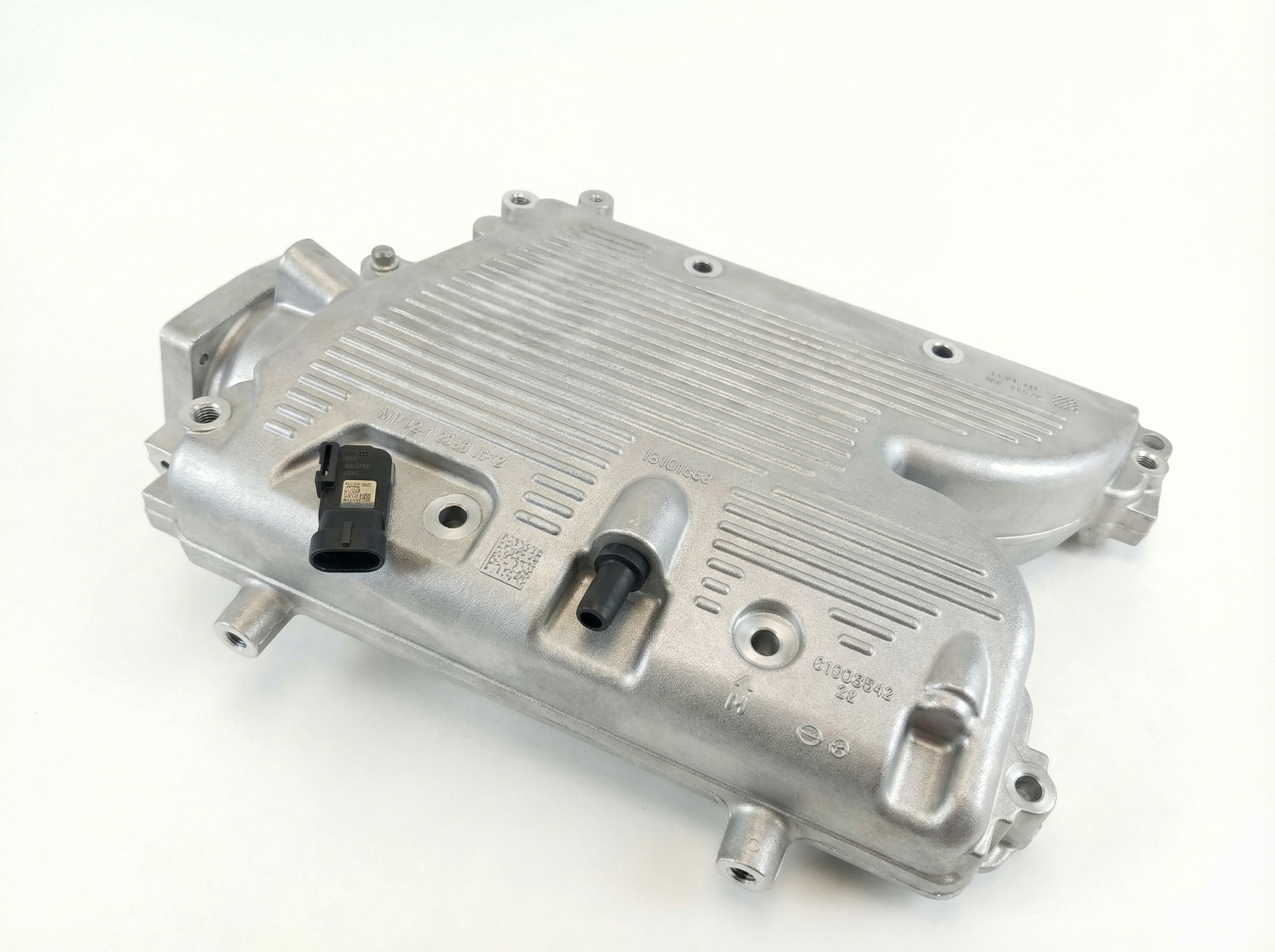
- Pro Tip: The intake manifold is composite plastic. Allow the engine to cool completely to ambient temperature before attempting removal to avoid warping or cracking the manifold. 🎬 Watch this step-by-step guide on removing the intake manifold.
- To test the coil, you must first remove the upper intake manifold to gain access to the rear bank. This involves disconnecting the throttle body, EVAP lines, and various electrical connectors.
- Once the manifold is off, swap the ignition coil from cylinder #3 with the coil from cylinder #2 (front bank, driver's side).
- Reassemble the intake manifold using new gaskets. This is critical to prevent vacuum leaks. Torque the manifold bolts to the manufacturer's specification in the correct sequence.
- Clear the trouble codes with the scanner and start the engine. Let it run for a few minutes.
- Rescan for codes. If the code has changed to P0352, the ignition coil you moved is faulty and needs to be replaced.
- If the P0353 code returns, the problem is with the spark plug or the wiring to cylinder #3.
- Disassemble again and inspect the spark plug for cylinder #3. Replace it if it is worn, fouled, or damaged.
- While the coil is out, inspect the wiring harness and connector for any signs of damage, corrosion, or loose pins. Perform a 'wiggle test' on the harness with the engine running (if possible and safe) to see if it induces a misfire.
- If the coil and plug are good, use a multimeter to check for 12V power at the coil connector and check the integrity of the ground and signal wires back to the PCM.
Parts You'll Likely Need
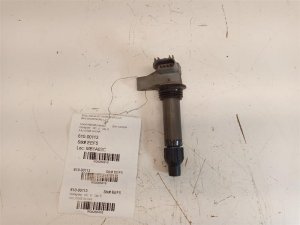
- Ignition Coil
(OEM #12632479)— This is the most common failure point for a P0353 code due to heat and vibration.
Trusted brands: ACDelco (D515C), Delphi, NGK, Denso (673-7303), Hitachi (IGC0173)
OEM price range: $60-$90
Aftermarket price range: $30-$60 - Iridium Spark Plug
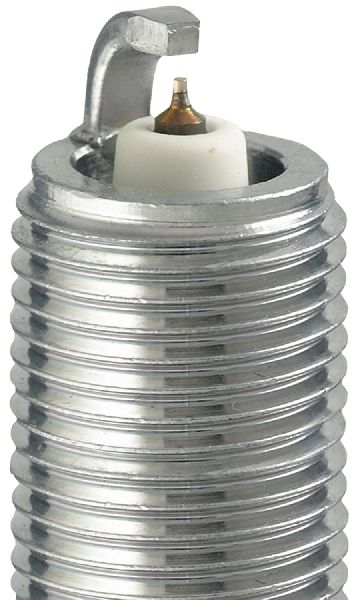
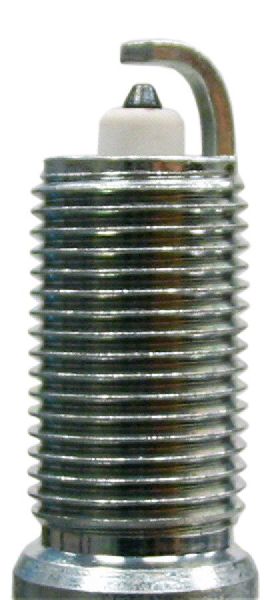
(OEM #41-109 (Supersedes 41-107))— It is best practice to replace the spark plug when replacing a coil, as a worn plug can cause the new coil to fail prematurely.
Trusted brands: ACDelco, NGK, Denso
OEM price range: $15-$25
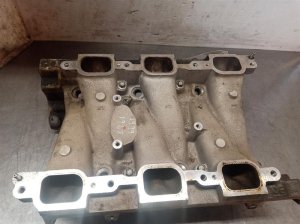
Aftermarket price range: $10-$20 - Intake Manifold Gasket Set
(OEM #12597953)— The upper intake manifold must be removed to access the rear ignition coils. The gaskets are one-time use and must be replaced to prevent vacuum leaks.
Trusted brands: Fel-Pro (MS 96432-1), Mahle, ACDelco
OEM price range: $30-$50
Aftermarket price range: $15-$30 - Ignition Coil Connector Pigtail
(OEM #ACDelco PT3709)— The original connector's locking tab can become brittle and break during removal, leading to a poor connection.
Trusted brands: ACDelco, Dorman, Standard Motor Products (S-1589)
OEM price range: $25-$40
Aftermarket price range: $15-$25
Related Codes That Often Appear With This One
- P0303 — P0303 means 'Cylinder 3 Misfire Detected'. P0353 is the specific electrical fault 🎬 See how to diagnose and fix a cylinder 3 misfire. that is causing the misfire, so these codes almost always appear together.
- P0300 — If the misfire is intermittent or affecting other cylinders, a 'Random Misfire' code might be stored alongside the more specific P0353.
Platform-Specific Known Issues
- Owner Experience: A common sentiment on forums is 'If you're going through the trouble of taking the intake manifold off, you'd be crazy not to replace all three rear coils and plugs.' The labor is the main cost, and the front coils can be replaced in minutes if they fail later.
- Repair Story: A user on SaturnFans.com reported a P0353 code with a P0303 misfire on their 2008 Aura XR. They confirmed the bad coil by swapping it with cylinder #2. After removing the intake manifold, they replaced all three rear coils and plugs. The repair completely solved the issue, and they emphasized the importance of replacing the intake gaskets to avoid future vacuum leaks.
Technical Service Bulletins (TSBs) & Recalls
- TSB Bulletin #PIP5038B: A manufacturer service bulletin notes that technicians may find Diagnostic Trouble Codes P0351 through P0356, including P0353, often accompanied by misfire codes P0300-P0306. The bulletin advises following published service information diagnostics for these specific codes first.
Mechanic-Grade Diagnostic Values
- Ignition Coil Primary Winding Resistance — expected: 0.5 to 2.0 ohms. Failure: A reading of infinite resistance (OL) or zero ohms indicates a failed coil.
- Ignition Coil Secondary Winding Resistance — expected: 8,000 to 15,000 ohms. Failure: A reading significantly outside this range, or infinite resistance (OL), points to a faulty coil.
- Ignition Coil Connector Power Supply — expected: 12.0 - 12.6V (Battery Voltage). Failure: Absence of voltage or significantly lower voltage indicates a problem in the power supply circuit, such as a blown fuse or wiring issue.
- Ignition Coil Control Circuit Signal (Hertz) — expected: 5 to 20 Hertz (while engine is running/cranking). Failure: A signal outside this frequency range can indicate a problem with the PCM driver or the signal wire.
Hidden / Shadow Codes Worth Checking
- Mode 6, Test ID $A2-$A7: These test IDs correspond to raw misfire data counters for cylinders 1 through 6. A technician can view these counters on an advanced scan tool to see which cylinders are misfiring, even before the count is high enough to trigger a P030x trouble code. This is useful for confirming an intermittent misfire on cylinder 3. (see via Professional scan tool (like GM Tech 2) or an advanced consumer OBD-II scanner with Mode 6 capability.)
Scan Tool Commands That Help
- GM Tech 2 / GDS2: Ignition Coil Activation / Cylinder Power Balance Test — This bidirectional command allows a technician to command the PCM to fire a specific ignition coil on demand. By connecting the spark plug to the coil outside the engine and grounding it, a technician can visually confirm if the coil produces a spark when activated. This definitively tests the entire circuit from the PCM to the coil, isolating the fault if no spark is produced.
Wiring & Ground Locations
- G111 — Top rear right side of the engine.. This is a primary engine ground. A loose or corroded connection at G111 can cause various electrical issues, including intermittent ignition coil problems.
- G113 — On the center left side cylinder head.. This ground is specific to the cylinder head area. A poor connection here could directly affect the grounding of the ignition coils, leading to weak spark or circuit fault codes like P0353.
- Ignition Coil #3 Connector — On the ignition coil for cylinder 3, located on the rear cylinder bank (Bank 1) in the middle position.. The 4-pin connector provides power, ground, and the trigger signal from the PCM. The pins are: Pin A (Ignition Voltage), Pin B (Ignition 1 Control), Pin C (Ground), Pin D (Reference Low). Testing for voltage, ground, and signal integrity at this connector is a key diagnostic step.
OEM Part Supersession History
12590990, 12610626, 12618542→12632479 (ACDelco D515C)— These earlier part numbers were superseded by GM to improve durability and resistance to internal shorts and heat-related failure.
Heads up: The newest part number, 12632479, is fully backward compatible with the 2007-2009 Saturn Aura LY7 engine.
Model Year Variations Within This Range
- 2009: For the 2009 model year, the 3.5L LZ4 V6 engine was dropped, leaving the 3.6L LY7 V6 as the only V6 option. This simplifies V6-related diagnosis for the 2009 model year as only one engine configuration needs to be considered.
Diagnostic Flowchart
Other Known Issues on This Vehicle
Issues unrelated to this code that are worth knowing about as an owner of this generation:
- Premature Timing Chain Stretch 🔴 High — Very common, often appearing between 70,000 and 120,000 miles. Can lead to catastrophic engine failure if ignored. (Ref: GM issued TSB #12-06-01-009F and Special Coverage Adjustment #11340C for many vehicles with the LY7 engine, acknowledging the defect.)
- 6T70 Transmission 3-5-R Wave Plate Failure 🔴 High — A widespread, well-documented failure in the 6T70 automatic transmission, causing loss of 3rd, 5th, and Reverse gears. (Ref: GM Special Coverage Adjustment #14404B extended the warranty to 10 years/120,000 miles for this specific failure.)
- Electric Power Steering (EPS) Failure 🔴 High — Common reports of intermittent or total loss of power steering assist, which can be a significant safety hazard. (Ref: Related to NHTSA Campaign Number 14V153000, although not all model years were covered.)
- Leaking Valve Cover Gaskets 🟠 Medium → Shop Engine Valve Cover — Gaskets and spark plug tube seals become brittle, allowing oil to leak into the spark plug wells, which can cause misfires and damage ignition coils.
Used vs. New Parts: Buying Guide for This Vehicle
When a used part is the smart pick: It is strongly discouraged to purchase used ignition coils or spark plugs. These are wear-and-tear components with a finite lifespan, and the labor cost to access the rear bank on the Aura 3.6L is too high to risk installing a part with an unknown history.
Donor-vehicle mileage cap: roughly under 10000 miles for the part to have meaningful remaining life.
What to inspect on the donor part:
- For a used wiring pigtail, ensure the plastic is not brittle and the locking tab is intact.
- Verify the wires have not been previously spliced or repaired.
- Check for any signs of melting or heat damage on the connector housing.
OEM-only on this vehicle (don't cheap out):
- While not strictly OEM-only, using a reputable brand for the Ignition Coil is critical. Cheap, unbranded coils have a very high failure rate and are not worth the risk given the labor involved.
Aftermarket brands forum-validated for this vehicle:
- ACDelco (OEM)
- Delphi
- NGK
- Denso
- Bosch
Brands owners have reported issues with on this vehicle:
- Unbranded, low-cost ignition coil sets sold on marketplaces like Amazon or eBay are frequently cited on forums as failing prematurely.
Real Owner Stories
Aggregated from forums and TSBs cited above. Mileages and costs reflect what owners reported in those sources.
2008 Saturn Aura XR 3.6L V6
Symptoms: The owner reported a P0353 code accompanied by a P0303 misfire code.
What fixed it: Confirmed a bad coil by swapping it with cylinder #2. The owner removed the intake manifold and replaced all three rear coils and all spark plugs, while also installing new intake gaskets to prevent vacuum leaks.
Source hint: SaturnFans.com - Thread titled 'P0303 and P0353 on 2008 Aura XR'
Related OBD-II Codes
Frequently Asked Questions
Where is Cylinder #3 located on my 2007-2009 Saturn Aura with the 3.6L V6?
Do I really need to remove the intake manifold to fix a P0353 code?
Is there a specific replacement part for a damaged wiring connector on the coil?
Should I replace all the coils at once since the manifold is already off?
Could an oil leak be causing my P0353 ignition coil failure?
Are there any major recalls or special coverages I should know about for this engine?
Helpful Videos
![How to Fix P0353 Engine Code in 2 Minutes [1 DIY Method / Only $3.81]](https://img.youtube.com/vi/53rhT9Fx1Tk/mqdefault.jpg)
Used OEM Parts in Stock
New Aftermarket Parts Available

The information in this article is provided for general reference and educational purposes only. Vehicle specifications, procedures, and part compatibility can vary by production date, trim level, and region. Always consult your vehicle's factory service manual and verify part numbers before purchasing or performing repairs. Safety-critical components such as airbags, seat belts, and braking systems should be installed by a qualified professional.
- Saturn Aura:
- 🧭 Diagnostic Flowchart
- 🎬 Helpful Videos
- 🛍️ Shop This Part
- What's Unique About the 2007-2009 Saturn Aura
- Symptoms You May Notice
- Most Likely Causes
- Rare But Worth Checking
- Diagnosis Steps
- Parts You'll Likely Need
- Related Codes That Often Appear With This One
- Platform-Specific Known Issues
- Technical Service Bulletins (TSBs) & Recalls
- Mechanic-Grade Diagnostic Values
- Hidden / Shadow Codes Worth Checking
- Scan Tool Commands That Help
- Wiring & Ground Locations
- OEM Part Supersession History
- Model Year Variations Within This Range
- Other Known Issues on This Vehicle
- Used vs. New Parts: Buying Guide for This Vehicle
- Real Owner Stories
- 2008 Saturn Aura XR 3.6L V6
- Related OBD-II Codes
- Frequently Asked Questions
- 🎟️ Get 5% Off