

P0353 on 2004-2009 Toyota Prius: Ignition Coil 'C' (Cylinder 3) Causes and Fixes
On a 2004-2009 Prius, P0353 almost always means the ignition coil for cylinder #3 has failed. The engine's computer is not receiving the confirmation 'IGF' signal from the coil. A new OEM-quality coil from Denso (part #673-1300) costs about $40-$60. This is a very common and easy DIY repair, typically taking less than 20 minutes with a 10mm socket.
- P0353 on a 2004-2009 Prius means there's a problem with the ignition coil circuit for cylinder #3.
- The most likely cause, by far, is a failed ignition coil.
- Diagnose the issue for free in 10 minutes by swapping the cylinder #3 coil with another one and seeing if the code 'moves' to the new cylinder.
- This is a very easy and inexpensive DIY repair. Replacing the coil requires only a 10mm socket and takes less than 20 minutes.
- Driving with this code for too long can damage your catalytic converter, turning a cheap fix into an expensive one.
What's Unique About the 2004-2009 Toyota Prius
The 2004-2009 (Gen 2) Prius uses a very reliable and straightforward coil-on-plug ignition system. Unlike some other vehicles where this code can be ambiguous, on the 1NZ-FXE engine it almost always points directly to a failed ignition coil. These coils fail from age and heat cycles rather than a specific design flaw. The diagnostic process is simple, and because the engine is not prone to other issues that could mimic this code (like the head gasket issues on the later Gen 3), diagnosis is usually very direct. The IGF confirmation signals from all four coils are wired together into a single input to the ECM, but the computer can still isolate the fault because it knows which cylinder it just commanded to fire via the IGT signal.
Symptoms You May Notice
- Check Engine Light is on, often with the master warning light (red triangle)
- Rough or shaking idle
- Engine hesitates or stumbles, especially during acceleration
- Noticeable loss of power
- Reduced fuel economy
- In some cases, the car may refuse to go into Drive or Reverse until the fault is cleared
- The engine may make a 'chugging' sound due to the misfire
- Replacing the fuel injector for cylinder #3. While a bad injector can cause a misfire (P0303), it will not cause an ignition coil circuit code like P0353.
- Blaming the hybrid battery. The high-voltage hybrid system is separate from the 12V ignition system that controls the coils and spark plugs. A failing HV battery typically sets codes like P0A80.
Most Likely Causes
- Failed Ignition Coil (Cylinder #3) 🔴 High Probability → Shop Ignition Coil Ignition coils are wear items that fail over time due to high voltage and constant heat cycles from the engine. After 100,000+ miles, the internal windings can break down. It's the most common cause for this code by a wide margin on the 1NZ-FXE engine.
How to confirm: Swap the ignition coil from cylinder #3 with another cylinder (e.g., cylinder #1). Clear the codes and run the engine. If the code changes to P0351, the coil is confirmed bad. This is the definitive DIY test.
Typical fix: Replace the faulty ignition coil. It's recommended to replace the corresponding spark plug at the same time, especially if it's near its service interval.
Est. part cost: $40-$110 - Worn or Fouled Spark Plug (Cylinder #3) 🟡 Medium Probability → Shop Spark Plug A worn-out spark plug with a large gap strains the ignition coil, causing it to work harder and eventually fail. Oil consumption, a known issue on higher-mileage 1NZ-FXE engines, can also foul the plug, leading to a misfire that can stress the coil.
How to confirm: After removing the ignition coil, remove the spark plug and inspect it for wear, oil fouling, or damage. The center electrode should be intact and the gap should be within spec (typically 1.1mm or 0.043").
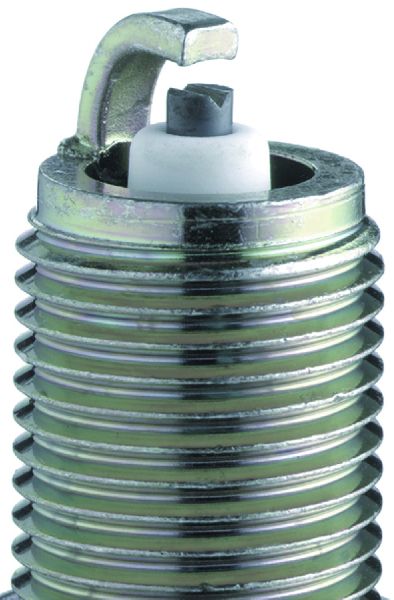
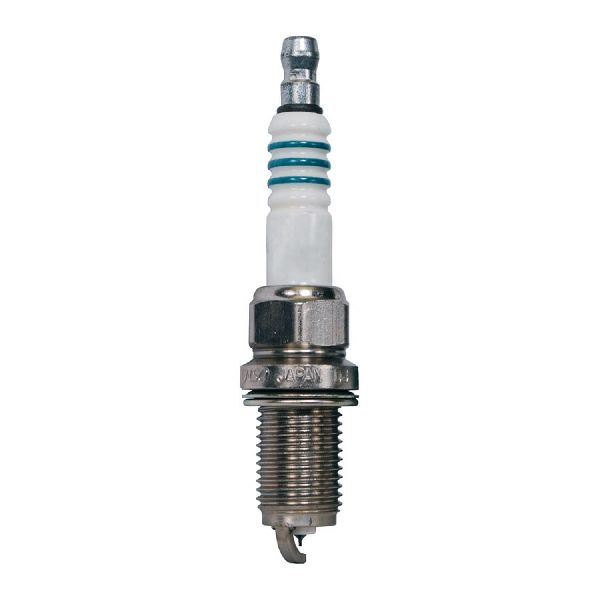
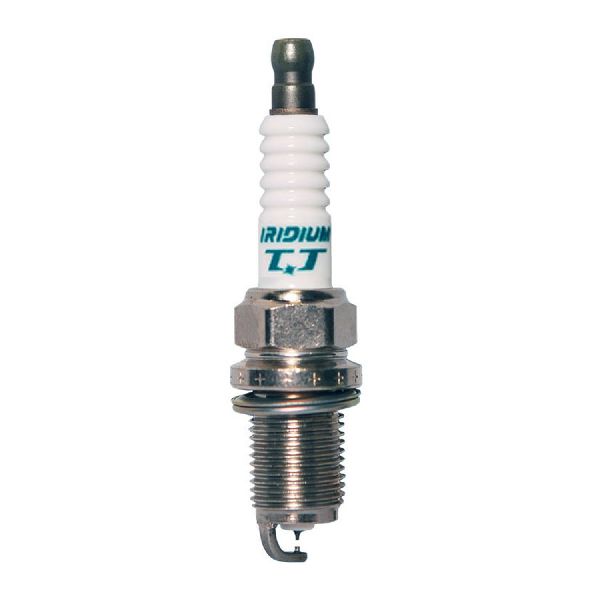
Typical fix: Replace the spark plug. It is best practice to replace all four spark plugs at the same time with the correct Iridium plugs (Denso SK16R11 or NGK IFR5T11) to maintain even performance.
Est. part cost: $8-$20 per plug - Damaged Wiring or Connector ⚪ Low Probability The plastic locking tab on the ignition coil connector can become brittle with age and break, leading to a loose connection and intermittent faults. This is a common point of failure on many older Toyota vehicles.
How to confirm: If the coil swap test does not move the code and the original P0353 returns, the problem is not the coil. Visually inspect the connector for cylinder #3 for broken clips, corrosion on the pins, or frayed wires leading to the connector.
Typical fix: If the connector is damaged, replace it with a new pigtail connector (sold at auto parts stores). If wires are damaged, repair the specific section of the harness.
Est. part cost: $10-$25 for a pigtail
Rare But Worth Checking
- Engine Control Module (ECM) Failure: → Shop Engine Control Module (ECM) This is very rare. The ECM's internal driver for the ignition coil circuit can fail. This should only be considered after all other possibilities (coil, plug, wiring) have been definitively ruled out through testing. In cases where all four coil codes (P0351, P0352, P0353, P0354) appear at once, a wiring issue common to all coils or an ECM failure is more likely.
Diagnosis Steps
- Confirm the code with an OBD-II scanner. Note P0353 and any other codes like P0303.
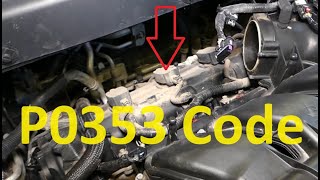
- Locate cylinder #3. On the 1NZ-FXE engine, the cylinders are numbered 1-2-3-4 from the passenger side to the driver side (right to left). Cylinder #3 is the second from the left.
- Perform the 'Coil Swap Test'. You will need a 10mm socket and ratchet. Remove the plastic engine cover. Unplug the electrical connector from the cylinder #3 coil (be gentle with the plastic clip). Unbolt the 10mm bolt holding the coil in place and pull the coil straight up.
- Repeat the process for an adjacent, working cylinder (like #1 or #4).
- Swap the positions of the two coils. Reinstall the bolts and reconnect the connectors.
- Clear the trouble codes with your scanner.
- Start the engine and let it idle for about a minute, or until the Check Engine Light returns.
- Re-scan for codes. If the code is now P0351 (if you swapped with cylinder 1) or P0354 (if you swapped with cylinder 4), the ignition coil is faulty and needs replacement.
- If the code P0353 returns, the problem is not the coil. The issue is in the wiring or connector for cylinder #3. Inspect the harness and connector closely for damage, corrosion, or a broken locking clip. Check for 5V at the IGF pin and 12V at the power pin on the connector with the key on.
Parts You'll Likely Need
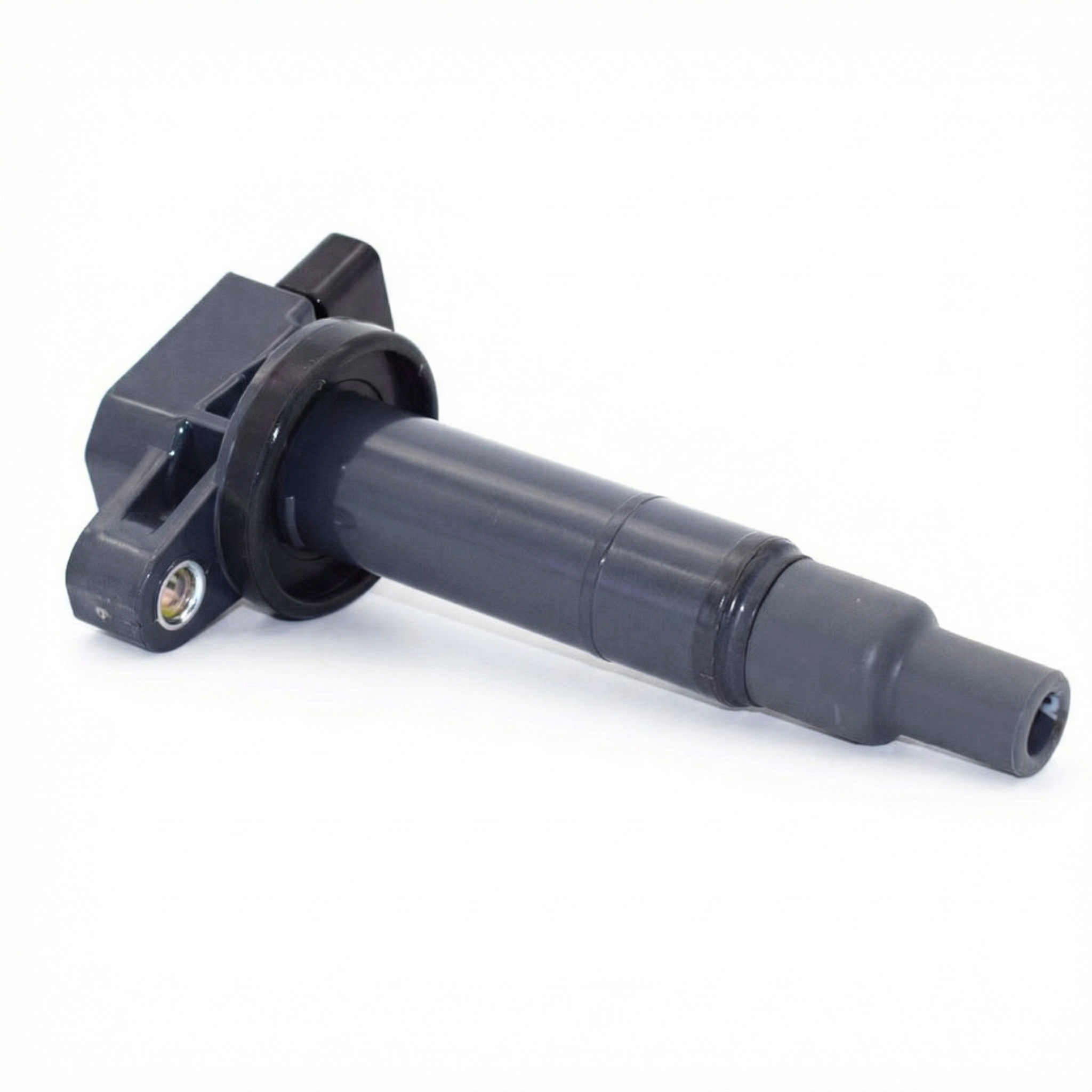
- Ignition Coil
(OEM #90919-02240)— This is the most common failure part for a P0353 code on this vehicle.
Trusted brands: Denso (OEM supplier, P/N: 673-1300), NGK, Bosch
OEM price range: $95-$110
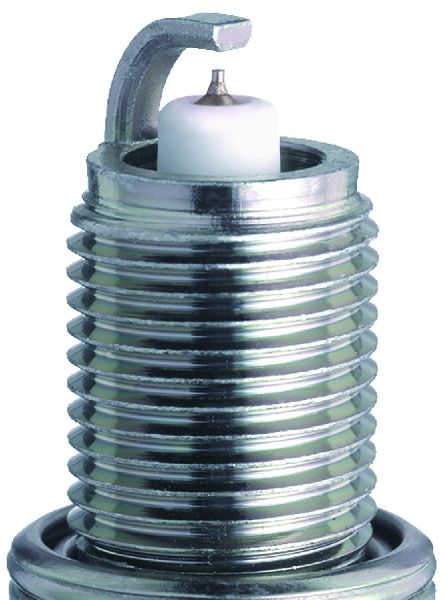
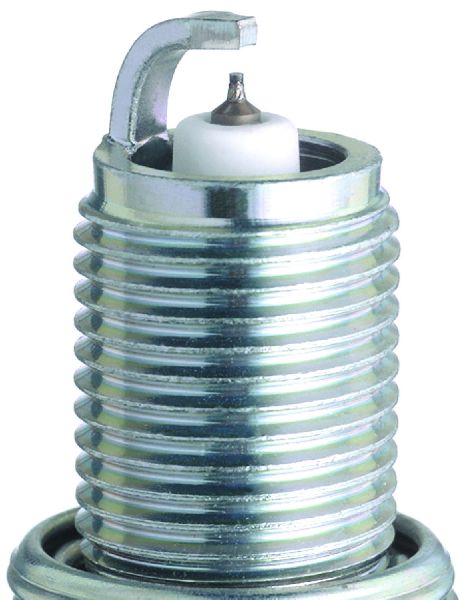
Aftermarket price range: $40-$75 - Spark Plug
(OEM #90919-01240)— It is best practice to replace the spark plug when replacing an ignition coil, as a worn plug can cause premature failure of the new coil. The recommended plugs are Iridium type for longevity.
Trusted brands: Denso (SK16R11), NGK (IFR5T11)
OEM price range: $10-$15
Aftermarket price range: $8-$12
Related Codes That Often Appear With This One
- P0303 — P0303 means 'Cylinder 3 Misfire Detected.' Since the P0353 code indicates a fault in the ignition circuit for cylinder 3, a misfire is the direct result. You will almost always see P0303 alongside P0353.
- P0300 — P0300 means 'Random/Multiple Cylinder Misfire.' If the misfire from cylinder 3 is severe or intermittent, it can sometimes be registered as a random misfire before the ECM isolates it to the specific cylinder.
Platform-Specific Known Issues
- The plastic on the ignition coil connectors becomes very brittle over time and the locking tab can easily snap when trying to unplug it. Be prepared to replace the connector pigtail if it breaks.
Mechanic-Grade Diagnostic Values
- Ignition Coil Primary/Secondary Resistance — expected: Not specified by Toyota.. Failure: Toyota does not provide resistance specs for these coils with integrated igniters. The official diagnostic method is to test by swapping the coil with a known good one, not by measuring resistance.
- Ignition Coil Connector - Pin 4 (+B) Voltage — expected: Battery Voltage (approx. 12V) with Ignition ON.. Failure: Voltage significantly below 12V or 0V indicates a problem with the power supply circuit, likely from the IG2 relay or its wiring.
- Ignition Coil Connector - Pin 3 (Ground) Continuity — expected: Near 0 Ω resistance to chassis ground.. Failure: High or infinite resistance (open circuit) indicates a bad ground connection, which will prevent the coil from functioning.
- IGT (Ignition Timing) Signal Waveform — expected: Pulsing square wave, typically viewed at 2V/division on an oscilloscope, during cranking or idle.. Failure: A flat line or absent signal indicates a problem with the ECM or the wiring between the ECM and the coil.
- IGF (Ignition Confirmation) Signal Waveform — expected: Pulsing square wave, similar to IGT, confirming the coil has fired. Viewed at 2V/division on an oscilloscope.. Failure: A flat line or absent signal when an IGT signal is present is the direct cause of code P0353. This confirms the fault is within the ignition coil itself.
Scan Tool Commands That Help
- Toyota Techstream: Active Test: Control the Injection/Ignition — This function allows a technician to command a single ignition coil to fire on demand. It is used to verify if the ECM driver and the IGT signal wiring are functioning correctly. If the command is sent but the engine's running condition doesn't change, it points towards a fault in that cylinder's ignition circuit. However, it does not verify the IGF return signal, so a coil swap remains the most definitive test for a bad coil.
Wiring & Ground Locations
- Ignition Coil Connector (Cylinder 3) — On top of the engine, second from the driver's side, under the plastic engine cover.. This is the primary point for testing. The 4-pin connector contains all necessary signals for the coil to operate. Pin 1: IGF (Confirmation), Pin 2: IGT (Trigger), Pin 3: Ground, Pin 4: +12V Battery.
- IG2 Relay — Located in the Engine Room Relay Block, in the engine bay on the driver's side.. This relay supplies the 12V power to all four ignition coils. While a failure is unlikely to affect only one coil, a faulty relay or poor connection at the fuse block could cause intermittent issues for all coils.
- Engine Ground Strap — Multiple ground points exist on the engine block and cylinder head. A key ground is typically located near the transmission bell housing.. The ignition coils rely on a solid engine ground (via Pin 3 of the connector) to complete their circuit. A loose or corroded main engine ground can cause a host of strange electrical issues, including misfires.
Real Owner Repair Stories
- PriusChat Forum Member (cited by Go-Parts) (2010-2015 Toyota Prius (Note: While cited for a Gen 3, the process is identical for Gen 2)) — Check engine light with codes P0353 and P0303, rough idle.
❌ Tried (didn't work) Initially only checking the spark plug.
✅ What actually fixed it The owner swapped the ignition coil from cylinder #3 to cylinder #1. The codes were cleared and then returned as P0351 and P0301. This confirmed the coil was bad. Replacing the faulty coil (now in the #1 position) with a new Denso coil resolved all codes and symptoms.
OEM Part Supersession History
90919-02240→90919-02265, 90080-19021— Standard part evolution and consolidation by the manufacturer.
Heads up: These part numbers are generally interchangeable for this application. The most common and trusted aftermarket equivalent is the Denso 673-1300.
Model Year Variations Within This Range
- 2004-2009: No significant variations in the ignition system, part numbers, or diagnostic procedure for code P0353 have been identified within the 2004-2009 Prius generation. The 1.5L 1NZ-FXE engine and its management system remained consistent.
Diagnostic Flowchart
Other Known Issues on This Vehicle
Issues unrelated to this code that are worth knowing about as an owner of this generation:
- Combination Meter Failure 🟠 Medium — Very common on high-mileage Gen 2 models. The dashboard display (speedometer, fuel gauge) goes completely blank, often intermittently at first, especially in cold weather. (Ref: T-SB-0172-09 describes the issue and repair procedure. Toyota also offered a warranty enhancement program for this issue.)
- Brake Actuator Failure 🔴 High — A common and expensive failure. Symptoms include a 'barking' or frequent buzzing noise from the actuator, a soft or hard brake pedal, and the ABS, VSC, and Brake warning lights illuminating. (Ref: No recall, but a well-documented failure. Repair can cost thousands at a dealer but is a possible (though complex) DIY job.)
- Hybrid Inverter Coolant Pump Failure 🔴 High — Common failure item that can cause the hybrid system to overheat and shut down, triggering a master warning light and code P0A93. If not addressed, it can lead to inverter damage. (Ref: There was a recall for this component (NHTSA campaign 10V384000), but failures can still occur due to age on vehicles outside the recall scope.)
- HV (High Voltage) Battery Failure/Degradation 🔴 High — Inevitable with age and mileage. Symptoms include poor fuel economy, the engine running more often, and the P0A80 'Replace Hybrid Battery Pack' code. Individual cell failure is common.
- Excessive Oil Consumption 🟠 Medium — Some higher-mileage 1NZ-FXE engines may begin to consume oil between changes, often due to piston ring issues. Owners should monitor oil levels frequently.
Used vs. New Parts: Buying Guide for This Vehicle
When a used part is the smart pick: A used connector pigtail from a junkyard is a smart choice if the original connector's locking tab breaks. A used ignition coil is very risky as it's a primary wear item and should only be used for temporary diagnosis if a new part is unavailable.
Donor-vehicle mileage cap: roughly under 100000 miles for the part to have meaningful remaining life.
What to inspect on the donor part:
- For a connector pigtail, ensure the plastic is not brittle and the locking tab is intact. Check for clean, corrosion-free pins.
- For a used coil, inspect the plastic housing and epoxy for any cracks, which indicate heat damage and imminent failure.
OEM-only on this vehicle (don't cheap out):
- No parts for this specific repair are considered 'OEM-only', as high-quality alternatives are available.
Aftermarket brands forum-validated for this vehicle:
- Denso (OEM supplier)
- NGK
- Delphi
Brands owners have reported issues with on this vehicle:
- Unbranded, generic, or 'white box' ignition coils from online marketplaces are frequently reported on forums to be of poor quality, failing quickly or arriving dead.
Real Owner Stories
Aggregated from forums and TSBs cited above. Mileages and costs reflect what owners reported in those sources.
2004-2009 Toyota Prius 1.5L 1NZ-FXE — ~100000 miles
Symptoms: The user experienced a P0353 code. After replacing all four ignition coils, the car threw all four codes: P0351, P0352, P0353, and P0354.
What fixed it: The discussion identified that the issue was likely in the wiring (IGT/IGF signal process) rather than the coils themselves.
Source hint: PriusChat.com - Thread: 'P0351 P0352 P0353 P0354' (Nov 14, 2020)
2004-2009 Toyota Prius 1.5L 1NZ-FXE
Symptoms: A no-start condition accompanied by all four ignition coil codes (P0351, P0352, P0353, P0354).
What fixed it: The community suggested investigating a common wiring failure or an ECM issue, as four simultaneous coil failures are nearly impossible.
Source hint: PriusChat.com - Thread: 'Hello everyone,' (May 8, 2021)
2004-2009 Toyota Prius 1.5L 1NZ-FXE
Symptoms: Multiple P035x and P030x codes were present.
What fixed it: Correcting the spark plug choice and ensuring the air intake was secure resolved the P035x codes, leaving only misfire codes.
Source hint: PriusChat.com - Thread: 'P0351, P0352, P0353, P0354' (Oct 12, 2022)
Related OBD-II Codes
Frequently Asked Questions
Which spark plugs should I use for my 2004-2009 Prius to avoid P0353 issues?
Is there a recall for the hybrid inverter coolant pump on the Gen 2 Prius?
My dashboard display went blank while troubleshooting P0353; is this related?
Where is cylinder #3 located on the 1NZ-FXE engine?
Can I just replace the plastic clip on the ignition coil if it breaks?
What are the specific voltage specs I should check at the cylinder #3 connector?
Helpful Videos
![How to Fix TOYOTA P0353 Engine Code in 2 Minutes [1 DIY Method / Only $3.81]](https://img.youtube.com/vi/aGB9VrskIGg/mqdefault.jpg)
Used OEM Parts in Stock
New Aftermarket Parts Available


The information in this article is provided for general reference and educational purposes only. Vehicle specifications, procedures, and part compatibility can vary by production date, trim level, and region. Always consult your vehicle's factory service manual and verify part numbers before purchasing or performing repairs. Safety-critical components such as airbags, seat belts, and braking systems should be installed by a qualified professional.
- Toyota Prius:
- 🧭 Diagnostic Flowchart
- 🎬 Helpful Videos
- 🛍️ Shop This Part
- What's Unique About the 2004-2009 Toyota Prius
- Symptoms You May Notice
- Most Likely Causes
- Rare But Worth Checking
- Diagnosis Steps
- Parts You'll Likely Need
- Related Codes That Often Appear With This One
- Platform-Specific Known Issues
- Mechanic-Grade Diagnostic Values
- Scan Tool Commands That Help
- Wiring & Ground Locations
- Real Owner Repair Stories
- OEM Part Supersession History
- Model Year Variations Within This Range
- Other Known Issues on This Vehicle
- Used vs. New Parts: Buying Guide for This Vehicle
- Real Owner Stories
- 2004-2009 Toyota Prius 1.5L 1NZ-FXE — ~100000 miles
- 2004-2009 Toyota Prius 1.5L 1NZ-FXE
- 2004-2009 Toyota Prius 1.5L 1NZ-FXE
- Related OBD-II Codes
- Frequently Asked Questions
- 🎟️ Get 5% Off