

P0353 on 2013-2018 Toyota RAV4: Ignition Coil 'C' Circuit Causes and Fixes
On a 2013-2018 RAV4, code P0353 almost always means the ignition coil for cylinder #3 has failed. A new OEM-quality coil (Denso, part number 90919-02258) costs about $50-$90 and is a simple 15-minute DIY fix requiring only a 10mm socket.
- P0353 on your 2013-2018 RAV4 means there's a problem with the ignition coil circuit for cylinder #3.
- The most likely culprit is a bad ignition coil (OEM part 90919-02258), which is a simple and inexpensive DIY replacement.
- Use the 'swap test' to quickly confirm if the coil is the problem before buying parts.
What's Unique About the 2013-2018 Toyota RAV4
The 2013-2018 RAV4 (fourth generation) uses the reliable 2.5L 4-cylinder engine (2AR-FE) with a straightforward coil-on-plug ignition system. Unlike some vehicles where P035x codes can be caused by complex shared wiring or driver modules, the issue on this RAV4 is almost always isolated to a single failed ignition coil. The coils are easily accessible on top of the engine after removing a simple plastic cover, making diagnosis and replacement a very common and simple DIY task.
Symptoms You May Notice
- Check Engine Light is on (may be flashing in a severe misfire).
- Engine shaking, vibrating, or running rough, especially at idle.
- Noticeable loss of power and sluggish acceleration.
- Reduced fuel economy.
- The VSC (Vehicle Stability Control) and/or Traction Control light may also illuminate simultaneously with the Check Engine Light.
- Replacing the spark plug without testing the ignition coil first.
- Replacing all four ignition coils when only one has failed. While some owners prefer to replace them as a preventative set, it is not strictly necessary if the others are functioning correctly and within a reasonable service life.
- Assuming the coil is bad without checking the electrical connector for corrosion or a loose fit, which can cause an intermittent P0353.
Most Likely Causes
- Failed Ignition Coil on Cylinder #3 🔴 High Probability → Shop Ignition Coil Ignition coils are wear-and-tear items that fail over time due to constant high-voltage cycles, heat, and vibration. After 60,000-100,000 miles, the internal windings can break down, causing a failure to produce spark. This is the most common failure point for a P0353 code on this engine.
How to confirm: The easiest way to confirm is the 'swap test.' Swap the ignition coil from cylinder #3 with another cylinder (e.g., cylinder #1 or #2). Clear the codes and drive the vehicle. If the code changes to P0351 or P0352 respectively, the coil is bad. If the P0353 code returns, the problem is in the wiring or PCM. 🎬 Watch: How to verify your repair after replacing the coil.
Typical fix: Replace the faulty ignition coil. It is recommended to replace the corresponding spark plug at the same time, especially if it is near its service interval or shows signs of wear.
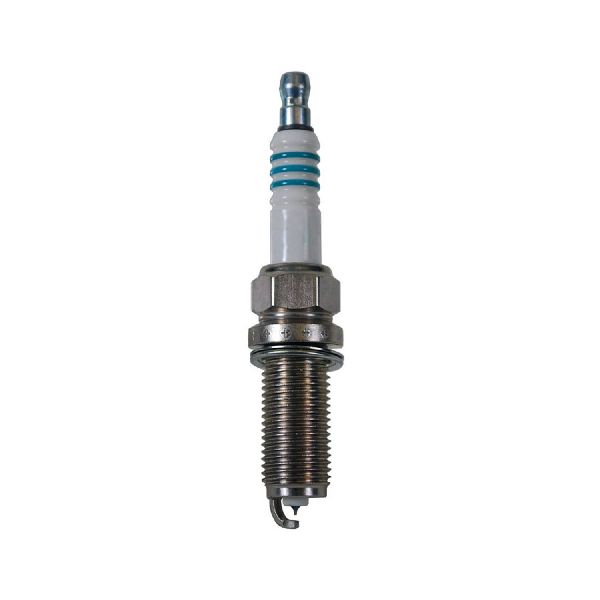
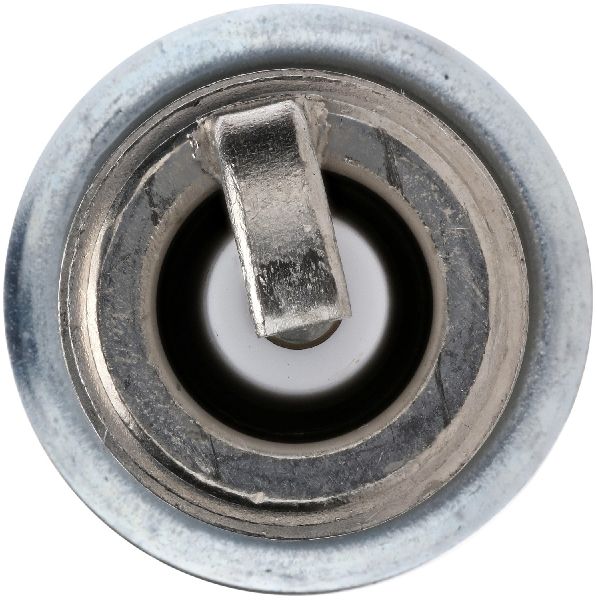
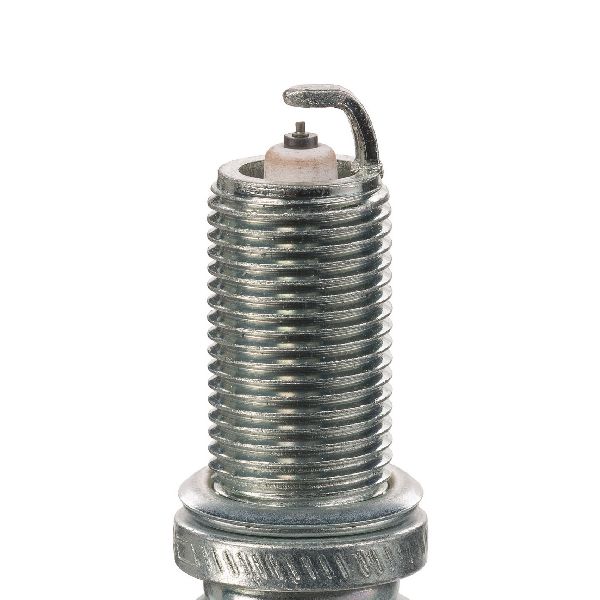
Est. part cost: $50-$120 - Worn or Fouled Spark Plug 🟡 Medium Probability → Shop Spark Plug An old spark plug with a very large gap requires more voltage to create a spark. This puts extra strain on the ignition coil, causing it to overheat and eventually fail. Additionally, oil leaking from a failing valve cover gasket or spark plug tube seal can foul the plug and the coil boot, causing a misfire.
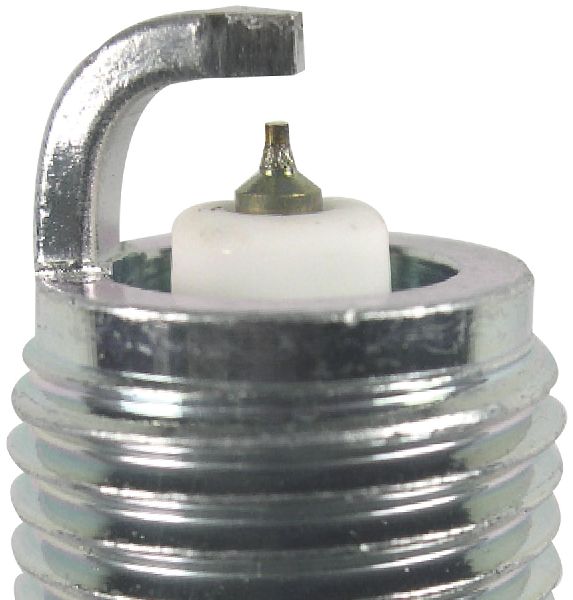
How to confirm: Remove the spark plug from cylinder #3 and inspect it. Look for heavy carbon buildup, oil fouling, moisture, or a worn-down center electrode. The correct gap is crucial for proper function. Compare it to a new plug or a plug from a different cylinder.
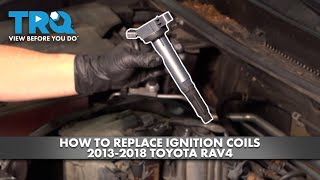
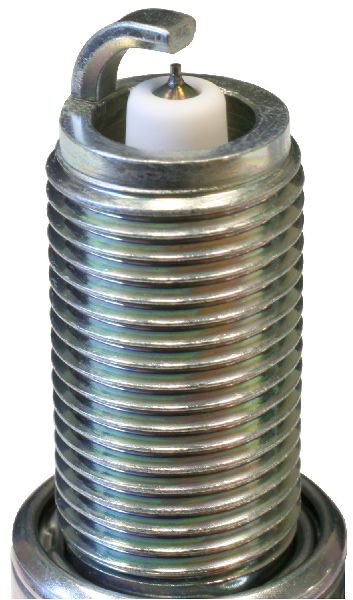
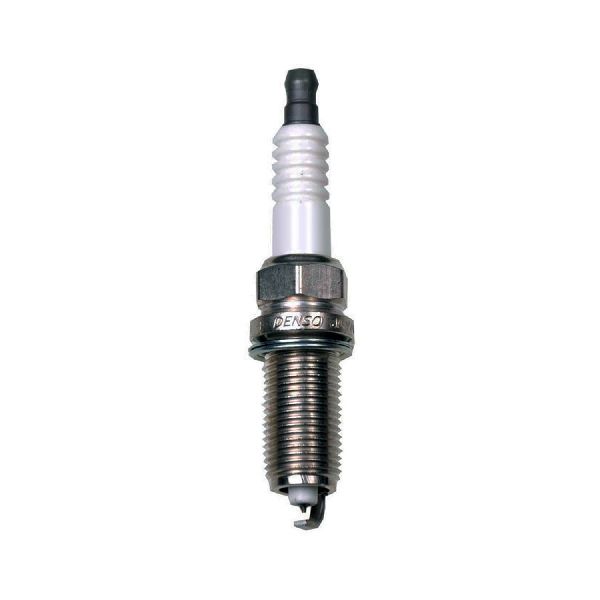
Typical fix: Replace the spark plug. Toyota specifies Denso (SK16HR11) or NGK Iridium plugs. If oil is present in the spark plug tube, the valve cover gasket and tube seals must also be replaced to prevent repeat failure. 🎬 See this DIY guide for replacing coils and spark plugs.
Est. part cost: $10-$25 - Damaged Wiring or Connector ⚪ Low Probability
How to confirm: Visually inspect the wiring harness and the 4-pin connector for the cylinder #3 ignition coil. Look for any signs of brittleness, cracking, melting, or corrosion on the pins. Wiggle the connector with the engine running to see if it induces a misfire. An intermittent connection here can cause a fault that disappears after restarting the car.
Typical fix: If the connector housing or locking tab is broken, a new pigtail connector can be spliced into the harness. If wires are frayed or corroded, they will need to be carefully repaired with solder and heat-shrink tubing.
Est. part cost: $15-$40
Rare But Worth Checking
- Powertrain Control Module (PCM) Failure: → Shop Engine Control Module (ECM) This is extremely rare. A failed ignition driver circuit inside the PCM can cause this code to set without any external wiring or component faults. Before condemning the PCM, all other possibilities (coil, plug, wiring) must be exhaustively ruled out by a professional with advanced diagnostic tools like an oscilloscope.
Diagnosis Steps
- Read the trouble codes with an OBD-II scanner to confirm P0353 and check for any other related codes like P0303.
- Locate cylinder #3. On the 2.5L 2AR-FE engine, the cylinders are numbered 1-2-3-4 from left to right as you face the engine from the front of the car (passenger side to driver side).
- Perform the 'swap test': Disconnect the electrical connector and remove the 10mm bolt holding the ignition coil for cylinder #3. Do the same for an adjacent cylinder (e.g., cylinder #2).
- Swap the positions of the two coils. Reinstall the bolts and reconnect the electrical connectors.
- Clear the trouble codes using the scanner.
- Start the engine and let it run. Wait for the Check Engine Light to come back on, or drive the vehicle until it does.
- Re-scan for codes. If the code has moved to P0352, the ignition coil is confirmed to be faulty.
- If the code remains P0353, the problem lies in the wiring or the PCM, not the coil itself. Inspect the connector and harness for damage.
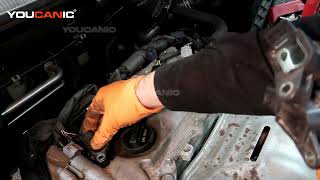
- If the coil was the issue, replace it with a new part. When installing the new coil, apply a small amount of dielectric grease 🎬 Watch this quick walkthrough of the ignition coil replacement process. to the inside of the boot to prevent it from sticking to the spark plug and to seal out moisture.
- It's also a good time to inspect and/or replace the spark plug for cylinder #3.
Parts You'll Likely Need
- Ignition Coil
(OEM #90919-02258 (replaces 90919-02252))— This is the most common component to fail and directly cause the P0353 code. Note: Part number 90919-A2001 is for a different application and should not be used.
Trusted brands: Denso (OEM), NGK, Bosch
OEM price range: $90-$144
Aftermarket price range: $40-$80 - Iridium Spark Plug
(OEM #Denso SK16HR11 (Toyota P/N: 90919-01233))— Often replaced as a preventative measure along with the coil, or if it is found to be the cause of the coil's failure. A worn plug can overwork the coil.
Trusted brands: Denso, NGK
OEM price range: $15-$25
Aftermarket price range: $10-$20
Related Codes That Often Appear With This One
- P0303 — P0303 means 'Cylinder 3 Misfire Detected.' P0353 identifies the specific electrical cause of the misfire as a fault in the ignition coil circuit, so these two codes almost always appear together.
- P1604 — P1604 means 'Startability Malfunction.' This code can sometimes accompany a P0353 if the misfire is severe enough to cause a difficult or rough starting condition.
Platform-Specific Known Issues
- Intermittent Fault Reset by Ignition Cycle: Some owners have reported that the P0353 code, along with rough running, can appear intermittently and then completely disappear after turning the car off and restarting it. This can point towards a failing coil that works when cool, or more likely, a poor connection at the coil's electrical connector that temporarily makes good contact again.
Mechanic-Grade Diagnostic Values
- Ignition Coil Connector Pin 4 (B+) Voltage — expected: 12-14 Volts with ignition ON. Failure: 0V indicates an issue with the EFI relay, fuse, or harness.
- Ignition Coil Connector Pin 3 (Ground) Resistance — expected: 0-1 Ohms continuity to battery negative terminal. Failure: High or infinite resistance indicates a bad ground connection.
- Ignition Coil Connector Pin 2 (IGT - Trigger Signal) Voltage — expected: Pulsing voltage signal (requires oscilloscope to view waveform), typically 0.1-5V when cranking.. Failure: No signal from the ECM indicates a wiring or ECM driver issue.
- Ignition Coil Connector Pin 1 (IGF - Confirmation Signal) Voltage — expected: Pulsing voltage signal (approx. 0.8V to 5V), confirms the coil has fired.. Failure: No signal back to the ECM when the IGT signal is present points to a faulty coil.
Scan Tool Commands That Help
- Toyota Techstream: Active Test — While Techstream has an 'Active Test' menu, for ignition coils, it is primarily used to monitor IGT/IGF signals and check readiness monitors rather than commanding a single coil to fire on demand. Its main utility for P0353 is to view live data and confirm the fault after a repair.
Wiring & Ground Locations
- Ignition Coil Connector (Cylinder 3) — On top of the valve cover, third coil from the left when facing the engine from the front.. This 4-pin connector is the direct interface for the coil. Corrosion or damage to its pins or wires is a primary cause of P0353 if the coil itself is good.
- Ignition Coil Pinout — On the coil connector itself.. Pin 1: IGF (Confirmation), Pin 2: IGT (Trigger), Pin 3: Ground, Pin 4: B+ (12V Power). Knowing the pinout is essential for performing accurate voltage and continuity tests.
- Engine Ground (GE01/ME01) — The primary ground for the ignition coils is typically a shared ground point on the cylinder head or engine block.. A loose or corroded main engine ground can cause intermittent and difficult-to-diagnose ignition issues across multiple cylinders, including a P0353.
Real Owner Repair Stories
- YouTube - 'How to Fix a P0353 Ignition Coil C Primary / Secondary Circuit' (Toyota vehicle (model not specified, but similar coil/connector design)) — Check Engine Light with code P0353.
❌ Tried (didn't work) The owner initially suspected the coil itself.
✅ What actually fixed it The plastic locking tab on the ignition coil connector was broken, and the internal orange rubber seal was swollen, preventing the connector from seating properly and making a consistent connection. The fix was to replace the connector pigtail with one from a junkyard. - YouTube - 'P0353 - 2015 Toyota Rav4 Ignition Coil C failed' (2015 Toyota RAV4) — Rough idle, difficult starting, Check Engine Light with codes P0353 and P1604.
✅ What actually fixed it Diagnosis with an oscilloscope confirmed no spark command (KV) from the cylinder #3 coil. A swap test would have also worked. The final fix was replacing the faulty ignition coil and the spark plugs, which were found to have carbon tracking.
OEM Part Supersession History
90919-02252→90919-02258— Standard part revision and consolidation by Toyota.
Heads up: The two parts are interchangeable, with 90919-02258 being the current replacement.
Model Year Variations Within This Range
- 2016-2018: The 2016 model year received a significant facelift. While the 2.5L 2AR-FE engine and ignition system remained fundamentally the same, the vehicle featured improved cabin sound insulation and a reworked, more compliant suspension. These changes do not affect the P0353 diagnosis but are relevant for overall vehicle ownership.
- 2013-2018 (All): Some Toyota models using similar engines have different length ignition coils depending on whether the vehicle was assembled in Japan (VIN starting with 'J') or North America. While this is a known issue on some Camrys, it is not widely reported for the RAV4, which primarily used a single part number for this generation. However, it is always wise to verify the part by VIN.
Diagnostic Flowchart
Used vs. New Parts: Buying Guide for This Vehicle
When a used part is the smart pick: A used OEM (Denso) ignition coil from a low-mileage donor vehicle is a reasonable choice if on a tight budget. Given the high reliability of the original parts, a used coil can often provide significant remaining service life. A used wiring connector pigtail is also a perfect choice if only the plastic housing is broken on your vehicle.
Donor-vehicle mileage cap: roughly under 70000 miles for the part to have meaningful remaining life.
What to inspect on the donor part:
- Check for cracks, melting, or burn marks on the coil's plastic housing.
- Ensure the rubber boot is soft and pliable, not brittle or cracked.
- Inspect the 4-pin connector socket for any corrosion or damage.
- Ask for the VIN of the donor car to verify mileage and compatibility.
Aftermarket brands forum-validated for this vehicle:
- Denso (OEM supplier)
- NGK
Brands owners have reported issues with on this vehicle:
- Unnamed, no-brand coil sets from online marketplaces are frequently reported to fail prematurely. While some may work initially, their longevity is questionable compared to OEM or reputable aftermarket brands.
Real Owner Stories
Aggregated from forums and TSBs cited above. Mileages and costs reflect what owners reported in those sources.
2015 Toyota RAV4
Symptoms: The owner complained of a rough idle and problems starting the engine. The check engine light was on, and a scan revealed codes P0353 and P1604. The engine was also visibly vibrating.
What fixed it: The number 3 ignition coil was replaced with an equivalent aftermarket part, and all spark plugs were replaced at the same time.
Source hint: DJ AUTOMOTIVE YouTube comment: 'P0353 - 2015 Toyota Rav4 Ignition Coil C failed... Always verify your repairs. - YouTube'
2012 Toyota Camry Hybrid
Symptoms: The owner experienced an intermittent P0353 code over several years, where the issue would be temporarily fixed simply by restarting the car.
What fixed it: The owner suspected a wiring or connector issue was the root cause rather than a complete coil failure, as the problem would resolve itself after an ignition cycle.
Source hint: CarKiller Forum - 'How do I fix P0353?': A 2012 Camry Hybrid owner details a multi-year intermittent P0353 issue...
Related OBD-II Codes
Frequently Asked Questions
My RAV4's Check Engine Light, VSC, and Traction Control lights all came on at once. Is this related to the P0353 code?
My 2015 RAV4 is running rough with code P0353, but the problem disappears after I turn the car off and on again. What's wrong?
What is the 'swap test' and how do I do it on my RAV4's 2.5L engine?
What specific spark plugs does Toyota recommend for the 2013-2018 RAV4?
I found oil in the spark plug tube when checking cylinder #3. Is it enough to just replace the plug and coil?
I'm replacing the ignition coil for P0353. Is there any special preparation needed for the new part?
Helpful Videos
We Have This Part in Stock

The information in this article is provided for general reference and educational purposes only. Vehicle specifications, procedures, and part compatibility can vary by production date, trim level, and region. Always consult your vehicle's factory service manual and verify part numbers before purchasing or performing repairs. Safety-critical components such as airbags, seat belts, and braking systems should be installed by a qualified professional.
- Toyota RAV4:
- 🧭 Diagnostic Flowchart
- 🎬 Helpful Videos
- 🛍️ Shop This Part
- What's Unique About the 2013-2018 Toyota RAV4
- Symptoms You May Notice
- Most Likely Causes
- Rare But Worth Checking
- Diagnosis Steps
- Parts You'll Likely Need
- Related Codes That Often Appear With This One
- Platform-Specific Known Issues
- Mechanic-Grade Diagnostic Values
- Scan Tool Commands That Help
- Wiring & Ground Locations
- Real Owner Repair Stories
- OEM Part Supersession History
- Model Year Variations Within This Range
- Used vs. New Parts: Buying Guide for This Vehicle
- Real Owner Stories
- 2015 Toyota RAV4
- 2012 Toyota Camry Hybrid
- Related OBD-II Codes
- Frequently Asked Questions
- 🎟️ Get 5% Off