

P0354 on 2004-2011 Audi A6 3.2L V6: Ignition Coil 'D' Circuit Fixes
P0354 on an Audi A6 3.2L V6 almost always means the ignition coil on cylinder #4 has failed. This is a very common and well-documented issue on this platform. A new OEM-quality coil (e.g., Bosch, Eldor) costs between $30 and $70, and it's a simple DIY replacement that takes less than 30 minutes. The latest OEM part number often ends in G, like 06E905115G.
- P0354 on your A6 3.2L V6 points directly to a problem with the ignition system for cylinder #4.
- The most likely culprit, by a large margin, is a failed ignition coil, a known weak point on this engine.
What's Unique About the 2004-2011 Audi A6
The C6 generation Audi A6 with the 3.2L FSI V6 engine (engine codes AUK, BKH), like many Volkswagen/Audi products from this era, is well-known for ignition coil failures. The coil-on-plug units are positioned directly on the cylinder head, where they are subjected to constant, severe heat cycles. Over time, this heat degrades the internal epoxy resin, leading to micro-cracks in the housing that allow the high voltage spark to arc to the engine block instead of the spark plug. The issue is so common that many owners and technicians recommend replacing all six ignition coils at once if they are original, as the others are likely to fail soon after the first one.
Symptoms You May Notice
- Check Engine Light is on (may be flashing if the misfire is severe)
- Rough or vibrating idle
- Engine stumbling or hesitating during acceleration
- Noticeable loss of engine power
- Reduced fuel economy
- Engine may be difficult to start
- Replacing fuel system components like fuel injectors or the fuel filter. While a leaking injector can cause a misfire (P0304), especially on a cold start, it will not cause a specific ignition coil circuit code like P0354.
Most Likely Causes
- Failed Ignition Coil on Cylinder #4 🔴 High Probability → Shop Ignition Coil Ignition coils are a very common failure point on this generation of Audi vehicles due to thermal breakdown from engine heat and age. The original coils are known to be a weak point.
How to confirm: Swap the ignition coil from cylinder #4 with another cylinder (e.g., cylinder #5). Clear the codes and run the engine. If the code changes to P0355, the ignition coil is faulty. Cylinder #4 is the front-most cylinder on the driver's side (left side) of the engine.
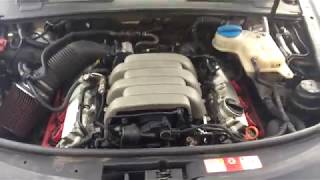
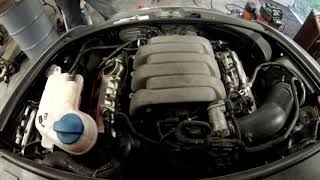
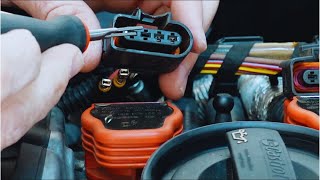
Typical fix: Replace the faulty ignition coil. 🎬 Watch: Step-by-step Audi A6 plug and coil replacement It is often recommended to replace all six coils and spark plugs at the same time if they are old. Use a quality OEM or OEM-equivalent brand like Bosch, NGK, or Eldor for reliability.
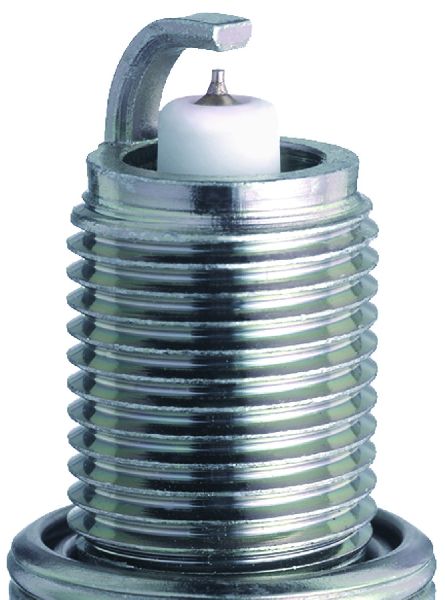
Est. part cost: $30 - $70 per coil - Worn or Fouled Spark Plug 🟡 Medium Probability → Shop Spark Plug A worn spark plug increases the required voltage to create a spark, which puts additional stress on the ignition coil, potentially causing it to fail prematurely or trigger a circuit fault.
How to confirm: After moving the ignition coil and confirming the fault stays on cylinder #4, remove the spark plug. Inspect it for wear (worn electrode), carbon or oil fouling, or damage to the ceramic insulator.
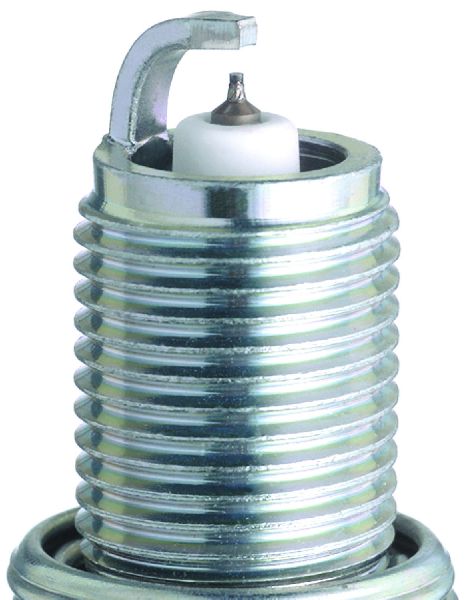
Typical fix: Replace the spark plug for cylinder #4. It is best practice to replace all six spark plugs as a set, typically every 40,000 to 60,000 miles. Use the correct OEM-spec plugs, such as NGK Laser Platinum.
Est. part cost: $15 - $25 per plug - Damaged Wiring or Connector ⚪ Low Probability The plastic connectors and wiring insulation can become brittle over time due to engine heat, leading to cracks, poor pin connection, or broken wires. The locking tabs on the connectors are notoriously fragile and can break during service.
How to confirm: Visually inspect the electrical connector and wiring harness leading to the cylinder #4 ignition coil. Look for any signs of cracking, corrosion on the pins, or broken wires. Wiggle the connector with the engine running to see if it induces a misfire.
Typical fix: Repair the damaged section of the wiring harness or replace the connector pigtail. A common pigtail part number for VAG vehicles of this era is 8K0973724.
Est. part cost: $15 - $40 for a pigtail
Rare But Worth Checking
- Faulty Powertrain Control Module (PCM): → Shop Engine Control Module (ECM) This is very rare. Before suspecting the PCM, all other possibilities (coil, plug, wiring) must be exhaustively ruled out. A faulty driver circuit within the PCM can fail to trigger the coil correctly. This would require professional diagnosis with advanced tools to confirm.
Diagnosis Steps
- Read the fault codes with an OBD-II scanner to confirm P0354 and note any other codes present (e.g., P0304).
- Locate cylinder #4. On the Audi 3.2L V6, the engine is mounted longitudinally. Bank 1 (cylinders 1, 2, 3) is on the passenger side (US), front to back. Bank 2 (cylinders 4, 5, 6) is on the driver's side, front to back. Therefore, cylinder #4 is at the front of the engine on the driver's side.
- Swap the ignition coil from cylinder #4 with the coil from an adjacent cylinder, such as #5 (middle coil on the driver's side). Be careful with the plastic connector clips as they can be brittle.
- Clear the fault codes using the scanner.
- Start the engine and let it idle. A short drive may be necessary to trigger the code again.
- Re-scan for codes. If the code has moved to P0355 (Ignition Coil 'E' Circuit), the ignition coil you moved is faulty and needs to be replaced.
- If the code P0354 returns, the problem is not the coil. The next step is to inspect the spark plug in cylinder #4. Remove it and check for excessive wear, damage, or fouling.
- If the spark plug appears normal, carefully inspect the wiring harness and electrical connector for the cylinder #4 coil. Check for damage, corrosion, or loose pins. Use a multimeter to check for 12V power and a ground signal at the connector with the ignition on.
- If wiring and connections are good, the issue could be a rare PCM failure, which requires professional diagnosis.
Parts You'll Likely Need
- Ignition Coil
(OEM #06E905115G (supersedes 06E905115E, 06E905115F))— This is the most common cause of a P0354 code on this engine due to a high failure rate from heat degradation. The red-top coils are often cited as the latest, most robust revision.
Trusted brands: Bosch, NGK, Eldor, Beru
OEM price range: $50 - $80
Aftermarket price range: $30 - $60 - Spark Plug
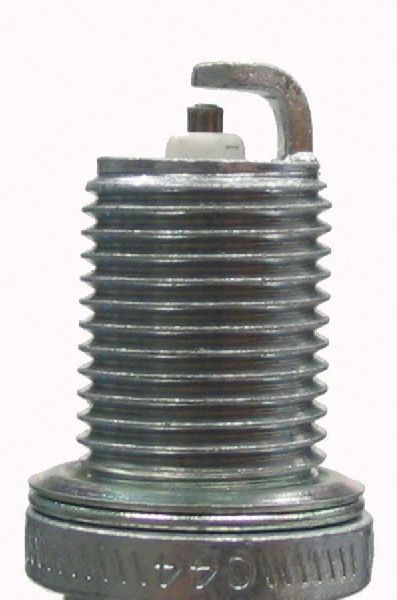
(OEM #101905611A (NGK PFR7W-TG))— A worn spark plug can cause the ignition coil to work harder and fail. It's good practice to replace them when replacing coils, especially if their service interval is near.
Trusted brands: NGK, Bosch
OEM price range: $18 - $25
Aftermarket price range: $10 - $20
Related Codes That Often Appear With This One
- P0304 — P0304 means "Cylinder 4 Misfire Detected." 🎬 Watch: How to troubleshoot a cylinder misfire Since the P0354 code indicates a fault in the ignition system for cylinder 4, a misfire on that same cylinder is a direct and expected consequence.
- P0300 — P0300 means "Random/Multiple Cylinder Misfire Detected." Sometimes, a severe misfire on one cylinder can be misinterpreted by the PCM as a random misfire affecting multiple cylinders, especially under load.
- P0305 — If you follow the diagnostic step of swapping the coil from cylinder 4 to cylinder 5, you would expect to see P0305 (Cylinder 5 Misfire) and P0355 (Ignition Coil 'E' Circuit) appear if the coil is indeed faulty.
- P0355 — This code for "Ignition Coil 'E' Circuit Malfunction" will appear after swapping a faulty coil from cylinder 4 to cylinder 5, confirming the coil is the problem.
Technical Service Bulletins (TSBs) & Recalls
- While no specific TSB for P0354 was found, Audi has released TSBs for other models acknowledging misfire issues and instructing technicians to replace older ignition coils with updated part numbers, confirming it's a known weak point across the brand.
Platform-Specific Known Issues
- Intake Valve Carbon Buildup: The 3.2L FSI is a direct-injection engine, which is prone to significant carbon buildup on the intake valves. While this typically causes misfire codes (P030x) rather than a circuit code, severe misfires from carbon can sometimes stress ignition components. This service is recommended every 40,000-60,000 miles to maintain performance.
- Timing Chain Tensioner Wear: A well-known issue on higher-mileage 3.2L engines is timing chain tensioner wear, identified by a 1-3 second rattling noise from the back of the engine on a cold start. This is a critical, expensive repair and is unrelated to P0354 but is a crucial maintenance point for owners to be aware of.
Mechanic-Grade Diagnostic Values
- Ignition Coil Primary Circuit Voltage Supply (Pin 1 at connector) — expected: 12V (Battery Voltage) with ignition on. Failure: No voltage indicates a blown fuse or wiring issue between the fuse and the coil.
- Ignition Coil Primary Resistance — expected: 0.5 - 2.0 Ohms. Failure: A reading outside this range suggests an internal fault in the coil's primary winding.
- VCDS Misfire Counter (Live Data) — expected: 0 counts at idle and under load for cylinder 4.. Failure: An incrementing count in the field for cylinder 4 confirms the misfire is actively occurring.
Scan Tool Commands That Help
- VCDS (VAG-COM): Measuring Value Blocks (MVB) 015 & 016 — Use this to monitor live misfire counts for each cylinder. Block 015 shows cylinders 1-3, and Block 016 shows cylinders 4-6. This is essential for confirming the misfire is actively occurring on cylinder 4 and to verify the repair is successful.
- VCDS (VAG-COM): Advanced Measuring Values (for UDS controllers) — On newer control modules within the model range, this function replaces the older Measuring Blocks. You can search for 'misfire' to find the per-cylinder counters to confirm the fault location.
Wiring & Ground Locations
- Ignition Coil Fuse — In a fuse holder located in the E-box (ECU box) in the plenum chamber at the back of the engine bay, often near the washer fluid filler cap. It is typically a yellow 20-amp fuse.. When an ignition coil fails, it can short circuit and blow this main fuse, which supplies power to all coils. Replacing the faulty coil without checking and replacing this fuse will result in a no-start condition, leading to misdiagnosis of a larger issue.
- Engine Ground Wire — A small gauge, brown ground wire from the main engine harness that attaches to one of the bolts on the oil filter housing.. This ground is critical for various engine sensors and components. If left disconnected, particularly after major engine work, it can cause a host of difficult-to-diagnose electrical faults, potentially including ignition system problems.
- Engine Harness Chafe Points — The engine wiring harness can rub against components like the camshaft carrier cover studs/bolts, the generator bracket, or the upper control arm.. Vibration can cause the harness insulation to wear through, leading to a short circuit in the ignition coil trigger wire. This can cause a persistent P0354 code even after replacing the coil and plug.
Real Owner Repair Stories
- Ross-Tech Forums User (2006 Audi A6 4F 3.2L) — Car was running rough, then shut down completely with a bad smell. Starter would crank but the engine would not fire.
❌ Tried (didn't work) Replacing the faulty ignition coil on cylinder #5 (which had shorted)., Clearing fault codes., Replacing the old battery.
✅ What actually fixed it The user discovered a blown 20-amp yellow fuse located in the fuse holder under the ECU box at the back of the engine bay. Replacing this fuse, which powers the ignition coils, allowed the car to start immediately.
OEM Part Supersession History
06E905115, 06E905115A, 06E905115B, 06E905115C, 06E905115D→06E905115E, 06E905115F, 06E905115G— Improved internal design and materials to increase resistance to heat-related failure and internal shorting. The latest revisions often feature a red or grey top instead of the original black.
Heads up: All revisions are physically and electrically compatible. However, it is highly recommended to use the latest available revision (e.g., 'G') for all replacements to ensure longevity. Mixing old and new revisions is acceptable but replacing all coils with the latest part number is best practice.
Model Year Variations Within This Range
- 2004-2011: While the fundamental ignition system is the same, the ECU protocol may differ. Earlier models typically use KWP-2000 protocol, while later models may use UDS. This affects how a diagnostic tool like VCDS accesses live data, requiring the use of 'Measuring Value Blocks' on older cars and 'Advanced Measuring Values' on newer ones.
Diagnostic Flowchart
Other Known Issues on This Vehicle
Issues unrelated to this code that are worth knowing about as an owner of this generation:
- Timing Chain Tensioner Failure 🔴 High — Common on engines over 80,000 miles. Diagnosed by a 1-3 second rattle from the rear of the engine on cold starts. (Ref: Audi has issued TSBs regarding the startup noise but no recall. Repair is an expensive, engine-out service.)
- Intake Valve Carbon Buildup 🟠 Medium — Inevitable on all 3.2L FSI engines due to the direct injection design. Symptoms like rough idle and power loss can appear as early as 40,000-60,000 miles. Requires professional cleaning (e.g., walnut blasting).
- MMI System Failure 🟡 Low — The MMI (Multi Media Interface) screen and controls can fail to turn on or may boot-loop. Often caused by a failure in one of the components on the fiber-optic MOST loop (e.g., amplifier, bluetooth module) or water ingress.
- High Oil Consumption 🟠 Medium — Some 3.2L FSI engines are known to consume oil at a higher-than-normal rate, often due to wear on piston rings and valve seals as the engine ages.
Used vs. New Parts: Buying Guide for This Vehicle
When a used part is the smart pick: It is strongly discouraged to use a junkyard or used ignition coil for this repair. Ignition coils are a high-failure-rate maintenance item that degrades with heat cycles and age. A used part has an unknown history and is likely to fail soon after installation, wasting time and money.
What to inspect on the donor part:
- Not applicable, as used ignition coils are not recommended.
OEM-only on this vehicle (don't cheap out):
- While not strictly 'OEM-only', using a reputable OEM-supplier brand for ignition coils is critical for reliability on this platform.
Aftermarket brands forum-validated for this vehicle:
- Bosch
- Eldor
- NGK
- Beru
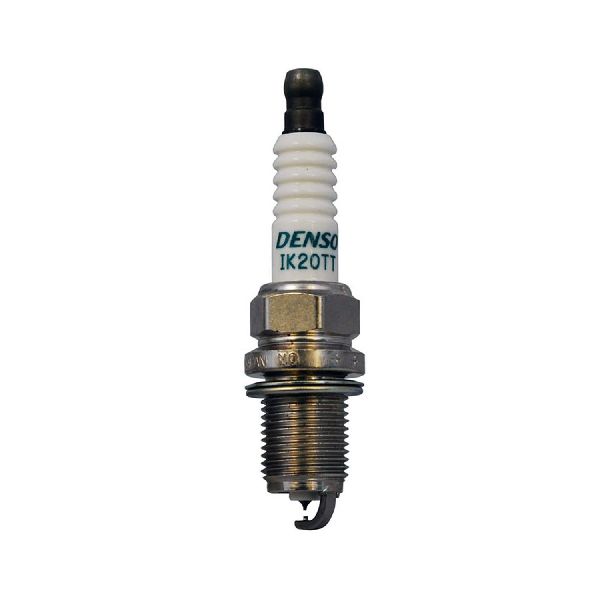
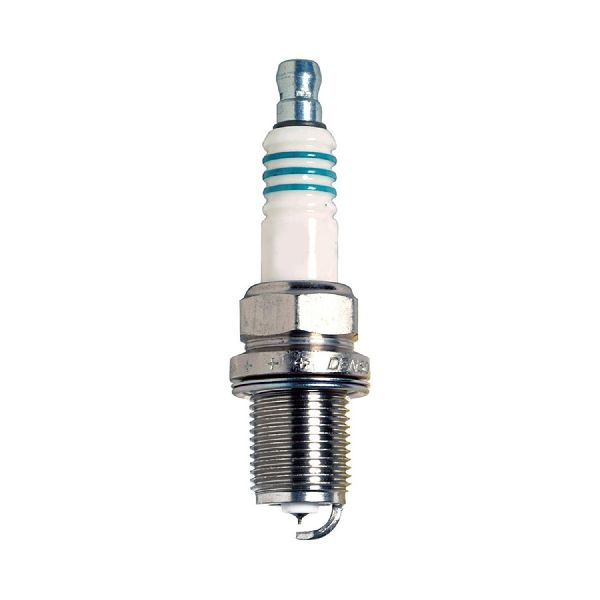
- Denso
Brands owners have reported issues with on this vehicle:
- Generic, unbranded, or 'white-box' ignition coils sold on auction sites. These often have a very high premature failure rate and may not meet the required voltage specifications, leading to persistent misfires.
Real Owner Stories
Aggregated from forums and TSBs cited above. Mileages and costs reflect what owners reported in those sources.
2007 Audi A6 3.2L V6
Symptoms: The owner was seeking the correct cylinder numbering and firing order to identify which coil was causing issues.
What fixed it: Identification of cylinder #4 as the front-most cylinder on the driver's side to facilitate diagnosis.
Source hint: AudiWorld Forums thread titled 'Official V6 cylinder numbering & firing order... drum roll please'
2004-2011 Audi A6 3.2L V6
Symptoms: A 1-3 second rattling noise from the back of the engine during a cold start.
What fixed it: This describes timing chain tensioner wear, a critical and expensive engine-out service often discussed by owners alongside general engine health.
Source hint: AudiWorld Forums thread titled 'Rattling noise during cold start-ups'
Related OBD-II Codes
Frequently Asked Questions
Where is cylinder #4 located on my 2004-2011 Audi A6 3.2L V6?
My A6 is shaking at idle and the check engine light is flashing; is this related to P0354?
Should I buy a used ignition coil from a junkyard to fix this code?
Which specific spark plugs should I use for my 3.2L FSI engine?
The plastic clip on my coil connector broke while I was checking the code. Is there a specific replacement part?
Could the rattling sound I hear on cold starts be causing my P0354 code?
Is there an official Audi TSB for these ignition coil failures?
Helpful Videos

We Have This Part in Stock


The information in this article is provided for general reference and educational purposes only. Vehicle specifications, procedures, and part compatibility can vary by production date, trim level, and region. Always consult your vehicle's factory service manual and verify part numbers before purchasing or performing repairs. Safety-critical components such as airbags, seat belts, and braking systems should be installed by a qualified professional.
- Audi A6:
- 🧭 Diagnostic Flowchart
- 🎬 Helpful Videos
- 🛍️ Shop This Part
- What's Unique About the 2004-2011 Audi A6
- Symptoms You May Notice
- Most Likely Causes
- Rare But Worth Checking
- Diagnosis Steps
- Parts You'll Likely Need
- Related Codes That Often Appear With This One
- Technical Service Bulletins (TSBs) & Recalls
- Platform-Specific Known Issues
- Mechanic-Grade Diagnostic Values
- Scan Tool Commands That Help
- Wiring & Ground Locations
- Real Owner Repair Stories
- OEM Part Supersession History
- Model Year Variations Within This Range
- Other Known Issues on This Vehicle
- Used vs. New Parts: Buying Guide for This Vehicle
- Real Owner Stories
- 2007 Audi A6 3.2L V6
- 2004-2011 Audi A6 3.2L V6
- Related OBD-II Codes
- Frequently Asked Questions
- 🎟️ Get 5% Off