

P0354 on 2011-2017 Chevrolet Cruze 1.4L Turbo: Ignition Coil 'D' Circuit Fixes
P0354 on a 1.4L Cruze almost always means the ignition coil pack has failed on cylinder 4. This is a very common issue. The fix is to replace the entire coil pack assembly and all four spark plugs. This is an easy DIY job, costing around $70-$150 for parts.
- P0354 on a 1.4L Cruze points directly to a problem with the ignition coil for cylinder #4.
- The most probable cause is a failed ignition coil pack, which is a very common issue for this vehicle.
- Always replace all four spark plugs when you replace the ignition coil pack to prevent premature failure of the new part.
- While replacing the coil, inspect the spark plug tubes for oil. If oil is present, you must also replace the valve cover gasket.
- This is a very beginner-friendly DIY repair that can be completed in under 30 minutes with basic tools.
What's Unique About the 2011-2017 Chevrolet Cruze
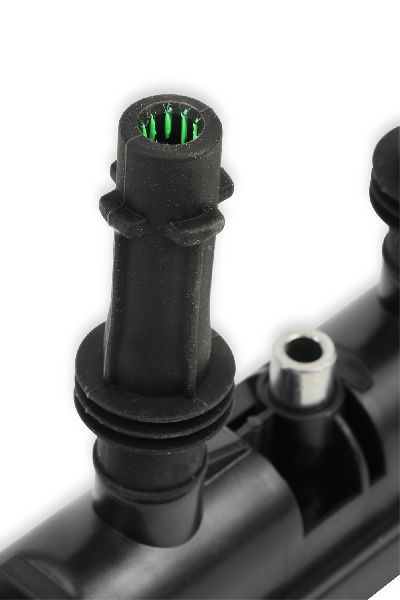
The 1.4L LUV Turbo engine in the first-generation Cruze uses a single, integrated ignition coil pack (also called a cassette) that houses all four coils. This design makes replacement simple, but it also means that if one coil's circuit fails, the entire assembly must be replaced. Ignition coil failure is a notoriously common problem on these engines, often occurring after 60,000-100,000 miles. This failure is often precipitated by other common issues on the platform, such as a leaking valve cover gasket or a failed PCV system, which can introduce oil into the spark plug wells and damage the coil boots.
Generation note: The 2011-2017 year range covers the first generation (2011-2016) and the start of the second generation (2016-on). This guide specifically applies to the first-generation models (including the 2016 'Cruze Limited') equipped with the 1.4L LUV Turbo engine, as this is where the issue is most prevalent.
Symptoms You May Notice
- Check Engine Light is on (may be solid or flashing)
- Rough or shaking idle
- Engine misfires, especially under acceleration or load
- Noticeable loss of power and poor acceleration
- Reduced fuel economy
- Hesitation or stumbling when accelerating from a stop
- Replacing only the spark plugs without replacing the faulty coil pack.
- Replacing the ignition coil pack but not addressing an underlying valve cover gasket leak, leading to repeat failure of the new coil.
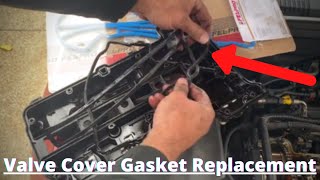
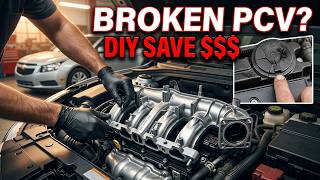
- Replacing the valve cover gasket without replacing the entire valve cover, when the root cause is a failed internal PCV diaphragm causing the gasket to be pushed out by crankcase pressure. 🎬 Watch: How to replace the valve cover and fix PCV leaks
Most Likely Causes
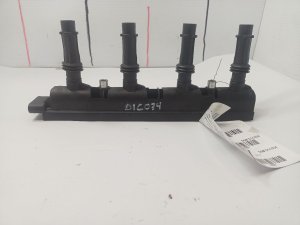
- Failed Ignition Coil Pack 🔴 High Probability → Shop Ignition Coil The original equipment coil packs on the 1.4L LUV engine have a high failure rate. Heat cycles and vibration lead to internal shorts or cracks in the housing, causing spark to arc to the engine block instead of the spark plug.
How to confirm: The easiest method is to swap the entire coil pack with a known-good unit. Since it's a single assembly, you cannot swap individual coils. A visual inspection may reveal cracks or white/black lines (arc tracking) on the coil boots.
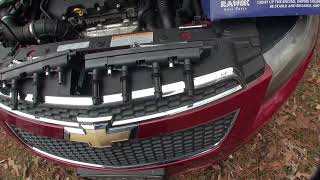
Typical fix: Replace the entire ignition coil pack assembly. 🎬 Watch: Step-by-step coil pack and spark plug replacement It is highly recommended to replace all four spark plugs at the same time, as worn plugs can stress and prematurely fail a new coil pack.
Est. part cost: $60-$160 - Worn or Fouled Spark Plugs 🟡 Medium Probability → Shop Spark Plug If spark plugs are not replaced at the recommended interval, the gap can widen, increasing the electrical resistance. This forces the ignition coil to work harder, leading to overheating and failure. It can be a cause of the coil failure, or a separate issue.
How to confirm: Remove the spark plug from cylinder #4 and inspect it. Look for a worn electrode, heavy carbon deposits, or oil fouling. Compare it to the other plugs.
Typical fix: Replace all four spark plugs with new, correctly gapped plugs. Iridium plugs are typically the original equipment.
Est. part cost: $25-$50 - Leaking Valve Cover Gasket 🟡 Medium Probability → Shop Engine Valve Cover The valve cover gasket on the 1.4L engine is another common failure point. When it leaks, oil can seep into the spark plug tubes, contaminating the ignition coil boots and spark plugs, causing a short circuit and misfires. This is often a secondary failure caused by a bad PCV system integrated into the valve cover.
How to confirm: When you remove the ignition coil pack, shine a light down the spark plug tubes. If you see liquid oil pooled around the spark plugs, the valve cover gasket has failed.
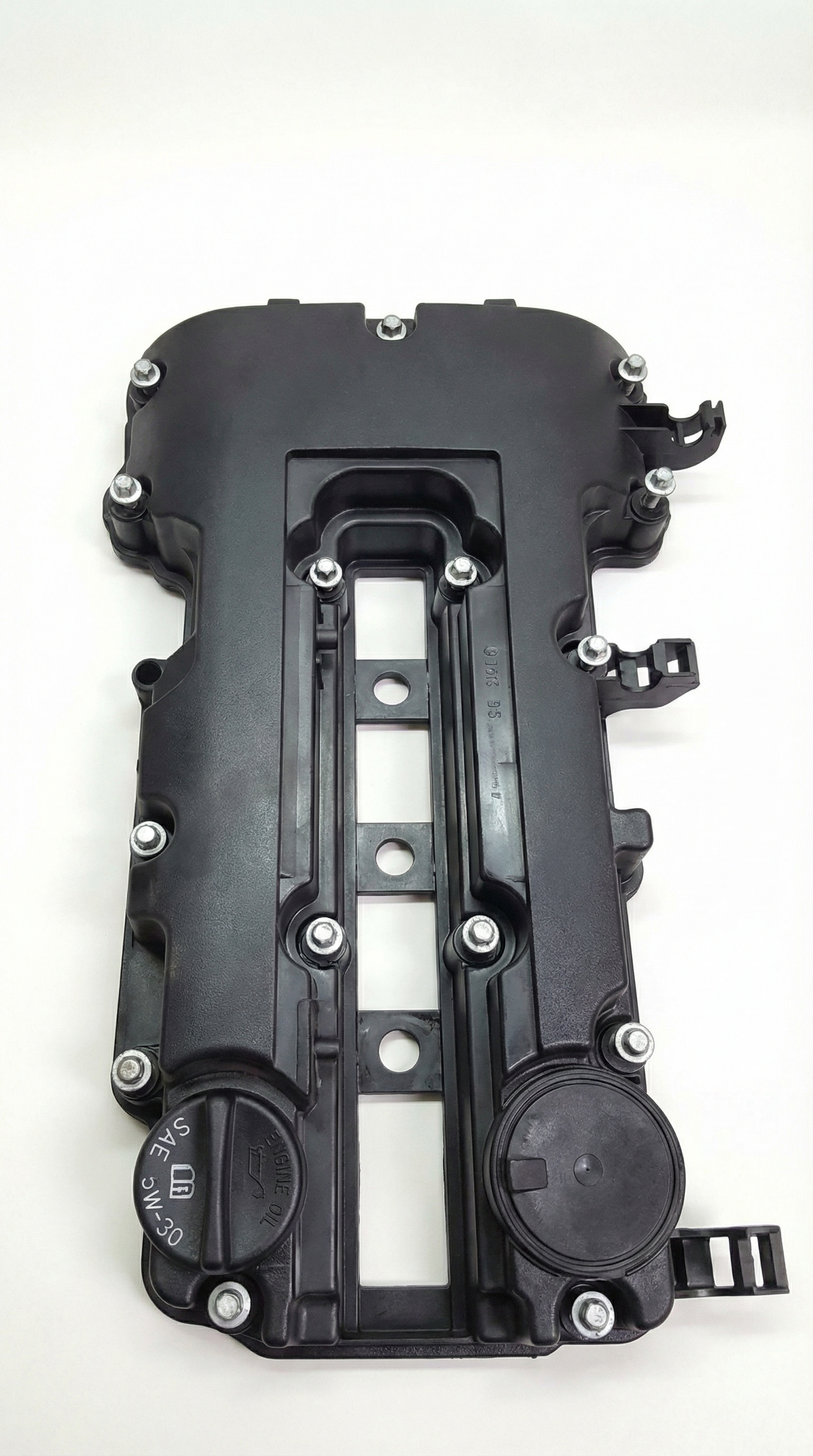
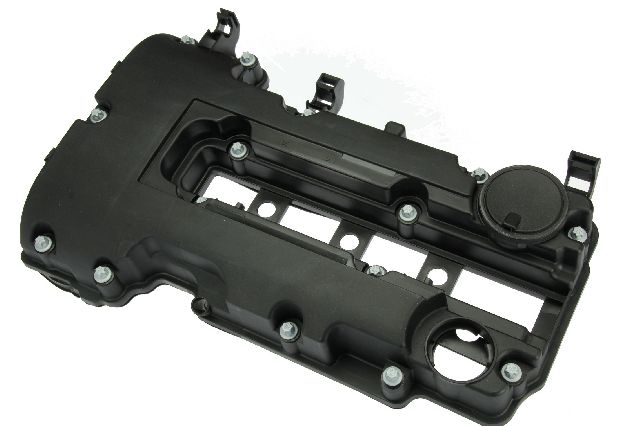
Typical fix: Replace the valve cover gasket. Many owners opt to replace the entire valve cover assembly, as the integrated PCV valve is a common failure point that leads to gasket leaks. This should be done before installing a new coil pack and plugs to prevent the new parts from being damaged.
Est. part cost: $30-$60 - Damaged Wiring or Connector ⚪ Low Probability
How to confirm: Visually inspect the electrical connector and wiring harness leading to the ignition coil pack. Look for any signs of corrosion, broken wires, or loose pins. The plastic connector can become brittle from heat cycles and break.
Typical fix: Repair the damaged section of the wiring harness or replace the connector pigtail.
Est. part cost: $15-$30
Rare But Worth Checking
- Faulty Powertrain Control Module (PCM): → Shop Engine Control Module (ECM) This is very rare. Before condemning the PCM, all other possibilities (coil, plugs, wiring) must be exhaustively ruled out. A faulty ignition driver inside the PCM can cause this code.
- Coolant Wicking into ECM Connector: GM Technical Service Bulletin PIP5895A notes a rare issue where a failing engine coolant thermostat heater can cause coolant to travel up the wiring harness and into the ECM connector, causing shorts and various codes, including P0351-P0354. The bulletin confirms this can affect the 2011-2017 Cruze with the 1.4L LUV engine.
Diagnosis Steps
- Read the trouble codes with an OBD-II scanner and confirm P0354 is present. Note any other codes, like P0304.
- Turn off the engine and remove the plastic engine cover.
- Disconnect the electrical connector from the ignition coil pack. Inspect the connector and harness for any signs of damage, corrosion, or loose pins.
- Remove the two T30 Torx bolts holding the ignition coil pack in place.
- Lift the entire coil pack assembly straight up and off the valve cover.
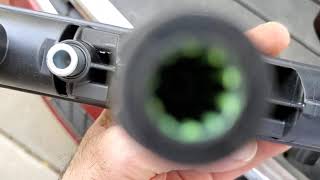
- Inspect the coil pack boots for any cracks, burn marks, or oil contamination.
- Shine a flashlight into the four spark plug tubes in the valve cover. Check for any pooled oil. If oil is present, the valve cover gasket is leaking and must be replaced. Consider replacing the entire valve cover due to the high failure rate of the integrated PCV system.
- If no oil is present, the most likely cause is the coil pack itself. Replace the coil pack and all four spark plugs.
- Apply a small amount of dielectric grease to the inside of the new coil boots before installation.
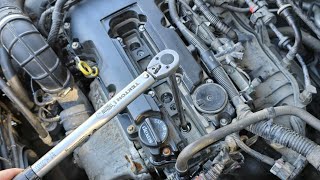
- Reinstall the new coil pack, tighten the bolts to approximately 71 in-lbs (8 Nm) to avoid cracking the plastic valve cover.
- Reconnect the electrical connector.
- Clear the trouble codes with the OBD-II scanner and start the engine. Check for smooth operation and ensure the Check Engine Light does not return.
Parts You'll Likely Need
- Ignition Coil Pack
(OEM #ACDelco D521C (GM 25198623))— This is the most common failure item for a P0354 code on this engine. The entire pack must be replaced as a single unit.
Trusted brands: ACDelco (OEM), Delphi, NGK, Bosch
OEM price range: $120-$235
Aftermarket price range: $60-$160 - Iridium Spark Plugs (Set of 4)
(OEM #ACDelco 41-121)— It is critical to replace the spark plugs at the same time as the coil pack to ensure longevity and proper performance of the new coil.
Trusted brands: ACDelco (OEM), NGK (e.g., 6418 / IFR7X7G, 90644 / SILNAR9C7DG)
OEM price range: $35-$50
Aftermarket price range: $25-$40 - Valve Cover Gasket — Often needs replacement if oil is found in the spark plug tubes, which is a common cause of coil failure on this engine.
Trusted brands: ACDelco (OEM), Fel-Pro (e.g., VS 50807 R), Mahle
OEM price range: $40-$60
Aftermarket price range: $25-$40
Related Codes That Often Appear With This One
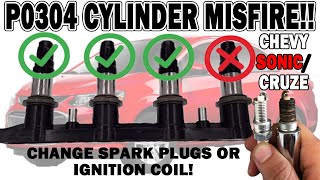
- P0304 — P0304 means 'Cylinder 4 Misfire Detected.' This code is a direct symptom of the P0354 fault, as the malfunctioning coil circuit is causing the misfire. 🎬 Watch: Fixing a Cylinder 4 misfire and replacing the coil
- P0300 — P0300 means 'Random/Multiple Cylinder Misfire.' While the primary fault is on cylinder 4, a severe misfire can sometimes be interpreted by the PCM as a random misfire, especially at idle.
- P0171 — P0171 means 'System Too Lean.' This code often appears when the root cause of oil leaks (which foul the coil pack) is a failed PCV system diaphragm inside the valve cover, creating a vacuum leak.
Technical Service Bulletins (TSBs) & Recalls
- PIP5895A: Mentions that P0351-P0354 can be caused by coolant wicking from the thermostat heater into the ECM connector, causing a short. This is a rare but documented possibility.
- Bulletin #PIP5038B: Notes that technicians may find Diagnostic Trouble Codes P0300-P0306 and P0351-P0356 with the Malfunction Indicator Lamp on; it advises following published Service Information diagnostics for these codes first.
Platform-Specific Known Issues
- The integrated PCV system on the 1.4L engine's valve cover can fail, leading to pressure imbalances that cause the valve cover gasket to leak oil into the spark plug wells, destroying the ignition coil. Often, the entire valve cover is replaced along with the gasket.
- A separate, failure-prone PCV check valve is located inside the intake manifold. When it fails, it allows boost pressure into the crankcase, which can rupture the diaphragm in the valve cover's PCV system, leading to oil leaks and driveability issues.
Mechanic-Grade Diagnostic Values
- Ignition Coil Primary Resistance — expected: 0.4 to 2.0 Ohms (general estimate). Failure: A reading of infinite (OL) or zero ohms indicates a failed primary winding.
- Ignition Coil Secondary Resistance — expected: 6,000 to 10,000 Ohms (general estimate). Failure: A reading significantly outside this range, or infinite (OL), indicates a failed secondary winding. Note: Testing the integrated cassette-style coil of the Cruze may require specific knowledge of the internal pinout, which is not readily available.
Real Owner Repair Stories
- Reddit User (2011 Honda Pilot (Note: Vehicle is different, but the ECU behavior described is a valuable general diagnostic tip for this code)) — P0354 code persisted even after replacing all six ignition coils with new OEM parts.
❌ Tried (didn't work) Replacing the single faulty coil., Replacing with a different brand of aftermarket coil., Replacing all six coils with brand new OEM coils.
✅ What actually fixed it The user realized they had accidentally started the car with the cylinder 4 coil connector unplugged during initial testing. This action caused the P0354 code to become a permanent or 'latched' code in the ECU's memory. Even though the car ran fine with no misfires after the new parts were installed, the code would not permanently clear with a standard scanner. The user concluded the code was residual from the initial diagnostic mistake and the car was functionally repaired.
OEM Part Supersession History
55579072, 55577898, 55575499, 25195107→GM 25198623 / ACDelco D521C— Standard part consolidation and potential design revisions by the manufacturer.
Diagnostic Flowchart
Other Known Issues on This Vehicle
Issues unrelated to this code that are worth knowing about as an owner of this generation:
- PCV System Failure (Valve Cover & Intake Manifold) 🔴 High — Extremely common, often occurs between 60,000-120,000 miles. A ruptured diaphragm in the valve cover or a failed check valve in the intake manifold causes vacuum leaks, oil consumption, and blown seals. (Ref: GM issued Special Coverage Adjustments for some model years, extending the warranty.)
- Water Pump Failure 🔴 High — Very common. The water pump is prone to leaking coolant, which can lead to overheating if not addressed. (Ref: Special Coverage 14371B extended the warranty to 10 years/150,000 miles for this issue on certain model years.)
- Cracked Coolant Outlet / Thermostat Housing 🟠 Medium — The plastic coolant outlet housing on the side of the cylinder head is prone to cracking from heat cycles, causing significant coolant leaks.
- Turbocharger Coolant/Oil Line Leaks 🟠 Medium — The gaskets and O-rings for the turbocharger's oil and coolant lines can degrade over time, leading to leaks onto the exhaust manifold and turbo housing.
- Turbocharger Wastegate/Bypass Valve Failure 🟠 Medium — The turbo's internal bypass valve can fail, causing a loss of boost and triggering a P0299 (Turbo Underboost) code. The entire turbocharger assembly typically requires replacement.
Used vs. New Parts: Buying Guide for This Vehicle
When a used part is the smart pick: For this specific repair, using a used part is strongly discouraged. Both the ignition coil pack and the valve cover (with its integrated PCV system) are extremely common failure points on the 1.4L LUV engine. A used part from a salvage yard is likely to have significant wear and may fail shortly after installation, if it works at all.
Donor-vehicle mileage cap: roughly under 30000 miles for the part to have meaningful remaining life.
What to inspect on the donor part:
- If buying used is unavoidable, inspect the coil pack housing for any hairline cracks or signs of arcing (white or black scorch marks).
- Check the coil boots for any swelling, brittleness, or oil contamination.
- For a valve cover, ensure the PCV diaphragm port is clean and the gasket surfaces are not warped.
Aftermarket brands forum-validated for this vehicle:
- Ignition Coil Pack: Delphi, NGK, Bosch, ZZPerformance (performance option).
- Valve Cover/Gasket: Fel-Pro, Mahle.
Brands owners have reported issues with on this vehicle:
- Generic, low-cost, unbranded ignition coil packs found on marketplace websites. These often have a very high premature failure rate, sometimes within weeks or months of installation.
Real Owner Stories
Aggregated from forums and TSBs cited above. Mileages and costs reflect what owners reported in those sources.
2014 Chevrolet Cruze 1.4L
Symptoms: Engine misfire with codes P0304 and P0354.
What fixed it: Replacement of the ignition coil pack and spark plugs.
Source hint: https://www.cruzetalk.com/threads/2014-cruze-1-4-misfire-p0304-p0354.238899/
2011-2017 Chevrolet Cruze 1.4L LUV — ~90000 miles
Symptoms: Vacuum leaks, oil consumption, and blown seals leading to oil leaking into spark plug wells and destroying the ignition coil.
What fixed it: Replacing the entire valve cover assembly and the intake manifold to address the failed integrated PCV system and check valve.
Source hint: vehicle_specific_issues and known_issues (PCV System Failure)
Related OBD-II Codes
Frequently Asked Questions
Can I just swap the coil for cylinder #4 to see if the P0354 code moves?
Is there a TSB for coolant issues causing P0354 on the Cruze?
Why did my new coil pack fail so quickly after installation?
Does the 1.4L LUV engine have any extended warranty coverage for related engine issues?
Should I buy a used coil pack from a salvage yard to save money?
What is the correct torque spec for the coil pack bolts on the 2011-2017 Cruze?
Helpful Videos

Used OEM Parts in Stock
New Aftermarket Parts Available

The information in this article is provided for general reference and educational purposes only. Vehicle specifications, procedures, and part compatibility can vary by production date, trim level, and region. Always consult your vehicle's factory service manual and verify part numbers before purchasing or performing repairs. Safety-critical components such as airbags, seat belts, and braking systems should be installed by a qualified professional.
- Chevrolet Cruze:
- 🧭 Diagnostic Flowchart
- 🎬 Helpful Videos
- 🛍️ Shop This Part
- What's Unique About the 2011-2017 Chevrolet Cruze
- Symptoms You May Notice
- Most Likely Causes
- Rare But Worth Checking
- Diagnosis Steps
- Parts You'll Likely Need
- Related Codes That Often Appear With This One
- Technical Service Bulletins (TSBs) & Recalls
- Platform-Specific Known Issues
- Mechanic-Grade Diagnostic Values
- Real Owner Repair Stories
- OEM Part Supersession History
- Other Known Issues on This Vehicle
- Used vs. New Parts: Buying Guide for This Vehicle
- Real Owner Stories
- 2014 Chevrolet Cruze 1.4L
- 2011-2017 Chevrolet Cruze 1.4L LUV — ~90000 miles
- Related OBD-II Codes
- Frequently Asked Questions
- 🎟️ Get 5% Off