

P0354 on 2010-2013 Ford Transit Connect: Ignition Coil 'D' Causes and Fixes
This code points to a problem with the ignition coil circuit for cylinder #4. The most common fix is replacing the ignition coil on that cylinder, which is a simple DIY job costing between $30 and $70 for the part. However, the root cause is often a leaking valve cover gasket that allows oil to damage the coil, which should also be addressed.
- P0354 on a 2010-2013 Transit Connect specifically means there's a fault in the ignition circuit for cylinder #4.
- The most probable cause is a bad ignition coil on cylinder #4, which is very often caused by a leaking valve cover gasket filling the spark plug well with oil.
- The easiest way to diagnose a bad coil is to swap it with an adjacent coil and see if the trouble code moves to that cylinder (e.g., P0353).
- Always inspect for oil in the spark plug well when the coil is removed. If oil is present, replacing the valve cover gasket set is necessary to prevent repeat coil failure.
What's Unique About the 2010-2013 Ford Transit Connect
The 2.0L Duratec engine in the first-generation Transit Connect uses a straightforward coil-on-plug ignition system that is generally reliable but not immune to failure. The coils are easily accessible on top of the engine, making diagnosis and replacement simpler than on many other vehicles. A very common issue on this platform is the failure of the valve cover gasket's spark plug tube seals. This allows engine oil to pool in the spark plug wells, soaking the ignition coil boot and causing it to fail, which then triggers the P0354 code. While the issue is almost always a bad coil (often caused by the oil leak), there are also documented cases where a failing coil can send a voltage spike back to the PCM, damaging the driver circuit for that coil.
Symptoms You May Notice
- Check Engine Light is on (may be flashing if the misfire is severe)
- Rough or shaking idle
- Engine hesitation or stumbling during acceleration
- Reduced engine power
- Poor fuel economy
- Difficulty starting the engine
- Burning oil smell (if caused by a valve cover gasket leak)
- Replacing the spark plugs without testing the ignition coil first. The coil is the more likely culprit for a P035x code.
- Replacing the ignition coil without checking for and fixing an oil leak from the valve cover gasket. The new coil will likely fail prematurely if soaked in oil.
- Replacing the PCM without confirming the coil and wiring are good. This is an expensive and usually unnecessary repair.
Most Likely Causes
- Faulty Ignition Coil (Cylinder #4) 🔴 High Probability → Shop Ignition Coil Heat cycles and vibration eventually cause the internal windings of the coil to fail. More frequently, failure is accelerated by oil contamination from a leaking valve cover gasket. This is the most common point of failure for this code.
How to confirm: Swap the ignition coil from cylinder #4 with another cylinder (e.g., cylinder #3). Clear the codes and drive the vehicle. If the code changes to P0353 (for cylinder #3), the coil is definitively bad. Before swapping, check for oil in the spark plug well, which points to a deeper issue.
Typical fix: Replace the faulty ignition coil. It is often recommended to replace the corresponding spark plug at the same time. Apply a small amount of dielectric grease to the inside of the new coil boot.
Est. part cost: $30-$70 - Leaking Valve Cover Gasket (Spark Plug Tube Seals) 🔴 High Probability → Shop Engine Valve Cover The rubber seals that prevent oil from entering the spark plug tubes become hard and brittle over time, allowing oil to seep in. This oil saturates the ignition coil and spark plug, causing misfires and leading directly to coil failure and a P0354 code.
How to confirm: Remove the ignition coil for cylinder #4. Visually inspect the spark plug well for the presence of liquid engine oil. A burning oil smell may also be present.
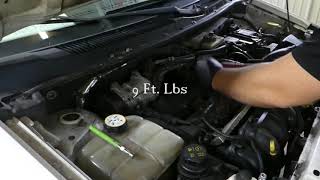
Typical fix: Replace the entire valve cover gasket set, which includes the outer perimeter gasket and the four spark plug tube seals. The valve cover bolts should be torqued to 89 in-lbs. 🎬 See this step-by-step guide to replacing your valve cover gasket. It is critical to also replace the oil-fouled ignition coil and spark plug.
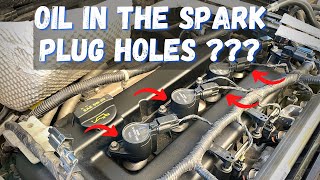
Est. part cost: $20-$50 for a quality gasket set - Worn or Damaged Spark Plug (Cylinder #4) 🟡 Medium Probability → Shop Spark Plug While a bad spark plug typically causes a misfire code (P0304), a heavily worn, oil-fouled, or cracked plug can increase the electrical load on the ignition coil, contributing to its failure and potentially triggering the P0354 code. 🎬 Watch: A quick breakdown of P0354 causes and fixes.
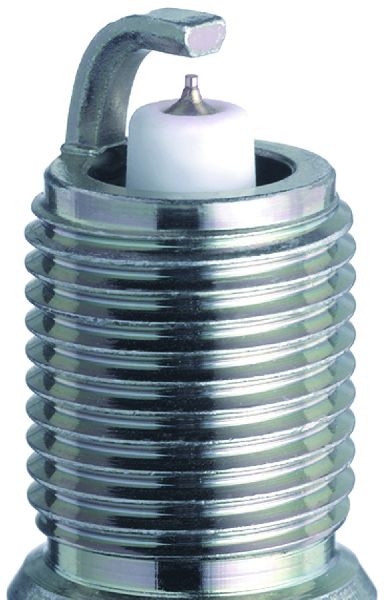
How to confirm: After confirming the coil is good, inspect the spark plug for cylinder #4. Look for heavy carbon buildup, oil fouling, or a worn/damaged electrode.
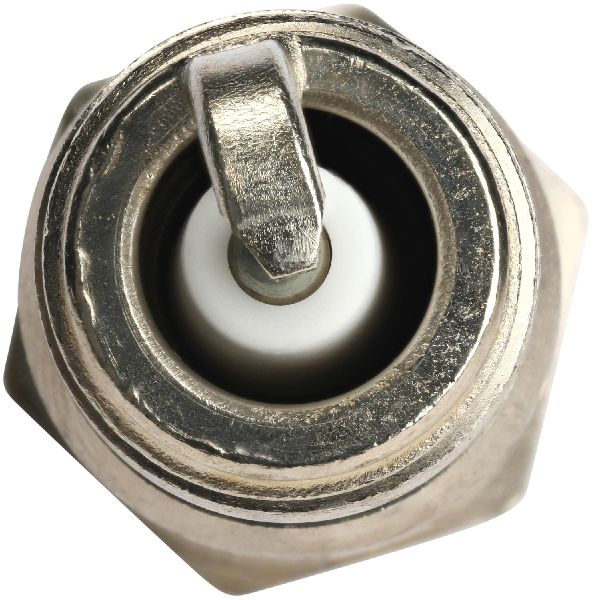
Typical fix: Replace the spark plug. It is best practice to replace all four spark plugs at once for even performance.
Est. part cost: $5-$20 per plug - Damaged Wiring or Connector ⚪ Low Probability
How to confirm: Visually inspect the wiring harness and connector going to the cylinder #4 ignition coil. Look for any signs of cracking, melting, corrosion, or loose pins. On other Ford models, there are reports of the harness melting due to contact with hot A/C lines, a plausible scenario to check for. Use a multimeter to check for proper power, ground, and signal at the connector.
Typical fix: Repair the damaged section of wiring or replace the pigtail connector.
Est. part cost: $15-$30 for a new connector pigtail
Rare But Worth Checking
- Faulty Powertrain Control Module (PCM): → Shop Engine Control Module (ECM) This is the least likely cause. A failing ignition coil can sometimes short out and damage the driver circuit within the PCM. This should only be considered after all other possibilities (coil, plug, wiring) have been exhaustively ruled out. One mechanic noted finding oil inside the PCM connector, which had wicked from a leaking sensor, causing the failure. Confirming a bad PCM requires testing the signal wire at the coil connector; a lack of a 5-20 Hz signal while cranking points to a wiring or PCM issue.
Diagnosis Steps
- Read the code with an OBD-II scanner to confirm P0354 is present. Note any other codes, especially P0304.
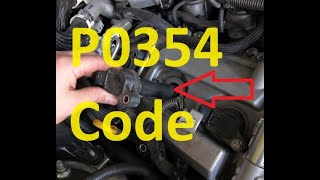
- Locate cylinder #4 on the 2.0L engine (it's the cylinder on the far right/passenger side when facing the engine from the front). 🎬 Watch: How to easily replace your spark plugs and coils.
- Visually inspect the ignition coil and its electrical connector for obvious damage or corrosion. Perform a 'wiggle test' on the connector and nearby harness with the engine running to see if it affects the misfire, indicating a loose connection.
- Remove the ignition coil. Check the spark plug well for any standing oil. If oil is present, the valve cover gasket set has failed and must be replaced.
- If no oil is present, perform the 'swap test': Disconnect the battery. Swap the ignition coil from cylinder #4 with the coil from cylinder #3. Reconnect the battery.
- Clear the trouble codes with the scanner and start the engine. Drive the vehicle until the check engine light returns.
- Re-read the codes. If the code is now P0353, the ignition coil you moved is faulty and must be replaced. This is the most common outcome.
- If the code remains P0354, the problem is not the coil. The next step is to inspect the spark plug and test the wiring.
- Check the wiring connector for power, ground, and a signal from the PCM. Using a multimeter set to AC Hertz, probe the signal wire while a helper cranks the engine. A healthy signal should be between 5-20 Hz. If the signal is absent, the issue is in the wiring or the PCM itself.
Parts You'll Likely Need
- Ignition Coil
(OEM #4M5Z-12029-B)— This is the most common cause of a P0354 code. The internal electronics of the coil fail over time due to heat, vibration, or oil contamination.
Trusted brands: Motorcraft, NGK, Denso, Delphi, Bosch
OEM price range: $60-$80
Aftermarket price range: $30-$60 - Valve Cover Gasket Set
(OEM #1S7Z-6584-BA)— Frequently required to fix the root cause of the coil failure. The spark plug tube seals in the set fail, allowing oil to flood the spark plug well. Must include tube seals.
Trusted brands: Fel-Pro, Victor Reinz, Motorcraft
OEM price range: $40-$60
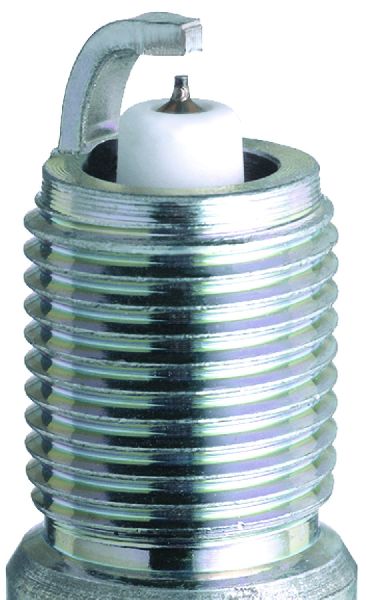
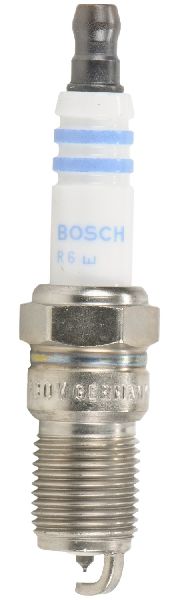
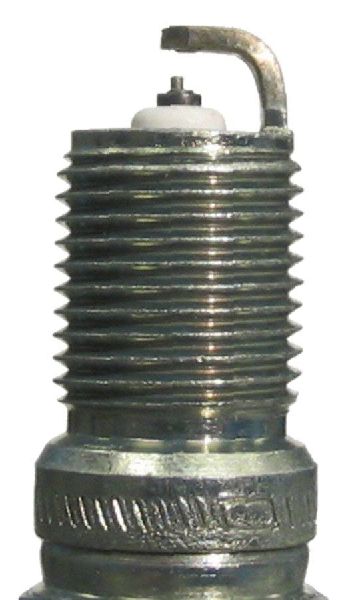
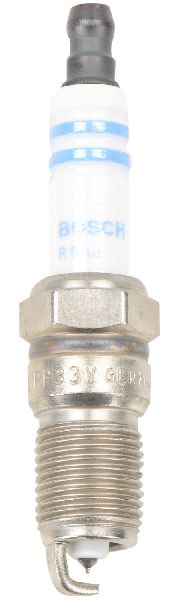
Aftermarket price range: $20-$50 - Spark Plug — It is highly recommended to replace the spark plug when replacing a coil, especially if it has been fouled with oil. A worn plug can cause the new coil to fail prematurely.
Trusted brands: Motorcraft, NGK, Bosch
OEM price range: $10-$15
Aftermarket price range: $5-$10 - Dielectric Grease
(OEM #XG-3-A)— Recommended to apply to the inside of the ignition coil boot to seal out moisture and prevent corrosion on the spark plug ceramic.
Trusted brands: Permatex, Motorcraft
OEM price range: $8-$12
Aftermarket price range: $5-$8
Related Codes That Often Appear With This One
- P0304 — P0304 means 'Cylinder 4 Misfire Detected'. Since the P0354 code indicates a fault in the ignition circuit for cylinder 4, a misfire on that same cylinder is a direct consequence.
- P0300 — P0300 means 'Random/Multiple Cylinder Misfire Detected'. While less common, a severe electrical issue related to the P0354 fault could potentially cause instability that the PCM interprets as random misfires.
Technical Service Bulletins (TSBs) & Recalls
- TSB DP12-006: While not for P0354 specifically, this TSB addresses rough running and misfire codes (P030x) on 2.0L/2.3L/2.5L Duratec engines. It notes that water can enter the cam cover trough and contaminate the spark plug wells, especially near cylinder 4. It advises checking that the drain hole is clear and inspecting/cleaning related electrical connectors.
- Bulletin #TSB 16-0163: This bulletin specifically lists P0354 among other ignition and misfire codes (P0351-P0354, P0300-P0304) and provides service procedure steps to correct the underlying issues.
- Bulletin #SSM 52455: Notes that various Ford gas engines may exhibit an illuminated MIL with ignition system DTCs including P0354 set in the powertrain control module.
- Bulletin #TSB 24-2406: While written for EcoBoost engines, this manufacturer bulletin confirms that P0354 is a recognized ignition system DTC that triggers the Malfunction Indicator Lamp (MIL).
Platform-Specific Known Issues
- The spark plug tube seals integrated into the valve cover gasket are a very common failure point. They become brittle with age and allow engine oil to leak directly into the spark plug wells, which saturates and destroys the ignition coil.
Mechanic-Grade Diagnostic Values
- Ignition Coil Control Signal from PCM — expected: 5-20 Hz on multimeter set to AC Hertz, measured at the signal wire on the coil connector while engine is cranking or idling.. Failure: A reading of 0 Hz or an erratic signal points to a wiring fault or a failed PCM driver.
- Ignition Coil Power Supply Voltage — expected: Greater than 10.0 Volts DC with Key On, Engine Off (KOEO).. Failure: Voltage below 10.0V indicates a problem in the power supply circuit, such as a corroded wire, loose connection, or failing fuse/relay.
- Spark Plug Torque — expected: 12 Nm (106 lb-in). Failure: Improper torque can lead to poor heat transfer, sealing issues, or damage to the cylinder head.
- Ignition Coil Retaining Bolt Torque — expected: 10 Nm (89 lb-in). Failure: A loose coil can vibrate excessively, leading to premature failure and a poor connection to the spark plug.
Hidden / Shadow Codes Worth Checking
- Mode $06, TID $53, CID $01-$0A: While not a 'code' in the typical sense, Mode $06 data provides raw test results from the PCM's onboard monitors. For Ford, Test ID (TID) $53 tracks misfire counts for each cylinder. A technician can view these counts before they are high enough to trigger a P030x misfire code, helping to confirm a weak cylinder #4. (see via Requires a professional scan tool or advanced DIY software like FORScan that can display Mode $06 data.)
Scan Tool Commands That Help
- FORScan / Ford IDS: Power Balance Test — This is a bidirectional test that allows the technician to command the PCM to shut off fuel to individual cylinders one by one. If disabling cylinder #4 causes no change in engine RPM or smoothness, it confirms that cylinder was not contributing, pointing to a fault in its ignition or fuel delivery. This is a powerful tool to verify the location of the misfire reported by the P0354 code.
Wiring & Ground Locations
- Powertrain Control Module (PCM) — The PCM is not located in the engine bay. It is mounted inside the front driver's side wheel well, behind the plastic fender liner.. This location makes the PCM and its large electrical connectors vulnerable to water intrusion, corrosion, and physical damage from road debris or tire failure. A technician diagnosing a P0354 with no signal from the PCM should inspect the module and its connectors in this location for corrosion after ruling out the coil and harness.
- G104 (example) — Main engine-to-chassis ground points are typically located on the inner fender or firewall near the battery. Specific ground distribution diagrams show multiple black wires joining at a single eyelet bolted to the body.. While a specific ground point for the coil circuit isn't easily identified, a poor main engine ground can cause a host of erratic electrical issues, including weak spark and ignition-related codes. Verifying main ground connections are clean and tight is a valid step in a deep diagnosis.
OEM Part Supersession History
4M5Z-12029-A, 4M5Z-12029-BA, 4M5Z-12029-BB, 4M5Z-12029-BC→4M5Z-12029-B (Motorcraft DG541)— Standard part revisions for improved reliability, materials, or manufacturing process.
Heads up: All previous versions are replaced by the final '-B' revision. When ordering, using the '4M5Z-12029-B' part number ensures you receive the latest version.
Diagnostic Flowchart
Used vs. New Parts: Buying Guide for This Vehicle
When a used part is the smart pick: For this repair, a used part is generally not recommended for the coil, spark plug, or gasket, as they are wear items. However, if the PCM is diagnosed as faulty, a used PCM from a reputable salvage yard with a warranty and matching part numbers can be a cost-effective alternative to a new unit, but may require programming by a dealer or specialist with Ford IDS/FORScan.
Donor-vehicle mileage cap: roughly under 80000 miles for the part to have meaningful remaining life.
What to inspect on the donor part:
- For a used PCM, inspect the connectors for any signs of corrosion or bent pins.
- Ensure the donor vehicle was not involved in a flood or front-end collision that could have damaged the module.
- Verify the part numbers on the used PCM exactly match the original.
OEM-only on this vehicle (don't cheap out):
- Powertrain Control Module (PCM) - While a used OEM part is an option, avoid aftermarket 'rebuilt' PCMs from unknown vendors, as they often have a high failure rate.
Aftermarket brands forum-validated for this vehicle:
- Ignition Coils: Motorcraft (OEM), NGK, Denso, Bosch.
- Valve Cover Gaskets: Fel-Pro, Victor Reinz.
Brands owners have reported issues with on this vehicle:
- Unbranded '4-pack' or '8-pack' ignition coils from online marketplaces. While inexpensive, they are known for having a very high premature failure rate, often within months.
Real Owner Stories
Aggregated from forums and TSBs cited above. Mileages and costs reflect what owners reported in those sources.
2011 Ford Transit Connect 2.0L I4
Symptoms: P0354 code present after extensive testing.
What fixed it: The ultimate cause was a faulty PCM that was leaking oil internally into the connector, which required PCM replacement.
Source hint: ScannerDanner.com
Ford vehicle with 2.0L Duratec
Symptoms: P0354 code and misfire.
What fixed it: Replacing the ignition coil on cylinder #4 resolved the code and the misfire.
Source hint: Ford Truck Enthusiasts Forums
Ford vehicle with 2.0L Duratec
Symptoms: P0354 code present.
What fixed it: The cause was traced to the ignition coil wiring harness having melted from contact with a hot A/C line. The wiring was repaired.
Source hint: Ford Truck Enthusiasts Forums
Ford Owner Report
Symptoms: Vehicle started shaking violently and the check engine light came on with codes P0351, P0352, P0354, P0301, P0302, and P0316.
What fixed it: A mechanic performed pinpoint tests on all coils and the fuel system to isolate the circuit failures (NHTSA ODI #10713413).
Ford Owner Report
Symptoms: The vehicle shut down on the interstate and would not restart, displaying codes P0351 through P0356.
What fixed it: This electrical system failure resulted in a complete loss of engine power while driving (NHTSA ODI #11429061).
Related OBD-II Codes
Frequently Asked Questions
Where is cylinder #4 on my 2011 Transit Connect's 2.0L engine?
I pulled the ignition coil on cylinder #4 and found oil in the spark plug well. What does that mean?
I'm replacing the valve cover gasket myself. What is the torque specification for the bolts?
I swapped the coil from cylinder #4 to cylinder #3 and the code changed to P0353. What does this confirm?
Is there a Technical Service Bulletin (TSB) that applies to this P0354 code?
I've replaced the coil and spark plug, but the P0354 code persists. What's a rare but possible cause?
Do other vehicles with the same engine have this problem?
Helpful Videos

Used OEM Parts in Stock
New Aftermarket Parts Available

The information in this article is provided for general reference and educational purposes only. Vehicle specifications, procedures, and part compatibility can vary by production date, trim level, and region. Always consult your vehicle's factory service manual and verify part numbers before purchasing or performing repairs. Safety-critical components such as airbags, seat belts, and braking systems should be installed by a qualified professional.
- Ford Transit Connect:
- 🧭 Diagnostic Flowchart
- 🎬 Helpful Videos
- 🛍️ Shop This Part
- What's Unique About the 2010-2013 Ford Transit Connect
- Symptoms You May Notice
- Most Likely Causes
- Rare But Worth Checking
- Diagnosis Steps
- Parts You'll Likely Need
- Related Codes That Often Appear With This One
- Technical Service Bulletins (TSBs) & Recalls
- Platform-Specific Known Issues
- Mechanic-Grade Diagnostic Values
- Hidden / Shadow Codes Worth Checking
- Scan Tool Commands That Help
- Wiring & Ground Locations
- OEM Part Supersession History
- Used vs. New Parts: Buying Guide for This Vehicle
- Real Owner Stories
- 2011 Ford Transit Connect 2.0L I4
- Ford vehicle with 2.0L Duratec
- Ford vehicle with 2.0L Duratec
- Ford Owner Report
- Ford Owner Report
- Related OBD-II Codes
- Frequently Asked Questions
- 🎟️ Get 5% Off