

P0354 on 2016-2021 Honda Civic: Ignition Coil 'D' Circuit Causes and Fixes
On a 10th generation Honda Civic, code P0354 is almost always caused by a failed ignition coil on cylinder 4. It's a simple 15-minute DIY fix, and a new OEM-quality coil costs between $50 and $90. Swapping the coil from cylinder 4 to another cylinder is the definitive way to confirm the failure.
- P0354 on your Civic means there's an issue with the ignition coil circuit for cylinder 4.
- The most likely cause by far is a bad ignition coil, which is an easy and inexpensive part to replace yourself.
- A simple 'swap test' by moving the cylinder 4 coil to another cylinder is the best way to confirm a bad coil.
- While driving, the engine will run poorly. Avoid extended trips to prevent expensive damage to the catalytic converter.
What's Unique About the 2016-2021 Honda Civic
For the 2016-2021 Civic, this code is straightforward on both the 2.0L (K20C2) and 1.5L Turbo (L15B7) engines. While the code itself points to a circuit fault, it's worth noting that the 1.5L Turbo engine has a known history of fuel dilution issues, particularly in 2016-2018 models, which can foul spark plugs. This was addressed by Honda TSB A19-033, which included software updates and a warranty extension. A severely fouled plug can put extra stress on an ignition coil, potentially leading to its premature failure and triggering a P0354 code.
Symptoms You May Notice
- Check Engine Light is on (may be solid or flashing)
- Rough or shaking idle
- Engine misfires, which may feel like a stumble or hesitation
- Noticeable loss of power during acceleration
- Reduced fuel economy
- Engine may have trouble starting
- Replacing the oxygen sensor. An O2 sensor fault would typically affect all cylinders and set different codes, like P0172 (which can appear with misfire codes on the 1.5T).
- Replacing the fuel injector. While a faulty injector can cause a misfire (P0304), it is less likely to cause a specific coil circuit code (P0354).
Most Likely Causes
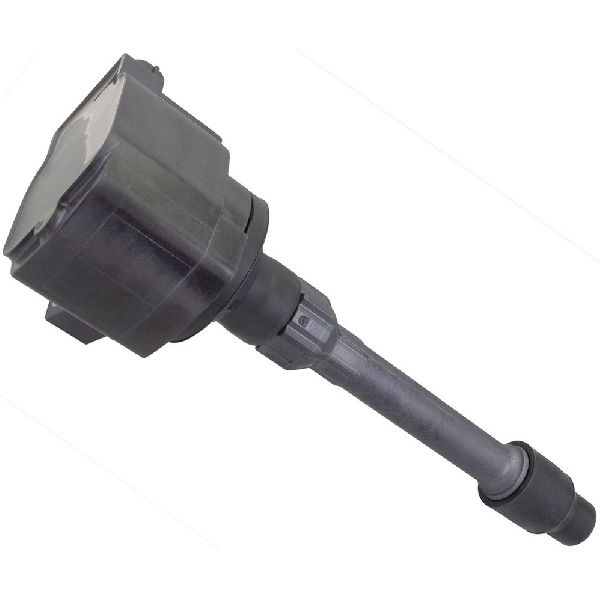
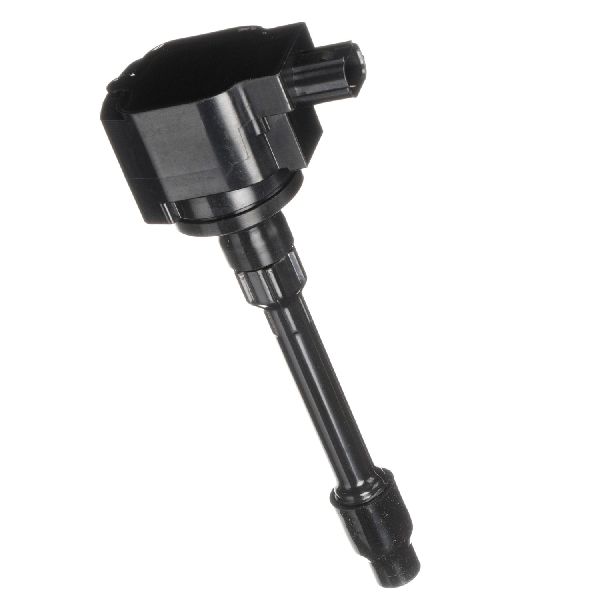
- Faulty Ignition Coil on Cylinder 4 🔴 High Probability → Shop Ignition Coil Ignition coils are common failure points on modern engines due to constant exposure to heat and vibration. It is the most frequent cause of a P035x code.
How to confirm: Swap the ignition coil from cylinder 4 with another cylinder (e.g., cylinder 3). Clear the codes. If the code returns as P0353, the coil is bad. On Honda's inline-four engines, Cylinder 4 is the furthest to the driver's side (left side of the vehicle).
Typical fix: Replace the faulty ignition coil. It is held on by a single 10mm bolt and is easily accessible after removing the plastic engine cover.
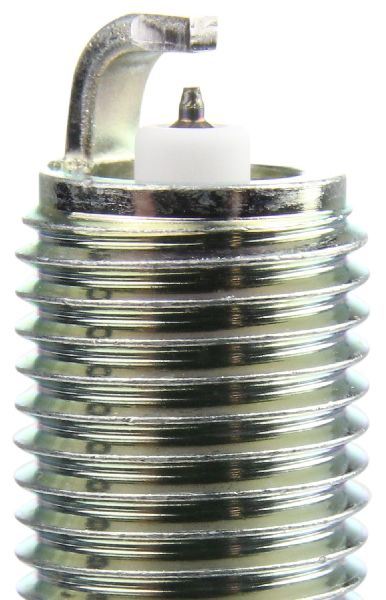
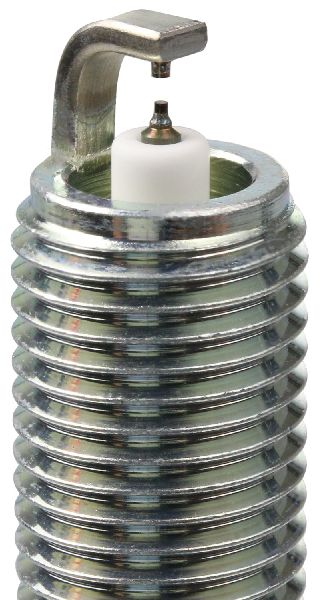
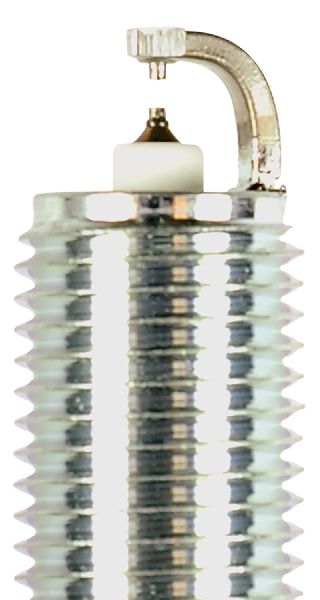
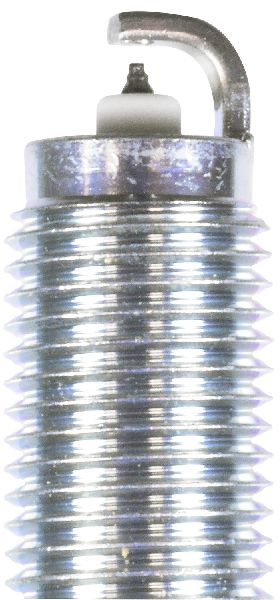
Est. part cost: $50 - $90 for one OEM-quality coil. - Worn or Fouled Spark Plug in Cylinder 4 🟡 Medium Probability → Shop Spark Plug A worn-out spark plug requires more voltage to fire, which can overwork the ignition coil and contribute to a circuit fault. On 1.5L Turbo models, spark plugs can foul prematurely due to the documented fuel dilution issue, especially on 2016-2018 models in colder climates.
How to confirm: After removing the ignition coil, remove the spark plug from cylinder 4 and inspect it. Look for heavy carbon buildup, wetness from fuel, or a worn electrode compared to a plug from another cylinder. TSB A19-033 includes images for spark plug inspection.
Typical fix: Replace all four spark plugs as a set. This is a good maintenance practice when replacing a coil, especially if they are near their service interval.
Est. part cost: $60 - $120 for a set of four OEM-spec iridium plugs. - Damaged Wiring or Connector ⚪ Low Probability Rodents can chew on the soy-based wire insulation used in many modern cars. The plastic locking tab on the connector can also become brittle from heat cycles and break, leading to a poor connection.
How to confirm: Visually inspect the wiring harness and the connector going to the cylinder 4 ignition coil. Look for any signs of fraying, chewing, or corrosion on the pins. Wiggle the connector with the engine running to see if it causes the misfire to change. A multimeter can be used to check for continuity and voltage at the connector.
Typical fix: Repair the damaged section of wire or replace the connector pigtail.
Est. part cost: $15 - $40 for a new pigtail connector.
Rare But Worth Checking
- Powertrain Control Module (PCM) Fault: → Shop Engine Control Module (ECM) This is very rare. A faulty PCM driver for the coil circuit can cause this code. This should only be considered after definitively ruling out the coil, spark plug, and wiring.
Diagnosis Steps
- Read the fault codes with an OBD-II scanner to confirm P0354 and check for any other codes like P0304.
- Locate cylinder 4. On the Civic's inline four-cylinder engine, the cylinders are numbered 1-2-3-4, starting from the passenger side (pulley side). Cylinder 4 is on the driver's side.
- Swap the ignition coil from cylinder 4 with the coil from cylinder 3.
- Clear the codes using the scanner.
- Start the engine and let it run for a minute, or drive it briefly until the Check Engine Light reappears.
- Re-scan for codes. If the code is now P0353, the ignition coil you moved is faulty and needs to be replaced. This is the most common outcome.
- If the code P0354 returns, the coil is likely good. The problem lies downstream. Proceed to inspect the wiring and connector for cylinder 4.
- If the wiring looks good, remove and inspect the spark plug in cylinder 4 for wear or fouling. If it's in poor condition, replace all four plugs as a set.
- If the wiring and spark plug are good, the issue may be a rare PCM fault, which requires professional diagnosis with advanced tools.
Parts You'll Likely Need
- Ignition Coil (Cylinder 4)
(OEM #30520-5R0-013 (for 2.0L K20C2 engine), 30520-59B-023 (for 1.5T L15B7 engine, supersedes 30520-59B-013))— This is the most common failure point for a P0354 code.
Trusted brands: Honda (OEM), NGK, Denso, Hitachi
OEM price range: $70 - $105
Aftermarket price range: $45 - $80 - Spark Plugs (Set of 4)
(OEM #12290-59B-003 (for 1.5T, NGK ILZKAR8H8S), 9807B-561BW (for 2.0L, NGK SILZKR7C11S))— It is good practice to replace spark plugs if they are near the end of their service life or show signs of fouling, which can contribute to coil failure.
Trusted brands: NGK, Denso
OEM price range: $80 - $120
Aftermarket price range: $60 - $90
Related Codes That Often Appear With This One
- P0304 — P0304 means 'Cylinder 4 Misfire Detected'. Since P0354 indicates a fault in the component that creates the spark for cylinder 4, a misfire is the direct result and it is very common to see both codes together. 🎬 Watch: How to troubleshoot a cylinder misfire
- P0172 — P0172 means 'System Too Rich'. On 1.5L Turbo models, this can be seen alongside misfire codes due to the fuel dilution issue addressed in TSB A19-033.
Technical Service Bulletins (TSBs) & Recalls
- A19-033 (Version 5, Jan 11, 2023): Addresses drivability issues (misfires P0300-P0304, rich code P0172) and engine noise on 2016-18 Civic 1.5L engines. The fix involves a software update, potential A/C control unit replacement, and spark plug inspection/replacement. It also extended the powertrain warranty for certain components to 6 years/unlimited miles.
- 19-091 (Referenced as 1909): Warranty extension for A/C condenser leaks to 10 years/unlimited miles for 2016-2018 Civics. Not directly related to P0354, but a major known issue for the platform.
Platform-Specific Known Issues
- Owner Experience: Coil Failure on a 2017 Civic 1.5T: A user on a Honda forum described their car suddenly starting to misfire. After getting a P0354 code, they swapped the coil from cylinder 4 to cylinder 3. The code changed to P0353, confirming a bad coil. They replaced the single coil and the problem was resolved. This is a classic example of the DIY swap diagnostic method working perfectly.
- Connector Clip Breakage: An owner on Reddit reported that while replacing coils, the plastic locking tab on the electrical connector for cylinder 4 broke off due to becoming brittle from engine heat. This can cause a loose connection, which can mimic a coil failure. The fix is to replace the connector pigtail, which requires cutting and splicing wires.
Mechanic-Grade Diagnostic Values
- Ignition Coil Primary Winding Resistance (2.0L Engine) — expected: 0.3 - 1.5 Ohms. Failure: A reading of infinity (OL) indicates an open circuit, while a reading of zero indicates a short. Any reading outside the specified range suggests a faulty coil.
- Ignition Coil Secondary Winding Resistance (2.0L Engine) — expected: 5,000 - 15,000 Ohms (5 - 15 kΩ). Failure: A reading of infinity (OL) indicates an open circuit. Readings significantly outside this range point to an internal failure of the coil.
- Ignition Coil Connector - Power Pin Voltage — expected: Approximately 12V with Key On, Engine Off (KOEO). Failure: No voltage or significantly low voltage indicates a problem with the power supply circuit, potentially a fuse or wiring issue upstream.
- Ignition Coil Connector - Ground Pin — expected: Near 0 Ohms of resistance to chassis ground.. Failure: High resistance or an open circuit (OL) indicates a bad ground connection, which is critical for coil operation.
- Ignition Coil Connector - PCM Signal Pulse — expected: A flashing signal on an LED test light or a square wave pattern on an oscilloscope when the engine is cranking.. Failure: No signal or a constant signal indicates a problem with the wiring back to the PCM or a faulty PCM driver.
Scan Tool Commands That Help
- Honda HDS / Professional Scan Tool: Ignition Coil Driver Test or Actuator Test — Use this function after verifying the coil and wiring are good. It commands the PCM to cycle the driver for the cylinder 4 coil, allowing you to monitor the voltage response on the signal wire. A failure to produce a voltage pulse during this test strongly indicates a faulty PCM.
Wiring & Ground Locations
- G101 — Typically located on or near the thermostat housing on the cylinder head. It may also be found on the driver's side of the intake manifold. It is a collection of ground wires bolted directly to the engine.. This is a primary power and logic ground for the PCM and multiple engine sensors, including the ignition system. A loose or corroded G101 connection can cause a weak or intermittent ground for the ignition coils, leading to a circuit fault code like P0354.
- Ignition Coil Connector (Cylinder 4) — Plugged into the top of the ignition coil on the cylinder closest to the driver's side.. This 3-pin connector provides power, ground, and the trigger signal from the PCM to the coil. Damage to the connector, pins, or locking tab can cause a poor connection and trigger P0354.
Real Owner Repair Stories
- AliExpress Reviewer 'User_882' (2017 Honda Civic EX) — Rough idling and a 20% drop in fuel economy.
✅ What actually fixed it The owner replaced the ignition coils with a new set (part number 3052059B013). The idle stabilized and the check engine light went out within 15 minutes of installation, resolving the issue.
OEM Part Supersession History
30520-59B-013→30520-59B-023— The exact reason for the supersession is not officially documented, but it typically indicates an improvement in design, materials, or manufacturing process to increase reliability.30520-5R0-003→30520-5R0-013— Represents a revision to the part for the 2.0L engine, likely for improved durability or performance.
Model Year Variations Within This Range
- 2016-2018 (1.5L Turbo): These model years are specifically covered by TSB A19-033 for fuel dilution issues, which can lead to spark plug fouling and subsequently stress the ignition coils. Later models (2019-2021) received factory software and hardware updates to mitigate this problem.
Diagnostic Flowchart
Other Known Issues on This Vehicle
Issues unrelated to this code that are worth knowing about as an owner of this generation:
- A/C Condenser Failure 🔴 High — Very common across 2016-2018 models, leading to a warranty extension. The condenser was not manufactured to spec, causing refrigerant leaks. (Ref: Honda Service Bulletin 19-091 extended the warranty to 10 years/unlimited miles for the condenser.)
- Fuel/Oil Dilution (1.5L Turbo) 🟠 Medium — Common on 2016-2018 1.5T models, especially in cold climates with short-trip driving patterns. Unburned fuel mixes with engine oil. (Ref: Honda TSB A19-033 provided software updates and a warranty extension to address drivability complaints like misfires.)
- Sticky Steering (EPS) 🟠 Medium — Some owners of 10th gen Civics reported a 'sticky' or notchy feeling in the electronic power steering at highway speeds. This issue became more widely known and investigated by NHTSA for the 11th generation. (Ref: TSB 23-037 was issued for the 11th gen (2022-2023) Civic, but the underlying mechanism may be similar for 10th gen complaints.)
- Infotainment System Glitches 🟡 Low — Primarily affects 2016-2018 models. Symptoms include freezing, lagging, and issues with Apple CarPlay/Bluetooth connectivity. (Ref: Software updates from the dealer often resolve these issues.)
Used vs. New Parts: Buying Guide for This Vehicle
When a used part is the smart pick: A used ignition coil from a reputable salvage yard can be a cost-effective option, as it's a simple plug-and-play component that is easy to access and test. It's a good choice if you're on a tight budget and can verify the donor vehicle's history.
Donor-vehicle mileage cap: roughly under 60000 miles for the part to have meaningful remaining life.
What to inspect on the donor part:
- Check for cracks, melting, or swelling on the plastic coil housing and rubber boot.
- Inspect the electrical connector for corrosion, bent pins, or a broken locking tab.
- Ask for the donor vehicle's mileage; lower is always better.
- Avoid coils that are covered in oil, which could indicate a long-term valve cover gasket leak.
OEM-only on this vehicle (don't cheap out):
- None for this specific repair. Aftermarket options are plentiful and often high quality.
Aftermarket brands forum-validated for this vehicle:
- NGK
- Denso
- Hitachi (often the OEM supplier)
Brands owners have reported issues with on this vehicle:
- Unbranded, 'no-name' ignition coils from online marketplaces are known for high failure rates and may not perform to OEM specifications, potentially causing persistent misfires or other issues.
Real Owner Stories
Aggregated from forums and TSBs cited above. Mileages and costs reflect what owners reported in those sources.
2017 Honda Civic 1.5T
Symptoms: The car suddenly started to misfire and threw a P0354 code.
What fixed it: The owner swapped the coil from cylinder 4 to cylinder 3, which moved the code to P0353. Replacing the single faulty ignition coil resolved the problem.
Source hint: vehicle_specific_issues: Owner Experience: Coil Failure on a 2017 Civic 1.5T
2018 Honda Civic Si
Symptoms: Owner experienced P0354 and P0304 codes simultaneously.
What fixed it: Confirmed a bad coil pack via a swap test and replaced the faulty unit.
Source hint: CivicX Forum: P0304 & P0354 Misfire and Ignition Coil 'D' Circuit Malfunction
2016-2021 Honda Civic
Symptoms: Loose connection mimicking a coil failure after the plastic locking tab on the electrical connector for cylinder 4 broke off.
What fixed it: Replacing the connector pigtail, which required cutting and splicing wires.
Source hint: vehicle_specific_issues: Connector Clip Breakage
Related OBD-II Codes
Frequently Asked Questions
Where is cylinder 4 located on my Honda Civic's engine?
Does TSB A19-033 apply to my 2017 Civic 1.5L Turbo regarding this code?
Can the fuel dilution issue on my 1.5T engine cause a P0354 code?
I broke the plastic clip on the coil connector while checking the plug. Is this common?
What size tool do I need to remove the ignition coil on my Civic?
Should I replace all my spark plugs if only the cylinder 4 coil failed?
Helpful Videos

We Have This Part in Stock

The information in this article is provided for general reference and educational purposes only. Vehicle specifications, procedures, and part compatibility can vary by production date, trim level, and region. Always consult your vehicle's factory service manual and verify part numbers before purchasing or performing repairs. Safety-critical components such as airbags, seat belts, and braking systems should be installed by a qualified professional.
- Honda Civic:
- 🧭 Diagnostic Flowchart
- 🎬 Helpful Videos
- 🛍️ Shop This Part
- What's Unique About the 2016-2021 Honda Civic
- Symptoms You May Notice
- Most Likely Causes
- Rare But Worth Checking
- Diagnosis Steps
- Parts You'll Likely Need
- Related Codes That Often Appear With This One
- Technical Service Bulletins (TSBs) & Recalls
- Platform-Specific Known Issues
- Mechanic-Grade Diagnostic Values
- Scan Tool Commands That Help
- Wiring & Ground Locations
- Real Owner Repair Stories
- OEM Part Supersession History
- Model Year Variations Within This Range
- Other Known Issues on This Vehicle
- Used vs. New Parts: Buying Guide for This Vehicle
- Real Owner Stories
- 2017 Honda Civic 1.5T
- 2018 Honda Civic Si
- 2016-2021 Honda Civic
- Related OBD-II Codes
- Frequently Asked Questions
- 🎟️ Get 5% Off