

Jaguar XK8 P0354 (1997-2006): Ignition Coil 'D' Circuit Failure Causes and Fixes
P0354 on a Jaguar XK8 indicates a fault with the ignition coil circuit for cylinder #4. This cylinder is located on the LEFT (US driver's side) bank, second from the front. The most common cause is a failed ignition coil, which is a simple DIY replacement. Expect to pay $30-$70 for an aftermarket coil or $90+ for an OEM part.
- P0354 points to an electrical fault in the ignition coil circuit for the cylinder located on the right (passenger) side, second from the front.
- The most likely cause is a bad ignition coil, which is an easy and inexpensive DIY fix.
- The most effective diagnostic test is to swap the suspect coil with a neighboring one and see if the fault code follows the coil.
- Check for oil in the spark plug well. If oil is present, the valve cover gasket is leaking and must be replaced to prevent future coil failures.
- Ensure you buy the correct coil, as the part is different for 1997-2002 (4.0L) and 2003-2006 (4.2L) models.
What's Unique About the 1997-2006 Jaguar XK8
The Jaguar XK8 (X100) used two different V8 engines, a 4.0L (1997-2002) and a 4.2L (2003-2006). While internal firing orders differ, the OBD-II standard's designation for cylinder 'D' is cylinder #4. On the Jaguar AJ-V8, cylinder numbering is sequential, with odd numbers on the right (A) bank and even numbers on the left (B) bank, as viewed from the driver's seat. Therefore, P0354 points to cylinder #4, which is physically located on the LEFT (US Driver's Side) bank, second from the front. This contradicts common V8 numbering schemes and is a frequent point of confusion, as documented in forum posts where owners initially diagnose the wrong cylinder.
Generation note: This guide covers the full 1997-2006 (X100) generation of the Jaguar XK8. This period includes a significant engine update in 2003 from a 4.0L V8 (AJ26/AJ27) to a 4.2L V8 (AJ33/AJ34). The ignition coils and part numbers are different between these two engines.
Symptoms You May Notice
- Check Engine Light on
- "Restricted Performance" message displayed
- Engine running rough or vibrating (misfire)
- Hesitation or stumbling during acceleration
- Noticeable loss of engine power
- Rough idle
- Reduced fuel economy
- Replacing only the spark plug without testing the ignition coil.
- Assuming the code means cylinder #4 on the right bank. On the AJ-V8, it is on the LEFT (driver's) side.
Most Likely Causes
- Failed Ignition Coil 🔴 High Probability → Shop Ignition Coil Ignition coils are a common wear item. Oil leaks from the valve cover gaskets are a frequent issue on these V8 engines, and the leaking oil can pool in the spark plug wells, contaminating and destroying the ignition coils. Age and heat cycles also contribute to internal failure.
How to confirm: Swap the ignition coil from the affected cylinder (left side, second from front) with an easily accessible coil (e.g., the front-most one on the same side, cylinder #2). Clear the codes and run the engine. If the code changes to P0352, the coil is confirmed to be faulty.
Typical fix: Replace the faulty ignition coil. It is often recommended to replace the spark plug at the same time. If oil contamination is present, the valve cover gaskets must be replaced to prevent repeat failure.
Est. part cost: $30-$120 per coil - Damaged Wiring or Connector 🟡 Medium Probability The plastic connectors and wiring insulation in the engine bay become brittle over time due to heat cycles, which can lead to cracks, loose connections, or broken wires. The locking tabs on the connectors are notoriously fragile.
How to confirm: After confirming the coil is not the issue, visually inspect the electrical connector and wiring harness leading to the coil. Look for corrosion on the pins, cracked plastic, or frayed wires. Use a multimeter to check for 12V power and a ground signal at the connector with the ignition on.
Typical fix: Repair the damaged section of wiring or replace the pigtail connector. Clean any corrosion from the terminals and apply dielectric grease before reconnecting.
Est. part cost: $10-$30 for a connector pigtail - Worn or Fouled Spark Plug ⚪ Low Probability → Shop Spark Plug While the code points to the coil circuit, a spark plug in very poor condition can increase the electrical load on the coil, potentially contributing to issues or being a symptom of another problem (like oil fouling). It's a maintenance item that is often overlooked.
How to confirm: Remove the spark plug from cylinder #4. Inspect it for heavy carbon fouling, oil contamination, or a worn/damaged electrode.
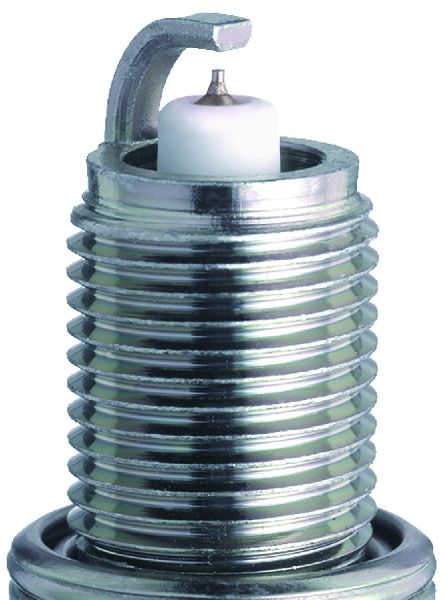
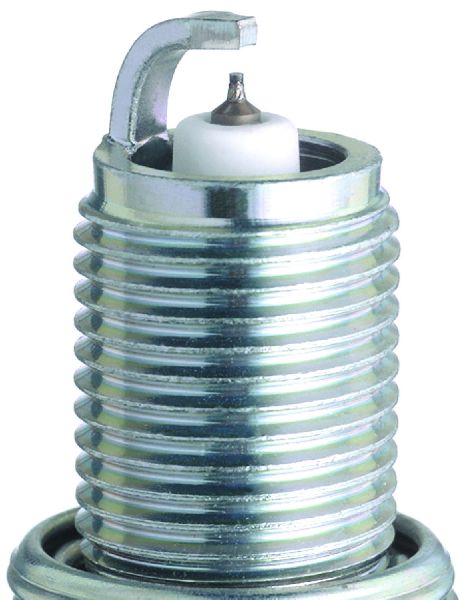
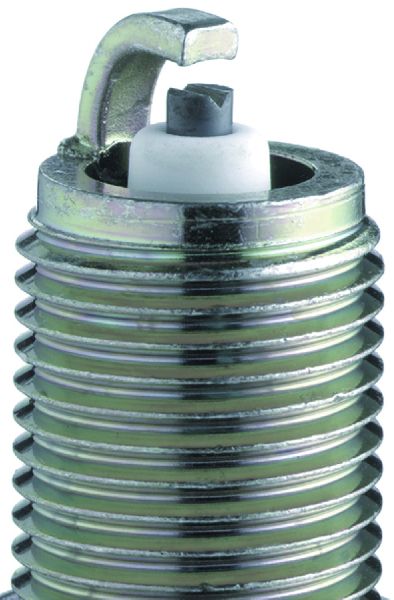
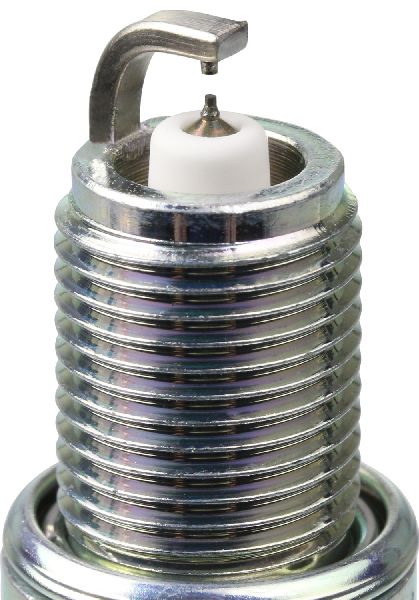
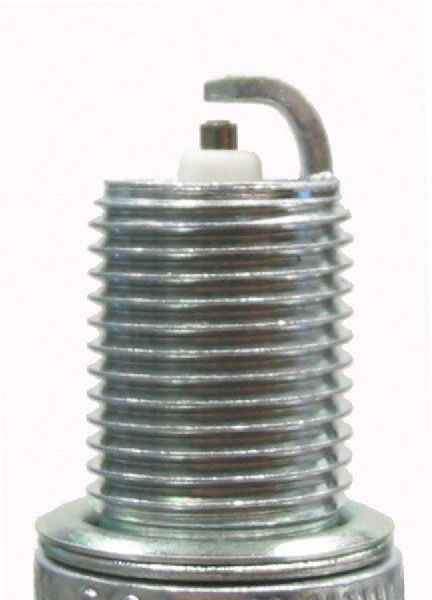
Typical fix: Replace the spark plug. The recommended plug for the 4.0L is NGK PFR5G-11E. If replacing one, it is good practice to replace all eight if their service history is unknown.
Est. part cost: $8-$20 per plug
Rare But Worth Checking
- Failed ECM Ignition Driver: This is very rare. If the coil, spark plug, and wiring have all been confirmed to be good, the fault may lie within the Engine Control Module (ECM) itself. This requires professional diagnosis and repair or replacement of the ECM.
- Incorrect Aftermarket Coils: In one documented case on JaguarForums, a user installed cheap, unbranded aftermarket coils which had incorrect internal resistance. This not only failed to fix the issue but was suspected of potentially damaging the ignition control module. Stick to OEM, Denso, or other reputable brands.
Diagnosis Steps
- Read the code with an OBD-II scanner and confirm P0354 is present, likely with P0304.
- Identify the correct cylinder: LEFT (US Driver's) side of the engine, the second coil from the front (Cylinder B2 or #4).
- Remove the plastic engine cover (typically held by 8mm bolts).
- Swap the ignition coil from the problem cylinder (#4) with the coil from the cylinder directly in front of it (#2).
- Clear the fault codes using the scanner.
- Start the engine and let it run for a minute. Re-scan for codes.
- If the code has moved to P0352, the ignition coil is bad and must be replaced.
- If code P0354 returns, the problem is in the wiring or spark plug for that cylinder.
- Inspect the electrical connector for damage, corrosion, or a broken locking tab. Clean and apply dielectric grease.
- Remove the coil again and inspect the spark plug for wear or fouling. Replace if necessary.
- If the plug is good and the connector is clean, use a multimeter to test the wiring harness for 12V power, ground, and the trigger signal from the ECM.
Parts You'll Likely Need
- Ignition Coil (4.0L Engine, 1997-2002)
(OEM #LNE1510AB)— This is the most common failure part for P0354 on early models. The 4.0L engine uses a specific 4-pin coil.
Trusted brands: Denso (OEM), Lucas, NGK, Genuine Jaguar
OEM price range: $90-$140
Aftermarket price range: $30-$70 - Ignition Coil (4.2L Engine, 2003-2006)
(OEM #AJ810445)— This is the most common failure part for P0354 on later models. The 4.2L engine uses a different 4-pin coil. Supersedes AJ83415 and AJ87644.
Trusted brands: Denso (OEM), Delphi, Beru, Genuine Jaguar
OEM price range: $90-$120
Aftermarket price range: $35-$75 - Spark Plug
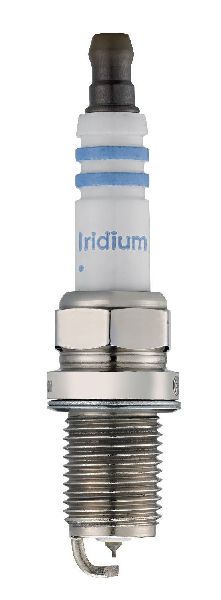
(OEM #C2A1535 (NGK PFR5G-11E))— It is best practice to replace the spark plug when replacing a coil, especially if the service history is unknown or if the old plug is fouled by oil or carbon.
Trusted brands: NGK, Bosch
OEM price range: $15-$25
Aftermarket price range: $8-$15
Related Codes That Often Appear With This One
- P0304 — Cylinder 4 Misfire Detected. This is a performance code that will almost always accompany the P0354 electrical circuit code, as the circuit fault directly causes the misfire.
- P0300 — Random/Multiple Misfire Detected. This can appear if the single-cylinder misfire is severe enough to affect overall engine stability.
- P1313 / P1316 — These are Jaguar-specific codes indicating misfires of a severity that could damage the catalytic converters. They often appear with P035x and P030x codes as an added warning.
Platform-Specific Known Issues
- Leaking valve cover gaskets are a very common problem on the Jaguar AJ-V8 engine. This leak allows oil to fill the spark plug wells, which saturates and destroys the ignition coils. If oil is found on the coil boot upon removal, the valve cover gaskets must be replaced to provide a long-term fix. This is the root cause of many repeat coil failures.
Mechanic-Grade Diagnostic Values
- Ignition Coil Primary Resistance — expected: 0.4 to 2.0 ohms. Failure: A reading of 0 ohms indicates a short, while an infinite (OL) reading indicates an open circuit. Note: Due to internal electronics, these readings can be misleading; swapping coils is a more definitive test.
- Ignition Coil Secondary Resistance — expected: 6,000 to 15,000 ohms (6kΩ - 15kΩ). Failure: A reading outside this range suggests a faulty coil. However, forum veterans caution that testing resistance on these 4-pin coils is often unreliable due to internal electronics.
- Ignition Coil Connector - Power Supply Pin — expected: 12V+ (Battery Voltage) with Key On, Engine Off (KOEO). Failure: 0V indicates a break in the power supply wire or a blown fuse.
- Ignition Coil Connector - Ground Pin — expected: < 1.0 ohm of resistance to chassis ground. Failure: High resistance indicates a corroded or broken ground connection.
- Ignition Coil Connector - Trigger/Signal Pin — expected: Pulsing voltage signal when engine is running (requires oscilloscope to view properly).. Failure: A flat line or no signal indicates a wiring problem or a failed ECM driver.
Scan Tool Commands That Help
- Jaguar IDS (Integrated Diagnostic System): Datalogger — For vehicles pre-2005, the dealer-level IDS software can be used to monitor live data from the ignition system, including individual cylinder misfire counts and switch statuses, which is more detailed than a standard OBD-II scanner.
- Jaguar IDS (Integrated Diagnostic System): Pinpoint Tests — IDS contains guided diagnostic routines ('pinpoint tests') that can walk a technician through a logical sequence to diagnose a circuit fault like P0354, though some wiring diagrams within these tests may use historical, non-standard cylinder numbering.
Wiring & Ground Locations
- Ignition Coil Connector (4-pin) — Connects directly to the top of each ignition coil under the plastic engine covers.. This connector provides power, ground, and the trigger signal from the ECM. The plastic can become brittle and the locking tabs often break, leading to poor connections that can cause a P0354 code.
- Ignition System Ground — The primary ground for the ignition coil circuit is provided through the wiring harness back to the ECM, which is then grounded to the chassis. There are also main engine-to-chassis ground straps that are critical for overall engine electronics.. A poor ground connection at any point can cause erratic behavior and trigger circuit fault codes. While a specific single ground point for all coils is not typical (they are individually controlled), chassis grounds are crucial.
Real Owner Repair Stories
- JaguarForums.com user (2003 Jaguar XKR) — Minor engine stumbling, followed by dense white smoke from the exhaust after a valve cover gasket replacement.
❌ Tried (didn't work) The user had just replaced the valve cover gaskets to fix a leak.
✅ What actually fixed it The user damaged the rubber boot on the ignition coil for the cylinder near the strut tower during reinstallation. The damaged boot was causing a misfire. The fix was to replace the damaged ignition coil.
Model Year Variations Within This Range
- 1997-2002: These models use the 4.0L V8. The engine has two separate plastic covers on the valve covers, often stamped with 'Jaguar 4.0'. They use ignition coil part number LNE1510AB.
- 2003-2006: These models use the updated 4.2L V8. The engine has a single, large plastic cover that sits on top of the intake manifold. They use a different ignition coil, part number AJ810445. The 4.2L engine also features a more reliable 6-speed ZF transmission compared to the 5-speed Mercedes-Benz unit in the 4.0L cars.
Diagnostic Flowchart
Other Known Issues on This Vehicle
Issues unrelated to this code that are worth knowing about as an owner of this generation:
- Premature Timing Chain Tensioner Failure (4.0L) 🔴 High — Extremely common on all 4.0L V8s (AJ26/AJ27) before the 2002 model year. Failure can occur with no warning, typically between 60,000-100,000 miles. (Ref: No recall, but multiple TSBs were issued. The fix involves replacing the original plastic-bodied tensioners with the third-generation metal-bodied design. It is considered an essential preventative maintenance item.)
- Convertible Top Hydraulic Hose Failure ('Green Shower') 🟠 Medium — A very common issue on all X100 convertible models. The original hydraulic hoses degrade over time, eventually bursting and leaking green hydraulic fluid (Pentosin CHF-11S) into the cabin, typically from the overhead console area.
- ZF 5HP24 Transmission 'A' Drum Failure 🔴 High — Common on 4.0L naturally aspirated models equipped with the ZF 5HP24 transmission. Wear in the valve body's pressure regulator bore causes pressure spikes that fracture the forward clutch ('A') drum, resulting in a loss of all forward gears. (Ref: ATRA Technical Bulletin #1431 describes the failure. Aftermarket solutions like Sonnax kits exist to repair the worn valve body.)
- Nikasil-Lined Cylinder Bore Wear (Early 4.0L) 🔴 High — Affects early AJ26 engines (approx. 1997-1999). High-sulfur fuels (less common today) could cause the Nikasil lining to degrade, leading to low compression and engine failure. Most affected engines have likely failed and been replaced by now. (Ref: Jaguar issued TSBs and replaced many engines under warranty. Considered a historical issue with low risk for surviving cars today.)
- Floor Pan and Sill Rust 🟠 Medium — Corrosion is a known issue, particularly in the front floor pans (underneath assembly plates) and the rear sections of the sills near the wheel arches. Regular underbody inspection is recommended, especially for cars in wet or winter climates.
Used vs. New Parts: Buying Guide for This Vehicle
When a used part is the smart pick: A used OEM ignition coil from a low-mileage donor car can be a cost-effective alternative to a new aftermarket part, especially if you can verify it is a genuine Denso-branded part. Given the high failure rate of cheap, unbranded aftermarket coils, a used OEM part is often a safer bet.
Donor-vehicle mileage cap: roughly under 70000 miles for the part to have meaningful remaining life.
What to inspect on the donor part:
- Check for a genuine 'DENSO' or 'Jaguar' logo on the coil body.
- Inspect the plastic housing for any cracks, melting, or signs of heat stress.
- Ensure the rubber boot is supple, not dry-rotted, and free of tears or oil contamination.
- Verify the electrical connector pins are clean, straight, and free of corrosion.
OEM-only on this vehicle (don't cheap out):
- Engine Control Module (ECM)
Aftermarket brands forum-validated for this vehicle:
- Denso (Original Equipment Manufacturer)
- NGK
- Lucas
Brands owners have reported issues with on this vehicle:
- Unbranded 'no-name' coil sets from online marketplaces like Amazon or eBay.
- Store brands like 'Duralast' have been reported by forum members to have high failure rates on these vehicles.
Real Owner Stories
Aggregated from forums and TSBs cited above. Mileages and costs reflect what owners reported in those sources.
2000 Jaguar XK8 4.0L
Symptoms: Owner had a P0354 code and was confused about the physical location of the cylinder, initially misidentifying it.
What fixed it: The problem was resolved after the owner received clarification that cylinder #4 was on the left bank, second from the front, allowing them to service the correct component.
Source hint: JaguarForums.com thread titled 'P0354' (2011)
2002 Jaguar XK8 4.0L
Symptoms: Owner received code P0354 and was trying to locate 'coil D' to perform a repair.
What fixed it: The owner was provided with the correct cylinder numbering chart confirming 'coil D' is cylinder #4 and was advised to use the coil swap diagnostic method to confirm the failure before replacing parts.
Source hint: JaguarForums.com thread titled 'coil D' (2017)
2004 Jaguar XK8 4.2L
Symptoms: Owner was attempting to fix a P0354 code by replacing ignition coils.
What fixed it: The owner reported that installing cheap aftermarket ignition coils did not fix the issue and instead created new, different ignition problems, demonstrating the risk of using low-quality parts.
Source hint: JaguarForums.com thread titled 'Ignition problems with coils' (2022)
Related OBD-II Codes
Frequently Asked Questions
Where exactly is cylinder #4 on my Jaguar XK8's V8 engine?
I pulled the ignition coil for cylinder #4 and found oil in the spark plug well. Is this the cause of my P0354 code?
I followed the diagnostic steps and swapped the coil from cylinder #4 with the one from cylinder #2. Now my scanner shows code P0352. What does this mean?
Can I use a cheap aftermarket ignition coil from an online marketplace to fix my P0354 code?
What is the recommended spark plug for my 4.0L XK8 when I replace the coil?
I replaced the ignition coil for cylinder #4, but the P0354 code came back. What should I check next?
Does this P0354 ignition coil issue also happen on the Jaguar XJ8 or S-Type?
We Have This Part in Stock

The information in this article is provided for general reference and educational purposes only. Vehicle specifications, procedures, and part compatibility can vary by production date, trim level, and region. Always consult your vehicle's factory service manual and verify part numbers before purchasing or performing repairs. Safety-critical components such as airbags, seat belts, and braking systems should be installed by a qualified professional.
- Jaguar XK8:
- 🧭 Diagnostic Flowchart
- 🛍️ Shop This Part
- What's Unique About the 1997-2006 Jaguar XK8
- Symptoms You May Notice
- Most Likely Causes
- Rare But Worth Checking
- Diagnosis Steps
- Parts You'll Likely Need
- Related Codes That Often Appear With This One
- Platform-Specific Known Issues
- Mechanic-Grade Diagnostic Values
- Scan Tool Commands That Help
- Wiring & Ground Locations
- Real Owner Repair Stories
- Model Year Variations Within This Range
- Other Known Issues on This Vehicle
- Used vs. New Parts: Buying Guide for This Vehicle
- Real Owner Stories
- 2000 Jaguar XK8 4.0L
- 2002 Jaguar XK8 4.0L
- 2004 Jaguar XK8 4.2L
- Related OBD-II Codes
- Frequently Asked Questions
- 🎟️ Get 5% Off