

P0354 on 2002-2007 Jeep Liberty: Ignition Coil 'D' Circuit Causes and Fixes
P0354 on a Jeep Liberty 3.7L V6 indicates a fault with the ignition coil on cylinder #4. The most common fix is replacing the ignition coil, a simple DIY task costing $30-$75. However, if a new coil doesn't solve it, the cause could be a known issue with a failed ignition coil driver inside the engine computer (PCM), requiring PCM repair or replacement.
- P0354 on a 2002-2007 Liberty almost always points to a problem with the ignition system for cylinder #4.
- Cylinder #4 is the middle cylinder on the passenger side of the 3.7L V6 engine.
- Always start your diagnosis by swapping the #4 ignition coil with another one to see if the trouble code follows the coil. This simple test can save you from buying unnecessary parts.
- If a new coil and spark plug do not fix the code, the problem is very likely the wiring or a failed coil driver in the engine computer (PCM), which is a known issue for this vehicle.
What's Unique About the 2002-2007 Jeep Liberty
While P0354 is a generic code, the 2002-2007 Jeep Liberty with the 3.7L V6 has a notable, well-documented weakness. After the more common ignition coil failure is ruled out, the root cause is often a failed ignition coil driver within the Powertrain Control Module (PCM). This is a specific transistor inside the PCM that controls the ground signal to the coil. Overheating or internal board damage can cause this driver to fail. Owners frequently report replacing the coil and spark plug only to find the P0354 code persists, ultimately tracing the fault to the PCM, which requires repair or replacement.
Symptoms You May Notice
- Check Engine Light is on or flashing
- Engine running rough or shaking, especially at idle
- Noticeable loss of power and hesitation during acceleration
- Engine misfire, which may feel like a shudder, stumble, or audible popping
- Engine may be hard to start
- Replacing only the spark plug without testing the ignition coil.
- Replacing the PCM before thoroughly testing the ignition coil and its wiring circuit. The coil swap test is essential to rule out the most common cause first.
- Replacing all six coils and plugs when only one has failed, without diagnosing the root cause. If the code remains on cylinder #4 after this, it points strongly to wiring or the PCM.
Most Likely Causes
- Failed Ignition Coil on Cylinder #4 🔴 High Probability → Shop Ignition Coil Ignition coils are a common wear-and-tear item that fail over time due to constant heat cycles and engine vibration. They are responsible for converting low battery voltage into the high voltage needed for spark.
How to confirm: Swap the ignition coil from cylinder #4 with another cylinder (e.g., cylinder #2). Clear the codes and drive. If the code changes to P0352, the coil is faulty. This is the most definitive and cost-effective first diagnostic step. 🎬 Watch: How to test your ignition coil with a multimeter
Typical fix: Replace the faulty ignition coil. It is also highly recommended to replace the spark plug at the same time, as a worn plug can strain the new coil.
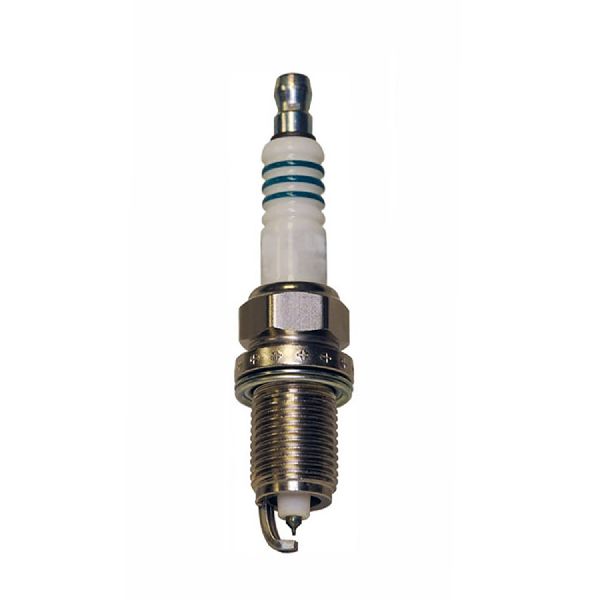
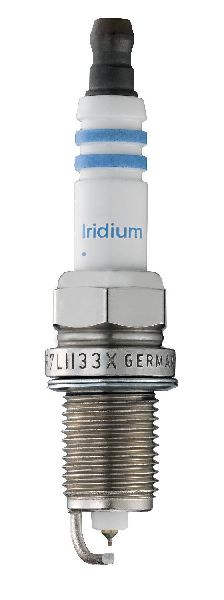
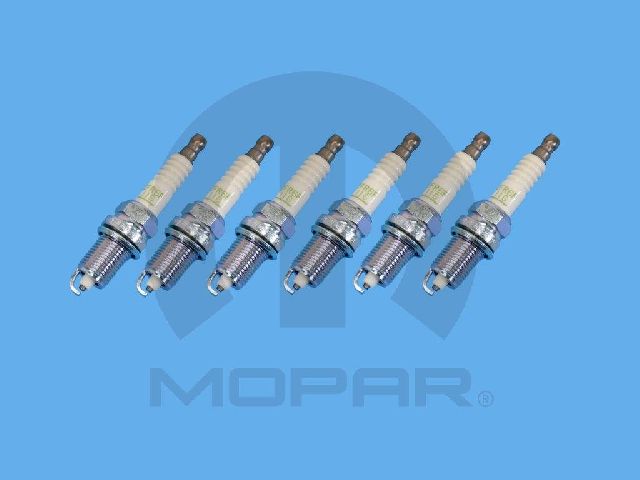
Est. part cost: $30-$75 - Worn or Fouled Spark Plug 🟡 Medium Probability → Shop Spark Plug Spark plugs have a finite service life. An old plug with a wide gap or carbon fouling can strain the ignition coil, causing it to overheat and fail. The recommended OEM plug is a copper core type, which has a shorter service interval than platinum or iridium plugs.
How to confirm: Remove the spark plug from cylinder #4. Inspect for wear (rounded electrode), oil or carbon fouling, or damage to the ceramic insulator. The correct gap for the OEM Champion RE14MCC4 plug is 0.050 inches.
Typical fix: Replace the spark plug. It's best practice to replace all six spark plugs if they are near the end of their service interval (typically every 30,000 miles for copper plugs).
Est. part cost: $5-$15 - Damaged Wiring or Connector ⚪ Low Probability Engine bay heat and vibration can make plastic connectors brittle and wires fragile over time. A recall was issued for some 3.7L engines where valve cover studs could interfere with and chafe the wiring harness, potentially causing a short.
How to confirm: Visually inspect the wiring harness and two-wire connector going to the cylinder #4 ignition coil. Look for broken clips, corroded pins, or frayed/chafed wires. Wiggle the connector with the engine running to see if it affects the misfire.
Typical fix: Repair the damaged section of wire or replace the pigtail connector.
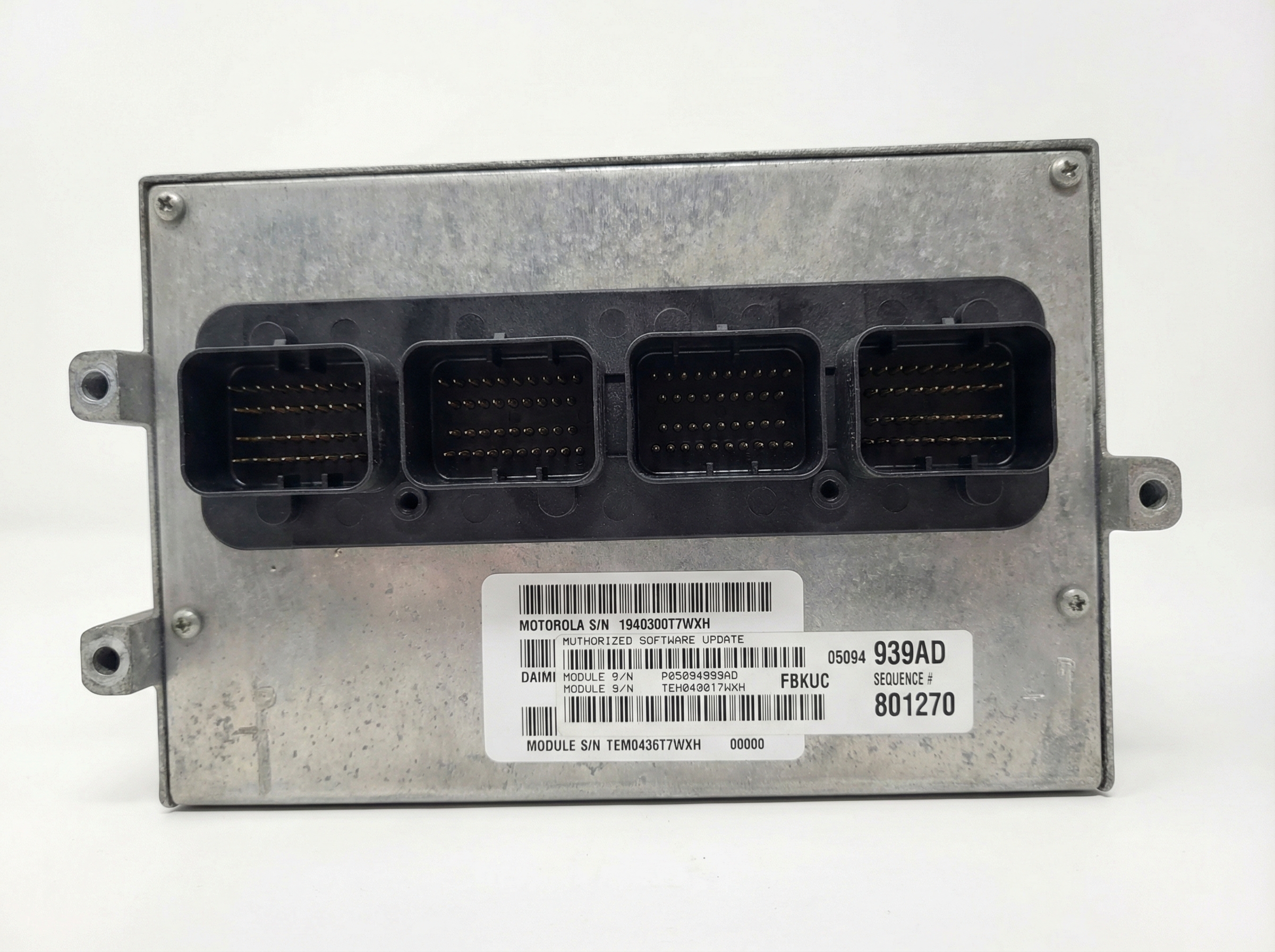
Est. part cost: $10-$25 - Failed Powertrain Control Module (PCM) ⚪ Low Probability → Shop Engine Control Module (ECM) This specific platform is known to have issues with the internal drivers that control the ignition coils burning out. This is a well-documented failure mode discussed frequently in owner forums for the 3.7L engine.
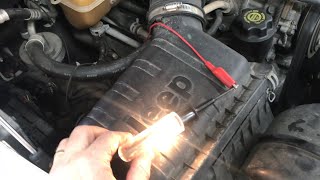
How to confirm: After confirming the coil, plug, and wiring are good, check for a pulsed ground signal at the coil connector. One wire should have constant 12V+ with the key on. The other wire is the control wire from the PCM. Using a noid light or a multimeter set to AC volts, check for a signal on the control wire while the engine is cranking. If the signal is missing or the wire is constantly grounded, the PCM driver has failed.
Typical fix: The PCM must be replaced with a unit programmed to your vehicle's VIN and mileage, or sent to a specialist for repair. Companies like FS1 Inc. or services found on eBay offer pre-programmed replacement or repair services.
Est. part cost: $200-$500
Diagnosis Steps
- Confirm the code with an OBD-II scanner. Note any other codes present, especially P0304.
- Identify cylinder #4. On the 3.7L V6, the cylinders on the passenger's side (right bank) are 2, 4, and 6, from front to back. Cylinder #4 is the middle one on the passenger side.
- Inspect the wiring and connector for the cylinder #4 ignition coil. Look for any obvious damage, corrosion, or loose connections.
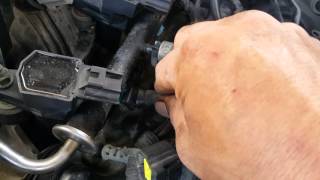
- Perform the 'coil swap test'. Unplug and unbolt the coil from cylinder #4 and the coil from another cylinder (e.g., cylinder #2 on the same bank). Swap their positions, clear the codes, and start the engine. Let it run for a minute or two.
- Re-scan for codes. If the code has moved to P0352 ('Ignition Coil B'), the ignition coil is bad and needs to be replaced.
- If the code remains P0354, the problem is not the coil. The next step is to inspect the spark plug in cylinder #4. Replace it if it looks worn or fouled.
- If the plug and coil are good, the final step is to check the coil's control circuit. Using a noid light or multimeter, check for a pulsed ground signal from the PCM at the coil's electrical connector with the engine cranking. One wire will have 12V+ power with the key on; the other is the signal wire. If there is no pulse on the signal wire, the wiring or the PCM itself is the likely culprit.
Parts You'll Likely Need
- Ignition Coil
(OEM #56028138AF)— This is the most frequent point of failure for a P0354 code. The original part number 56028138AB has been superseded by 56028138AD, 56028138AE, and the latest is 56028138AF.
Trusted brands: Mopar, NGK, Delphi, Denso
OEM price range: $60-$90
Aftermarket price range: $30-$75 - Spark Plug
(OEM #RE14MCC4)— It is best practice to replace the spark plug when replacing a coil, as a worn plug can cause premature coil failure. The OEM recommended plug is a Champion copper plug.
Trusted brands: Champion, NGK
OEM price range: $8-$15
Aftermarket price range: $5-$12 - Powertrain Control Module (PCM) — A known, though less common, failure point on this vehicle that causes a persistent P0354 after the coil and plug have been replaced.
Trusted brands: Mopar (Remanufactured), Cardone, FS1 Inc.
OEM price range: $500+
Aftermarket price range: $200-$450
Related Codes That Often Appear With This One
- P0304 — P0304 means 'Cylinder 4 Misfire Detected'. The P0354 fault in the ignition coil circuit is the direct cause of the misfire, so these codes almost always appear together. 🎬 See a real-world diagnosis of a Jeep Liberty misfire
Platform-Specific Known Issues
- Owner Experience with PCM Failure: A user on the Jeep KJ and KK Liberty Forum with codes P0304 and P0354 confirmed the issue was a failed PCM. After swapping the coil and plug with no change, they tested the wiring at the coil connector. They found constant 12V power on one pin but no pulsing ground signal from the PCM on the other. Replacing the PCM with a pre-programmed unit from eBay resolved the issue completely.
- DIY PCM Driver Chip Replacement: A user on Reddit's r/MechanicAdvice diagnosed a bad PCM as the cause for their persistent P0354. Feeling the unit was already broken, they opened the PCM case and found a visibly burnt ignition coil driver chip on the circuit board. Confident in their electronics skills, they planned to attempt a DIY repair by replacing the specific chip using a hot air rework station.
Mechanic-Grade Diagnostic Values
- Ignition Coil Connector - Power Supply Voltage — expected: 12V+ (Battery Voltage). Failure: No voltage indicates a problem with the ASD relay or wiring.
- Ignition Coil Connector - PCM Ground Signal — expected: Pulsing ground signal when cranking (visible with a noid light or oscilloscope). Failure: No pulse or a constant ground indicates a wiring fault or a failed PCM driver.
Hidden / Shadow Codes Worth Checking
- Mode 6, Test ID $53: This is not a separate code, but a diagnostic data parameter accessible with advanced scan tools. It provides raw misfire count data for each individual cylinder before the count is high enough to trigger a P030x code. (see via An OBD-II scanner that supports Mode 6 data. This allows a technician to see if cylinder #4 is accumulating misfires even if a P0304 is not yet present.)
Scan Tool Commands That Help
- DRB III or equivalent (Witech for later models): Ignition System Diagnostics / Actuator Tests — The dealership-level DRB III scan tool for this era of Chrysler vehicles allows technicians to perform specific actuator tests that are not available on most generic OBD-II scanners. While it may not be able to command a single coil to fire, it provides more in-depth data streams and system tests for the entire ignition circuit, which can help differentiate between a wiring issue and an internal PCM fault.
Wiring & Ground Locations
- Cylinder #4 Ignition Coil Connector — On the passenger side of the engine, the middle ignition coil.. This is the primary point for electrical testing. Pin 1 is the control signal from the PCM (Dark Blue/Red wire on some models), and Pin 2 is the 12V+ power supply from the ASD relay (Red/Orange wire on some models).
- Main Engine Ground — A main ground cable runs from the battery negative terminal to the engine block, located behind the oil filter on the driver's side. Access can be difficult and may require removing the engine mount bolt.. A poor engine ground can cause a wide range of electrical issues, including erratic behavior in the ignition system. While not a direct cause of a single-cylinder code, it can contribute to intermittent electrical problems and should be checked for corrosion and tightness if other diagnostics fail.
Real Owner Repair Stories
- Jeep KJ and KK Liberty Forum, user 'Logan Savage' (2003 Jeep Liberty 3.7L) — Persistent misfire on cylinder #4 with code P0354.
❌ Tried (didn't work) Initial diagnosis pointed to the PCM.
✅ What actually fixed it The root cause was a shorted #4 fuel injector which, in turn, damaged the injector driver inside the PCM. After replacing the faulty injector, the owner had to go through two replacement PCMs (the first was also faulty) before the problem was resolved. This highlights that another component failure can cascade and damage the PCM. - Reddit r/MechanicAdvice, user 'Coffman34' (2003 Jeep Liberty 3.7L V6) — P0354 code.
❌ Tried (didn't work) Replacing the ignition coil on cylinder #4.
✅ What actually fixed it Testing with a multimeter confirmed the coil driver for cylinder #4 inside the PCM was constantly grounded. The user opened the PCM and found a visibly burnt ignition coil driver chip, confirming the PCM had failed internally. The fix required repairing or replacing the PCM. - NHTSA ODI #10249438 — An owner reported that codes P0354 and P0304 indicated a failure in the coil and an engine misfire. Despite replacing the coil and spark plugs, the problem kept returning.
OEM Part Supersession History
56028138AB→56028138AD, 56028138AE, 56028138AF— Standard part revisions by the manufacturer to improve reliability or change suppliers.
Diagnostic Flowchart
Other Known Issues on This Vehicle
Issues unrelated to this code that are worth knowing about as an owner of this generation:
- Power Window Regulator Failure 🔴 High — Extremely common. The plastic clips that hold the window glass to the regulator cable are notoriously brittle and break, causing the window to fall into the door. Often occurs without warning. (Ref: A warranty extension to 7 years was reportedly issued, but is now expired.)
- Front Lower Ball Joint Failure 🔴 High — Very common, affects all model years. Water intrusion can cause corrosion and wear, leading to separation of the ball joint from the steering knuckle and a loss of steering control. (Ref: NHTSA Recall #06V288000 (Chrysler recall F23) was issued for 2002-2006 models to replace both front lower ball joints.)
- Dropped Valve Seats 🔴 High — A known, though not universal, catastrophic failure. The powdered-metal intake valve seats can wear and eventually dislodge from the cylinder head, causing the valve to drop into the cylinder and destroy the engine.
- Fuel Filler Neck / Tank Overflow 🟠 Medium — Common on 2005-2007 models. A malfunctioning check valve in the fuel tank allows fuel to spit back out of the filler neck during refueling, creating a fire hazard. (Ref: NHTSA Recall #13V252000 was issued for the rear-mounted fuel tank's vulnerability in certain rear impacts, but a separate recall for the filler neck issue is less clear.)
- Rear Suspension Lower Control Arm Corrosion 🔴 High — Affects vehicles in salt-belt states. The rear lower control arms can rust excessively, leading to fracture and a loss of vehicle control. (Ref: NHTSA Recall #12V085000 was issued for 2004-2005 models.)
Used vs. New Parts: Buying Guide for This Vehicle
When a used part is the smart pick: A used ignition coil from a reputable salvage yard is a reasonable choice for a quick, low-cost diagnosis or repair. Given the high failure rate of the PCM on this platform, a used, tested PCM from a donor vehicle can be a cost-effective alternative to a new or remanufactured unit, provided the seller guarantees it is functional and offers a return policy.
Donor-vehicle mileage cap: roughly under 120000 miles for the part to have meaningful remaining life.
What to inspect on the donor part:
- For ignition coils, check for cracks in the plastic housing or corrosion on the electrical connector pins.
- For a PCM, inspect the case for any signs of being opened, which might indicate a failed prior repair attempt. Ensure all connector pins are straight and free of corrosion.
- Verify the part number on the used PCM matches your original unit or is listed as a compatible replacement for your specific year and transmission type (manual vs. automatic).
OEM-only on this vehicle (don't cheap out):
- Powertrain Control Module (PCM) - While aftermarket/remanufactured units are common, using a genuine Mopar remanufactured unit or a known-good used OEM unit is often preferred for plug-and-play compatibility. Aftermarket remanufacturers can have inconsistent quality control.
Aftermarket brands forum-validated for this vehicle:
- Ignition Coils: NGK, Denso, Delphi
- PCM Remanufacturers: FS1 Inc., Car Computer Exchange
Brands owners have reported issues with on this vehicle:
- Unbranded, 'white box' ignition coils from online marketplaces often have a high failure rate and may not last as long as reputable brands.
Real Owner Stories
Aggregated from forums and TSBs cited above. Mileages and costs reflect what owners reported in those sources.
Jeep Liberty 3.7L V6
Symptoms: Persistent P0304 and P0354 codes on cylinder #4. Swapping the spark plug and ignition coil did not move the misfire to another cylinder.
What fixed it: Replacement of the PCM with a pre-programmed unit after testing confirmed the pulsed ground signal from the computer was absent.
Source hint: Jeep KJ and KK Liberty Forum - Thread: 'CEL - Cylinder Misfire'
2003 Jeep Liberty 3.7L V6
Symptoms: Persistent P0354 code. Upon opening the PCM case, a visibly burnt ignition coil driver chip was found on the circuit board.
What fixed it: The owner planned a DIY repair by replacing the specific burnt driver chip using a hot air rework station.
Source hint: Reddit r/MechanicAdvice - Thread: '03 Liberty P0354. Bad coil driver, replacement advice.'
Related OBD-II Codes
Frequently Asked Questions
Where is cylinder #4 located on my 2002-2007 Jeep Liberty 3.7L V6?
Which spark plugs should I use for my Jeep Liberty to avoid P0354 issues?
Is there a recall for wiring issues that could cause a P0354 code on the 3.7L engine?
I've replaced the coil and plug but the P0354 code won't go away. What else is common on this Jeep?
How can I test if my Jeep's PCM is the reason for the P0354 code?
Can I fix the PCM myself or do I need a new one?
Helpful Videos
Used OEM Parts in Stock
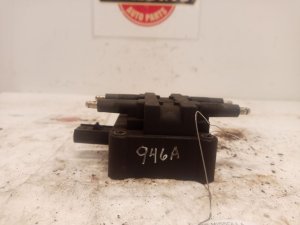
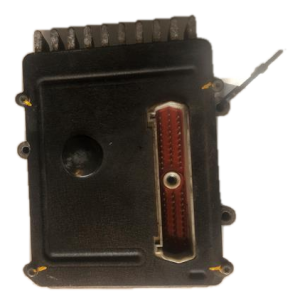
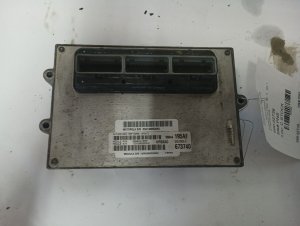
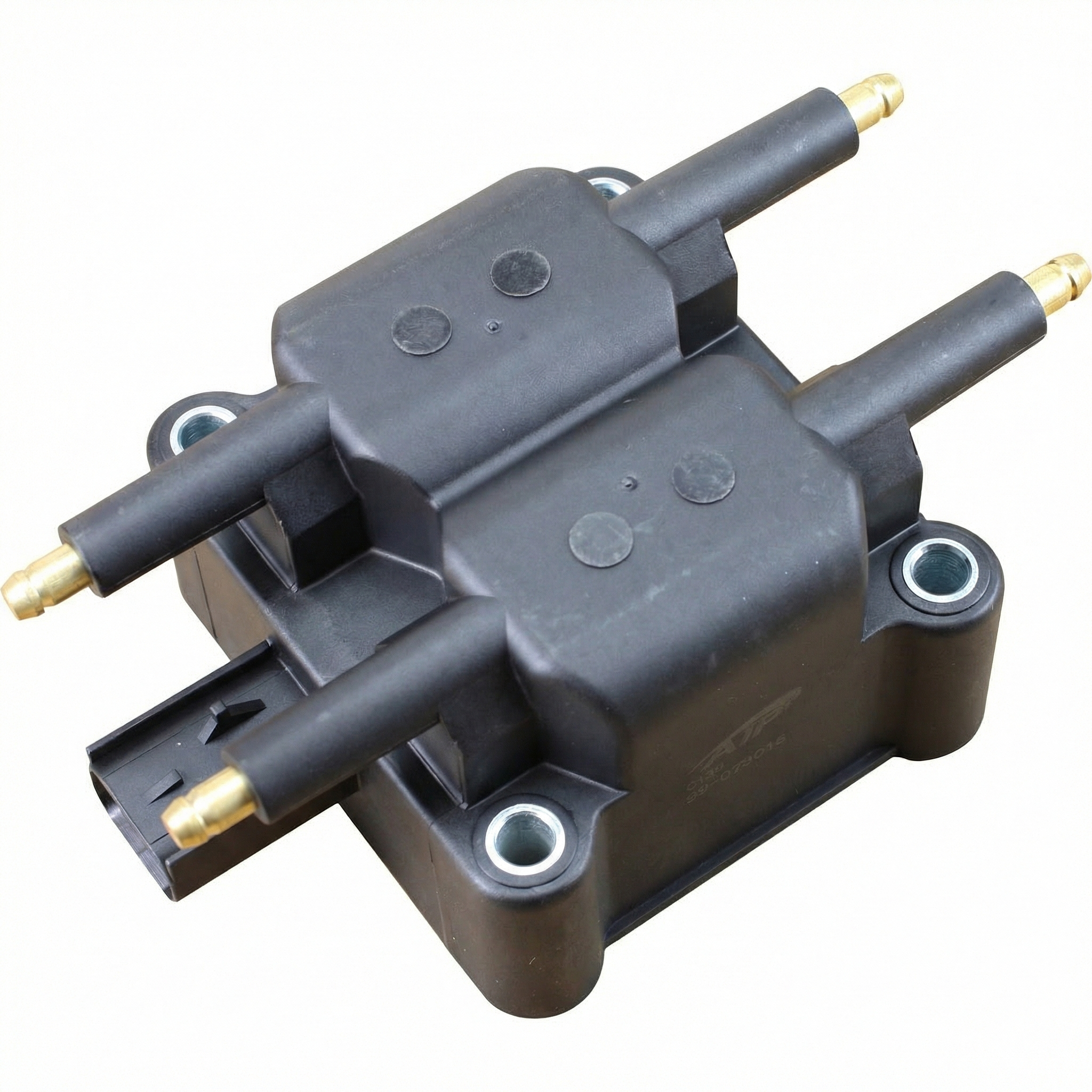
New Aftermarket Parts Available

The information in this article is provided for general reference and educational purposes only. Vehicle specifications, procedures, and part compatibility can vary by production date, trim level, and region. Always consult your vehicle's factory service manual and verify part numbers before purchasing or performing repairs. Safety-critical components such as airbags, seat belts, and braking systems should be installed by a qualified professional.
- Jeep Liberty:
- 🧭 Diagnostic Flowchart
- 🎬 Helpful Videos
- 🛍️ Shop This Part
- What's Unique About the 2002-2007 Jeep Liberty
- Symptoms You May Notice
- Most Likely Causes
- Diagnosis Steps
- Parts You'll Likely Need
- Related Codes That Often Appear With This One
- Platform-Specific Known Issues
- Mechanic-Grade Diagnostic Values
- Hidden / Shadow Codes Worth Checking
- Scan Tool Commands That Help
- Wiring & Ground Locations
- Real Owner Repair Stories
- OEM Part Supersession History
- Other Known Issues on This Vehicle
- Used vs. New Parts: Buying Guide for This Vehicle
- Real Owner Stories
- Jeep Liberty 3.7L V6
- 2003 Jeep Liberty 3.7L V6
- Related OBD-II Codes
- Frequently Asked Questions
- 🎟️ Get 5% Off