

P0355 on 2010-2016 Hyundai Genesis Coupe 3.8L: Ignition Coil 'E' Circuit Causes and Fixes
P0355 on a Genesis Coupe 3.8L V6 almost always means the ignition coil on cylinder 5 has failed. Cylinder 5 is on the passenger side, closest to the firewall. A new coil costs about $40-$90, and the most common fix is to replace it. Swapping the coil with another cylinder (like #1) to see if the code follows is the standard diagnostic procedure.
- P0355 specifically points to an electrical problem with the ignition coil circuit for cylinder 5, which is almost always a failed coil.
- Cylinder 5 is on the passenger side, at the very back against the firewall, making it the hardest to reach.
- The fastest way to confirm a bad coil is to swap it with an easily accessible one (like cylinder 1) and see if the code follows (changes to P0351).
- Do not drive if the Check Engine Light is flashing, as this indicates a severe misfire that can quickly damage the catalytic converter.
What's Unique About the 2010-2016 Hyundai Genesis Coupe
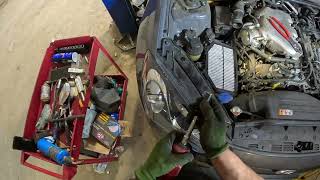
On the longitudinally mounted 3.8L V6, cylinder 5 is located at the very back of the engine bay on the passenger side, tucked under the firewall. This position subjects the coil to significant heat and makes it the most difficult to access, often leading to it being skipped during spark plug changes. This neglect can contribute to premature failure of both the plug and the coil. While the code points to an electrical fault, be aware that 2013-2016 GDI models are also prone to significant carbon buildup on the intake valves, which can cause misfires that might complicate diagnosis if other codes are present. Owners report that removing the upper intake manifold is often necessary on BK2 models 🎬 Watch: Step-by-step spark plug replacement on 2013-2016 3.8L models to gain adequate access to the cylinder 5 coil and plug.
Generation note: This range covers two generations: the BK1 (2010-2012) with a Multi-Port Injection (MPI) engine and the BK2 (2013-2016) with a Gasoline Direct Injection (GDI) engine. The cause of P0355 is the same for both, but accessing the rear cylinders on the BK2 GDI models is often considered more difficult, with many owners and mechanics recommending removal of the upper intake manifold for clearance. The GDI engines are also susceptible to carbon buildup on intake valves, which does not happen on MPI engines as the fuel injectors spray on the back of the valves, cleaning them.
Symptoms You May Notice
- Check Engine Light is on (solid or flashing)
- Rough or shaking idle
- Engine misfiring or stumbling
- Noticeable loss of acceleration and power
- Possible hesitation when trying to accelerate
- Reduced fuel efficiency
- Replacing the fuel injector for cylinder 5. While a bad injector can cause a misfire (P0305), it will not cause the specific electrical circuit fault code P0355.
- Assuming the issue is carbon buildup on GDI models without first performing the simple coil swap test. While carbon buildup is a real issue, it typically causes general misfire codes (P0300, P0305) rather than a specific coil circuit code like P0355.
Most Likely Causes
- Failed Ignition Coil on Cylinder 5 🔴 High Probability → Shop Ignition Coil The coil for cylinder 5 is in a high-heat area at the rear of the engine bay and is difficult to access, meaning it may be original and have high mileage even if other coils were changed. Heat cycles and vibration are the primary cause of failure.
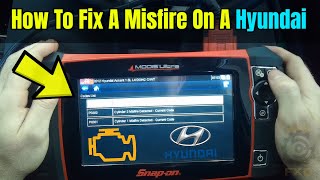
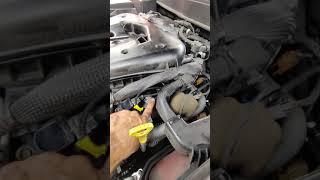
How to confirm: Swap the ignition coil from cylinder 5 with the coil from cylinder 1 🎬 Watch: Helpful DIY tips for diagnosing a Hyundai misfire (passenger side, front). Clear the codes. If the code returns as P0351, the ignition coil is confirmed bad. This is the most definitive and common diagnostic step shared by owners.
Typical fix: Replace the faulty ignition coil with a new one. It is often recommended to replace all six coils if they are original and have high mileage. Many owners also replace all spark plugs at the same time.
Est. part cost: $40-$90 - Worn or Fouled Spark Plug in Cylinder 5 🟡 Medium Probability → Shop Spark Plug Due to the difficult access of cylinder 5, its spark plug is often neglected during routine maintenance. An old plug with a wide gap can strain the ignition coil, causing it to fail and trigger the P0355 code.
How to confirm: After ruling out the coil, remove the spark plug from cylinder 5. Inspect it for a worn electrode, cracks in the porcelain, or heavy carbon/oil deposits. Compare it to a plug from an easier-to-access cylinder.
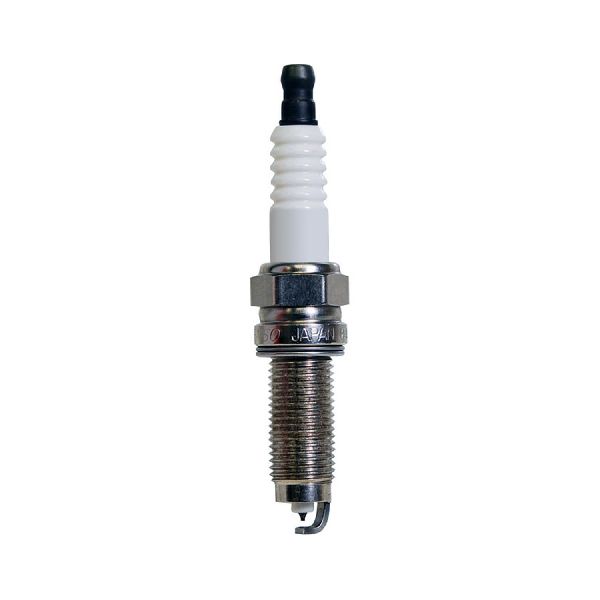
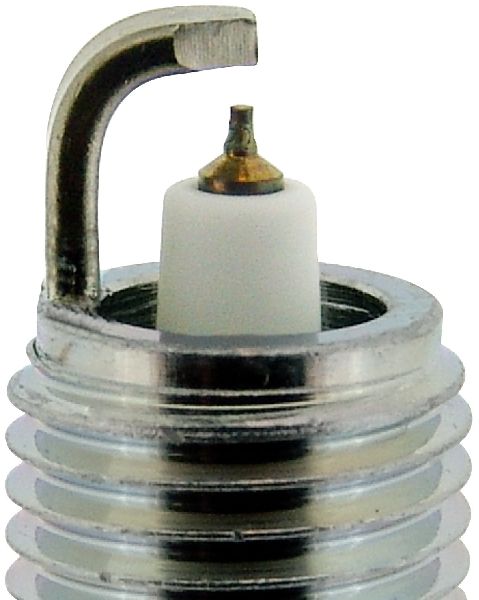
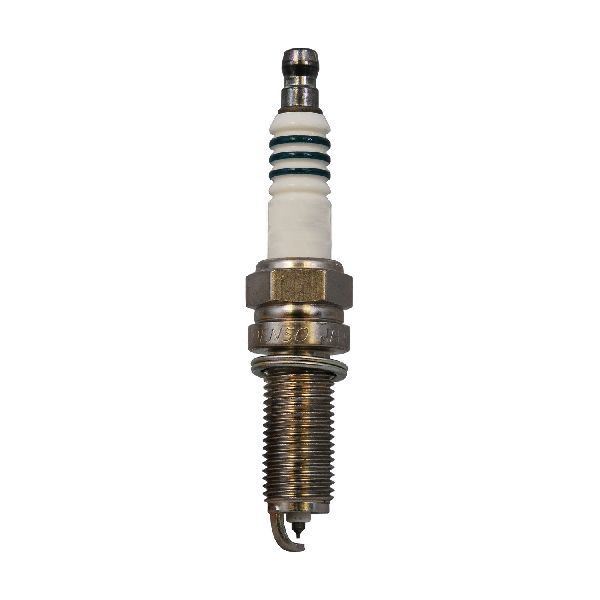
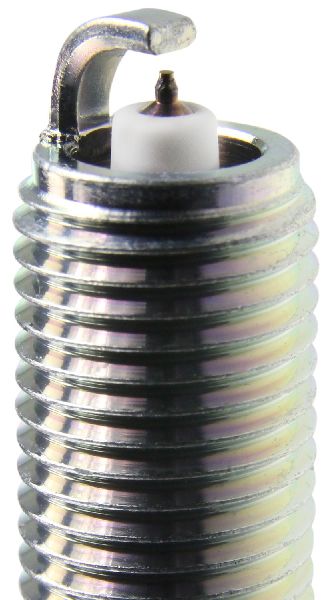
Typical fix: Replace the spark plug. It is best practice to replace all six spark plugs at the same time with high-quality Iridium plugs like the OEM NGK SILZKR7B11.
Est. part cost: $15-$25 per plug - Damaged Wiring or Connector ⚪ Low Probability
How to confirm: If a new coil and plug do not fix the issue, visually inspect the wiring harness and connector going to the cylinder 5 coil. Look for brittle or broken wires, corrosion in the connector pins, or a loose connection. The plastic connector can become brittle from heat and break.
Typical fix: Repair the damaged section of the harness or replace the connector pigtail.
Est. part cost: $10-$30
Rare But Worth Checking
- Faulty Engine Control Module (ECM): → Shop Engine Control Module (ECM) This is very rare. Before condemning the ECM, all other possibilities (coil, plug, wiring) must be exhaustively ruled out by a professional using advanced diagnostic tools. One owner on Reddit reported a bad ECU causing misfires on cylinders 2 and 5 after the car sat for a month.
Diagnosis Steps
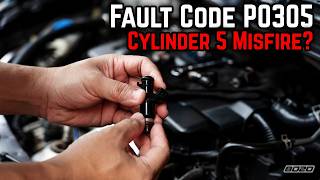
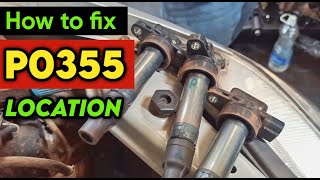
- Read the trouble codes with an OBD-II scanner. Confirm P0355 is present. Note any other codes like P0305. 🎬 Watch: Understanding the causes and fixes for code P0355
- Identify Cylinder 5: It is on the passenger side (Bank 1) of the engine, closest to the firewall.
- Perform an Ignition Coil Swap Test: Disconnect the battery. Swap the ignition coil from cylinder 5 with the coil from cylinder 1 (front of the passenger side). This is the universally recommended first step.
- Reconnect the battery, clear the codes, and start the engine. Let it run or drive it for a few minutes until the Check Engine Light returns.
- Re-read the codes. If the code is now P0351, the ignition coil is faulty and needs to be replaced. One owner on Reddit confirmed this fixed their issue for $62.
- If the code remains P0355, the problem is not the coil. The next step is to inspect the spark plug in cylinder 5. Given the labor to access it, it's wise to replace it regardless.
- If the spark plug is good, the final step is to inspect the wiring and connector for the cylinder 5 coil for any damage, corrosion, or loose connections. Check for power, ground, and signal at the connector if you have a multimeter.
Parts You'll Likely Need
- Ignition Coil
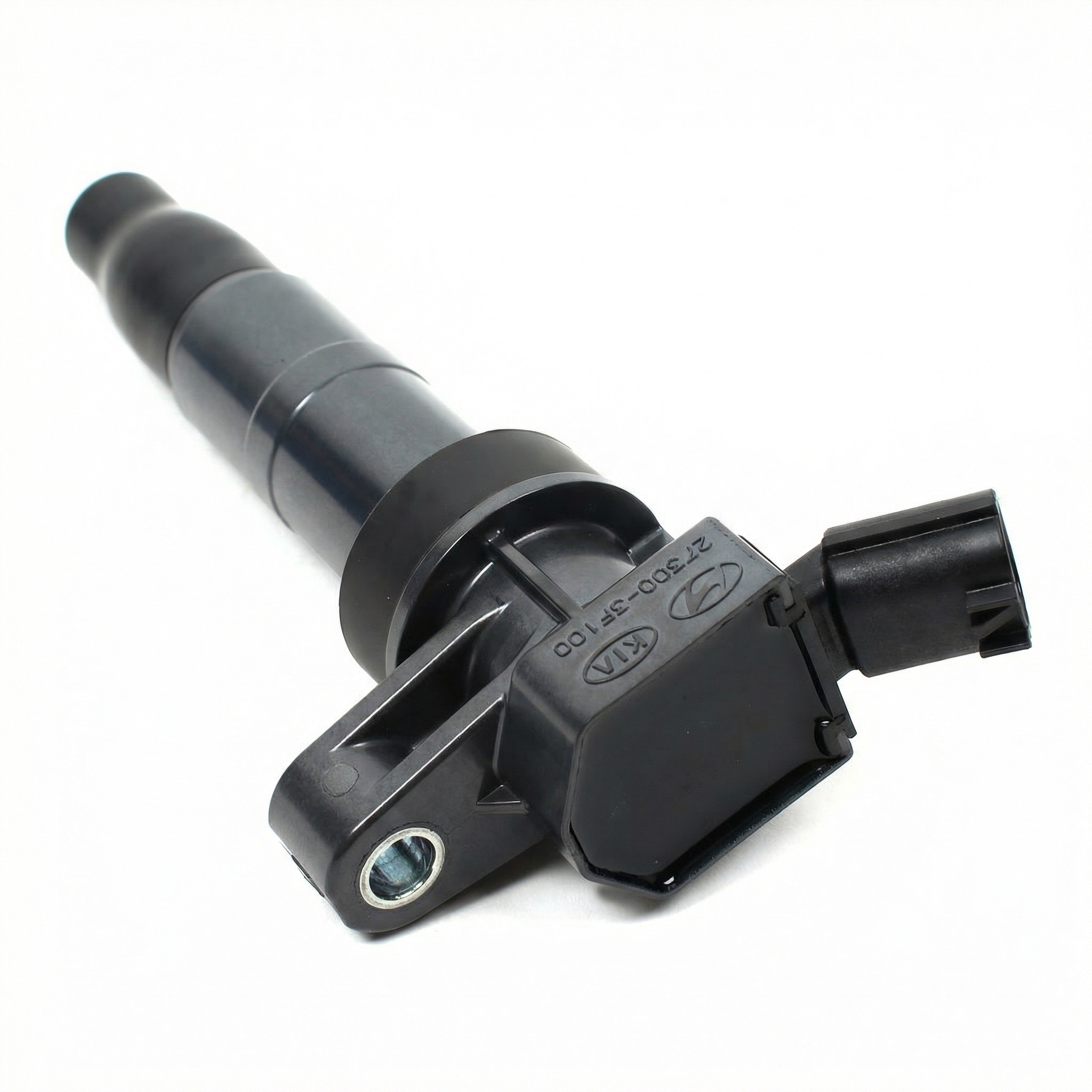
(OEM #27301-3C000)— This is the most common failure part for a P0355 code. The coil is responsible for generating the high voltage for the spark plug.
Trusted brands: Hyundai OE, NGK, Delphi, Denso
OEM price range: $70-$110
Aftermarket price range: $40-$90 - Iridium Spark Plug
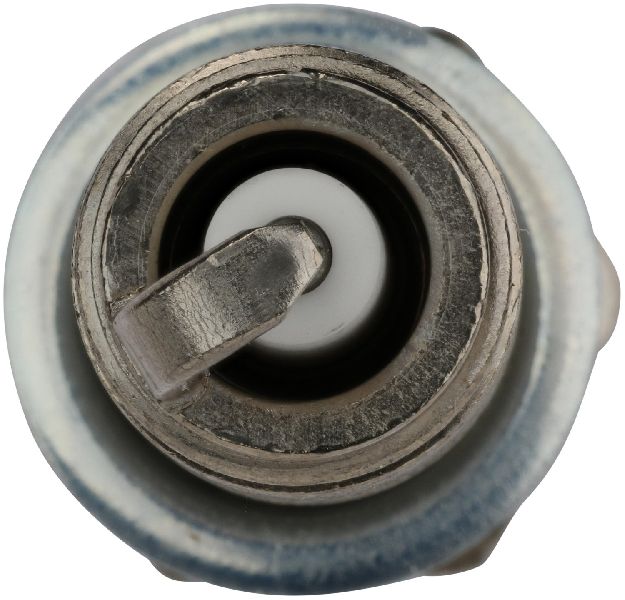
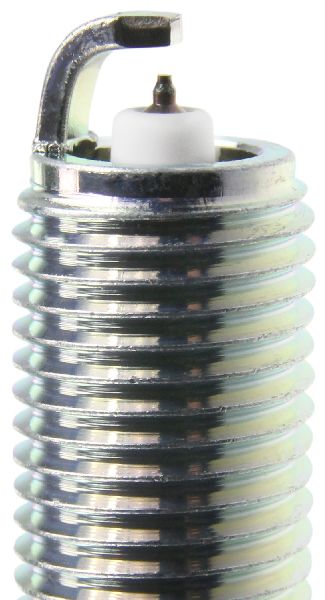
(OEM #18851-11070)— A worn spark plug can cause the ignition coil to fail and is often replaced at the same time, especially given the difficult access.
Trusted brands: NGK (SILZKR7B11, Stock #9723), Denso (SXU22HCR11S)
OEM price range: $20-$30
Aftermarket price range: $15-$25
Related Codes That Often Appear With This One
- P0305 — P0305 means 'Cylinder 5 Misfire Detected.' Since a faulty ignition coil circuit (P0355) will prevent a proper spark, it will almost always cause a misfire on that cylinder.
- P0300 — This means 'Random/Multiple Cylinder Misfire.' If the coil is failing intermittently or if other coils are also near the end of their life, you may see this code alongside P0355.
Platform-Specific Known Issues
- Accessing Cylinder 5 on BK2 (2013-2016) Models: On the GDI engines, the intake manifold design makes accessing the rear cylinders (especially #5) extremely difficult. Many owners and service guides recommend removing the upper intake manifold to get the necessary clearance to remove the coil and spark plug. This adds time to the repair and requires replacing the intake manifold gaskets.
Mechanic-Grade Diagnostic Values
- Ignition Coil Primary Resistance — expected: 0.62 Ω ± 10% at 20°C (68°F). Failure: A reading significantly outside this range, or showing infinite resistance (open circuit), indicates a faulty coil.
- Ignition Coil Secondary Resistance — expected: 7.0 kΩ ± 15% at 20°C (68°F). Failure: A reading of OL (over-limit/open) or a value far from the specification points to a failed secondary winding.
- Ignition Coil Connector Voltage (Key On, Engine Off) — expected: Pin 1 (Power Supply): ~12V (Battery Voltage). Pin 2 (Control Signal): Voltage present, as it's ground-side switched by the ECM.. Failure: No voltage at Pin 1 indicates a power supply issue (fuse, relay, or wiring). No or incorrect voltage at Pin 2 points to a wiring or ECM driver fault.
Scan Tool Commands That Help
- Hyundai GDS (Global Diagnostic System): DTC Status Check — To determine if the P0355 fault is currently 'Present' or 'Intermittent' ('History'). A 'Present' fault confirms an active issue, while a 'History' fault may point towards a loose connection or a problem that only occurs under specific conditions.
- Hyundai GDS (Global Diagnostic System): Vehicle S/W Management — This function is used for ECU/PCM software updates or reprogramming. It would be a final diagnostic step if a rare software glitch is suspected or if the ECM is replaced.
Wiring & Ground Locations
- Ignition Coil #5 Connector — On top of the ignition coil for cylinder 5, located on the passenger side of the engine, closest to the firewall.. This 2-pin connector is the direct interface for the coil. Pin 1 provides 12V power, and Pin 2 is the control signal from the ECM. Corrosion, damage, or a broken locking tab on this specific connector will cause P0355.
- Engine Ground GE01 — On the passenger side of the engine compartment, typically a strap from the engine block to the chassis frame rail.. A poor main engine ground can create a voltage potential difference, causing intermittent and strange electrical behavior. The ECM may misinterpret the return signal from the ignition coil if the ground path is unstable, potentially triggering a circuit code like P0355 even if the coil and its direct wiring are fine.
- ECU Ground — The ECU (ECM) is located in the left (driver's side) rear of the engine compartment. It has its own ground connection, often to the chassis nearby.. The ECM provides the switched ground for the ignition coil's primary circuit. If the ECM's own ground reference is faulty, its ability to control all ignition coils can be compromised, leading to circuit codes.
OEM Part Supersession History
27301-3C010→27301-3C000— Standard part revision, likely for improved reliability, material, or manufacturing process.
Model Year Variations Within This Range
- 2010-2016: While the ignition coil part number (27301-3C000) is the same for all 3.8L V6 models in this range, the labor to access cylinder #5 is significantly different. BK1 (2010-2012) MPI models have better access, while BK2 (2013-2016) GDI models have a larger intake manifold that typically must be unbolted and lifted, or fully removed, to reach the rear passenger-side coil.
Diagnostic Flowchart
Other Known Issues on This Vehicle
Issues unrelated to this code that are worth knowing about as an owner of this generation:
- Manual Transmission Grind / Lockout 🟠 Medium — Common, especially in earlier BK1 (2010-2012) models. Owners report grinding when shifting, particularly into 2nd, 3rd, or 5th gear.
- Timing Chain Rattle on Cold Start 🟠 Medium — Frequently reported around 80k-100k miles. A brief rattle upon cold startup is often attributed to timing chain tensioners taking a moment to build oil pressure. While often considered 'normal' by some, it can be a precursor to tensioner failure. (Ref: A TSB exists regarding changes to timing chain and sprocket parts for Lambda GDI engines, but it is not a recall for this specific issue.)
- Carbon Buildup on Intake Valves (BK2 GDI) 🔴 High — An inherent issue for all GDI engines, including the 2013-2016 3.8L. Becomes noticeable after 60k-100k miles, causing misfires, rough idle, and power loss. Requires manual cleaning (walnut blasting or chemical/mechanical scraping). (Ref: TSB #22-EM-010H provides guidelines for intake system cleaning during engine work, but it is not a preventative service campaign.)
- Interior Chrome Finish Peeling 🟡 Low — Very common across all model years. The matte clear coat on chrome-finished plastic parts (steering wheel, door handles, cupholders) flakes and peels over time.
- Water Leaks into Trunk 🟡 Low — A number of owners report water finding its way into the trunk, often due to failing taillight gaskets or improperly sealed body seams.
Used vs. New Parts: Buying Guide for This Vehicle
When a used part is the smart pick: A used ignition coil is generally not recommended as it is a common wear item with an unknown remaining lifespan. However, it could be a temporary, budget-conscious choice if sourced from a very low-mileage, verified running donor vehicle.
Donor-vehicle mileage cap: roughly under 50000 miles for the part to have meaningful remaining life.
What to inspect on the donor part:
- No cracks or signs of heat stress on the plastic housing.
- Connector pins should be clean and free of corrosion.
- The spark plug boot should be pliable, not brittle or swollen.
- No evidence of oil leaking past the valve cover gasket onto the coil body.
Aftermarket brands forum-validated for this vehicle:
- NGK
- Delphi
- Denso
Brands owners have reported issues with on this vehicle:
- Unbranded, 'white-box' ignition coils from major online marketplaces are a gamble and have a higher reported failure rate among professional mechanics.
Real Owner Stories
Aggregated from forums and TSBs cited above. Mileages and costs reflect what owners reported in those sources.
2013 Hyundai Genesis Coupe 3.8 Track
Symptoms: Check engine light with codes P0300, P0302, P0305, P0355, P0352. No spark from coils on cylinders 2 and 5.
What fixed it: The owner suspected an electrical problem or wiring damage, though in rare cases on this specific trim, a persistent misfire was traced to a bad ECU.
Source hint: Reddit r/MechanicAdvice and r/genesiscoupe
2013 Hyundai Genesis Coupe 3.8
Symptoms: Check Engine Light returned after clearing; owner used a swap test to move the coil from the affected cylinder to cylinder 1.
What fixed it: Replacing the specific ignition coil identified by the code swap.
Cost: $62-$62
Source hint: Reddit r/AskMechanics - P0355 Ignition Coil Code
Related OBD-II Codes
Frequently Asked Questions
Where is Cylinder 5 located on the 3.8L V6 engine in my Genesis Coupe?
Why is the P0355 code so common on the rear cylinders of the 2013-2016 BK2 models?
Is there a specific spark plug recommended for the Lambda II 3.8L engine to prevent coil strain?
Does TSB #22-EM-010H relate to my P0355 ignition code?
Do I need to remove the intake manifold to fix a P0355 code on my 2014 Genesis Coupe 3.8?
Can I just swap parts to confirm the P0355 code is a bad coil?
Helpful Videos

Used OEM Parts in Stock
New Aftermarket Parts Available

The information in this article is provided for general reference and educational purposes only. Vehicle specifications, procedures, and part compatibility can vary by production date, trim level, and region. Always consult your vehicle's factory service manual and verify part numbers before purchasing or performing repairs. Safety-critical components such as airbags, seat belts, and braking systems should be installed by a qualified professional.
- Hyundai Genesis Coupe:
- 🧭 Diagnostic Flowchart
- 🎬 Helpful Videos
- 🛍️ Shop This Part
- What's Unique About the 2010-2016 Hyundai Genesis Coupe
- Symptoms You May Notice
- Most Likely Causes
- Rare But Worth Checking
- Diagnosis Steps
- Parts You'll Likely Need
- Related Codes That Often Appear With This One
- Platform-Specific Known Issues
- Mechanic-Grade Diagnostic Values
- Scan Tool Commands That Help
- Wiring & Ground Locations
- OEM Part Supersession History
- Model Year Variations Within This Range
- Other Known Issues on This Vehicle
- Used vs. New Parts: Buying Guide for This Vehicle
- Real Owner Stories
- 2013 Hyundai Genesis Coupe 3.8 Track
- 2013 Hyundai Genesis Coupe 3.8
- Related OBD-II Codes
- Frequently Asked Questions
- 🎟️ Get 5% Off