

P0356 on 2008-2009 Cadillac STS: Ignition Coil 'F' Circuit Malfunction Guide
This code indicates a fault in the ignition coil circuit for cylinder #6. The most common fix is replacing the cylinder 6 ignition coil and possibly the spark plug. Expect to pay $40-$115 for an OEM-quality coil and around $15 for a spark plug. In some cases, a faulty spark plug can cause the engine computer (ECM) to damage the coil, potentially requiring replacement of all coils, plugs, and the ECM per a GM TSB.
- P0356 specifically points to an electrical problem with the ignition coil circuit for cylinder #6.
- The most likely cause is a bad ignition coil on cylinder 6.
- A simple diagnostic is to swap the cylinder 6 coil with another one and see if the fault code follows the coil.
- Crucially, verify you are working on the correct cylinder #6: the rearmost on the passenger side for the V6, and third from front on the passenger side for the V8.
- A GM TSB indicates a bad spark plug can cause the ECM to destroy the coil, so inspect plugs carefully.
What's Unique About the 2008-2009 Cadillac STS
For the 2008-2009 STS, with either the 3.6L V6 or 4.6L Northstar V8, the system is a modern Coil-on-Plug (COP) design. A GM Technical Service Bulletin (TSB #PIP5038B) provides critical context for these vehicles. It explains that multiple ignition codes (P0351-P0356) can be triggered by Electromagnetic Interference (EMI) from a single poor spark event (e.g., a worn spark plug). This EMI can travel back to the Engine Control Module (ECM) and cause an internal driver to latch on, overheating and destroying an ignition coil. Critically, the coil that fails may not be on the cylinder that caused the initial problem. The TSB advises inspecting specific engine grounds (G109 and G112 on the STS) and battery connections as part of the diagnosis.
Diagnostic Flowchart
Tap your situation to follow the diagnostic path that matches what you're seeing on this vehicle.
Symptoms You May Notice
- Check Engine Light is on (may be flashing if the misfire is severe)
- Rough engine idle
- Engine hesitation or stumbling during acceleration
- Reduced engine power
- Poor fuel economy
- Traction Control or StabiliTrak light may also illuminate, as engine misfires can disable these systems.
- Replacing the spark plug when the ignition coil is the actual cause.
- Replacing the PCM before verifying the integrity of the wiring harness, grounds, and other ignition components as outlined in TSB #PIP5038B.
- Working on the wrong cylinder due to confusion over the engine's cylinder numbering scheme.
Most Likely Causes
- Failed Ignition Coil on Cylinder 6 🔴 High Probability → Shop Ignition Coil Coil-on-plug units are a common failure item due to constant exposure to high heat and vibration. TSB #PIP5038B also notes that coils on these engines can be damaged by electrical feedback from other faulty ignition components, leading to premature failure.
How to confirm: The easiest method is to swap the ignition coil from cylinder 6 with another cylinder (e.g., cylinder 4). Clear the codes and drive the vehicle. If the code changes to P0354, the ignition coil is confirmed to be faulty. Also, visually inspect the coil for any signs of melting, cracking, or heat stress on the epoxy top, as noted in the TSB.
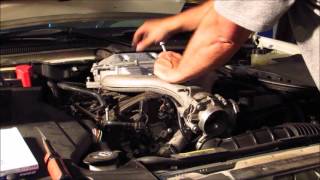
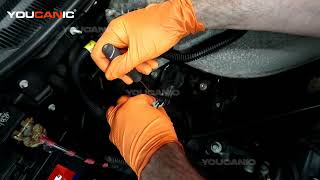
Typical fix: Replace the faulty ignition coil. It is held in by a single 10mm bolt. 🎬 See this walkthrough for replacing a 3.6L V6 ignition coil.
Est. part cost: $40-$115 - Worn or Fouled Spark Plug 🟡 Medium Probability → Shop Spark Plug A spark plug with an excessive gap, carbon fouling, or a cracked insulator increases resistance in the secondary ignition circuit. Per TSB #PIP5038B, this can create an EMI transient that is reflected back to the ECM, potentially causing it to destroy the ignition coil.
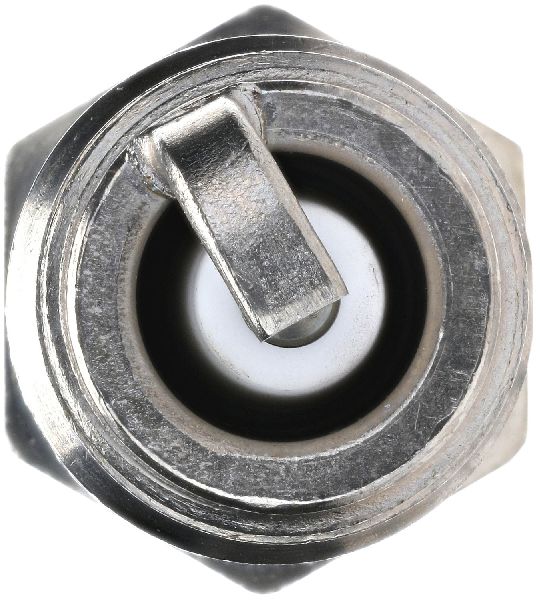
How to confirm: After confirming the coil is good, remove the spark plug from cylinder 6. Inspect it for wear, damage to the insulator, carbon tracking, or heavy deposits. The plug gap should be checked against specifications.
Typical fix: Replace the spark plug. It's strongly recommended to replace all spark plugs at the same time if they are near the end of their service life, especially given the TSB's guidance.
Est. part cost: $10-$20 - Damaged Wiring or Loose Connector ⚪ Low Probability The plastic connector or wiring insulation can become brittle over time from engine heat cycles. The TSB mentioning multiple coil codes points to a potential for harness-level issues, including poor connections at the Underhood Bussed Electrical Center (UBEC).
How to confirm: Visually inspect the ignition coil connector and the wiring harness leading to it. Check for cracked plastic, corroded pins, or loose connections. Use a multimeter to check for 12V power and ground at the connector with the key on. Check for continuity on the signal wire between the coil connector and the PCM.
Typical fix: Repair the damaged section of wiring or replace the connector pigtail.
Est. part cost: $15-$30 - Loose or Corroded Engine Ground ⚪ Low Probability TSB #PIP5038B specifically calls out checking ignition coil grounds. Poor grounding can cause intermittent and difficult-to-diagnose electrical issues, including EMI that leads to coil failure.
How to confirm: Locate and inspect engine grounds G109 and G112 on the STS. Ensure they are clean, tight, and free of corrosion. The TSB recommends cleaning both sides of the terminal and the bolt, then torquing to 15 lb-ft (20 NM).
Typical fix: Remove the ground bolt, clean the terminal and mating surface with a wire brush, and re-secure it firmly.
Est. part cost: $0-$5
Rare But Worth Checking
- Faulty Powertrain Control Module (PCM): → Shop Engine Control Module (ECM) This is a rare cause, but more plausible on this vehicle than others due to the conditions described in TSB #PIP5038B. An EMI event from a bad spark plug can damage the coil driver circuit inside the PCM, causing it to latch 'on' and burn out the coil. If a coil is found to be melted and the vehicle was built before December 2008, the TSB recommends replacing the ECM, all six coils, and all six spark plugs together as a unit. Test all other components thoroughly before condemning the PCM.
Diagnosis Steps
- Read the trouble codes with an OBD-II scanner and confirm P0356 is present. Note any other codes, especially other P035x or P030x codes.
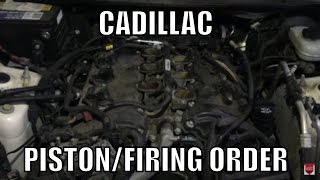
- CRITICAL: Identify the correct cylinder #6. 🎬 Watch: How to identify the correct cylinder and firing order. The Pass 1 information was incorrect. For these longitudinally mounted engines: - 3.6L V6: Bank 2 (Passenger Side) is 2-4-6 from front to back. Cylinder #6 is the rearmost cylinder on the passenger side. - 4.6L V8: Bank 2 (Passenger Side) is 2-4-6-8 from front to back. Cylinder #6 is the third cylinder from the front on the passenger side.
- Inspect the electrical connector and wiring for the cylinder 6 ignition coil. Look for any signs of damage, corrosion, or loose pins.
- Per TSB #PIP5038B, visually inspect the top of the ignition coil for signs of heat stress or melting. If damage is found, a more extensive repair involving the ECM may be needed.
- Swap the ignition coil from cylinder 6 with an adjacent, easy-to-access coil (like cylinder 4).
- Clear the trouble codes using the scanner.
- Start the engine and let it run for a few minutes. Re-scan for codes.
- If the code has moved to the cylinder you swapped the coil to (e.g., P0354), the ignition coil is faulty and needs to be replaced.
- If the P0356 code returns, the problem is not the coil. Proceed to inspect and/or replace the spark plug for cylinder 6. Check for cracks, fouling, and correct gap.
- If the coil and spark plug are known to be good, test the circuit. Use a multimeter to check for battery voltage and a good ground at the coil connector with the ignition on. Check for continuity on the signal wire between the coil connector and the PCM.
- Inspect and clean engine grounds, specifically G109 and G112 on the STS, as recommended by TSB #PIP5038B. Ensure they are tight and free of corrosion.
Parts You'll Likely Need
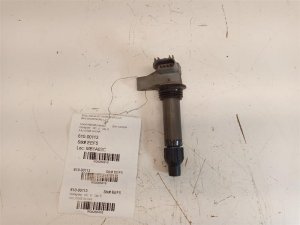
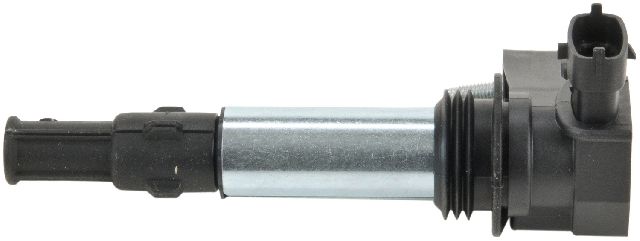
- Ignition Coil
(OEM #12629037 (Also known as ACDelco D501C))— This is the most frequent point of failure for a P0356 code. An internal short or open in the coil's windings, or damage from electrical feedback, will trigger the circuit fault.
Trusted brands: ACDelco, Delphi, Bosch, Denso
OEM price range: $80-$115
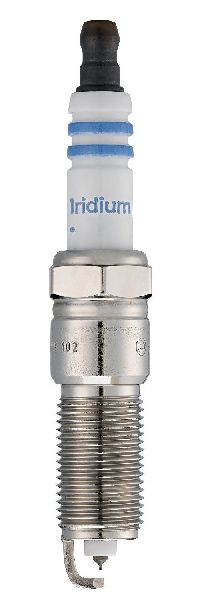
Aftermarket price range: $30-$70 - Spark Plug
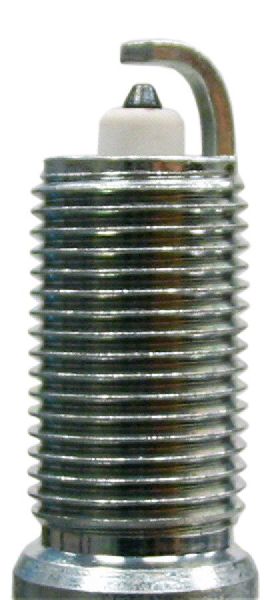
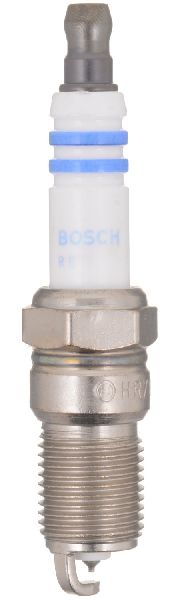
(OEM #ACDelco 41-107 (Iridium - for 3.6L V6, verify by VIN))— A worn-out or damaged spark plug can cause the coil to work harder or create EMI that damages the coil or ECM. It's good practice to replace it when replacing the coil, and required if following TSB repair paths.
Trusted brands: ACDelco, NGK
OEM price range: $15-$25
Aftermarket price range: $8-$15
Related Codes That Often Appear With This One
- P0306 — P0306 indicates a misfire specifically on cylinder 6. Since the P0356 code means the coil circuit has a fault, it's very likely the cylinder isn't firing correctly, causing both codes to appear together.
- P0300 — This indicates a random or multiple cylinder misfire. If the cylinder 6 misfire is severe or if other cylinders are also affected by related issues (per TSB #PIP5038B), it can be logged as a general P0300 code.
- P0351, P0352, P0353, P0354, P0355 — The presence of multiple P035x codes alongside P0356 strongly points to the systemic issues described in TSB #PIP5038B, such as a bad ground, faulty ECM, or a widespread EMI problem, rather than multiple simultaneous random coil failures.
Technical Service Bulletins (TSBs) & Recalls
- PIP5038B: Mentions the possibility of multiple ignition coil codes (P0351-P0356) appearing together. It details how a bad spark plug can create EMI that causes the ECM to destroy an ignition coil, and advises checking specific grounds (G109, G112).
Platform-Specific Known Issues
- TSB #PIP5038B for the 2008 model year indicates that multiple P035x codes can be stored simultaneously. If you have more than just P0356, a thorough inspection of the engine wiring harness, connectors, and especially engine grounds (G109, G112) is recommended before replacing all the coils.
- Per the same TSB, if an ignition coil shows physical signs of melting or heat stress, it may indicate a problem with the ECM. For vehicles built before Dec. 2008, the official GM procedure may require replacing the ECM, all coils, and all spark plugs as a set.
Mechanic-Grade Diagnostic Values
- Ignition Coil Primary Resistance — expected: Approximately 0.660 ohms. Failure: A reading significantly higher or lower than the specification, or an open circuit (infinite resistance).
- Ignition Coil Secondary Resistance — expected: Approximately 6.1k ohms (6,100 ohms). Failure: A reading significantly outside the 6,000 to 10,000 ohm range, or an open circuit.
Scan Tool Commands That Help
- GDS2 / Tech2 (or equivalent professional scanner): Power Balance Test — This function allows the technician to selectively disable individual cylinders to observe the RPM drop for each. If disabling cylinder 6 causes little or no change in engine RPM compared to other cylinders, it confirms that cylinder 6 is not contributing power, which helps isolate the misfire.
Wiring & Ground Locations
- G109 and G112 — These grounds are located in the engine compartment. While their exact position on the STS is not detailed in the search results, GM's numbering convention places all G1xx grounds in the engine bay, on or forward of the firewall. TSB #PIP5038B identifies them as critical for the ignition system.. The TSB specifically calls out these grounds as a potential cause of the electrical interference that leads to ignition coil and/or ECM failure. A poor ground can cause voltage spikes and EMI.
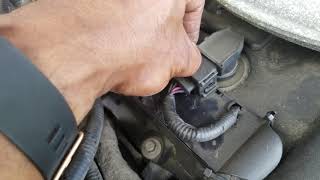
- Ignition Coil Connector — Directly on top of the ignition coil for cylinder #6.. The connector has 4 pins and is the direct interface between the wiring harness and the coil. The P0356 code indicates a fault in this circuit, so checking for 12V power, ground, and the ECM signal at this connector is a primary diagnostic step.
- Labor-Saving Tip (3.6L V6) — Engine Bay. Multiple owner accounts confirm that for the 3.6L V6, it is possible to access and replace all ignition coils, including the rear ones like #6, *without* removing the upper intake manifold by carefully moving hoses and brackets out of the way. This can save significant labor time and cost.
Real Owner Repair Stories
- YouTube user 'Dirty Dave's Garage' (2008 Cadillac STS) — Jerking and bucking while driving at speed, felt like a transmission problem. Check engine light was on.
❌ Tried (didn't work) Initially had a misfire code for cylinder 1, which was replaced.
✅ What actually fixed it A new misfire code appeared for cylinder 3 soon after. The owner decided to replace all six ignition coils and all six spark plugs, which resolved the issue. This suggests a cascading failure pattern similar to the one described in TSB #PIP5038B. - YouTube user 'Tim Pemberton' (2008 Cadillac STS 3.6L V6) — Check engine light with misfire codes on cylinders 2 and 6.
❌ Tried (didn't work) Watching other repair videos that instructed him to remove the intake manifold.
✅ What actually fixed it The owner discovered and demonstrated that all coils and plugs could be replaced without removing the intake manifold, which is a major labor-saving shortcut. The final fix was replacing the faulty coils and plugs. - Cadillac Forums user 'RON'S CADDY' (2008 Cadillac STS 4.6L V8) — Intermittent misfire with codes P0306 and P0356. Traction control light also came on.
❌ Tried (didn't work) The owner initially replaced an ignition coil on the wrong cylinder due to incorrect information about the cylinder layout. Swapping the suspected bad coil did not resolve the issue because he was working on the wrong bank.
✅ What actually fixed it The story highlights a common misdiagnosis: confusing the cylinder numbering. The owner realized his mistake after consulting the forum. This emphasizes the critical importance of correctly identifying cylinder #6 before starting any repair.
OEM Part Supersession History
12629037→ACDelco D501C— This is the direct GM Original Equipment Service replacement part number.
Heads up: ACDelco D501C is the direct, correct replacement for GM part number 12629037. No incompatibilities were noted.
Model Year Variations Within This Range
- 2008: Per TSB #PIP5038B, a critical diagnostic path differs based on the vehicle's build date. If the vehicle was built *before December 2008* and exhibits a melted ignition coil, the recommended repair is to replace the ECM, all six (or eight) ignition coils, and all spark plugs as a complete set. For vehicles built after this date, or those without a melted coil, the procedure is to replace only the single affected coil and plug.
Helpful Videos
Used OEM Parts in Stock
New Aftermarket Parts Available


The information in this article is provided for general reference and educational purposes only. Vehicle specifications, procedures, and part compatibility can vary by production date, trim level, and region. Always consult your vehicle's factory service manual and verify part numbers before purchasing or performing repairs. Safety-critical components such as airbags, seat belts, and braking systems should be installed by a qualified professional.
- Cadillac STS:
- 🧭 Diagnostic Flowchart
- 🎬 Helpful Videos
- 🛍️ Shop This Part
- What's Unique About the 2008-2009 Cadillac STS
- Symptoms You May Notice
- Most Likely Causes
- Rare But Worth Checking
- Diagnosis Steps
- Parts You'll Likely Need
- Related Codes That Often Appear With This One
- Technical Service Bulletins (TSBs) & Recalls
- Platform-Specific Known Issues
- Mechanic-Grade Diagnostic Values
- Scan Tool Commands That Help
- Wiring & Ground Locations
- Real Owner Repair Stories
- OEM Part Supersession History
- Model Year Variations Within This Range
- 🎟️ Get 5% Off