

P0356 on 2004-2008 Chrysler Pacifica 3.5L: Ignition Coil 'F' Circuit Causes and Fixes
This code means there's an electrical fault with the ignition coil on cylinder #6. The most likely fix is replacing the bad ignition coil, which is a straightforward DIY job on this vehicle. Expect to pay $30-$70 for a new coil.
- P0356 points to an electrical problem with the ignition coil on cylinder #6, not just a random misfire.
- The most effective first step in diagnosis is to swap the cylinder #6 coil with another one to see if the fault code moves with the coil.
- On the Pacifica 3.5L, this is a DIY-friendly repair because the ignition coils are easy to access.
- Do not drive for an extended period with this code, as you risk damaging your expensive catalytic converter.
- Always inspect the spark plug and coil connector when replacing a coil to ensure you're fixing the root cause.
What's Unique About the 2004-2008 Chrysler Pacifica
The 2004-2008 Chrysler Pacifica was a single-generation crossover (CS). On the 3.5L V6 model with its transverse engine layout, all six ignition coils are relatively easy to access. This is a significant advantage over other Chrysler/Dodge vehicles like the 300 or Magnum that use the same 3.5L engine in a longitudinal (RWD) configuration, which requires removing the upper intake manifold for a similar job. This makes diagnosing and replacing a coil for a P0356 code a much simpler task on the Pacifica. Correction: Cylinder #6 is the frontmost cylinder on the driver's side (near the radiator), not the rearmost.
Symptoms You May Notice
- Check Engine Light is on and may be flashing
- Rough idle or engine shaking
- Engine hesitation or stumbling during acceleration
- Noticeable loss of power
- Reduced fuel economy
- Possible hard starting
- Replacing only the spark plug without testing the coil. A bad coil can still be the root cause even if the plug looks worn.
- Replacing the fuel injector on cylinder #6. While a misfire can be caused by an injector, the P0356 code is specific to an electrical fault in the ignition coil circuit, making the injector an unlikely cause.
Most Likely Causes
- Faulty Ignition Coil on Cylinder #6 🔴 High Probability → Shop Ignition Coil Ignition coils are wear items that fail from heat cycles and high voltage stress over time. Oil leaking from the valve cover gasket into the spark plug tube is a common cause of premature coil failure on many engines.
How to confirm: Swap the ignition coil from cylinder #6 with another cylinder (e.g., cylinder #4 on the same bank). Clear the codes. If the code changes to P0354, the coil is confirmed bad.
Typical fix: Replace the faulty ignition coil. It is held on by a single bolt.
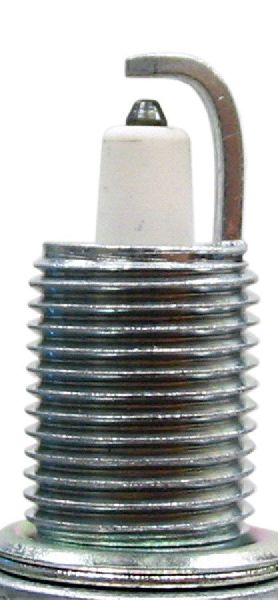
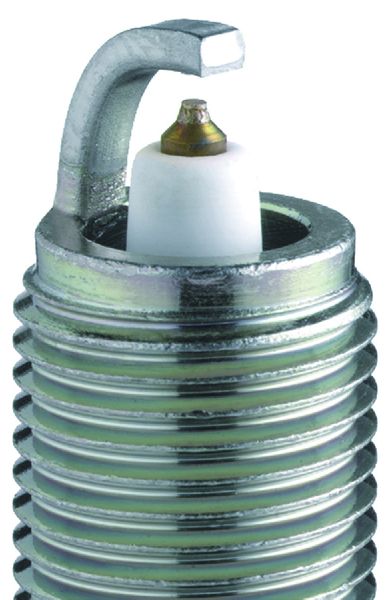
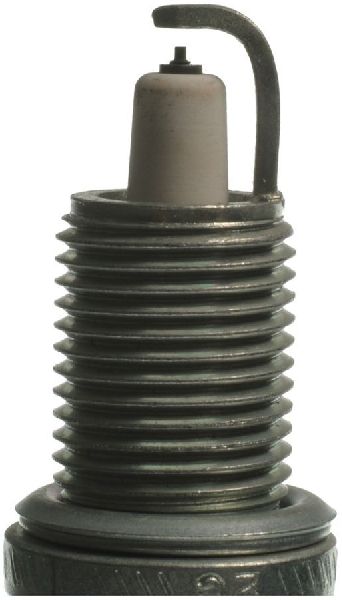
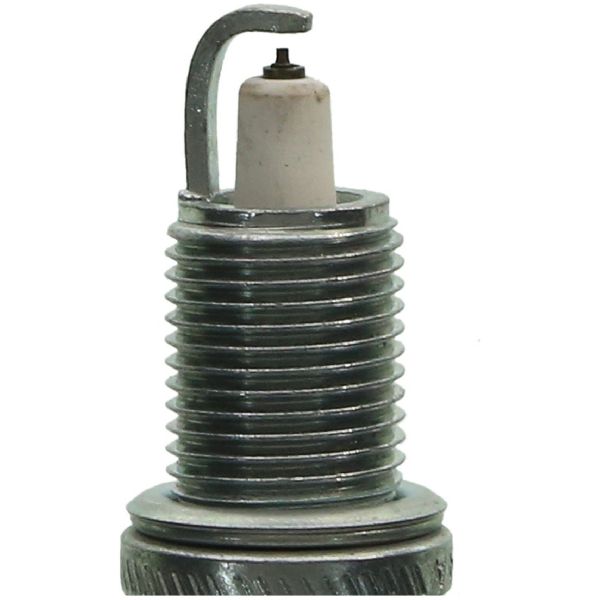
Est. part cost: $30-$70 - Worn or Fouled Spark Plug 🟡 Medium Probability → Shop Spark Plug A spark plug with a very large gap from wear forces the ignition coil to produce a much higher voltage, straining it and causing it to fail. It's a common maintenance item that is often overlooked.
How to confirm: After removing the ignition coil, remove the spark plug and inspect it. Look for a worn-down electrode, heavy carbon deposits, or oil fouling.
Typical fix: Replace the spark plug. It is highly recommended to replace all six spark plugs if they are near the end of their service life (typically 100,000 miles for platinum plugs).
Est. part cost: $8-$20 per plug - Damaged Wiring or Connector ⚪ Low Probability Engine vibration and heat can cause wires to chafe or the plastic coil connector to become brittle and break, leading to a poor connection. The small plastic locking tab on the connector is particularly prone to breaking, which can allow the connector to wiggle loose over time and cause an intermittent P0356 code.
How to confirm: Visually inspect the wiring harness going to the cylinder #6 coil. Check for chafed or broken wires. Wiggle the connector while the engine is running to see if it induces a misfire. Check for corrosion or bent pins inside the connector. Ensure the locking tab clicks securely in place.
Typical fix: Repair the damaged section of wire or replace the connector pigtail.
Est. part cost: $10-$25 for a new connector pigtail
Rare But Worth Checking
- Faulty Powertrain Control Module (PCM): → Shop Engine Control Module (ECM) This is very rare. The internal driver circuit in the PCM that fires the coil can fail. This should only be considered after the coil, spark plug, and wiring have been definitively ruled out as the cause. On some other vehicle platforms, a shorted ignition coil has been known to damage the PCM driver, requiring replacement of the PCM and all coils simultaneously.
Diagnosis Steps
- Read the codes with an OBD-II scanner to confirm P0356 is present. Note any other codes like P0306.
- Identify cylinder #6. On the 3.5L V6 in the Pacifica, the front bank (near the radiator) contains cylinders 2, 4, and 6, from passenger to driver side. Cylinder #6 is at the front of the engine on the driver's side.
- Swap the ignition coil from cylinder #6 with the coil from cylinder #4 (the middle cylinder on the front bank).
- Clear the diagnostic codes using the scanner.
- Start the engine and let it run for a minute or take a short drive.
- Re-scan for codes. If the code is now P0354 ('Ignition Coil D'), the ignition coil you moved is faulty and must be replaced.
- If the code remains P0356, the problem is not the coil. Proceed to inspect the wiring.
- Carefully inspect the electrical connector and wiring harness for the cylinder #6 coil. Look for broken locking tabs, corrosion on the pins, or any signs of melted plastic or frayed wires. Wiggle the connector to see if the connection is loose.
- If the wiring looks good, remove the spark plug from cylinder #6. Check its condition. A heavily worn, fouled, or damaged plug should be replaced. It's best practice to replace all six at once if their service life is unknown. 🎬 Watch: Full tune up and spark plug replacement walkthrough
- If the coil, wiring, and spark plug are all good, the issue may be in the PCM, which is a rare failure. Professional diagnosis is recommended at this point.
Parts You'll Likely Need
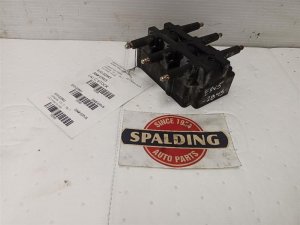
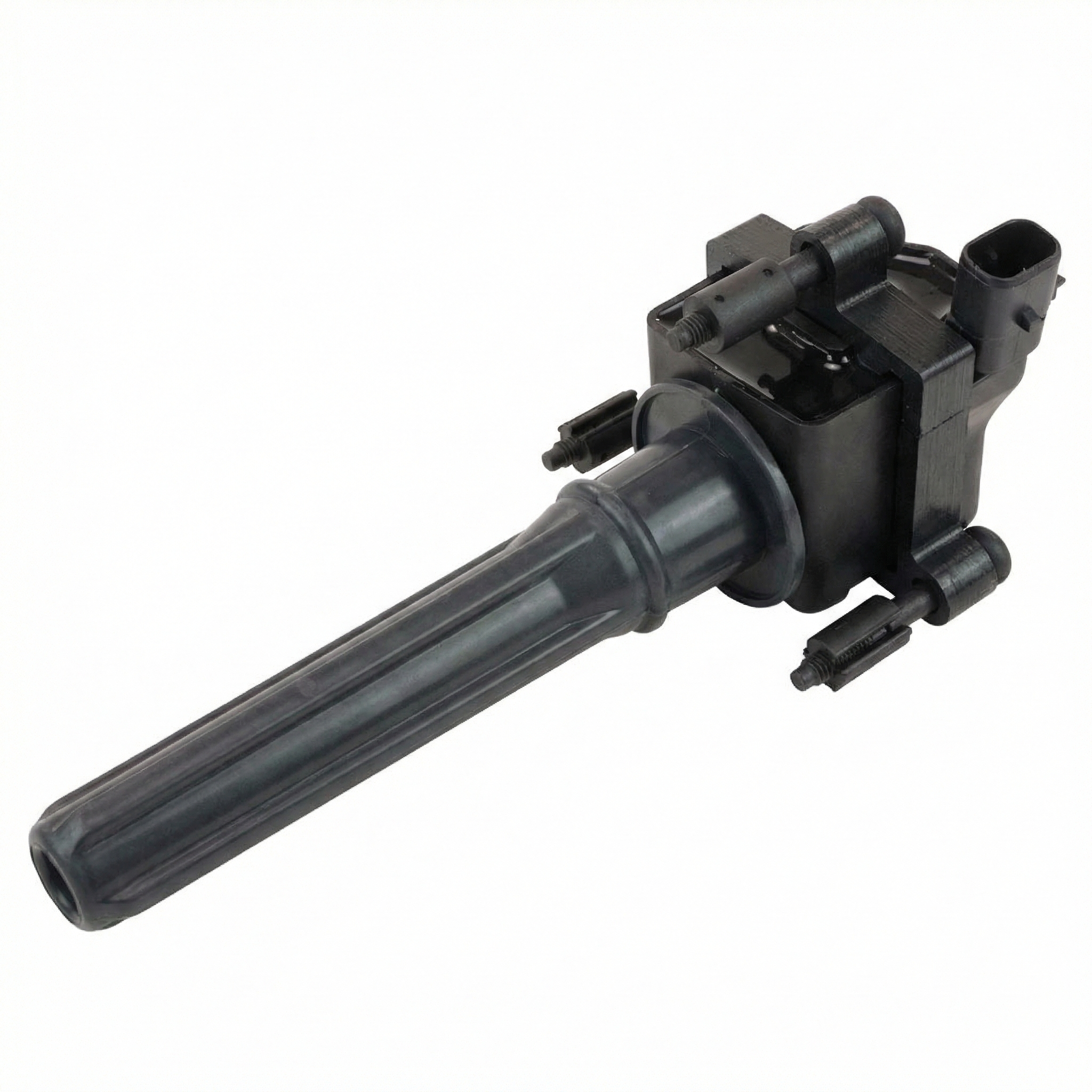
- Ignition Coil
(OEM #4606869AA (superseded by 4606869AB, 4606869AC, 4606869AD))— This is the most frequent cause of a P0356 code. It's a direct replacement part that commonly fails from age and heat.
Trusted brands: Mopar, NGK, Denso, Standard Motor Products (SMP), Delphi
OEM price range: $60-$90
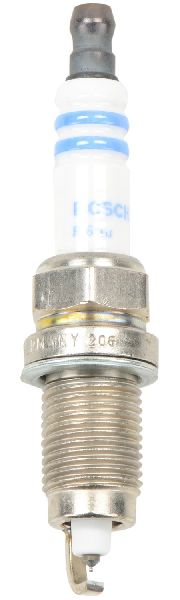
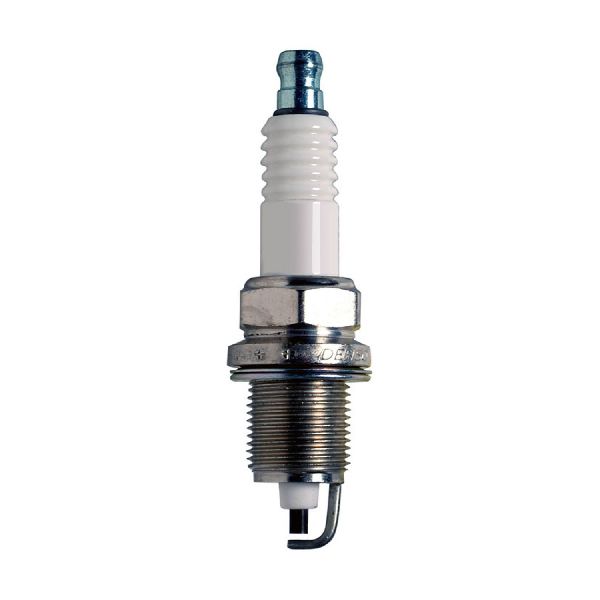
Aftermarket price range: $30-$70 - Spark Plugs
(OEM #SP0RE16MC (or equivalent))— A worn spark plug can cause a coil to fail, and it's good practice to replace them when replacing a coil, especially if they are old. The OE plugs are typically double platinum.
Trusted brands: NGK, Champion
OEM price range: $12-$20 per plug
Aftermarket price range: $8-$15 per plug
Related Codes That Often Appear With This One
- P0306 — P0306 means 'Cylinder 6 Misfire Detected'. The P0356 electrical fault is the direct cause of the coil not firing, which in turn results in the P0306 misfire. It is common for both codes to appear together. Fix the P0356 fault first, as this will almost always resolve the P0306 code. 🎬 Watch: How to diagnose and fix common cylinder misfires
Technical Service Bulletins (TSBs) & Recalls
- TSB 09-010-06: Pertains to misfires caused by carbon buildup on exhaust valves from insufficient valve rotation during low-RPM driving.
Platform-Specific Known Issues
- Chrysler issued Technical Service Bulletin (TSB) 09-010-06 for the 3.5L V6 engine, noting that carbon buildup on the exhaust valves can cause misfires, particularly on vehicles driven gently at low RPMs. While this typically sets a P030x code, it's a known issue with this engine that can cause similar symptoms.
Mechanic-Grade Diagnostic Values
- Ignition Coil Primary Winding Resistance — expected: 0.4 to 2.0 Ohms. Failure: A reading outside this range, especially infinite resistance (OL), indicates a faulty coil.
- Ignition Coil Secondary Winding Resistance — expected: 6,000 to 10,000 Ohms (6k-10k Ω). Failure: A reading outside this range suggests the secondary coil winding is compromised.
- Ignition Coil Connector Power Supply — expected: 12V+ (Battery Voltage) with Key On, Engine Off. Failure: No voltage indicates a problem with the power supply wire or a blown fuse in the Integrated Power Module.
- Ignition Coil Connector PCM Signal — expected: A pulsing ground signal when cranking the engine (visible with a noid light or as a fluctuating voltage on a multimeter).. Failure: No pulse indicates a broken signal wire between the coil and the PCM, or a failed PCM driver.
- Signal Wire Continuity (PCM to Coil Connector) — expected: Less than 0.5 Ohms. Failure: A reading of 'OL' (Open Line) confirms a broken wire in the harness.
Scan Tool Commands That Help
- Chrysler DRB III / WiTECH: Actuator Tests / Ignition Coil Test — A professional scan tool can command the PCM to fire a specific coil on demand. This allows a technician to test the entire circuit, from the PCM driver to the coil itself, without the engine running. This can help isolate whether the fault is with the PCM driver or the wiring/coil.
Wiring & Ground Locations
- Cylinder #6 Ignition Coil Connector — On top of the ignition coil for cylinder #6, which is the front-most cylinder on the driver's side, near the radiator.. This is the primary connection point for power, ground, and the PCM control signal. A broken locking tab, corrosion, or pushed-out pins here are a common cause of P0356.
- Ignition Coil Connector Pinout — At the connector for any of the 3.5L engine's ignition coils.. Pin 1: Coil Driver (Signal from PCM). Pin 2: Power (12V+ from Integrated Power Module). You must test for a pulsing ground on Pin 1 and constant power on Pin 2 to diagnose the circuit.
- Powertrain Control Module (PCM) — Located in the left front of the engine compartment, near the Integrated Power Module (fuse box).. The control signal for the ignition coil originates here. A pinout test between the PCM connector and the coil connector is the final step to confirm a broken wire before condemning the PCM itself.
- G104 — A key ground point located at the left front of the engine compartment.. While the coil circuit has its own ground path, a poor main engine ground can introduce electrical noise and voltage issues that may affect ignition system performance. Ensuring this ground is clean and tight is good practice when diagnosing any electrical fault.
OEM Part Supersession History
4606869AA→4606869AB, 4606869AC, 4606869AD— Revisions by the manufacturer to improve reliability or change suppliers.
Heads up: All listed part numbers are generally interchangeable for this application. However, it is always best practice to replace coils in sets (or at least on the same bank) to ensure consistent performance, as different revisions may have slightly different internal characteristics.
Diagnostic Flowchart
Other Known Issues on This Vehicle
Issues unrelated to this code that are worth knowing about as an owner of this generation:
- Engine Cradle / Subframe Corrosion 🔴 High — Very common, especially on vehicles from 'salt belt' states. Can become severe enough to be a safety hazard, potentially allowing the engine to shift. (Ref: Limited warranty extensions were issued for 2004-2005 models manufactured in a specific six-week period, but no full recall was issued, leading to class-action lawsuits.)
- Premature Engine Mount Failure 🔴 High — Extremely common problem for this platform, particularly the fluid-filled hydraulic mounts. Symptoms include excessive vibration at idle and loud clunking when shifting or accelerating.
- Timing Belt Replacement 🔴 High — The 3.5L V6 is an interference engine. The timing belt, along with the water pump and hydraulic tensioner, has a recommended replacement interval of 100,000 miles. Failure to replace it will result in catastrophic engine damage.
- EGR Valve and System Faults 🟠 Medium — Failure of the EGR valve is common, leading to rough idle, stalling, and codes P0404/P0406. A corroded G100 ground wire can cause identical symptoms and should be checked first. (Ref: NHTSA Recall 04V113000 (D15) was issued for 2004 models to update PCM software that could cause stalling during EGR self-tests.)
- Engine Stalling (PCM Software) 🟠 Medium — Some 2005-2006 models were prone to unexpected engine stalling, which could be resolved with a software update to the PCM. (Ref: NHTSA Recall 06V432000)
Used vs. New Parts: Buying Guide for This Vehicle
When a used part is the smart pick: A used ignition coil is generally NOT recommended. It is a common wear-and-tear electronic component with a finite lifespan. The cost savings are minimal compared to the risk of installing a part that may fail soon after, requiring the job to be done again. A used wiring connector pigtail is a viable option if the donor vehicle's connector is in excellent condition with an intact locking tab.
Donor-vehicle mileage cap: roughly under 50000 miles for the part to have meaningful remaining life.
What to inspect on the donor part:
- For a connector pigtail, ensure the plastic is not brittle or cracked.
- The locking tab must be present and functional.
- Check for any signs of corrosion (green or white powder) on the metal pins.
- Ensure there is at least 6 inches of wire attached to the pigtail for easier splicing.
OEM-only on this vehicle (don't cheap out):
- Powertrain Control Module (PCM) - While not an OEM-only part in the strictest sense, replacing a PCM requires VIN programming that is most reliably done with a new or professionally remanufactured Mopar unit to avoid compatibility issues.
Aftermarket brands forum-validated for this vehicle:
- NGK
- Denso
- Delphi
- Bosch
- Standard Motor Products (SMP)
Brands owners have reported issues with on this vehicle:
- Unnamed, no-brand "value" or "economy" coils sold in bulk sets on marketplaces are frequently cited on forums as having high premature failure rates. While the initial cost is low, they often do not last.
Real Owner Stories
Aggregated from forums and TSBs cited above. Mileages and costs reflect what owners reported in those sources.
Chrysler Pacifica 3.5L V6
Symptoms: Check Engine Light was on with both P0356 and P0306 codes stored.
What fixed it: The initial attempt to fix the issue by replacing the spark plugs and ignition coils did not work. The problem persisted, which required further diagnosis into the wiring harness and other potential sensor failures.
Source hint: Jeep KJ and KK Liberty Forum - 'P0356 and P0306 codes'
2006 Chrysler Pacifica 3.5L V6
Symptoms: Vehicle experienced misfires and rough running, particularly during gentle, low-RPM driving around town.
What fixed it: The root cause was identified as excessive carbon buildup on the exhaust valves, which is a known issue for this engine as documented in TSB 09-010-06. The fix involves addressing the carbon deposits.
Source hint: TSB 09-010-06: Pertains to misfires caused by carbon buildup on exhaust valves
Related OBD-II Codes
Frequently Asked Questions
Where exactly is cylinder #6 on my 2005 Chrysler Pacifica 3.5L engine?
Is it difficult to access and replace the ignition coil for cylinder #6 on the Pacifica?
I have a P0356 code and a rough idle. Could this be related to the carbon buildup issue mentioned in TSB 09-010-06?
My scanner shows both P0356 and P0306. Is it normal for these codes to appear together?
The small plastic locking tab on my cylinder #6 ignition coil connector is broken. Could this be the cause of my intermittent P0356 code?
After checking the coil, plug, and wiring, my mechanic suspects the PCM is bad. How likely is this for a P0356 code?
Helpful Videos
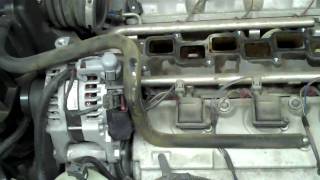
![How to Fix P0356 Engine Code in 2 Minutes [1 DIY Method / Only $3.96]](https://img.youtube.com/vi/rCWUtcXFc_M/mqdefault.jpg)
![How to Fix P0306 Engine Code in 3 Minutes [2 DIY Methods / Only $4.76]](https://img.youtube.com/vi/5HTrtkSEHH4/mqdefault.jpg)
Used OEM Parts in Stock
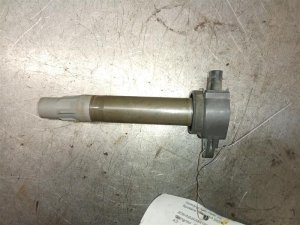
New Aftermarket Parts Available

The information in this article is provided for general reference and educational purposes only. Vehicle specifications, procedures, and part compatibility can vary by production date, trim level, and region. Always consult your vehicle's factory service manual and verify part numbers before purchasing or performing repairs. Safety-critical components such as airbags, seat belts, and braking systems should be installed by a qualified professional.
- Chrysler Pacifica:
- 🧭 Diagnostic Flowchart
- 🎬 Helpful Videos
- 🛍️ Shop This Part
- What's Unique About the 2004-2008 Chrysler Pacifica
- Symptoms You May Notice
- Most Likely Causes
- Rare But Worth Checking
- Diagnosis Steps
- Parts You'll Likely Need
- Related Codes That Often Appear With This One
- Technical Service Bulletins (TSBs) & Recalls
- Platform-Specific Known Issues
- Mechanic-Grade Diagnostic Values
- Scan Tool Commands That Help
- Wiring & Ground Locations
- OEM Part Supersession History
- Other Known Issues on This Vehicle
- Used vs. New Parts: Buying Guide for This Vehicle
- Real Owner Stories
- Chrysler Pacifica 3.5L V6
- 2006 Chrysler Pacifica 3.5L V6
- Related OBD-II Codes
- Frequently Asked Questions
- 🎟️ Get 5% Off