

P0356 on 2011-2015 Ford Explorer 3.5L: Ignition Coil 'F' Circuit Failure Causes and Fixes
P0356 on a 2011-2015 Ford Explorer 3.5L V6 almost always means the ignition coil for cylinder #6 has failed. Because cylinder #6 is on the easily accessible front bank (radiator side), this is a simple DIY fix. A new Motorcraft coil (Part No. DG549) costs about $80-$110, and you can replace it in under 30 minutes. It is critical to address this promptly, as a failing coil can damage the expensive Powertrain Control Module (PCM).
- P0356 on your Explorer almost certainly means the ignition coil on cylinder #6 is bad.
- Cylinder #6 is on the front, driver's side of the engine, making it very easy to access and replace yourself.
- The most effective diagnostic step is to swap the cylinder #6 coil with the one from cylinder #5. If the code changes to P0355, you've proven the coil is the problem.
- The recommended replacement part is a Motorcraft DG-549 ignition coil. It's wise to replace the spark plug at the same time.
- Do not ignore this code. A flashing check engine light means you risk damaging your expensive catalytic converters by continuing to drive.
What's Unique About the 2011-2015 Ford Explorer
For the 2011-2015 Ford Explorer with the transverse-mounted 3.5L V6, the cylinder layout is 1-2-3 on the rear bank (firewall side) and 4-5-6 on the front bank (radiator side). This means cylinder #6 is conveniently located on the front bank, on the driver's side, making it one of the easiest coils to access and replace. This is a significant advantage over the rear bank coils, which require removing the upper intake manifold for access. While the code itself is common, its location on this specific platform turns a potentially costly repair into a straightforward DIY task. However, it's a well-documented issue on this engine family that a failing ignition coil can short out and send a voltage spike back to the PCM, damaging the internal coil driver circuit. This is a known failure pattern for P035x codes on this platform and must be considered if a new coil does not resolve the issue.
Symptoms You May Notice
- Check Engine Light is on (may be flashing if the misfire is severe)
- Rough engine idle
- Noticeable engine shaking or stumbling during acceleration
- Reduced engine power
- Worse than normal fuel economy
- Engine may refuse to start in some cases
- Replacing the fuel injector for cylinder #6. While a bad injector can cause a misfire (P0306), it will not cause the P0356 electrical circuit code. The PCM often disables the injector as a response to the coil fault.
- Assuming the catalytic converter is bad due to poor performance. A bad catalytic converter is usually the result of long-term misfires, not the cause of them.
Most Likely Causes
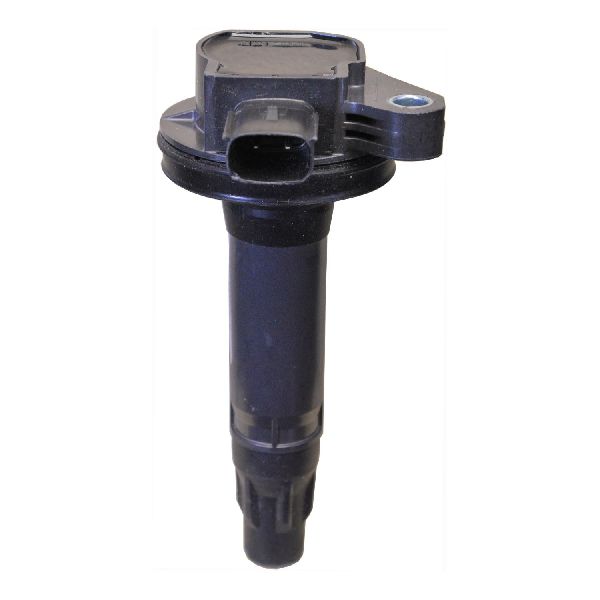
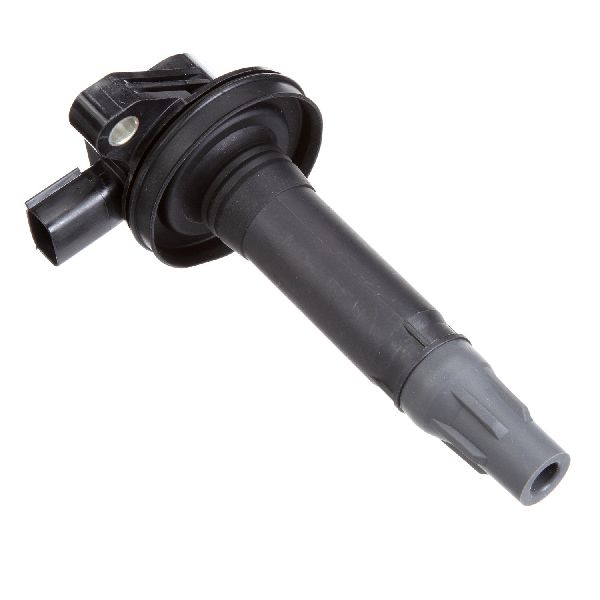
- Failed Ignition Coil (Cylinder #6) 🔴 High Probability → Shop Ignition Coil Ignition coils are wear-and-tear components that operate in a high-heat, high-voltage environment. They are a very common failure point on most modern engines, including the Ford 3.5L V6.
How to confirm: Swap the ignition coil from cylinder #6 with the coil from an adjacent cylinder on the same bank (e.g., cylinder #5). Clear the codes and drive the vehicle. If the code changes from P0356 to P0355, the ignition coil is definitively bad. This is the most reliable diagnostic step.
Typical fix: Replace the faulty ignition coil on cylinder #6. It is also a good time to inspect and potentially replace the spark plug. The OEM Motorcraft DG549 is highly recommended.
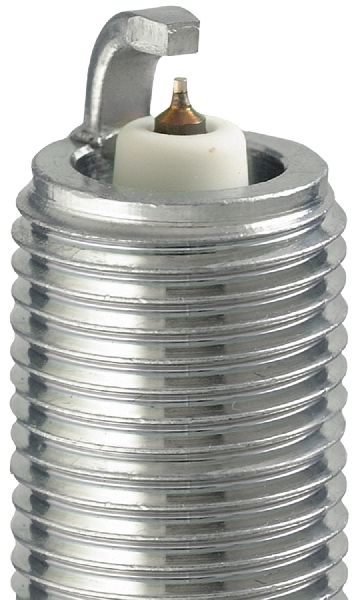
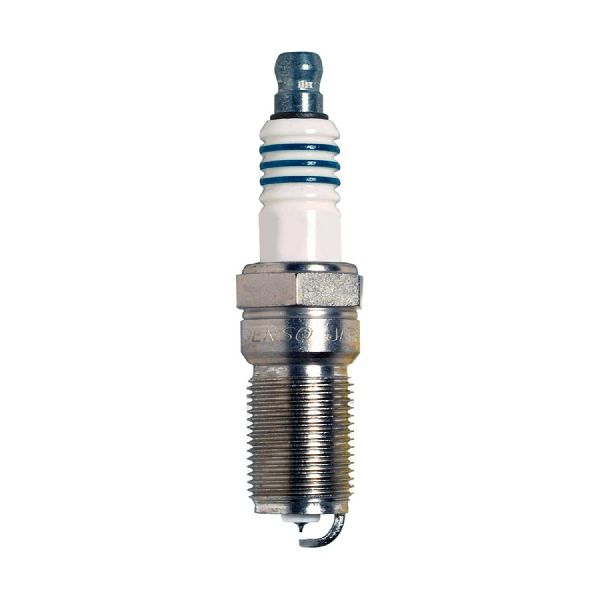
Est. part cost: $80-$110 for OEM Motorcraft - Worn or Fouled Spark Plug (Cylinder #6) 🟡 Medium Probability → Shop Spark Plug Spark plugs have a finite lifespan, typically recommended for replacement around 60,000-100,000 miles on this engine. A worn plug with a large gap or one that is fouled with carbon or oil can increase resistance in the secondary ignition circuit, stressing the ignition coil and sometimes contributing to a circuit code.
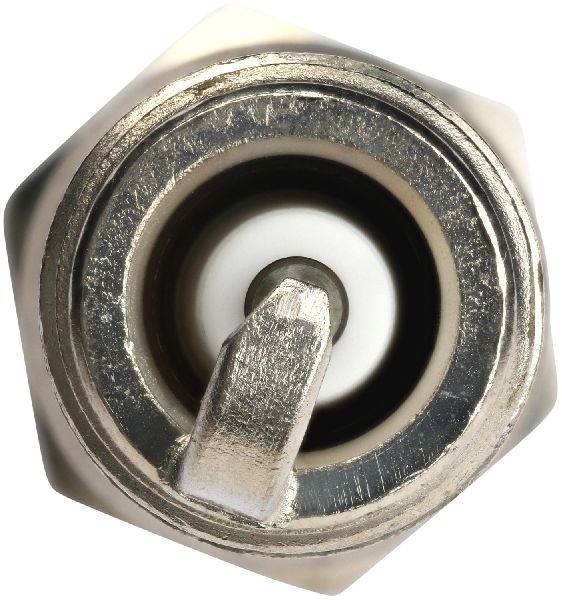
How to confirm: After removing the ignition coil, remove the spark plug from cylinder #6. Inspect it for signs of wear (rounded electrode), carbon fouling, or oil contamination. The correct spark plug gap for the 3.5L V6 is 0.049 - 0.053 inches (1.25 mm - 1.35 mm).
Typical fix: Replace the spark plug in cylinder #6. It is best practice to replace all six spark plugs if they are near the end of their service interval. Use the correct Motorcraft plugs (SP-580 or equivalent).
Est. part cost: $8-$15 per plug - Damaged Wiring or Connector ⚪ Low Probability The plastic locking tabs on ignition coil connectors can become brittle with age and heat cycles, leading to a loose connection. Wires can also chafe or break from engine vibration over time. Rodents have also been known to chew on engine wiring.
How to confirm: Visually inspect the electrical connector and wiring harness going to the cylinder #6 ignition coil. Look for broken plastic, corroded pins, or any signs of chafed or melted wires. Wiggle the connector with the engine running to see if it induces a misfire.
Typical fix: Repair the broken wire or replace the damaged connector pigtail. Ensure the connector clicks securely into place.
Est. part cost: $15-$30 for a new connector pigtail
Rare But Worth Checking
- Faulty Powertrain Control Module (PCM): → Shop Engine Control Module (ECM) This is a known, though uncommon, failure pattern for this engine family. A shorted ignition coil can damage the internal driver circuit in the PCM. If you replace the coil and the P0356 code immediately returns and cannot be cleared, the PCM is the likely culprit. This typically requires sending the PCM for repair or replacement and programming. Companies like Circuit Board Medics specialize in repairing these modules. When this occurs, it is critical to replace all six ignition coils and spark plugs to prevent the new or repaired PCM from being damaged by another old, failing coil.
Diagnosis Steps
- Read the trouble codes with an OBD-II scanner to confirm P0356 and check for any other codes like P0306.
- Locate cylinder #6 on the front bank (radiator side) of the engine, on the driver's side.
- Inspect the wiring and electrical connector for cylinder #6's ignition coil. Check for damage, corrosion, or a loose connection. Ensure the red locking tab is present and secure.
- If the wiring looks good, perform a 'coil swap test.' Disconnect and remove the ignition coils from cylinder #6 and cylinder #5. Swap their positions.
- Reinstall the coils in their new locations. Clear the trouble codes.
- Start the engine and let it idle, then drive the vehicle until the check engine light returns. Read the codes again.
- If the code is now P0355 (Ignition Coil 'E'), the ignition coil that was originally on cylinder #6 is faulty and must be replaced.
- If the code remains P0356, the problem is likely in the wiring harness or the PCM driver circuit, not the coil itself.
- While the coil is removed, it is wise to inspect and/or replace the spark plug for cylinder #6. Check for wear, fouling, and correct gap (0.049" - 0.053").
- If a new coil does not fix the P0356 code, the wiring continuity between the PCM and the coil connector should be tested with a multimeter. If the wiring is good, a faulty PCM is the most likely cause.
Parts You'll Likely Need
- Ignition Coil
(OEM #DG549 (Motorcraft))— This is the most common failure part for a P0356 code. The OEM Motorcraft part is highly recommended for reliability and to prevent potential PCM damage.
Trusted brands: Motorcraft, NGK, Denso
OEM price range: $80-$110
Aftermarket price range: $40-$75 - Spark Plug
(OEM #SP-580 (Motorcraft))— It is best practice to replace the spark plug when replacing an ignition coil, as a worn plug can stress the new coil. If plugs haven't been changed in over 60,000 miles, they are due for replacement.
Trusted brands: Motorcraft, NGK Iridium, Autolite Iridium
OEM price range: $8-$12
Aftermarket price range: $5-$10
Related Codes That Often Appear With This One
- P0306 — P0306 means 'Cylinder 6 Misfire Detected.' The P0356 circuit fault is the direct cause of the coil not firing, which the engine computer then detects as a misfire.
- P0351, P0352, P0353, P0354, P0355 — Seeing multiple P035x codes simultaneously is a strong indicator of a widespread wiring issue, a problem with the PCM itself, or a systemic issue like a failing alternator causing voltage spikes.
Technical Service Bulletins (TSBs) & Recalls
- TSB 14-0059: This TSB is highly relevant. It addresses an issue on 3.0L and 3.5L engines where a faulty ignition coil or spark plug can cause electrical feedback that damages the PCM's internal coil driver. The official fix requires replacing the PCM, all six ignition coils, and all six spark plugs to prevent a recurrence.
- Bulletin #TSB18-2047: While issued for Super Duty trucks, this bulletin notes that an illuminated MIL with DTC P0355 and/or P0356 may be due to an open circuit in the coil-on-plug connectors for cylinders 5 and/or 6 caused by interference with engine components.
Platform-Specific Known Issues
- A well-documented issue for this engine family is the potential for a failed ignition coil to send a voltage spike back to the Powertrain Control Module (PCM), damaging the coil driver circuit. This turns a simple coil replacement into a more complex and expensive PCM repair or replacement. Ford TSB 14-0059 discusses this exact issue on 3.5L engines.
- NHTSA ODI #10444492 describes a scenario where two or more DTCs for COP primary circuit faults (P0351-P0356) may be due to the coils and PCM reacting to radio frequency interference.
Mechanic-Grade Diagnostic Values
- Ignition Coil Power Supply Voltage — expected: ~12V (Battery Voltage) with Key On, Engine Off. Failure: Voltage below 11.5V or no voltage indicates a problem in the power supply wire or fuse.
- PCM Driver Signal (using a noid light or test light) — expected: The light should flash or pulse while the engine is being cranked.. Failure: No flashing indicates a lack of signal from the PCM, pointing to a wiring open/short or a faulty PCM driver.
- PCM Driver Signal (using a multimeter) — expected: Voltage should pulse while the engine is running at idle.. Failure: A steady voltage or no voltage indicates a problem with the PCM or wiring.
- Ignition Coil Primary Resistance — expected: 0.25 to 1.1 ohms. Failure: A reading outside this range indicates a faulty coil.
- Ignition Coil Secondary Resistance — expected: 6,000 to 12,000 ohms (6kΩ - 12kΩ). Failure: A reading outside this range indicates a faulty coil.
Scan Tool Commands That Help
- Ford IDS (Integrated Diagnostic System): Coil on Demand / Power Balance Test — This function allows a technician to command individual coils to fire or shut off while the engine is running. It's used to confirm if the PCM can control the coil and to see the effect on engine RPM, helping to isolate a weak or non-firing cylinder that isn't setting a hard code.
- Ford IDS (or equivalent high-level scan tool): Coil Current RFI Test — This is a guided test based on a Ford TSB that uses a low-current amp probe to analyze the radio frequency noise in the ignition coil's current waveform. It can detect a faulty coil with internal winding problems that might not be obvious with a simple resistance test but could still damage the PCM.
Wiring & Ground Locations
- Cylinder 6 Ignition Coil Connector — On the front (radiator side) cylinder bank, driver's side. The connector plugs directly into the top of the ignition coil.. This is the primary point of failure for wiring issues. The 3-pin connector can become brittle, and its pins can corrode. Pin 1 is 12V+ power, Pin 2 is ground, and Pin 3 is the control signal from the PCM.
- PCM Connector C1551E, Pin 58 (example) — At the Powertrain Control Module (PCM), typically located in the engine bay near the firewall or battery.. This is the specific pin at the PCM that sends the control signal to the ignition coil. A continuity test between this pin and the corresponding pin at the coil connector is the definitive way to rule out a wiring problem. Pin numbers can vary, so a vehicle-specific diagram is essential.
- Engine Ground Strap — Typically a braided strap or heavy wire running from the firewall or inner fender to a bolt on the intake manifold or cylinder head, often on the passenger side near the back of the engine for the 3.5L V6.. A poor engine ground can cause all sorts of electrical issues, including weak spark or erratic ignition system performance that could potentially lead to misfires or, in rare cases, stress coil driver circuits.
Real Owner Repair Stories
- Ford Truck Enthusiasts Forums (Ford truck with V8 (similar COP system)) — P0356 code appeared after replacing all ignition coils as preventative maintenance.
❌ Tried (didn't work) Swapping the new coil from cylinder #6 with another new coil from a different cylinder.
✅ What actually fixed it The user was advised that since the code remained on cylinder #6 after a coil swap, the problem was not the coil itself. The next steps were to test the wiring between the PCM and the coil connector for an open/short or to test for a faulty PCM driver, which was the likely cause. - Ford Edge Forum / Reddit r/MechanicAdvice (Ford Edge/Fusion with 3.5L V6) — Recurring P035x codes, shaking engine, even after replacing the specific coil and spark plug.
❌ Tried (didn't work) Replacing only the ignition coil for the cylinder with the fault code., Using aftermarket (non-Motorcraft) ignition coils., Using incorrect type spark plugs (e.g., Iridium instead of specified Double Platinum).
✅ What actually fixed it The root cause was a damaged PCM, as described in TSB 14-0059. The electrical feedback from a failing coil had destroyed the driver circuit in the PCM. The final, correct repair was to replace the PCM, all six ignition coils (with Motorcraft parts), and all six spark plugs simultaneously to prevent the new PCM from being damaged again. - NHTSA ODI #11429061 — An owner reported codes P0351 through P0356 appearing simultaneously, causing the vehicle to shut down on the interstate and refuse to restart, likely due to a PCM failure.
OEM Part Supersession History
BL3Z12029C→DG549— Standard part number evolution and consolidation by Motorcraft.
Heads up: DG549 is the service part number for BL3Z12029C. They are interchangeable.
Model Year Variations Within This Range
- 2010-2013 vs 2013+: Some early 3.5L V6 engines (often in F-150s but potentially other platforms) used a 2-pin ignition coil connector, while later models, including the 2011-2015 Explorer, predominantly use a 3-pin connector. It is crucial to visually verify the connector type before ordering parts.
Diagnostic Flowchart
Other Known Issues on This Vehicle
Issues unrelated to this code that are worth knowing about as an owner of this generation:
- Internal Water Pump Failure 🔴 High — Commonly occurs between 80,000 and 150,000 miles. Failure is a matter of 'when', not 'if'. (Ref: No recall, but a widely known catastrophic failure. When the pump's internal seal fails, it leaks coolant directly into the engine oil, leading to rapid bearing failure and engine seizure. Repair is extremely labor-intensive ($2000-$4000+) as the pump is driven by the timing chain.)
- Power Transfer Unit (PTU) Failure (AWD Models) 🔴 High — Can fail as early as 70,000-100,000 miles. The unit is mounted next to the hot exhaust, cooking the gear oil. (Ref: No recall. Ford considers the unit 'non-serviceable' with no drain plug. The fluid breaks down, causing gear and bearing failure. Symptoms include a grinding noise or a sulfur/propane smell. Proactive fluid changes with a suction pump can extend its life.)
- Electronic Throttle Body Failure 🟠 Medium — Common across many Ford models of this era. Can occur at any mileage. (Ref: Ford had an extended warranty program (10 years/150k miles) for some older models, but not a formal recall for these years. Failure causes the vehicle to enter 'limp mode' with sudden loss of power, displaying a wrench light on the dash.)
- Electronic Power Steering Rack Failure 🔴 High — Most common on 2011-2013 models, but can affect later years. (Ref: Subject to several recalls (e.g., 14S06, 15N01). The EPAS system can fail suddenly, resulting in a complete loss of steering assist, making the vehicle very difficult to steer.)
- Exhaust Odor in Cabin 🟡 Low — Reported on various 5th generation models, particularly under hard acceleration. (Ref: Ford addressed this via TSBs and service actions, attempting to better seal the cabin from exhaust fumes that could be drawn in from the rear of the vehicle.)
Used vs. New Parts: Buying Guide for This Vehicle
When a used part is the smart pick: For this repair, using used parts is generally not recommended. The primary failure component is an electronic wear-and-tear item (ignition coil) with a finite lifespan. A used coil from a junkyard has an unknown history and could fail shortly after installation or, worse, be the type of failing coil that could damage the PCM.
Donor-vehicle mileage cap: roughly under 50000 miles for the part to have meaningful remaining life.
What to inspect on the donor part:
- If absolutely necessary, source from a low-mileage, collision-totaled vehicle.
- Inspect the coil for any cracks in the plastic housing or epoxy.
- Check the spark plug boot for swelling, tears, or a powdery white residue which indicates corona discharge (arcing).
- Avoid any parts that show signs of overheating, melting, or discoloration.
OEM-only on this vehicle (don't cheap out):
- Ignition Coil: Due to the known issue of failing coils damaging the PCM (TSB 14-0059), using only high-quality OEM Motorcraft (DG549) coils is strongly recommended by forum veterans and specialists.
- Powertrain Control Module (PCM): A used PCM would require reprogramming by a dealer or specialist, often costing more than a repair service for your original unit. A repaired original PCM from a reputable service like Circuit Board Medics requires no reprogramming.
Aftermarket brands forum-validated for this vehicle:
- NGK
- Denso
Brands owners have reported issues with on this vehicle:
- Unbranded, 'white box' ignition coils from online marketplaces are frequently cited in forums as being unreliable, failing quickly, and causing persistent misfire issues.
Real Owner Stories
Aggregated from forums and TSBs cited above. Mileages and costs reflect what owners reported in those sources.
Ford Fusion (similar 3.5L engine)
Symptoms: Experienced recurring ignition coil failures.
What fixed it: The failures were ultimately traced back to a faulty PCM, as described in TSB 14-0059.
Source hint: Reddit r/MechanicAdvice
2011-2015 Ford Explorer 3.5L V6
Symptoms: Check engine light with P035x codes; owners noted the ease of replacing the front-bank coils.
What fixed it: Replacing coils with Motorcraft brand units to avoid premature failure and PCM issues.
Source hint: explorerforum.com
NHTSA Reported Incident
Symptoms: An owner reported that the vehicle shut down on the interstate and would not restart, displaying codes P0351 through P0356.
What fixed it: The report indicated the PCM was the most likely cause of the total system failure.
Source hint: NHTSA ODI #11429061
Related OBD-II Codes
Frequently Asked Questions
Does TSB 14-0059 apply to my 2011-2015 Ford Explorer 3.5L?
Which ignition coil should I buy for my Explorer to fix P0356?
Where is cylinder #6 located on the 3.5L V6 engine?
What are the correct spark plugs and gap for my 2011-2015 Explorer 3.5L?
If I have a P0356 code, do I need to replace the PCM?
Can I swap coils to test if the part is bad?
Helpful Videos
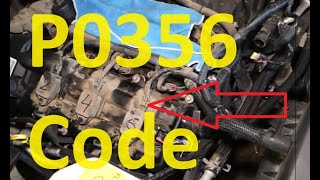
Used OEM Parts in Stock
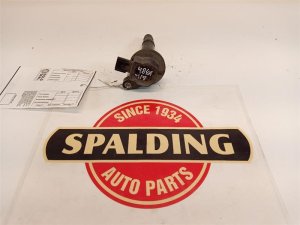
New Aftermarket Parts Available


The information in this article is provided for general reference and educational purposes only. Vehicle specifications, procedures, and part compatibility can vary by production date, trim level, and region. Always consult your vehicle's factory service manual and verify part numbers before purchasing or performing repairs. Safety-critical components such as airbags, seat belts, and braking systems should be installed by a qualified professional.
- Ford Explorer:
- 🧭 Diagnostic Flowchart
- 🎬 Helpful Videos
- 🛍️ Shop This Part
- What's Unique About the 2011-2015 Ford Explorer
- Symptoms You May Notice
- Most Likely Causes
- Rare But Worth Checking
- Diagnosis Steps
- Parts You'll Likely Need
- Related Codes That Often Appear With This One
- Technical Service Bulletins (TSBs) & Recalls
- Platform-Specific Known Issues
- Mechanic-Grade Diagnostic Values
- Scan Tool Commands That Help
- Wiring & Ground Locations
- Real Owner Repair Stories
- OEM Part Supersession History
- Model Year Variations Within This Range
- Other Known Issues on This Vehicle
- Used vs. New Parts: Buying Guide for This Vehicle
- Real Owner Stories
- Ford Fusion (similar 3.5L engine)
- 2011-2015 Ford Explorer 3.5L V6
- NHTSA Reported Incident
- Related OBD-II Codes
- Frequently Asked Questions
- 🎟️ Get 5% Off