

P0356 on 2009-2019 Ford Flex 3.5L V6: Ignition Coil 'F' Circuit Failure Causes and Fixes
P0356 on a Ford Flex means the ignition coil on cylinder #6 has an electrical fault. The most likely fix is replacing the ignition coil, which costs about $40-$80 for an OEM Motorcraft part. Since cylinder #6 is on the front bank near the radiator, this is a very easy 1/5 difficulty DIY repair. However, a known issue on this platform is a failed coil damaging the engine computer (PCM), which is a more complex repair.
- P0356 on a Ford Flex points directly to an electrical issue with the ignition coil on cylinder #6.
- Cylinder #6 is conveniently located at the front of the engine bay, making this an easy DIY diagnosis and repair.
- The most effective first step is to swap the cylinder #6 coil with a neighbor (like #5) to see if the code moves.
- If a new coil doesn't fix the problem, inspect the wiring connector for damage, as the locking clips are known to break.
- Be aware that a bad coil can damage the engine computer (PCM) on these vehicles, which is a more complex and expensive repair.
What's Unique About the 2009-2019 Ford Flex
On this Ford 3.5L Cyclone engine, the ignition coils are a very common failure item. More importantly, a failing ignition coil can short out and send a voltage spike back to the Powertrain Control Module (PCM), damaging the internal driver circuit for that cylinder. This is a well-documented failure pattern for this platform, meaning a simple coil replacement might not fix the code if the PCM is already damaged. Ford acknowledged this issue in TSB 13-4-17 for similar vehicles with the 3.5L engine, which recommends replacing the PCM along with all six coils and plugs if a coil shows signs of heat damage or cracking. Fortunately for this code, cylinder #6 is located on the front bank of the engine (closest to the radiator), making it extremely easy to access for diagnosis and replacement.
Generation note: The Ford Flex was produced in a single generation from 2009 to 2019, with a significant facelift for the 2013 model year. The 3.5L Cyclone V6 was available throughout the entire run. The causes and fixes for P0356 are consistent across all model years, for both the naturally aspirated and EcoBoost (turbocharged) versions, although some part numbers may vary. The EcoBoost models, in particular, are known to be harder on ignition components.
Symptoms You May Notice
- Check Engine Light is on (may be solid or flashing)
- Rough or stumbling idle
- Noticeable loss of engine power, especially during acceleration
- Engine hesitation or stumbling
- Reduced fuel economy
- Engine may stall when coming to a stop
- Replacing only the spark plug when the ignition coil is bad.
- Replacing the fuel injector for cylinder #6, which would typically cause a P0206 or P0306 code without a P0356.
- Replacing the catalytic converter due to misfires, without first addressing the root cause of the ignition fault.
- Assuming the new coil is bad when the code returns, without checking for a damaged PCM driver circuit.
Most Likely Causes
- Faulty Ignition Coil 🔴 High Probability → Shop Ignition Coil Ignition coils are a common wear item on many modern engines, including the 3.5L Cyclone, due to constant exposure to high heat and vibration. A worn spark plug can increase the electrical resistance, overworking the coil and leading to premature failure.
How to confirm: Swap the ignition coil from cylinder #6 with the one from cylinder #5 (the middle coil on the front bank). Clear the codes and drive the vehicle. If the code changes to P0355, the ignition coil is definitively bad. Visually inspect the coil for cracks in the housing or burn marks.
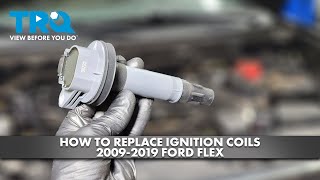
Typical fix: Replace the faulty ignition coil. It is often recommended to replace the corresponding spark plug at the same time, and apply dielectric grease to the inside of the new coil boot.
Est. part cost: $40-$80 - Damaged Ignition Coil Connector or Wiring 🟡 Medium Probability → Shop Ignition Coil The plastic locking tabs on Ford's ignition coil connectors become brittle over time and frequently break during service, leading to a poor connection that can vibrate loose. Wires in the engine bay can also chafe against brackets or other components, causing a short or open circuit. A manufacturer service bulletin, TSB Bulletin #TSB18-2047, notes that an open circuit in the coil-on-plug connectors for cylinders 5 and/or 6 can occur due to interference with engine components like the intake air expansion resonator.
How to confirm: Visually inspect the connector for cylinder #6 for broken tabs, pushed-out pins, or signs of corrosion. Wiggle the connector with the engine running to see if it affects the misfire. Use a multimeter to check for 12V power at the connector with the key on and for a pulsing ground signal from the PCM with the engine running.
Typical fix: If the connector is broken, replace it with a new pigtail connector (Motorcraft part WPT-118). Damaged sections of wire will need to be repaired and protected with loom.
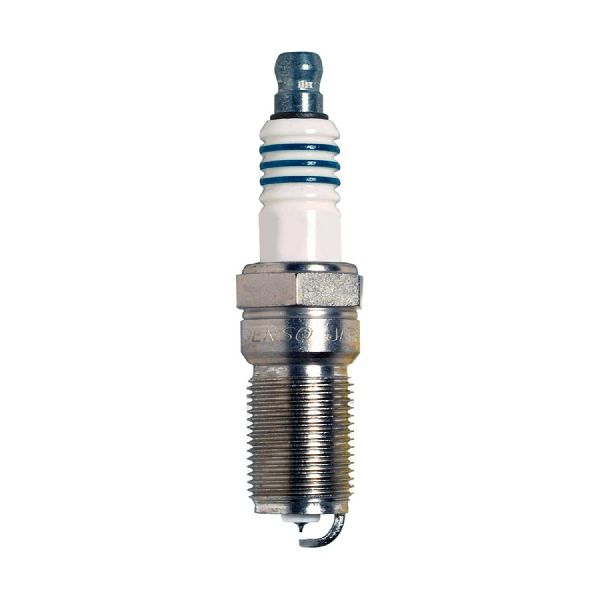
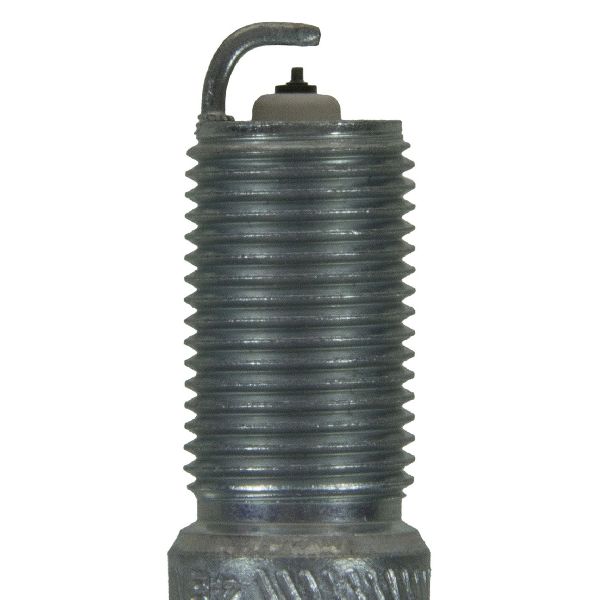
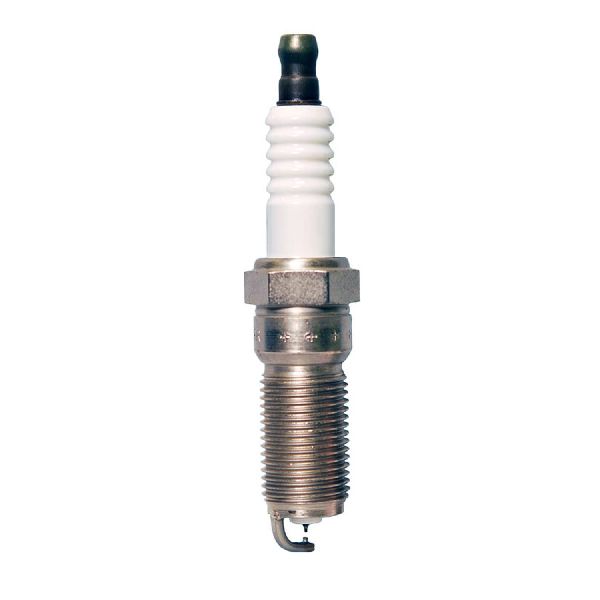
Est. part cost: $15-$30 - Worn or Fouled Spark Plug ⚪ Low Probability → Shop Spark Plug While a bad spark plug typically causes a P0306 misfire code, a severely worn plug with a large gap increases the electrical load on the ignition coil. This strain can contribute to the coil's circuit failure and trigger a P0356 code.
How to confirm: After removing the ignition coil, remove the spark plug from cylinder #6. Inspect it for a worn electrode, carbon fouling, oil contamination, or cracks in the porcelain. The recommended service interval for spark plugs on this engine is 100,000 miles. 🎬 See this full tune-up and spark plug replacement guide
Typical fix: Replace the spark plug. It is best practice to replace all six spark plugs at once if they are near the end of their service life to ensure balanced engine performance.
Est. part cost: $8-$20 per plug
Rare But Worth Checking
- Failed Powertrain Control Module (PCM): → Shop Engine Control Module (ECM) This is a known issue on Ford's 3.5L V6. A shorted ignition coil can damage the driver circuit inside the PCM. If you replace the coil and the P0356 code immediately returns (and does not move when swapping coils), the PCM is the likely culprit. Diagnosis can be confirmed using a noid light on the coil connector; a steady light or no light indicates a bad PCM driver. Repair services exist that can fix the damaged driver circuit without needing to replace and reprogram the entire module.
Diagnosis Steps
- Read the trouble codes with an OBD-II scanner. Confirm P0356 and likely P0306 are present.
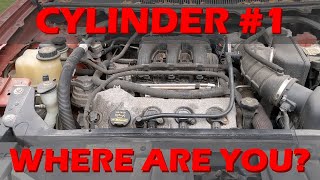
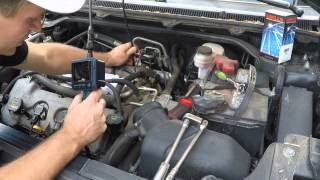
- Locate cylinder #6. On the Ford Flex 3.5L, 🎬 Watch: How to identify the cylinder numbers this is the cylinder on the driver's side, closest to the radiator (front bank, passenger side).
- Swap the ignition coil from cylinder #6 with the coil from cylinder #5 (the middle cylinder on the front bank).
- Clear the codes with the scanner, start the engine, and let it run for a minute or take a short drive.
- Re-scan for codes. If the code is now P0355 ('Ignition Coil E Malfunction'), the coil you moved is faulty. Replace it.
- If the code P0356 returns, the problem is not the coil. Proceed with inspecting the wiring.
- Visually and physically inspect the wiring harness and connector for cylinder #6. Look for broken clips, corrosion, chafed wires, or damaged pins.
- If the wiring looks good, use a multimeter to verify 12V+ at the coil connector with the key on. Use a noid light or multimeter to check for a pulsing ground signal from the PCM while the engine is running. A lack of signal or a steady signal points to a wiring or PCM issue.
- If wiring and signal are good, remove the spark plug from cylinder #6 and inspect it for wear or damage. Replace if necessary.
- If a new coil, plug, and a verified good connector/wiring do not resolve the code, the fault is almost certainly in the PCM driver circuit, requiring PCM repair or replacement.
Parts You'll Likely Need
- Ignition Coil
(OEM #DG549 (replaces DG521))— This is the most common failure point for a P0356 code. The original DG521 was superseded by the DG549.
Trusted brands: Motorcraft, NGK, Denso, Standard Motor Products
OEM price range: $40-$80
Aftermarket price range: $25-$60 - Spark Plug
(OEM #SP-534 or SP-580 (verify by VIN))— It is best practice to replace the spark plug when replacing an ignition coil, as a worn plug can cause the new coil to fail prematurely.
Trusted brands: Motorcraft, NGK, Autolite
OEM price range: $8-$15
Aftermarket price range: $5-$12 - Ignition Coil Connector Pigtail — The locking tab on the original connector often breaks, causing a loose connection and a persistent P0356 code even with a good coil.
Trusted brands: Motorcraft, Dorman
OEM price range: $20-$35
Aftermarket price range: $10-$20
Related Codes That Often Appear With This One
- P0306 — P0306 means 'Cylinder 6 Misfire Detected.' Since P0356 indicates the coil circuit for cylinder 6 has failed, the cylinder cannot fire correctly, which directly causes a misfire. You will almost always see P0306 alongside P0356.
- P0300 — P0300 indicates a 'Random/Multiple Cylinder Misfire.' If the P0356 fault is intermittent or if other ignition components are also failing, the PCM may log a P0300 as well.
Technical Service Bulletins (TSBs) & Recalls
- TSB 13-4-17: While officially for older 3.5L models (Edge, Taurus, etc.), this TSB is highly relevant. It addresses P035x codes where a damaged ignition coil (cracked, heat-damaged) requires replacement of the PCM, all six coils, and all six spark plugs to prevent a repeat failure. This confirms the coil-kills-PCM failure pattern.
- TSB Bulletin #TSB18-2047: Although issued for other Ford models, this bulletin highlights that P0356 can be caused by an open circuit in the coil-on-plug connectors for cylinder 6 due to physical interference with engine components.
Platform-Specific Known Issues
- A known failure pattern on this engine is for a shorted ignition coil to damage the driver circuit within the Powertrain Control Module (PCM). If a new coil does not fix the code, PCM repair or replacement is the next step.
- The plastic connector for the ignition coil can become brittle and the locking tab can break, leading to a loose connection that mimics a failed coil.
- NHTSA ODI #10444492 describes a scenario where two or more diagnostic trouble codes for coil-on-plug primary circuit faults (P0351-P0356) may be triggered due to the COP and PCM reacting to radio frequency interference.
Mechanic-Grade Diagnostic Values
- Ignition Coil Primary Resistance — expected: 0.5 to 0.7 Ohms. Failure: A reading of OL (open circuit), near zero (short circuit), or significantly outside the expected range indicates a failed primary winding.
- Ignition Coil Secondary Resistance — expected: 5,500 to 10,000 Ohms (5.5kΩ to 10.0kΩ). Failure: A reading outside this range indicates a failure in the secondary windings.
- Voltage at Coil Connector Power Wire — expected: ~12 Volts (Battery Voltage) with Key On. Failure: Zero or low voltage points to a problem with the power supply wire or the ignition relay/fuse, not the coil itself.
- Coil Connector Signal Wire (PCM Control) — expected: Pulsing ground signal when engine is cranking or running.. Failure: Using a noid light or LED test light connected to battery positive, the light should flash during cranking. If the light is steady on, it indicates a short to ground in the PCM or wiring. If there is no light, it indicates an open circuit in the wiring or a failed PCM driver.
Scan Tool Commands That Help
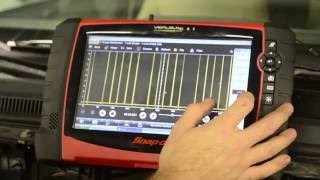
- Ford IDS / FORScan: Power Balance Test — While a P0356 code points directly to cylinder 6, the power balance test can graphically show the performance contribution of each cylinder in real-time. This can help confirm that cylinder 6 is the only one malfunctioning and that the misfire isn't intermittent or affecting other cylinders, which might suggest a different root cause.
- Ford IDS / High-End Scan Tool: Parameter Reset (PATS Function) — This function is mandatory if the Powertrain Control Module (PCM) is replaced. The reset synchronizes the new PCM with the vehicle's Passive Anti-Theft System (PATS), allowing the engine to start. Failure to perform this step will result in a no-start condition after PCM replacement.
Wiring & Ground Locations
- Cylinder 6 Coil Connector — Front bank of the engine (near the radiator), on the passenger side (right-most coil).. This is the direct connection point for the faulty circuit. The power wire (often Red) should have 12V with key on, and the signal wire (Light Green/Orange according to some diagrams) is the ground pulse from the PCM. Checking for voltage and signal here is a primary diagnostic step.
- G103 / G104 / G106 — G103 is on the left side of the engine compartment. G104 is on the right rear of the engine. G106 is on the top front of the left cylinder head.. These are primary engine and PCM ground points. While a bad ground typically causes multiple, seemingly unrelated issues, a loose or corroded ground at G103 or G104 can cause erratic behavior in the PCM, including faulty readings or weak driver signals for ignition components. Verifying these grounds are clean and tight is a crucial step when chasing elusive electronic faults.
Real Owner Repair Stories
- Ford Truck Enthusiasts Forums (Ford F-150 with 5.4L V8 (similar COP system and code behavior)) — Misfire with a P0356 code.
❌ Tried (didn't work) Ohm checking the injector, Compression testing cylinders, Replacing the ignition coil (COP), Testing the pigtail for 12V power (which it had)
✅ What actually fixed it The user was advised that the next step, after confirming the wiring was intact, would be to replace the PCM. While the user did not post the final confirmation, the diagnostic path after all other components tested good pointed directly to a failed PCM driver. - NHTSA ODI #11429061 — An owner reported that their vehicle displayed codes P0351 through P0356 and shut down on the interstate, failing to restart; the report noted the PCM was the most likely cause.
OEM Part Supersession History
DG521→DG549— The DG549 is an updated design from Motorcraft, intended to improve reliability and performance over the original DG521 coil.
Heads up: The DG549 is a direct replacement for the DG521 and is fully compatible. Using the newer DG549 is recommended.
Model Year Variations Within This Range
- 2009-2012 vs 2013-2019: The Ford Flex received a major facelift for the 2013 model year, which included interior and exterior styling changes. However, the 3.5L Cyclone V6 engine and its coil-on-plug ignition system remained fundamentally the same. The diagnostic process and common failures for a P0356 code are identical across the entire 2009-2019 production run.
Diagnostic Flowchart
Other Known Issues on This Vehicle
Issues unrelated to this code that are worth knowing about as an owner of this generation:
- Internal Timing-Chain-Driven Water Pump Failure 🔴 High — Common after 80,000-100,000 miles, but can occur earlier. Failure can cause coolant to mix with engine oil, leading to catastrophic engine damage.
- Power Transfer Unit (PTU) Overheating and Failure (AWD Models) 🔴 High — Widespread issue due to the PTU's proximity to the hot exhaust, cooking the 'lifetime' fluid. Failures can occur as early as 40,000-75,000 miles. Symptoms include a burning gear oil smell and whining noises.
- Electronic Throttle Body (ETB) Failure 🟠 Medium — Common issue causing the vehicle to enter 'limp mode' with sudden power loss. Widespread enough that Ford issued Customer Satisfaction Program 13N03, extending the warranty. (Ref: Customer Satisfaction Program 13N03)
- Fractured Rear Suspension Toe Links 🔴 High — Affected 2013-2018 models, leading to a major recall. The toe link can fracture, causing a sudden loss of steering control. (Ref: Recall 19S17 / NHTSA 19V435000)
- Fuel Pump Control Module Failure (EcoBoost Models) 🟠 Medium — A recall was issued for 2013-2015 models with the 3.5L EcoBoost engine. The module can overheat, cutting power to the fuel pump and causing the engine to stall or fail to start. (Ref: Recall 16S31 / NHTSA 16V575000)
Used vs. New Parts: Buying Guide for This Vehicle
When a used part is the smart pick: For this repair, sourcing a used ignition coil connector pigtail from a junkyard is a smart choice if the plastic is not brittle and the locking tab is intact. A used Powertrain Control Module (PCM) can also be a cost-effective option, but ONLY if you have a plan for reprogramming.
Donor-vehicle mileage cap: roughly under 100000 miles for the part to have meaningful remaining life.
What to inspect on the donor part:
- For a connector pigtail, ensure the locking tab clicks firmly and the plastic isn't chalky or cracked.
- For a PCM, check the donor vehicle's VIN to ensure it had the same engine and transmission options.
- Inspect the PCM's case for any signs of water damage or physical impact.
OEM-only on this vehicle (don't cheap out):
- Powertrain Control Module (PCM): While used PCMs are viable, they require a dealer or a specialized shop with Ford IDS software to perform a 'Parameter Reset' to sync with your vehicle's anti-theft system (PATS). Alternatively, services exist that can disable PATS entirely on your replacement PCM.
Aftermarket brands forum-validated for this vehicle:
- Ignition Coils: Motorcraft (OEM), Denso, and NGK are consistently recommended on forums for reliability.
Brands owners have reported issues with on this vehicle:
- Unnamed, no-brand 'value' ignition coils from online marketplaces. While cheap, they have a high failure rate and are not recommended, especially for the rear bank coils on this engine which require significant labor to access.
Real Owner Stories
Aggregated from forums and TSBs cited above. Mileages and costs reflect what owners reported in those sources.
Ford F-150 3.5L V6
Symptoms: Persistent P0356 code that would not go away even after an engine swap and installing a new coil and plug.
What fixed it: Diagnosis of the wiring harness and PCM driver circuit.
Source hint: f150forum.com - 'P0356 code that won't go away'
Ford Truck 3.5L V6
Symptoms: Received a P0356 code immediately after replacing all ignition coils preventatively.
What fixed it: Diagnostic process confirmed that if swapping the coil doesn't move the code, the issue is in the wiring or PCM driver.
Source hint: ford-trucks.com - 'P0356 after coils replaced'
Ford Mustang 3.5L V6 (S197)
Symptoms: P0356 code indicating a coil driver circuit malfunction.
What fixed it: Testing the ground circuit from the PCM with a noid light; identified that if the PCM driver is damaged, new coils will not fix the issue.
Source hint: s197forum.com - 'P0356 Code???'
Related OBD-II Codes
Frequently Asked Questions
Where is cylinder #6 located on my Ford Flex 3.5L Cyclone V6?
Does TSB 13-4-17 apply to my P0356 code issue?
Can a broken plastic clip on my ignition coil cause a P0356 code?
If I replace the coil and the P0356 code returns, what is the most likely problem?
Should I replace my spark plugs when fixing a P0356 code?
Helpful Videos
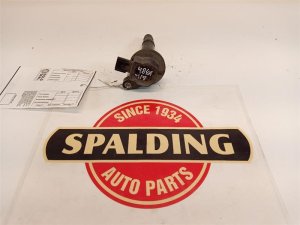
Used OEM Parts in Stock
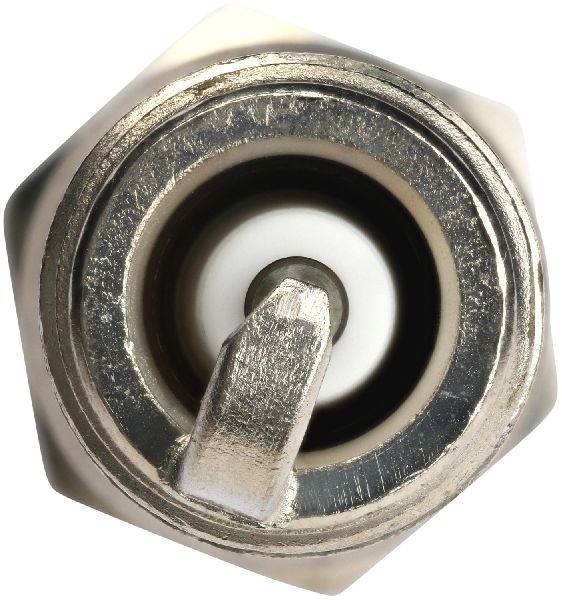
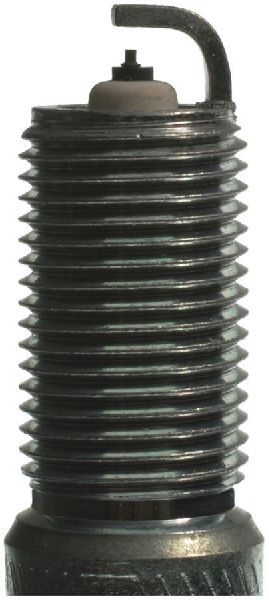
New Aftermarket Parts Available
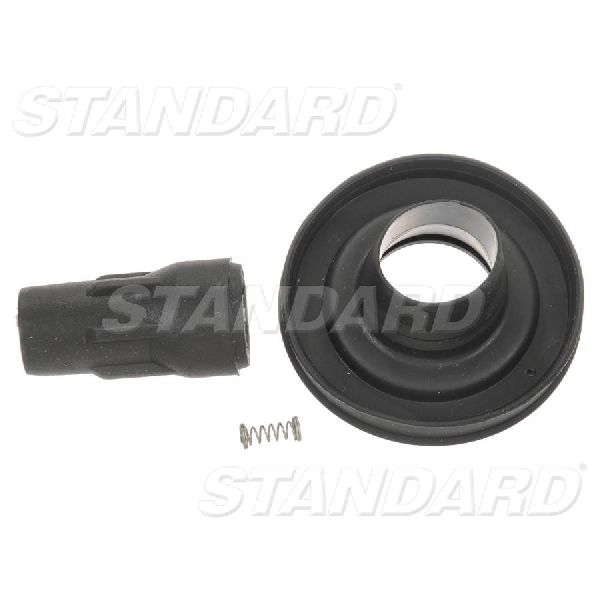

The information in this article is provided for general reference and educational purposes only. Vehicle specifications, procedures, and part compatibility can vary by production date, trim level, and region. Always consult your vehicle's factory service manual and verify part numbers before purchasing or performing repairs. Safety-critical components such as airbags, seat belts, and braking systems should be installed by a qualified professional.
- Ford Flex:
- 🧭 Diagnostic Flowchart
- 🎬 Helpful Videos
- 🛍️ Shop This Part
- What's Unique About the 2009-2019 Ford Flex
- Symptoms You May Notice
- Most Likely Causes
- Rare But Worth Checking
- Diagnosis Steps
- Parts You'll Likely Need
- Related Codes That Often Appear With This One
- Technical Service Bulletins (TSBs) & Recalls
- Platform-Specific Known Issues
- Mechanic-Grade Diagnostic Values
- Scan Tool Commands That Help
- Wiring & Ground Locations
- Real Owner Repair Stories
- OEM Part Supersession History
- Model Year Variations Within This Range
- Other Known Issues on This Vehicle
- Used vs. New Parts: Buying Guide for This Vehicle
- Real Owner Stories
- Ford F-150 3.5L V6
- Ford Truck 3.5L V6
- Ford Mustang 3.5L V6 (S197)
- Related OBD-II Codes
- Frequently Asked Questions
- 🎟️ Get 5% Off