

P0356 on 2002-2008 Jaguar X-Type 3.0L: Ignition Coil 'F' Circuit Causes and Fixes
P0356 on a Jaguar X-Type 3.0L indicates a fault in the ignition coil circuit for cylinder #6. This is most often caused by a failed ignition coil. Cylinder #6 is on the front bank (closest to the radiator), on the driver's side (US models), making it relatively easy to access and replace compared to the rear bank coils. A common contributing factor is oil leaking from the valve cover gasket into the spark plug well, which can damage the coil.
- P0356 on your X-Type means there's an electrical problem with the ignition coil circuit for cylinder #6.
- The most likely culprit is a bad ignition coil, a common failure often caused by oil leaking from the valve cover gasket.
- Cylinder #6 is on the front bank of the engine (near the radiator) on the driver's side (US), making it easy to access for diagnosis and replacement.
- A simple way to confirm a bad coil is to swap it with a neighboring coil (like from cylinder #4) and see if the trouble code follows the coil.
- Always check the coil's electrical connector for a secure fit and any signs of damage or corrosion before replacing parts.
- If you find oil in the spark plug well, you must replace the valve cover gaskets to prevent the new coil from failing prematurely.
What's Unique About the 2002-2008 Jaguar X-Type
The Jaguar X-Type uses a version of the Ford Duratec V6, which Jaguar designated the AJ-V6. A key challenge on this platform is that accessing the rear bank of cylinders (1, 3, 5) requires removing the entire upper intake manifold, 🎬 See how to remove the intake to access rear cylinders. a time-consuming job. Fortunately, code P0356 points to cylinder #6, which is located on the easily accessible front bank (closest to the radiator), making diagnosis and repair much simpler than for codes related to the rear cylinders. A frequent issue on these engines is oil leaking from the valve cover gaskets into the spark plug wells, which can saturate the ignition coil boot and cause premature coil failure.
Symptoms You May Notice
- Check Engine Light is on
- "Restricted Performance" message on the dashboard
- Rough idle or engine vibration
- Engine misfire, especially noticeable at low RPMs or when coasting
- Reduced engine power and poor acceleration
- Decreased fuel economy
- Strong smell of gasoline from the exhaust
- Replacing the spark plug without first testing the ignition coil. The most common diagnostic step is to swap coils to see if the fault follows the coil.
- Replacing the ignition coil without addressing an underlying oil leak from the valve cover gasket, leading to a repeat failure of the new coil.
Most Likely Causes
- Failed Ignition Coil on Cylinder #6 🔴 High Probability → Shop Ignition Coil Ignition coils are a common failure item due to constant heat cycles and electrical stress. On the AJ-V6, this is often accelerated by oil leaking from the valve cover gaskets, which pools in the spark plug wells and degrades the coil boot and housing.
How to confirm: Swap the ignition coil from cylinder #6 with another cylinder on the same bank (e.g., cylinder #4). Clear the codes and run the engine. If the code changes to P0354, the ignition coil is faulty. Visually inspect the old coil for oil saturation, swelling, or cracks.
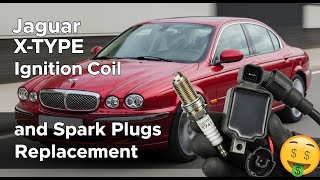
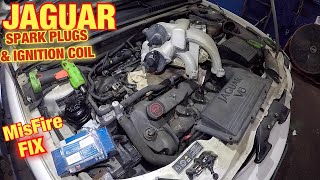
Typical fix: Replace the faulty ignition coil. 🎬 Watch: Step-by-step ignition coil and spark plug replacement guide. It is strongly recommended to replace the spark plug at the same time and to fix the source of any oil leak by replacing the valve cover gaskets.
Est. part cost: $30-$80 - Damaged Wiring or Loose Connector 🟡 Medium Probability The plastic connector clips on the coil harness become brittle with age and can break, leading to a poor connection. Engine vibration and heat can also cause wires to chafe or break near the connector.
How to confirm: Visually inspect the wiring harness and connector for cylinder #6's ignition coil. Look for cracks, corrosion on the pins, or loose-fitting connections. Wiggle the connector with the engine running to see if it induces a misfire. Use a multimeter to check for power and ground at the connector.
Typical fix: Clean the connector pins with electrical contact cleaner. If the connector is broken, replace it with a new pigtail connector (e.g., Standard Motor Products S-2527 or similar). Repair any damaged wires.
Est. part cost: $10-$35 for a pigtail connector - Worn or Faulty Spark Plug ⚪ Low Probability → Shop Spark Plug While a bad spark plug usually causes a misfire code (P0306), a heavily worn, fouled (especially with oil), or incorrectly gapped plug can increase the electrical resistance, straining the ignition coil and potentially causing the P0356 circuit code to appear.
How to confirm: After ruling out the coil and wiring, remove and inspect the spark plug for cylinder #6. Look for excessive wear on the electrode, oil or carbon fouling, or cracks in the porcelain insulator.
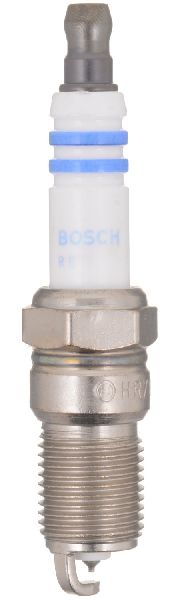
Typical fix: Replace the spark plug. The OEM recommended plug is often NGK or Bosch. It is best practice to replace all spark plugs at the same time for even performance.
Est. part cost: $10-$25 per plug
Rare But Worth Checking
- Faulty Powertrain Control Module (PCM): → Shop Engine Control Module (ECM) This is very rare. A failed ignition coil can sometimes short out and damage the driver circuit within the PCM. This should only be considered after all other possibilities (coil, plug, wiring) have been exhaustively tested and ruled out. If multiple P035x codes appear simultaneously, it increases the likelihood of a PCM or power supply issue.
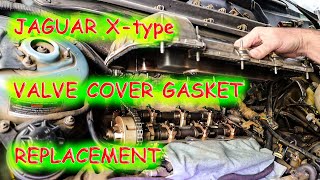
- Leaking Valve Cover Gasket: This is a root cause for the most common failure. Oil pools in the spark plug tube, saturating the ignition coil and causing it to fail. If you find oil on the coil or spark plug, the valve cover gasket and spark plug tube seals must be replaced 🎬 Watch: How to replace the valve cover gaskets and seals. to prevent repeat failures.
Diagnosis Steps
- Confirm the presence of the P0356 code using an OBD-II scanner.
- Identify cylinder #6. On the 3.0L AJ-V6, the front bank of cylinders (closest to the radiator) are 2, 4, and 6, from passenger to driver side (in the US). Cylinder #6 is on the front bank, closest to the driver's side.
- Visually inspect the electrical connector and wiring for the cylinder #6 ignition coil. Ensure it is securely plugged in and look for any signs of damage, corrosion, or oil contamination.
- Swap the ignition coil from cylinder #6 with the coil from cylinder #4 (the middle coil on the front bank). This is the definitive test.
- Clear the diagnostic trouble codes with the scanner.
- Start the engine and let it run for a few minutes. A short test drive may be necessary. Re-scan for codes.
- If the code changes to P0354 (Ignition Coil 'D'), the ignition coil you moved is faulty and needs to be replaced.
- If the code P0356 returns, the problem lies in the wiring or the PCM. The next step is to use a multimeter to check for battery voltage on the power wire and to check for continuity on the signal wire between the coil connector and the PCM.
- While the coil is removed, inspect the spark plug well for oil. If oil is present, the valve cover gasket set needs to be replaced to prevent future coil failures.
- Inspect the spark plug for cylinder #6 for wear, damage, or fouling.
Parts You'll Likely Need
- Ignition Coil
(OEM #1X43-12029-AB (also C2S42673))— This is the most common cause of a P0356 code. The internal windings of the coil fail over time, often due to heat and oil contamination, leading to a circuit malfunction.
Trusted brands: Denso, NGK, Delphi, Bosch, Standard Motor Products
OEM price range: $70-$120
Aftermarket price range: $30-$80 - Spark Plug
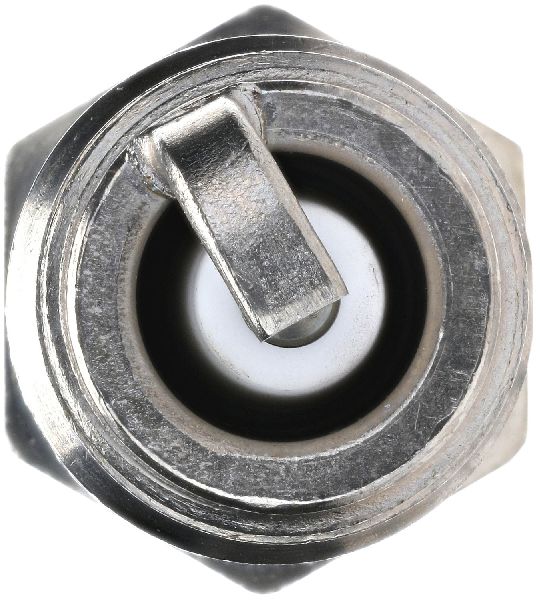
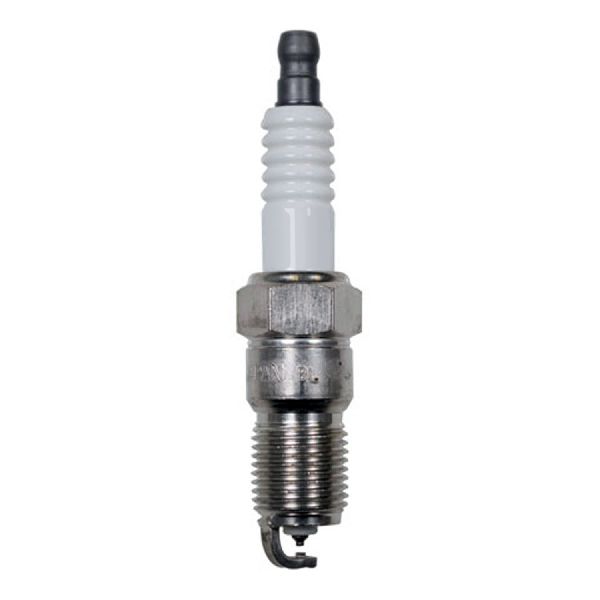
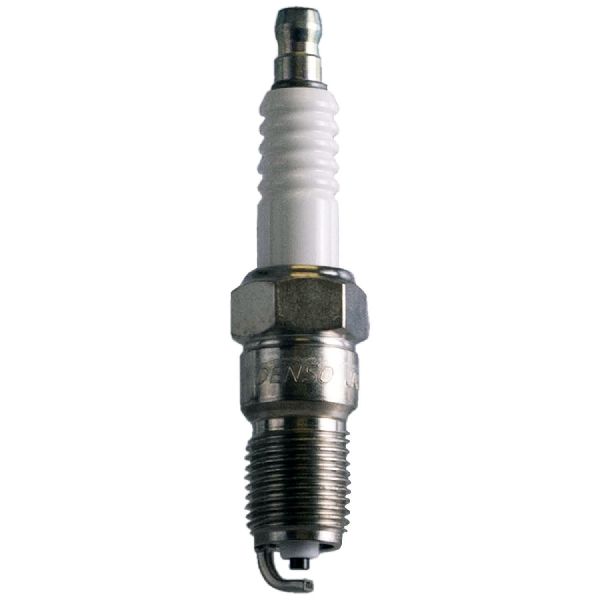
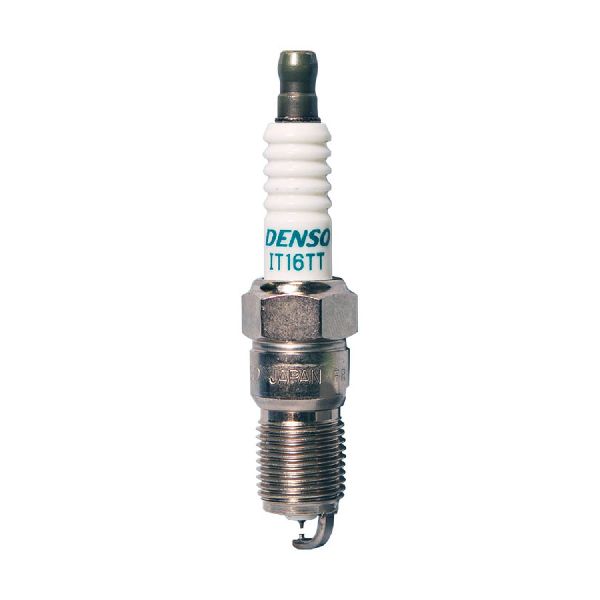
(OEM #AJ84575 (NGK TR6AP-13E))— While not the primary cause, it's wise to replace the spark plug when replacing a coil, as a worn plug can stress the new coil and they are inexpensive. An oil-fouled plug should always be replaced.
Trusted brands: NGK, Bosch
OEM price range: $15-$25
Aftermarket price range: $8-$15 - Ignition Coil Connector Pigtail
(OEM #9U2Z-14S411-EA (Ford part #, compatible))— If the plastic locking tab on the original connector is broken or the terminals are corroded, a secure connection is impossible, necessitating replacement of the connector end.
Trusted brands: Standard Motor Products (S-2527), Dorman, Wells
OEM price range: $25-$40
Aftermarket price range: $10-$25
Related Codes That Often Appear With This One
- P0306 — P0306 means 'Cylinder 6 Misfire Detected'. Since P0356 indicates a fault in the ignition circuit for cylinder 6, the cylinder will not fire correctly, directly causing a P0306 code.
- P1316 — This is a Jaguar-specific code indicating 'Misfire Rate Exceeds Emissions Limits'. It often accompanies specific cylinder misfire codes like P0306 and indicates the misfire is severe enough to damage the catalytic converter.
- P1000 — This is not a fault code, but a Jaguar/Ford specific code indicating that the OBD-II system readiness checks have not been completed since the last time the codes were cleared. It will be present after clearing P0356 and will disappear on its own after a complete drive cycle.
Platform-Specific Known Issues
- A very common related problem is a leaking valve cover gasket, which allows engine oil to fill the spark plug wells. This oil saturation is a primary cause of ignition coil failure on the AJ-V6 engine. A YouTube video by 'JaguaRRoman' details the valve cover gasket replacement process specifically to address oil leaking into the spark plug tubes.
- The magnesium valve covers themselves can corrode around the spark plug holes, creating a poor seal even with a new gasket. Forum users on Jag-lovers and JaguarForums have discussed this 'bubbling' corrosion extensively.
Mechanic-Grade Diagnostic Values
- Ignition Coil Primary Winding Resistance — expected: 0.62 Ω ± 10% at 20°C (68°F). Failure: A reading significantly outside this range, or OL (Open Line), indicates a faulty coil.
- Ignition Coil Secondary Winding Resistance — expected: 7.0 kΩ ± 15% at 20°C (68°F). Failure: A reading significantly outside this range, or OL (Open Line), indicates a faulty coil.
- Ignition Coil Connector - Pin 1 (Power) — expected: Battery Voltage (approx. 12V) with Key On, Engine Off.. Failure: Low or no voltage indicates a problem with the power supply from the fuse box.
- Ignition Coil Connector - Pin 3 (Ground) — expected: Near 0 Ω resistance to chassis ground.. Failure: High resistance indicates a poor ground connection, which is a common issue.
- Signal Wire Continuity (Coil Connector to PCM) — expected: Less than 0.5 Ω.. Failure: A reading of 'OL' or high resistance indicates a break in the signal wire within the harness.
Scan Tool Commands That Help
- Jaguar IDS/WDS: Oscilloscope Function / Measurement Module — To visually inspect the primary actuation signal (waveform) sent from the PCM to the ignition coil. A clean, identifiable square wave signal should be present when the engine is cranking or running. A missing or distorted signal points towards a PCM driver or wiring fault, rather than a coil fault.
Wiring & Ground Locations
- Ignition Coil Connector (4-Pin) — On top of the ignition coil for cylinder #6 (front bank, driver's side US).. This is the primary connection point to test for power, ground, and the PCM signal. The pinout is typically: Pin 1: 12V+ Power, Pin 2: Ignition Feedback (to PCM), Pin 3: Ground, Pin 4: Trigger Signal (from PCM).
- G11 Ground Stud — Engine compartment, behind the left-hand (driver's side US) headlamp assembly.. This is a major ground point for the engine management system. Corrosion or looseness at this stud can cause intermittent and difficult-to-diagnose electrical faults, including ignition circuit codes.
- EMS LH Ground Stud — On the left front inner fender/wing in the engine bay.. This is another critical ground point for the Engine Management System (EMS). A poor connection here can affect the stability of the entire system, leading to erroneous codes.
- G8 Ground Stud — Located in the right front wheel well area.. This ground point is referenced in engine performance wiring diagrams and serves various components. Ensuring it is clean and tight is part of a thorough electrical diagnosis.
Real Owner Repair Stories
- JaguarForums.com user 'unpredictable1' (Jaguar S-Type (with same 4.0L V8 engine architecture, relevant diagnosis)) — Engine misfire and P0356 code after replacing all valve cover gaskets, spark plugs, and ignition coils.
❌ Tried (didn't work) Confirmed spark on cylinder 6 using a spark tester., Swapped the new spark plug from cylinder 6 with an old, known-good one., Swapped the new coil from cylinder 6 with another new coil.
✅ What actually fixed it The fuel injector electrical connector for cylinder #6 was found to be disconnected. Reconnecting the injector harness cleared all symptoms and codes. The PCM had apparently shut off the injector due to the perceived coil fault, but the initial code was misleadingly pointing only to the ignition circuit. - JaguarForums.com user 'XJ8JR' (Jaguar X-Type) — Sudden Check Engine Light, 'Restricted Performance' message, and a slight misfire felt when coasting at low RPMs.
❌ Tried (didn't work) Initially, no parts were replaced.
✅ What actually fixed it The user unplugged the electrical connector for the cylinder 6 ignition coil, cleaned it with electrical contact cleaner, and reconnected it securely. This simple action resolved the code and symptoms, indicating the fault was a poor connection rather than a failed part.
OEM Part Supersession History
C2S11480, C2S7928, XR822478→C2S42673— Part consolidation and potential minor revisions by the manufacturer.
Heads up: The final part number, C2S42673, is the correct replacement for all 2002-2008 V6 X-Type models. The older numbers have been superseded.
Model Year Variations Within This Range
- 2002-2008: There were no significant changes to the ignition coil, spark plug, or engine management system related to this specific fault code across the entire model run. A 2005 model uses the same diagnostic procedure and parts as a 2008 model. A minor facelift occurred in 2008 but did not affect the powertrain components relevant to P0356.
Diagnostic Flowchart
Other Known Issues on This Vehicle
Issues unrelated to this code that are worth knowing about as an owner of this generation:
- Transfer Case Failure 🔴 High — Common, especially on earlier (pre-2004) models and cars driven aggressively. The unit is sealed-for-life and prone to running low on fluid, leading to failure.
- Vacuum Leaks 🟠 Medium — Very common across all years. The PCV breather hose, brake booster hose, and intake manifold tuning (IMT) valve O-rings are the 'big three' culprits that dry out and crack, causing lean codes, rough idle, and performance issues.
- Sagging Headliner 🟡 Low — Extremely common. The foam backing on the headliner material deteriorates over time, causing the fabric to detach from the ceiling. This is a cosmetic issue but affects nearly all X-Types eventually.
- Leaking Valve Cover Gaskets 🟠 Medium — Widespread issue. The gaskets and spark plug tube seals harden and leak oil, both externally onto the exhaust manifold (causing a burning smell) and internally into the spark plug wells (causing ignition coil failure).
- Water Pump/Cooling System Plastic Failure 🔴 High — Common failure point after 80,000-100,000 miles. The plastic components of the cooling system, including the thermostat housing and various hose connectors, become brittle and can crack, leading to sudden coolant loss and potential overheating.
Used vs. New Parts: Buying Guide for This Vehicle
When a used part is the smart pick: For this repair, buying a used ignition coil is generally not recommended. Ignition coils are wear items that degrade with heat and time. The cost savings are minimal compared to the risk of receiving a part with little remaining service life. A used electrical connector pigtail from a junkyard is a viable option if the plastic is in good condition and not brittle.
Donor-vehicle mileage cap: roughly under 80000 miles for the part to have meaningful remaining life.
What to inspect on the donor part:
- For a connector pigtail, ensure the locking tab is intact and clicks firmly.
- Check for any signs of corrosion on the metal pins inside the connector.
- Inspect the wiring insulation for at least a few inches back from the connector, ensuring it is not cracked, brittle, or oil-soaked.
OEM-only on this vehicle (don't cheap out):
- While not strictly 'OEM-only', it is highly advisable to use reputable brands for ignition coils. Cheap, unbranded sets sold on sites like eBay are known to have high failure rates and can cause more issues.
Aftermarket brands forum-validated for this vehicle:
- NGK
- Delphi
- Denso (Original OEM supplier)
- Bosch
Brands owners have reported issues with on this vehicle:
- Generic, unbranded multi-packs often sold on eBay and Amazon for extremely low prices. Forum members report poor reliability and short service life.
Real Owner Stories
Aggregated from forums and TSBs cited above. Mileages and costs reflect what owners reported in those sources.
2002-2008 Jaguar X-Type 3.0L AJ-V6
Symptoms: A slight misfire at low RPMs.
What fixed it: The initial fix was simply cleaning and reseating the connector for the ignition coil.
Source hint: JaguarForums.com - P0356 Thread (2016)
2002-2008 Jaguar X-Type 3.0L AJ-V6
Symptoms: A sudden P0356 code and misfire appeared right before an inspection.
What fixed it: The discussion confirmed that while cleaning the connector is a good first step, the coil itself had likely failed internally and required replacement.
Source hint: Jag-lovers Forums - [x300] Code P0356 - share my pain (2016)
Related OBD-II Codes
Frequently Asked Questions
Where is cylinder #6 on my 2002-2008 X-Type 3.0L engine?
I found oil in the spark plug well for cylinder #6. Is this related to the P0356 code?
What is the most reliable way to test if the ignition coil is the problem?
My plastic connector for the coil is broken. Can I replace just the connector?
Could a bad spark plug cause a P0356 circuit code instead of a P0306 misfire code?
I replaced the coil and spark plug, but P0356 came back. What should I check next?
Are other cars like the Lincoln LS or Ford Escape also prone to this issue?
Helpful Videos
We Have This Part in Stock


The information in this article is provided for general reference and educational purposes only. Vehicle specifications, procedures, and part compatibility can vary by production date, trim level, and region. Always consult your vehicle's factory service manual and verify part numbers before purchasing or performing repairs. Safety-critical components such as airbags, seat belts, and braking systems should be installed by a qualified professional.
- Jaguar X-Type:
- 🧭 Diagnostic Flowchart
- 🎬 Helpful Videos
- 🛍️ Shop This Part
- What's Unique About the 2002-2008 Jaguar X-Type
- Symptoms You May Notice
- Most Likely Causes
- Rare But Worth Checking
- Diagnosis Steps
- Parts You'll Likely Need
- Related Codes That Often Appear With This One
- Platform-Specific Known Issues
- Mechanic-Grade Diagnostic Values
- Scan Tool Commands That Help
- Wiring & Ground Locations
- Real Owner Repair Stories
- OEM Part Supersession History
- Model Year Variations Within This Range
- Other Known Issues on This Vehicle
- Used vs. New Parts: Buying Guide for This Vehicle
- Real Owner Stories
- 2002-2008 Jaguar X-Type 3.0L AJ-V6
- 2002-2008 Jaguar X-Type 3.0L AJ-V6
- Related OBD-II Codes
- Frequently Asked Questions
- 🎟️ Get 5% Off