

P0363 on 2010-2015 Chevrolet Camaro LS3: Misfire Detected & Fueling Disabled Causes and Fixes
On a 2010-2015 Camaro with the LS3 V8, P0363 indicates a severe misfire where the computer has cut fuel to a cylinder to protect the catalytic converter. The most common causes are loose spark plug wires, bad spark plugs, or a failed ignition coil. Check for loose wires first, as this is a known issue documented in GM TSB #PIP4819A and widely reported by owners. A fix is often under $150 and can be done by a DIYer.
- P0363 is a critical code for a severe misfire. Do not drive the vehicle to avoid expensive catalytic converter damage.
- Always check for the accompanying P0301-P0308 code to know which cylinder is at fault.
- The most likely cause on an LS3 V8 is a simple ignition system problem: a loose spark plug wire, a bad spark plug, or a failed ignition coil.
- Unlike other GM V8s, you do not need to worry about Active Fuel Management (AFM) lifter failure as a cause on the LS3 engine.
- A logical 'swap test' (moving a coil, then a wire to another cylinder) is the easiest way to confirm a bad part without buying anything.
What's Unique About the 2010-2015 Chevrolet Camaro
The 2010-2015 Camaro SS with a manual transmission uses the robust 6.2L LS3 V8 engine. Unlike the L99 V8 found in automatic models, the LS3 does not have the complex Active Fuel Management (AFM) system. This is significant because AFM lifter failure is a very common cause of misfires on other GM V8s, but it is not a concern for LS3 owners. Instead, issues on the LS3 are more frequently traced to the ignition system, particularly loose spark plug wires—a problem so common that General Motors issued a Technical Service Bulletin (TSB #PIP4819A) about it. This TSB is frequently referenced in owner forums for both the Camaro and the C6 Corvette, which shares the LS3 engine.
Symptoms You May Notice
- Flashing Check Engine Light (CEL)
- Rough idle and severe engine vibration, especially at a stop
- Significant loss of engine power and poor acceleration
- "Service StabiliTrak" message appearing on the dash. This is a common secondary warning on GM vehicles when a misfire is detected, as the engine's instability prevents the traction control system from functioning reliably.
- Engine may stall or struggle to stay running
- Engine cranking for a long time before starting.
- Replacing the oxygen (O2) sensors. O2 sensors will report abnormal readings due to the misfire (unburned oxygen), but they are not the cause of the misfire itself.
- Replacing the catalytic converter. A misfire can damage the converter, but the converter is not the cause of the P0363 code. The misfire must be fixed first.
- Blaming an aftermarket tune. While a bad tune can cause issues, P0363 is most often triggered by a basic component failure in the ignition or fuel system that should be checked first. However, aggressive tunes can sometimes make the ECM more sensitive to detecting minor misfires.
Most Likely Causes
- Loose, Damaged, or Failed Spark Plug Wires 🔴 High Probability → Shop Spark Plug GM issued Technical Service Bulletin #PIP4819A for V8 models, noting that spark plug wires can become loose at the coil or plug, causing misfires. The connection should make an audible 'click' when properly seated. This is the most cited cause in owner forums for both Camaros and Corvettes with the LS3 engine. Wires can also be damaged during other maintenance, like header installation.
How to confirm: Visually inspect the wires for damage, burns, or looseness. Ensure both ends of the spark plug wire on the misfiring cylinder are firmly seated. You can also swap the wire with one from a known good cylinder and see if the misfire code (e.g., P0301) follows the wire to the new cylinder. Resistance can be checked with a multimeter; a good wire should be within spec (e.g., around 100-150 ohms per foot for some performance wires).
Typical fix: Reseat the loose wire or replace the faulty wire. It is best practice to replace all 8 wires as a set with a quality brand like ACDelco or MSD. Ensure the new wires 'click' into place on both the coil and the plug.
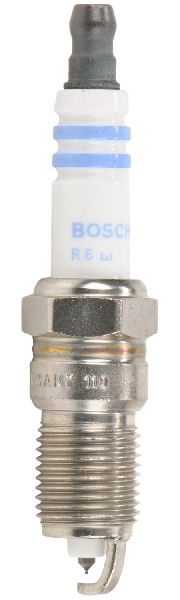
Est. part cost: $50-$150 - Worn or Fouled Spark Plugs 🔴 High Probability → Shop Spark Plug Spark plugs are a standard maintenance item. A plug with a worn electrode, cracked porcelain insulator, or heavy carbon/oil fouling will fail to ignite the fuel mixture properly, causing a misfire. A cracked plug is a common finding after header installations if care is not taken.
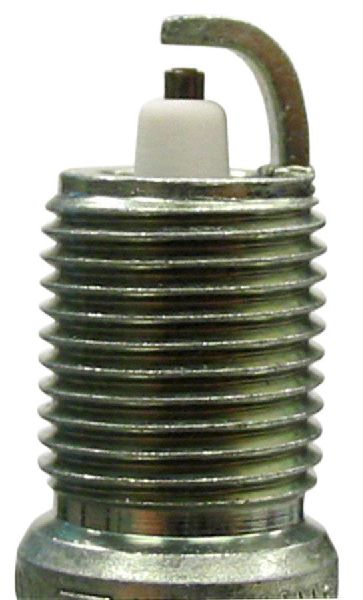
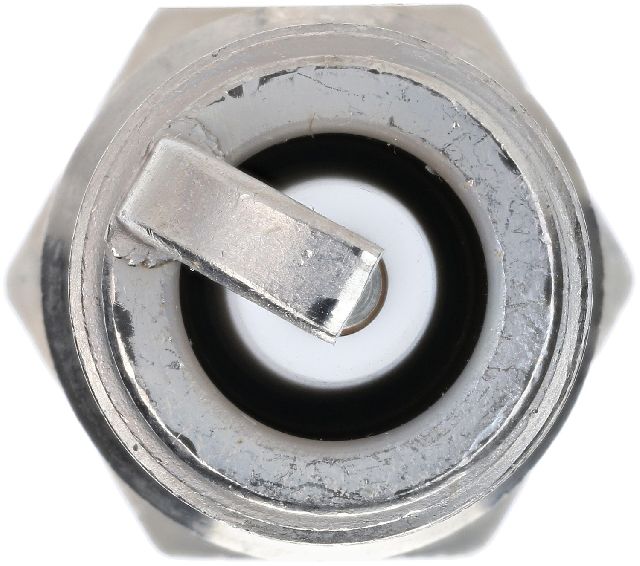
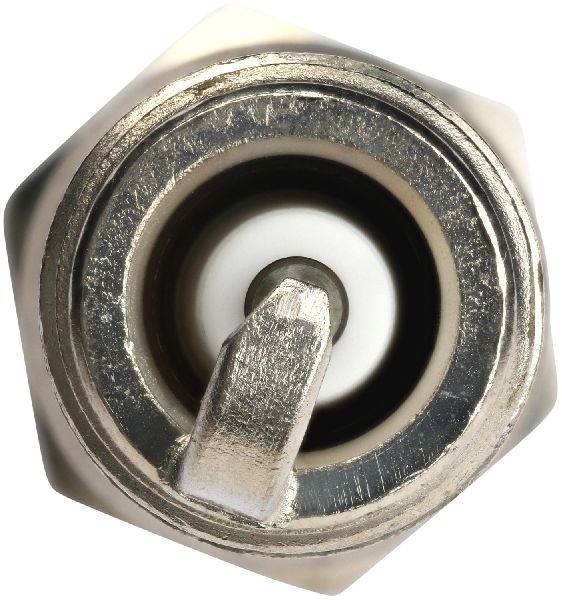
How to confirm: Remove the spark plug from the misfiring cylinder. Inspect it for signs of wear, fouling, or damage. The electrode should be intact and the ceramic insulator should not be cracked. The recommended OEM plug is an ACDelco Iridium 41-110, with a specified gap of 0.040 inches.
Typical fix: Replace the faulty spark plug. It is highly recommended to replace all 8 spark plugs at the same time to ensure consistent performance. Use the correct OEM-spec plugs for best results.
Est. part cost: $60-$120 - Failed Ignition Coil 🟡 Medium Probability → Shop Ignition Coil Like any electronic component, ignition coils can fail over time due to heat cycles and vibration in the engine bay. This results in a weak or non-existent spark. While reliable, failures are not uncommon.
How to confirm: Swap the ignition coil from the misfiring cylinder with a coil from a known good cylinder. Clear the codes and run the engine. If the misfire code moves to the new cylinder (e.g., P0303 becomes P0301), the coil is bad. This is a definitive and simple DIY test.
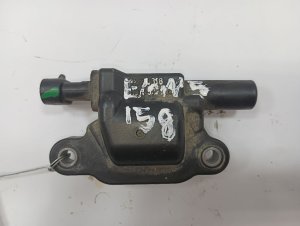
Typical fix: Replace the failed ignition coil. The OEM part is ACDelco D510C. While you can replace just one, if the coils are original and have high mileage, consider replacing the full set of 8 for preventative maintenance.
Est. part cost: $40-$80 per coil - Clogged or Failed Fuel Injector ⚪ Low Probability → Shop Fuel Injector Fuel injectors can become clogged with deposits over time or fail electrically, though this is less common than ignition system faults on the LS3.
How to confirm: If swapping the plug, wire, and coil doesn't change the misfiring cylinder, the injector is a likely suspect. A DIY method is to swap the fuel injector with one from another cylinder. If the misfire code follows the injector, it is faulty. A mechanic can also perform a fuel injector balance test or listen to the injector with a stethoscope to ensure it's clicking.
Typical fix: Replace the faulty fuel injector. This is more involved as it requires depressurizing the fuel system and removing the fuel rail.
Est. part cost: $70-$150 per injector
Rare But Worth Checking
- Wiring Harness Short or Open: In some cases, a persistent misfire on a single cylinder that isn't solved by replacing the plug, wire, or coil can be caused by a break or short in the wiring harness leading to the ignition coil or fuel injector. This can be diagnosed by checking for 12V power at the injector/coil connector and performing a continuity test on the ground/signal wire back to the ECM.
- Low Cylinder Compression: If all ignition and fuel components for the cylinder check out, a mechanical engine problem could be the cause. This includes issues like a bent valve, worn piston rings, a bent pushrod, or a worn camshaft lobe. A compression and/or leak-down test is required to diagnose these more serious internal engine problems.
- Vacuum Leak: A significant vacuum leak, such as a failed intake manifold gasket near a specific cylinder's intake runner, can lean out the air/fuel mixture enough to cause a misfire. This would typically be accompanied by high positive fuel trims on that engine bank.
Diagnosis Steps
- Use an OBD-II scanner to confirm the P0363 code and, more importantly, to identify the specific misfiring cylinder from the accompanying P030x code (e.g., P0304 for cylinder 4).
- Identify the misfiring cylinder's location. On the LS3, cylinders 1, 3, 5, 7 are on the driver's side (front to back), and 2, 4, 6, 8 are on the passenger's side (front to back).
- Visually inspect the engine bay, focusing on the misfiring cylinder. Look for anything obvious like a disconnected spark plug wire, damaged wiring, or signs of arcing.
- Check the spark plug wire for the misfiring cylinder. Ensure it is securely attached to both the ignition coil and the spark plug. A distinct 'click' should be felt or heard, as noted in TSB #PIP4819A.
- Swap components to isolate the fault. Start by swapping the ignition coil from the misfiring cylinder with one from an adjacent cylinder. Clear the codes, run the engine, and see if the misfire code moves to the new cylinder. If it does, the ignition coil is bad.
- If the misfire remains on the original cylinder, repeat the process by swapping the spark plug wire.
- If the misfire still remains, remove and inspect the spark plug. Check the gap (should be 0.040") and look for cracks, wear, or fouling. Replace it if it appears worn, damaged, or fouled. It's best to replace all eight.
- If all ignition system components are confirmed to be good, the next step is to investigate the fuel injector for that cylinder, potentially by swapping it with another cylinder's injector.
- If the problem persists, a mechanical issue is possible. Perform a cylinder compression test and a leak-down test to check for internal engine problems like bad rings, valves, or head gasket issues.
Parts You'll Likely Need
- Spark Plugs
(OEM #ACDelco 41-110 (GM #12621258))— Spark plugs are a primary wear item and a common cause of misfires on the LS3 engine.
Trusted brands: ACDelco, NGK
OEM price range: $80-$120 (set of 8)
Aftermarket price range: $60-$100 (set of 8) - Spark Plug Wires
(OEM #ACDelco 9748RR)— Loose or failed spark plug wires are a very common cause of misfires on this engine, as documented in TSB #PIP4819A.
Trusted brands: ACDelco, MSD, Granatelli
OEM price range: $60-$90 (set of 8)
Aftermarket price range: $50-$150 (set of 8) - Ignition Coil
(OEM #ACDelco D510C (GM #12611424))— Ignition coils can fail from heat and vibration, causing a no-spark condition on a single cylinder.
Trusted brands: ACDelco, Delphi
OEM price range: $50-$80 (per coil)
Aftermarket price range: $35-$60 (per coil)
Related Codes That Often Appear With This One
- P0300 — This code for a random/multiple cylinder misfire may appear with P0363 if the problem is intermittent or affects more than one cylinder. It is also mentioned in TSB #PIP4819A.
- P0301-P0308 — One of these codes will almost always be present with P0363. They are essential for diagnosis as they identify the specific cylinder that is misfiring (e.g., P0301 is Cylinder 1, P0308 is Cylinder 8).
- P0351-P0358 — These codes indicate a fault in the ignition coil control circuit for a specific cylinder (e.g., P0353 for cylinder 3). If you see one of these, it points strongly to a bad coil or a problem in the wiring to that coil.
Technical Service Bulletins (TSBs) & Recalls
- TSB #PIP4819A: Addresses intermittent engine misfires on V8 engines due to loose spark plug wire connections at the coil or spark plug. Advises technicians to ensure wires are fully seated with an audible 'click'.
Platform-Specific Known Issues
- A known issue documented in GM TSB #PIP4819A is a misfire caused by a loose spark plug wire connection at either the coil pack or the spark plug itself.
- The 'Service StabiliTrak' warning light commonly illuminates during a severe misfire event; this is a secondary symptom and does not indicate a fault with the stability control system.
Mechanic-Grade Diagnostic Values
- Fuel Pressure (at fuel rail test port) — expected: 58-60 PSI (400-414 kPa) with key on, engine off.. Failure: Pressure below 55 PSI may indicate a weak fuel pump. Note: The 2010-2015 Camaro does not have a factory fuel pressure sensor readable by a scan tool; a mechanical gauge must be used.
- Ignition Coil Primary Resistance — expected: 0.4 to 0.6 ohms between the positive and negative terminals on the coil.. Failure: A reading outside this range (e.g., an open circuit or significantly higher/lower resistance) indicates a faulty coil.
- Ignition Coil Secondary Resistance — expected: 5,000 to 7,200 ohms (5.0kΩ - 7.2kΩ) between the coil output tower and a primary terminal.. Failure: A reading significantly outside this range suggests an internal coil failure.
- Fuel Injector Resistance — expected: ~12.0 ohms across the two terminals of the injector.. Failure: A reading that is significantly different from the other injectors, or is open/shorted, points to a failed injector.
- Ignition Coil / Fuel Injector Connector Voltage — expected: 12V+ on the Pink (PK) wire with key in the 'ON' position.. Failure: No voltage indicates a problem with the fuse, relay, or wiring harness providing power to the ignition/fuel system bank.
Hidden / Shadow Codes Worth Checking
- Misfire History Counters: While not a distinct trouble code, dealer-level scan tools like the GM Tech2 or GDS2 can access detailed misfire history data. This shows a cumulative count of misfire events per cylinder over various RPM ranges, which can help identify an intermittent misfire that isn't severe enough to set a code consistently. (see via GM Tech2 or GDS2 scan tool in the engine control data display list.)
Scan Tool Commands That Help
- GDS2/Tech2: Injector Balance Test — Use this after ruling out the ignition system. The tool commands each injector to fire for a precise duration while the system is pressurized. By observing the pressure drop for each injector, a technician can identify one that is clogged (smaller drop) or leaking (larger drop) without removing the fuel rail.
- GDS2/Tech2: Crankshaft Position (CKP) System Variation Learn — This procedure should be performed after replacing the crankshaft position sensor, ECM, or performing major engine work. It calibrates the ECM to minor variations in the crankshaft reluctor wheel to prevent false misfire detection. Failure to perform this can sometimes lead to a P0300 or other misfire codes under certain conditions.
Wiring & Ground Locations
- G107 — On the right rear of the engine block/cylinder head.. This is a primary ground point for the engine harness. A loose or corroded G107 can cause erratic behavior in the ignition system, including weak spark or intermittent misfires on the passenger side (Bank 2) cylinders.
- G108 / G109 — G108 is on the left rear of the engine, and G109 is on the left front.. These grounds are critical for the driver's side (Bank 1) components. The ignition coil packs for cylinders 1, 3, 5, and 7 rely on a clean ground path. A fault here can cause misfires on Bank 1.
- ECM Connector X1 (Black) — The Engine Control Module (ECM) is located in the engine bay. X1 is one of the main harness connectors.. Allows for testing continuity. For example, checking the fuel pump relay control circuit from Pin 50 (Dark Green/White wire) or Ignition 1 Voltage at Pins 19 and 47 (Pink wire) can diagnose harness issues without tearing it apart.
Real Owner Repair Stories
- Common narrative from Camaro5 and LS1Tech forums (2010-2015 Camaro SS, typically after installing aftermarket headers.) — P0363 with a specific cylinder misfire (e.g., P0305) immediately after installing long-tube headers. Engine runs very rough.
❌ Tried (didn't work) Checking spark plug wire connection, thinking it was just loose., Swapping the ignition coil with another cylinder; the misfire did not move.
✅ What actually fixed it The spark plug was removed and found to have a hairline crack in the porcelain insulator. The crack was caused by accidentally hitting the plug with a tool or the new header pipe during installation. Replacing the single cracked spark plug resolved the misfire completely.
"I Checked Everything" — The Actual Cause
- A bent pushrod. A smoke test would show no vacuum leaks, and all electrical tests for the ignition and fuel injector would pass. However, a bent pushrod will prevent the intake or exhaust valve from opening correctly, causing a purely mechanical misfire with zero compression. This is often diagnosed only after a compression test shows 0 PSI on the dead cylinder and the valve cover is removed for inspection.
OEM Part Supersession History
12570616→12611424 (ACDelco D510C)— Standard part evolution and supplier changes (from Delphi to Melco-Mitsubishi in some cases).
Heads up: The key is ensuring the coil is the correct 'square' shape for the LS3 valve cover and bracket. While functionally similar, using other LS family coils (like the round LS1 style) would require different brackets and wiring harnesses. The D510C is the correct service part for this application.
Model Year Variations Within This Range
- 2010-2015: There are no significant variations within the 2010-2015 model years for the LS3 engine that would alter the diagnosis of a P0363 code. All years used the E38 Engine Control Module (ECM) and the same fundamental ignition and fuel system components.
Diagnostic Flowchart
Other Known Issues on This Vehicle
Issues unrelated to this code that are worth knowing about as an owner of this generation:
- Premature Timing Chain Wear (V6 Models) 🔴 High — Primarily affects 2010-2011 models with the 3.6L LLT V6 engine, not the LS3 V8. Can occur as early as 50,000 miles, often causing P0008/P0017 codes. (Ref: GM issued special coverage adjustments for some affected vehicles.)
- Key Stuck in Ignition 🟡 Low — Common on 2014-2015 models with automatic transmissions due to a faulty shifter interlock or microswitch.
- Convertible Top Wear 🟠 Medium — The fabric soft top on convertible models can experience premature wear, chafing, and holes where it folds against the support brackets. (Ref: Support Bulletin #12052 was issued for some 2011-2012 models to modify brackets and add insulation.)
- Passenger Airbag Sensor Fault 🔴 High — A common issue where the passenger presence system fails to detect a passenger, disabling the airbag. This affected many 2010-2012 models and led to recalls and extended warranties. (Ref: Multiple recalls and special coverage programs were issued by GM.)
- Radio/Infotainment Malfunctions 🟡 Low — On 2013-2015 models, the MyLink radio screen can go black, freeze, or cause other electrical gremlins like loss of turn signal sounds.
Used vs. New Parts: Buying Guide for This Vehicle
When a used part is the smart pick: For this repair, used parts are generally not recommended for the primary failure items (plugs, wires, coils). However, benign hardware like a fuel rail or ignition coil mounting bracket from a reputable salvage yard is a perfectly acceptable cost-saving measure.
Donor-vehicle mileage cap: roughly under 60000 miles for the part to have meaningful remaining life.
What to inspect on the donor part:
- For an ignition coil, check for cracks in the plastic housing or corrosion on the terminals.
- Ensure the donor vehicle was not in a front-end collision that could have damaged engine components.
- Look for signs of oil leaks or overheating on the donor engine, which could stress electronic parts.
OEM-only on this vehicle (don't cheap out):
- Spark Plugs: Use the specified ACDelco Iridium plugs. Aftermarket plugs can have different heat ranges or electrode designs that the LS3 is sensitive to.
- Fuel Injectors: While quality aftermarket injectors exist for performance builds, for a stock repair, a new OEM or OEM-supplier (Bosch) injector is the most reliable choice to ensure correct flow rates and data for the ECM.
Aftermarket brands forum-validated for this vehicle:
- Spark Plug Wires: MSD and Taylor Wires are well-regarded in the LS community as durable, high-quality alternatives to OEM.
- Ignition Coils: Delphi (often the OEM manufacturer) and Standard Motor Products (Blue Streak) are considered reliable OEM-quality replacements.
Brands owners have reported issues with on this vehicle:
- Unbranded 'no-name' ignition coil sets sold on auction sites or Amazon. These are notorious for high failure rates, sometimes right out of the box, and can cause persistent misfire issues that are difficult to diagnose.
Real Owner Stories
Aggregated from forums and TSBs cited above. Mileages and costs reflect what owners reported in those sources.
2010-2015 Chevrolet Camaro LS3
Symptoms: Service Stabilitrak message appeared on the dash along with a misfire.
What fixed it: Found a loose spark plug wire; reseating the wire resolved the issue.
Source hint: camaro5.com thread titled 'Service Stabilitrak message'
2013 Chevrolet Corvette LS3
Symptoms: Engine misfire persisting after checking ignition components.
What fixed it: The issue was traced to the fuel injectors after the spark plugs and coils were confirmed good.
Source hint: corvetteforum.com thread titled 'C6 2013 ls3 misfire'
2010-2015 Chevrolet Camaro LS3
Symptoms: High-RPM misfire on a modified vehicle.
What fixed it: Replaced faulty spark plugs and spark plug wires.
Source hint: camaro5.com thread titled 'Help with a P0300 Code'
2008-2013 Chevrolet Corvette (C6) LS3
Symptoms: P0300 code (random misfire).
What fixed it: Checked for and tightened loose spark plug wires.
Source hint: corvetteforum.com thread titled 'misfire'
Related OBD-II Codes
Frequently Asked Questions
Why is my 2010-2015 Camaro LS3 displaying a 'Service StabiliTrak' message along with the P0363 code?
Does GM TSB #PIP4819A apply to my LS3 V8 engine?
What specific spark plugs should I use for my 6.2L LS3 engine to avoid misfire codes?
Can installing aftermarket headers on my Camaro cause a P0363 code?
What is the specific ACDelco part number for a replacement ignition coil on the LS3?
How can I tell if my spark plug wires are the cause of the P0363 code?
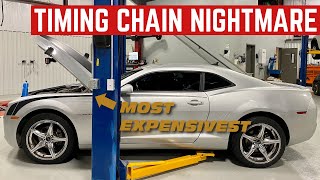
Helpful Videos
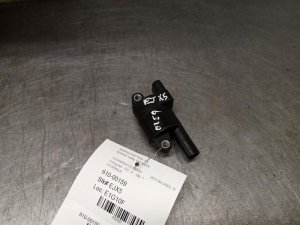
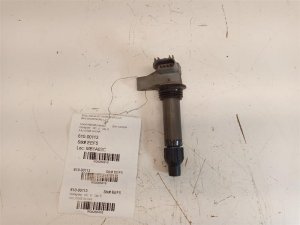
Used OEM Parts in Stock
New Aftermarket Parts Available

The information in this article is provided for general reference and educational purposes only. Vehicle specifications, procedures, and part compatibility can vary by production date, trim level, and region. Always consult your vehicle's factory service manual and verify part numbers before purchasing or performing repairs. Safety-critical components such as airbags, seat belts, and braking systems should be installed by a qualified professional.
- Chevrolet Camaro:
- 🧭 Diagnostic Flowchart
- 🎬 Helpful Videos
- 🛍️ Shop This Part
- What's Unique About the 2010-2015 Chevrolet Camaro
- Symptoms You May Notice
- Most Likely Causes
- Rare But Worth Checking
- Diagnosis Steps
- Parts You'll Likely Need
- Related Codes That Often Appear With This One
- Technical Service Bulletins (TSBs) & Recalls
- Platform-Specific Known Issues
- Mechanic-Grade Diagnostic Values
- Hidden / Shadow Codes Worth Checking
- Scan Tool Commands That Help
- Wiring & Ground Locations
- Real Owner Repair Stories
- "I Checked Everything" — The Actual Cause
- OEM Part Supersession History
- Model Year Variations Within This Range
- Other Known Issues on This Vehicle
- Used vs. New Parts: Buying Guide for This Vehicle
- Real Owner Stories
- 2010-2015 Chevrolet Camaro LS3
- 2013 Chevrolet Corvette LS3
- 2010-2015 Chevrolet Camaro LS3
- 2008-2013 Chevrolet Corvette (C6) LS3
- Related OBD-II Codes
- Frequently Asked Questions
- 🎟️ Get 5% Off