

P0363 on 2007-2013 GMC Sierra 1500 5.3L: Misfire with Fuel Cutoff Causes and Fixes
P0363 means your truck's computer detected a severe misfire and shut off fuel to a cylinder to prevent damage. On this 5.3L V8, the most common serious cause is a failed Active Fuel Management (AFM) lifter, a costly repair often over $2,000. However, always check for simpler issues like a bad ignition coil or spark plug first.
- P0363 is a critical code indicating a severe misfire where the ECM has cut fuel to a cylinder; do not drive the vehicle.
- On the 2007-2013 Sierra 5.3L, the most likely serious cause is a failed Active Fuel Management (AFM) lifter, especially if you hear a ticking noise.
- Always perform basic, inexpensive diagnostics first: check for bad ignition coils, spark plugs, and wires before assuming the worst-case scenario.
- A compression test is a crucial step to differentiate between a simple ignition/fuel issue and a major mechanical problem like a collapsed lifter.
- If AFM lifter replacement is necessary, consider a permanent 'AFM Delete' kit to prevent the problem from happening again.
What's Unique About the 2007-2013 GMC Sierra 1500
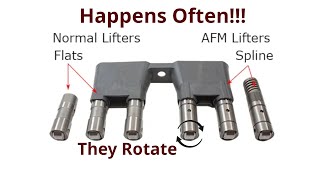
The 5.3L V8 engine in this generation of GMC Sierra is defined by its Active Fuel Management (AFM) system, which deactivates four cylinders (1, 4, 6, and 7) under light loads to improve fuel economy. Unfortunately, the specialized hydraulic lifters used for this system are a notorious failure point. These AFM lifters can collapse or become stuck due to issues with oil pressure, contamination, or internal pin failure, leading to a persistent, severe misfire that directly triggers the P0363 code. While any engine can have ignition or fuel problems, a P0363 on this specific truck, especially if accompanied by a ticking noise, is very frequently a symptom of this well-documented and expensive lifter failure. The issue was prominent enough that it became a major factor in owner satisfaction and resale value for these model years.
Symptoms You May Notice
- Flashing Check Engine Light
- Severe engine shaking or vibrating, especially at idle
- Significant loss of engine power and acceleration
- Engine stalls or struggles to stay running
- Audible ticking, tapping, or squeaking noise from the engine bay, often localized to one side of the top end 🎬 Watch: How to diagnose that specific AFM lifter ticking noise.
- Replacing only the spark plugs and ignition coils when the actual cause is a failed AFM lifter. This fails to fix the root problem, which is mechanical, not ignition-related.
- Replacing the ECM. While a faulty computer is a remote possibility, it is almost never the cause for this code and should only be considered after all mechanical, ignition, and fuel system faults have been definitively ruled out.
Most Likely Causes
- Failed Active Fuel Management (AFM) Lifter 🔴 High Probability The AFM lifters on cylinders 1, 4, 6, and 7 are a known weak point. They can become stuck or collapse due to issues with oil pressure, contamination, or internal pin failure, causing a complete loss of valve function in that cylinder. This problem is often preceded by excessive oil consumption, another known issue with the AFM system.
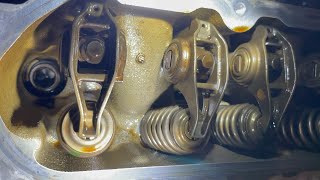
How to confirm: Listen for a distinct ticking noise from the top of the engine. Use a scan tool to confirm the misfire is on an AFM cylinder (1, 4, 6, or 7). A compression test on the affected cylinder will show very low or zero compression. Final confirmation requires removing the valve cover and observing a loose rocker arm and pushrod on the affected cylinder.
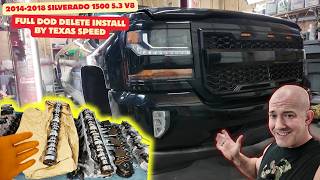
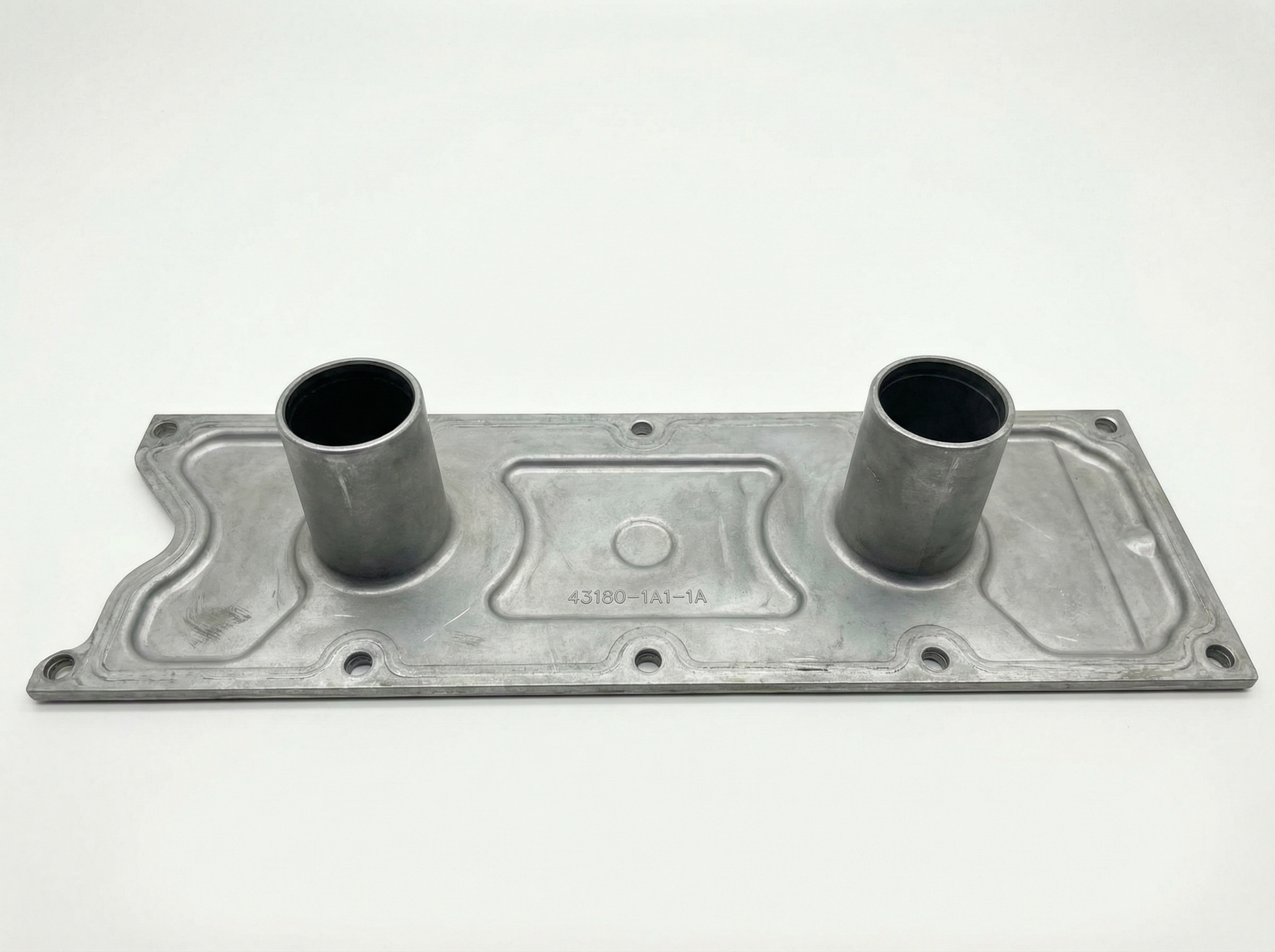
Typical fix: This is an extensive repair. It involves replacing all AFM lifters on the affected bank, and often all 16 lifters as a preventative measure. The camshaft is frequently damaged by the failed lifter and also requires replacement. Many owners opt for an 'AFM Delete Kit' which replaces the problematic components with standard, non-AFM lifters, a non-AFM camshaft, and a new valley cover. This repair requires ECU reprogramming to disable the AFM system. 🎬 Watch: Full step-by-step install of a Texas Speed AFM delete kit.
Est. part cost: $500-$1500 - Faulty Ignition Coil 🟡 Medium Probability → Shop Ignition Coil
How to confirm: Use a scan tool to identify the misfiring cylinder. Swap the ignition coil from the misfiring cylinder with one from a known good cylinder. Clear the codes and run the engine. If the misfire code moves to the new cylinder (e.g., P0305 becomes P0301), the coil is bad.
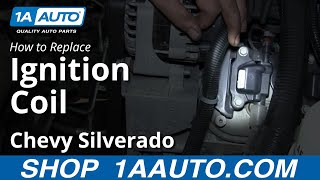
Typical fix: Replace the faulty ignition coil. 🎬 See this quick walkthrough on replacing your ignition coils. It is often recommended to replace the corresponding spark plug at the same time.
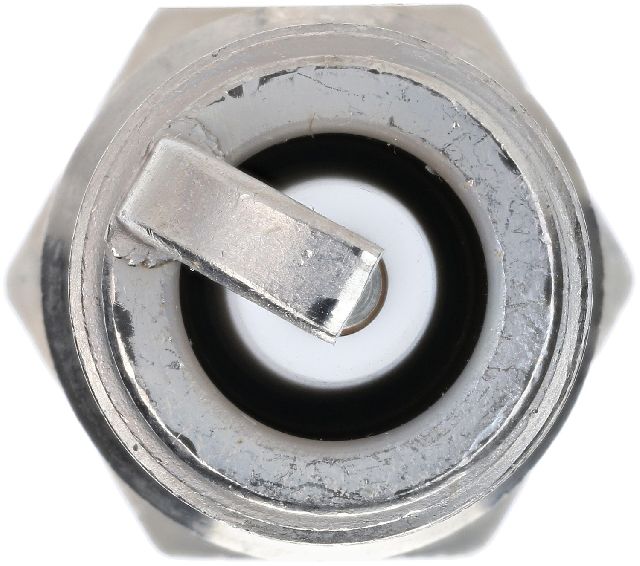
Est. part cost: $30-$75 - Worn or Fouled Spark Plugs / Defective Spark Plug Wires 🟡 Medium Probability → Shop Spark Plug GM issued TSB PIP4819A for 2010-2013 models regarding misfires caused by loose-fitting spark plug wires at the coil. Excessive oil consumption related to AFM can also foul spark plugs, leading to misfires.
How to confirm: Visually inspect the spark plug from the misfiring cylinder for wear, carbon/oil fouling, or damage. Inspect the spark plug wire for a secure connection, corrosion, or physical damage.
Typical fix: Replace all spark plugs and/or spark plug wires. It is best practice to replace them as a complete set.
Est. part cost: $50-$150 - Clogged or Failed Fuel Injector ⚪ Low Probability → Shop Fuel Injector
How to confirm: If an ignition coil swap does not move the misfire, you can perform a similar swap with the fuel injectors, though this is more labor-intensive. A mechanic can also perform a fuel injector balance test with a capable scan tool to check flow rates and command the injector to fire.
Typical fix: Replace the faulty fuel injector.
Est. part cost: $50-$120
Rare But Worth Checking
- Worn Camshaft Lobe: Often occurs as a direct result of a failed lifter roller. If you are replacing lifters, the camshaft must be thoroughly inspected for damage, as replacing only the lifters on a damaged cam will lead to repeat failure. This is a primary reason many repair kits include a new camshaft.
- Broken Ignition Coil Ground Wire: → Shop Ignition Coil A single broken ground wire, typically located on the back of the cylinder head, can cause an entire bank of cylinders to misfire, triggering a P0300 and potentially a P0363. This is an uncommon but simple fix to check before major repairs.
- Low Engine Compression (Non-AFM related): While less common than an AFM lifter collapse, a misfire can still be caused by other mechanical issues like a bent pushrod, a broken valve spring, or worn piston rings. A compression test will diagnose this.
Diagnosis Steps
- Use an OBD-II scanner to read all stored codes. Note the specific cylinder misfire code (e.g., P0305) that is accompanying P0363.
- Listen to the engine while it's running. A rhythmic ticking or tapping noise is a strong indicator of a mechanical valve train problem, likely a failed lifter.
- If no noise is present, start with basic ignition checks. Swap the ignition coil from the misfiring cylinder with a known good one. Clear codes and see if the misfire moves to the new cylinder.
- If the misfire does not move, inspect the spark plug and spark plug wire for the affected cylinder. Check for wear, damage, or loose connections per TSB PIP4819A.
- If ignition components are good, perform a compression test on the misfiring cylinder. A very low or zero reading points to a mechanical failure, such as a collapsed AFM lifter, bent pushrod, or other valve train issue.
- If compression is good, the issue may be fuel-related. Use a scan tool to perform a fuel injector balance test or swap the injector with a known good one.
- If an AFM lifter failure is suspected (low compression on an AFM cylinder with ticking noise), professional service is required for teardown and inspection of the lifters and camshaft.
Parts You'll Likely Need
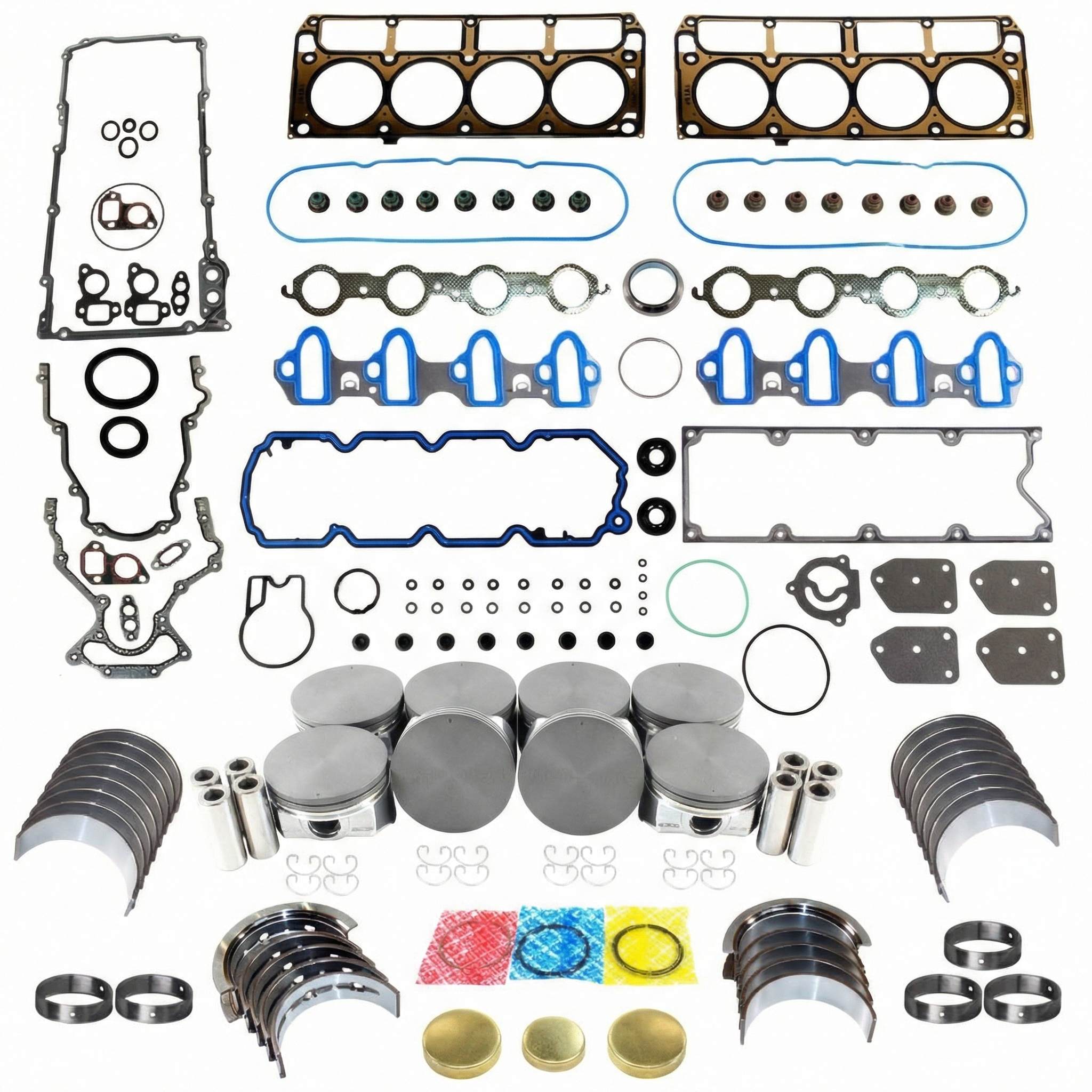
- AFM Delete Kit — This is the most common major failure causing a severe misfire on the 5.3L V8. A complete kit is the preferred fix to prevent future issues. Kits typically include a non-AFM camshaft, 16 standard lifters, lifter guides, a new valley cover, head gaskets, and head bolts.
Trusted brands: ACDelco (for individual components), Melling, Texas Speed & Performance, AMS Racing
OEM price range: $800-$1500 (for kit components)
Aftermarket price range: $450-$1000 (for complete kit) - Ignition Coil
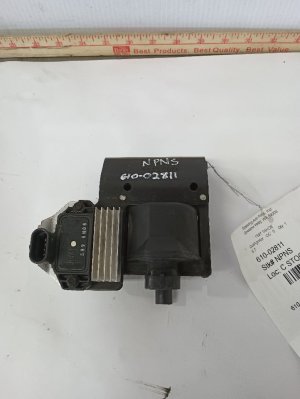
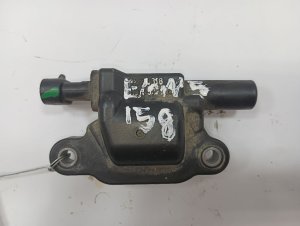
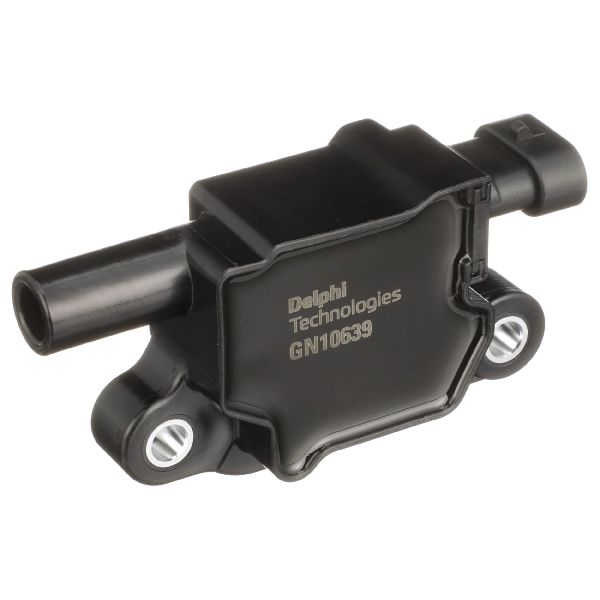
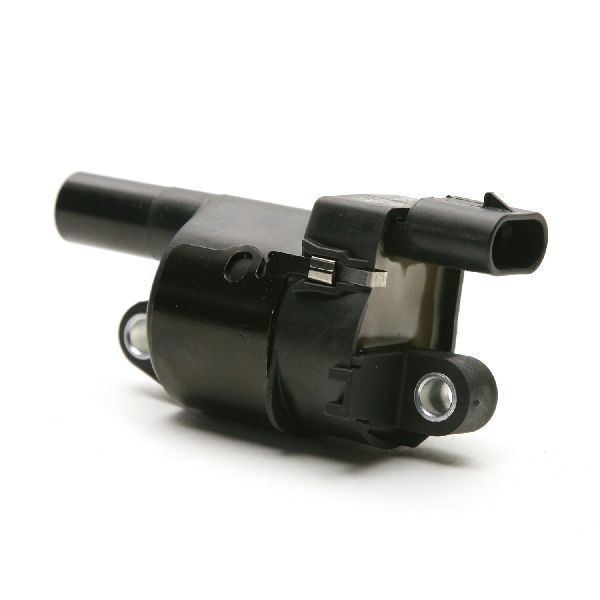
(OEM #12611424 (ACDelco D510C))— A failed ignition coil is a common cause of a single-cylinder misfire. The OEM part is made by Mitsubishi.
Trusted brands: ACDelco, Delphi, NGK, Standard Motor Products
OEM price range: $45-$70
Aftermarket price range: $25-$50 - Spark Plugs
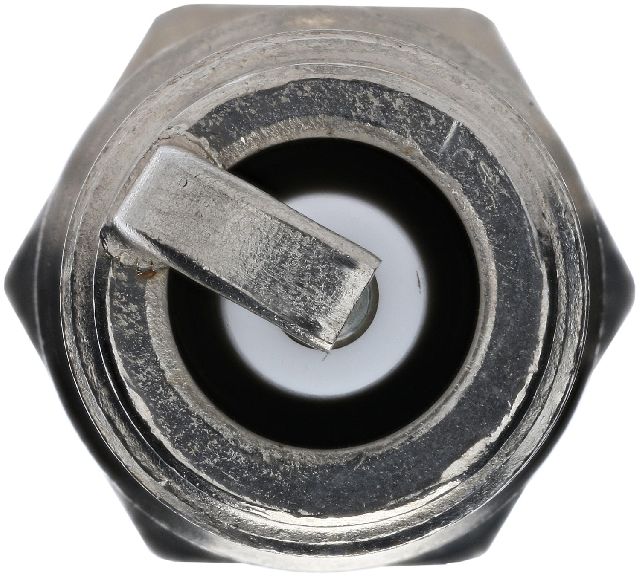
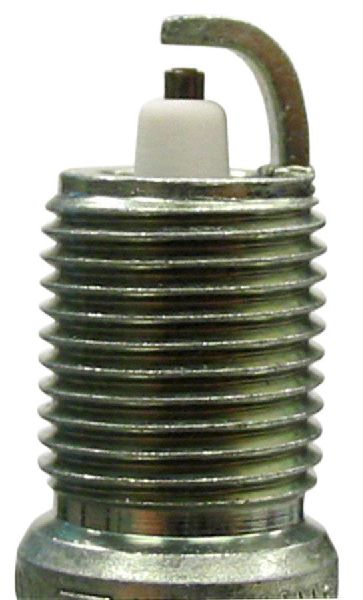
(OEM #ACDelco 41-110 (Iridium))— Standard maintenance item and a frequent cause of misfires. Should always be inspected or replaced when diagnosing a misfire.
Related Codes That Often Appear With This One
- P0300 — P0300 means 'Random/Multiple Cylinder Misfire'. P0363 is an escalation of a misfire condition, so a P0300 or a cylinder-specific code (P0301-P0308) will almost always be present as the root cause.
- P0301, P0304, P0306, P0307 — These are the specific misfire codes for the four cylinders (1, 4, 6, 7) equipped with AFM lifters. Seeing one of these codes along with P0363 and a ticking noise strongly points to a failed AFM lifter.
Technical Service Bulletins (TSBs) & Recalls
- 10-06-01-008E — Engine Oil Consumption on Aluminum Block V8 Engines with Active Fuel Management (AFM) — This extensive TSB addresses excessive oil consumption. The cause is identified as oil spray from the AFM pressure relief valve and PCV system issues. The fix involves installing a shield for the AFM valve, cleaning pistons, and potentially replacing piston rings. This oil consumption is a direct contributor to lifter failure.
- PIP4819A — Engine Misfire May Be Due To Loose Spark Plug Wire — This bulletin notes that engine misfires can be caused by a poor connection between the spark plug wire terminal and the ignition coil. It advises technicians to inspect for a loose fit and replace the wire if necessary.
- PIP5382 — Diagnostic Tip for Oil Consumption and Repair — Provides guidelines for performing an oil consumption test and outlines repair procedures, which may include replacing the Valve Lifter Oil Manifold (VLOM) or piston assemblies if consumption is validated to be excessive.
Platform-Specific Known Issues
- Active Fuel Management (AFM) System Failure: The primary known issue for this powertrain. The specialized lifters are prone to failure, causing misfires, engine noise, and in severe cases, catastrophic engine damage.
- Excessive Oil Consumption: Some of these engines suffer from high oil consumption, which can be caused by a faulty PCV system in the driver-side valve cover. This can lead to oil fouling of spark plugs and contribute to misfires.
Mechanic-Grade Diagnostic Values
- Fuel Pressure (Key-On, Engine-Off) — expected: 55-62 PSI. Failure: Pressure below 55 PSI indicates a weak fuel pump, clogged filter, or leak. Pressure should hold steady and not drop more than 5-10 PSI in the first minute after the pump primes.
- Ignition Coil Primary Resistance — expected: 0.3 - 0.9 Ohms. Failure: A reading outside this range, or OL (open loop), indicates a faulty coil.
- Fuel Injector Resistance — expected: 11 - 14 Ohms. Failure: A reading significantly outside this range, or that is an outlier compared to other injectors, points to a failed injector coil.
- AFM Solenoid Resistance (at VLOM connector) — expected: 11 - 18 Ohms. Failure: A reading of infinite resistance (OL) indicates an open circuit, while a reading near 0 Ohms indicates a short. Either requires VLOM replacement.
Scan Tool Commands That Help
- GDS2 / Tech2: AFM Solenoid Test — To diagnose a faulty Valve Lifter Oil Manifold (VLOM). A dealer-level tool can command each of the four AFM solenoids to activate while applying shop air to the manifold to confirm mechanical and electrical function, isolating a VLOM issue from a lifter issue.
- Professional Scan Tool (e.g., GDS2, Autel, Snap-on): Cylinder Power Balance Test — To visually confirm which cylinder is not contributing. This test graphically displays the RPM drop of each cylinder during a controlled test, quickly identifying the misfiring cylinder that triggered the P0363 code.
- Professional Scan Tool: Fuel Injector Balance Test — After ruling out ignition issues, this test can identify a clogged or failing fuel injector by measuring the pressure drop across each injector as it's commanded to fire.
Wiring & Ground Locations
- G102 — Located at the left rear of the engine.. This is the primary ground point for all 8 ignition coils. A loose or corroded connection here can cause weak spark or misfires on multiple cylinders, potentially leading to a P0300 or escalating to P0363.
- G103 — Located on the cowl in the left rear of the engine compartment, above the brake booster.. This grounds the Body Control Module (BCM) and Instrument Panel Cluster (IPC), among other things. While not a direct cause of misfire, a poor ground here can cause bizarre electrical issues and communication faults across the vehicle.
- VLOM Connector — On top of the Valley Lifter Oil Manifold (VLOM), which is located under the intake manifold in the engine's valley.. This is the central electrical connection for the AFM system. Checking for oil intrusion, corrosion, and testing solenoid resistance at this connector is a key step in diagnosing AFM-related misfires before removing the cylinder heads.
Real Owner Repair Stories
- GM-Trucks.com user 'Payton34' (GMC Sierra, 55k miles) — Hesitation, then hard acceleration caused a Check Engine Light and the engine to bog down, code for cylinder 7 misfire.
❌ Tried (didn't work) A shop replaced all lifters but did NOT replace the Valve Lifter Oil Manifold (VLOM)., The user drove the truck, the problem re-occurred within three days., The shop then replaced the failed lifter again, and then the VLOM, but the misfire persisted because the new lifter had already been damaged.
✅ What actually fixed it The shop had to perform the repair a third time, replacing the lifters AGAIN along with the new VLOM simultaneously. A GM engineer was consulted who confirmed this procedure. The experience highlights that a faulty VLOM can destroy new lifters almost immediately and they must be replaced as a set.
"I Checked Everything" — The Actual Cause
- A cracked flexplate can cause a crankshaft position sensor error that the ECM interprets as a misfire, triggering codes like P0300 or even P0363. Technicians may chase ignition, fuel, and compression issues on the top end of the engine, all of which will test good. The ticking noise from a cracked flexplate is also frequently misdiagnosed as a failed lifter, leading to unnecessary and expensive top-end engine work. The actual problem is at the junction of the engine and transmission.
OEM Part Supersession History
N/A (Original Oil Pan Design)→Installation of AFM Oil Deflector Shield (P/N 12639759)— To correct an oil consumption issue. The original design allowed oil spray from the AFM pressure relief valve to overwhelm the piston rings on cylinders 1 and 7, causing oil burning, plug fouling, and misfires.
Heads up: This shield was recommended for all 2007-2011 aluminum block V8s and became a standard factory installation on later models.Original Driver-Side Valve Cover→Updated Valve Cover (e.g., 12642655)— The original valve cover's PCV baffle design was found to be inefficient, pulling excessive oil into the intake manifold and contributing to oil consumption and carbon buildup.
Heads up: This was a running change. Vehicles built after January 2011 typically have the updated cover from the factory.
Model Year Variations Within This Range
- 2007 - Early 2011: These earlier models are more susceptible to severe oil consumption due to the lack of the updated AFM oil deflector shield and revised driver-side valve cover. While all years are prone to mechanical lifter failure, these earlier years are also prone to misfires from oil-fouled spark plugs as a direct result of the AFM system's design flaws.
- Late 2011 - 2013: These later models came from the factory with revised parts (AFM shield, new valve cover) to address the oil consumption TSBs. While this reduced issues with oil-fouled spark plugs, they are still equipped with the same fundamental AFM lifter design and remain highly susceptible to mechanical lifter and camshaft failure, which triggers P0363.
Diagnostic Flowchart
Other Known Issues on This Vehicle
Issues unrelated to this code that are worth knowing about as an owner of this generation:
- Cracked Dashboard 🟠 Medium — Extremely common, especially on 2007-2009 models. Cracks typically appear on the driver's side near the A-pillar and over the passenger airbag. (Ref: No recall was ever issued. A class-action lawsuit was filed but did not result in a mandatory repair program from GM.)
- Excessive Oil Consumption 🔴 High — Very common on 5.3L V8s with AFM, often starting around 50,000-80,000 miles. Can consume over a quart of oil in 2,000 miles. (Ref: TSB 10-06-01-008E details the causes and a multi-step repair procedure.)
- Service 4WD Message / Transfer Case Position Sensor Failure 🟠 Medium — A widely reported issue where the transfer case position sensor or the selector switch in the cab fails, preventing engagement of 4WD.
- Intermediate Steering Shaft Clunk 🟡 Low — Commonly occurs during low-speed turns, such as in parking lots. Caused by wear in the intermediate steering shaft. (Ref: Multiple TSBs exist. The typical fix is to lubricate or replace the intermediate shaft.)
- Fuel Level Sensor Failure 🟠 Medium — Common on earlier models (2007-2010), causing the fuel gauge to read incorrectly or show empty. (Ref: GM had a special coverage program for some vehicles, but it has since expired. The fix requires dropping the fuel tank to replace the fuel pump module.)
Used vs. New Parts: Buying Guide for This Vehicle
When a used part is the smart pick: For this repair, only simple, external, non-wear components should be considered from a used source. A low-mileage ignition coil or a fuel injector from a reputable salvage yard can be a cost-effective option if tested and inspected. Avoid all internal engine components.
Donor-vehicle mileage cap: roughly under 75000 miles for the part to have meaningful remaining life.
What to inspect on the donor part:
- For ignition coils, check the plastic housing for cracks, melting, or carbon tracking at the boot.
- For fuel injectors, inspect the plastic connector for brittleness and the O-rings for any tears or flattening.
- Check the donor vehicle's history if possible; avoid parts from vehicles with flood or fire damage.
OEM-only on this vehicle (don't cheap out):
- AFM Lifters (if not deleting)
- Camshaft
- Valve Lifter Oil Manifold (VLOM)
- Head Gaskets and Torque-to-Yield Head Bolts
Aftermarket brands forum-validated for this vehicle:
- AFM Delete Kits: Melling, Texas Speed & Performance, AMS Racing
- Ignition Coils: NGK, Delphi, ACDelco (OEM)
- Spark Plugs: ACDelco (OEM), NGK
Brands owners have reported issues with on this vehicle:
- Be cautious with no-name, all-inclusive AFM delete kits from online marketplaces. Sticking to well-regarded brands like Melling is highly recommended due to the high labor cost of the job, as a premature failure of a budget part will be extremely expensive.
Real Owner Stories
Aggregated from forums and TSBs cited above. Mileages and costs reflect what owners reported in those sources.
2010-2013 GMC Sierra 1500 5.3L V8
Symptoms: Engine misfire caused by a poor connection between the spark plug wire terminal and the ignition coil.
What fixed it: Inspected for a loose fit and replaced the spark plug wire.
Source hint: TSB PIP4819A titled 'Engine Misfire May Be Due To Loose Spark Plug Wire'
2007-2013 GMC Sierra 1500 5.3L V8
Symptoms: Severe engine shaking, rhythmic ticking noise from the top end, and a complete loss of valve function in one cylinder.
What fixed it: Performed an 'AFM Delete' by replacing problematic components with standard non-AFM lifters, a non-AFM camshaft, a new valley cover, and ECU reprogramming.
Source hint: https://www.gm-trucks.com/forums/topic/221376-the-ultimate-guide-to-dod-afm-delete/
2009 GMC Sierra 1500 5.3L V8
Symptoms: Excessive oil consumption followed by a misfire and ticking noise identified as a collapsed lifter.
What fixed it: Diagnosis via listening for noise and inspecting the valve train to confirm a collapsed lifter.
Source hint: 1A Auto YouTube video 'identifying a collapsed lifter on a 5.3L V8'
Related OBD-II Codes
Frequently Asked Questions
Which cylinders are most likely to cause a P0363 code on my 5.3L GMC Sierra due to the AFM system?
My 2011 Sierra 1500 has a misfire; could it just be a loose spark plug wire as mentioned in TSB PIP4819A?
Is there a TSB for the high oil consumption I'm seeing before this P0363 code appeared?
What is an 'AFM Delete Kit' and why do Sierra owners recommend it for this code?
Can a faulty PCV system on my 2008 Sierra 5.3L cause the spark plug fouling that leads to misfires?
How can I confirm if my P0363 is a failed lifter without taking the whole engine apart?
Helpful Videos
Used OEM Parts in Stock

New Aftermarket Parts Available

The information in this article is provided for general reference and educational purposes only. Vehicle specifications, procedures, and part compatibility can vary by production date, trim level, and region. Always consult your vehicle's factory service manual and verify part numbers before purchasing or performing repairs. Safety-critical components such as airbags, seat belts, and braking systems should be installed by a qualified professional.
- GMC Sierra 1500:
- 🧭 Diagnostic Flowchart
- 🎬 Helpful Videos
- 🛍️ Shop This Part
- What's Unique About the 2007-2013 GMC Sierra 1500
- Symptoms You May Notice
- Most Likely Causes
- Rare But Worth Checking
- Diagnosis Steps
- Parts You'll Likely Need
- Related Codes That Often Appear With This One
- Technical Service Bulletins (TSBs) & Recalls
- Platform-Specific Known Issues
- Mechanic-Grade Diagnostic Values
- Scan Tool Commands That Help
- Wiring & Ground Locations
- Real Owner Repair Stories
- "I Checked Everything" — The Actual Cause
- OEM Part Supersession History
- Model Year Variations Within This Range
- Other Known Issues on This Vehicle
- Used vs. New Parts: Buying Guide for This Vehicle
- Real Owner Stories
- 2010-2013 GMC Sierra 1500 5.3L V8
- 2007-2013 GMC Sierra 1500 5.3L V8
- 2009 GMC Sierra 1500 5.3L V8
- Related OBD-II Codes
- Frequently Asked Questions
- 🎟️ Get 5% Off