

P0363 on 2003-2017 Honda Accord: Misfire Detected & Fueling Disabled Causes and Fixes
P0363 on a Honda Accord means a severe misfire caused the computer to shut off a cylinder to protect the engine. The most likely cause is a bad ignition coil or a worn spark plug. On V6 models, it's very commonly caused by oil leaking into the spark plug tube from a failed valve cover gasket.
- P0363 is a critical code indicating a severe misfire; stop driving immediately to prevent catalytic converter damage.
- The most likely cause is a failed ignition coil or spark plug. A simple 'swap test' can quickly diagnose a bad coil.
- If you have a V6 Accord, the first thing to check for is oil in the spark plug tube of the misfiring cylinder. This points to a failed valve cover/tube seal.
- For 2008-2012 V6 models, be aware of the TSB regarding oil consumption and fouled spark plugs, which may require a more complex repair.
What's Unique About the 2003-2017 Honda Accord
For the V6 (J-series) engines in this year range, the most notorious cause of misfires leading to a P0363 code is oil leaking into the spark plug tubes. The spark plug tube seals, which are part of the valve cover gasket assembly, become hard and brittle over time, allowing engine oil to fill the tube, saturate the ignition coil, and cause a misfire. Additionally, 8th generation Accords (2008-2012) with V6 engines were subject to a class-action lawsuit for an issue where piston rings on cylinders 1-4 could align, causing excessive oil consumption and fouling the spark plugs, which directly leads to misfires. This was addressed by Honda TSB 13-078 and a subsequent warranty extension.
Generation note: This guide covers the 7th (2003-2007), 8th (2008-2012), and 9th (2013-2017) Honda Accord generations. While the common causes apply to most, a significant issue with piston rings fouling spark plugs is specific to the 8th generation V6 models (2008-2012), as addressed in Honda TSB 13-078. The issue of oil leaking into spark plug tubes is most prevalent on all V6 models across these generations.
Symptoms You May Notice
- Flashing or solid Check Engine Light
- Engine shaking, vibrating, or running very rough
- Significant loss of engine power
- Difficulty accelerating
- Potential engine stalling
- Replacing a fuel injector without testing it, simply because the code is related to fueling. The PCM intentionally disables the injector as a protective measure; this does not mean the injector itself has failed.
Most Likely Causes
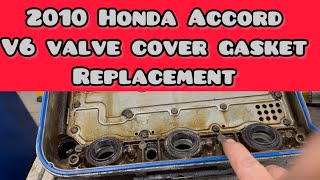
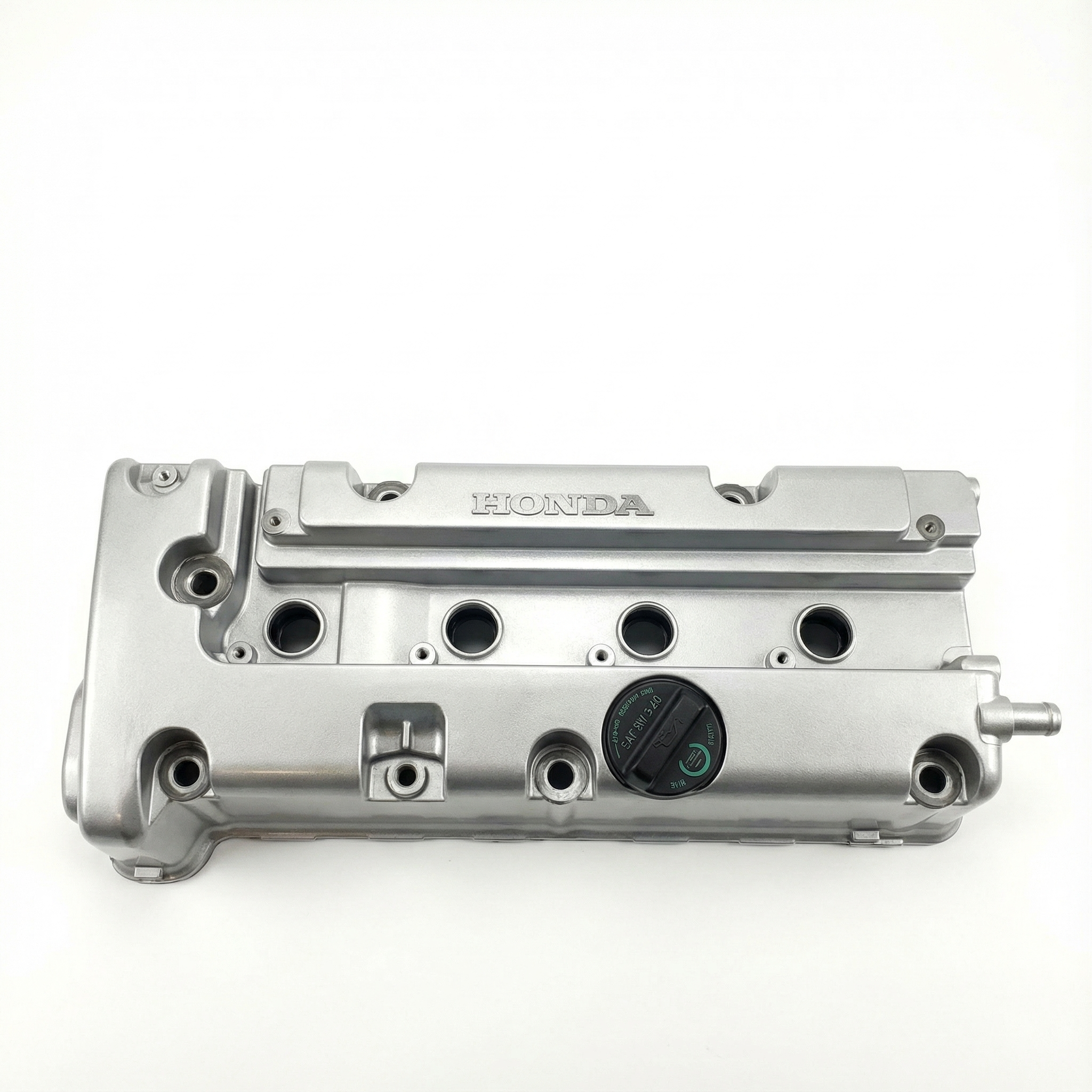
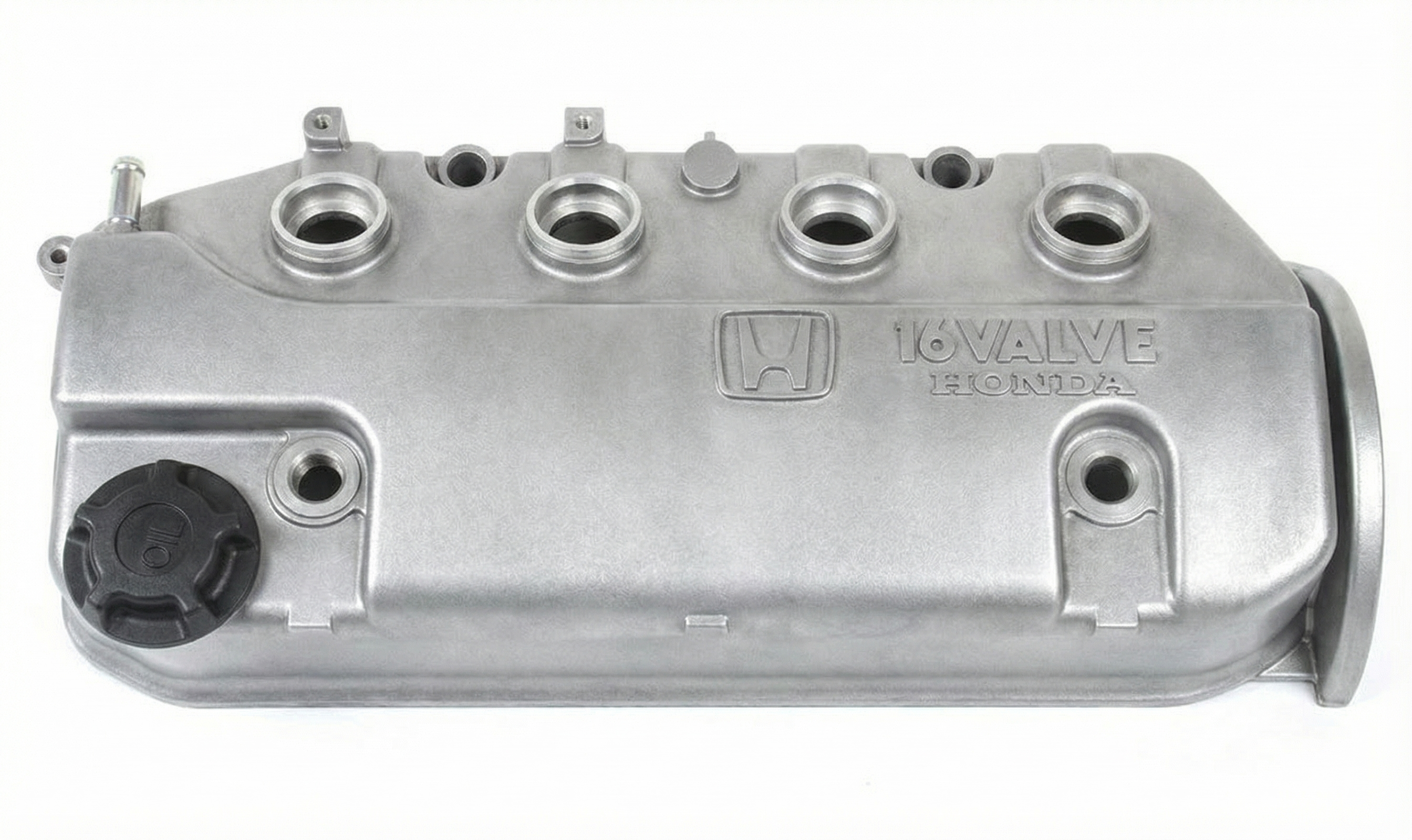
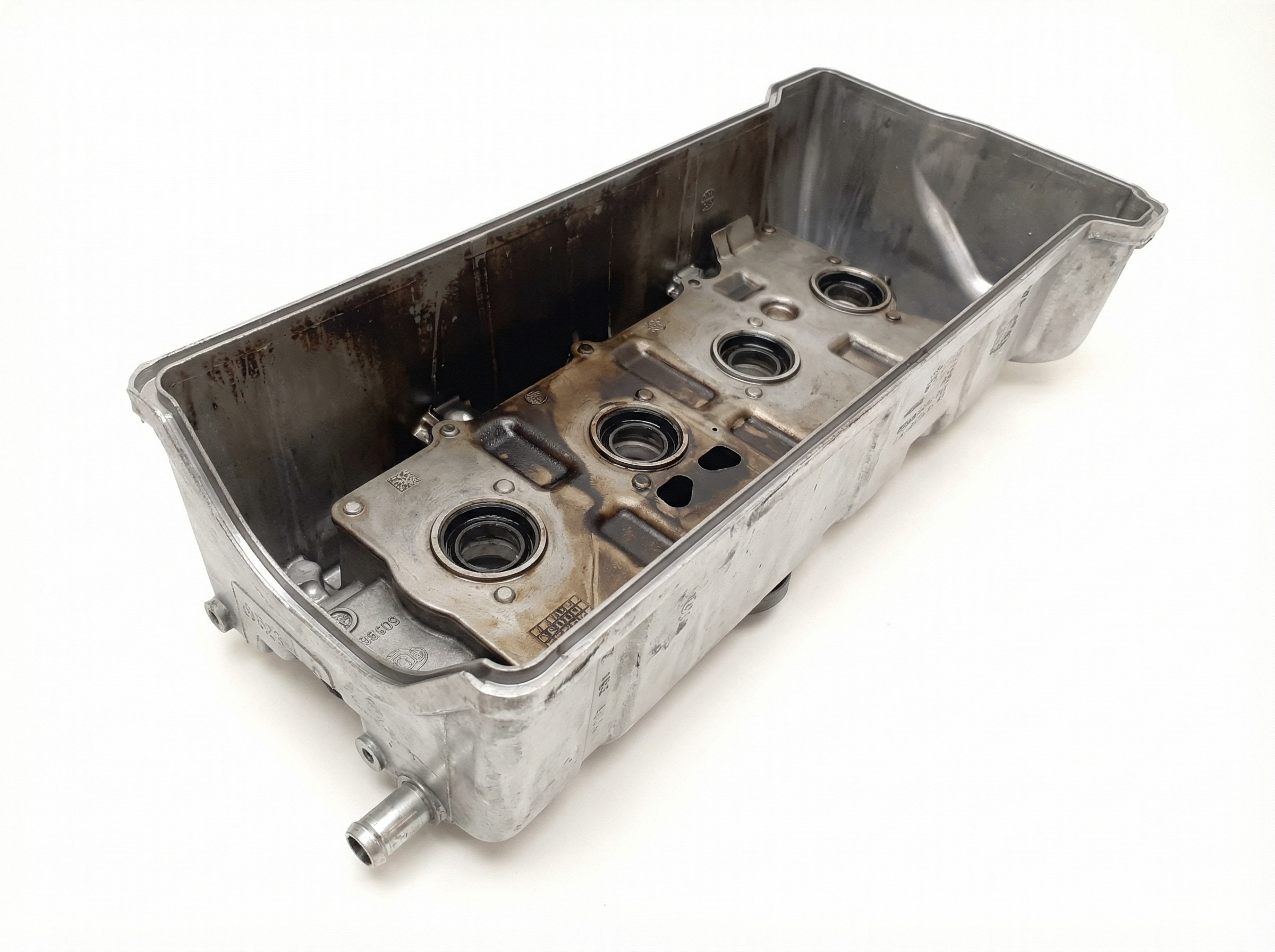
- Leaking Valve Cover Gasket / Spark Plug Tube Seals (V6 Models) 🔴 High Probability → Shop Engine Valve Cover The rubber seals for the spark plug tubes that are integrated into the valve cover become hard and brittle with age and heat cycles, losing their ability to seal. This allows oil to pool around the spark plug, shorting out the ignition coil.
How to confirm: When removing the ignition coil from the misfiring cylinder, check for liquid engine oil coating the coil boot and the inside of the spark plug tube. This is a definitive sign of a leak.
Typical fix: Replace the valve cover gasket, the spark plug tube seals, and the grommets for the valve cover bolts. Clean all oil from the tube, and replace the oil-soaked ignition coil and spark plug. It is critical to clean the tube thoroughly before installing new parts.
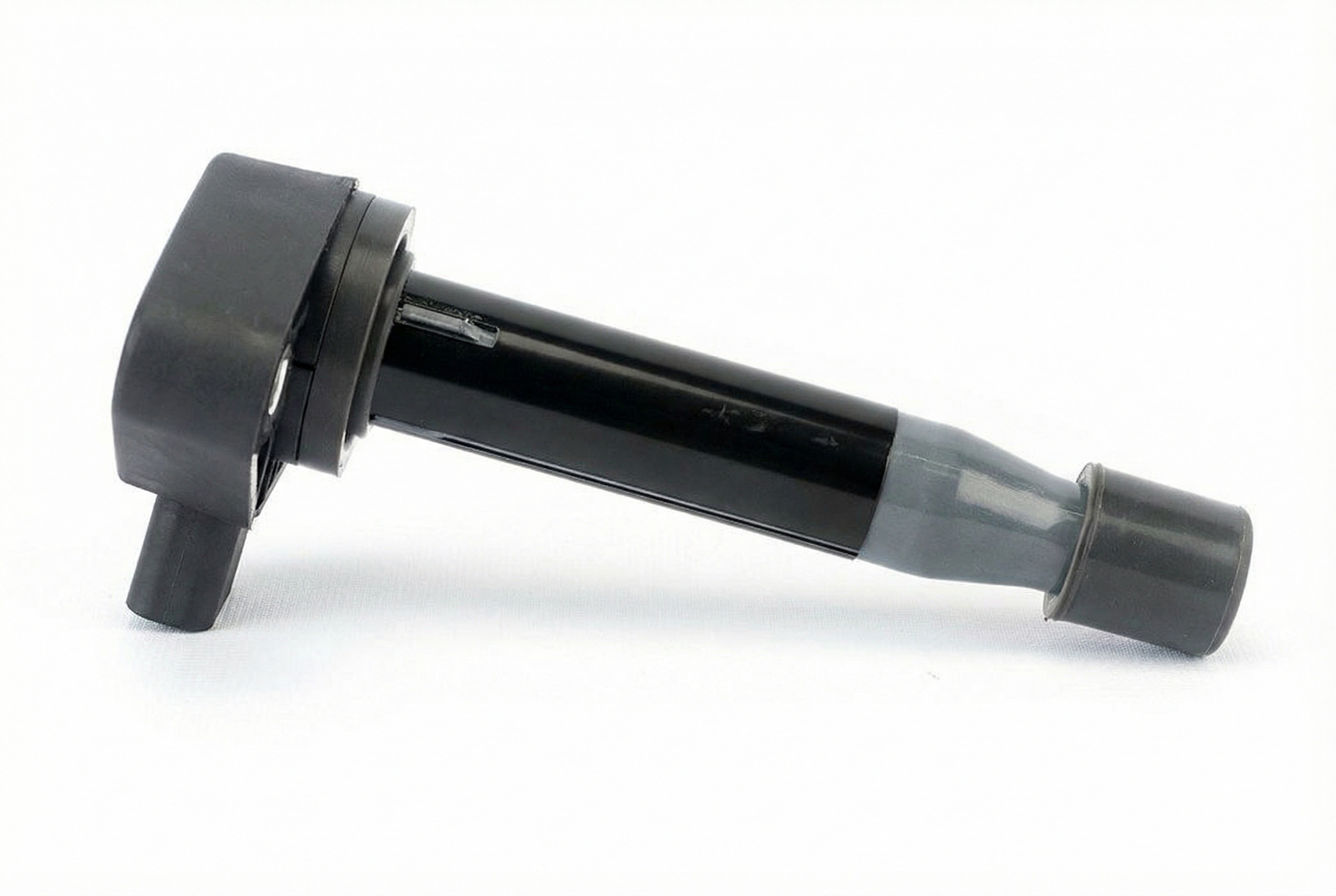
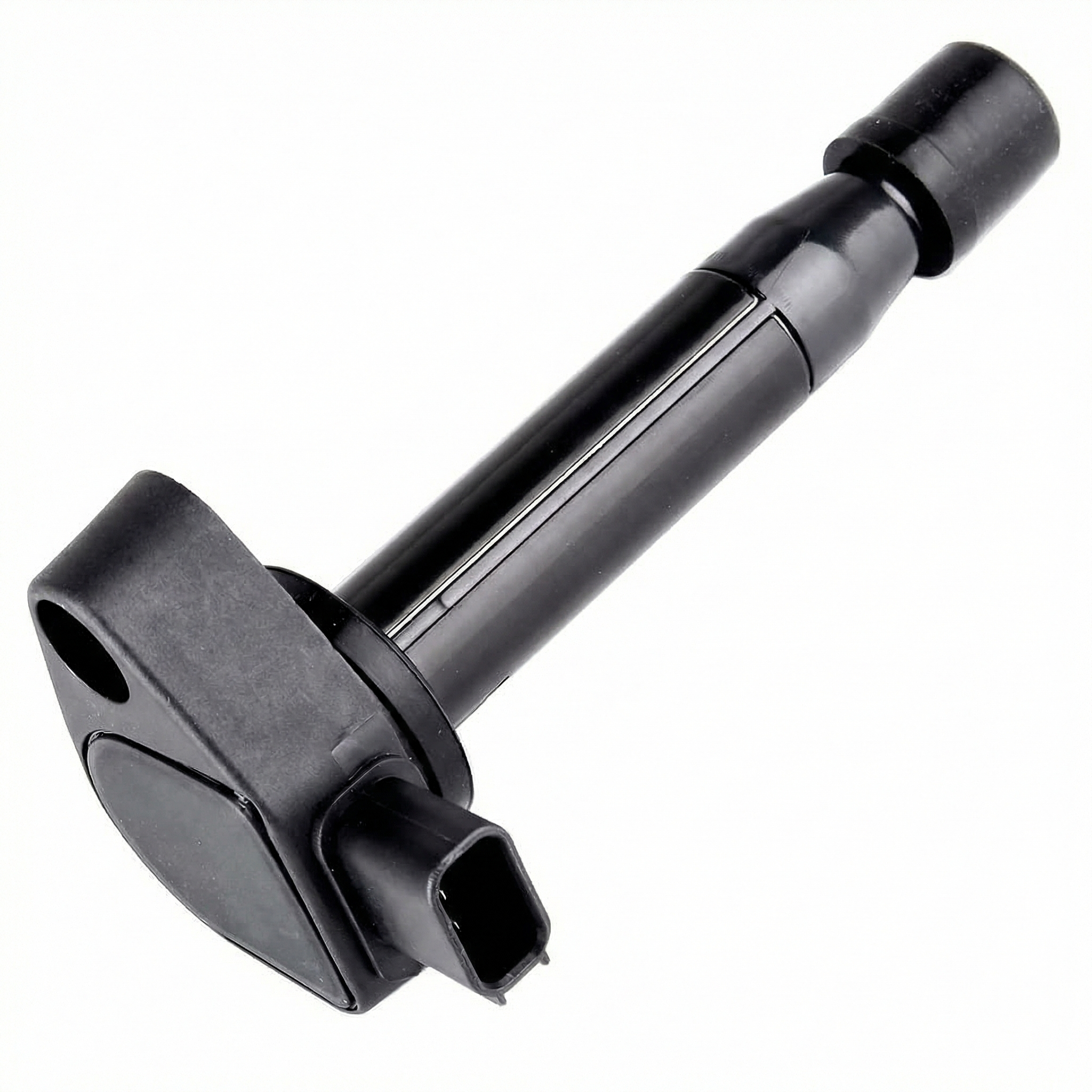
Est. part cost: $30-$70 for a valve cover gasket kit. - Faulty Ignition Coil 🔴 High Probability → Shop Ignition Coil Ignition coils are a common failure item on most modern vehicles as they age. Heat and vibration cause the internal windings to break down over time. On V6 models, oil contamination from leaking tube seals is a very frequent cause of coil failure.
How to confirm: Swap the ignition coil from the misfiring cylinder with one from a cylinder that is firing correctly. Clear the codes and run the engine. If the misfire code changes to the new cylinder (e.g., P0302 becomes P0304), the coil is bad. 🎬 See how to diagnose a misfire by swapping ignition coils.
Typical fix: Replace the faulty ignition coil. It is often recommended to replace all coils if they are original and the vehicle has high mileage. Use of quality OEM brands like Denso or Hitachi is recommended.
Est. part cost: $40-$90 per coil. - Worn or Fouled Spark Plugs 🔴 High Probability → Shop Spark Plug Spark plugs are a regular maintenance item. If neglected, the electrodes wear out, increasing the gap and making a strong spark difficult. They can also become fouled by oil (from leaking tube seals or piston ring issues) or carbon deposits.
How to confirm: Remove the spark plug from the misfiring cylinder. Inspect it for wear (worn electrode), oil, or heavy carbon buildup. Compare it to a new plug. A fouled plug will often be black and wet with oil or fuel.
Typical fix: Replace the spark plugs. It is critical to replace them as a complete set. Use plugs that meet Honda's specifications (e.g., NGK or Denso Iridium). Ensure they are gapped correctly if not pre-gapped.
Est. part cost: $10-$25 per spark plug. - Aligned Piston Rings & Oil Consumption (2008-2012 V6 Models) 🟡 Medium Probability A design issue in the J35Z2 V6 engine with Variable Cylinder Management (VCM) could cause piston rings in cylinders 1-4 to align, leading to excessive oil consumption. This oil fouls the spark plugs, causing misfires. Honda issued TSB 13-078 and a warranty extension for this problem as part of a class-action settlement.
How to confirm: This is a complex diagnosis. It starts with confirming spark plug fouling on cylinders 1-4 and excessive oil consumption. A dealer would follow TSB 13-078, which for 2008-2011 models, first involved a PCM software update. If the problem persisted, or for 2012 models, the fix involves an internal engine inspection and repair.
Typical fix: The official fix involves a PCM software update for some model years. If that does not resolve the issue, the next step is cleaning the pistons and replacing the piston rings in the affected cylinders. This is a major repair best left to a Honda dealership or a specialized shop.
Est. part cost: $500+ for piston ring set and gaskets, though labor is the primary cost. - Faulty Fuel Injector ⚪ Low Probability → Shop Fuel Injector Fuel injectors can become clogged with deposits over time or fail electrically, preventing the correct amount of fuel from being delivered to the cylinder.
How to confirm: After ruling out ignition issues, swap the fuel injector from the misfiring cylinder with another cylinder. If the misfire follows the injector, the injector is faulty. This is more labor-intensive than swapping a coil and requires new seals upon reinstallation.
Typical fix: Replace the faulty fuel injector. It's good practice to replace the O-rings and seals on the other injectors at the same time.
Est. part cost: $50-$150 per injector.
Rare But Worth Checking
- Low Engine Compression: If all ignition and fuel components check out, a mechanical problem like a burnt valve, bad head gasket, or worn piston rings (unrelated to the TSB) could be the cause. A compression test is needed to diagnose this.
- Clogged Catalytic Converter: A clogged or failing catalytic converter can create excessive backpressure, leading to misfires. This is often accompanied by a P0420 or P0430 code and a noticeable loss of power, especially during acceleration.
Diagnosis Steps
- Use an OBD-II scanner to read all stored codes. Note the P0363 code and any specific misfire codes (P0301-P0306) which will identify the problem cylinder.
- Begin with the identified misfiring cylinder. Remove the engine cover and then the ignition coil.
- (V6 Models Especially) Visually inspect the ignition coil boot and the spark plug tube for any signs of liquid engine oil. If oil is present, the valve cover gaskets and tube seals are leaking 🎬 Watch this step-by-step guide to replacing V6 tube seals. and must be replaced. This is a very common failure point.
- If no oil is present, inspect the ignition coil and spark plug for obvious damage, wear, or fouling. Check the spark plug for a cracked porcelain insulator or excessive electrode wear.
- To confirm a bad coil, swap the ignition coil with a coil from a known good cylinder. Clear the codes and run the engine. If the misfire code moves to the new cylinder (e.g., P0302 becomes P0304), the coil is faulty and needs replacement.
- If the misfire remains on the original cylinder, perform the same swap test with the spark plug. A fouled plug from a separate issue (like oil consumption) can also cause the misfire to stay.
- If the ignition system is confirmed to be working, the next step is to inspect the fuel injector. This may involve listening for the injector's clicking sound with a mechanic's stethoscope or performing a swap test (a more involved job).
- If ignition and fuel delivery components are ruled out, perform an engine compression test to check for mechanical issues like bad valves or piston rings.
- For 2008-2012 V6 models, if cylinders 1-4 show misfires and spark plugs are fouled with oil, investigate the history of TSB 13-078 with a dealer to see if the software update or piston ring service has been performed.
Parts You'll Likely Need
- Ignition Coil
(OEM #30520-R70-A01 (for many V6 models))— This is one of the most common failure points causing a severe misfire, either from age or oil contamination.
Trusted brands: Denso, NGK, Hitachi (e.g., IGC0053)
OEM price range: $80-$120
Aftermarket price range: $40-$90 - Spark Plug — A routine maintenance item that is a primary cause of misfires when worn or fouled by oil or carbon.
Trusted brands: NGK (e.g., Laser Iridium), Denso (e.g., Iridium Long Life)
OEM price range: $15-$25
Aftermarket price range: $10-$20 - Valve Cover Gasket Kit (V6)
(OEM #12030-R70-A00 (Front Bank Example))— On V6 models, the spark plug tube seals integrated into this gasket are the number one cause of oil leaks that destroy ignition coils.
Trusted brands: Honda (OEM), Fel-Pro, Mahle
OEM price range: $50-$80
Aftermarket price range: $30-$70
Related Codes That Often Appear With This One
- P0300 — Indicates a random or multiple cylinder misfire. P0363 can be triggered if the misfire is severe enough on multiple cylinders.
- P0301, P0302, P0303, P0304, P0305, P0306 — These codes pinpoint the exact cylinder that is misfiring (e.g., P0301 is Cylinder 1). P0363 is the result of one of these misfires being severe enough to trigger the fuel cut-off.
- P0420, P0430 — These codes indicate catalyst system efficiency is below threshold. A severe misfire can send unburned fuel into the exhaust, damaging the catalytic converter and triggering these codes.
Technical Service Bulletins (TSBs) & Recalls
- TSB 13-078: Addresses engine misfires (P0301-P0304) on 2008-12 Accord V6 models due to piston rings and spark plug fouling.
- TSB 13-079, 13-080, 13-082: Related bulletins for other Honda models (Crosstour, Odyssey, Pilot) with the same V6 engine misfire issue.
Platform-Specific Known Issues
- V6 Engine Oil Leaks: J-series V6 engines used in the Accord are widely known for leaking valve cover and spark plug tube seals, causing oil to flood the spark plug wells and ruin ignition coils. This is a primary cause of misfires on these engines.
- 8th Gen V6 Piston Ring Issue: 2008-2012 V6 Accords can suffer from excessive oil consumption due to piston rings aligning. This fouls spark plugs, causing misfires that can trigger P0363. Honda addressed this with TSB 13-078, extending the warranty and providing a repair path.
Mechanic-Grade Diagnostic Values
- Fuel Pressure (Engine Running) — expected: 48-55 PSI for 2.4L 4-Cylinder models; 57-64 PSI for 3.5L V6 models.. Failure: Pressure significantly below the specified range indicates a weak fuel pump or clogged filter. Pressure above the range points to a faulty fuel pressure regulator.
- Mode $06 Misfire Count per Cylinder — expected: Value should be 0 or a very low number at idle and steady cruise.. Failure: A count on one cylinder that is significantly higher than the others points to the problem cylinder, even if no P030x code is present. This is useful for diagnosing intermittent misfires.
- Valve Clearances (Intake/Exhaust, Engine Cold) — expected: Varies by exact engine. Example for J35Z2 (V6): Intake: 0.20-0.24 mm, Exhaust: 0.28-0.32 mm. Example for K24Z (4-Cyl): Intake: 0.21-0.25 mm, Exhaust: 0.25-0.29 mm.. Failure: Clearance below the minimum (especially zero) on exhaust valves can cause compression loss when the engine is hot, leading to misfires.
Hidden / Shadow Codes Worth Checking
- Mode $06, MID $A2-$AD: Mode $06 provides access to raw test data from the PCM's self-diagnostics. For CAN-bus Hondas, Monitor IDs (MID) $A2 through $AD correspond to misfire data for cylinders 1 through 6 (or 1-4 for 4-cyl). Within each MID, Test IDs (TID) like $0B and $0C show misfire counts for the last ten driving cycles and the current driving cycle, respectively. (see via A professional scan tool or advanced OBD-II app that can display Mode $06 data. This allows a technician to see small numbers of misfires that haven't yet crossed the threshold to set a P030x trouble code.)
Scan Tool Commands That Help
- Honda Diagnostic System (HDS) or equivalent high-end scanner: Power Balance Test — This function is used to pinpoint a misfiring cylinder without swapping parts. The tool commands the PCM to cut fuel or spark to each cylinder one by one. A good cylinder will cause a noticeable drop in engine RPM. If cutting a cylinder results in little or no RPM drop, that cylinder was not contributing and is the source of the misfire.
- Honda Diagnostic System (HDS) or equivalent high-end scanner: CKP Pattern Clear / CKP Pattern Learn — This procedure should be performed after replacing a crankshaft position sensor, PCM, or after some internal engine work. It can also resolve persistent, otherwise undiagnosable random misfire codes (P0300) where the PCM's stored crankshaft fluctuation pattern has become corrupted.
Wiring & Ground Locations
- G101 — On 4-cylinder (K-series) engines, G101 is typically located on the intake manifold plenum on the driver's side. On V6 (J-series) engines, it is commonly found bolted to the thermostat housing on one of the cylinder heads.. G101 is a primary ground point for the PCM and multiple critical engine sensors. A loose or corroded connection here can cause erratic sensor readings, leading the PCM to misinterpret data and potentially cause misfires or other driveability issues.
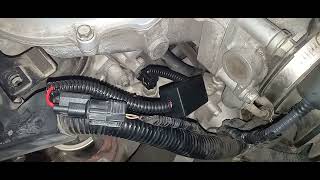
- Engine Wiring Harness (Injector Sub-harness) — The harness sections running across the top of the engine to the ignition coils and fuel injectors.. Hondas of this era used soy-based wire insulation, which is known to attract rodents. Chewed wires on the ignition coil or fuel injector circuits are a common cause of misfires that can be mistaken for component failure. A thorough visual inspection of the harness is critical.
Real Owner Repair Stories
- Compilation of multiple reports from DriveAccord.net, Honda-Tech.com, and YouTube (2010 Honda Accord EX-L V6, approx. 95,000 miles) — Flashing check engine light with codes P0363 and P0303 (Cylinder 3 Misfire). Engine runs rough, especially at highway speeds when the 'ECO' light is on. Excessive oil consumption noted between changes.
❌ Tried (didn't work) Replaced spark plug in cylinder 3., Swapped ignition coil from cylinder 3 to cylinder 2 (misfire code remained on cylinder 3)., Replaced spark plug again, noted it was black and oil-fouled after only a few thousand miles.
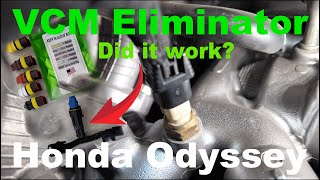
✅ What actually fixed it The root cause was identified as the Variable Cylinder Management (VCM) system causing oil to foul the spark plugs on the deactivated cylinders (1-4). The owner installed an aftermarket 'VCM Muzzler' (brands like VCMTuner or S-VCM). This device plugs into the Engine Coolant Temperature sensor circuit and slightly modifies the reading sent to the PCM, preventing the engine from ever meeting the conditions to activate VCM. This kept all 6 cylinders firing, stopping the oil fouling and permanently resolving the misfire codes. - YouTube video by a professional technician (2008 Honda Accord) — Persistent random misfire codes (P0300, P0302, P0303) and a flashing check engine light, especially when cold. Severe lack of power.
❌ Tried (didn't work) Replaced crankshaft position sensor., Replaced spark plugs.
✅ What actually fixed it After replacing spark plugs, the technician used a high-end scan tool to perform a 'CKP Pattern Learn' procedure. This function forces the PCM to relearn the subtle variations in the crankshaft's rotation. After the relearn was completed, the misfire codes were cleared and did not return, and normal engine power was restored.
OEM Part Supersession History
Varies by Year/Engine/Emissions→Varies— Component design updates or supplier changes.
Heads up: Multiple part numbers exist for ignition coils and fuel pressure regulators across this 15-year span. For example, V6 models may have different coils than 4-cyl models, and PZEV (Partial Zero-Emission Vehicle) models may have different fuel system components than ULEV models. Always verify the correct part number using the vehicle's VIN.
Model Year Variations Within This Range
- 2008-2012 (V6 Models): These years used the J35Z series V6 with a VCM system that could switch between 3, 4, and 6 cylinder modes. This specific version was most prone to the piston ring alignment and oil consumption issues that lead to spark plug fouling and misfires on cylinders 1-4.
- 2013-2017 (V6 Models): These years used the J35Y 'Earth Dreams' V6 with a revised VCM system that only switches between 3 and 6 cylinders. While considered an improvement, some owners still report oil consumption issues and opt to disable the VCM system as a preventative measure.
- 2008-2017: For many models in this range, the fuel pressure regulator is integrated into the fuel pump module located inside the fuel tank. This makes replacement more labor-intensive than on older vehicles where it was often a separate, engine-bay-mounted component.
Diagnostic Flowchart
Other Known Issues on This Vehicle
Issues unrelated to this code that are worth knowing about as an owner of this generation:
- Automatic Transmission Failure (7th Gen V6) 🔴 High — Very common on 2003-2004 models, often failing around 90,000-120,000 miles. Less frequent but still present on 2005-2007 models. (Ref: Recall issued in 2004 for insufficient fluid flow causing heat buildup in the second gear. (NHTSA Campaign ID: 04V176000))
- VTC Actuator Rattle on Cold Start (K24 4-Cylinder) 🟠 Medium — Extremely common on K24 engines (found in 4-cylinder models from 2003-2017). Causes a brief, loud grinding/rattling noise for 1-2 seconds on a cold start. (Ref: No official recall, but a well-documented issue among owners and mechanics.)
- Premature Starter Motor Failure (9th Gen) 🟠 Medium — Common on 2013-2015 models, particularly V6s. Can result in a no-start or intermittent starting condition. (Ref: Honda Service Bulletin 16-002 addresses the issue, citing improper clearance between the starter gear and torque converter ring gear.)
- Excessive Oil Consumption (8th Gen) 🔴 High — Widespread on both 4-cylinder and V6 models, but for different reasons. The V6 issue (related to VCM) led to a lawsuit and TSB 13-078. (Ref: TSB 13-078 for V6 models.)
- Premature Rear Brake Wear (8th Gen) 🟡 Low — A very common complaint on 2008-2010 models, with owners reporting rear brake pads wearing out much faster than expected.
- Power Steering Hose Leak / Whine (7th Gen) 🟡 Low — Common across 7th gen models. Air gets into the system via a failing O-ring on the power steering pump inlet, causing a whining noise, especially when turning.
Used vs. New Parts: Buying Guide for This Vehicle
When a used part is the smart pick: For this repair, used parts are generally not recommended due to the critical nature of the ignition and fuel systems. The only exception might be cosmetic components like the plastic engine cover if it were damaged during the repair.
Donor-vehicle mileage cap: roughly under 80000 miles for the part to have meaningful remaining life.
What to inspect on the donor part:
- For any considered used part, check for signs of physical damage, cracks, or corrosion.
- If considering a used engine component, verify the donor vehicle had no history of overheating or engine failure.
OEM-only on this vehicle (don't cheap out):
- PCM/ECU: While a used one can be purchased, it will not function until reprogrammed by a dealer or specialist with access to Honda software. It's often simpler to use a dedicated repair service or buy a new unit.
- Sensors (Crankshaft, Camshaft): The price difference between used and new aftermarket is minimal, and the reliability of a new sensor is paramount for preventing future issues.
Aftermarket brands forum-validated for this vehicle:
- Ignition Coils/Spark Plugs: Denso, NGK, Hitachi (These are often the Original Equipment suppliers to Honda).
- Gaskets: Fel-Pro, Mahle, Honda (OEM).
- VCM Disabling Devices: VCMTuner, S-VCM Controller.
Brands owners have reported issues with on this vehicle:
- Unnamed 'white box' ignition coils and sensors from online marketplaces. These frequently have high failure rates and can cause persistent diagnostic headaches.
Real Owner Stories
Aggregated from forums and TSBs cited above. Mileages and costs reflect what owners reported in those sources.
2008-2012 Accord V6
Symptoms: Engine misfires on cylinders 1-4 and spark plugs fouled with oil.
What fixed it: Following TSB 13-078, the fix involved a PCM software update for some models, or cleaning pistons and replacing piston rings in affected cylinders for others.
Source hint: TSB 13-078
2003-2017 Accord V6
Symptoms: Check engine light with a misfire code; upon inspection, the ignition coil boot and the inside of the spark plug tube were coated in liquid engine oil.
What fixed it: Replaced the valve cover gasket, spark plug tube seals, and valve cover bolt grommets. Cleaned the tube and replaced the oil-soaked ignition coil and spark plug.
Source hint: vehicle_specific_issues: V6 Engine Oil Leaks
Related OBD-II Codes
Frequently Asked Questions
Does TSB 13-078 apply to my 2010 Honda Accord V6?
Why is oil leaking into my spark plug tubes on my V6 Accord?
What spark plugs should I use for my 2003-2017 Accord to avoid P0363 issues?
Is there a warranty extension for the oil consumption issue on 8th Gen Accords?
Can I just replace the ignition coil if it's covered in oil?
Which ignition coil brands are recommended for the Honda Accord?
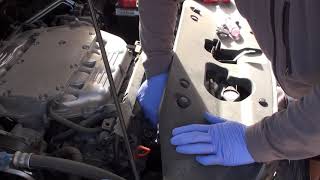
Helpful Videos
We Have This Part in Stock

The information in this article is provided for general reference and educational purposes only. Vehicle specifications, procedures, and part compatibility can vary by production date, trim level, and region. Always consult your vehicle's factory service manual and verify part numbers before purchasing or performing repairs. Safety-critical components such as airbags, seat belts, and braking systems should be installed by a qualified professional.
- Honda Accord:
- 🧭 Diagnostic Flowchart
- 🎬 Helpful Videos
- 🛍️ Shop This Part
- What's Unique About the 2003-2017 Honda Accord
- Symptoms You May Notice
- Most Likely Causes
- Rare But Worth Checking
- Diagnosis Steps
- Parts You'll Likely Need
- Related Codes That Often Appear With This One
- Technical Service Bulletins (TSBs) & Recalls
- Platform-Specific Known Issues
- Mechanic-Grade Diagnostic Values
- Hidden / Shadow Codes Worth Checking
- Scan Tool Commands That Help
- Wiring & Ground Locations
- Real Owner Repair Stories
- OEM Part Supersession History
- Model Year Variations Within This Range
- Other Known Issues on This Vehicle
- Used vs. New Parts: Buying Guide for This Vehicle
- Real Owner Stories
- 2008-2012 Accord V6
- 2003-2017 Accord V6
- Related OBD-II Codes
- Frequently Asked Questions
- 🎟️ Get 5% Off