

P0363 on 2020-2024 Hyundai Palisade 3.8L: Misfire Detected & Fuel Cutoff Causes
P0363 means your Palisade's computer detected a severe misfire and shut off fuel to that cylinder to protect the catalytic converter. The most common causes are a failed ignition coil or a worn spark plug. A simple diagnostic is to swap the coil from the misfiring cylinder with a neighboring one to see if the fault code follows. For certain 2024 models, this code can indicate a serious, recalled valve spring failure.
- P0363 is a critical code indicating a severe misfire; stop driving immediately to prevent expensive catalytic converter damage.
- The most likely cause is a bad ignition coil or spark plug, which can be diagnosed at home by swapping parts between cylinders.
- For 2024 models, check if your vehicle is part of Recall 255 for faulty engine valve springs, as this is a known cause of severe misfires.
- Due to the GDI engine design, carbon buildup on the intake valves is a known medium-term issue that can cause misfires and should be investigated if ignition fixes don't work.
What's Unique About the 2020-2024 Hyundai Palisade
The Palisade's 3.8L Lambda II is a Gasoline Direct Injection (GDI) engine. This design makes it prone to carbon buildup on the intake valves over time, which can cause misfires if not cleaned periodically. Additionally, a specific batch of 2024 models is under a major recall for defective engine valve springs that can fracture and directly cause this code, potentially leading to catastrophic engine failure.
Symptoms You May Notice
- Flashing Check Engine Light
- Sudden loss of engine power
- Rough, shaking, or vibrating idle
- Engine stumbling or hesitating on acceleration
- Potential engine stall
- Audible abnormal engine noise (in case of mechanical failure)
- Replacing oxygen sensors. O2 sensors report the results of combustion; they do not typically cause a single-cylinder misfire severe enough to trigger P0363.
- Replacing the catalytic converter. A misfire can damage the converter, but the converter itself is not the cause of the misfire. The converter should only be replaced after the root cause of the misfire is found and fixed.
Most Likely Causes
- Faulty Ignition Coil 🔴 High Probability → Shop Ignition Coil Ignition coils are a common failure item on most modern engines, and owner reports confirm this as a primary cause on the Palisade. The 3.8L V6 uses one coil per cylinder.
How to confirm: Identify the misfiring cylinder using a scan tool (e.g., P0301 for cylinder 1, P0302 for cylinder 2). Swap the ignition coil from the misfiring cylinder with one from a known good cylinder. Clear the codes and run the engine. If the misfire code moves to the new cylinder (e.g., changes from P0301 to P0304 after swapping with cylinder 4), the coil is bad.
Typical fix: Replace the faulty ignition coil. It's often wise to replace the corresponding spark plug at the same time, especially if near its service interval.
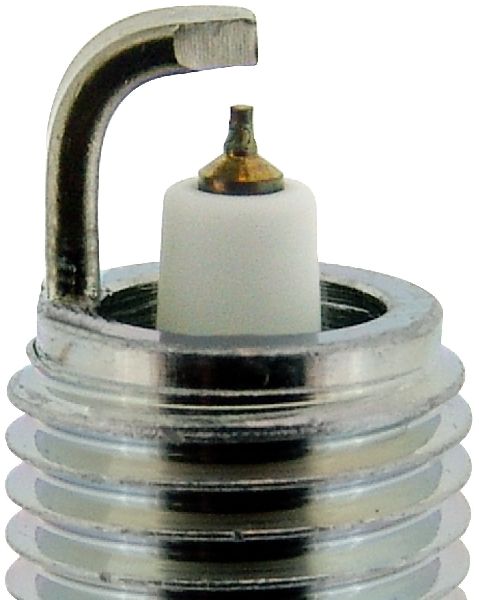
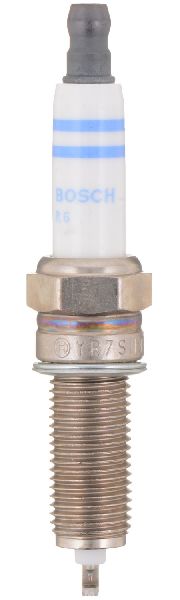
Est. part cost: $40-$100 per coil - Worn or Fouled Spark Plug 🔴 High Probability → Shop Spark Plug Spark plugs are a standard maintenance item. While modern iridium plugs have a long life (up to 100,000 miles), they can fail prematurely or become fouled by carbon or oil deposits, leading to a weak or non-existent spark.
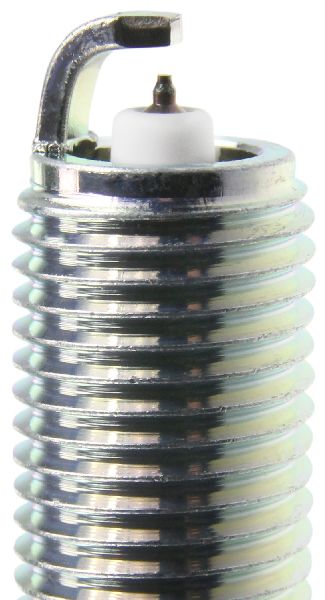
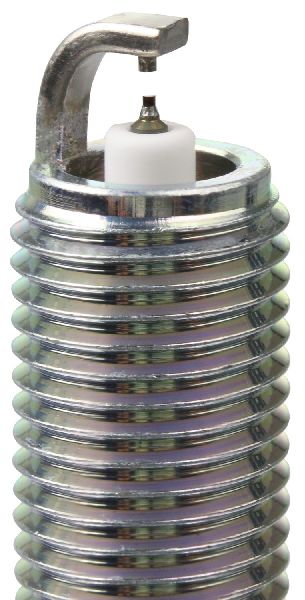
How to confirm: After confirming the ignition coil is good, inspect the spark plug from the misfiring cylinder. Look for a cracked insulator, heavy carbon deposits, oil fouling, or a worn-down electrode. You can also swap the spark plug with another cylinder to see if the misfire follows.
Typical fix: Replace the faulty spark plug. It is best practice to replace all six spark plugs as a set if they are near their service interval to ensure even performance.
Est. part cost: $15-$30 per plug - Carbon Buildup on Intake Valves 🟡 Medium Probability As a GDI engine, fuel is injected directly into the cylinder, so it never washes over the intake valves. Oil vapor from the PCV system can bake onto the hot valves, forming hard carbon deposits that restrict airflow and cause misfires, especially at idle or low RPMs. This issue can become apparent from 60,000 miles onward, with significant buildup possible by 100,000 miles.
How to confirm: This requires a borescope inspection of the intake ports and valves, which usually involves removing the upper intake manifold. This is typically diagnosed after ruling out ignition and fuel injector issues.
Typical fix: Perform an intake valve cleaning service. The most effective method is walnut shell blasting, though chemical cleaning (sometimes called an 'induction service') can also be performed as a preventative measure.
Est. part cost: $500-$1200 for professional service
Rare But Worth Checking
- Fractured Engine Valve Spring (2024 Models): This is a critical, but rare, issue affecting only certain 2024 Palisades produced between 08/21/2023 and 10/12/2023. It is covered by Hyundai Recall 255 (NHTSA 24V-106). A fractured spring will cause a severe misfire and can lead to a hole in the engine block. The remedy is a complete engine sub-assembly replacement, performed by a dealer at no charge.
- Faulty Fuel Injector: → Shop Fuel Injector A clogged or leaking GDI fuel injector can cause a misfire. While less common than ignition issues, it's a possibility, especially on higher mileage vehicles. Diagnosis is more involved, often requiring specialized tools to test flow rates, and replacement requires removing the intake manifold.
- Excessive Oil Consumption: Some 3.8L Lambda II engines have been reported to consume excessive oil, which can foul spark plugs and lead to misfires. This can be caused by carbon buildup on piston oil control rings. If the oil level becomes critically low, it can lead to oil starvation and catastrophic engine failure. Hyundai has guidelines for dealers to perform an oil consumption test.
- Damaged Wiring Harness or PCM Fault: A damaged wire or loose connector to an ignition coil or fuel injector can cause a cylinder-specific misfire. A failure of the Powertrain Control Module (PCM) is very rare but possible. This should only be considered after all other possibilities have been exhausted.
Diagnosis Steps
- Read the trouble codes with an OBD-II scanner to confirm P0363 and identify the specific misfiring cylinder (e.g., P0301, P0302, etc.). Note the freeze frame data.
- Check for Recalls: For 2024 models, immediately check if your VIN is affected by Recall 255 (NHTSA 24V-106) for engine valve springs. If so, contact a Hyundai dealer immediately.
- Check Engine Oil Level: Check the engine oil dipstick. A very low oil level can contribute to misfires and indicates a potential oil consumption problem.
- Swap the Ignition Coil: Swap the ignition coil from the misfiring cylinder with one from an adjacent cylinder. Clear the codes and run the engine. If the misfire code moves to the new cylinder, the ignition coil is faulty.
- Swap the Spark Plug: If the misfire did not move with the coil, perform the same swap test with the spark plug. If the code follows the plug, the spark plug is the culprit.
- Inspect Wiring: Visually inspect the wiring harness and connector for the ignition coil and fuel injector of the affected cylinder. Look for any signs of damage, corrosion, or loose connections.
- Professional Diagnosis for Fuel System/Internal Issues: If ignition components are good, the problem may be a fuel injector, carbon buildup, or an internal mechanical issue. These steps are best left to a professional with advanced diagnostic tools like a borescope or fuel injector tester.
Parts You'll Likely Need
- Ignition Coil
(OEM #27310-3L030)— This is the most common failure part causing a severe misfire on the Palisade and most other modern vehicles.
Trusted brands: Hyundai (OEM), Delphi, NGK, Bosch
OEM price range: $90-$140
Aftermarket price range: $40-$80 - Iridium Spark Plug
(OEM #18849-11070)— A worn or fouled spark plug is the second most likely cause of a misfire. They are a regular maintenance item.
Trusted brands: NGK, Denso
OEM price range: $25-$35
Aftermarket price range: $15-$25 - Fuel Injector
(OEM #35310-3L200)— A potential, though less common, cause of misfires on this GDI engine. Replacement is labor-intensive.
Trusted brands: Hyundai (OEM), Bosch
OEM price range: $150-$200
Aftermarket price range: $80-$130
Related Codes That Often Appear With This One
- P0300 — Random/Multiple Cylinder Misfire Detected. This may appear alongside P0363 if the misfire is intermittent or affecting multiple cylinders.
- P0301-P0306 — Cylinder-specific misfire codes (e.g., P0301 for Cylinder 1). These codes pinpoint which cylinder is failing and are almost always present with a P0363, as the PCM needs to know which cylinder's fuel to cut.
Technical Service Bulletins (TSBs) & Recalls
- 24-01-039H-1: This TSB provides the service procedure for Recall 255, which involves replacing the engine sub-assembly due to faulty valve springs.
- 21-BD-003H: This TSB (superseding earlier versions) details the procedure to fix wind/whistling noises from the door/mirror area on 2020-2021 models by adding foam pads and replacing moldings.
- 23-EM-001H: This TSB (supers
Platform-Specific Known Issues
- Recall 255 (NHTSA 24V-106): Affects certain 2024 models for defective engine valve springs that can fracture, causing misfires and potential engine failure. The fix is a dealer-installed engine sub-assembly replacement.
- GDI Carbon Buildup: The 3.8L GDI engine is inherently susceptible to carbon deposits on intake valves, a known cause of misfires that requires periodic cleaning, often recommended around 60,000-100,000 miles.
- Oil Consumption: Some owners report excessive oil consumption, which can lead to spark plug fouling and misfires. This is often attributed to carbon buildup on oil control rings. Frequent oil level checks are recommended.
Mechanic-Grade Diagnostic Values
- GDI Fuel Injector Resistance — expected: 12.5 - 13.5 Ohms. Failure: A reading outside this range, or infinite (open) / zero (short) resistance, points to a faulty injector.
- Ignition Coil Primary Resistance — expected: ~0.67 Ohms (±10%). Failure: A significant deviation from this value suggests a faulty coil.
- Low-Pressure Fuel System Pressure (at idle) — expected: 69.6 - 75.3 psi (480 - 519 kPa). Failure: Pressure outside this range indicates a problem with the in-tank fuel pump or low-pressure fuel lines.
- High-Pressure Fuel System (GDI) — expected: Varies with load, can exceed 2,000 PSI. Failure: Requires a professional scan tool to monitor. Low pressure under load can cause lean misfires, but this would likely affect multiple cylinders.
Scan Tool Commands That Help
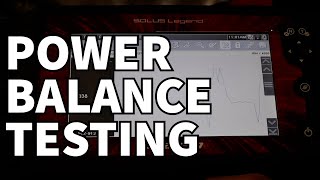
- Hyundai GDS (or equivalent professional scanner): Power Balance Test / Fuel Injector Cut-off — This bidirectional command allows a technician to manually disable one cylinder at a time while observing the drop in engine RPM. If disabling a cylinder causes little or no change in RPM, it confirms that cylinder was not contributing power, pinpointing the source of the misfire.
Real Owner Repair Stories
- Reddit user in r/HyundaiPalisade (2024 Hyundai Palisade, 10,400 miles) — Car started to shake severely and threw a P030500 (Cylinder 5 Misfire) code within 30 seconds of starting.
✅ What actually fixed it The dealer reset the code, and the problem did not return. The repair was covered under warranty, suggesting a potential one-time software glitch or transient fault.
OEM Part Supersession History
27310-3L000→27310-3L030— Part update/revision by manufacturer.
Heads up: The two parts are interchangeable.
Model Year Variations Within This Range
- 2023-2024: The 2023 model year introduced a cosmetic refresh with new bumpers, grille, and interior updates like a new steering wheel and instrument panel design. However, the 3.8L V6 powertrain and 8-speed automatic transmission remained unchanged from the 2020-2022 models.
Diagnostic Flowchart
Other Known Issues on This Vehicle
Issues unrelated to this code that are worth knowing about as an owner of this generation:
- Excessive Oil Consumption 🔴 High — Affects an estimated 3-5% of vehicles, can start at any mileage but becomes more noted after 30,000 miles. Can lead to engine failure if oil level is not monitored. (Ref: TSB 23-EM-001H provides dealer diagnostic guidelines.)
- Wind Noise from Doors/Mirrors 🟡 Low — Common on 2020-2021 models. A whistling or buffeting noise is heard at highway speeds, typically from the driver's side. (Ref: TSB 21-BD-003H (and previous versions) provides a fix using foam pads and updated moldings.)
- Transmission Hesitation or Harsh Shifting 🟠 Medium — Some owners report stuttering, slipping, or harsh shifts, particularly at low speeds or when cold. In some cases, this has led to transmission replacement under warranty. (Ref: TSB 24-AT-002H addresses incorrect ratio codes which can cause these symptoms.)
- Radiator Coolant Leak 🟠 Medium — Affects some 2020-2022 models, which may develop a slight coolant leak from the radiator assembly. (Ref: TSB 22-HA-005H details the inspection and replacement procedure.)
- Unpleasant Interior Odor 🟡 Low — A widely reported issue, particularly on 2020-2021 models with Nappa leather seats. Owners describe a chemical, garlic, or old sock smell, especially in hot weather. The cause is often attributed to the headrests or seat materials. The fix often involves replacing headrests or seat cushions.
Used vs. New Parts: Buying Guide for This Vehicle
When a used part is the smart pick: Used parts are generally not recommended for this repair. The primary failure items (ignition coils, spark plugs) are relatively inexpensive new and are considered wear items. Given the labor involved, especially for rear bank cylinders, installing new parts with a warranty is the most cost-effective strategy to avoid repeat repairs.
Donor-vehicle mileage cap: roughly under 30000 miles for the part to have meaningful remaining life.
What to inspect on the donor part:
- For ignition coils, check for cracks in the plastic housing or corrosion on the electrical connector.
- Avoid any parts from a vehicle that shows signs of engine fire, flood damage, or a severe frontal collision.
OEM-only on this vehicle (don't cheap out):
- Fuel Injectors: GDI injectors are highly sensitive. While OEM is best, reputable remanufacturers who test to OEM specs can be an alternative. Avoid cheap, unbranded aftermarket injectors, as they often have inconsistent flow rates and poor durability.
Aftermarket brands forum-validated for this vehicle:
- Ignition Coils: Delphi, NGK, Bosch, Denso.
- Spark Plugs: NGK (OEM supplier), Denso.
Brands owners have reported issues with on this vehicle:
- Unbranded, low-cost ignition coil or fuel injector 'kits' from online marketplaces are frequently cited as having high failure rates.
Real Owner Stories
Aggregated from forums and TSBs cited above. Mileages and costs reflect what owners reported in those sources.
2020 Hyundai Palisade 3.8L V6 — 92000 miles
Symptoms: Engine failure caused by oil starvation despite regular oil changes.
What fixed it: Teardown analysis showed carbon-caked piston rings led to the failure; engine replacement was required.
Source hint: Reddit r/HyundaiPalisade: A thread titled '2020 Hyundai Palisade Engine Dead @92K Miles'
2021 Hyundai Palisade SEL 3.8L V6 — ~35000 miles
Symptoms: Owner found the dipstick nearly dry 1,000 miles before a scheduled oil change; noted the vehicle lacks a low oil level warning light.
What fixed it: Ongoing monitoring of oil consumption; the vehicle only alerts for low oil pressure, not level.
Source hint: Reddit r/HyundaiPalisade: A thread titled '2021 Palisade SEL (3.8L V6) Oil Consumption'
2020 Hyundai Palisade 3.8L V6 — 108000 miles
Symptoms: Harsh upshifts when the engine and transmission are cold, described as stuttering or slipping.
What fixed it: Transmission replacement under the powertrain warranty.
Source hint: Reddit r/HyundaiPalisade: A thread titled 'Transmission/Clutch Slipping'
Related OBD-II Codes
Frequently Asked Questions
My 2024 Palisade has a flashing check engine light and P0363; is there a specific recall I should check?
I have a 2021 Palisade with high mileage; could carbon buildup be causing my misfires?
My car is misfiring but the oil level is also very low. Are these related?
Does the Palisade have a warning light to tell me if the oil is low before a misfire occurs?
Can I use a TSB to fix the whistling noise I hear while driving my 2020 Palisade?
If I have a bad ignition coil on my 3.8L V6, should I replace the spark plug too?
Helpful Videos
![What is P0363 Engine Code [Quick Guide]](https://img.youtube.com/vi/cHkg7iVTRR4/mqdefault.jpg)

Used OEM Parts in Stock
New Aftermarket Parts Available


The information in this article is provided for general reference and educational purposes only. Vehicle specifications, procedures, and part compatibility can vary by production date, trim level, and region. Always consult your vehicle's factory service manual and verify part numbers before purchasing or performing repairs. Safety-critical components such as airbags, seat belts, and braking systems should be installed by a qualified professional.
- Hyundai Palisade:
- 🧭 Diagnostic Flowchart
- 🎬 Helpful Videos
- 🛍️ Shop This Part
- What's Unique About the 2020-2024 Hyundai Palisade
- Symptoms You May Notice
- Most Likely Causes
- Rare But Worth Checking
- Diagnosis Steps
- Parts You'll Likely Need
- Related Codes That Often Appear With This One
- Technical Service Bulletins (TSBs) & Recalls
- Platform-Specific Known Issues
- Mechanic-Grade Diagnostic Values
- Scan Tool Commands That Help
- Real Owner Repair Stories
- OEM Part Supersession History
- Model Year Variations Within This Range
- Other Known Issues on This Vehicle
- Used vs. New Parts: Buying Guide for This Vehicle
- Real Owner Stories
- 2020 Hyundai Palisade 3.8L V6 — 92000 miles
- 2021 Hyundai Palisade SEL 3.8L V6 — ~35000 miles
- 2020 Hyundai Palisade 3.8L V6 — 108000 miles
- Related OBD-II Codes
- Frequently Asked Questions
- 🎟️ Get 5% Off