

P0363 on 2012-2018 Mazda 3 SkyActiv: Misfire with Fuel Cut-Off Causes and Fixes
For a 2012-2018 Mazda 3, P0363 is often caused by a failed ignition coil, a known issue on earlier models. The engine's computer has detected a severe misfire and shut off fuel to a cylinder to prevent damage. Start by inspecting and swapping ignition coils to find the faulty one. A replacement coil costs about $35-$100.
- P0363 is a critical code indicating a severe misfire; you should stop driving immediately to prevent catalytic converter damage.
- For the 2012-2018 Mazda 3, the most likely culprit is a failed ignition coil, a well-documented issue on earlier models in this range.
- Diagnosing the problem is straightforward for a DIYer: use a scanner to find the misfiring cylinder, then swap the coil to see if the misfire follows it.
- Always check for accompanying codes like P0301-P0304, as they are essential for pinpointing the location of the fault.
- If replacing the coil doesn't work, inspect the spark plug next. Only after ruling out ignition components should you investigate the fuel injector or consider rare mechanical issues.
What's Unique About the 2012-2018 Mazda 3
On early 2012-2013 Mazda 3 models with the SkyActiv engine, this code is frequently linked to premature ignition coil failure. Mazda issued a Technical Service Bulletin (TSB 01-014-16-3208) acknowledging that original coils from a specific supplier ('YUMEBISHI') were prone to internal failure from large temperature fluctuations. The TSB advises replacing them with the improved 'MITSUBISHI' branded coils, which can be identified by a 5-digit lot number versus the faulty 4-digit lot number. While the issue was addressed with updated parts, ignition coils remain the most common starting point for diagnosis across this entire year range.
Generation note: The 2012-2018 range covers two generations of the Mazda 3: the second generation (2012-2013) and the third generation (2014-2018). While the engine is fundamentally the same, a specific TSB for faulty ignition coils is most relevant to the 2012-2013 models. However, ignition system-related misfires can occur on any model year, and the same diagnostic principles apply.
Symptoms You May Notice
- Flashing or solid Check Engine Light
- Engine running very rough or shaking violently
- Significant loss of engine power and acceleration
- Engine stalling or struggling to stay running
- Difficulty starting the engine
- Unusual smell of gasoline from the exhaust
- TCS/DSC (Traction Control) light may illuminate 🎬 Watch: A complete guide to diagnosing and fixing these symptoms simultaneously with the Check Engine Light
- Replacing the fuel pump when only a single cylinder is misfiring.
- Replacing the catalytic converter when it has been damaged by the root cause misfire, but the misfire itself has not been fixed.
- Performing an expensive carbon cleaning service before replacing the ignition coils with OEM-spec parts, as aftermarket coils are a known source of issues on this platform.
Most Likely Causes
- Failed Ignition Coil 🔴 High Probability → Shop Ignition Coil A known issue on 2012-2013 models where the original 'YUMEBISHI' brand coils were susceptible to failure. Mazda issued TSB #01-014-16-3208 recommending replacement with improved 'MITSUBISHI' brand coils (Part No. PE20-18-100B). This remains a common failure point across the entire year range due to heat and age.
How to confirm: Use a scan tool to identify the misfiring cylinder (e.g., P0301 for cylinder 1). Swap the ignition coil from the misfiring cylinder with one from a known good cylinder. Clear the codes and run the engine. If the misfire code moves to the new cylinder (e.g., P0301 becomes P0302), the ignition coil is faulty. This is the definitive diagnostic step.
Typical fix: Replace the failed ignition coil. It is often recommended to replace all four coils at the same time, especially if they are original, as the others may soon fail. However, many owners successfully resolve the issue by replacing only the single failed coil.
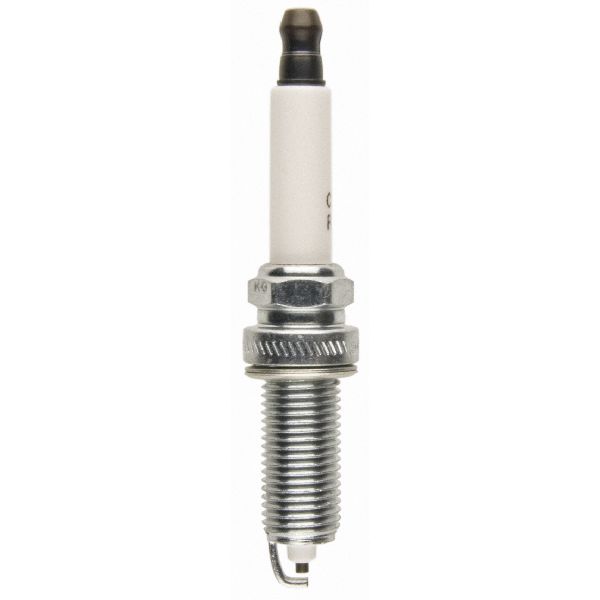
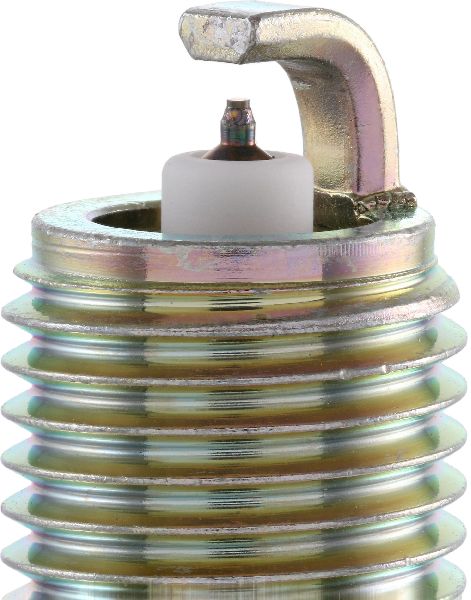
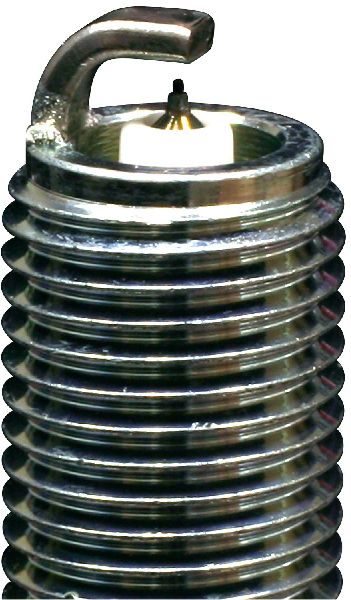
Est. part cost: $35-$100 per coil - Worn or Fouled Spark Plugs 🟡 Medium Probability → Shop Spark Plug Spark plugs are a regular maintenance item. The SkyActiv-G engine has a recommended service interval of 75,000 miles for spark plugs. An overdue or fouled plug can easily cause a misfire severe enough to trigger P0363. The specified plugs are NGK Iridium models.
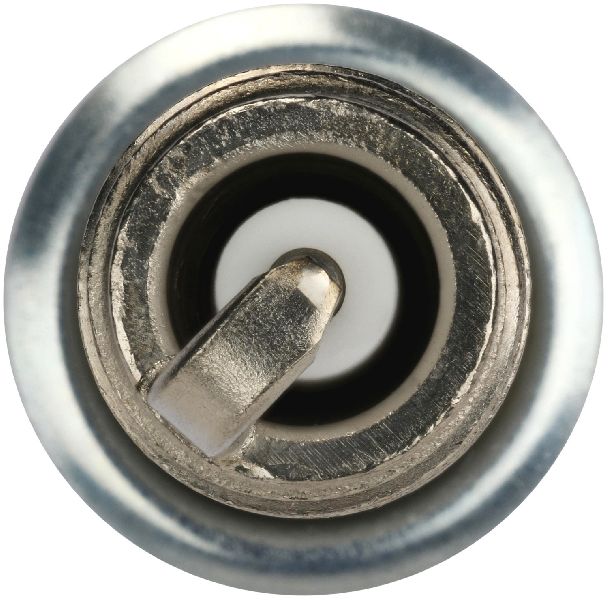
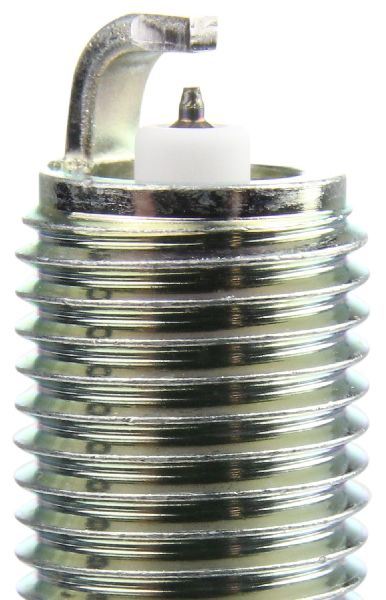
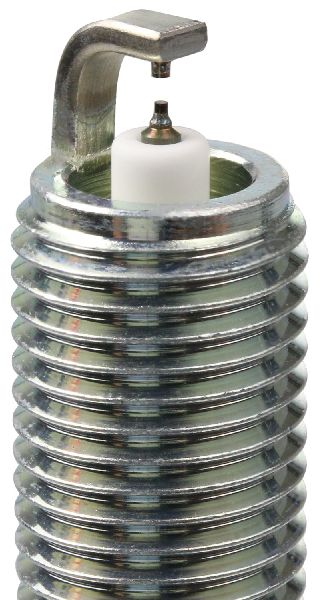
How to confirm: After identifying the misfiring cylinder, remove the spark plug and inspect it. Look for heavy carbon buildup, oil fouling, coolant contamination, or a worn/damaged electrode. A wet plug can indicate a fuel injector issue, while a damaged electrode points to the plug itself.
Typical fix: Replace the spark plugs. It is critical to replace them as a full set of four. Use high-quality Iridium plugs as specified for the SkyActiv engine (NGK ILKAR7L11).
Est. part cost: $40-$80 for a set of four - Intake Valve Carbon Buildup 🟡 Medium Probability As a Gasoline Direct Injection (GDI) engine, fuel is sprayed directly into the cylinder, not over the intake valves. This means there is no fuel to clean the valves, and over time, oil vapor from the PCV system can bake onto them, forming hard carbon deposits. This is more common on vehicles with over 60,000 miles or those used frequently for short trips.
How to confirm: This is difficult to confirm without some disassembly. A visual inspection using a borescope inserted into the intake runners is the most direct way. A dealer may suggest this based on mileage and symptoms after ruling out ignition and fuel components.
Typical fix: A professional 'walnut blasting' service is the most effective fix, where crushed walnut shells are used to media blast the carbon off the valves. Chemical cleaning methods are also available but may be less effective for heavy buildup.
Est. part cost: $0 (service cost is labor) - Clogged or Faulty Fuel Injector ⚪ Low Probability → Shop Fuel Injector
How to confirm: If swapping coils and replacing plugs does not resolve the misfire on a specific cylinder, the injector is the next likely suspect. A professional can perform a fuel injector balance test. A DIY method is to listen to the injector with a mechanic's stethoscope; it should make a consistent clicking sound. An ohmmeter can also be used to check the injector's internal resistance. Note that the PCM will stop sending the signal to the injector when P0363 is active, so codes must be cleared for testing.
Typical fix: Replace the faulty fuel injector. Due to the high-pressure nature of the GDI system, this is a more involved job than on older cars. It's also recommended to replace the injector seals during this job.
Est. part cost: $70-$150 per injector
Rare But Worth Checking
- PCM Software Issue (Cold Weather Misfire): Mazda TSB 01-005/15 describes an issue on 2012-13 models where, in very cold weather (below 14°F / -10°C) and with repeated short trips, excess fuel can enter the crankcase, raising the oil level and causing misfires (P0300-P0304). This could lead to a P0363. The fix is a PCM software update and an oil change.
- Low Compression / Internal Engine Issues: While rare on the reliable SkyActiv engine, a mechanical problem like a burnt valve, worn piston rings, or a damaged head gasket can cause a persistent misfire. This is a last-resort diagnosis after all ignition and fuel system components have been ruled out. A compression test and a cylinder leak-down test are required to confirm this.
Diagnosis Steps
- Connect an OBD-II scanner to read the trouble codes. Confirm P0363 and note any accompanying codes (e.g., P0301, P0302, etc.) which will point to the specific misfiring cylinder.
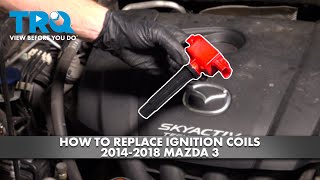
- Turn off the engine. Remove the plastic engine cover (it pulls straight off). Locate the ignition coils on top of the engine, held by 8mm bolts. 🎬 See this walkthrough for replacing ignition coils on 2014-2018 models
- Swap the ignition coil from the misfiring cylinder with a coil from an adjacent, working cylinder. For example, if you have a P0303, swap the coil from cylinder #3 with the coil from cylinder #2.
- Clear the trouble codes with the scanner, then start the engine and let it run for a minute or two. Re-scan for codes.
- If the misfire code has moved to the cylinder where you placed the suspect coil (e.g., P0303 changed to P0302), the ignition coil is bad and must be replaced.
- If the misfire code stays on the original cylinder, the problem is not the coil. Proceed to inspect the spark plug for that cylinder. Replace if it appears worn, fouled, or damaged. It's best practice to replace all four plugs at once.
- If the coil and spark plug are good, the issue may be the fuel injector or carbon buildup. At this stage, professional diagnosis with a borescope (for carbon) or injector testing equipment may be required.
- If all ignition and fuel components for that cylinder check out, perform a cylinder compression test to check for mechanical engine problems.
Parts You'll Likely Need
- Ignition Coil
(OEM #PE20-18-100B (replaces PE20-18-100A))— This is the most common cause of a P0363 code on this platform, especially on 2012-2013 models due to a known TSB. The 'A' part is the failure-prone original; the 'B' part is the updated Mitsubishi replacement.
Trusted brands: Mazda (OEM - Mitsubishi), NGK, Denso, Bosch
OEM price range: $90-$120
Aftermarket price range: $35-$75 - Iridium Spark Plug
(OEM #PE5R-18-110 (NGK ILKAR7L11))— Worn spark plugs are a common cause of misfires and are a regular maintenance item. Using the correct OEM-spec Iridium plug is crucial for the SkyActiv engine.
Trusted brands: NGK, Denso
OEM price range: $18-$25 per plug
Aftermarket price range: $10-$18 per plug
Related Codes That Often Appear With This One
- P0300 — This code means 'Random/Multiple Cylinder Misfire Detected.' It often precedes P0363 as the computer first detects misfires before taking the step of shutting down a specific cylinder's fuel supply.
- P0301, P0302, P0303, P0304 — These codes correspond to a misfire on a specific cylinder (1, 2, 3, or 4). P0363 will almost always be accompanied by one of these codes, which tells you which cylinder to investigate.
Technical Service Bulletins (TSBs) & Recalls
- 01-014-16-3208: Lack of power/rough idle with misfire DTCs due to internal ignition coil failure.
- 01-005/15: Check engine light on with misfire DTCs and increased engine oil level in cold weather.
Platform-Specific Known Issues
- TSB #01-014-16-3208: Addresses premature failure of 'YUMEBISHI' branded ignition coils on 2012-2013 models, causing misfires. The fix is to replace them with updated 'MITSUBISHI' branded coils.
- TSB #01-005/15: Notes an issue on 2012-2013 models where cold weather (<14°F / -10°C) and short trips can cause fuel to dilute the engine oil, leading to misfires and requiring a PCM update and oil change.
Mechanic-Grade Diagnostic Values
- High-Pressure Fuel System Pressure (at idle) — expected: 3.0 MPa (435 psi) or more. Failure: Pressure consistently below 435 psi at idle points to a weak high-pressure fuel pump.
- Low-Pressure Fuel System Pressure (Key On, Engine Off) — expected: 55 - 71 psi. Failure: Pressure below this range indicates a failing in-tank fuel pump or clogged filter, which can starve the high-pressure pump.
- Fuel Injector Resistance — expected: 1.6 - 2.52 ohms (at 32-176 °F). Failure: A reading outside this range indicates a faulty fuel injector winding.
- Ignition Coil Primary Winding Resistance (General Mazda Spec) — expected: 0.49 - 0.57 ohms (at 68°F). Failure: A reading outside this range suggests a faulty primary coil. Note: SkyActiv coils also have ion-sensing functions not testable with a simple ohmmeter.
- Mode 6 Misfire Count (Last 10 Drive Cycles) — expected: Zero or very low counts on all cylinders.. Failure: A high count on a specific cylinder confirms a persistent misfire issue, even if it's not currently setting a code.
Hidden / Shadow Codes Worth Checking
- Mode 6, Test ID $A2-$A5: This is not a trouble code but a diagnostic test monitor for misfire counts for cylinders 1-4. It stores the number of misfires that have occurred in the last 10 driving cycles. This data can reveal an intermittent misfire on a cylinder before it becomes severe enough to set a P030x code continuously. (see via Requires an advanced scan tool or software like FORScan that can access OBD-II Mode 6 test results.)
Scan Tool Commands That Help
- FORScan / Advanced Scanners: Power Balance Test — This is a powerful diagnostic tool to use when a misfire is felt but the specific cylinder is uncertain. The test allows you to manually disable one fuel injector at a time while observing the engine RPM drop. If disabling an injector causes little or no change in RPM, you have found the non-contributing (misfiring) cylinder.
Wiring & Ground Locations
- Engine Block / Transmission Grounds — Multiple key ground points are bolted directly to the engine and transmission. Look for a ground strap on the transmission housing, a ground on an alternator mounting bolt, and grounds on the front of the transmission case.. A loose or corroded main engine/transmission ground can cause unstable voltage for the ignition coils and injectors, leading to erratic firing and misfires.
- Passenger-Side Fender Ground — Located on the passenger side of the engine bay, near the headlight assembly and shock tower.. This ground point is critical for various systems and is notoriously prone to corrosion from road salt and moisture, which can cause a wide range of electrical issues, including those that may be misinterpreted as a misfire.
- Oil Filter Housing Ground (Potential Issue) — On some models, a main engine ground is attached to the oil filter housing assembly.. It has been reported that a thick gasket between the housing and the engine block can insulate this connection, creating a poor ground. If other grounds are clean and issues persist, this location should be inspected and potentially relocated to a clean, bare metal spot on the block.
- PCM Location — The Powertrain Control Module (PCM) is located in the engine compartment, typically at the left-rear (driver's side, near the firewall).. This is the source of the signals for the ignition coils and injectors. Any diagnosis of the wiring harness for these components will trace back to the connectors at the PCM.
Real Owner Repair Stories
- Aggregated from multiple forum discussions (2012 Mazda 3 SkyActiv, ~85,000 miles) — Flashing check engine light, violent shaking at idle, severe loss of power. Codes P0363 and P0303 (Cylinder 3 misfire).
❌ Tried (didn't work) Clearing the codes (they returned immediately).
✅ What actually fixed it The owner swapped the ignition coil from cylinder 3 with the coil from cylinder 2. After clearing codes, the engine was started and a new code, P0302, appeared. This confirmed the ignition coil from cylinder 3 was faulty. Replacing only the single failed coil with a new OEM part resolved all symptoms. - YouTube Channel - Shop Foreman Garage (Mazda with SkyActiv Engine) — Multiple bizarre electrical codes and running issues, not necessarily a standard misfire code.
❌ Tried (didn't work) Standard diagnostic procedures for the codes being thrown.
✅ What actually fixed it The vehicle was found to have aftermarket ignition coils and an aftermarket mass airflow sensor. The SkyActiv engine's OEM coils use a special 'ion sensing' feature to monitor combustion, which aftermarket parts often lack or implement incorrectly. Replacing the aftermarket parts with genuine Mazda parts resolved the complex issues. This highlights the engine's sensitivity to non-OEM electronic components.
OEM Part Supersession History
PE20-18-100 (and earlier versions like P51B-18-100, PE01-18-100)→PE20-18-100A— Initial production parts, including the 'YUMEBISHI' brand coils mentioned in TSBs, were prone to premature failure.PE20-18-100A→PE20-18-100B— Further revision for improved durability and performance. The 'B' revision is the recommended Mitsubishi-made replacement part to resolve the TSB issue.
Heads up: While older versions will physically fit, the PE20-18-100B part is the most reliable and is the specified fix for the known coil failure issue.
Model Year Variations Within This Range
- 2012-2013: These model years are part of the second generation (BL) Mazda 3 and are most directly affected by TSB 01-014-16-3208 regarding failure-prone 'YUMEBISHI' ignition coils. They are also subject to TSB 01-005/15 for cold-weather misfires requiring a PCM update.
- 2014-2018: These model years are the third generation (BM/BN) Mazda 3. While not covered by the specific early TSBs, ignition coil failure remains a common cause for P0363, and the diagnostic principles are identical. The updated 'B' revision coils are the correct replacement part for these years as well.
Diagnostic Flowchart
Other Known Issues on This Vehicle
Issues unrelated to this code that are worth knowing about as an owner of this generation:
- Infotainment 'Ghost Touch' or Delamination 🟠 Medium — Common on 2014-2016 models. The touchscreen's digitizer fails, causing random, phantom inputs. Often occurs after 3-5 years. (Ref: Mazda issued a warranty extension program for this issue in some regions.)
- Prematurely Weak OEM Battery 🟡 Low — Widespread complaint across many model years. The factory-installed battery often has a low capacity and may fail within 2-3 years, especially in climates with extreme temperatures.
- Intake Valve Carbon Buildup 🟠 Medium — A long-term consequence of all Gasoline Direct Injection (GDI) engines. Can become problematic after 60,000-80,000 miles, especially with a history of short-trip driving. Can cause rough idle, hesitation, and eventual misfires if not addressed. (Ref: TSB 01-012/19 mentions unstable combustion from carbon deposits.)
- Thin Paint / Prone to Chipping 🟡 Low — Frequently mentioned by owners. The paint, especially on the front bumper and hood, is considered thin and susceptible to rock chips.
Used vs. New Parts: Buying Guide for This Vehicle
When a used part is the smart pick: For ignition coils, a used OEM part from a low-mileage (under 60,000 miles) donor vehicle can be a cost-effective diagnostic tool or replacement. Given the high cost of new OEM coils and the reported issues with aftermarket alternatives, a used genuine Mazda coil is often a better choice than a new, cheap, unbranded coil.
Donor-vehicle mileage cap: roughly under 60000 miles for the part to have meaningful remaining life.
What to inspect on the donor part:
- Verify the donor vehicle's mileage.
- Inspect the coil's plastic housing for cracks, melting, or white/brown burn marks (arcing).
- Ensure the rubber boot is pliable, not dry, cracked, or swollen.
- Confirm the part has the Mazda logo and 'MITSUBISHI' branding if possible; avoid 'YUMEBISHI' branded coils.
OEM-only on this vehicle (don't cheap out):
- Ignition Coil: Strongly recommended to use OEM (Mazda/Mitsubishi) or a top-tier OEM supplier like NGK or Denso. Avoid cheap, no-name coil sets.
- Fuel Injectors: Due to the high pressures and precise nature of the GDI system, OEM injectors are recommended.
- Spark Plugs: Always buy new, never used. Use the specified NGK Iridium plugs (ILKAR7L11) to avoid performance issues.
Aftermarket brands forum-validated for this vehicle:
- NGK (Ignition Coils and Spark Plugs)
- Denso (Ignition Coils and Spark Plugs)
- Bosch (Ignition Coils)
Brands owners have reported issues with on this vehicle:
- Unbranded, generic ignition coil sets sold at extremely low prices (e.g., a set of 4 for the price of one OEM coil). These often lack the required ion-sensing technology and have high failure rates.
Helpful Videos
We Have This Part in Stock

The information in this article is provided for general reference and educational purposes only. Vehicle specifications, procedures, and part compatibility can vary by production date, trim level, and region. Always consult your vehicle's factory service manual and verify part numbers before purchasing or performing repairs. Safety-critical components such as airbags, seat belts, and braking systems should be installed by a qualified professional.
- Mazda 3:
- 🧭 Diagnostic Flowchart
- 🎬 Helpful Videos
- 🛍️ Shop This Part
- What's Unique About the 2012-2018 Mazda 3
- Symptoms You May Notice
- Most Likely Causes
- Rare But Worth Checking
- Diagnosis Steps
- Parts You'll Likely Need
- Related Codes That Often Appear With This One
- Technical Service Bulletins (TSBs) & Recalls
- Platform-Specific Known Issues
- Mechanic-Grade Diagnostic Values
- Hidden / Shadow Codes Worth Checking
- Scan Tool Commands That Help
- Wiring & Ground Locations
- Real Owner Repair Stories
- OEM Part Supersession History
- Model Year Variations Within This Range
- Other Known Issues on This Vehicle
- Used vs. New Parts: Buying Guide for This Vehicle
- 🎟️ Get 5% Off