

P0363 on 2007-2009 Pontiac G6 3.6L: Misfire Fuel Cut-Off Causes and Fixes
P0363 means your G6's computer detected a severe misfire and cut fuel to a cylinder to protect the catalytic converter. The most common cause is a failed ignition coil or spark plug. If the misfire is on the rear bank (cylinders 2, 4, 6), the repair is labor-intensive, requiring intake manifold removal. Expect to pay $300-$600 for a professional repair of one bank's coils and plugs.
- P0363 is a critical code indicating the engine has a severe misfire and has shut down a cylinder to prevent expensive catalytic converter damage. Do not continue to drive.
- The most likely cause is a failed ignition coil or a worn spark plug. These are relatively simple fixes if on the front bank of the engine.
- If the misfire is on the rear bank (cylinders 2, 4, or 6), the repair is much more complex, requiring removal of the intake manifold.
- When servicing the rear bank, always replace all three coils, all three spark plugs, and the intake manifold gaskets to prevent repeat failures and future vacuum leaks.
- Be aware that this engine has a known, widespread issue with stretching timing chains. If simple fixes don't resolve the misfire, a professional diagnosis of the timing system is necessary.
What's Unique About the 2007-2009 Pontiac G6
On the 3.6L LY7 engine in the Pontiac G6, misfires are common, but diagnosis has a few key platform-specific quirks. The most frequent culprits are ignition coils and spark plugs, but accessing the rear bank of cylinders (2, 4, and 6, against the firewall) is notoriously difficult and requires removing the upper intake manifold. 🎬 See how to remove the intake manifold for rear bank access Furthermore, this LY7 engine is infamous for premature timing chain stretching, a major and expensive repair that can also cause misfires. While timing issues usually set other codes (like P0008 or P0017), it's a critical piece of context for any engine performance problem on this vehicle. The LY7 was used across many GM brands, including Chevrolet, Saturn, and Cadillac, all of which exhibit these same failure patterns.
Symptoms You May Notice
- Flashing Check Engine Light (a sign of a severe, active misfire).
- Engine running very rough, shaking, or vibrating, especially at idle.
- Significant loss of engine power and sluggish acceleration.
- Engine stalling or being difficult to start.
- Loud popping or backfiring sounds from the exhaust.
- Noticeable smell of gasoline from the exhaust.
- Replacing only the spark plug when the ignition coil was the actual failure.
- Replacing camshaft or crankshaft position sensors. While they are part of the ignition system, they are not a common cause of a single-cylinder misfire and would typically set other codes.
- Assuming a misfire is immediately a timing chain issue without first diagnosing the much more common and cheaper ignition and fuel system components.
Most Likely Causes
- Failed Ignition Coil(s) 🔴 High Probability → Shop Ignition Coil Ignition coils on the LY7 are a common failure item. The epoxy potting compound inside the OEM coils degrades from persistent heat soak, especially on the hotter, tighter rear bank, leading to internal arcing and a weak spark.
How to confirm: Use an OBD-II scanner to identify the misfiring cylinder (e.g., P0301 for cylinder 1). Swap the ignition coil from the misfiring cylinder with a known good cylinder. Clear the codes and run the engine. If the misfire code follows the coil (e.g., changes to P0302 after swapping coils from cyl 1 and 2), the coil is bad.
Typical fix: Replace the failed ignition coil. It is highly recommended to replace all three coils and spark plugs on the same bank at the same time, especially if it's the difficult-to-access rear bank.
Est. part cost: $40-$80 per aftermarket coil, $70-$120 per OEM (ACDelco) coil. - Worn or Fouled Spark Plugs 🔴 High Probability → Shop Spark Plug Spark plugs are a routine maintenance item with a finite life. Additionally, leaking valve cover gaskets (another common GM issue) can foul the plugs with oil, causing a misfire that is not the plug's fault.
How to confirm: After identifying the misfiring cylinder, remove the spark plug and inspect it. Look for a worn or melted electrode, heavy carbon deposits, or fouling from oil (black and greasy) or fuel (black and sooty).
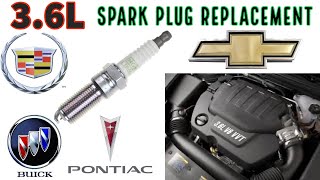
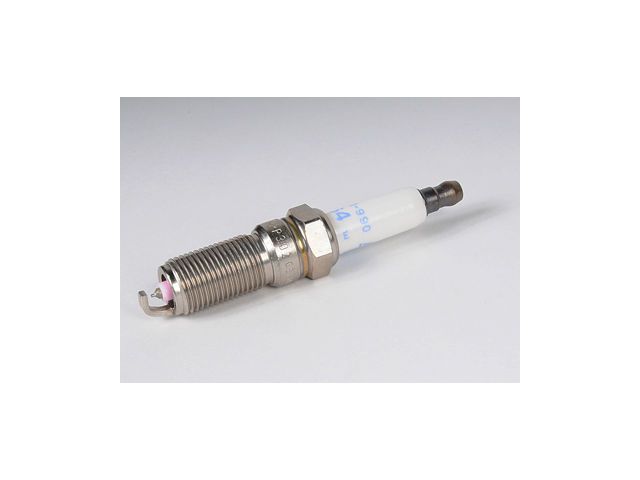
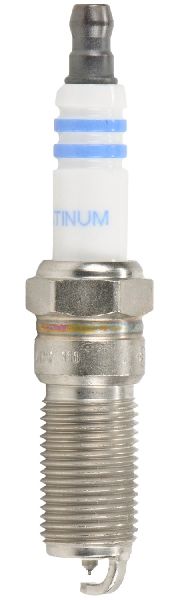
Typical fix: Replace the spark plug. Best practice is to replace all six plugs at once 🎬 Watch: Step-by-step guide to replacing spark plugs on a G6 using the specified Iridium plugs, or at a minimum, the three on the same bank.
Est. part cost: $8-$20 per iridium spark plug. - Clogged or Failed Fuel Injector 🟡 Medium Probability → Shop Fuel Injector Injectors can become clogged with deposits over time or fail electrically. The rear bank runs hotter, potentially contributing to a higher failure rate. Wiring issues are also a known cause of injector faults on this engine family.
How to confirm: After ruling out ignition issues, a technician can perform a fuel injector balance test or check the injector's resistance with a multimeter; it should be 11-14 Ohms. A 'noid light' can be used to confirm if the injector is receiving an electrical pulse from the ECM. Swapping injectors is a definitive test but is very labor-intensive on this engine.
Typical fix: Replace the faulty fuel injector. This also requires removing the intake manifold if the injector is on the rear bank.
Est. part cost: $50-$100 per injector.
Rare But Worth Checking
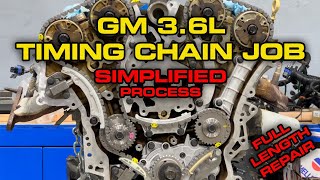
- Stretched Timing Chains: This is the LY7 engine's most infamous and expensive problem. While it usually sets specific timing codes like P0008, P0016, or P0017, a stretched chain can cause erratic cam timing leading to misfires long before a timing code appears. A rattling noise on startup is a key symptom. If you have persistent, difficult-to-diagnose misfires, the timing chains should be investigated by a professional. 🎬 Watch: Full walkthrough of the 3.6L timing chain replacement process
- Leaking Intake Manifold Gaskets: The original plastic-carrier gaskets for the upper and lower intake manifold can degrade and fail, causing a vacuum leak. This leans out the air/fuel mixture and can cause misfires. It is critical to replace these gaskets anytime the manifold is removed. Upgraded metal-carrier gaskets, like the Fel-Pro MS 98014 T, are recommended for durability.
- Chafed Fuel Injector Wiring Harness: → Shop Fuel Injector On the GM 3.6L engine family, the fuel injector wiring harness is known to rub against engine components like the intake plenum or cylinder head, eventually chafing through and causing a short. This can cause a specific injector code (P0201-P0206) and a corresponding misfire code (P0301-P0306). This should be inspected before replacing an expensive fuel injector, especially on the rear bank. This issue is documented in GM TSB #PIP4924D.
- Low Engine Compression: If ignition and fuel systems are confirmed to be good, a mechanical issue like a bad valve, worn piston rings, or a head gasket leak could be the cause. A compression test is required to diagnose this.
Diagnosis Steps
- Use an OBD-II scanner to confirm the P0363 code and identify the specific misfiring cylinder code (P0301-P0306). Note which cylinder(s) are affected.
- Determine if the misfiring cylinder is on the front bank (1, 3, 5 - easy to access) or rear bank (2, 4, 6 - difficult to access).
- For an easy-to-access cylinder, swap the ignition coil with a neighboring cylinder. Clear the codes and run the engine to see if the misfire code 'moves' to the new cylinder. If it does, the ignition coil is faulty.
- If the misfire does not move, swap the spark plug. If the misfire then moves, the spark plug was the issue.
- Inspect the wiring and connector for the ignition coil and fuel injector of the misfiring cylinder for any visible damage, corrosion, or chafing.
- If the misfire is on the rear bank, the intake manifold must be removed to access the components. At this point, it is strongly recommended to replace all three ignition coils, all three spark plugs, and the intake manifold gaskets (using upgraded metal-carrier gaskets) for the rear bank to avoid repeating the labor.
- If ignition components are ruled out, the fuel injector becomes the next likely suspect. Before replacing, check for a signal with a 'noid' light and inspect the harness for chafing, especially near the cylinder head and intake, per TSB #PIP4924D.
- If all else fails, and especially if a startup rattle is present or other timing codes exist, a professional should investigate for stretched timing chains or low engine compression.
Parts You'll Likely Need
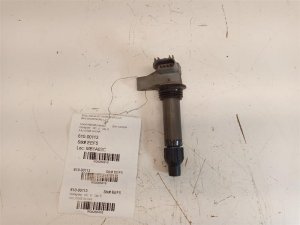
- Ignition Coil
(OEM #12632479)— This is the most common cause of misfires on the LY7 engine.
Trusted brands: ACDelco, Delphi, NGK
OEM price range: $70-$120
Aftermarket price range: $40-$80 - Iridium Spark Plug
(OEM #41-107)— A primary and common cause of misfires, and should always be replaced when servicing coils. The original 41-990 is often superseded by this part number.
Trusted brands: ACDelco, NGK, Denso
OEM price range: $12-$20
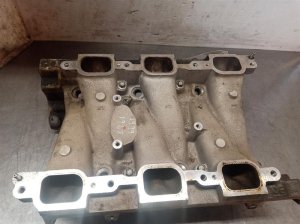
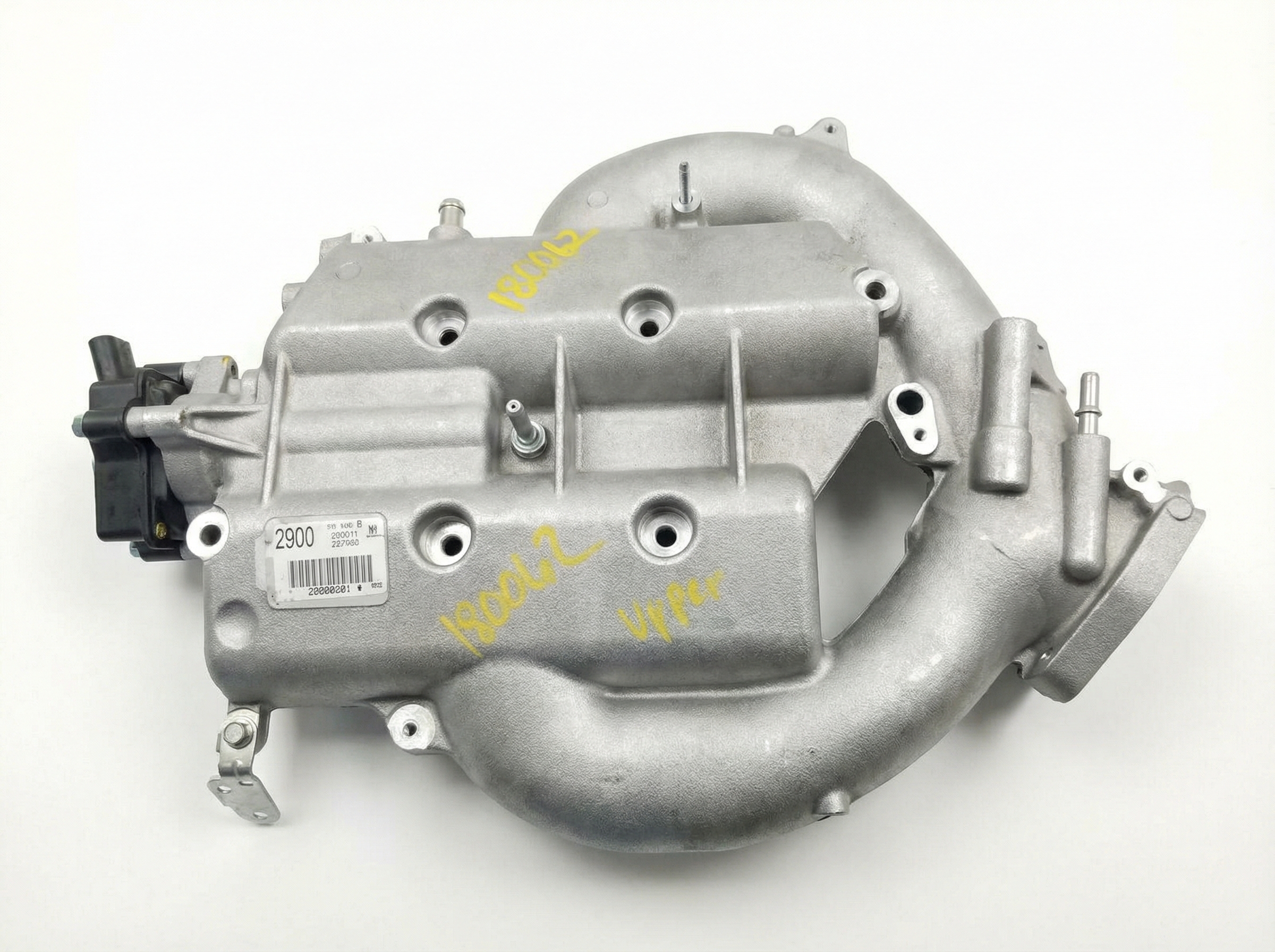
Aftermarket price range: $8-$15 - Upper and Lower Intake Manifold Gasket Set
(OEM #Fel-Pro MS 96494 (aftermarket))— Required for any repair on the rear bank of cylinders. The original plastic gaskets are prone to failure; upgraded metal-carrier sets are recommended.
Trusted brands: Fel-Pro, ACDelco, Mahle
OEM price range: $60-$90
Aftermarket price range: $30-$70
Related Codes That Often Appear With This One
- P0300 — P0300 indicates a random or multiple cylinder misfire. P0363 is the action the ECM takes when a P0300 or specific cylinder misfire (P0301-P0306) becomes severe enough to endanger the catalytic converter.
- P0301-P0306 — These codes specify which cylinder is misfiring (e.g., P0301 is Cylinder 1). P0363 will be set alongside one of these codes to indicate the fuel has been cut to that specific cylinder.
- P0008, P0017 — If these timing correlation codes are present with P0363, it is a very strong indication that the root cause of the misfire is a stretched timing chain.
- P0201-P0206 — An injector circuit fault code (e.g., P0202 for cylinder 2) points to an electrical issue with that injector. This will directly cause a misfire (P0302) and can lead to the P0363 fuel cut-off.
Technical Service Bulletins (TSBs) & Recalls
- GM TSB 06-02-32-007G: Defines causes for steering clunk, including the intermediate shaft.
- GM TSB #PIP4924C: (For platform mate Chevy Malibu) Points to chafed fuel injector wiring harness as a cause for injector circuit faults and misfires.
- GM Recall #13036 / #14118: Addresses faulty power steering sensor and BCM-related brake light issues.
Platform-Specific Known Issues
- The 3.6L LY7 engine is widely known for premature timing chain stretch due to a combination of early part design and long oil change intervals recommended by the oil life monitor. GM issued TSB #12-06-01-009F and Special Coverage Adjustment #11340C to address this, but the warranty extension has since expired for these model years.
Mechanic-Grade Diagnostic Values
- Fuel Injector Resistance — expected: 11 - 14 Ohms. Failure: A reading of infinity (Open Loop) or near zero Ohms (short circuit) indicates a failed injector.
- Ignition Coil Secondary Resistance — expected: 9.5 - 11.1 kOhms. Failure: A reading outside this range can suggest a faulty internal winding, though this test is not always conclusive for modern coils.
- Fuel Pressure (Key On, Engine Off) — expected: 50 - 60 PSI. Failure: Pressure below 50 PSI indicates a fuel delivery problem (pump, filter), which would likely cause multiple or random misfires, not just a single cylinder.
- Injector Connector Power Pin Voltage (Key On, Engine Off) — expected: 12V (Battery Voltage). Failure: Low or no voltage points to a problem in the power supply wire or the associated fuse (e.g., INJ/COIL fuse).
Hidden / Shadow Codes Worth Checking
- Mode $06 Misfire Counters (e.g., Test ID $A2-$A7): The ECM tracks misfire counts for each cylinder even if they don't reach the threshold to set a P030x code. A high count on a specific cylinder (e.g., Component ID $01 for Cylinder 1) confirms the location of the misfire before a code is set. (see via Advanced OBD-II scanner with Mode $06 functionality or a dealer-level tool like a GM Tech2/GDS2.)
Scan Tool Commands That Help
- GM Tech2 / GDS2: Cylinder Power Balance Test — This function lets a technician disable individual cylinders one by one. If disabling a cylinder causes little or no drop in RPM, it confirms that cylinder is not contributing power, pinpointing the source of the misfire.
- GM Tech2 / GDS2: Misfire History / Misfire Graph — This displays historical misfire counts across different RPMs and loads. It is extremely useful for diagnosing intermittent misfires that only occur under specific conditions (e.g., only at highway speed under light load).
- GM Tech2 / GDS2: Crankshaft Position Variation Learn — This procedure should be performed after replacing a crank sensor, ECM, or timing components. Failure to do so can lead to the ECM inaccurately detecting misfires due to not having a baseline for normal crankshaft speed variations.
Wiring & Ground Locations
- G105 — On a transmission stud, on the left rear side of the engine compartment, often below the upper coolant hose.. This is a critical ground for the Engine Control Module (ECM) and Transmission Control Module (TCM). Corrosion or breakage here can cause a wide range of issues, including misfires and injector control problems.
- G106 — On the front of the engine at a transmission stud, near the Park/Neutral Position (PNP) switch for the 3.6L engine.. This is another primary engine ground. A poor connection can lead to erratic behavior from various engine sensors and actuators, including the ignition system.
- G108 — On the right rear corner of the cylinder head (specific to the 3.6L LY7).. This ground is specific to the cylinder head and can affect components mounted there, potentially including ignition or fuel components.
- Injector Harness Chafe Points — Where the harness runs near or touches the intake plenum, valve cover bolts, fuel lines, and the side of the cylinder head.. As documented in GM TSB #PIP4924D, the harness for the fuel injectors is known to rub through in these locations, causing shorts or open circuits that lead to injector codes (P020x) and subsequent misfire codes (P030x, P0363).
Real Owner Repair Stories
- GM Forum user 'jjthesavage' (2006 Pontiac G6 2.4L (Note: different engine, but same diagnostic principle)) — P0304 misfire code, primarily at idle. No misfires above 1200 RPM. Slow coolant loss.
❌ Tried (didn't work) Swapping spark plugs, Swapping ignition coils, Swapping fuel injectors, Checking for vacuum leaks with brake cleaner
✅ What actually fixed it A compression test revealed cylinder 4 was at 105 PSI while others were at 120 PSI. The 12.5% compression loss, combined with coolant consumption, pointed to a failing head gasket as the root cause. - GMTNation forum user 'GENMOTMAN' (2007 GM Vehicle) — Felt misfire but no DTCs were set.
❌ Tried (didn't work) Initial visual inspection showed nothing.
✅ What actually fixed it Used Tech2Win software to view the misfire graphics, which identified cylinder #4 as the problem. Upon removing the coil pack, it was found to be full of oil from a leaking valve cover gasket, which had compromised the coil.
OEM Part Supersession History
ACDelco 41-990→ACDelco 41-107— Updated design/materials for the recommended Iridium spark plug.
Heads up: Both are generally compatible, but the 41-107 is the later, preferred part for service.
Model Year Variations Within This Range
- 2007-2009: While the core LY7 engine and its common faults are consistent from 2007-2009 in the G6, there were minor wiring harness routing changes and ground location shifts in the 2009.5 facelift. For example, the G106 ground location can differ between early and late models.
Diagnostic Flowchart
Other Known Issues on This Vehicle
Issues unrelated to this code that are worth knowing about as an owner of this generation:
- Clunking/Popping Noise from Steering 🟠 Medium — Very common. Noise occurs during low-speed turns. Often misdiagnosed as a bad steering rack. (Ref: GM TSB 06-02-32-007G. The most frequent cause is a faulty intermediate steering shaft.)
- Rattling/Thumping Noise from Front Suspension 🟡 Low — Extremely common wear item. Noise is heard when driving over bumps. (Ref: No TSB. Caused by worn front sway bar (stabilizer) end links. Aftermarket links (e.g., Moog) with grease fittings are a recommended upgrade.)
- Loss of Power Steering / Power Steering Warning 🔴 High — Common enough to warrant a recall, typically occurs around 70,000-100,000 miles. (Ref: GM Recall #14118 (also part of a wider recall #13036). Caused by a faulty electric power steering motor sensor.)
- Premature Timing Chain Stretch 🔴 High — The most infamous and expensive issue with the LY7 engine. Can occur as early as 50,000 miles but is more common at higher mileage. Usually sets P0008/P0017 codes. (Ref: Multiple TSBs exist, including #12-06-01-001. This is a root cause for many engine performance issues, including misfires.)
- Brake Light Malfunction / BCM Issues 🟠 Medium — Widespread issue affecting the entire G6 production run. (Ref: Pontiac Recall #13036. Caused by resistance fluctuations in the Body Control Module (BCM) affecting the Brake Apply Sensor.)
Used vs. New Parts: Buying Guide for This Vehicle
When a used part is the smart pick: For this repair, using used parts is generally not recommended. The primary failure components (ignition coils, spark plugs, gaskets) are wear items and should always be purchased new. A used fuel injector could be considered if from a very low-mileage donor, but the high labor cost to access it makes a new or remanufactured part a much safer investment.
Donor-vehicle mileage cap: roughly under 50000 miles for the part to have meaningful remaining life.
What to inspect on the donor part:
- For a fuel injector, ensure there is no visible corrosion on the electrical pins.
- Verify the donor vehicle was not in a front-end collision that could have damaged engine components.
- Ask for the VIN of the donor car to verify the engine type and year.
OEM-only on this vehicle (don't cheap out):
- Timing Chain Kit: If the misfire is traced to a stretched timing chain, only use an updated OEM (ACDelco) or reputable OEM-supplier kit (like Cloyes). Aftermarket chains are a significant gamble for such a labor-intensive job.
Aftermarket brands forum-validated for this vehicle:
- Ignition Coils: Delphi, NGK.
- Spark Plugs: NGK, Denso.
- Intake Gaskets: Fel-Pro (specifically the upgraded metal-carrier design).
Brands owners have reported issues with on this vehicle:
- Unbranded, 'white-box' ignition coils and sensors from online marketplaces. These often have a high failure rate and do not last.
Real Owner Stories
Aggregated from forums and TSBs cited above. Mileages and costs reflect what owners reported in those sources.
2006 Pontiac G6
Symptoms: Knocking in steering video... discussion confirming intermediate shaft and ball joints as common noise sources.
What fixed it: Replacement of the intermediate steering shaft.
Source hint: Reddit r/MechanicAdvice - '2006 Pontiac G6 knocking in steering video...'
2007-2009 Pontiac G6 3.6L LY7 — ~50000 miles
Symptoms: Startup rattle present and timing codes exist; premature timing chain stretch.
What fixed it: Investigation for stretched timing chains or low engine compression; addressed under TSB #12-06-01-009F (though coverage has expired).
Source hint: vehicle_specific_issues
2008-2012 Chevrolet Malibu (3.6L LY7)
Symptoms: Misfire issues and injector circuit faults.
What fixed it: Repairing chafed fuel injector wiring harness.
Source hint: GM TSB #PIP4924C
2007-2009 Pontiac G6 — ~85000 miles
Symptoms: Loss of power steering and power steering warning light.
What fixed it: Replacement of the electric power steering motor sensor.
Source hint: GM Recall #14118
Related OBD-II Codes
Frequently Asked Questions
My 2008 Pontiac G6 3.6L has a flashing check engine light and is shaking at idle. Is this related to P0363?
I have a misfire on the rear bank of my G6. Should I only replace the one bad coil?
Does GM TSB #PIP4924D apply to my misfire issue?
Can I use any spark plug to fix this code in my 3.6L V6?
Is there a recall for the timing chain stretch that might be causing my misfire?
How can I tell if my P0363 is a fuel injector issue instead of a coil?
Helpful Videos
Used OEM Parts in Stock
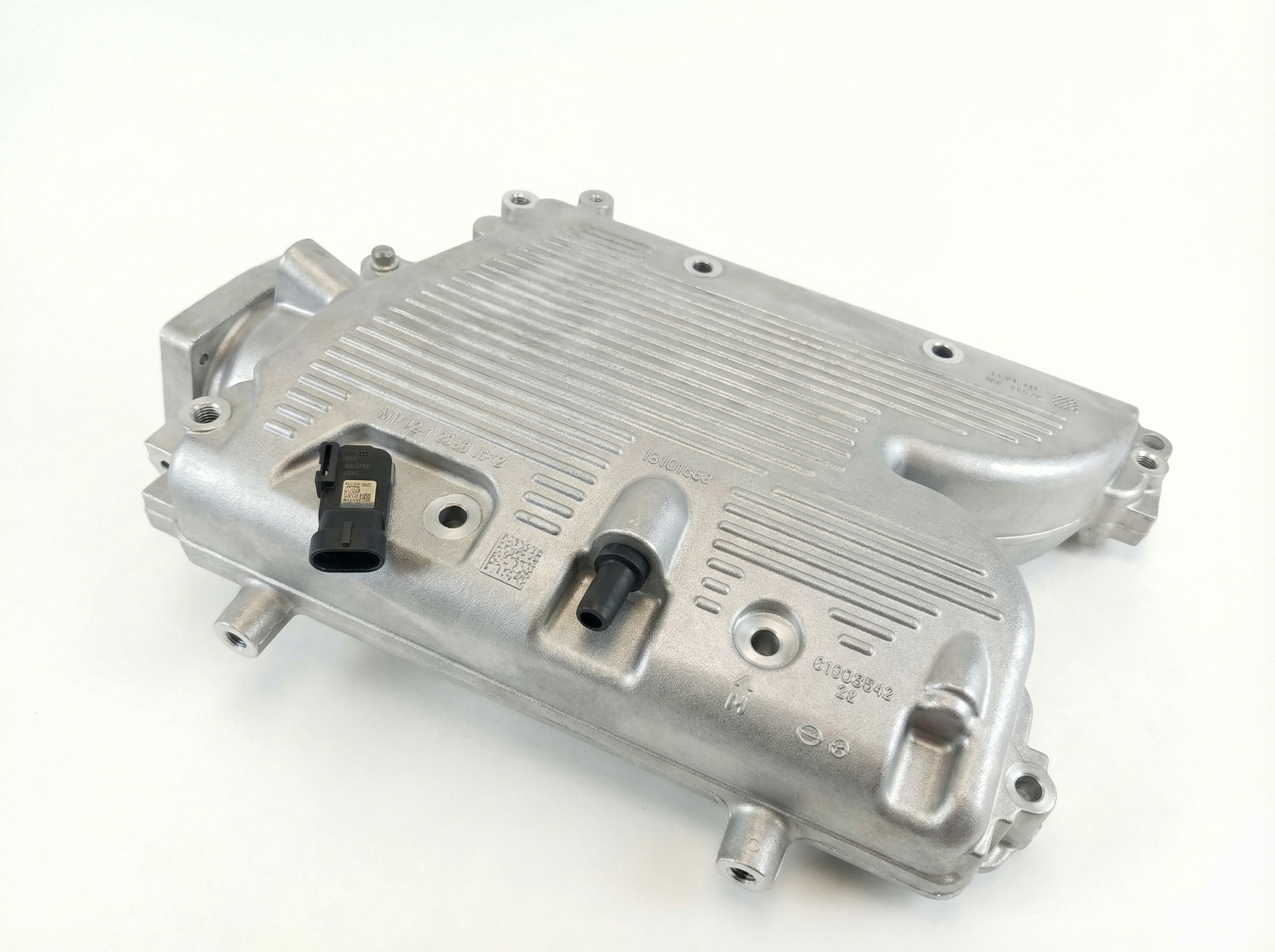
New Aftermarket Parts Available
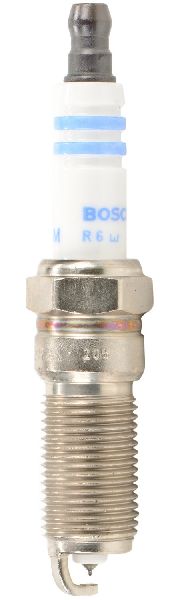
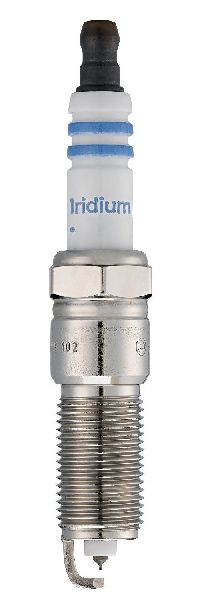
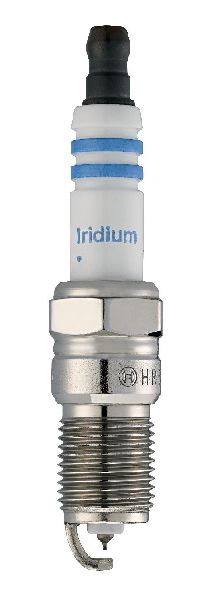

The information in this article is provided for general reference and educational purposes only. Vehicle specifications, procedures, and part compatibility can vary by production date, trim level, and region. Always consult your vehicle's factory service manual and verify part numbers before purchasing or performing repairs. Safety-critical components such as airbags, seat belts, and braking systems should be installed by a qualified professional.
- Pontiac G6:
- 🧭 Diagnostic Flowchart
- 🎬 Helpful Videos
- 🛍️ Shop This Part
- What's Unique About the 2007-2009 Pontiac G6
- Symptoms You May Notice
- Most Likely Causes
- Rare But Worth Checking
- Diagnosis Steps
- Parts You'll Likely Need
- Related Codes That Often Appear With This One
- Technical Service Bulletins (TSBs) & Recalls
- Platform-Specific Known Issues
- Mechanic-Grade Diagnostic Values
- Hidden / Shadow Codes Worth Checking
- Scan Tool Commands That Help
- Wiring & Ground Locations
- Real Owner Repair Stories
- OEM Part Supersession History
- Model Year Variations Within This Range
- Other Known Issues on This Vehicle
- Used vs. New Parts: Buying Guide for This Vehicle
- Real Owner Stories
- 2006 Pontiac G6
- 2007-2009 Pontiac G6 3.6L LY7 — ~50000 miles
- 2008-2012 Chevrolet Malibu (3.6L LY7)
- 2007-2009 Pontiac G6 — ~85000 miles
- Related OBD-II Codes
- Frequently Asked Questions
- 🎟️ Get 5% Off