

P0363 on 2018-2024 Toyota Camry 2.5L: Misfire Detected & Fueling Disabled Causes and Fixes
P0363 means your Camry's engine is misfiring badly enough that the computer has cut fuel to a cylinder to protect the catalytic converter. Before buying parts, check if your vehicle is part of the 2018-2020 fuel pump recall (Campaign 20TA02 / 20LA01), as symptoms are identical. Otherwise, the most likely cause is a bad ignition coil or spark plug, a relatively simple DIY fix costing $50-$150.
- P0363 is a serious code indicating a severe misfire; stop driving immediately to avoid damaging the catalytic converter.
- For 2018-2020 models, the first step is to check if your car is part of the free fuel pump recall, as its failure causes identical symptoms.
- The most likely DIY fix is replacing a faulty ignition coil or a set of worn spark plugs.
- Always use an OBD-II scanner to find the specific cylinder that's misfiring (e.g., P0301-P0304) before you start replacing parts.
- The A25A-FKS engine's dual-injection system makes it less prone to carbon buildup on intake valves, a common misfire cause on other direct-injection engines.
What's Unique About the 2018-2024 Toyota Camry
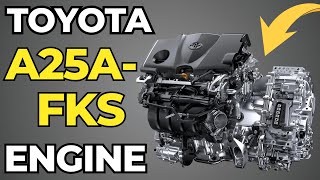
The A25A-FKS engine in the 2018-2024 Camry uses Toyota's D-4S dual-injection system, with both port and direct injectors. The port injectors help wash intake valves, making carbon buildup a less frequent cause of misfires compared to many other direct-injection-only engines. However, early models of this Camry generation (2018-2020) were subject to a major recall for faulty low-pressure fuel pumps (Recall 20TA02 / 20LA01), which can cause identical symptoms to a misfire, making it a crucial first check.
Symptoms You May Notice
- Flashing Check Engine Light
- Engine shaking, vibrating, or running rough, especially at idle
- Sudden loss of engine power
- Hesitation during acceleration
- Engine stalling
- Noticeably worse fuel economy
- Abnormal engine sounds
- Replacing a fuel injector before checking for the much more common fuel pump recall on 2018-2020 models.
- Replacing ignition parts without first using a scanner to identify the specific misfiring cylinder.
- Assuming a misfire is caused by carbon buildup on intake valves, which is less common on this D-4S engine due to the cleaning action of the port injectors.
Most Likely Causes
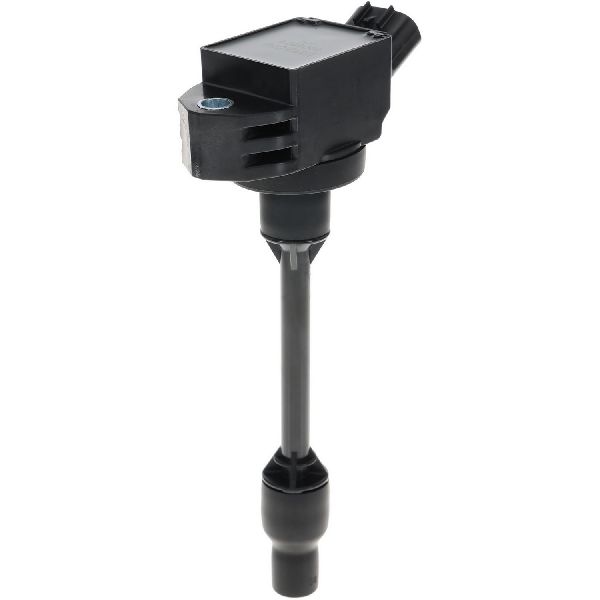
- Faulty Ignition Coil 🔴 High Probability → Shop Ignition Coil Ignition coils are common wear items and a primary cause of misfires on modern engines. They are exposed to high heat and vibration, leading to eventual failure.
How to confirm: Use an OBD-II scanner to identify the misfiring cylinder (e.g., P0301 for cylinder 1). Swap the ignition coil from the misfiring cylinder with one from a working cylinder. Clear the codes and run the engine. If the misfire code follows the coil (e.g., changes to P0302), the coil is bad. This is a standard and effective diagnostic technique.
Typical fix: Replace the faulty ignition coil. It is often recommended to replace all four if they are original and have high mileage, as they have been subjected to the same wear.
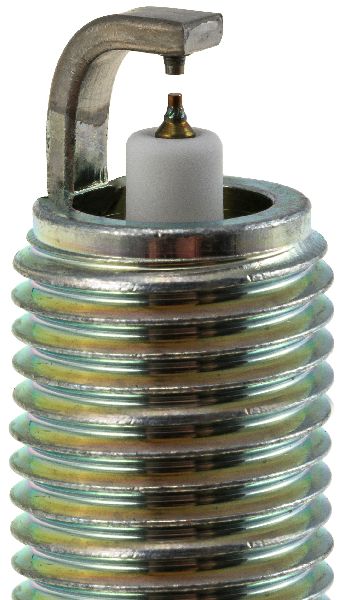
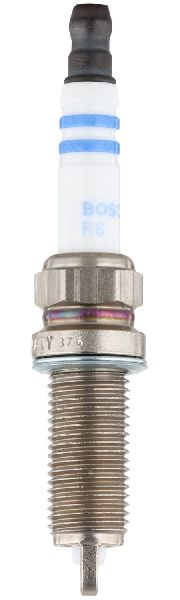
Est. part cost: $40-$90 per coil - Worn or Fouled Spark Plugs 🔴 High Probability → Shop Spark Plug Spark plugs are a routine maintenance item. The original equipment iridium plugs have a long service life (up to 120,000 miles), but they can fail prematurely or become fouled.
How to confirm: After identifying the misfiring cylinder, remove and inspect the spark plug. Look for wear on the electrode, carbon fouling, oil contamination, or a cracked insulator. Even if it looks okay, it can be faulty. Compare it to the plugs from other cylinders.
Typical fix: Replace the spark plugs. They should always be replaced as a full set of four to ensure consistent performance.
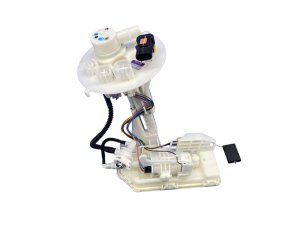
Est. part cost: $40-$80 for a set of four - Faulty Low-Pressure Fuel Pump (2018-2020 Models) 🟡 Medium Probability A massive recall (Toyota campaigns 20TA03, 20LA03, 20TA02, 20LA01) was issued for millions of Toyota and Lexus vehicles, including the 2018-2020 Camry, for a low-pressure fuel pump that could fail. The symptoms—rough running, stalling, loss of power—are nearly identical to a misfire.
How to confirm: Check your vehicle's VIN on the NHTSA or Toyota owners website for open recalls. A dealer can also check this for you. If the recall is open, the diagnosis and repair are free.
Typical fix: The dealer will replace the fuel pump assembly with an improved part free of charge if the vehicle is part of the recall.
Est. part cost: $0 if under recall - Clogged or Faulty Fuel Injector ⚪ Low Probability → Shop Fuel Injector While less common than ignition issues, a fuel injector can fail. The A25A-FKS has both port and direct injectors, adding complexity. The D-4S system's port injection helps keep intake valves clean, but the injectors themselves can still become clogged or fail electronically.
How to confirm: If swapping the coil and plug doesn't work, the injector is the next suspect. This is harder to confirm and may require a professional to test injector resistance with a multimeter or perform a flow test. An advanced scan tool may also be able to perform an injector balance test or use the 'Control the Injection Mode' active test.
Typical fix: Clean or replace the faulty fuel injector. Direct injectors are significantly more expensive and labor-intensive to replace than port injectors.
Est. part cost: $100-$300+ per injector, depending on whether it's port or direct
Rare But Worth Checking
- Oversized Pistons (2018 Models): A recall was issued for a small number of 2018 Camry models (approx. 1,730 units) with the 2.5L engine for having pistons that were larger than specified. This could cause the engine to run rough, stall, and misfire. Check your VIN for recall J1M/J0M (NHTSA Campaign 18V200000). The remedy is an engine replacement, free of charge.
- Engine Vacuum Leak: A cracked hose or leaking intake manifold gasket can allow unmetered air into the engine, disrupting the air-fuel ratio and causing a misfire. A professional can use a smoke machine to find hard-to-see leaks.
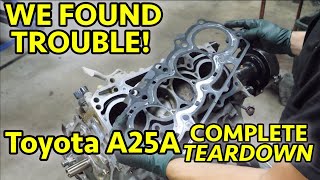
- Low Compression: A severe internal engine problem, such as a burnt valve, damaged piston, or bad piston rings, can cause a lack of compression, leading to a persistent misfire on one cylinder. A teardown of a failed A25A-FKS at 116k miles showed a cracked piston ring land leading to compression loss.
- Faulty Valve Lash Adjusters (Cold Weather Misfire): Toyota issued TSB-0010-24 for some 2018-2024 Camrys with the A25A-FKS engine that may exhibit a misfire (P0300, P0301-P0304) on a cold start in temperatures between 14°F – 41°F. The fix involves replacing the exhaust valve lash adjusters with an updated part.
Diagnosis Steps
- Check for Recalls: Before any other step, enter your vehicle's VIN on Toyota's recall website or the NHTSA website to check for open recalls, especially the low-pressure fuel pump (2018-2020 models, Recall 20TA02/20LA01) and oversized pistons (2018 models, Recall J1M/J0M).
- Identify Misfiring Cylinder: Use an OBD-II scanner to read the trouble codes. Note the specific cylinder misfire code (e.g., P0301, P0302, etc.) that is present along with P0363. Advanced scanners may offer Mode $06 data to see raw misfire counts per cylinder, or use Toyota Techstream's 'Monitor' function for the most accurate count.
- Swap Ignition Coil: Move the ignition coil from the misfiring cylinder to a different, known-good cylinder. Clear the codes, run the engine, and see if the misfire code moves to the new cylinder (e.g., P0301 becomes P0302). If it does, you have a bad ignition coil.
- Inspect and Swap Spark Plug: If the misfire did not move with the coil, remove and inspect the spark plug in the original misfiring cylinder. Look for damage, excessive wear, or fouling. If it looks suspicious, replace the full set. You can also swap it with another plug to see if the misfire follows.
- Check Fuel Injector Circuit: If ignition components are good, the problem may be the fuel injector. This is a more advanced step that involves checking the injector's electrical circuit with a multimeter or a noid light to ensure it's receiving a pulse from the ECM. TSB-0010-24 advises checking injector resistance against the repair manual specification.
- Check for Vacuum Leaks: Visually inspect all vacuum hoses for cracks or disconnections. A professional can use a smoke machine to find hard-to-see leaks, which can cause a lean condition and misfires.
- Perform Compression Test: If all else fails, a compression test can determine if there is a mechanical engine problem, such as bad piston rings, a burnt valve, or other issues causing a loss of compression in the misfiring cylinder. A relative compression test can also be performed using Toyota's Techstream software.
Parts You'll Likely Need
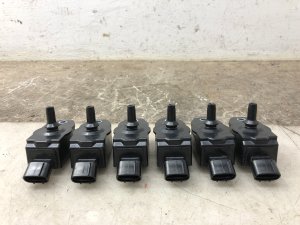
- Ignition Coil
(OEM #90919-A2009)— This is the most common cause of a cylinder-specific misfire on most modern vehicles, including the Camry.
Trusted brands: Denso (OEM), NGK
OEM price range: $70-$110
Aftermarket price range: $40-$80 - Iridium Spark Plug
(OEM #90919-01289 (Denso))— Spark plugs are a routine maintenance item and a frequent cause of misfires when worn. The A25A-FKS uses long-life iridium plugs.
Trusted brands: Denso, NGK
OEM price range: $15-$25 per plug
Aftermarket price range: $10-$18 per plug - Low-Pressure Fuel Pump Assembly — A known failure point on 2018-2020 models subject to a recall, causing misfire-like symptoms.
Trusted brands: Denso (OEM)
OEM price range: $300-$500
Aftermarket price range: $150-$300
Related Codes That Often Appear With This One
- P0300 — This is a code for a random or multiple cylinder misfire. P0363 may be set alongside it if the misfires are severe and widespread.
- P0301, P0302, P0303, P0304 — These codes specify which cylinder is misfiring (Cylinder 1, 2, 3, or 4). P0363 will almost always be accompanied by one of these codes, which is essential for diagnosis.
Technical Service Bulletins (TSBs) & Recalls
- J1M/J0M: Safety recall for oversized pistons on some 2018 models.
- 20TA02 / 20LA01 / 20TA03: Safety recall for faulty low-pressure fuel pump on 2018-2020 models.
- T-SB-0010-24: Technical Service Bulletin for misfires on cold starts related to exhaust valve lash adjusters.
- T-SB-0152-19: TSB for ECM update to address hesitation on acceleration from a slow roll.
- T-SB-0330-17: TSB for ECM update to address shift shock and acceleration delay on early 2018 models.
Platform-Specific Known Issues
- Fuel Pump Recall: Many 2018-2020 Camry models were recalled for a faulty low-pressure fuel pump that could cause the engine to stall or run rough. Always check if your VIN is affected before performing other repairs.
- Oversized Piston Recall: A small batch of 2018 models had engines built with oversized pistons, causing symptoms identical to a severe misfire. This was covered under recall J1M/J0M.
Mechanic-Grade Diagnostic Values
- D-4S Fuel System Pressure — expected: 2.4 - 20 MPa (approx. 350 - 2900 PSI). Failure: Pressure reading outside this wide range indicates an issue with either the low-pressure (in-tank) or high-pressure (engine-mounted) fuel pump. The system switches between port injection (lower pressure) and direct injection (higher pressure) based on load.
- Mode $06 Misfire Count per Cylinder — expected: Near zero on a healthy cylinder.. Failure: A high or rapidly increasing count on a specific cylinder points to the source of the misfire, even before a P030x code is set.
- Techstream Misfire Monitor (Rate) — expected: 0. Failure: A non-zero value in the 'Misfire Rate' field for a specific cylinder indicates a current, active misfire. This is often more accurate than the standard live data list, especially under load.
Hidden / Shadow Codes Worth Checking
- P030027, P030100, P030200, P030300, P030400: These are more specific versions of the standard P030x misfire codes. The '27' suffix on P0300 indicates 'Signal Rate of Change Above Threshold'. These codes are often logged during the specific cold-start misfire issue outlined in TSB-0010-24. (see via Toyota Techstream or other professional-grade scan tool that can read manufacturer-specific codes and freeze-frame data.)
Scan Tool Commands That Help
- Toyota Techstream: Misfire Monitor (Details) — Use this instead of the standard 'Data List' for more accurate misfire diagnosis. It provides both a historical count (EWMA) and a current 'Misfire Rate' that is more reliable, especially when trying to diagnose a misfire that occurs under load.
- Toyota Techstream: Active Test: Control the Injection Mode — After ruling out ignition problems, this test (detailed in T-SB-0015-21) allows a technician to force the engine to use only port injection or only direct injection. This can help isolate whether a misfire is related to a specific set of injectors in the D-4S system.
- Toyota Techstream: Active Test: Compression Test — To perform a relative compression test without manually removing spark plugs. The software disables fuel and spark, cranks the engine, and measures crankshaft speed variations to identify a cylinder with lower compression than the others.
Wiring & Ground Locations
- A72 — Ground Junction Connector. While the exact location requires the full service manual, primary engine grounds are typically found on the cylinder head/valve cover and bolted to the chassis near the strut tower.. A poor engine ground can cause erratic behavior in the ignition system, leading to weak spark and misfires that can be difficult to diagnose.
- Ignition Coil Connector — On top of each ignition coil, connected to the engine wiring harness.. This is a 3-pin connector. Damage to the connector or its wiring (e.g., from heat, vibration, or improper disconnection) can interrupt the signal or power to the coil, causing a misfire on that specific cylinder. Pigtail replacements are available.
Real Owner Repair Stories
- YouTube user 'zlobo' in video 'toyota camry misfire P0301 P0302 P0303 or P0304 diagnostics' (Toyota Camry (older model, but same diagnostic principle)) — Check engine light on, rough idle, car stalled. Scanned and found a P0304 (Cylinder 4 Misfire).
❌ Tried (didn't work) Initial inspection of the spark plug showed it looked good.
✅ What actually fixed it The user swapped the ignition coil from cylinder 4 to cylinder 3. After clearing the codes and running the engine, the misfire code changed to P0303, following the coil. Replacing the faulty ignition coil resolved the issue. - YouTube user 'Fix it Angel' in video 'P0301 Misfire AND Lean P0171 Diagnose and Fix TOYOTA CAMRY' (2001 Toyota Camry 2.2L) — P0301 (Cylinder 1 Misfire) and P0171 (System Too Lean).
❌ Tried (didn't work) Replacing the upstream oxygen sensor did not fix the codes.
✅ What actually fixed it The fuel injector for cylinder 1 was removed and tested. It showed high electrical resistance, indicating it was faulty. Replacing the single bad fuel injector fixed both the misfire and the lean code.
"I Checked Everything" — The Actual Cause
- In cases of a cold-start misfire between 14°F – 41°F, a technician may find no vacuum leaks with a smoke test and confirm coils/plugs/injectors are good. The actual cause, as identified in Toyota TSB-0010-24, can be faulty exhaust valve lash adjusters that cause improper valve operation only when cold. The problem would not be apparent during a typical warm-engine diagnosis.
OEM Part Supersession History
90919-02276→90919-A2009— Standard part revision and improvement by the manufacturer.13750-F0010→13750-70020 (or 13750-70021)— Updated part to resolve cold-start misfire issue as described in TSB-0010-24.
Heads up: The original part number should not be used as a replacement if diagnosing the cold-start misfire condition; the updated part is required.
Model Year Variations Within This Range
- 2018-2020: These model years were included in a major recall for a faulty low-pressure fuel pump that can cause stalling and misfire-like symptoms. Checking for this recall is a critical first step for these years.
- 2018: A specific batch of engines produced for 2018 models was subject to a recall (J1M/J0M) for oversized pistons, which could cause severe misfires and engine failure.
Diagnostic Flowchart
Other Known Issues on This Vehicle
Issues unrelated to this code that are worth knowing about as an owner of this generation:
- Harsh Shifting / Hesitation in 8-Speed Automatic Transmission 🟠 Medium — Common on 2018-2019 models, less so on later years. Often presents as jerky shifts at low speeds or a delay when accelerating from a rolling stop. (Ref: T-SB-0330-17, T-SB-0152-19, T-SB-0043-19 (ECM software updates).)
- Premature Water Pump Failure 🟡 Low — Some owners have reported premature failure of the water pump, leading to overheating. Not widespread but a known potential failure point.
- Defective Low-Pressure Fuel Pump 🔴 High — Very common on 2018-2020 models across millions of Toyota/Lexus vehicles. Can cause stalling. (Ref: Recall 20TA02 / 20LA01)
- Infotainment System Glitches 🟡 Low — Owners report issues with Bluetooth connectivity, freezing screens, and random reboots. Often resolved by software updates. (Ref: Software updates available through dealers.)
- Brake Vacuum Pump Failure 🟠 Medium — Some 2018-2019 models were recalled for a defective vacuum pump that could fail, resulting in a loss of braking assist and a hard pedal feel. (Ref: Recall (NHTSA 19V831000))
Used vs. New Parts: Buying Guide for This Vehicle
When a used part is the smart pick: For an ignition coil (90919-A2009), a used part from a low-mileage, reputable salvage yard is a reasonable cost-saving measure. The part is easily accessible and the 'swap test' makes it simple to confirm if the used part is functional before finalizing the repair.
Donor-vehicle mileage cap: roughly under 50000 miles for the part to have meaningful remaining life.
What to inspect on the donor part:
- Ensure the donor vehicle was not in a front-end collision that could have damaged engine components.
- Inspect the plastic housing of the coil for any cracks or signs of melting.
- Check the electrical connector pins for corrosion or damage.
- Inspect the rubber boot for tears, brittleness, or swelling.
OEM-only on this vehicle (don't cheap out):
- High-Pressure Fuel Pump
- Direct Fuel Injectors
- Engine Control Module (ECM)
Aftermarket brands forum-validated for this vehicle:
- Denso (for ignition coils, spark plugs, and fuel system components - often the OEM supplier)
- NGK (for ignition coils and spark plugs)
Brands owners have reported issues with on this vehicle:
- Unbranded, ultra-low-cost ignition coils from online marketplaces can have a high failure rate and are generally not recommended for long-term reliability.
Real Owner Stories
Aggregated from forums and TSBs cited above. Mileages and costs reflect what owners reported in those sources.
2019 Toyota Camry 2.5L
Symptoms: Owners reported experiencing transmission hesitation and a delay when trying to accelerate from a slow roll.
What fixed it: An ECM update performed by the dealer as specified in T-SB-0152-19.
Source hint: r/Camry - Hesitation on Acceleration TSB discussion
2018 Toyota Camry 2.5L
Symptoms: Engine shaking, vibrating, and running rough at idle with a flashing check engine light.
What fixed it: Replacement of the faulty ignition coil after a swap test confirmed the misfire followed the part.
Cost: $40-$90
Source hint: common_causes - Faulty Ignition Coil
2018-2020 Toyota Camry 2.5L
Symptoms: Sudden loss of engine power and stalling while driving.
What fixed it: The dealer replaced the low-pressure fuel pump assembly with an improved part under recall.
Cost: $0
Source hint: 20TA02 / 20LA01 / 20TA03: Safety recall for faulty low-pressure fuel pump
Related OBD-II Codes
Frequently Asked Questions
My 2019 Camry is shaking and stalling; could this be related to the fuel pump recall?
I have a 2018 Camry with a severe misfire; is there a specific mechanical issue I should check for?
Does Toyota have a fix for the hesitation I feel when accelerating from a slow roll in my 2019 Camry?
My Camry misfires only during cold starts. Is there a known TSB for this?
Should I replace all my spark plugs if only one cylinder is misfiring?
How can I tell if my ignition coil is the cause of the P0363 code?
Helpful Videos

Used OEM Parts in Stock
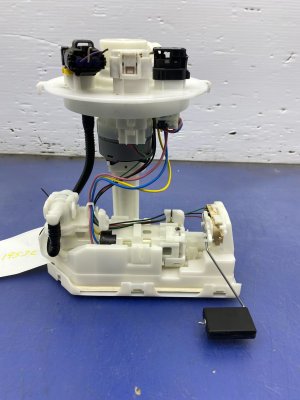
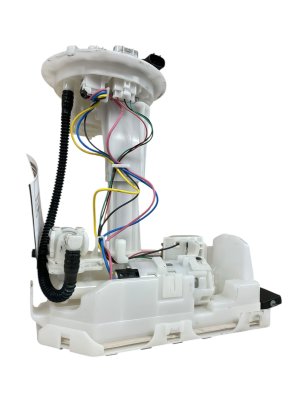
New Aftermarket Parts Available


The information in this article is provided for general reference and educational purposes only. Vehicle specifications, procedures, and part compatibility can vary by production date, trim level, and region. Always consult your vehicle's factory service manual and verify part numbers before purchasing or performing repairs. Safety-critical components such as airbags, seat belts, and braking systems should be installed by a qualified professional.
- Toyota Camry:
- 🧭 Diagnostic Flowchart
- 🎬 Helpful Videos
- 🛍️ Shop This Part
- What's Unique About the 2018-2024 Toyota Camry
- Symptoms You May Notice
- Most Likely Causes
- Rare But Worth Checking
- Diagnosis Steps
- Parts You'll Likely Need
- Related Codes That Often Appear With This One
- Technical Service Bulletins (TSBs) & Recalls
- Platform-Specific Known Issues
- Mechanic-Grade Diagnostic Values
- Hidden / Shadow Codes Worth Checking
- Scan Tool Commands That Help
- Wiring & Ground Locations
- Real Owner Repair Stories
- "I Checked Everything" — The Actual Cause
- OEM Part Supersession History
- Model Year Variations Within This Range
- Other Known Issues on This Vehicle
- Used vs. New Parts: Buying Guide for This Vehicle
- Real Owner Stories
- 2019 Toyota Camry 2.5L
- 2018 Toyota Camry 2.5L
- 2018-2020 Toyota Camry 2.5L
- Related OBD-II Codes
- Frequently Asked Questions
- 🎟️ Get 5% Off