

P0365 on 2015-2022 GMC Canyon: Exhaust Cam Sensor Circuit Causes and Fixes
P0365 on a GMC Canyon most often points to a failed exhaust camshaft position sensor on Bank 1 (passenger side). Replacing the sensor is a common fix, costing around $25-$60 for an aftermarket part and is a straightforward DIY job for many owners. However, be aware of TSB 18-NA-307, which points to a known issue of the engine wiring harness chafing against the cylinder head, causing this code even with a good sensor.
- P0365 specifically points to the exhaust camshaft position sensor circuit on the passenger side (Bank 1) of the engine.
- The most likely fix is replacing the sensor itself, which is an affordable and accessible DIY repair for many.
- Before buying parts, always check the sensor's wiring and connector for damage, and verify your engine oil level and condition.
- Be aware of TSB #18-NA-307, which indicates this code can sometimes be a symptom of a more serious internal engine issue, especially if it appears with code P0014.
What's Unique About the 2015-2022 Gmc CANYON
On the 3.6L V6 (LFX/LGZ) engine common in these trucks, issues with the camshaft position sensors and related wiring are a known pattern. While P0365 points to the Bank 1 exhaust sensor circuit, GM has issued a critical Technical Service Bulletin (TSB 18-NA-307) that links this code with others (P0014, P0366) to a wiring harness chafing on the edge of the camshaft cover or cylinder head. This can cause an open or short in the circuit, mimicking a sensor failure. This means that while the sensor itself is a likely culprit, a thorough inspection of the wiring harness in that area is a crucial first step before replacing parts.
Diagnostic Flowchart
Tap your situation to follow the diagnostic path that matches what you're seeing on this vehicle.
Symptoms You May Notice
- Check Engine Light is on
- Engine running rough or idling poorly
- Hesitation or lack of power during acceleration
- Engine stalling, especially at low speeds
- Reduced fuel economy
- "Reduced Power" message on the Driver Information Center (DIC)
- StabiliTrak warning light may illuminate
- Replacing the crankshaft position sensor. This is a different sensor (often part #12674703) and will not fix a P0365 code.
- Replacing the wrong camshaft position sensor. The 3.6L V6 has four sensors. P0365 specifically refers to the exhaust sensor on the passenger side (Bank 1). A video guide can help locate the correct one. 🎬 Watch: Locate all four sensors on your 3.6L V6 engine
- Replacing the camshaft position actuator solenoid. While related to the VVT system, this is a different part from the sensor. 🎬 Watch: Learn the difference between sensor and solenoid locations A faulty solenoid typically sets different codes (like P0010 or P0014).
Most Likely Causes
- Wiring Harness or Connector Damage 🔴 High Probability TSB #18-NA-307 specifically calls out the engine wiring harness chafing on the edge of the camshaft cover and/or cylinder head, causing wires to break or short out. This is a very common cause for P0365 on this platform.
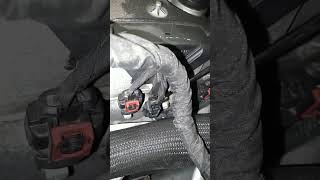
How to confirm: Visually inspect the wiring harness conduit and wires where they pass over the rear of the passenger-side cylinder head. Look for rubbed spots, exposed copper, or breaks. Use a multimeter to check for continuity from the sensor connector to the ECM and check for shorts to ground.
Typical fix: Repair the damaged section of wiring and protect the harness from future chafing using woven polyester electrical tape and re-routing with zip ties away from the sharp edges. 🎬 See how to repair the wiring and replace the sensor
Est. part cost: $5-$25 - Faulty Exhaust Camshaft Position Sensor (Bank 1) 🟡 Medium Probability → Shop Engine Camshaft Position Sensor Sensors are electronic components that can fail over time due to heat cycles and vibration. Oil contamination can also damage the sensor.
How to confirm: After confirming the wiring is intact, the sensor is the next suspect. On the 3.6L V6, the intake and exhaust cam sensors share the same part number (12674702). You can swap the Bank 1 exhaust sensor with the Bank 1 intake sensor. Clear codes and run the engine. If the code changes to P0340 (Intake Sensor Circuit), the sensor is confirmed bad.
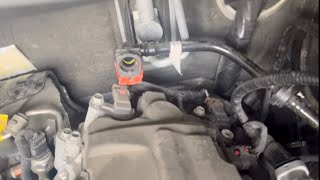
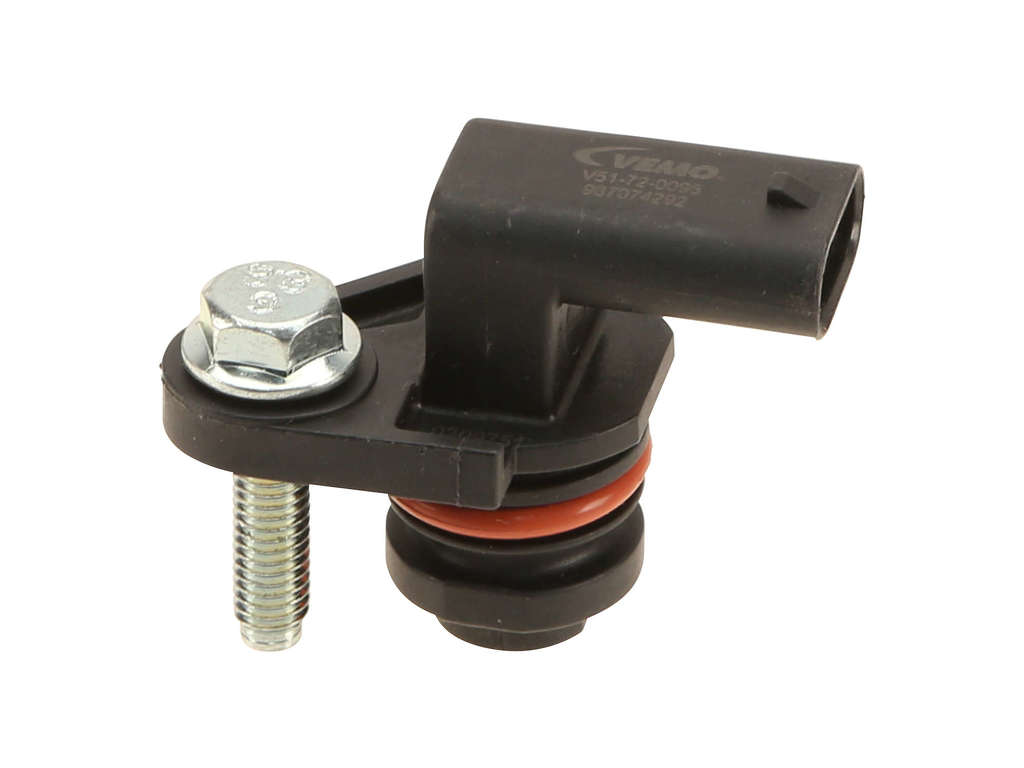
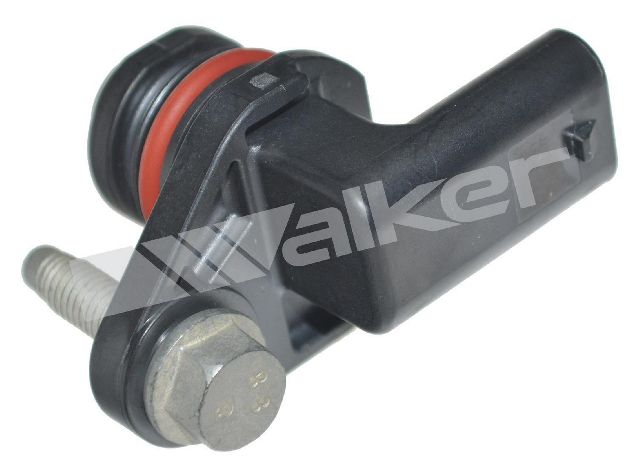
Typical fix: Replace the Bank 1 exhaust camshaft position sensor. It is located on the passenger side of the engine, near the firewall.
Est. part cost: $25-$60 - Low or Dirty Engine Oil ⚪ Low Probability The VVT system, which uses cam sensor data, relies on clean oil at the correct pressure. Sludge or low oil levels can cause the camshaft phasers to respond slowly, which the ECM might misinterpret as a sensor circuit fault, especially if other codes like P0014 are present.
How to confirm: Check the engine oil level and condition on the dipstick. If the oil is very old, dark, or low, it could be a contributing factor.
Typical fix: Perform an oil and filter change using the manufacturer-specified grade of oil (e.g., full synthetic 5W-30 meeting Dexos1 spec).
Est. part cost: $40-$80
Rare But Worth Checking
- Stretched Timing Chain: → Shop Engine Timing Chain While P0365 is a circuit code, it can sometimes appear alongside correlation codes (like P0014, P0016, P0017) if a stretched timing chain is the root cause. The 3.6L V6 engine family has a known history of timing chain issues. This is a complex and expensive repair.
- Failed Camshaft Phaser/Actuator: → Shop Engine Camshaft A mechanically stuck or failing VVT actuator (phaser) on the exhaust camshaft can cause timing to be incorrect, which may trigger a sensor circuit code, often accompanied by P0014 and rattling noises from the engine.
- Damaged Reluctor Wheel: The sensor reads its signal from a toothed reluctor wheel on the camshaft. In rare cases, this wheel can become damaged or slip, causing an erratic signal that triggers the P0365 code.
- Faulty Engine Control Module (ECM): This is very rare. The ECM should only be considered after all other possibilities, including wiring, sensors, and mechanical components, have been thoroughly ruled out.
Diagnosis Steps
- Read the codes: Use an OBD-II scanner to confirm P0365 and check for any other related codes like P0366, P0014, or P06A3.
- Inspect the Wiring Harness (TSB 18-NA-307): This is the most critical vehicle-specific step. Locate the engine wiring harness where it runs over the passenger-side cylinder head near the firewall. Carefully pull back the plastic conduit and inspect the individual wires for signs of rubbing, chafing, or breaks against the sharp edge of the camshaft cover or cylinder head. This is the most likely cause.
- Inspect the oil: Check the engine oil level and condition. Low or dirty oil can cause VVT issues that may trigger this code. Ensure the oil meets GM's Dexos specification.
- Check the Circuit at the Connector: If the harness inspection reveals no damage, disconnect the sensor. With the ignition on (engine off), use a multimeter to verify there is a 5V reference signal and a good ground at the connector.
- Swap-Test the Sensor: The intake and exhaust sensors on the 3.6L V6 are identical (Part #12674702). Swap the Bank 1 exhaust sensor with the Bank 1 intake sensor. Clear the codes and start the engine. If the code changes to P0340 (Intake Cam Sensor Circuit Bank 1), you have confirmed the original sensor was faulty.
- Replace the Sensor: If the sensor is confirmed to be faulty, replace it. The Bank 1 exhaust sensor is on the passenger side, toward the firewall, and can be difficult to access without removing the engine cover.
- Advanced Diagnostics: If a new sensor and verified wiring do not fix the issue, the problem may be more complex, such as a stretched timing chain, a faulty VVT phaser, or other internal engine issues. At this point, professional diagnosis is recommended.
Parts You'll Likely Need
- Exhaust Camshaft Position Sensor (Bank 1)
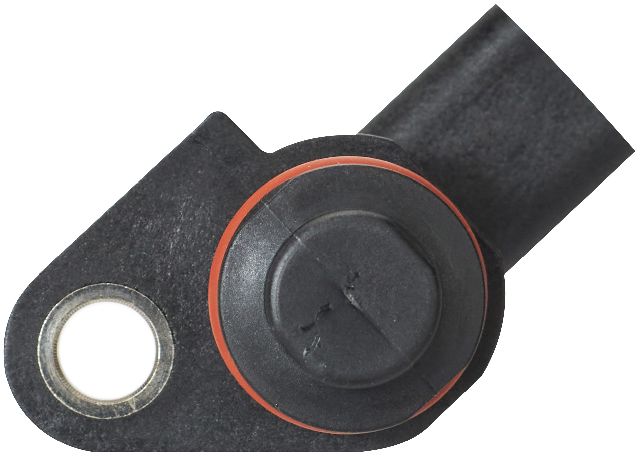
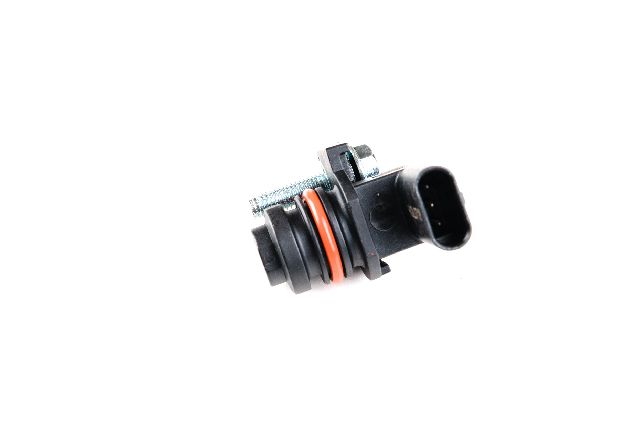
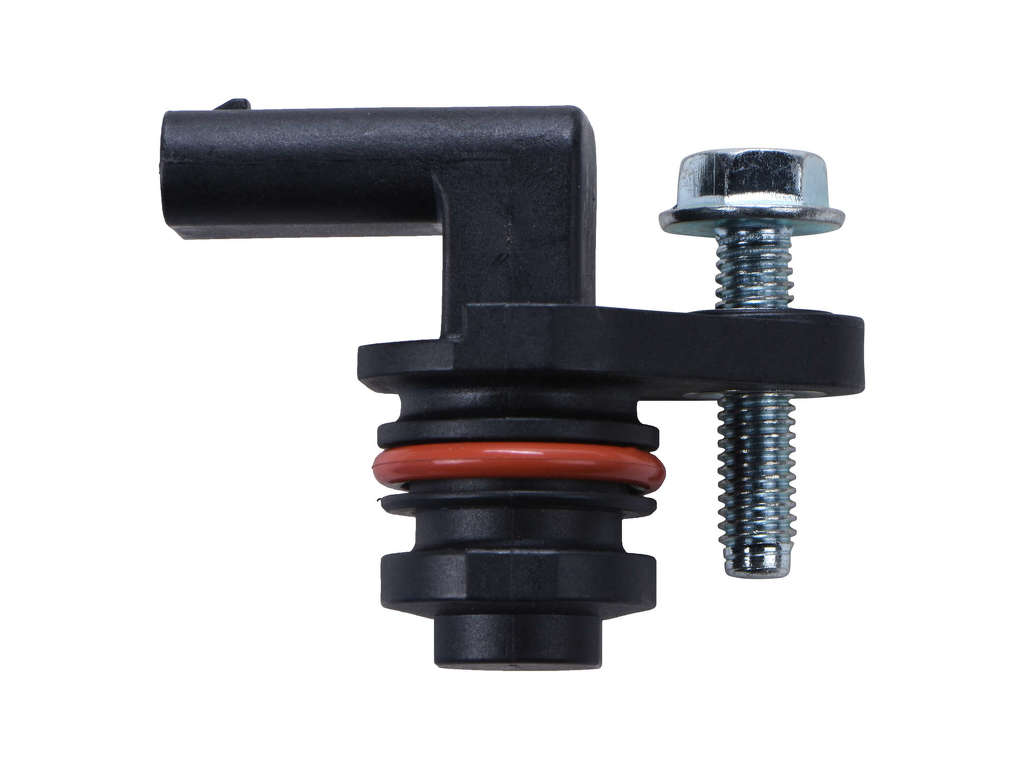
(OEM #12674702)— This is the second most common failure point after wiring. Note: This same part number is used for all four camshaft position sensors on the 3.6L V6.
Trusted brands: ACDelco (OE), Delphi, NTK/NGK, Bosch
OEM price range: $50-$80
Aftermarket price range: $25-$50 - Woven Polyester Electrical Tape / Wire Loom — Required to properly repair and protect a chafed wiring harness per TSB 18-NA-307.
Trusted brands: Tesa, 3M
OEM price range: $10-$20
Aftermarket price range: $5-$15
Related Codes That Often Appear With This One
- P0366 — This code indicates a range/performance issue with the same sensor circuit, suggesting an intermittent problem, often caused by the same chafed wiring mentioned in TSB 18-NA-307.
- P0014 — This code means 'Camshaft Position B - Timing Over-Advanced or System Performance (Bank 1)'. It often appears with P0365 because if the sensor signal is lost (due to bad wiring or a bad sensor), the ECM can't verify the camshaft's position, leading to a timing correlation fault. TSB #18-NA-307 explicitly links these codes.
- P06A3 — This code for '5V Reference 4 Circuit' can also be triggered by the same wiring harness chafing issue described in TSB 18-NA-307, as the sensor shares a 5-volt reference circuit with other components.
- P0340 — This is the code for the intake camshaft position sensor ('A') on Bank 1. If both appear, it could suggest a common wiring or power supply issue for that bank, or a more significant harness problem.
Technical Service Bulletins (TSBs) & Recalls
- 18-NA-307: Addresses customer concerns of Lack of Power, Reduced Power, Rough Idle, and MIL illumination with DTCs P0014, P0365, P0366, and P06A3. The root cause is identified as the engine wiring harness chafing on the camshaft cover or cylinder head.
Platform-Specific Known Issues
- TSB #18-NA-307: Chafing Wiring Harness: General Motors issued this bulletin for multiple DTCs including P0365, P0366, P0014, and P06A3. The cause is identified as the engine wiring harness rubbing against the sharp edge of the camshaft cover or cylinder head, leading to an open or short in the circuit. A thorough inspection of this specific area is required before replacing any parts.
Mechanic-Grade Diagnostic Values
- Camshaft Position Sensor 5V Reference — expected: 4.8-5.2 Volts. Failure: Voltage below 4.8V or above 5.2V indicates a short or open in the reference circuit, or a faulty ECM.
- Camshaft Position Sensor Signal Circuit (KOEO) — expected: 4.8-5.2 Volts. Failure: Voltage below 4.8V suggests a short to ground or open/high resistance in the signal wire.
- Camshaft Position Sensor Low Reference Circuit to Ground — expected: Less than 1 Ohm. Failure: Resistance greater than 1 Ohm indicates an open or high resistance in the ground circuit.
Scan Tool Commands That Help
- GDS2 / Professional Scan Tool: CMP Active Counter — With the ignition on and engine off, pass a steel object (like a wrench) back and forth past the tip of the removed sensor. The 'CMP Active Counter' parameter on the scan tool should increment. If it does not, the sensor is faulty. If it does, the problem is likely in the wiring or ECM.
Wiring & Ground Locations
- Bank 1 Exhaust Camshaft Position Sensor Connector — On the passenger side of the engine, near the firewall, on the cylinder head cover.. This is the primary connection point for testing. Pin A is the 5V reference, Pin B is the low reference (ground), and Pin C is the signal circuit.
- Engine Control Module (ECM) Connector — Located in the engine bay. On some models, it's on the passenger side near the firewall, and may need to be unbolted to access the connectors.. This is the termination point for the sensor circuit. Testing for continuity between the sensor connector and the ECM connector pins can definitively rule out a wiring break.
- Engine Block Ground Strap — There are multiple grounds. One key location is a grounding strap bolted to the cylinder head, sometimes near the sensor itself or under the ECM mounting bracket.. A poor ground connection at the engine block or cylinder head can cause a high resistance fault in the sensor's low reference circuit, leading to a P0365 code.
Real Owner Repair Stories
- ColoradoFans.com forum user (2017 GMC Canyon 3.6L V6 (LGZ)) — Check Engine Light with codes P0365 and P0366.
❌ Tried (didn't work) Replaced the Bank 1 exhaust camshaft position sensor.
✅ What actually fixed it The user found the wiring harness was chafed through on the back of the passenger side cylinder head, exactly as described in TSB 18-NA-307. The wires were exposed and shorting. Repairing the damaged wires and protecting the harness with electrical tape resolved the codes.
OEM Part Supersession History
12627185, 12632872→12674702— Part consolidation and potential design updates for reliability.
Heads up: While listed as a 'Crankshaft Position Sensor' by many parts suppliers, GM uses this part number for both the crankshaft and all four camshaft position sensors on the 3.6L V6 engine.
Model Year Variations Within This Range
- 2015-2016 (LFX) vs 2017-2022 (LGZ): The 3.6L V6 was updated from the LFX to the LGZ engine in 2017. While the P0365 code's primary causes (wiring chafe, sensor failure) are the same for both, the LGZ is a 'clean sheet redesign' with different cylinder heads, timing components, and engine management. However, the camshaft position sensors themselves (PN 12674702) remain the same across this change.
Helpful Videos

We Have This Part in Stock

The information in this article is provided for general reference and educational purposes only. Vehicle specifications, procedures, and part compatibility can vary by production date, trim level, and region. Always consult your vehicle's factory service manual and verify part numbers before purchasing or performing repairs. Safety-critical components such as airbags, seat belts, and braking systems should be installed by a qualified professional.
- Gmc CANYON:
- 🧭 Diagnostic Flowchart
- 🎬 Helpful Videos
- 🛍️ Shop This Part
- What's Unique About the 2015-2022 Gmc CANYON
- Symptoms You May Notice
- Most Likely Causes
- Rare But Worth Checking
- Diagnosis Steps
- Parts You'll Likely Need
- Related Codes That Often Appear With This One
- Technical Service Bulletins (TSBs) & Recalls
- Platform-Specific Known Issues
- Mechanic-Grade Diagnostic Values
- Scan Tool Commands That Help
- Wiring & Ground Locations
- Real Owner Repair Stories
- OEM Part Supersession History
- Model Year Variations Within This Range
- 🎟️ Get 5% Off