

P0365 on 2018-2020 Lincoln Navigator: Cam Sensor, Oil Consumption, and Fixes
On a 2018-2020 Navigator, P0365 often points to more than a bad sensor. It's frequently linked to excessive oil consumption caused by a faulty PCV system within the valve covers. The official fix, per Ford TSB 20-2423, requires a PCM software update first, and if that fails to resolve the issue, replacement of both valve covers with updated parts. A simple sensor replacement will not solve the root cause.
- P0365 on a 2018-2020 Navigator is strongly linked to excessive oil consumption, not just a bad sensor.
- The first step in diagnosis should be checking the engine oil level and verifying if the vehicle's computer (PCM) has the latest software per TSB 20-2423.
- Simply replacing the camshaft position sensor is unlikely to be a permanent fix.
- The official repair often involves a PCM software update and, if that fails, replacing both valve covers to correct a PCV system fault.
- This code is almost always accompanied by P0369, as they both relate to the same sensor circuit.
What's Unique About the 2018-2020 Lincoln NAVIGATOR
For the 2018-2020 Navigator with the 3.5L High-Output EcoBoost, P0365 is rarely a simple, isolated sensor failure. Ford and Lincoln have issued a series of superseding Technical Service Bulletins (TSBs), culminating in TSB 20-2423, 🎬 Watch this breakdown of the TSB 20-2423 oil consumption fix. that directly link this code to an excessive oil consumption problem. The issue stems from a poorly designed Positive Crankcase Ventilation (PCV) system integrated into the valve covers, which allows engine oil to be pulled into the intake and burned. The official repair is a two-stage process: first, a PCM software update, and second, if consumption continues, replacement of both valve covers with redesigned parts. Just replacing the sensor is a common misdiagnosis and will not fix the underlying condition.
Diagnostic Flowchart
Tap your situation to follow the diagnostic path that matches what you're seeing on this vehicle.
Symptoms You May Notice
- Check Engine Light is on
- Excessive oil consumption with no visible leaks
- Engine runs rough or misfires
- Difficulty starting the engine
- Engine may stall, especially at low speeds or when stopping
- Hesitation or loss of power during acceleration
- Reduced fuel economy
- Ticking or rattling noises from the engine, particularly on a cold start
- Replacing only the camshaft position sensor without addressing the underlying oil consumption issue or performing the required PCM update. The code will likely return.
- Attributing the oil loss to normal consumption without being aware of the specific TSBs that define it as excessive for this platform.
Most Likely Causes
- Powertrain Control Module (PCM) Software Update Needed 🔴 High Probability As per TSB 20-2423, the factory PCM calibration on vehicles built on or before September 11, 2020, is the first step in the repair process to address oil consumption issues that trigger this code. This is the starting point for the official Ford-prescribed fix.
How to confirm: A Ford/Lincoln dealership or a qualified shop with access to Ford's diagnostic software (FDRS) can check the current PCM calibration level against the latest available version specified in the TSB.
Typical fix: Reprogramming the PCM to the latest software version. This is the first step prescribed by TSB 20-2423 and must be performed before other measures are taken.
Est. part cost: $0 (if under warranty) - Defective Valve Covers / PCV System 🔴 High Probability → Shop Engine Valve Cover Multiple TSBs (including 19-2232 and 20-2423) indicate a faulty integrated PCV system in the valve covers causes excessive oil consumption, leading to codes P0365 and P0369. Forum discussions suggest manufacturing debris or a faulty check valve in the cover's oil separation system is the culprit. This is the most common root cause if the PCM update doesn't solve it.
How to confirm: This is diagnosed by performing an oil consumption test as detailed in the TSBs, after a PCM reprogram has already been performed. The test requires a dealer to precisely measure oil loss over a set distance (e.g., loss of 1 quart in under 3,000 miles).
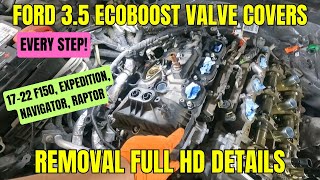
Typical fix: Replacement of both engine valve covers with updated parts as specified in the TSBs. This requires removing the intake manifold and high-pressure fuel components. 🎬 See a step-by-step walkthrough of the valve cover removal process.
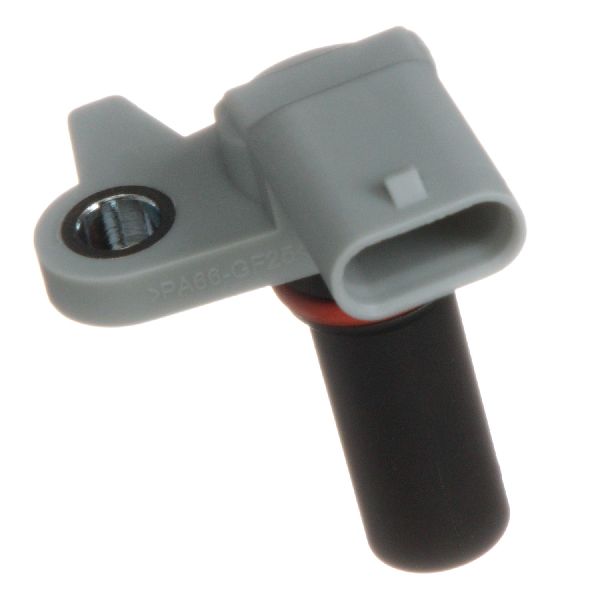
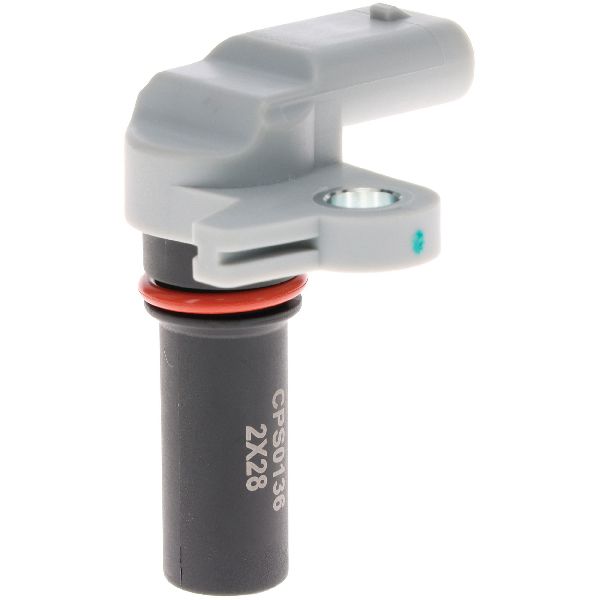
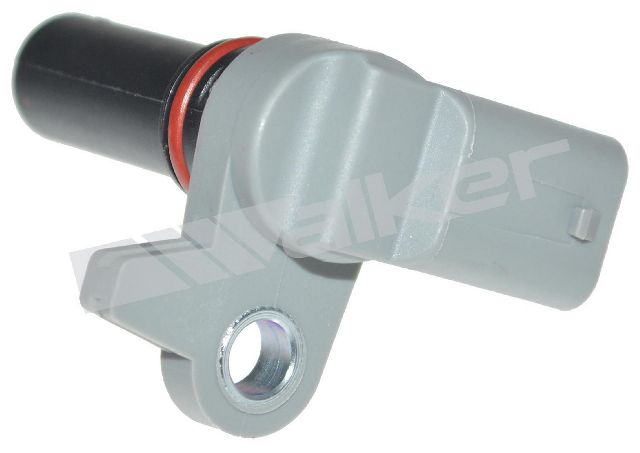
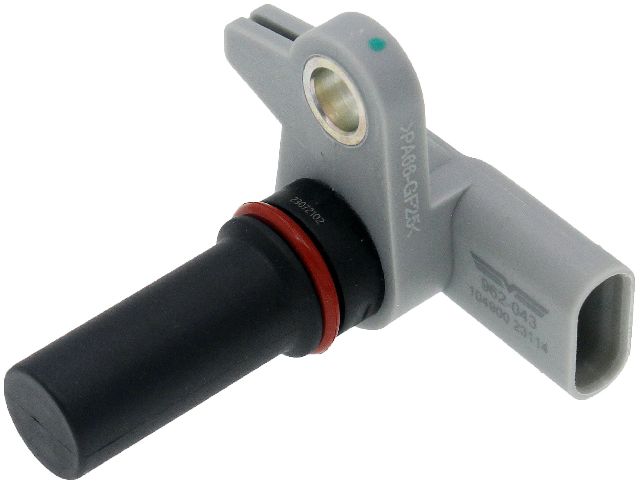
Est. part cost: $250-$500 - Faulty Camshaft Position Sensor 🟡 Medium Probability → Shop Engine Camshaft Position Sensor While less common than the TSB-related issues, the sensor itself can fail or become fouled by the excessive oil being consumed. It is often replaced in error when the valve covers are the real problem.
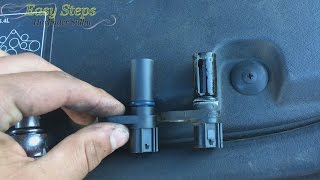
How to confirm: After checking wiring, swap the Bank 1 exhaust sensor (Sensor 'B') with the Bank 1 intake sensor (Sensor 'A'). Clear codes and run the engine. If the code changes to P0340 (Intake Sensor 'A' Circuit), the sensor is bad. The sensor is located on the top rear of the passenger-side valve cover, held by an 8mm bolt. 🎬 Watch how to access and replace the camshaft position sensor.
Typical fix: Replace the faulty sensor. The Motorcraft part is DU-99.
Est. part cost: $30-$80 - Low Engine Oil Level 🟡 Medium Probability This is a direct symptom of the oil consumption issues documented in the TSBs. Low oil levels can disrupt the hydraulic pressure needed for the variable camshaft timing (VCT) system to operate correctly, which in turn triggers timing-related codes like P0365.
How to confirm: Check the engine oil level via the dipstick after letting the vehicle sit on a level surface for at least 15 minutes to allow for full oil drain-back.
Typical fix: Top up the engine oil to the correct level and immediately pursue diagnosis for the TSB-related oil consumption issue to prevent recurrence and potential engine damage.
Est. part cost: $20-$40 - Damaged Wiring or Connector ⚪ Low Probability
How to confirm: Visually inspect the wiring harness and connector for the Bank 1 exhaust camshaft position sensor for any signs of damage, corrosion, oil saturation, or loose pins. Use a multimeter to check for proper voltage and continuity from the PCM.
Typical fix: Repair the damaged section of the wiring harness or replace the connector pigtail.
Est. part cost: $15-$50
Rare But Worth Checking
- Timing Chain or Cam Phaser Issue: → Shop Engine Timing Chain While not the most common cause for just P0365, worn timing components like cam phasers can cause rattling noises ('cold start rattle') and various timing codes. This is a known, separate issue on the 3.5L EcoBoost, and severe oil pressure problems could potentially exacerbate it.
- Faulty Powertrain Control Module (PCM): This is extremely rare. All other possibilities, especially the TSBs, wiring, and sensors, should be exhausted before considering PCM replacement.
Diagnosis Steps
- Scan for Codes: Use an OBD-II scanner to confirm P0365 and check for any other codes, especially P0369.
- Check Engine Oil: Turn off the engine on a level surface and wait 15 minutes for oil drain-back. Check the oil level. If low, top it off and note that excessive consumption is a known issue that must be addressed.
- Check for TSBs: This is the most critical step. A dealer or equipped shop must check if your vehicle's VIN and build date (on or before Sept 11, 2020) fall under TSB 20-2423. If so, the first required step is a PCM reprogram.
- Inspect Sensor and Wiring: Locate the Bank 1 exhaust camshaft position sensor on the top rear of the passenger-side valve cover. Inspect its electrical connector and nearby wiring for visible damage, oil contamination, or loose connections.
- Follow TSB 20-2423 Procedure: After the PCM reprogram, if oil consumption is still a concern, the vehicle must undergo an oil consumption test as prescribed by the TSB. This involves the dealer marking the dipstick, having the customer drive a specified distance (e.g., up to 3,000 miles), and measuring the loss.
- Replace Valve Covers: If the oil consumption test fails (e.g., more than 1 quart consumed in 3,000 miles), the TSB directs the replacement of both left and right valve covers with the updated parts.
- Advanced Diagnostics: If all TSB procedures fail to resolve the code, the issue may be with the timing chain, cam phasers, or the sensor's reluctor wheel, requiring more in-depth mechanical inspection.
Parts You'll Likely Need
- Engine Valve Covers (Set)
(OEM #Left: HL3Z-6582-E, Right: HL3Z-6582-C (superseded by HL3Z-6582-F))— The original valve covers have a faulty integrated PCV system, causing the oil consumption that triggers P0365. TSB 19-2232 and subsequent bulletins call for their replacement with these updated parts.
Trusted brands: Motorcraft
OEM price range: $250-$500 (for the pair)
Aftermarket price range: $200-$400 - Camshaft Position Sensor
(OEM #Motorcraft DU-99 (Ford P/N: BR3Z-6B288-A))— Though often not the root cause on this vehicle, the sensor can fail or be fouled by oil. It's a common replacement attempt and may be needed if confirmed faulty via testing.
Trusted brands: Motorcraft, Bosch, Delphi
OEM price range: $50-$95
Aftermarket price range: $30-$60 - Intake Gaskets
(OEM #HL3Z-9H486-A)— Required when removing the intake manifold to access and replace the valve covers, as per the TSB procedure.
Related Codes That Often Appear With This One
- P0369 — P0369 refers to 'Camshaft Position Sensor 'B' Circuit Intermittent (Bank 1)'. It's for the exact same sensor and is almost always seen with P0365, as documented in all related TSBs like 20-2423.
- P0390 / P0394 — These codes refer to the Camshaft Position Sensor 'B' circuit on Bank 2 (driver's side). If oil consumption or a systemic timing issue is severe, it could potentially affect both banks of the engine, though this is less common.
Technical Service Bulletins (TSBs) & Recalls
- TSB 20-2423: Excessive Oil Consumption With Or Without DTC P0365/P0369.
- SSM 49219: Notes that engineering is working on a PCM calibration for excessive oil consumption with P0365/P0369.
- TSB 19-2232: Links excessive oil consumption and codes P0365/P0369 to a concern with the PCV system.
- SSM 47623: Recommends replacing both engine valve covers for excessive oil consumption with P0365/P0369 on early build 2018 models.
- SSM 47983: Also advises replacing both valve covers for this issue on vehicles built before April 1, 2019.
Platform-Specific Known Issues
- TSB 20-2423: For vehicles built on or before Sept 11, 2020, this is the final, superseding bulletin. It addresses excessive oil consumption with DTC P0365/P0369. The fix is a multi-step process starting with a PCM reprogram. If consumption continues, an oil consumption test is performed, and if it fails, both valve covers are replaced.
- TSB 19-2232: An earlier version of the bulletin that first identified the faulty PCV system in the valve covers as the cause and listed the updated part numbers for replacement.
- SSM 47623: An early Special Service Message for 2018 models built before July 13, 2018, which first directed technicians to replace both valve covers if P0365/P0369 appeared with oil consumption.
Mechanic-Grade Diagnostic Values
- CMP Sensor Power Supply Voltage — expected: 4.5 to 5.0 V. Failure: Voltage below 4.5V or at 0V indicates a wiring or PCM issue.
- Ford IDS Scan Tool: VCT_ADV_ERR PID — expected: Should hover around 0° (+/- 5°) at stable RPM.. Failure: A large, persistent deviation, or a value that is frozen, indicates a problem with VCT control, which can trigger the sensor code.
- Ford IDS Scan Tool: VCT Solenoid Duty Cycle PID — expected: Duty cycle for Bank 1 and Bank 2 should be similar under the same conditions.. Failure: If the PCM commands a high duty cycle for one bank with little to no change in cam angle, it suggests a mechanical or hydraulic issue (e.g., stuck phaser, bad solenoid).
Scan Tool Commands That Help
- Ford IDS (or equivalent high-level scanner): VCT Solenoid On/Off State Test — To test the mechanical function of the VCT solenoid. A technician can command the solenoid on and off while listening for an audible click from the solenoid and observing a change in idle quality. Lack of a click or change in idle suggests a faulty solenoid or circuit.
- Ford IDS (or equivalent high-level scanner): Live Data Graphing: CMP vs. CKP — To visually inspect the relationship between the camshaft and crankshaft signals. A lab scope is best, but graphing PIDs can reveal if the CMP signal drops out or if its timing relative to the CKP is erratic, pointing to a sensor, wiring, or reluctor wheel issue.
Wiring & Ground Locations
- CMP Sensor Connector (Bank 1 Exhaust) — On the top rear of the passenger-side valve cover.. This is the primary connection point for the sensor. It is susceptible to oil contamination from a leaking valve cover gasket or from the oil consumption issue itself, which can degrade the connection and cause the code.
- Connector B54 (VVT Sensor) — This is the component-side connector for the camshaft position sensor.. Diagnostic procedures reference testing for 4.5-5.0V between pin B54-3 (VC2) and body ground to verify power supply to the sensor.
Real Owner Repair Stories
- Snap-on Diagnostics Product Forums, user BRIAN617 (2013 Ford F-150 3.5L EcoBoost) — P0365 and P0369 codes returned immediately after a full timing chain replacement.
❌ Tried (didn't work) Swapping intake and exhaust cam sensors., Checking wiring from sensor to PCM., Replacing the timing chain, tensioners, and all related components.
✅ What actually fixed it The reluctor wheel (tone wheel) on the Bank 1 exhaust camshaft had slipped nearly 90 degrees from its original position. This wheel is also the drive coupler for the vacuum pump. The final fix was replacing the entire Bank 1 exhaust camshaft. The technician noted that a key symptom was that all VVT data PIDs were frozen at zero.
OEM Part Supersession History
HL3Z-6582-C (Right Valve Cover)→HL3Z-6582-F— Updated design to address PCV system flaws causing oil consumption.
Model Year Variations Within This Range
- 2018-2020 (built on or before 11-Sept-2020): These vehicles are subject to TSB 20-2423. The official repair procedure begins with a mandatory PCM software update. Vehicles built after this date should have the corrected software from the factory.
- 2018 (built on or before 01-Apr-2019): Older TSBs for these earlier models often directed an immediate valve cover replacement after confirming oil consumption. The newer TSB 20-2423 prioritizes a PCM reprogram first for all vehicles in the range, unless the valve covers have never been replaced on a vehicle built before April 2019.
Helpful Videos


Used OEM Parts in Stock
New Aftermarket Parts Available


The information in this article is provided for general reference and educational purposes only. Vehicle specifications, procedures, and part compatibility can vary by production date, trim level, and region. Always consult your vehicle's factory service manual and verify part numbers before purchasing or performing repairs. Safety-critical components such as airbags, seat belts, and braking systems should be installed by a qualified professional.
- Lincoln NAVIGATOR:
- 🧭 Diagnostic Flowchart
- 🎬 Helpful Videos
- 🛍️ Shop This Part
- What's Unique About the 2018-2020 Lincoln NAVIGATOR
- Symptoms You May Notice
- Most Likely Causes
- Rare But Worth Checking
- Diagnosis Steps
- Parts You'll Likely Need
- Related Codes That Often Appear With This One
- Technical Service Bulletins (TSBs) & Recalls
- Platform-Specific Known Issues
- Mechanic-Grade Diagnostic Values
- Scan Tool Commands That Help
- Wiring & Ground Locations
- Real Owner Repair Stories
- OEM Part Supersession History
- Model Year Variations Within This Range
- 🎟️ Get 5% Off