

P0365 on 2011-2018 Ram 1500: Camshaft Sensor 'B' Circuit Causes and Fixes
P0365 on a Ram 1500 indicates a fault with the Bank 1 exhaust camshaft position sensor. On the 3.6L V6, this is often a failed sensor on the passenger side, which is difficult to access, requiring upper intake manifold removal. On the 5.7L HEMI, it's a single, easy-to-replace sensor on the front of the engine. Expect to pay $100-$150 for a DIY fix on the HEMI, or $300-$500+ at a shop for the 3.6L due to higher labor.
- P0365 points to the Bank 1 exhaust camshaft sensor; on a Ram 1500, this is the passenger side for the 3.6L V6 and the driver's side for the 5.7L HEMI.
- For the 5.7L HEMI, this is a simple, low-cost DIY repair as the single sensor is easy to access.
- For the 3.6L V6, the repair is much more involved and costly due to the sensor being located under the upper intake manifold.
- Before replacing the sensor, always inspect the wiring and connector for damage or oil contamination, as this is a common cause of the fault.
- If other codes, especially U-codes like U1424, are present, suspect a more complex electrical issue in the harness or PCM rather than just a simple sensor failure.
What's Unique About the 2011-2018 Ram 1500
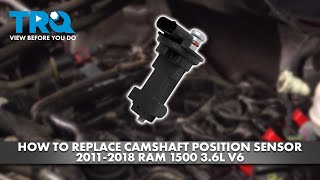
 🎬 See this walkthrough for accessing the 3.6L V6 cam sensor." loading="eager" fetchpriority="high" style="max-width:100%;height:auto;border-radius:6px;display:block;box-shadow:0 2px 8px rgba(0,0,0,0.1);" />
The 2011-2018 Ram 1500 used two primary gasoline engines, and the fix for P0365 is very different between them. On the 3.6L Pentastar V6, there are four camshafts and four sensors; the Bank 1 exhaust sensor is on the passenger side rear of the cylinder head and is notoriously difficult to access, requiring removal of the upper intake manifold. On the 5.7L HEMI V8, there is only one camshaft and one sensor located conveniently at the front of the engine block below the intake manifold, making it a much simpler repair. The generic 'B' in the code is less meaningful for the single-cam HEMI but is used by the standardized OBD-II system to indicate a fault with this sensor.
Diagnostic Flowchart

Tap your situation to follow the diagnostic path that matches what you're seeing on this vehicle.
Symptoms You May Notice
- Check Engine Light is on
- Engine is hard to start or cranks for a long time
- Rough idle or stalling at low speeds
- Hesitation and lack of power during acceleration
- Reduced fuel economy
- Traction control light may illuminate simultaneously
- Engine goes into 'limp mode' with severely restricted power
- Replacing the crankshaft position sensor. While related, the crankshaft sensor has its own set of diagnostic codes (e.g., P0335) and is a separate component.
- Replacing the wrong camshaft sensor on the 3.6L V6. This engine has four cam sensors. P0365 specifically points to the exhaust ('B') sensor on Bank 1 (passenger side), which is at the rear of the engine. Always confirm the correct sensor before replacement.
Most Likely Causes

- Failed Camshaft Position Sensor 🔴 High Probability → Shop Engine Camshaft Position Sensor The sensors are electronic components exposed to extreme heat cycles in the engine bay, which can lead to internal failure over time. Oil leaks from valve cover gaskets can also contaminate the sensor, causing it to fail.
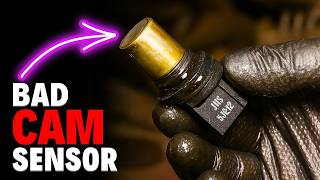
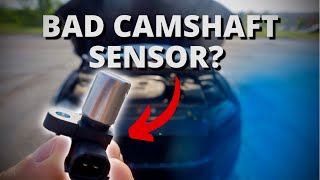
How to confirm: After checking wiring, the most definitive test is to replace the sensor. 🎬 Watch: How to test a bad cam sensor before buying parts. You can also use a multimeter to check for a signal while the engine is cranked, but this can be difficult depending on sensor location. Swapping the suspect sensor with an identical one from another position (e.g., intake to exhaust on the same bank on the 3.6L) and seeing if the code changes (e.g., to P0340) is a common diagnostic trick.
Typical fix: Replace the Bank 1 exhaust camshaft position sensor. On the 3.6L V6, this is the passenger side exhaust cam sensor. On the 5.7L HEMI, there is only one sensor to replace. 🎬 Watch: Step-by-step camshaft sensor replacement for the 5.7L Hemi. After replacement, a cam/crank variation relearn procedure with a capable scan tool may be required.
Est. part cost: $25-$75 - Wiring Harness or Connector Issue 🟡 Medium Probability The engine wiring harness can become brittle from heat and vibration, leading to chafed wires or an open circuit. Specifically on the 3.6L, the harness runs near the back of the cylinder head and can rub. The sensor connector itself can also become loose, corroded, or contaminated with oil.
How to confirm: Visually inspect the wiring leading to the sensor for any signs of damage, chafing against other components, or melting. Check that the connector is clean, free of oil, and securely plugged in. Perform a continuity test on the signal, power, and ground wires between the sensor connector and the PCM.
Typical fix: Repair the damaged section of the wiring harness. If the connector is damaged, replace the connector pigtail. Ensure the harness is properly secured away from heat sources or sharp edges.
Est. part cost: $15-$50 - Oil Contamination from a Leak ⚪ Low Probability Valve cover gaskets and the oil cooler housing on the 3.6L V6 are common sources of oil leaks that can drip down onto sensors and wiring connectors, degrading them over time.
How to confirm: Visually inspect the area around the camshaft position sensor for signs of fresh or caked-on engine oil. Trace the leak upwards to its source.
Typical fix: First, fix the source of the oil leak (e.g., replace the valve cover gasket). Then, thoroughly clean the oil from the sensor connector with electrical contact cleaner. The sensor itself should be replaced as oil may have penetrated its housing and caused the failure.
Est. part cost: $50-$200 (depending on the source of the leak)
Rare But Worth Checking
- Failing Powertrain Control Module (PCM): While rare, a failing PCM can incorrectly set a P0365 code. This is more likely if the code appears with other seemingly unrelated communication codes (like U-codes) and the sensor and wiring have been proven to be good.
- Timing Chain or Phaser Issue: → Shop Engine Timing Chain A stretched timing chain or a malfunctioning cam phaser can cause the camshaft's position to be out of sync with the crankshaft, which can sometimes trigger a sensor circuit code. This is usually accompanied by rattling noises from the front of the engine, especially on startup.
- Failed Rocker Arm/Worn Cam Lobe (3.6L V6): The 3.6L Pentastar is known for potential rocker arm bearing failures, which causes the roller to collapse and stop spinning. This can lead to the rocker arm grinding down a camshaft lobe. While this typically causes ticking noises and misfire codes, if the damage is severe enough to affect the cam's rotation relative to the sensor's reluctor wheel, it can contribute to camshaft position codes.
Diagnosis Steps
- Read the Code: Use an OBD-II scanner to confirm P0365 is the active code and check for any other stored codes. Note freeze frame data.
- Check Engine Oil: Ensure the engine oil level is correct and the oil condition is good. Low or dirty oil can cause issues with the variable valve timing (VVT) system, which can sometimes trigger cam sensor codes.
- Visual Inspection: Inspect the Bank 1 (passenger side) exhaust camshaft position sensor and its connector. On the 3.6L V6, this is at the rear of the passenger side valve cover. On the 5.7L HEMI, it's on the front of the engine block. Look for loose connections, damaged wires, or oil contamination.
- Check for Power and Ground: Disconnect the sensor and, with the ignition on, use a multimeter to verify that the connector has a 5-volt reference signal and a good ground.
- Inspect the Wiring Harness: Carefully trace the wiring harness from the sensor back toward the PCM. Look for any signs of chafing, melting, or corrosion, especially where the harness may rub against the engine or other components.
- Test the Sensor Circuit: If wiring appears okay, perform a continuity test on the signal wire between the sensor connector and the PCM connector to rule out an open or short in the wire.
- Replace the Sensor: If the wiring, power, and ground are all good, the camshaft position sensor itself is the most likely culprit. Replace it with a new one, preferably an OEM Mopar part.
- Clear Codes and Test Drive: After replacement, clear the diagnostic trouble codes with a scanner. Perform a test drive. Some vehicles may require a 'Cam/Crank Variation Relearn' procedure using a capable scan tool to ensure the PCM recognizes the new sensor correctly.
Parts You'll Likely Need
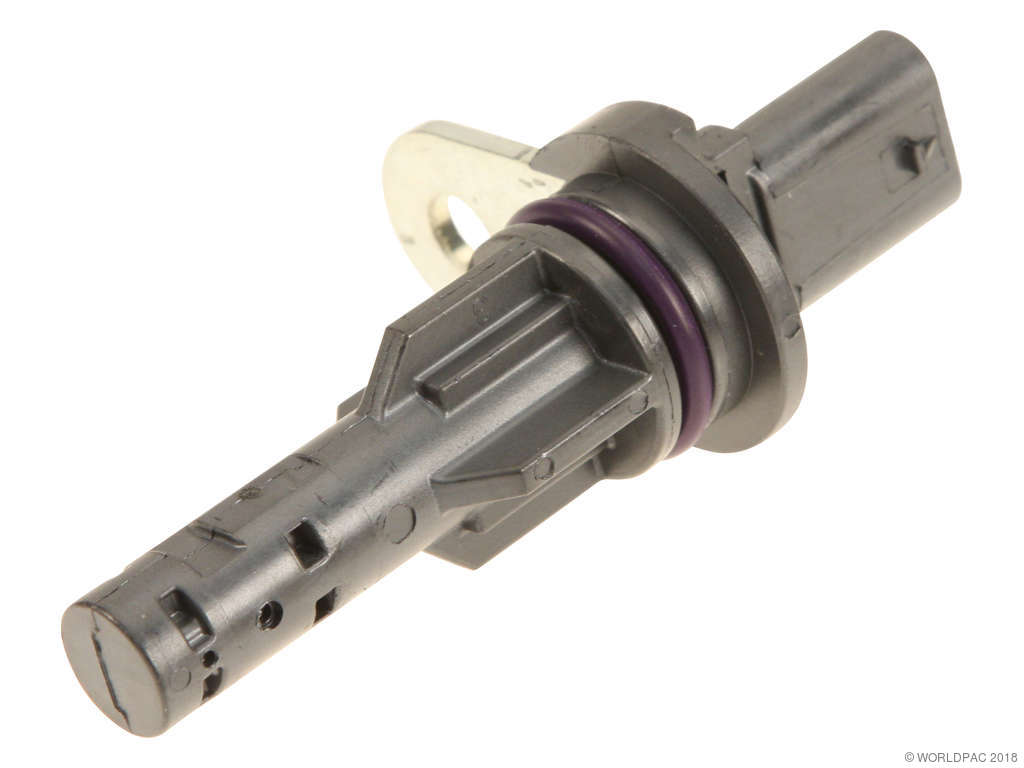
- Camshaft Position Sensor (3.6L V6)
(OEM #5149141AF)— This is the direct replacement for the sensor on the 3.6L Pentastar engine. All four sensors on this engine are the same part number. This part number supersedes 05149141AF.
Trusted brands: Mopar, NTK/NGK, Delphi, Dorman
OEM price range: $95-$148
Aftermarket price range: $30-$75 - Camshaft Position Sensor (5.7L V8 HEMI)
(OEM #5149054AC)— This is the OEM replacement sensor for the 5.7L HEMI engine. It is the most common failure point for this code on this engine. This part number supersedes part number 5149054AB.
Trusted brands: Mopar, Standard Motor Products, Bosch
OEM price range: $55-$76
Aftermarket price range: $25-$50
Related Codes That Often Appear With This One
- P0340 — This code is for the Bank 1 intake camshaft position sensor. If there is a wiring issue common to both sensors (like a power or ground circuit), or a major mechanical issue on Bank 1, both codes may appear together.
- U1424 — This code means 'Implausible Engine Torque Signal Received'. It often appears with sensor codes like P0365 when there is a more complex electrical fault, such as a failing PCM or a significant wiring harness problem, causing multiple systems to report bad data. A Reddit thread with multiple users reported this combination of codes, with some suspecting a failing PCM or battery issues. TSB 18-049-20 addresses this code with a PCM software update.
- P0369 — This is the companion code to P0365, indicating an 'Intermittent' signal from the same Bank 1 exhaust sensor, whereas P0365 indicates a complete circuit failure. They often point to the same root causes, like a failing sensor or loose connection.
Technical Service Bulletins (TSBs) & Recalls
- TSB 18-049-20 (Supersedes 18-024-17 REV. C): This technical service bulletin involves a software update for the Powertrain Control Module (PCM). For the 3.6L engine, it changes the P0365 code from a one-trip fault to a two-trip fault, meaning the condition must be detected on two consecutive drive cycles before illuminating the Check Engine Light. This helps prevent false positives from transient glitches. It also addresses other codes like U1424.
Platform-Specific Known Issues
- On 3.6L V6 engines, accessing the Bank 1 (passenger side) sensors is significantly more difficult than the Bank 2 (driver's side) sensors, as it requires removing the upper intake manifold. This greatly increases labor time and cost.
- The NHTSA Technical Service Bulletin 18-049-20 (and its predecessors) changes the logic for setting P0365 on the 3.6L engine from a one-trip to a two-trip fault. This indicates the manufacturer was aware of transient, non-critical faults that could trigger the light unnecessarily.
Mechanic-Grade Diagnostic Values
- Camshaft Position Sensor Connector Voltage (Key On, Engine Off) — expected: One pin should have a 5-volt reference signal from the PCM. Another pin should have a good ground (near 0 Ohms to chassis ground).. Failure: A reading of 0V on the reference wire or high resistance on the ground wire indicates a wiring or PCM problem, not a sensor failure.
- Camshaft Position Sensor Signal (Engine Cranking/Running) — expected: Using an oscilloscope, a square wave switching between approximately 0V and 5V should be visible on the signal wire.. Failure: A flat line at 0V or 5V, or a distorted/missing waveform, indicates a failed sensor or a short/open in the signal wire.
Scan Tool Commands That Help
- wiTECH (Chrysler/Dodge/Ram Dealer Tool): ECU Reset — This function should be performed after replacing a camshaft position sensor to clear adaptive memory in the PCM.
- wiTECH (Chrysler/Dodge/Ram Dealer Tool): Cam/Crank Relearn — After replacing a cam or crank sensor, or after significant engine work, this procedure is necessary for the PCM to learn the new sensor's signal variations. Failure to perform this can result in continued running issues even with a good part.
- Appcar DiagFCA (Aftermarket Software): Camshaft / Crankshaft Position Sensor Relearn — This is an aftermarket tool capable of performing the critical cam/crank relearn procedure on most Chrysler, Dodge, Jeep, and Ram vehicles with 3.6L and 5.7L engines, providing a dealer-level function for advanced DIYers.
Wiring & Ground Locations

- Engine to Chassis Ground Strap — There is a primary ground strap connecting the engine block to the vehicle's chassis/frame.. A corroded or loose main ground strap can cause a host of floating or intermittent electrical issues, including sensor circuit faults. The PCM and its sensors rely on a stable ground reference. On Ram trucks, corrosion can occur inside the wire crimp at the ring terminal.
- Ground behind #6 valve cover — A forum user compiling ground locations for first-gen Rams noted a ground behind the #6 valve cover. While for an older generation, engine block grounds are often in similar locations on V-type engines.. This ground point is in the general vicinity of the Bank 1 (passenger side) sensors on the 3.6L V6 and could be part of the sensor's ground path. A poor connection here could directly cause a P0365 fault.
- PCM Connector (3.6L V6) — The PCM provides the shared 5V supply and ground for both camshaft position sensors on a given bank.. A forum user rebuilding a 3.6L Pentastar traced all four cam sensor codes (P0340, P0345, P0365, P0390) back to the PCM connector. Testing the 5V supply (found to be 4.9V, which is in spec) and ground at the PCM connector can rule out a widespread power/ground issue affecting all sensors.
Real Owner Repair Stories
- Reddit user in /r/AskMechanics (2016 Ram 1500 3.6L V6 with 160k miles) — Randomly goes into limp mode, check engine light on, traction control light on, loss of power. Codes P0365, U1424, and P1DD2 present.
❌ Tried (didn't work) Replacing the camshaft position sensor.
✅ What actually fixed it The user was still diagnosing, but the presence of 19 codes on a more advanced scanner, many indicating "circuit short to battery or open circuit," led them to suspect a failing 5-year-old battery. Another user with the same codes mentioned a dealer had recommended replacing the PCM and engine wiring harness, indicating a complex electrical fault rather than a simple sensor failure.
OEM Part Supersession History
05149141A, 05149141AF→5149141AF— Part number consolidation and potential design revision.
Heads up: The TSB from 2015 references part number 05149141A. Mopar parts distributors now list 5149141AF as the current part, which supersedes the older numbers. They are interchangeable for the 3.6L Pentastar engine within this vehicle range.
Helpful Videos

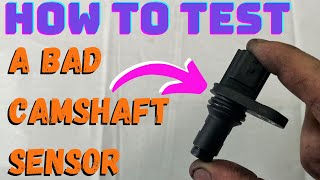
We Have This Part in Stock

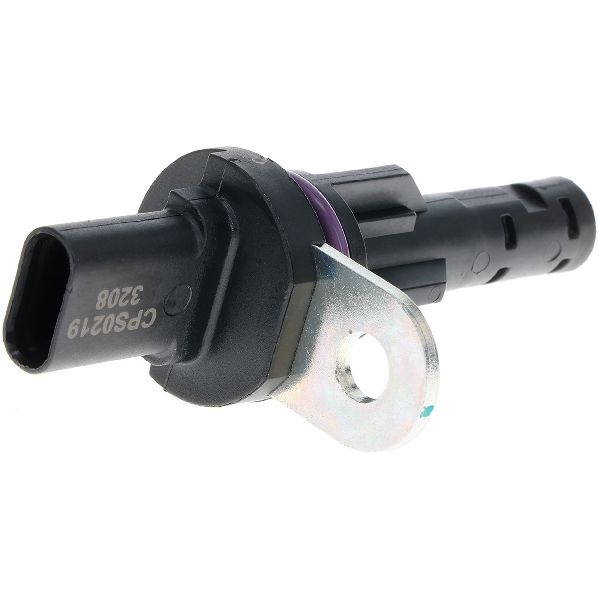
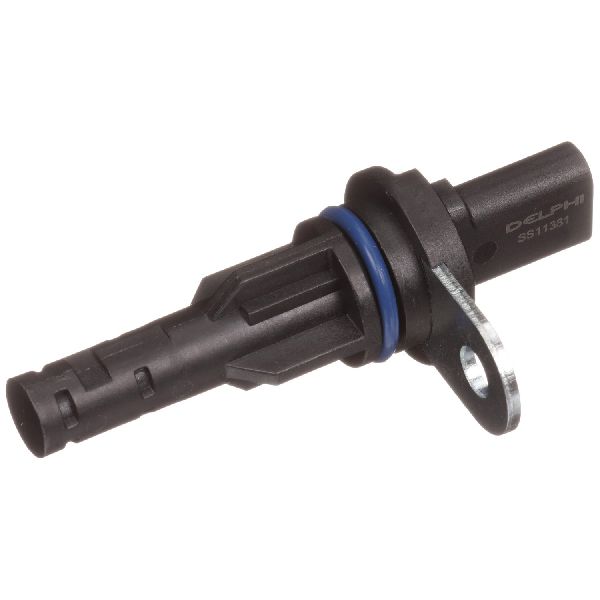
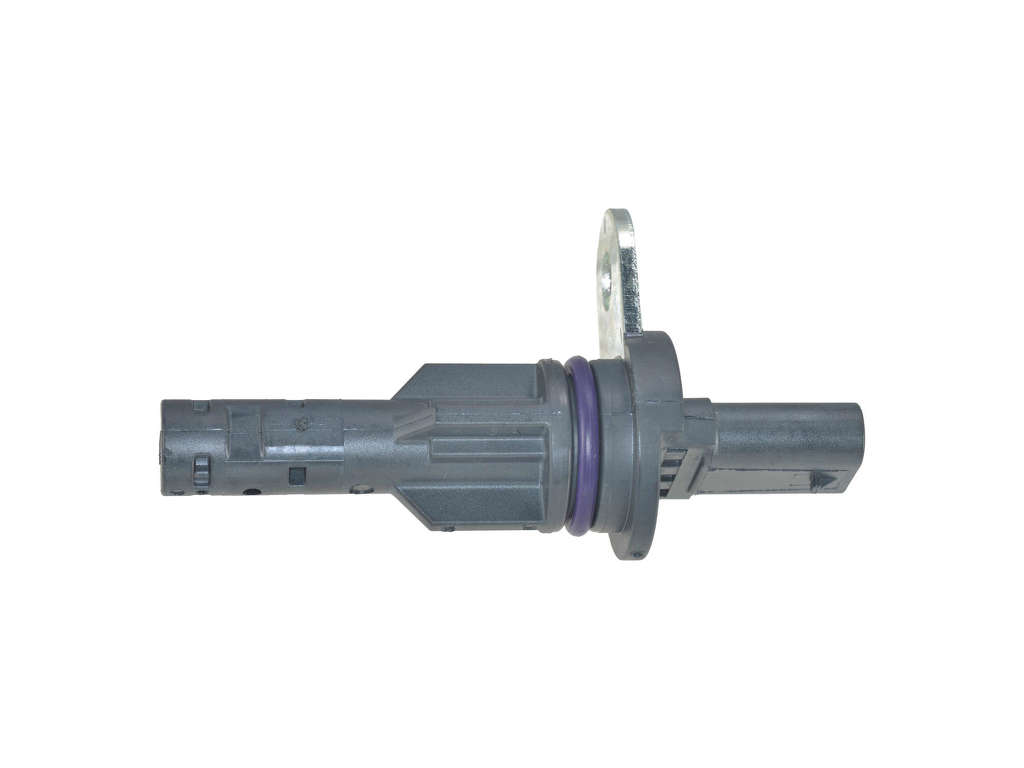

The information in this article is provided for general reference and educational purposes only. Vehicle specifications, procedures, and part compatibility can vary by production date, trim level, and region. Always consult your vehicle's factory service manual and verify part numbers before purchasing or performing repairs. Safety-critical components such as airbags, seat belts, and braking systems should be installed by a qualified professional.
- Ram 1500:
- 🧭 Diagnostic Flowchart
- 🎬 Helpful Videos
- 🛍️ Shop This Part
- What's Unique About the 2011-2018 Ram 1500
- Symptoms You May Notice
- Most Likely Causes
- Rare But Worth Checking
- Diagnosis Steps
- Parts You'll Likely Need
- Related Codes That Often Appear With This One
- Technical Service Bulletins (TSBs) & Recalls
- Platform-Specific Known Issues
- Mechanic-Grade Diagnostic Values
- Scan Tool Commands That Help
- Wiring & Ground Locations
- Real Owner Repair Stories
- OEM Part Supersession History
- 🎟️ Get 5% Off