

P0365 on 2013 Scion FR-S: Camshaft Sensor 'B' Circuit Causes and Fixes
On a 2013 Scion FR-S, code P0365 is most often caused by a faulty exhaust camshaft position sensor on Bank 1. However, a critical Technical Service Bulletin (S-SB-0013-14) points to incorrect sensor clearance as a common issue on this specific model year, which may require installing a shim rather than just replacing the sensor. This issue is also shared with its platform-mate, the 2013 Subaru BRZ.
- For a 2013 Scion FR-S, P0365 is not just a sensor issue; a known manufacturing tolerance problem is a primary cause.
- Always investigate Technical Service Bulletin S-SB-0013-14 before buying parts. You may need a shim (Part No. SU003-04600), not a new sensor.
- This code is frequently accompanied by misfire codes (P0301-P0304). Fixing the P0365 issue should resolve the misfires.
- The 2013 Subaru BRZ shares the exact same engine and potential for this problem, covered by Subaru TSB 11-130-13R.
- Before complex diagnostics, check the engine oil level and condition, as low or dirty oil has been reported by owners to cause this code.
What's Unique About the 2013-2013 Scion FR-S
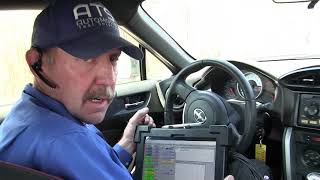
For the 2013 Scion FR-S and its twin, the Subaru BRZ, P0365 is not always a simple case of a bad sensor. Toyota/Scion issued a Technical Service Bulletin (S-SB-0013-14) because many early production vehicles can trigger this code, along with others, due to the physical clearance between the sensor and the camshaft being out of specification. This issue affected vehicles produced before VIN JF1ZAA1#D#721474. 🎬 Watch: A mechanic explains this common 2013 cam sensor issue. This means that even a brand new sensor won't fix the problem until the physical gap is corrected, often by installing a specific shim. This is a well-documented issue unique to this model year.
Diagnostic Flowchart
Tap your situation to follow the diagnostic path that matches what you're seeing on this vehicle.
Symptoms You May Notice
- Check Engine Light is on
- Rough idle
- Engine misfires or runs rough
- Hesitation or stalling during acceleration
- Reduced engine power
- Poor fuel economy
- Hard starting or extended cranking time
- Engine dies when opening the throttle from idle
- Immediately replacing the camshaft position sensor without first checking for the sensor clearance issue described in TSB S-SB-0013-14.
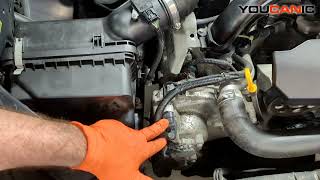
- Replacing spark plugs or ignition coils to fix misfire codes (P0301-P0304) without addressing the root P0365 code. 🎬 See this breakdown of P0365 causes and potential fixes.
- Assuming the sensor is bad when the issue is actually low or dirty engine oil affecting the AVCS system.
Most Likely Causes
- Camshaft Position Sensor Clearance Out of Specification 🔴 High Probability → Shop Engine Camshaft Position Sensor A known issue for the 2013 model year, as documented in TSB S-SB-0013-14. This affects vehicles before VIN JF1ZAA1#D#721474.
How to confirm: Follow the procedure in TSB S-SB-0013-14 to measure the air gap between the sensor and the camshaft timing rotor. The specified clearance is 1.3 +/- 0.05 mm.
Typical fix: Install the appropriate single shim to correct the clearance. Do not stack shims. Torque the sensor bolt to 6.4 Nm (4.7 ft-lbs).
Est. part cost: $10-$20 for a shim kit. - Faulty Exhaust Camshaft Position Sensor (Bank 1) 🔴 High Probability → Shop Engine Camshaft Position Sensor Sensors can fail over time due to heat and age. Some owners report intermittent failures that come and go for weeks before becoming permanent.
How to confirm: After checking clearance, swap the suspect sensor with an identical one from another position (e.g., the intake sensor on the same bank, if they are the same part number) and see if the code follows the sensor's new location. The sensor is located on the lower front of the passenger-side valve cover.
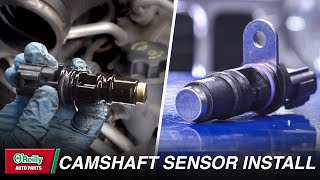
Typical fix: Replace the faulty camshaft position sensor. Always replace the O-ring (a one-time use item) when replacing the sensor.
Est. part cost: $90-$126 for an OEM sensor, $25-$70 for an aftermarket one. - Wiring or Connector Issue 🟡 Medium Probability The wiring harness to the sensors, especially the exhaust cam sensors, can be damaged during other engine service like a clutch replacement or engine removal.
How to confirm: Visually inspect the sensor's connector and wiring for damage, corrosion, or loose connections. Use a multimeter to check for proper voltage and ground at the connector.
Typical fix: Repair or replace the damaged wiring or clean/replace the connector.
Est. part cost: $5-$50 - Low or Dirty Engine Oil ⚪ Low Probability The AVCS system uses oil pressure to adjust cam timing. If oil is low or dirty, the actuators may not function correctly, which can be misinterpreted as a sensor circuit fault.
How to confirm: Check the engine oil level and condition. If it is low or past its service interval, this could be a contributing factor.
Typical fix: Perform an oil and filter change with the correct viscosity oil (0W-20).
Est. part cost: $40-$80
Rare But Worth Checking
- Timing Chain or Tensioner Issue: → Shop Engine Timing Chain A stretched or jumped timing chain can alter the cam/crank relationship and trigger this code. This is a more serious mechanical issue, often accompanied by mechanical noises.
- Faulty Engine Control Module (ECM): This is extremely rare and should only be considered after all other possibilities have been exhausted.
- Clogged AVCS Oil Filters: → Shop Engine Oil Filter Adapter In some Subaru engines, small mesh filters for the AVCS (cam timing) system can become clogged, starving the system of oil pressure and causing timing-related codes.
Diagnosis Steps
- Read all stored DTCs with an OBD-II scanner. Note if any other cam sensor or misfire codes are present.
- For a 2013 FR-S, your first step should be to investigate TSB S-SB-0013-14. The procedure involves measuring the clearance between the sensor and the camshaft. If it's out of spec (target is 1.3 +/- 0.05 mm), installing the correct shim is the proper fix.
- Check engine oil level and condition. If low or dirty, an oil change may be a simple fix.
- If the clearance is within spec and oil is good, inspect the wiring and connector for the Bank 1 exhaust camshaft position sensor (passenger side, lower front of valve cover). Look for any signs of damage, corrosion, or looseness.
- If the wiring looks good, test the sensor. A common method is to swap the suspect sensor with another known-good sensor on the engine (if part numbers match) and see if the trouble code moves to the new location.
- If the code follows the sensor, the sensor is faulty and must be replaced. Be sure to replace the O-ring.
- If the code remains in the original location after the swap, the problem is likely in the wiring or the ECM.
- Use a multimeter to test for correct voltage, ground, and signal at the sensor connector.
- If all tests pass and the problem persists, the issue may be a more complex mechanical problem (like timing) or a faulty ECM, though this is rare.
Parts You'll Likely Need
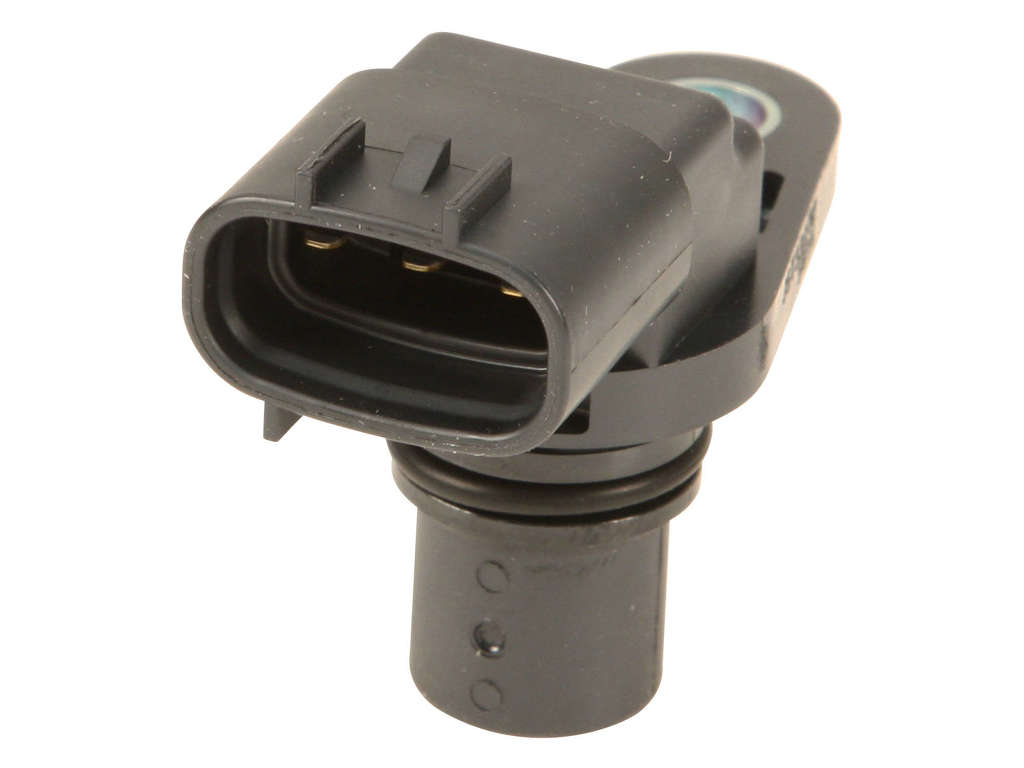
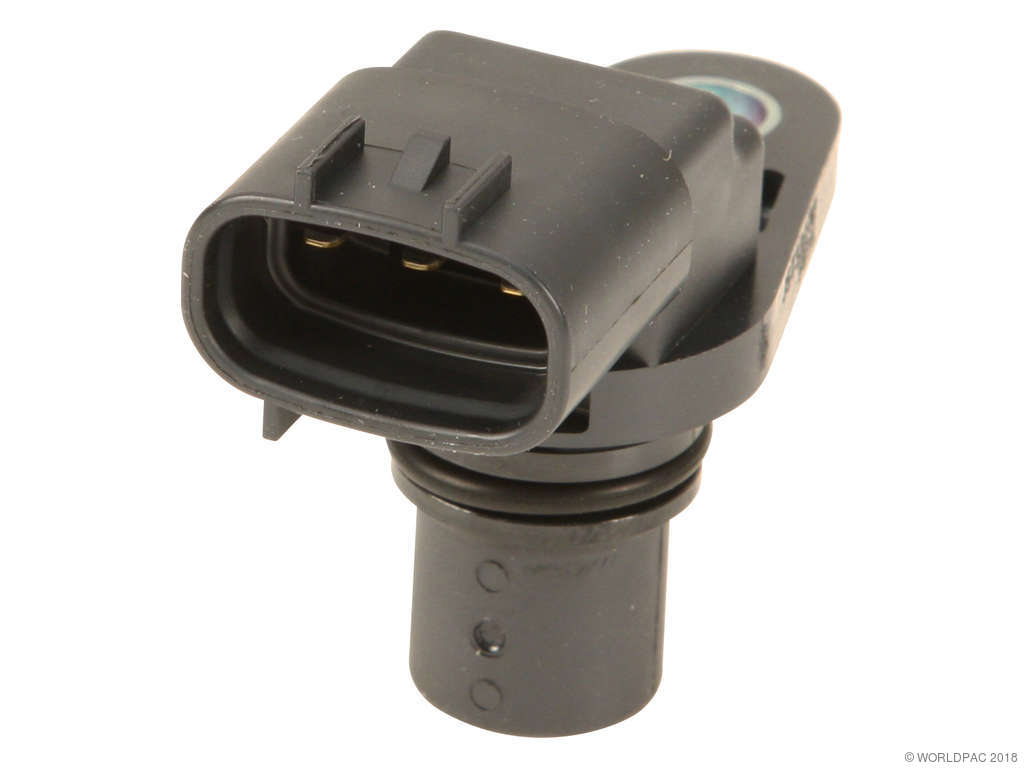
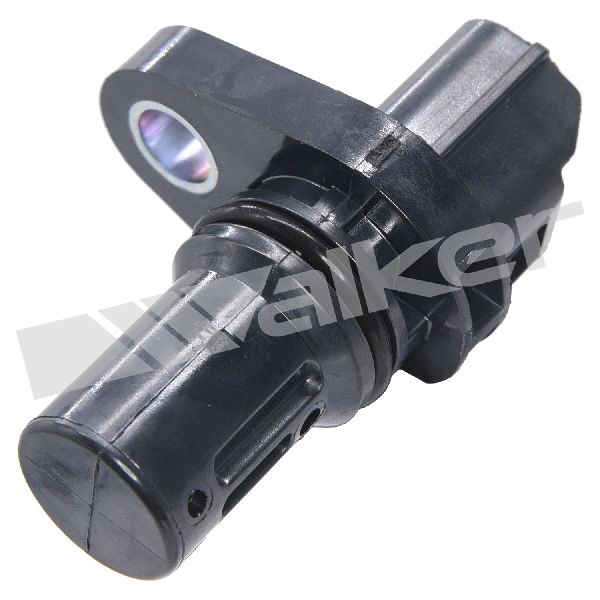
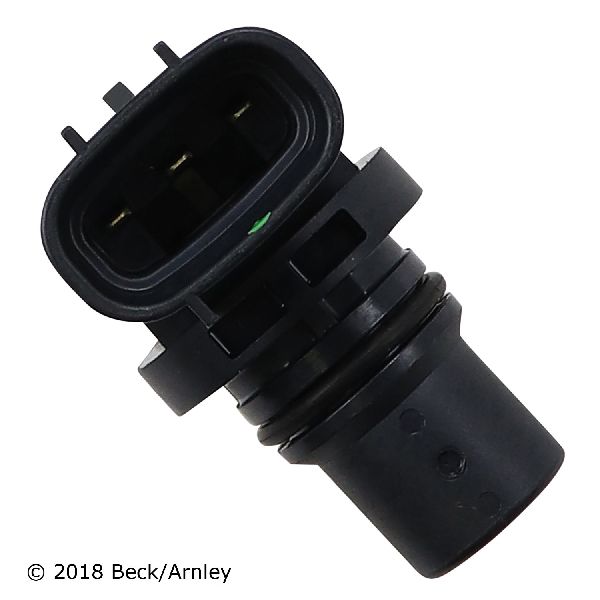
- Camshaft Position Sensor
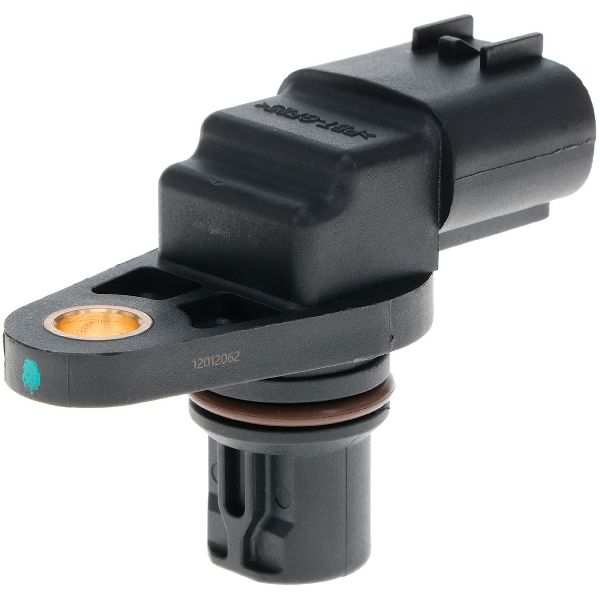
(OEM #SU003-00414)— This is the sensor that generates the signal for the ECM. It is the most common part to fail or require shimming for this code.
Trusted brands: Toyota (OEM), Denso, NGK, Delphi, Hitachi
OEM price range: $90-$126
Aftermarket price range: $25-$70 - Camshaft Position Sensor Shim Kit
(OEM #SU003-04600)— Specifically for the 2013 FR-S, a shim may be required to correct the sensor-to-camshaft clearance as per TSB S-SB-0013-14.
Trusted brands: Toyota (OEM)
OEM price range: $10-$20 - Camshaft Sensor O-Ring
(OEM #SU003-00184)— This is a one-time use part that should be replaced whenever the camshaft sensor is removed to prevent oil leaks.
Trusted brands: Toyota (OEM)
OEM price range: $2-$5
Related Codes That Often Appear With This One
- P0301, P0302, P0303, P0304 — These are misfire codes for individual cylinders. Incorrect camshaft timing from the faulty sensor circuit directly causes misfires. The TSB explicitly lists these codes as related.
- P0340, P0341, P0345, P0346, P0366, P0390, P0391 — These are other camshaft position sensor codes. They are often seen together due to the sensor clearance issue affecting multiple sensors, as noted in TSB S-SB-0013-14.
Technical Service Bulletins (TSBs) & Recalls
- S-SB-0013-14: Addresses an issue on 2013 FR-S vehicles where DTCs P0340, P0341, P0345, P0346, P0365, P0366, P0390, P0391, and misfire codes P0301-P0304 may be set due to incorrect camshaft position sensor clearance.
- Subaru TSB 11-130-13R: The equivalent bulletin for the Subaru BRZ, covering the same codes and repair procedure, confirming this is a platform-wide issue.
Platform-Specific Known Issues
- TSB S-SB-0013-14 (which supersedes S-SB-0033-13) was issued for 2013 FR-S models. It states that camshaft position sensor codes, including P0365, and related misfire codes can be caused by the sensor's clearance being out of specification. The fix is to measure the clearance and install a shim if necessary.
Mechanic-Grade Diagnostic Values
- Camshaft Position Sensor Air Gap — expected: 1.3 +/- 0.05 mm (1.25mm to 1.35mm). Failure: A measurement outside this range requires a shim to correct.
- Sensor Reference Voltage (Key On, Engine Off) — expected: 4.5 to 5.0 V. Failure: Voltage below 4.5V or above 5.0V indicates a problem with the ECM or wiring.
- Sensor Harness Continuity (Sensor and ECM disconnected) — expected: Below 1 Ω. Failure: Resistance above 1 Ω indicates an open or high resistance in the harness between the sensor connector and the ECM connector.
- Sensor Harness Short to Ground (Sensor and ECM disconnected) — expected: 10 kΩ or higher. Failure: Resistance below 10 kΩ indicates a short to ground in the harness.
- Sensor Retaining Bolt Torque — expected: 6.4 Nm (4.7 ft-lbs). Failure: Incorrect torque can lead to sensor damage or improper seating.
Scan Tool Commands That Help
- Professional Scan Tool (e.g., Techstream, eSCAN Elite): Active Test: Control Variable Valve Timing Bank 1 — This bidirectional command allows a technician to manually command the VVT system to advance or retard timing while observing the sensor's response on an oscilloscope. It helps determine if the sensor is reading correctly and if the VVT phaser is responding to commands, isolating a sensor, wiring, or mechanical fault.
- Professional Scan Tool: Cam Sensor Relearn Procedure — After replacing a camshaft position sensor, some vehicles require a relearn procedure for the ECM to adapt to the new sensor's specific signal characteristics. This function initiates that process.
Wiring & Ground Locations
- Engine Ground Straps — There are three primary ground straps: one on each side of the front bottom of the engine connecting to the frame rail, and one from the top-rear of the passenger side engine/transmission area to the transmission tunnel.. A poor ground connection can introduce electrical noise or incorrect voltage references, causing the ECM to misinterpret the camshaft position sensor's signal and set a circuit fault code.
- B54 (Bank 1 Exhaust VVT Sensor Connector) — The 3-wire connector for the exhaust camshaft position sensor on the passenger side of the engine, located on the front timing cover.. This is the primary connector to inspect for damage and to perform voltage and resistance tests for the P0365 circuit.
- B30 (ECM Connector) — The main connector at the Engine Control Module.. Pins on this connector (specifically EV1+ and EV1-) are the termination points for the sensor circuit and must be tested for continuity back to the B54 connector.
Real Owner Repair Stories
- ft86club.com forum user (Scion FR-S with a rebuilt engine (10k miles on rebuild)) — Initial slight loss of power, then rough running and a P0303 (misfire) code. After a restart, it ran rougher and threw multiple cam codes: P0365, P0366, P0340, P0341. The engine would die when opening the throttle from idle.
❌ Tried (didn't work) Replacing #3 ignition coil and spark plug., Clearing codes (they came back immediately).
✅ What actually fixed it The root cause was a major internal mechanical failure. A compression test revealed 0 PSI in cylinder #3 and low compression in cylinder #1. The cam sensor codes were symptoms of the engine being mechanically out of time or damaged, not an electrical fault. The engine had to be removed for repair.
Model Year Variations Within This Range
- Early 2013: Vehicles produced before VIN JF1ZAA1#D#721474 are subject to TSB S-SB-0013-14, which indicates a high probability that cam sensor codes are caused by incorrect sensor air gap from the factory, requiring a shim for correction rather than just a sensor replacement.
Helpful Videos

We Have This Part in Stock


The information in this article is provided for general reference and educational purposes only. Vehicle specifications, procedures, and part compatibility can vary by production date, trim level, and region. Always consult your vehicle's factory service manual and verify part numbers before purchasing or performing repairs. Safety-critical components such as airbags, seat belts, and braking systems should be installed by a qualified professional.
- Scion FR-S:
- 🧭 Diagnostic Flowchart
- 🎬 Helpful Videos
- 🛍️ Shop This Part
- What's Unique About the 2013-2013 Scion FR-S
- Symptoms You May Notice
- Most Likely Causes
- Rare But Worth Checking
- Diagnosis Steps
- Parts You'll Likely Need
- Related Codes That Often Appear With This One
- Technical Service Bulletins (TSBs) & Recalls
- Platform-Specific Known Issues
- Mechanic-Grade Diagnostic Values
- Scan Tool Commands That Help
- Wiring & Ground Locations
- Real Owner Repair Stories
- Model Year Variations Within This Range
- 🎟️ Get 5% Off