

P0365 on 2009-2013 Toyota Corolla: Exhaust Camshaft Sensor Circuit Causes and Fixes
This code almost always points to a failed exhaust camshaft position sensor ('B' sensor) or its wiring. On the 1.8L 2ZR-FE engine, this is a very accessible part on the top of the engine, making it a common DIY fix for under $100. Before replacing, check the engine oil level, as very low or dirty oil can sometimes trigger this code by affecting the VVT system.
- P0365 on a 2009-2013 Corolla points to the exhaust camshaft position sensor circuit.
- The most likely fix is replacing the sensor itself, located on the rear driver's side of the engine's valve cover.
- Before replacing parts, always check the engine oil level and condition, as low/dirty oil can sometimes trigger this code.
- Also inspect the sensor's connector and wiring for obvious damage or oil contamination.
- This is a very DIY-friendly repair that requires only a 10mm socket and can be completed in under 30 minutes.
- Using an OEM (Toyota) or OEM supplier (Denso) sensor is highly recommended for longevity. The correct OEM part number is likely 90919-05060.
What's Unique About the 2009-2013 Toyota Corolla
On the 2ZR-FE engine used in the 10th generation Corolla, this is a straightforward and common issue. Both the intake and exhaust camshaft position sensors are easily accessible on the top of the engine, held by a single 10mm bolt each. There are no widespread, tricky issues like software glitches or complex timing system failures commonly associated with P0365 on this platform. The problem is typically a simple component failure due to age or heat exposure, or an issue with its connector.
Symptoms You May Notice
- Check Engine Light is on
- Engine is hard to start or has extended crank time
- Engine cranks but won't start
- Rough or uneven idle
- Engine stalling, especially at low speeds
- Hesitation or lack of power during acceleration
- Noticeably worse fuel economy
- Engine may enter a limp mode with reduced performance
- Replacing the intake camshaft position sensor (Sensor 'A', front) instead of the exhaust sensor (Sensor 'B', rear).
- Replacing the crankshaft position sensor, which is a different part located elsewhere and would typically set different codes (e.g., P0335).
Most Likely Causes
- Failed Exhaust Camshaft Position Sensor ('B') 🔴 High Probability → Shop Engine Camshaft Position Sensor Sensors are exposed to significant heat and vibration on top of the engine, leading to eventual electronic failure. It is the most common cause for this code.
How to confirm: After checking wiring and engine oil level, the most common diagnostic approach is to replace the sensor. You can also test the sensor with a multimeter for resistance, but replacement is often faster and more definitive given the low part cost.
Typical fix: Replace the exhaust camshaft position sensor. It is located on the driver's side of the valve cover, toward the rear (firewall side).
Est. part cost: $40-$120 - Wiring or Connector Issue 🟡 Medium Probability The plastic connector and wiring are exposed to engine heat and can become brittle, cracked, or loose over time. Oil leaks from the valve cover gasket can also saturate the connector, causing a poor connection.
How to confirm: Visually inspect the wiring harness and connector for the exhaust camshaft sensor. Look for cracked wires, loose pins, corrosion, or oil contamination. Wiggle the connector with the engine running to see if it affects idle.
Typical fix: Clean the connector with electrical contact cleaner. If the connector or wiring is damaged, it will need to be repaired or replaced with a new pigtail.
Est. part cost: $5-$30
Rare But Worth Checking
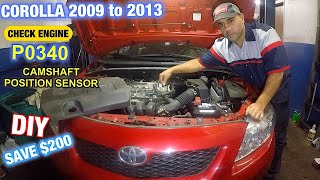
- Low or Dirty Engine Oil: This is a rare but possible cause mentioned by owners. The VVT-i system uses oil pressure to adjust cam timing. If the oil level is critically low or the oil is very dirty, the VVT actuator may not respond correctly, creating a discrepancy between the crankshaft and camshaft positions that the sensor reports, potentially triggering the code. Always check oil level and condition as a first step. 🎬 See: Causes and fixes for the P0365 code
- Stretched or Slipped Timing Chain: → Shop Engine Timing Chain This is unlikely on the 2ZR-FE engine without other major symptoms like rattling noises from the timing cover area. If the sensor and wiring are confirmed good but the code persists, mechanical timing should be investigated by a professional.
- Faulty Engine Control Module (ECM): This is extremely rare. The ECM should only be considered after all other possibilities, including sensor, wiring, and mechanical timing, have been exhaustively ruled out.
Diagnosis Steps
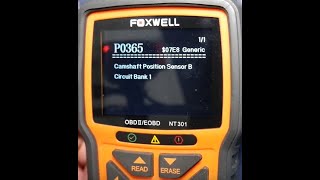
- Confirm the code P0365 is present using an OBD-II scanner.
- Check Engine Oil Level and Condition. Before diving into parts replacement, ensure the engine oil is at the proper level and not excessively dirty. Low oil can affect VVT operation and trigger cam codes.
- Pop the hood and remove the plastic engine cover (it pulls straight off).
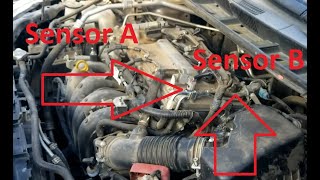
- Locate the two camshaft position sensors on the driver's side of the valve cover. P0365 refers to the rear sensor (Sensor 'B'), closer to the firewall and exhaust manifold. The front sensor is Sensor 'A' for the intake cam.
- Inspect the sensor's electrical connector and nearby wiring for any signs of damage, corrosion, or oil saturation. Ensure the connector is plugged in securely.
- If the wiring looks good, the most probable cause is the sensor itself. Disconnect the electrical connector by pressing the release tab.
- Using a 10mm socket, remove the single bolt holding the sensor in place.
- Gently twist and pull the old sensor straight out. Check that the O-ring came out with it.
- Lightly lubricate the O-ring on the new sensor with fresh engine oil and install it. Tighten the 10mm bolt until it's snug (approx. 7-10 ft-lbs, do not overtighten).
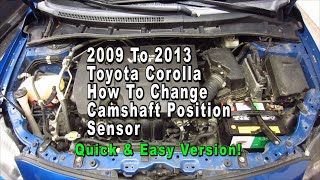
- Reconnect the electrical connector securely. Clear the code with the OBD-II scanner and start the engine. 🎬 Watch: Quick and easy camshaft sensor replacement walkthrough The check engine light should remain off.
Parts You'll Likely Need
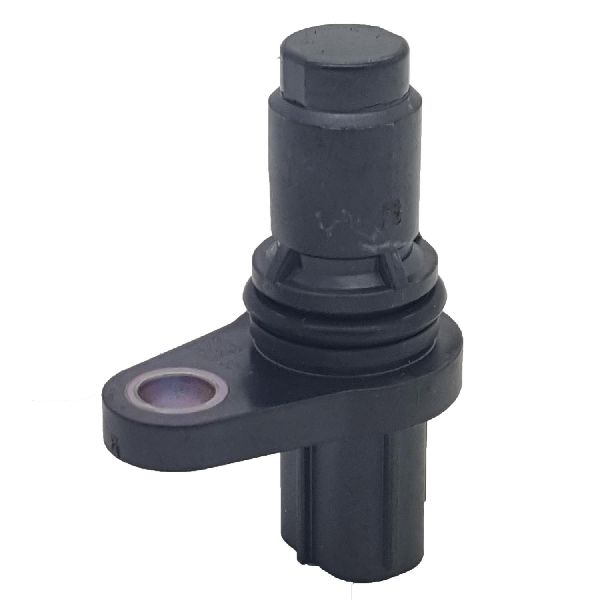
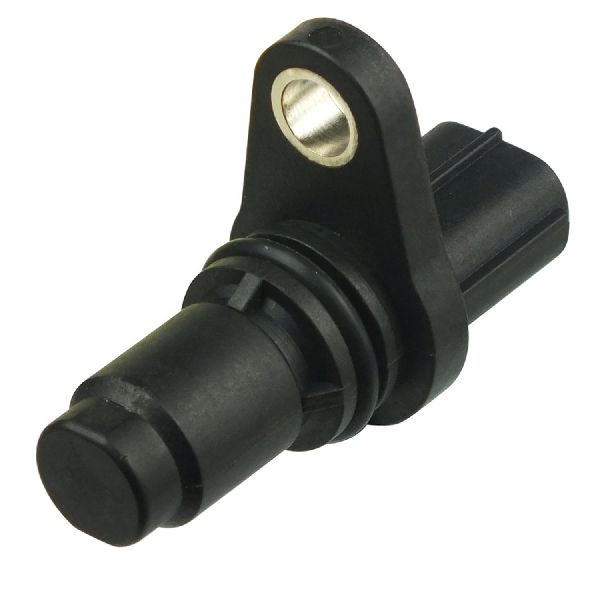
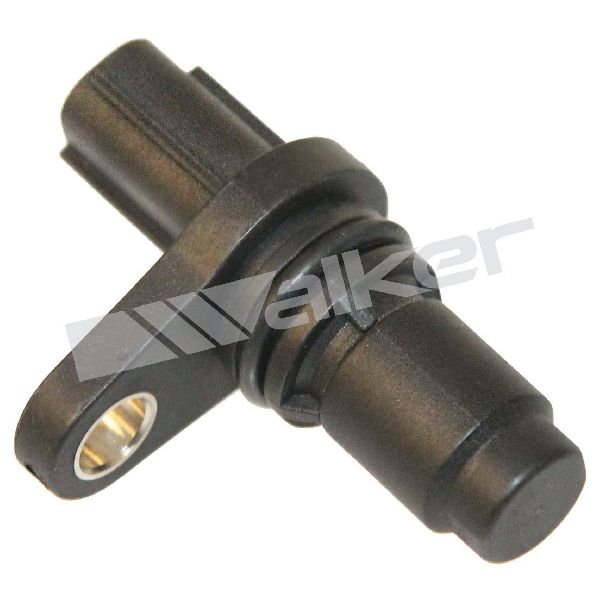
- Exhaust Camshaft Position Sensor
(OEM #90919-05060 (primary), 90080-19014 (alternate/cross-reference))— This is the component that fails most frequently, triggering the P0365 code. The intake and exhaust sensors are the same part number for this engine.
Trusted brands: Denso (OEM supplier), NTK, Delphi, Dorman
OEM price range: $70-$120
Aftermarket price range: $40-$80
Related Codes That Often Appear With This One
- P0366 — P0366 indicates a 'Range/Performance' problem with the same sensor, suggesting the sensor is providing erratic or illogical data, often a precursor or companion to a complete circuit failure code like P0365.
- P0367 — P0367 indicates a 'Circuit Low' condition for the same sensor, pointing to a potential short to ground or an internal sensor failure causing low voltage.
- P0368 — P0368 indicates a 'Circuit High' condition for the same sensor, pointing to a potential short to battery or an internal sensor failure causing high voltage.
Technical Service Bulletins (TSBs) & Recalls
- While no specific TSB exists for P0365 on this model, Toyota did issue TSBs for excessive oil consumption on related engines (e.g., 2AZ-FE) and some owners report an ECU reflash TSB for the 2ZR-FE that alters valve timing to reduce consumption. This is relevant as low oil can be a rare cause of P0365.
Mechanic-Grade Diagnostic Values
- Sensor Resistance (3-wire MRE-type) — expected: Toyota does not specify a resistance test for this MRE-type sensor; testing is done via voltage checks.. Failure: N/A. Unlike older 2-wire sensors, resistance is not a reliable test.
- Sensor Supply Voltage (at harness connector, key ON) — expected: 4.5 to 5.0 V between pin 3 (VC2) and body ground.. Failure: 0V or significantly lower voltage indicates a problem with the ECM or the wiring from the ECM.
- Sensor Signal Voltage (at ECM, key ON) — expected: Should fluctuate between approximately 0V and 5V as the engine is cranked or a metal object is passed over the sensor tip.. Failure: Voltage stuck low (below 0.3V) or high (above 4.7V) for more than 4 seconds will trigger the code.
Hidden / Shadow Codes Worth Checking
- P036511: Camshaft Position Sensor 'B' Bank 1 Circuit Short to Ground. The ECM detected sensor output voltage was less than 0.3 V for 4 seconds or more. (see via Toyota Techstream or other professional-grade diagnostic scanner. This is equivalent to the generic code P0367.)
- P036515: Camshaft Position Sensor 'B' Bank 1 Circuit Short to Battery or Open. The ECM detected sensor output voltage was higher than 4.7 V for 4 seconds or more. (see via Toyota Techstream or other professional-grade diagnostic scanner. This is equivalent to the generic code P0368.)
- P036531: Camshaft Position Sensor 'B' Bank 1 No Signal. The ECM detected no signal from the sensor while the engine was cranking or running above 600 RPM. (see via Toyota Techstream or other professional-grade diagnostic scanner.)
Scan Tool Commands That Help
- Toyota Techstream: Active Test — While Techstream has extensive Active Test capabilities for many components, there is no specific bidirectional command to directly trigger the camshaft position sensor. Its function is monitored via Live Data (Data List) to observe the signal during cranking and running.
- Toyota Techstream: Data List (Live Data) — Monitor the camshaft and crankshaft position sensor signals simultaneously. This allows a technician to verify if the exhaust cam sensor is producing a signal and if it is properly synchronized with the crankshaft, which is essential for diagnosing timing-related issues versus a simple sensor failure.
Wiring & Ground Locations
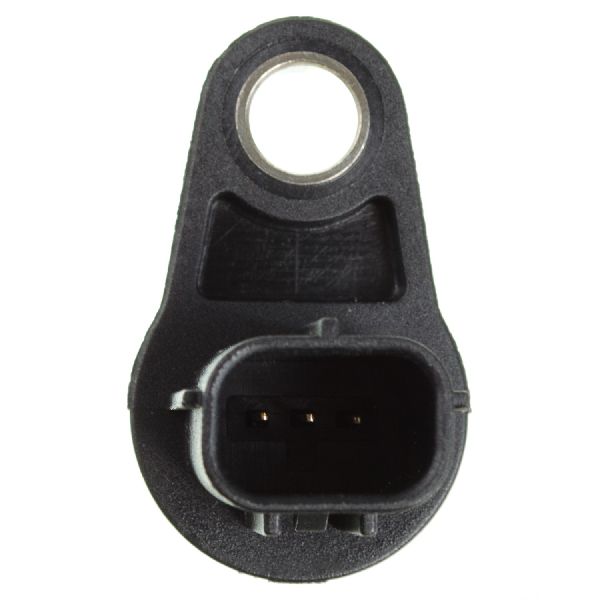
- Exhaust Cam Sensor Connector (B54 on some diagrams) — On the driver's side of the valve cover, towards the firewall. It is a 3-pin connector.. This is the primary connection point to test for power, ground, and signal. Pin 3 should have 4.5-5.0V power, Pin 1 is ground, and Pin 2 is the signal wire back to the ECM.
- Engine Ground Points (AA, AB, AC, AD) — These are the primary ground points for the engine wiring harness, located on the engine block and transmission housing on the driver's side of the engine bay.. A corroded or loose main engine ground can cause floating voltages and erratic sensor behavior, potentially triggering a P0365 code even if the sensor and its direct wiring are good.
OEM Part Supersession History
90919-T5002→90919-05060— Part number consolidation and update by Toyota.
Heads up: 90919-05060 is the widely accepted and correct replacement for this application. Using other numbers like 90080-19014 may work but 90919-05060 is the primary part.
Diagnostic Flowchart
Other Known Issues on This Vehicle
Issues unrelated to this code that are worth knowing about as an owner of this generation:
- Excessive Oil Consumption 🔴 High — Widespread issue for 2009-2013 models with the 2ZR-FE engine, often starting after 60,000 miles. Caused by piston ring design. Can consume over 1 quart per 1,200 miles. (Ref: Toyota issued a warranty enhancement program (not a recall) for the related 2AZ-FE engine, but many 2ZR-FE owners report the same issue without an official program. Some forums mention an ECU reflash TSB to mitigate consumption.)
- Premature Water Pump Failure 🟠 Medium — Common failure item, sometimes failing before 60,000 miles. Symptoms include a whining/grinding noise from the belt area, or visible pink/red coolant crust around the pump pulley.
- Starter Motor Failure 🟠 Medium — Common on higher mileage vehicles. Symptom is a single 'click' with no engine crank, even with a good battery.
- Steering Intermediate Shaft Clunk 🟡 Low — A popping or clunking noise may be heard from the steering column during low-speed turns. The issue is with the intermediate steering shaft.
Used vs. New Parts: Buying Guide for This Vehicle
When a used part is the smart pick: A used OEM (Denso) sensor from a low-mileage donor vehicle is a reasonable choice if on a tight budget. Since this is a simple electronic component with no moving parts, failure is often due to heat cycles over time rather than wear. A used OEM part is often more reliable than a new, non-OEM aftermarket part.
Donor-vehicle mileage cap: roughly under 80000 miles for the part to have meaningful remaining life.
What to inspect on the donor part:
- Check for a 'DENSO' and 'TOYOTA' stamp on the part body.
- Inspect the plastic connector housing for cracks or brittleness.
- Ensure the mounting tab is intact.
- Avoid sensors from engines with heavy oil leaks, as oil can degrade the O-ring and connector seals.
OEM-only on this vehicle (don't cheap out):
- For critical electronic sensors like camshaft or crankshaft position sensors, using OEM (Toyota) or the original supplier (Denso) is very strongly recommended. Aftermarket alternatives are known to cause compatibility issues, leading to persistent codes and poor performance.
Aftermarket brands forum-validated for this vehicle:
- Denso (OEM supplier)
- NTK/NGK
- Delphi
Brands owners have reported issues with on this vehicle:
- Unnamed 'white-box' or generic eBay/Amazon brands. These frequently use lower-quality internal components that do not meet the precise signaling requirements of the Toyota VVT-i system.
Real Owner Stories
Aggregated from forums and TSBs cited above. Mileages and costs reflect what owners reported in those sources.
2009-2013 Toyota Corolla 2ZR-FE
Symptoms: Recurring P0365 code: Camshaft Position Sensor B Circuit (Bank 1).
What fixed it: An oil change resolved the code, as low or dirty oil was affecting VVT actuator performance.
Source hint: r/ft86 - Reddit thread titled 'P0365: Camshaft Position Sensor B Circuit (Bank 1)'
2009-2013 Toyota Corolla 2ZR-FE
Symptoms: Recurring P0365 code; owner investigated if it was just the sensor or something else.
What fixed it: The diagnostic process highlighted that as a 'circuit' code, the issue could be the sensor, the wiring, or other interferences.
Source hint: r/ft86 - Reddit thread 'P0365 revisited'
Related OBD-II Codes
Frequently Asked Questions
Where is the Sensor 'B' located on my 2009-2013 Corolla 1.8L?
Can low engine oil cause a P0365 code on my 2ZR-FE engine?
Is there a TSB for the excessive oil consumption that might be related to my P0365 code?
Should I use an aftermarket sensor from Amazon or eBay to fix this?
My Corolla has a 'click' but won't start; is that related to the camshaft sensor?
Can I use a sensor from a Scion xD or Pontiac Vibe to test my Corolla?
Helpful Videos
We Have This Part in Stock


The information in this article is provided for general reference and educational purposes only. Vehicle specifications, procedures, and part compatibility can vary by production date, trim level, and region. Always consult your vehicle's factory service manual and verify part numbers before purchasing or performing repairs. Safety-critical components such as airbags, seat belts, and braking systems should be installed by a qualified professional.
- Toyota Corolla:
- 🧭 Diagnostic Flowchart
- 🎬 Helpful Videos
- 🛍️ Shop This Part
- What's Unique About the 2009-2013 Toyota Corolla
- Symptoms You May Notice
- Most Likely Causes
- Rare But Worth Checking
- Diagnosis Steps
- Parts You'll Likely Need
- Related Codes That Often Appear With This One
- Technical Service Bulletins (TSBs) & Recalls
- Mechanic-Grade Diagnostic Values
- Hidden / Shadow Codes Worth Checking
- Scan Tool Commands That Help
- Wiring & Ground Locations
- OEM Part Supersession History
- Other Known Issues on This Vehicle
- Used vs. New Parts: Buying Guide for This Vehicle
- Real Owner Stories
- 2009-2013 Toyota Corolla 2ZR-FE
- 2009-2013 Toyota Corolla 2ZR-FE
- Related OBD-II Codes
- Frequently Asked Questions
- 🎟️ Get 5% Off