

P0366 on 2015-2022 GMC Canyon 3.6L: Exhaust Cam Sensor Causes & Fixes
P0366 on a GMC Canyon 3.6L V6 typically points to a faulty exhaust camshaft position sensor on the passenger side (Bank 1). Before replacing the sensor, inspect its wiring for damage, as chafing on the camshaft cover is a known issue per GM TSB #18-NA-307. The issue could also be a failing VVT solenoid, especially if code P0014 is also present. A sensor costs around $20-$50.
- P0366 points to the exhaust camshaft sensor on the passenger side, but the problem isn't always the sensor itself.
- Check for other codes. If P0014 is present, suspect the VVT solenoid is the more likely culprit.
- Always inspect the wiring and connector for damage before buying parts.
- A simple diagnostic step is to swap the exhaust sensor with the intake sensor on the same side to see if the trouble code follows the sensor.
- Ensure your engine oil is clean and at the proper level, as the VVT system depends on it.
What's Unique About the 2015-2022 Gmc CANYON
On this specific platform, P0366 is often not an isolated issue. GM issued Technical Service Bulletin (TSB) #18-NA-307 for these trucks, which groups P0366 with codes for the Variable Valve Timing (VVT) system, like P0014 (Exhaust Camshaft Position System Performance). The TSB explicitly points to the engine wiring harness chafing on the edge of the camshaft cover or cylinder head as a primary cause, leading to a short in the sensor circuit. This indicates the root cause is frequently an electrical issue, or a problem with a camshaft actuator solenoid (VVT solenoid) causing the camshaft to be in an unexpected position, which the sensor then correctly reports as a performance fault.
Diagnostic Flowchart
Tap your situation to follow the diagnostic path that matches what you're seeing on this vehicle.
Symptoms You May Notice
- Check Engine Light is on
- Reduced engine power, sometimes displaying a message on the driver information center (DIC)
- Rough or unstable idle
- Stabilitrak warning light may illuminate
- Engine hesitation or stumbling during acceleration
- Difficulty starting the engine
- Engine may crank longer than usual before starting
- Replacing the camshaft position sensor without first thoroughly inspecting the wiring harness for chafing, as described in TSB #18-NA-307.
- Replacing the crankshaft position sensor when the code clearly indicates a camshaft sensor issue.
- Immediately replacing the PCM without testing the sensor, wiring, and VVT system first.
Most Likely Causes
- Damaged Wiring or Loose Connector 🔴 High Probability The engine wiring harness is known to rub against the edge of the camshaft cover and/or the cylinder head, causing wires to chafe and short out. This is the specific issue addressed by GM TSB #18-NA-307.
How to confirm: Visually inspect the wiring harness where it passes over the Bank 1 (passenger side) camshaft cover. Look for worn-through conduit and damaged wires. Gently tug on the sensor connector to ensure it is seated securely.
Typical fix: Repair the damaged wires and protect the harness by wrapping it with Woven Polyester Electrical Tape (PET) or rerouting it slightly. Replacing the connector pigtail may be necessary if the connector itself is damaged.
Est. part cost: $10-$40 - Faulty Bank 1 Exhaust Camshaft Position Sensor 🟡 Medium Probability → Shop Engine Camshaft Position Sensor Sensors are exposed to extreme heat cycles in the engine bay, which can lead to internal failure over time. However, due to the known wiring issue, the sensor itself is less likely to be the primary fault.
How to confirm: After confirming the wiring is intact, swap the suspect sensor with the intake sensor on the same bank (which would trigger P0365 if the sensor is bad). If the code changes to P0365, the sensor is faulty.
Typical fix: Replace the Bank 1 exhaust camshaft position sensor.
Est. part cost: $20-$50 - Faulty Bank 1 Exhaust VVT Solenoid (Camshaft Actuator) 🟡 Medium Probability These solenoids are operated by oil pressure and can become clogged with sludge or fail electronically. The TSB #18-NA-307 linking P0366 to VVT codes makes this a common culprit, especially when P0014 is also present.
How to confirm: Check for related VVT codes (like P0014). You can test the solenoid's resistance with a multimeter or command it with a high-end scan tool to check its operation. A Reddit user with a P0014 code on a 2018 Colorado resolved the issue by replacing both VVT solenoids on the affected bank.
Typical fix: Replace the Bank 1 exhaust camshaft position actuator solenoid and perform an oil change.
Est. part cost: $30-$70 - Low or Dirty Engine Oil ⚪ Low Probability The VVT system relies on clean oil at the correct pressure to function. Neglected oil changes can lead to sludge that clogs solenoid screens and passages, causing erratic camshaft timing that the sensor reports.
How to confirm: Check the engine oil level and condition. If it is low, dark, or sludgy, this could be the cause.
Typical fix: Perform an engine oil and filter change using the correct specification oil.
Est. part cost: $50-$100
Rare But Worth Checking
- Stretched Timing Chain or Failed Tensioner: → Shop Engine Timing Chain While less common for just a P0366, if you hear rattling noises from the front of the engine, especially on startup, it could indicate a more serious timing chain issue that is causing the cam/crank correlation to be off. Advanced diagnosis with a lab scope can confirm a stretched chain by comparing cam and crank sensor waveforms to a known-good pattern without tearing down the engine.
- Faulty Powertrain Control Module (PCM): This is extremely rare. The PCM should only be considered as a potential cause after all other possibilities, including the known wiring harness chafing issue, have been exhaustively tested and ruled out.
Diagnosis Steps
- Read the codes with an OBD-II scanner. Note any other codes present, especially P0014, P0365, or P06A3.
- Crucial Step for this Platform: Thoroughly inspect the engine wiring harness where it runs over the passenger side (Bank 1) camshaft cover and cylinder head. Look for signs of the plastic conduit being worn through and check the wires inside for chafing or breaks. This is the most likely cause according to GM TSB #18-NA-307.
- If the harness is damaged, repair the wires and wrap the harness with protective tape (Woven Polyester Electrical Tape is recommended) before re-securing it.
- If the harness is intact, proceed to inspect the sensor's connector for looseness, corrosion, or oil contamination.
- Check engine oil level and condition. If low or dirty, correct this first, clear the codes, and see if the problem returns.
- If the inspection reveals no obvious issues, a good next step is to swap the exhaust sensor with the intake sensor on the same bank. Clear the codes and drive the vehicle. If the code changes to P0365, the sensor you moved is bad and needs replacement.
- If the code remains P0366 after the swap, the issue is likely in the VVT solenoid or the timing system.
- Test the VVT solenoid. You can check its resistance with a multimeter or, if you have an advanced scanner, command it to activate and watch for a change in engine performance.
- If all else fails, test the sensor circuit for correct voltage (typically 5V reference), ground, and signal using a multimeter and wiring diagram.
Parts You'll Likely Need
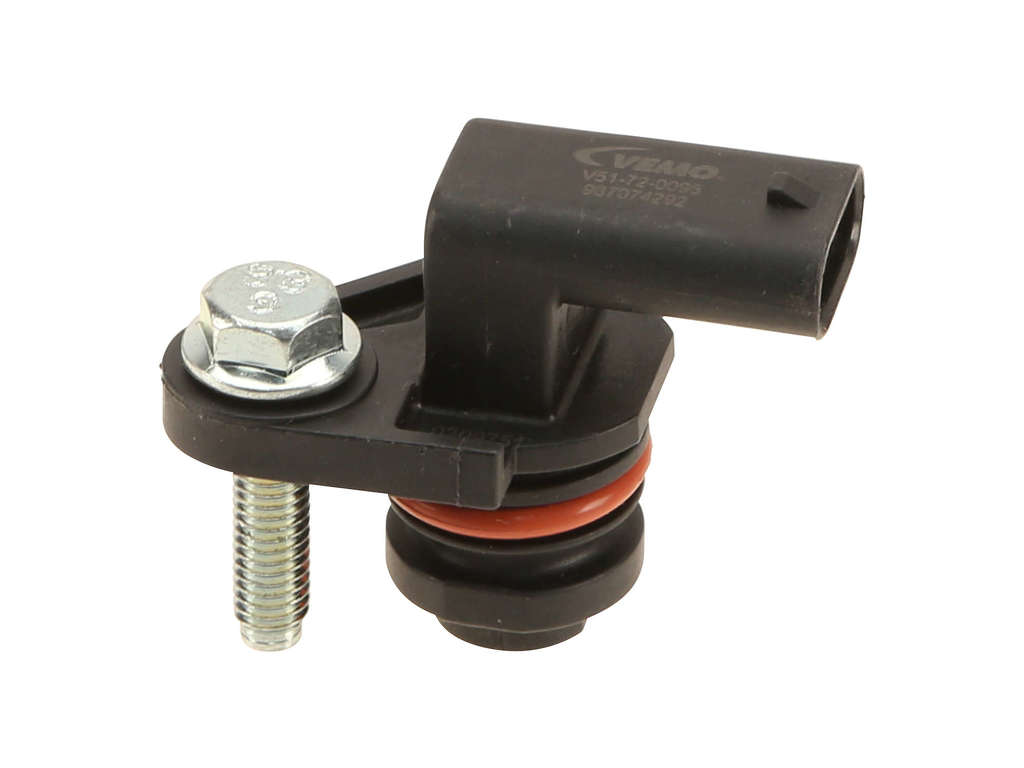
- Camshaft Position Sensor (Bank 1, Exhaust)
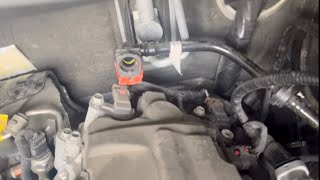
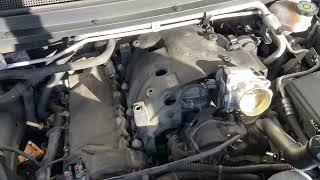
(OEM #12674702)— This is the sensor directly identified by the code. While often not the root cause, it can fail. Note: This part is sometimes mislabeled as a crankshaft sensor 🎬 Watch: Locate all camshaft sensors on your 3.6L engine by online vendors but fits the camshaft position.
Trusted brands: ACDelco, Delphi, NGK/NTK
OEM price range: $35-$50
Aftermarket price range: $20-$40 - Camshaft Position Actuator Solenoid (VVT Solenoid)
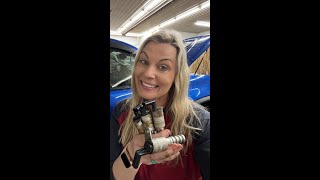
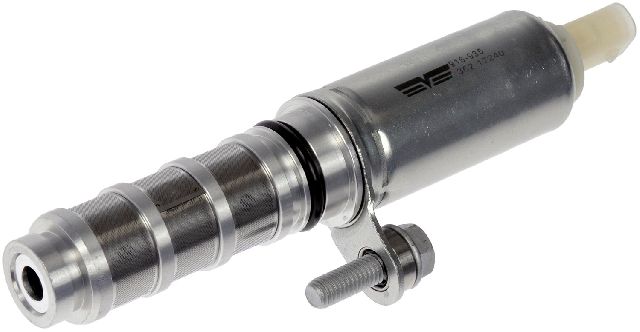
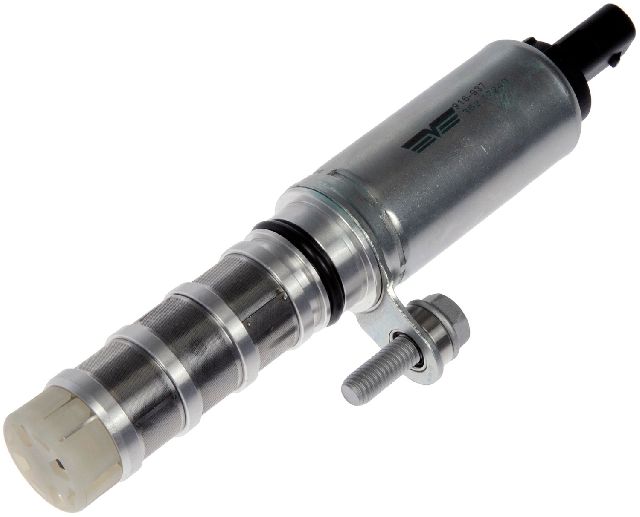
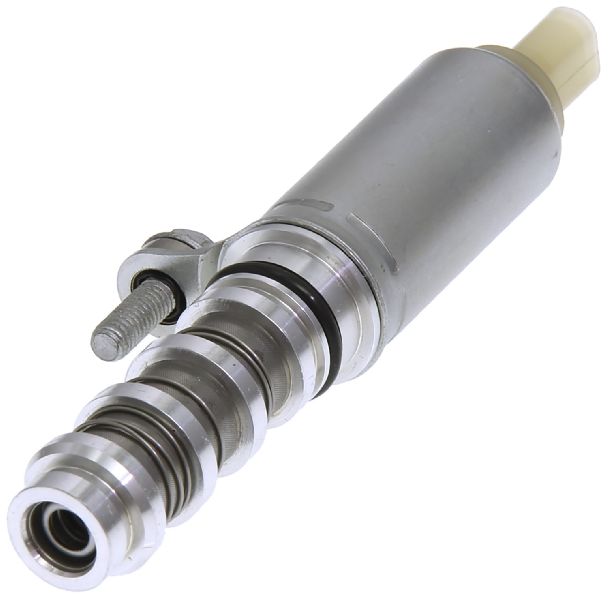
(OEM #12681018)— Often the true cause of the problem, especially if code P0014 is also present, as noted in GM's TSB. This part number has been superseded by 12734067. 🎬 See this walkthrough for installing new VVT solenoids
Trusted brands: ACDelco, Dorman
OEM price range: $50-$70
Aftermarket price range: $30-$50 - Camshaft Position Sensor Connector Pigtail
(OEM #ACDelco PT1496)— If the wiring harness chafing damages the connector itself, or if the locking tab breaks, a replacement pigtail is needed to ensure a secure connection.
Trusted brands: ACDelco, Dorman, Duralast
OEM price range: $25-$40
Aftermarket price range: $15-$30
Related Codes That Often Appear With This One
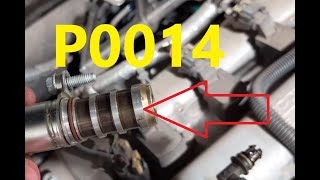
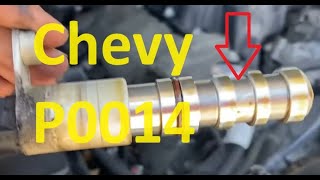
- P0014 — This code is for 'Exhaust Camshaft Position System Performance - Bank 1'. It often appears with P0366 because a faulty VVT solenoid or incorrect oil pressure can cause the camshaft timing to be off, which is then detected by the camshaft sensor. TSB #18-NA-307 specifically lists this code alongside P0366. 🎬 Watch: Understanding P0014 causes and how to fix them
- P0365 — This is the code for the intake camshaft position sensor on the same bank ('A' sensor). If both appear, it could point to a shared wiring issue in the harness where it's chafing, or a larger timing problem on Bank 1.
- P06A3 — This code is also mentioned in TSB #18-NA-307 and relates to sensor reference voltage. Its presence alongside P0366 strongly indicates an electrical issue, likely the harness chafing problem identified in the TSB.
Technical Service Bulletins (TSBs) & Recalls
- 18-NA-307
Platform-Specific Known Issues
- TSB #18-NA-307: General Motors issued this bulletin to address customer concerns of lack of power, rough idle, and the Stabilitrak light being on. It specifically identifies that the engine wiring harness may chafe on the camshaft cover or cylinder head, causing shorts that set DTCs P0014, P0365, P0366, and P06A3. The fix involves repairing the wire and taping the harness to prevent future contact.
Mechanic-Grade Diagnostic Values
- VVT Solenoid (Camshaft Actuator) Resistance — expected: 8 to 13 Ohms. Failure: A reading of 0 Ohms (short), infinite/OL (open circuit), or a reading significantly outside the expected range indicates a failed solenoid.
- Camshaft Position Sensor Connector Voltage (Key On, Engine Off) — expected: Pin 1 (Gray wire): 5V reference. Pin 3 (White wire): Good ground (near 0V).. Failure: Absence of 5V power or a good ground points to a wiring issue or a problem with the PCM, not necessarily the sensor itself.
Scan Tool Commands That Help
- GDS2 (or equivalent professional scanner): Camshaft Position Actuator Solenoid Test — This bidirectional control allows you to command the VVT solenoid on and off to verify its mechanical operation. A change in engine idle or sound should be noticeable if the solenoid is working. This helps distinguish a wiring or electrical fault from a mechanically stuck solenoid.
- GDS2 (or equivalent professional scanner): Camshaft Position Sensor Relearn Procedure — Some GM vehicles require a relearn procedure after replacing a camshaft position sensor to calibrate the PCM to the new sensor's specific output. Failure to perform this may result in rough running or persistent codes even with a new part.
Wiring & Ground Locations
- Camshaft Position Sensor Connector (Bank 1 Exhaust) — On the passenger side of the engine (Bank 1), at the rear of the cylinder head for the exhaust camshaft.. This is the direct connection to the sensor. Pinout is: Pin 1 (Gray) = 5V Power Supply from PCM, Pin 2 (Green) = Signal to PCM, Pin 3 (White) = Ground. Knowing the pinout is essential for testing the circuit correctly.
- Primary Engine Grounds (General) — GM 3.6L engines typically have a main ground from the battery negative cable to the engine block, often on the driver's side near the front. There are also smaller ground wires bolted to the cylinder heads or intake manifold.. A poor engine ground can introduce electrical noise into sensor circuits, causing erratic readings and setting performance codes like P0366. The PCM and its sensors rely on these clean ground connections for accurate signals.
- Ground Packs SP105 / SP106 (Reference for similar platform) — On the 1st Generation Colorado/Canyon, SP105 is on the driver's side near the battery, and SP106 is on the passenger side behind the airbox.. While from the previous generation, these ground packs are central points for many systems. A corroded or loose ground pack can cause widespread, difficult-to-diagnose electrical issues, including sensor faults. Checking major ground points is a critical step when diagnosing electrical codes.
Real Owner Repair Stories
- Reddit user in r/chevycolorado (2021 Chevrolet Colorado, 53k miles) — Check engine light with code P0024 ('B' Camshaft Position Performance Bank 2).
❌ Tried (didn't work) The user went straight to the likely fix based on research.
✅ What actually fixed it Replaced the VVT solenoid on the driver's side (Bank 2). The user described the solenoid replacement as 'easy' and the thermostat as more of a 'PITA' (pain in the ass).
OEM Part Supersession History
12681018 (VVT Solenoid)→12734067— Part revision or manufacturer change.
Heads up: Pass 2 and some vendors state 12681018 is superseded by 12734067. However, several other GM parts vendors list 12681018 as the replacement for 12734067. Double-check the correct part number with a dealer using your VIN before purchasing.12627185, 12632872 (Cam/Crank Sensor)→12674702— Part consolidation and revision.
Heads up: Part number 12674702 is used for both camshaft and crankshaft position sensors on many GM vehicles, often causing confusion on vendor websites. Crucially, GM service information indicates this part may require programming or a special setup/relearn procedure to function correctly in the vehicle.
Model Year Variations Within This Range
- 2017-2022: The engine was updated from the LFX to the LGZ in 2017. While the causes for P0366 are similar, part numbers for major jobs like timing chain replacements are different. For example, the timing chain kit for the LGZ engine is ACDelco #12713649. This is relevant if diagnosis leads to a suspected timing issue.
Helpful Videos
We Have This Part in Stock


The information in this article is provided for general reference and educational purposes only. Vehicle specifications, procedures, and part compatibility can vary by production date, trim level, and region. Always consult your vehicle's factory service manual and verify part numbers before purchasing or performing repairs. Safety-critical components such as airbags, seat belts, and braking systems should be installed by a qualified professional.
- Gmc CANYON:
- 🧭 Diagnostic Flowchart
- 🎬 Helpful Videos
- 🛍️ Shop This Part
- What's Unique About the 2015-2022 Gmc CANYON
- Symptoms You May Notice
- Most Likely Causes
- Rare But Worth Checking
- Diagnosis Steps
- Parts You'll Likely Need
- Related Codes That Often Appear With This One
- Technical Service Bulletins (TSBs) & Recalls
- Platform-Specific Known Issues
- Mechanic-Grade Diagnostic Values
- Scan Tool Commands That Help
- Wiring & Ground Locations
- Real Owner Repair Stories
- OEM Part Supersession History
- Model Year Variations Within This Range
- 🎟️ Get 5% Off