

P0366 on 2011 Saab 9-5 2.8T V6: Exhaust Cam Sensor Causes and Fixes
This code indicates a problem with the Bank 1 exhaust camshaft position sensor. The most common fix is replacing the faulty sensor itself, which costs around $20-$50 for the part. However, on this GM-based V6, this code can also be an early warning sign of a stretched timing chain, which is a much more expensive repair. This issue is also common on the 2010-2011 Cadillac SRX with the same 2.8T engine.
- P0366 on your 2011 Saab 9-5 2.8T points to the exhaust camshaft sensor on the rear cylinder bank (Bank 1).
- While the sensor itself could be bad, this code is a very strong indicator of stretched timing chains, a known and expensive issue with this GM engine.
- Check for other codes. If P0017 or P0008 are present, a timing chain replacement is almost certainly required.
- The 2010-2011 Cadillac SRX with the 2.8T engine is a direct platform mate and suffers from the exact same timing chain problems.
- Do not ignore this code. If the timing chain is the cause, continued driving can lead to catastrophic engine failure.
What's Unique About the 2011-2011 Saab 9-5
The 2011 Saab 9-5 is built on a General Motors (GM) platform, and its A28NER engine is part of the GM High Feature V6 family. This engine family is known for premature timing chain stretching. While a P0366 code can simply mean a bad sensor, it's often an early symptom of a more serious timing chain issue. The ECM compares the camshaft and crankshaft signals, and a stretched chain can create a discrepancy that triggers this sensor performance code long before you hear any chain rattle. GM has issued multiple revisions of a service bulletin (the latest being 12-06-01-009G) for related codes caused by this exact issue on the HFV6 engine family.
Symptoms You May Notice
- Check Engine Light is on
- Engine is difficult to start or requires a long crank time
- Rough or uneven idle
- Hesitation or lack of power during acceleration
- Reduced fuel economy
- Engine stalling
- Replacing the crankshaft position sensor. This is a different sensor and will not fix a camshaft sensor code.
- Replacing the wrong camshaft sensor. The A28NER engine has four camshaft sensors (intake and exhaust for each bank). P0366 specifically points to the exhaust sensor on Bank 1 (rear bank).
Most Likely Causes
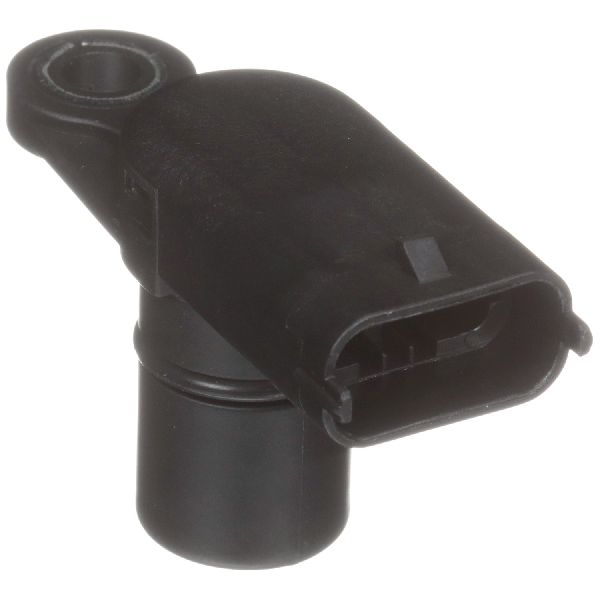
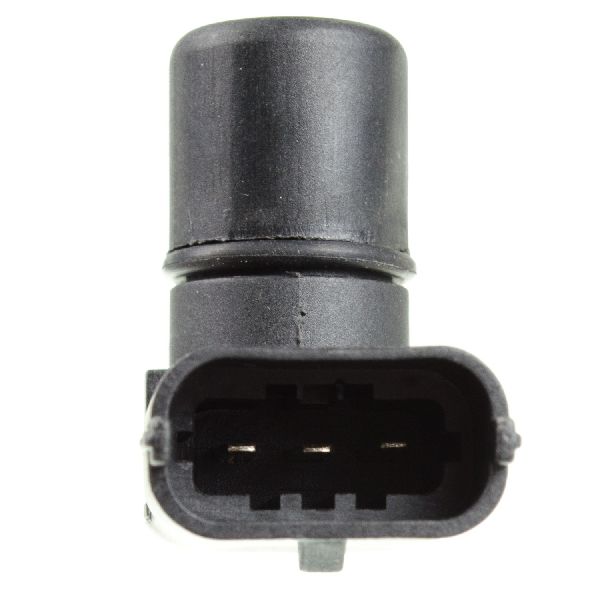
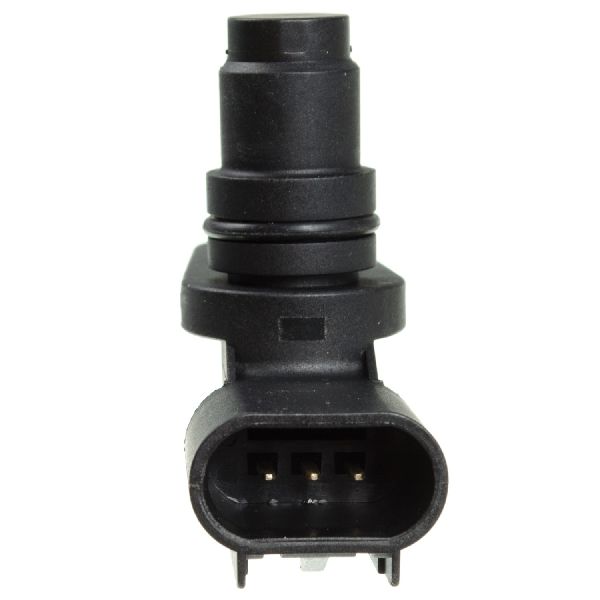
- Faulty Exhaust Camshaft Position Sensor (Bank 1) 🔴 High Probability → Shop Engine Camshaft Position Sensor Sensors are exposed to significant heat and vibration at the back of the engine, leading to eventual electronic failure.
How to confirm: After checking wiring, this is the most likely component failure. You can test the sensor with a multimeter for proper resistance and voltage output, or swap it with the Bank 2 exhaust sensor (if accessible) and see if the code changes to P0391 (Exhaust Cam Sensor, Bank 2).
Typical fix: Replace the Bank 1 exhaust camshaft position sensor.
Est. part cost: $20-$60 - Wiring or Connector Issue 🟡 Medium Probability The sensor is located in a tight, hot area at the rear of the engine bay. Wires can become brittle, and connectors can be contaminated by oil or debris.
How to confirm: Visually inspect the wiring harness and connector for any signs of damage, melting, chafing, or corrosion. Use a multimeter to check for continuity and proper voltage at the connector.
Typical fix: Repair the damaged section of the wiring harness or clean/replace the connector.
Est. part cost: $5-$50 - Stretched Timing Chain 🟡 Medium Probability → Shop Engine Timing Chain The GM High Feature V6 engine family, including the A28NER, has a well-documented history of timing chain stretch issues. This causes a deviation between the camshaft and crankshaft positions, which the ECM flags as a sensor performance fault. This is the most likely cause if P0366 is accompanied by P0017 or P0008.
How to confirm: This is a complex diagnosis. A professional mechanic would use a scan tool to check camshaft deviation angles (cam/crank correlation). If the deviation exceeds a few degrees from the specified value, the chains are likely stretched. This is the probable cause if a new sensor and verified wiring do not fix the code.
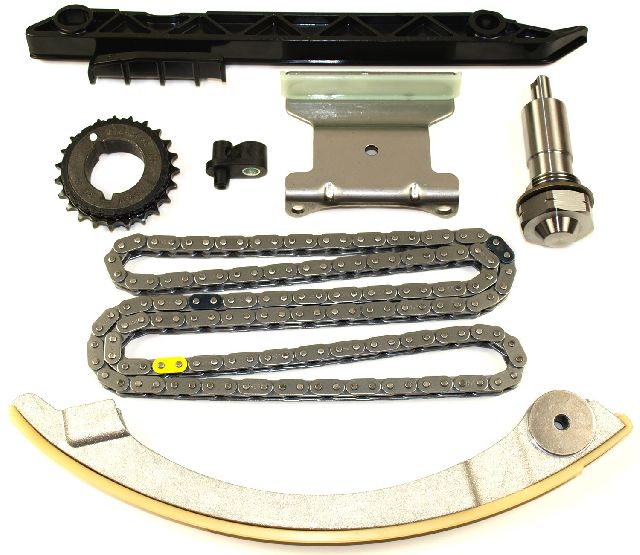
Typical fix: Replace all three timing chains, guides, and tensioners. This is a major and expensive repair addressed in GM TSB 12-06-01-009G.
Est. part cost: $400-$800 for a full kit
Rare But Worth Checking
- Faulty Engine Control Module (ECM): This is very rare. The ECM should only be considered after all other possibilities, including sensor, wiring, and mechanical timing, have been exhaustively ruled out.
- Damaged Camshaft Reluctor Wheel: → Shop Engine Camshaft The toothed ring on the camshaft that the sensor reads can be damaged, but this is uncommon unless the engine has suffered other internal trauma.
Diagnosis Steps
- Read the code with an OBD-II scanner and confirm P0366 is present. Note any other codes, especially P0017 or P0008.
- Locate the Bank 1 (rear bank) exhaust camshaft position sensor.
- Carefully inspect the sensor's wiring harness and connector for any visible damage, melting, or corrosion. Ensure the connector is seated firmly.
- If wiring looks good, the next step is to test the sensor. The easiest test for a DIYer is to swap the Bank 1 exhaust sensor with the Bank 2 (front bank) exhaust sensor.
- Clear the codes and drive the vehicle. If the code returns as P0391 (Camshaft Position Sensor 'B' Circuit, Bank 2), the sensor you moved is faulty. Replace it.
- If the P0366 code returns after the swap, the problem is not the sensor. The issue is likely in the wiring to the Bank 1 sensor or, more seriously, a mechanical timing problem.
- At this point, if you are not comfortable with advanced diagnostics, professional service is recommended. A mechanic will use a scan tool to monitor cam/crank correlation data to check for a stretched timing chain. This is the definitive test for the most serious cause of this code.
Parts You'll Likely Need
- Camshaft Position Sensor
(OEM #12615371)— This is the most common failure part for this specific code. Electronic sensors are wear items that fail over time due to heat and vibration.
Trusted brands: ACDelco (GM Genuine: 213-4224 or 12684186 as a superseded number), Bosch, Delphi, Standard Motor Products (PC908)
OEM price range: $40-$70
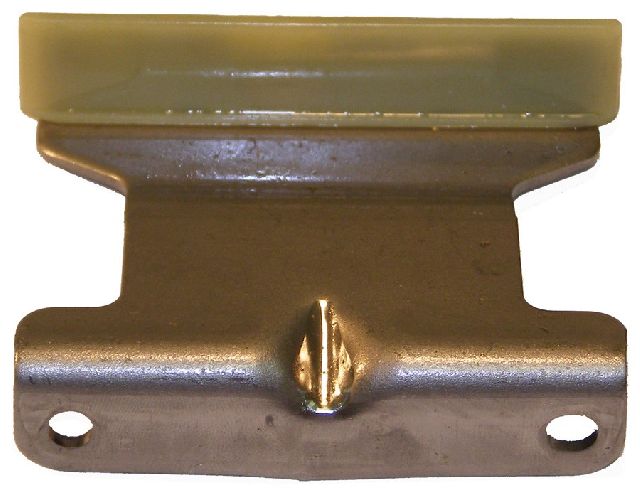
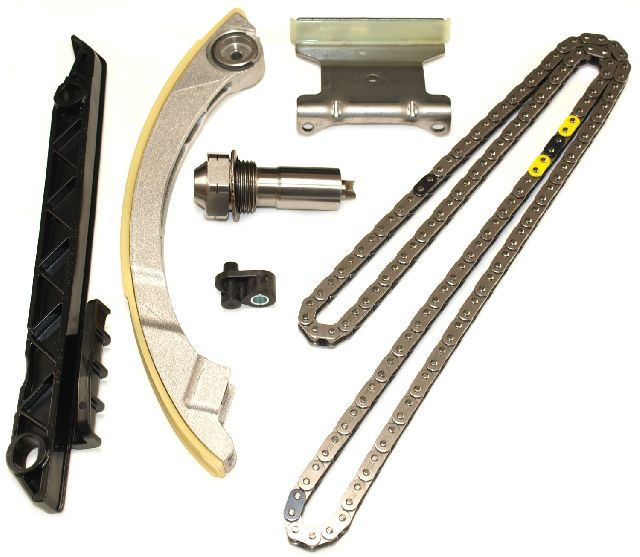
Aftermarket price range: $20-$50 - Timing Chain Kit — If the sensor and wiring are good, a stretched timing chain is the next most likely cause on this specific engine. This requires a full kit including chains, tensioners, and guides.
Trusted brands: ACDelco, Cloyes (Kit 9-0753S is a widely used aftermarket solution) 🎬 Watch: Step-by-step guide to replacing the timing chain kit.
OEM price range: $600-$900
Aftermarket price range: $400-$700
Related Codes That Often Appear With This One
- P0017 — Crankshaft Position - Camshaft Position Correlation (Bank 1 Sensor B). This code is very common with a stretched timing chain and strongly suggests a mechanical timing issue rather than just a sensor failure.
- P0008 — Engine Positions System Performance Bank 1. This is a more general timing correlation code that also points strongly to stretched timing chains. It is a primary code listed in the GM TSB for this issue.
- P0300 — Random/Multiple Cylinder Misfire Detected. Incorrect cam timing can lead to misfires across multiple cylinders.
- P0365 — Camshaft Position Sensor 'B' Circuit (Bank 1). This is a circuit malfunction code for the same sensor. If seen with P0366, it points more strongly to a wiring or sensor electrical failure.
Technical Service Bulletins (TSBs) & Recalls
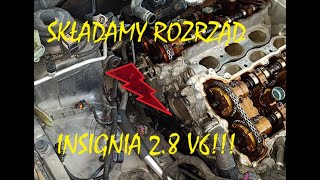
- GM TSB 12-06-01-009G: Information on High Feature V6 Timing Chain Kits and DTCs P0008, P0017, etc.: → Shop Engine Timing Chain This bulletin provides the diagnostic procedure and repair instructions for premature timing chain wear on the GM High Feature V6 engine family (including the 2.8L A28NER). It confirms that stretched chains are a known issue that sets various cam/crank correlation codes. The prescribed fix is the replacement of the primary and both secondary timing chains, along with updated tensioners and guides. 🎬 See a professional mechanic perform this V6 timing chain service.
Platform-Specific Known Issues
- The A28NER engine is part of the GM High Feature V6 family, which is known for issues with timing chain stretching, particularly in earlier models. A P0366 code should prompt an immediate check of cam/crank correlation data via a capable scan tool to rule out this expensive underlying problem, especially if codes like P0017 or P0008 are also present.
Mechanic-Grade Diagnostic Values
- Camshaft Position Sensor Power Supply Voltage — expected: 5V or 12V DC with Key On, Engine Off (KOEO). Failure: 0V or significantly lower voltage indicates a wiring or ECM power supply issue.
- Camshaft Position Sensor Ground Circuit Resistance — expected: < 0.5 Ω. Failure: High resistance (OL) indicates a broken or corroded ground wire.
- Camshaft Position Sensor Signal Voltage (while cranking) — expected: Voltage should fluctuate or toggle between ~0V and the reference voltage (e.g., 5V).. Failure: No voltage change, or a steady voltage that does not switch, indicates a faulty sensor or a problem with the reluctor wheel.
Scan Tool Commands That Help
- Tech2 / GDS2 or equivalent professional scanner: Camshaft Position Sensor Relearn — After replacing a camshaft position sensor, some GM vehicles require this procedure for the ECM to learn the new sensor's characteristics. Failure to perform it can result in rough running or failure to start even with a new part.
- Tech2 / GDS2 or equivalent professional scanner: View Cam/Crank Correlation Data / Camshaft Position Variance — This is the definitive diagnostic step to confirm or rule out a stretched timing chain. The scan tool displays the degrees of deviation between the camshafts and the crankshaft. If the value exceeds the manufacturer's specification (typically a few degrees), the timing chains are stretched.
- Tech2 / GDS2 or equivalent professional scanner: ECM Reprogramming — In some cases outlined by GM TSBs for related timing codes, an ECM software update is required to adjust timing parameters or correct logic errors that could falsely trigger codes.
Wiring & Ground Locations
- G7 — On a bracket in front of the left-hand (front) end of the V6 engine.. This is a primary engine block ground point. A poor connection here can cause erratic behavior in multiple engine sensors, including the camshaft position sensors.
- G25 — On the gearbox.. This is a main battery ground connection. Corrosion or a loose connection here can lead to widespread electrical issues and incorrect sensor readings.
- G109 — Engine compartment, on the left strut tower.. This is another key ground point within the engine bay that provides a ground path for various components of the engine control system.
OEM Part Supersession History
12615371→12684186— Standard part revision by the manufacturer (General Motors) for improvements or supplier changes.
Diagnostic Flowchart
Other Known Issues on This Vehicle
Issues unrelated to this code that are worth knowing about as an owner of this generation:
- Haldex (XWD) All-Wheel Drive System Failure 🔴 High — Common issue. The pump, filter, or electronic control module can fail, leading to a 'Service XWD' message and loss of all-wheel drive. Regular fluid and filter changes (every 20-30k miles) are critical for longevity.
- Ignition Coil Failure 🟠 Medium — Moderately common, as with many direct-injection turbocharged engines. Failure leads to engine misfires (P030x codes), rough running, and reduced power. Often recommended to replace all coils on a bank if one fails.
- Water Pump Failure 🟠 Medium — Some owners report premature failure of the water pump, leading to coolant leaks and potential overheating.
- Electronic Throttle Body Failure 🟠 Medium — Can fail and cause a Check Engine Light, stalling, and poor throttle response.
Used vs. New Parts: Buying Guide for This Vehicle
When a used part is the smart pick: For this repair, using a used part is generally not recommended. The primary failure parts are an electronic sensor that degrades with heat and age, and timing chains which are wear items. A used sensor has an unknown remaining lifespan and is inexpensive to buy new. A used timing set should never be considered.
Donor-vehicle mileage cap: roughly under 50000 miles for the part to have meaningful remaining life.
What to inspect on the donor part:
- If considering a used sensor, source it from a vehicle with the lowest possible mileage.
- Inspect the used sensor's connector for any signs of corrosion, brittleness, or oil contamination.
- Avoid any parts from a vehicle that shows signs of engine sludge or poor maintenance.
OEM-only on this vehicle (don't cheap out):
- Timing Chain Kit: Due to the labor-intensive nature of the job and the engine's known weakness in this area, using a cheap, unbranded timing kit is extremely risky. Stick with GM Genuine parts or a top-tier, validated aftermarket kit.
Aftermarket brands forum-validated for this vehicle:
- Camshaft Position Sensor: ACDelco, Bosch, Delphi, Standard Motor Products (SMP).
- Timing Chain Kit: Cloyes (specifically kit 9-0753S) is a widely recognized and trusted aftermarket brand for this repair.
Brands owners have reported issues with on this vehicle:
- Avoid unbranded, 'white-box' timing chain kits and camshaft sensors from online marketplaces. The risk of premature failure is high, and one review noted a suspected counterfeit kit with poorly marked timing gears, which can lead to catastrophic engine damage if installed incorrectly.
Real Owner Stories
Aggregated from forums and TSBs cited above. Mileages and costs reflect what owners reported in those sources.
2011 Saab 9-5 2.8T
Symptoms: Owner reported getting codes P0366, P0017, and P0008.
What fixed it: The community identified stretched timing chains as the cause, with the implied fix being a full timing chain service. The owner was quoted a multi-thousand dollar repair.
Source hint: SaabCentral Forums: 'P0017, P0366, P0008 on my 2011 9-5 Aero'
2010 Cadillac SRX 2.8T
Symptoms: The owner experienced a combination of timing-related trouble codes.
What fixed it: The resolution was a complete timing chain replacement.
Source hint: Cadillac Forums: '2010 SRX 2.8L Turbo Timing Chain'
Related OBD-II Codes
Frequently Asked Questions
My 2011 Saab 9-5 is showing codes P0366, P0017, and P0008 all at once. What is the most likely problem?
Is the timing chain stretching a known factory issue for the 2.8T V6 engine?
To fix a P0366 code, should I just replace the Bank 1 exhaust camshaft position sensor?
How can I confirm if my timing chain is stretched without tearing down the engine?
How much do parts cost for the timing chain replacement on the A28NER engine?
Are other vehicles with this same 2.8T engine also affected by this timing chain issue?
Helpful Videos
We Have This Part in Stock

The information in this article is provided for general reference and educational purposes only. Vehicle specifications, procedures, and part compatibility can vary by production date, trim level, and region. Always consult your vehicle's factory service manual and verify part numbers before purchasing or performing repairs. Safety-critical components such as airbags, seat belts, and braking systems should be installed by a qualified professional.
- Saab 9-5:
- 🧭 Diagnostic Flowchart
- 🎬 Helpful Videos
- 🛍️ Shop This Part
- What's Unique About the 2011-2011 Saab 9-5
- Symptoms You May Notice
- Most Likely Causes
- Rare But Worth Checking
- Diagnosis Steps
- Parts You'll Likely Need
- Related Codes That Often Appear With This One
- Technical Service Bulletins (TSBs) & Recalls
- Platform-Specific Known Issues
- Mechanic-Grade Diagnostic Values
- Scan Tool Commands That Help
- Wiring & Ground Locations
- OEM Part Supersession History
- Other Known Issues on This Vehicle
- Used vs. New Parts: Buying Guide for This Vehicle
- Real Owner Stories
- 2011 Saab 9-5 2.8T
- 2010 Cadillac SRX 2.8T
- Related OBD-II Codes
- Frequently Asked Questions
- 🎟️ Get 5% Off