

P0366 on 2007-2009 Saturn Aura 3.6L: Camshaft Sensor vs. Timing Chain Guide
On the 3.6L V6 in your Saturn Aura, code P0366 often points to a stretched timing chain, not just a bad sensor. While the sensor is a possible cause, this engine is known for premature timing chain wear. A full timing chain replacement can cost $1500-$2500+, so proper diagnosis is critical. Ignoring this can lead to severe engine damage.
- On a 2007-2009 Saturn Aura with the 3.6L engine, P0366 is a strong indicator of a possible stretched timing chain.
- Do not automatically replace the camshaft position sensor without further diagnosis; this is a common misdiagnosis that doesn't fix the root problem.
- Check for other timing codes like P0008 or P0017. Their presence makes a mechanical timing fault the almost certain cause.
- If you replace the sensor, inspect the connector for oil from a leaking valve cover gasket, which must also be fixed.
- A timing chain replacement is a very expensive repair; professional diagnosis is highly recommended before committing to this job.
What's Unique About the 2007-2009 Saturn Aura
The early GM 3.6L V6 LY7 engine is infamous for premature timing chain stretching. While P0366 can be a simple sensor failure on many vehicles, on this specific platform, it is frequently a symptom of this more serious mechanical issue. The original-design timing chains can stretch over time, causing the camshafts' position to deviate from what the ECM expects, which triggers sensor performance codes. GM released several Technical Service Bulletins (TSBs) and updated timing chain kits to address this widespread problem across many vehicles that used this engine. The issue was often made worse by the original Oil Life Monitor (OLM) calibration, which allowed for excessively long oil change intervals, leading to oil degradation that accelerated chain wear.
Symptoms You May Notice
- Check Engine Light is on
- Engine stalling, especially at idle or low speeds
- Difficulty starting the engine or extended cranking time
- Noticeable loss of power and poor acceleration
- Rough or uneven idle
- Reduced fuel economy
- Rattling or chain noise from the front of the engine (passenger side), especially on cold starts
- Replacing only the camshaft position sensor without investigating the health of the timing chains. If the chain is stretched, the code will return, often accompanied by P0008 or P0017.
- Replacing the sensor multiple times, believing the new parts are defective, when the root cause is mechanical (stretched chain) or a wiring issue.
Most Likely Causes
- Stretched Timing Chains 🔴 High Probability → Shop Engine Timing Chain The original timing chains on the 3.6L LY7 engine were a known weak point and prone to premature stretching, a fact GM acknowledged through multiple TSBs. Infrequent oil changes or using low-quality oil accelerates this wear by allowing the hydraulic tensioners to fail.
How to confirm: Confirm by checking for other timing-related codes (P0008, P0016, P0017), which strongly point to a mechanical timing issue. A mechanic can use a scan tool to view camshaft deviation data. A persistent variance over 4-6 degrees is a strong indicator of chain stretch. A physical inspection for chain slack is definitive but requires significant labor.
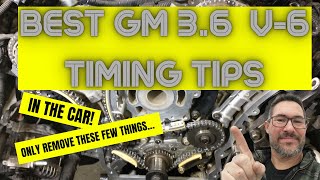
Typical fix: Replace all three timing chains, the tensioners, and guides with an updated OEM or high-quality aftermarket kit. This is a major repair. 🎬 Watch: Expert tips and tricks for the 3.6L timing chain replacement. It is also recommended to replace the water pump and oil pump during this service as they are accessible.
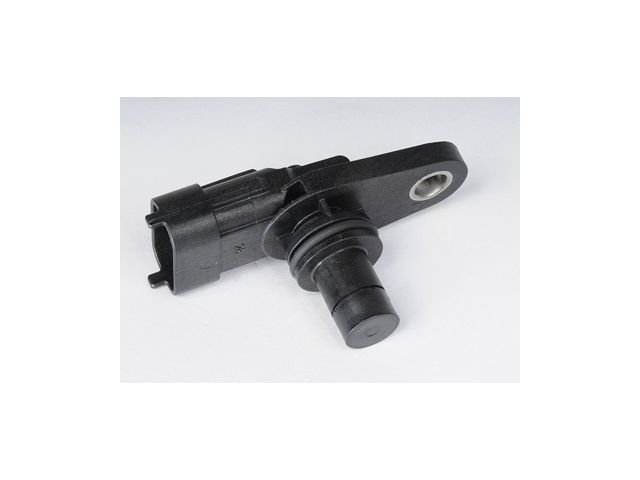
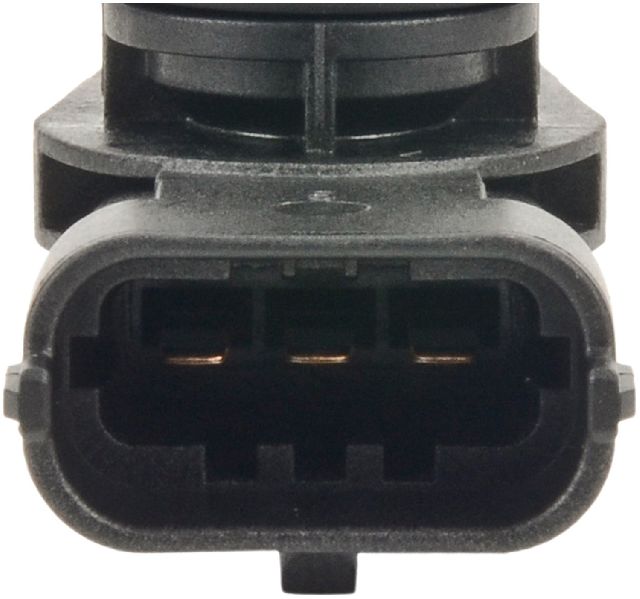
Est. part cost: $250-$600 for a complete kit. - Faulty Camshaft Position Sensor 🟡 Medium Probability → Shop Engine Camshaft Position Sensor Sensors can fail from heat and age. A common issue on the Aura is a leaking valve cover gasket, which allows oil to seep into the sensor's electrical connector, causing a bad reading. The 3.6L engine has four separate camshaft position sensors.
How to confirm: Inspect the sensor's connector for oil contamination. The Bank 1 exhaust sensor is on the firewall-side cylinder head. Swap the Bank 1 exhaust sensor with the Bank 1 intake sensor (if they are identical) and see if the code changes to P0341. If it does, the sensor is bad. If the code remains P0366, the issue is likely wiring or mechanical.
Typical fix: Replace the camshaft position sensor. If oil is present in the connector, the valve cover gasket must also be replaced to prevent repeat failure. Given the age, replacing all four sensors as a set is a reasonable preventative measure.
Est. part cost: $30-$80 for the sensor. - Wiring or Connector Issue ⚪ Low Probability
How to confirm: Visually inspect the wiring harness leading to the sensor for any signs of fraying, melting, or corrosion. Check for a secure connection at both the sensor and the ECM. GM issued a preliminary bulletin (PI0090D) regarding poor connections at the cam sensor harness connector causing hesitation.
Typical fix: Repair the damaged section of wire or clean/replace the connector. Ensure terminals are fully seated.
Est. part cost: $10-$30 for wiring repair supplies.
Rare But Worth Checking
- Failing Camshaft Phaser / Actuator: → Shop Engine Camshaft The variable valve timing (VVT) actuator (also called a phaser) can stick or fail due to low oil pressure or debris, causing the camshaft position to be incorrect. This is less common than chain stretch but can produce similar codes.
- Low Engine Oil Level or Pressure: The timing chain tensioners and camshaft phasers are hydraulically operated by engine oil pressure. Very low or dirty oil can cause them to function improperly, leading to timing performance codes. GM specifies a minimum of 24 psi at 1,000 RPM for the LY7 engine.
- Failing Engine Control Module (ECM): This is extremely rare, but the ECM can theoretically fail and misinterpret the sensor's signal. This should only be considered after all other possibilities have been exhausted.
Diagnosis Steps
- Scan for all DTCs. Note if any other timing-related codes (like P0008, P0017) are present, as this heavily points towards a timing chain issue.
- Check engine oil level and condition. Low or sludgy oil can cause timing system problems. Ensure oil meets GM dexos1 specification.
- Inspect the Bank 1 exhaust camshaft position sensor connector (firewall side) for oil contamination from a leaking valve cover gasket. Clean with electrical contact cleaner if oil is found.
- Inspect the wiring harness to the sensor for visible damage, referencing GM Preliminary Information bulletin PI0090D for potential poor terminal connections.
- If no obvious issues are found, swap the exhaust sensor with the intake sensor on the same bank (part numbers must match). Clear codes and drive the vehicle. If the code changes to P0341 (Intake Sensor), the original sensor is faulty.
- If the P0366 code returns, the problem is likely mechanical. A professional diagnosis is needed to check for stretched timing chains or excessive camshaft end play as outlined in GM TSB 08-06-01-011K.
- A technician can use a scan tool to monitor desired vs. actual camshaft position angles. A consistent deviation indicates a mechanical timing problem.
Parts You'll Likely Need
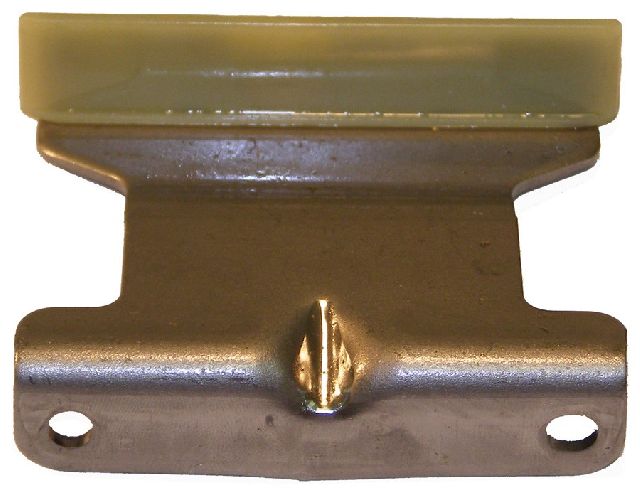
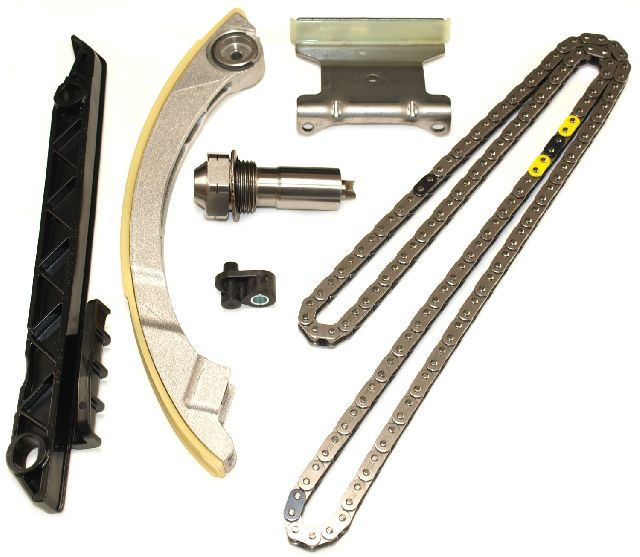
- Timing Chain Kit
(OEM #12650231 (For 2008-2009 LY7))— This is the most probable root cause on the 3.6L LY7 engine. An updated kit from GM or a reputable aftermarket brand is required to permanently fix the issue.
Trusted brands: ACDelco (OEM), Cloyes (9-0753S)
OEM price range: $400-$600
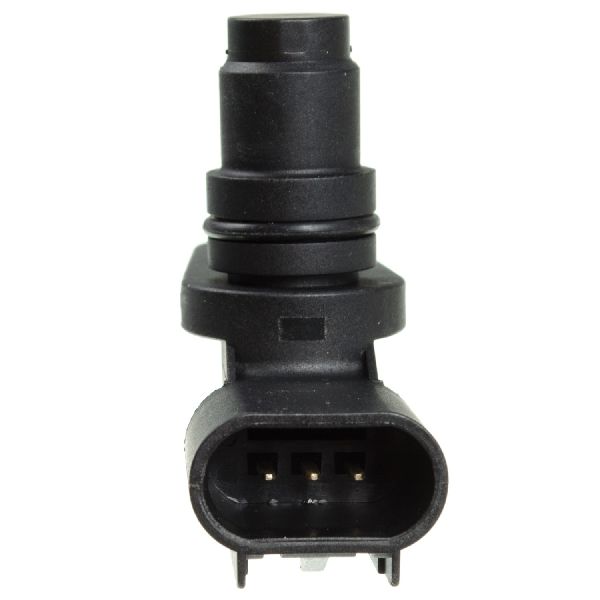
Aftermarket price range: $250-$450 - Camshaft Position Sensor
(OEM #12588992 (Original), 12651450 (Updated))— This is the second most likely cause, either due to internal failure or oil contamination from a leaky valve cover gasket.
Trusted brands: ACDelco, Delphi, Bosch
OEM price range: $50-$80
Aftermarket price range: $30-$60 - Valve Cover Gasket Set — Often required when replacing the camshaft position sensor, as a leaking gasket is a common source of oil contamination that damages the sensor's connector.
Trusted brands: ACDelco, Fel-Pro
OEM price range: $40-$70
Aftermarket price range: $25-$50
Related Codes That Often Appear With This One
- P0017 — Crankshaft Position - Camshaft Position Correlation (Bank 1 Sensor B). This code directly compares crank and cam signals and strongly indicates a mechanical timing issue like a stretched chain. It often appears with P0366.
- P0008 — Engine Positions System Performance (Bank 1). This is a general timing correlation code for Bank 1 and is a classic sign of a stretched timing chain on the GM 3.6L engine.
- P0341, P0346, P0391 — These are codes for the other camshaft position sensors (Bank 1 Intake, Bank 2 Intake, Bank 2 Exhaust). Seeing multiple cam sensor codes further points to a systemic issue like the timing chains rather than a single bad sensor.
Technical Service Bulletins (TSBs) & Recalls
- 08-06-01-011K: Directly addresses P0366 (and other codes) and instructs technicians to check for excessive camshaft end play, a direct indicator of a timing system problem on the 3.6L engine.
- 12-06-01-009D: Provides information on the updated timing chain service kits released by GM to fix issues related to codes P0008, P0016, P0017, etc., which are caused by stretched chains. It lists the Saturn Aura as an affected vehicle.
- 11340C: Special Coverage Adjustment for timing chain wear. This extended the warranty to 10 years/120,000 miles for many GM 3.6L vehicles. However, the Saturn Aura was not consistently included, and the program is now expired for all 2007-2009 models by date.
- PI0090D: Preliminary Information bulletin regarding intermittent hesitation caused by poor terminal connections in the camshaft position sensor harness connector.
Platform-Specific Known Issues
- Premature Timing Chain Wear: Early versions of the 3.6L LY7 engine used timing chains that were susceptible to stretching. GM later issued updated parts. This issue is exacerbated by extended oil change intervals, as recommended by the original oil life monitor calibration.
- Oil Life Monitor (OLM) Calibration: GM issued service bulletins and a special coverage program (#11340C) for many LY7-equipped vehicles to update the ECM software, shortening the recommended oil change interval to prolong the life of the replacement timing chains. While the Aura was listed in some bulletins, it was often excluded from the warranty extension.
Mechanic-Grade Diagnostic Values
- Camshaft Position Actuator Solenoid Resistance (3.6L LY7) — expected: 6.9 to 7.9 Ohms at 68°F (20°C).. Failure: A reading of 0 Ohms (short), OL/infinite (open), or a value outside the specified range indicates a faulty solenoid coil.
- Engine Oil Pressure (3.6L V6 LY7), warm engine — expected: Minimum of 24 psi at 1,000 RPM, 34 psi at 2,000 RPM, and 38 psi at 4,000 RPM.. Failure: Pressure below these minimums points to a lubrication problem that can cause timing system codes and accelerate wear.
- Camshaft Position Sensor (CMP) Power Supply Voltage — expected: Approximately 5 Volts with key on, engine off.. Failure: No voltage or significantly low voltage points to a problem with the ECM or the wiring harness, not the sensor itself.
- Scan Tool Live Data: Camshaft Position Variance — expected: Close to 0 degrees at a steady idle.. Failure: A consistent deviation greater than 4-5 degrees at idle is a strong indicator of a stretched timing chain.
Scan Tool Commands That Help
- Tech2 / GDS2 (GM Professional Scan Tool): Camshaft Position Actuator Solenoid Test — This bidirectional control allows a technician to manually command the VVT solenoid on and off while the engine is running. If the engine idle stumbles or changes, the solenoid is mechanically working. If there's no change, it points to a failed solenoid, a clogged oil passage, or a stuck phaser, helping to diagnose without disassembly.
- Tech2 / GDS2 (GM Professional Scan Tool): Crankshaft Position Variation Learn (CASE Relearn) — This is not a diagnostic test for P0366, but it is a mandatory procedure after replacing the timing chains, crankshaft sensor, or the ECM. It allows the control module to learn the minor variations in the crankshaft reluctor wheel for accurate timing and misfire detection.
Wiring & Ground Locations
- G108 — On the upper right rear side of the engine/cylinder head (firewall side).. This is a primary engine ground point for Bank 1. A loose or corroded connection here can cause intermittent and faulty signals from the Bank 1 camshaft position sensors, leading to false codes.
- G107 — On the upper left front side of the engine (radiator side).. This is the primary engine ground for Bank 2. While P0366 is a Bank 1 code, poor grounding on one bank can sometimes cause unpredictable electrical noise affecting the entire engine management system.
- ECM Connector C1, Pin 20 — On the Engine Control Module (ECM), which is mounted on top of the battery cover.. On similar LY7 engines, the signal wire for the Bank 1 Exhaust Camshaft Position sensor is a Dark Green wire at Pin 20. This is the specific pin to test for signal continuity between the sensor and the ECM to rule out a wiring harness break.
- Camshaft Position Sensor Connector — On the rear cylinder head (Bank 1), near the top. The exhaust sensor ('B') is one of two sensors on that head.. GM TSB PI0090D notes that poor terminal connections within this specific connector can cause intermittent hesitation and trigger cam sensor codes. A visual inspection for backed-out pins is a key diagnostic step.
Real Owner Repair Stories
- YouTube user 'MotorCity Mechanic' (GM Vehicle with 3.6L V6 (similar to LY7)) — Check Engine Light with camshaft position sensor codes (P0346).
❌ Tried (didn't work) Replaced the original sensor with a new one from the GM dealer, code returned., Replaced with a second sensor from the GM dealer, code still returned., Replaced with an aftermarket sensor, code still returned., Swapped the new sensor to the other bank, the code followed the sensor, proving the wiring and engine were okay.
✅ What actually fixed it After trying multiple OEM and aftermarket sensors that were apparently faulty or incompatible out of the box, a tenth sensor finally produced the correct waveform on an oscilloscope and fixed the code. This highlights the possibility of receiving bad replacement parts. - Car Talk Community user 'jthelm89_160308' (2007 Saturn Outlook (uses same 3.6L LY7 engine)) — P0366 code present without a Check Engine Light. Vehicle shutters at specific speeds and has poor acceleration.
❌ Tried (didn't work) Initial diagnosis was inconclusive, with suggestions of carbon buildup.
✅ What actually fixed it The forum consensus pointed strongly toward a stretched timing chain, a known issue for the 3.6L engine in the Outlook, which is mechanically identical to the Aura for this component. The user was advised that this was the most likely cause despite the lack of other codes.
OEM Part Supersession History
Unknown (original timing chains)→Part of kit 12650231 (for 2008-09) or similar— The original timing chains were a single-row roller design prone to stretching. The updated chains are a more durable inverted-tooth, silent-type design.
Heads up: Using old-stock original design chains will lead to a repeat failure.12588992→12651450— Updated design for the camshaft position sensor for improved reliability or signal quality.
Model Year Variations Within This Range
- 2007: During the 2007 model year, GM began phasing in redesigned, more durable timing chains. An early 2007 Aura is more likely to have the original problematic chains than a late 2007 or 2008-2009 model, though all are considered at risk.
- 2008-2009: The 2008 model year introduced the direct-injection LLT version of the 3.6L engine in other GM vehicles, but the Saturn Aura continued to use the port-injected LY7 through 2009. This simplifies diagnosis as it avoids issues specific to the high-pressure fuel system on LLT engines.
Diagnostic Flowchart
Other Known Issues on This Vehicle
Issues unrelated to this code that are worth knowing about as an owner of this generation:
- 6T70 Transmission Wave Plate Failure 🔴 High — Common issue leading to loss of Reverse, 3rd, and 5th gears. Can occur without warning. (Ref: TSB #08-07-30-022B addresses this issue, often presenting with codes like P0776.)
- Loss of Electric Power Steering (EPS) Assist 🔴 High — Widespread problem causing a sudden loss of power steering, making low-speed turning difficult. Affects many GM Epsilon platform vehicles. (Ref: Recall N140115 / TSB 14116. GM also had a special coverage program (#14329) extending the warranty.)
- Excessive Oil Consumption (2.4L & 3.6L) 🟠 Medium — Both engines can consume oil at a higher-than-normal rate. The 2.4L is known for piston ring issues, while the 3.6L consumption can be a symptom of other problems. (Ref: TSB 01-06-01-011 defines acceptable consumption rates. TSB 13-06-01-003 addresses piston ring issues on the 2.4L.)
- Broken 3-5-Reverse Clutch Wave Plate 🔴 High — A specific, well-documented failure within the 6T70 automatic transmission that results in no reverse gear and slipping or harsh shifts. (Ref: Multiple TSBs address this, including diagnosis for related trouble codes like P0776 and P0842.)
- Water Leaks into Cabin 🟡 Low — Owners report water leaking into the passenger footwell, often due to clogged sunroof drains or a poorly sealed cabin air filter housing.
Used vs. New Parts: Buying Guide for This Vehicle
When a used part is the smart pick: For this specific repair, used parts are generally not recommended. The primary failure, the timing chain, must be new. A used camshaft position sensor is a gamble, as they can fail intermittently and you have no knowledge of its history. A used ECM would require professional reprogramming, negating much of the cost savings.
Donor-vehicle mileage cap: roughly under 80000 miles for the part to have meaningful remaining life.
What to inspect on the donor part:
- If considering a used sensor, source it from a vehicle with a documented low mileage and no history of engine codes.
- Avoid parts from engines that show signs of sludge or poor maintenance (e.g., dark, thick oil residue under the oil cap).
OEM-only on this vehicle (don't cheap out):
- Timing Chain Kit: While some aftermarket kits are good, the cost of labor is so high that using a questionable kit is a major risk. Sticking with the updated ACDelco (OEM) kit is the safest bet to ensure a long-lasting repair.
Aftermarket brands forum-validated for this vehicle:
- Cloyes: For timing chain kits, Cloyes is a highly regarded aftermarket manufacturer that produces kits (e.g., 9-0753S) that meet or exceed OEM specifications and are widely used by professionals.
- Delphi, Bosch: For camshaft position sensors, these are reputable OEM suppliers that offer a quality alternative to ACDelco branded parts.
Brands owners have reported issues with on this vehicle:
- No-name/white-box sensors: Forum and technician experiences show a high rate of 'dead-on-arrival' or premature failure with unbranded, ultra-cheap electronic sensors. The labor to re-diagnose and replace a failed cheap sensor outweighs any initial savings.
Real Owner Stories
Aggregated from forums and TSBs cited above. Mileages and costs reflect what owners reported in those sources.
2007 Saturn Outlook 3.6L
Symptoms: Owner experienced power loss and shuttering with code P0366.
What fixed it: Diagnosis pointed to the timing chain being the likely culprit, rather than the sensor itself.
Source hint: Car Talk Community - 2007 Saturn Outlook Code P0366
Saturn Vue 3.6L
Symptoms: Owner diagnosed codes P0366 and P0017.
What fixed it: The owner identified a stretched timing chain as the cause and performed a full timing chain replacement.
Source hint: YouTube - Saturn Vue 3.6L Timing Chain Replacement
Related OBD-II Codes
Frequently Asked Questions
My 2008 Saturn Aura has code P0366. Is this just a bad sensor or something more serious?
I heard GM extended the warranty for timing chains on the 3.6L engine. Does this apply to my 2007-2009 Aura?
What's the first thing I should check myself for a P0366 code before taking my Aura to a shop?
Is swapping the camshaft sensors a valid diagnostic test for this code on my Aura?
Are there any specific GM Technical Service Bulletins (TSBs) that relate to the P0366 code on this engine?
If the timing chains are the problem, what parts should be replaced?
Helpful Videos
We Have This Part in Stock


The information in this article is provided for general reference and educational purposes only. Vehicle specifications, procedures, and part compatibility can vary by production date, trim level, and region. Always consult your vehicle's factory service manual and verify part numbers before purchasing or performing repairs. Safety-critical components such as airbags, seat belts, and braking systems should be installed by a qualified professional.
- Saturn Aura:
- 🧭 Diagnostic Flowchart
- 🎬 Helpful Videos
- 🛍️ Shop This Part
- What's Unique About the 2007-2009 Saturn Aura
- Symptoms You May Notice
- Most Likely Causes
- Rare But Worth Checking
- Diagnosis Steps
- Parts You'll Likely Need
- Related Codes That Often Appear With This One
- Technical Service Bulletins (TSBs) & Recalls
- Platform-Specific Known Issues
- Mechanic-Grade Diagnostic Values
- Scan Tool Commands That Help
- Wiring & Ground Locations
- Real Owner Repair Stories
- OEM Part Supersession History
- Model Year Variations Within This Range
- Other Known Issues on This Vehicle
- Used vs. New Parts: Buying Guide for This Vehicle
- Real Owner Stories
- 2007 Saturn Outlook 3.6L
- Saturn Vue 3.6L
- Related OBD-II Codes
- Frequently Asked Questions
- 🎟️ Get 5% Off