

P0366 on 2013 Scion FR-S: Exhaust Cam Sensor Causes and Fixes
On a 2013 Scion FR-S, code P0366 is most often caused by incorrect clearance between the exhaust camshaft position sensor and the camshaft, a known issue covered by a Technical Service Bulletin (TSB S-SB-0013-14). The fix may only require adding a specific 0.2mm shim, not replacing the entire sensor. This issue also affects the 2013 Subaru BRZ.
- For a 2013 Scion FR-S, P0366 is very likely caused by a sensor clearance issue covered by TSB S-SB-0013-14.
- Always check if the TSB applies to your VIN before replacing the sensor itself; you may only need an inexpensive shim.
- Symptoms include rough idle, hesitation, and difficulty starting.
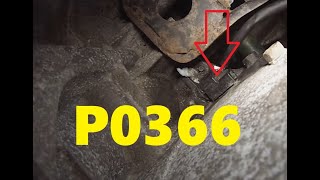
- The affected sensor is for the exhaust camshaft on the passenger side of the engine.
- The 2013 Subaru BRZ shares this exact same defect and has its own corresponding TSB (11-130-13R).
- If not the clearance issue, the cause is likely a failed sensor or a wiring problem. In rare cases, it can indicate a severe mechanical engine failure.
What's Unique About the 2013-2013 Scion FR-S
The 2013 Scion FR-S is unique regarding this code due to a specific manufacturing issue affecting early production models. Scion issued Technical Service Bulletin S-SB-0013-14 for vehicles produced before VIN JF1ZAA1#D#721474. This TSB acknowledges that P0366 and other related codes are often caused by the clearance between the camshaft position sensor and the camshaft being out of specification. This means the problem may not be a failed sensor, but rather a physical gap that needs to be corrected with a shim, a specific and well-documented fix for this platform and its Subaru BRZ twin.
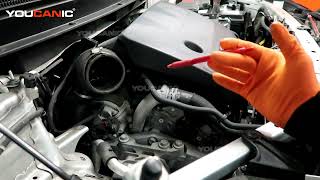
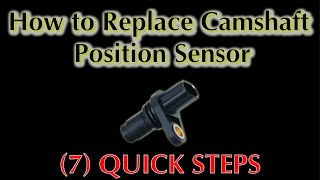
🎬 Watch: Understanding the Scion FR-S cam and crank sensor issues.Diagnostic Flowchart
Tap your situation to follow the diagnostic path that matches what you're seeing on this vehicle.
Symptoms You May Notice
- Check Engine Light is on
- Rough or uneven idle
- Engine hesitation or stumbling during acceleration
- Reduced engine power
- Extended cranking time or hard starting
- Engine stalling
- Decreased fuel economy
- Replacing the camshaft position sensor without first checking if TSB S-SB-0013-14 applies to the vehicle. The new sensor will not fix the problem if the physical gap is incorrect, leading to wasted time and money.
- Confusing a cam sensor fault with the 2013 model year valve spring recall issue, which has overlapping symptoms like stalling and rough idle.
Most Likely Causes
- Camshaft Position Sensor Clearance Out of Specification 🔴 High Probability → Shop Engine Camshaft Position Sensor This is a known issue for early 2013 models, as documented in Scion TSB S-SB-0013-14 (which supersedes S-SB-0033-13). The gap between the sensor and the camshaft can be incorrect from the factory on vehicles built before VIN JF1ZAA1#D#721474.
How to confirm: Follow the procedure in TSB S-SB-0013-14. For the exhaust sensor, the TSB advises a simplified procedure: if the DTC is present, install the shim without measurement, as access is difficult. The specified clearance for intake sensors is 1.25 to 1.35 mm.
Typical fix: Install the appropriate factory shim to correct the clearance. The TSB procedure for an exhaust sensor code involves installing a 0.2mm shim from the repair kit (P/N SU003-04600).
Est. part cost: $10-$30 for a shim kit. - Faulty Exhaust Camshaft Position Sensor (Bank 1) 🟡 Medium Probability → Shop Engine Camshaft Position Sensor
How to confirm: After confirming the clearance is correct (or if the TSB does not apply), test the sensor. The easiest method is to swap it with the identical sensor from the other side of the engine (Bank 2 exhaust) and see if the trouble code changes to P0391 (the equivalent code for Bank 2).
Typical fix: Replace the Bank 1 exhaust camshaft position sensor. The Subaru OEM part number is 22056AA270.
Est. part cost: $95-$180 - Wiring or Connector Issue ⚪ Low Probability Wiring can be damaged during other engine work. The connectors, especially their clips, can become brittle and break.
How to confirm: Visually inspect the wiring harness and connector leading to the sensor for any signs of damage, corrosion, or loose pins. One owner on ft86club reported a small engine fire from a bird's nest melted the wiring insulation, causing the wires to short and trigger P0365 and P0366. Use a multimeter to check for proper voltage and ground at the connector.
Typical fix: Repair the damaged wiring or clean/replace the connector pigtail.
Est. part cost: $5-$50
Rare But Worth Checking
- Damaged Reluctor Ring: The toothed wheel on the camshaft that the sensor reads can become damaged or dirty, leading to an incorrect signal. This is uncommon but should be considered if a new sensor doesn't fix the issue.
- Timing Chain Issue / Internal Mechanical Failure: → Shop Engine Timing Chain A stretched or broken timing chain, or a failing tensioner, can cause the camshaft timing to be out of sync, triggering this code. This is a serious mechanical issue. One ft86club user reported P0366 along with all other cam sensor codes (P0365, P0340, P0341) which was ultimately caused by dropped rocker arms and a broken timing chain on Bank 1. This is often accompanied by rattling noises or a no-start condition.
- Faulty Engine Control Module (ECM): In very rare cases, the ECM itself may be unable to correctly process the signal from the sensor. This is sometimes suspected after an engine swap if permanent codes are present, but should only be considered after all other possibilities have been exhausted.
Diagnosis Steps
- Read the code with an OBD-II scanner and confirm P0366 is present. Note any other codes.
- Check if your vehicle's VIN falls within the range specified in TSB S-SB-0013-14 (vehicles produced before VIN JF1ZAA1#D#721474).
- If the TSB applies, perform the sensor clearance fix. This is the most critical first step for this specific vehicle. For the exhaust sensor, the TSB directs the technician to install the 0.2mm shim from the kit without prior measurement due to difficult access.
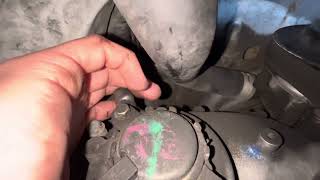
- Disconnect the battery. Locate the Bank 1 (passenger side) exhaust camshaft position sensor on the front timing cover (it is the lower sensor).
- Follow the TSB procedure to remove the sensor, place the shim, and reinstall.
- If the TSB does not apply or the shim does not fix the issue, inspect the sensor's wiring and connector for damage, melting, or corrosion.
- If wiring is good, swap the Bank 1 exhaust sensor with the Bank 2 exhaust sensor (driver's side, lower sensor). Reconnect the battery, clear the codes, and drive the vehicle.
- If the code returns as P0391, the sensor you moved is faulty and needs to be replaced.
- If the P0366 code returns, the problem lies in the wiring, reluctor ring, or ECM for Bank 1.
Parts You'll Likely Need
- Camshaft Position Sensor Shim Kit
(OEM #SU003-04600)— This is the most likely fix for 2013 models due to the known clearance issue described in TSB S-SB-0013-14. The kit contains the necessary 0.2mm shim.
Trusted brands: Subaru/Toyota OEM
OEM price range: $10-$30
Aftermarket price range: N/A - Exhaust Camshaft Position Sensor
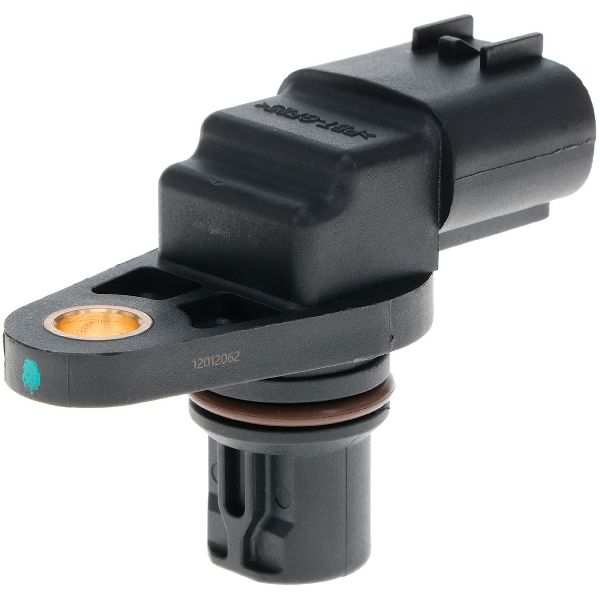
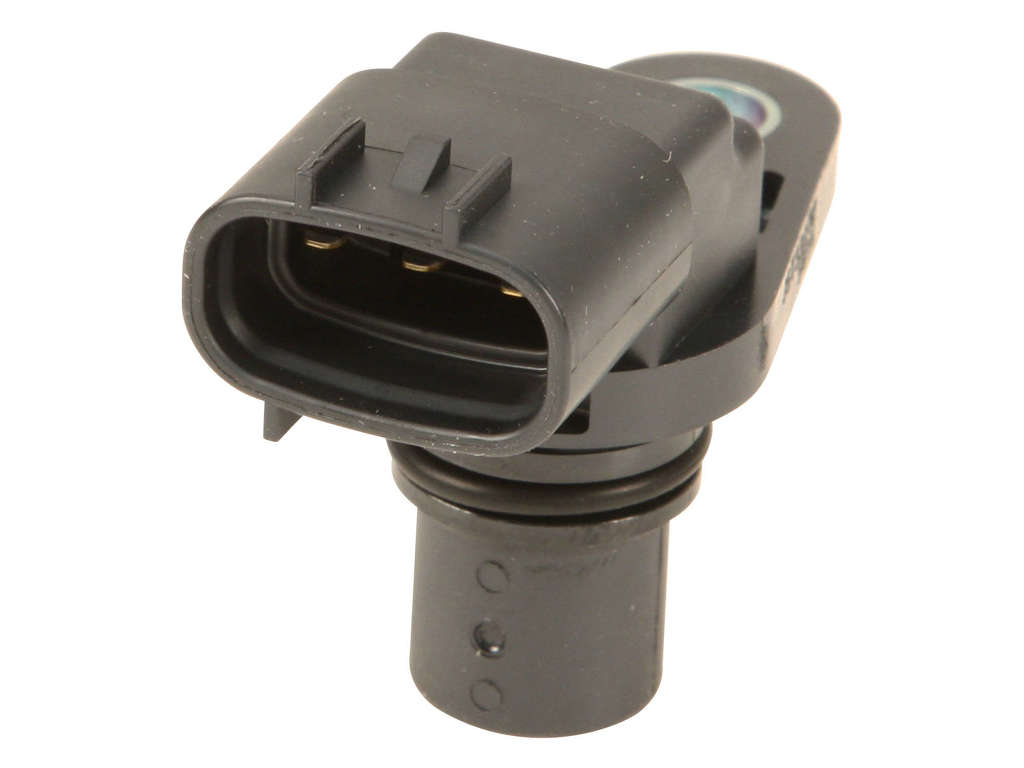
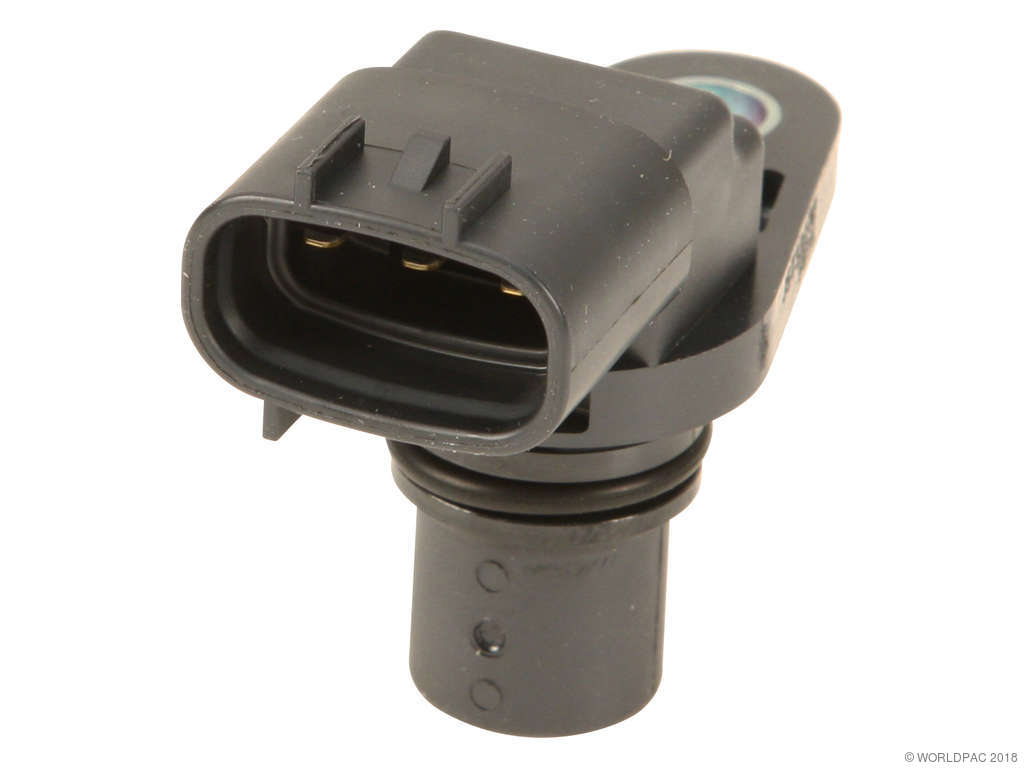
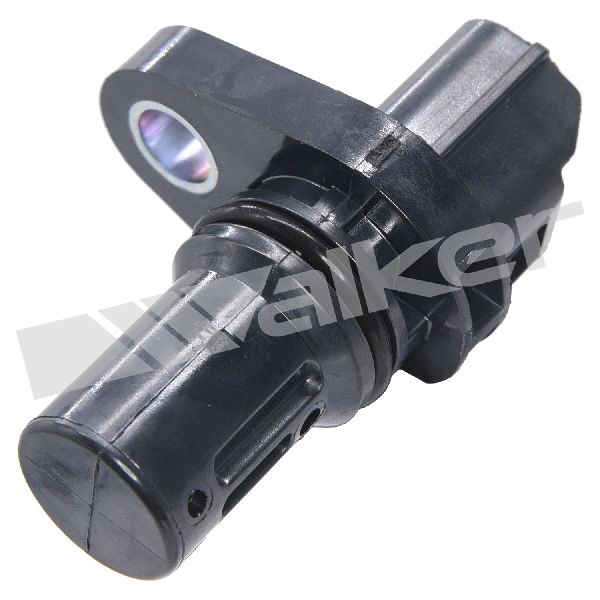
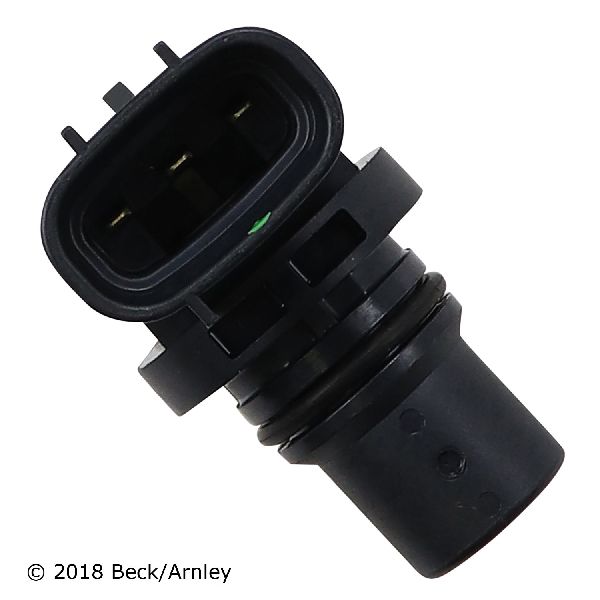
(OEM #SU003-00414 (Toyota) / 22056AA270 (Subaru))— If the sensor itself has failed electronically, it will need to be replaced. This is the second most common cause after the clearance issue.
Trusted brands: Denso (OEM), NGK, Hitachi
OEM price range: $95-$126
Aftermarket price range: $30-$80
Related Codes That Often Appear With This One
- P0391 — This is the same code but for Bank 2 (driver's side). Seeing both P0366 and P0391 together points to a common issue affecting both exhaust cam sensors, such as the TSB clearance issue on both sides or an ECU problem after an engine swap.
- P0341, P0346 — These are codes for the intake camshaft position sensors. Seeing them with P0366 suggests a wider problem, potentially related to the TSB which covers all cam sensors.
- P0301, P0302 — These are misfire codes for cylinders 1 and 2 (Bank 1). Incorrect cam timing from the faulty sensor signal can directly cause misfires on that bank. The TSB explicitly lists these codes as appearing together.
- P0365, P0340, P0341 — Seeing all four camshaft sensor codes together is highly unusual and points towards a significant wiring harness problem or a major mechanical failure, such as a broken timing chain.
Technical Service Bulletins (TSBs) & Recalls
- S-SB-0013-14: Addresses potential for rough idle, hard start, and multiple camshaft sensor DTCs (including P0366) due to incorrect sensor clearance on 2013 FR-S models before VIN JF1ZAA1#D#721474.
- 11-130-13R: The Subaru equivalent TSB for 2013 BRZ models before VIN D*607924, covering the exact same sensor clearance issue.
Platform-Specific Known Issues
- Technical Service Bulletin S-SB-0013-14 (which supersedes S-SB-0033-13) was issued for some 2013 FR-S models due to camshaft position sensor clearance being out of specification, causing codes like P0366.
- The Subaru equivalent TSB for the 2013 BRZ is 11-130-13R, which details the same problem and repair procedure.
Mechanic-Grade Diagnostic Values
- Camshaft Position Sensor Resistance — expected: 1-2 kΩ. Failure: A reading outside this range indicates a faulty sensor.
- Camshaft Position Sensor Connector Voltage (Power Wire) — expected: ~5V with key on, engine off. Failure: No voltage or significantly lower voltage points to a wiring or ECM issue.
- Camshaft Position Sensor Connector Voltage (Ground Wire) — expected: ~12.6V (Battery Voltage) when testing between the positive battery terminal and the ground pin. Failure: A reading other than battery voltage indicates a poor ground connection.
- Intake Camshaft Position Sensor Air Gap Clearance — expected: 1.25 to 1.35 mm (0.049 to 0.053 in.). Failure: A clearance outside this range requires adding a shim, as per TSB S-SB-0013-14.
Scan Tool Commands That Help
- Toyota Techstream: Active Test — Can be used to command actuators like the AVCS (VVT) solenoids to function, helping to determine if the mechanical system is responding correctly, separate from the sensor's reading.
- Toyota Techstream: Health Check / Read DTCs — To perform a full system scan and read manufacturer-specific codes that a generic scanner might miss.
- Toyota Techstream: Clear ECM Memory — After a repair, such as installing a shim or replacing a sensor, the TSB specifies clearing the ECM memory to ensure the code does not immediately return due to learned values.
Wiring & Ground Locations
- Engine Ground Straps — There are three primary engine grounds: one on each side of the front, bottom of the engine going to the frame rail, and one from the top-rear of the passenger side engine/transmission area to the transmission tunnel.. A loose or corroded ground strap, particularly the one often forgotten during clutch jobs on top of the transmission, can cause erratic sensor readings and intermittent electrical faults throughout the engine management system.
- ECM (Engine Control Module) — Located at the right end of the dash (passenger side).. This is the termination point for the camshaft position sensor wiring. All voltage and signal tests ultimately trace back to the pins on this module.
- Direct Injector Driver — Mounted on the engine.. This component grounds through its own casing. If it becomes loose, it can introduce electrical noise and grounding issues that may affect other nearby sensor circuits.
Real Owner Repair Stories
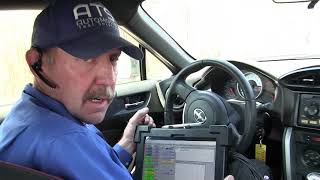
- Automotive Test Solutions on YouTube (2013 Scion FR-S) — Check Engine Light with code P0016 (Crankshaft Position - Camshaft Position Correlation Bank 1 Sensor 'A') after a used engine was installed.
❌ Tried (didn't work) The shop that installed the engine was unable to diagnose the correlation fault.
✅ What actually fixed it Using a multi-channel oscilloscope to compare the crank sensor signal with all four cam sensor signals, the technician identified that the Bank 1 intake cam's timing was incorrect relative to the crankshaft and the other camshafts, indicating a mechanical timing issue with the replacement engine.
OEM Part Supersession History
S-SB-0033-13→S-SB-0013-14— The TSB for the camshaft sensor clearance issue was updated.
Helpful Videos
We Have This Part in Stock


The information in this article is provided for general reference and educational purposes only. Vehicle specifications, procedures, and part compatibility can vary by production date, trim level, and region. Always consult your vehicle's factory service manual and verify part numbers before purchasing or performing repairs. Safety-critical components such as airbags, seat belts, and braking systems should be installed by a qualified professional.
- Scion FR-S:
- 🧭 Diagnostic Flowchart
- 🎬 Helpful Videos
- 🛍️ Shop This Part
- What's Unique About the 2013-2013 Scion FR-S
- Symptoms You May Notice
- Most Likely Causes
- Rare But Worth Checking
- Diagnosis Steps
- Parts You'll Likely Need
- Related Codes That Often Appear With This One
- Technical Service Bulletins (TSBs) & Recalls
- Platform-Specific Known Issues
- Mechanic-Grade Diagnostic Values
- Scan Tool Commands That Help
- Wiring & Ground Locations
- Real Owner Repair Stories
- OEM Part Supersession History
- 🎟️ Get 5% Off