

P0369 on 2017 Chrysler Pacifica: Camshaft Sensor 'B' Intermittent Causes and Fixes
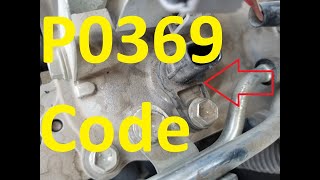
This code indicates an intermittent signal from the exhaust camshaft position sensor on Bank 1 (the rear cylinder bank, closer to the firewall). The most common fix is replacing the sensor itself, which is a DIY-friendly job costing between $40 and $100. However, a PCM software update may also be required, as outlined in Chrysler TSB #18-002-19 REV A. Deeper mechanical issues unique to the Pentastar engine, like failing rocker arms or oil pressure problems, can also trigger this code and should
- P0369 specifically points to the exhaust camshaft sensor on the rear cylinder bank (Bank 1).
- The most likely cause is a faulty sensor, which is relatively inexpensive and accessible for DIY replacement.
- Before replacing parts, check for loose wiring or oil in the sensor's connector.
- A Chrysler dealer may need to perform a software update (per TSB #18-002-19 REV A) to prevent the code from returning, as the original programming was overly sensitive.
- Always check your engine oil level, as low oil can affect the timing system and trigger this code.
What's Unique About the 2017-2017 Chrysler PACIFICA
The 3.6L Pentastar engine in the Pacifica is known for being sensitive to camshaft position sensor faults. Chrysler acknowledged this by issuing Technical Service Bulletin #18-002-19 REV A, which included a software update for the PCM. This update changed P0369 from a 'one-trip' to a 'two-trip' fault, meaning the error must be detected on two separate driving cycles before the check engine light comes on, reducing false alarms from minor, temporary glitches. Furthermore, this engine is known for mechanical issues like rocker arm bearing failure ('Pentastar tick') and oil pressure problems which can manifest as electronic codes like P0369 long before the mechanical failure becomes obvious.
Diagnostic Flowchart
Tap your situation to follow the diagnostic path that matches what you're seeing on this vehicle.
Symptoms You May Notice
- Check Engine Light is on
- Engine stalling, especially at low speeds or when coming to a stop
- Rough or erratic idle
- Hard starting or long crank times
- Hesitation or stumbling during acceleration
- Reduced engine power or entering 'limp mode', sometimes limiting speed to ~50 MPH
- Traction control light may illuminate simultaneously with the Check Engine Light
- Engine Stop/Start (ESS) system may be disabled
- Replacing the wrong camshaft sensor (e.g., the intake sensor on Bank 1, or any sensor on Bank 2, the front bank).
- Replacing the crankshaft position sensor instead of the camshaft position sensor.
- Immediately blaming the sensor when the root cause is a wiring/connector issue, outdated software, or a deeper mechanical problem like low oil pressure or failing rocker arms.
Most Likely Causes
- Failing Camshaft Position Sensor 🔴 High Probability → Shop Engine Camshaft Position Sensor The sensors are exposed to significant heat and vibration at the top of the engine, and can fail internally over time. Oil contamination is also a common cause of failure. This is the most frequent cause for this code.
How to confirm: After checking wiring, the most practical test for a DIYer is to replace the sensor. A professional can use an oscilloscope to view the sensor's signal pattern for dropouts. Swapping the suspect sensor with an identical one from another bank (e.g., Bank 2 exhaust) can also confirm the fault; if the code changes to P0394 (Bank 2 Sensor B), the sensor is bad.
Typical fix: Replace the Bank 1 exhaust camshaft position sensor. It is held in by a single T30 Torx bolt. Using an OEM Mopar sensor is highly recommended to avoid compatibility issues.
Est. part cost: $40-$100 - Wiring Harness or Connector Issue 🟡 Medium Probability The engine cover and extreme heat cycles can cause wiring to become brittle or connectors to become loose or contaminated with oil. Intermittent faults are often traced to wiring problems.
How to confirm: Visually inspect the wiring harness leading to the sensor for any signs of cracking, chafing, or melting. Check that the electrical connector is securely clipped and free of corrosion or oil inside. Perform a 'wiggle test' on the harness and connector with the engine running while monitoring sensor data on a scan tool to see if the signal drops out.
Typical fix: Repair the damaged section of wire or clean the connector terminals with electrical contact cleaner. If the connector is broken or oil-soaked, it may need to be replaced (spliced in).
Est. part cost: $5-$50 - PCM Software is Outdated 🟡 Medium Probability Chrysler released TSB #18-002-19 REV A to address overly sensitive fault detection for this and other codes. If the vehicle's software has not been updated, it may be more prone to setting this code from minor, transient signal glitches.
How to confirm: A Chrysler dealership or a properly equipped independent shop can check the vehicle's current software version against the latest available version using a wiTECH scan tool.
Typical fix: Reprogram the Powertrain Control Module (PCM) with the updated software as per the TSB. This is often the first step a dealer will take.
Est. part cost: $0-$200 - Low or Dirty Engine Oil ⚪ Low Probability The camshaft phasers, which adjust cam timing, are operated by oil pressure. If the oil is low, dirty, or the wrong viscosity, the phasers may not operate correctly, causing a timing discrepancy that can trigger a sensor code. The Pentastar VVT system is particularly sensitive to oil quality.
How to confirm: Check the engine oil level on the dipstick and review service records to ensure the correct oil viscosity (meeting Chrysler MS-6395 spec) and a quality filter are being used. A user on a forum traced a similar code to a dislodged oil filter cap bypass valve 🎬 See how oil issues can trigger camshaft sensor codes from a previous oil change.
Typical fix: Perform an oil and filter change with the correct specification oil and a quality filter. Ensure the oil filter and cap assembly are installed correctly.
Est. part cost: $50-$100
Rare But Worth Checking
- Failing Rocker Arms/Lifters: The 3.6L Pentastar engine is known for potential rocker arm bearing failure, which creates a ticking noise. In advanced stages, this can cause camshaft lobe damage, altering the rotation pattern and triggering cam sensor codes like P0369 as a symptom of the mechanical issue. When removing the sensor, check its magnetic tip for fine metal shavings, which can indicate this type of internal wear.
- Loose Oil Galley Bolts: A known issue on some Pentastar engines involves oil galley bolts located under the valve cover working themselves loose. This causes a loss of oil pressure to the VVT phasers on that bank, leading to erratic camshaft timing and triggering codes like P0369. A user on a forum fixed a persistent P0369 by removing the valve cover and tightening a loose oil galley bolt.
- Damaged Camshaft Tone Ring: → Shop Engine Camshaft The tone ring (or reluctor wheel) is a notched wheel on the camshaft that the sensor reads. If it is damaged, has slipped, or has become magnetized from improper tools, it can cause an erratic signal. This is rare and usually only occurs if there has been major engine work or a catastrophic failure.
- Faulty Powertrain Control Module (PCM): → Shop Engine Control Module (ECM) In very rare cases, the PCM itself can have an internal fault in the sensor's circuit. This should only be considered after all other possibilities, including wiring and software, have been exhaustively ruled out.
Diagnosis Steps
- Confirm the code P0369 is present using an OBD-II scanner and check for any other related codes.
- Check the engine oil level and condition. Ensure it is full, clean, and of the correct viscosity. Top off or change if necessary.
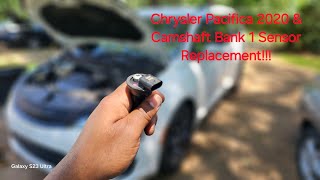
- Locate the Bank 1 exhaust camshaft position sensor. On the 3.6L V6 in the FWD Pacifica, Bank 1 is the rear bank against the firewall. The exhaust sensor 🎬 Watch: Locate and replace Bank 1 and 2 sensors ('B' or '2') is one of the two sensors on that valve cover.
- Carefully inspect the sensor's electrical connector for a secure fit, and check for any corrosion, oil contamination, or pushed-out pins. Perform a 'wiggle test' on the connector and nearby harness with the engine running to see if it triggers the fault.
- Trace the wiring harness from the sensor as far as possible, looking for any signs of damage, chafing against other components, or melting.
- If wiring appears intact, consider swapping the sensor with the identical sensor from Bank 2 (front bank) exhaust position. Clear codes and drive. If the code returns as P0394 (Bank 2, Sensor B), the original sensor is confirmed faulty.
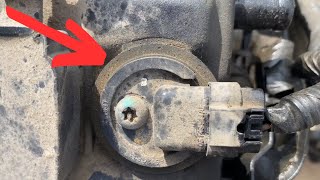
- If the sensor is deemed faulty, replace it. It is held by a single T30 Torx bolt. 🎬 Watch: Quick 3-minute DIY fix for the P0369 code When removing the old sensor, inspect the magnetic tip for any metal shavings, which could indicate a more severe internal engine problem like failing rocker arms.
- After replacement, clear the code and perform a test drive. Some sources suggest a cam/crank relearn procedure may be needed with a capable scan tool.
- If the code persists, check with a dealer if TSB #18-002-19 REV A (PCM software update) has been performed. If not, this is the next logical step.
- If the TSB has been performed and the code still returns with a new sensor and good wiring, the cause is likely mechanical. Inspect for loose oil galley bolts under the Bank 1 valve cover. Also, check for excessive camshaft end play or a failing camshaft phaser, which often requires a more in-depth teardown.
Parts You'll Likely Need
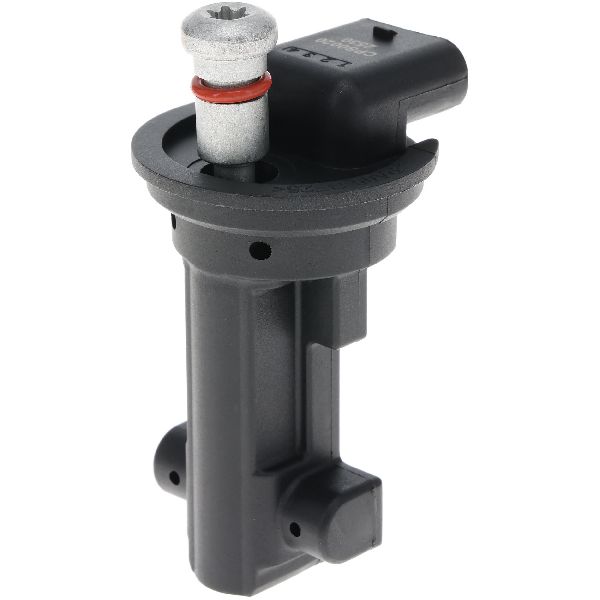
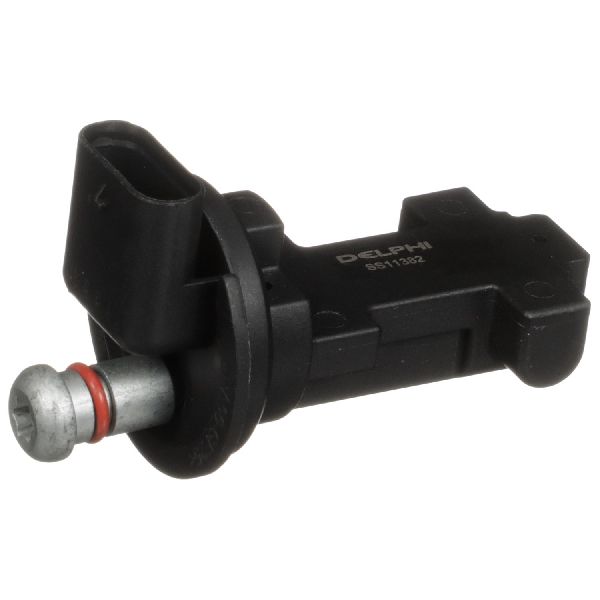
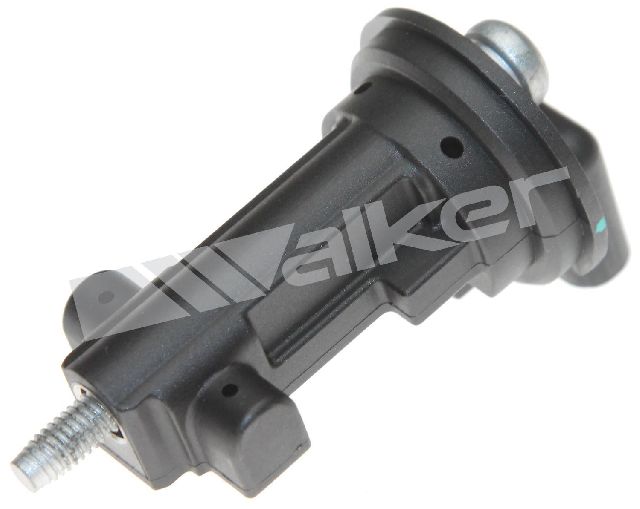
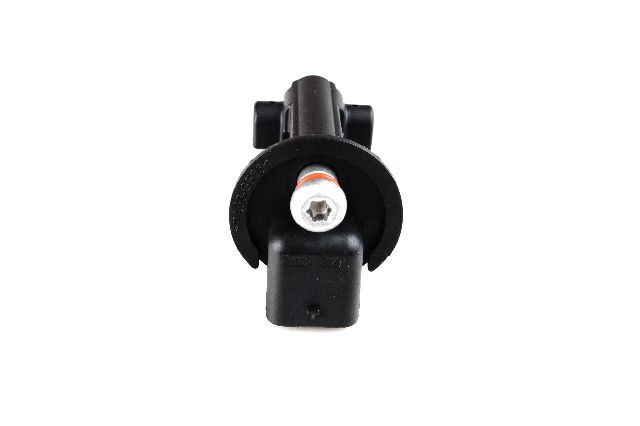
- Camshaft Position Sensor
(OEM #5149141AF)— This sensor is the most frequent point of failure for code P0369 due to its electronic nature and exposure to engine heat and vibration. The OEM Mopar part is widely reported to be more reliable than aftermarket alternatives for this specific application.
Trusted brands: Mopar (OEM), NTK, Delphi, Hitachi, Dorman
OEM price range: $70-$100
Aftermarket price range: $40-$80
Related Codes That Often Appear With This One
- P0365 — This code is for 'Camshaft Position Sensor Circuit - Bank 1 Sensor 2'. It indicates a persistent circuit fault (like a broken wire), whereas P0369 indicates an intermittent fault. They often appear together because an intermittent issue can sometimes look like a hard fault to the PCM. Both codes were addressed in TSB #18-002-19 REV A.
- P0344 — This is the intermittent code for the *intake* camshaft sensor on the same bank (Bank 1). If both appear, it could point to a shared wiring or power supply issue for that cylinder bank, or a more serious mechanical issue like a failing cam phaser on that bank.
- P0016 / P0017 — These codes indicate a correlation problem between the crankshaft and camshaft positions. If P0369 appears with these, it strongly suggests a base mechanical timing issue (e.g., stretched timing chain, failing camshaft phaser) rather than just an isolated sensor failure.
- P06DD — This code indicates an issue with the dual-stage oil pump. Low oil pressure can affect the camshaft phasers, leading to timing-related codes like P0369.
Technical Service Bulletins (TSBs) & Recalls
- 18-002-19 REV A: Involves reprogramming the PCM with updated software that changes P0369 to a two-trip fault to reduce false check engine lights, among other updates for various DTCs.
- 1806917: Also involves a PCM software update for powertrain diagnostic and system enhancements for vehicles built on or before June 29, 2017.
Platform-Specific Known Issues
- TSB #18-002-19 REV A and #1806917 involve a PCM software update to correct overly sensitive diagnostics for several camshaft position sensor codes, including P0369. This suggests the original software was prone to setting false codes.
- The sensor for Bank 1 (rear bank) is more difficult to access than the sensors for Bank 2 (front bank). While some mechanics state the upper intake manifold must be removed for access, many DIYers report successfully changing it with socket extensions and a swivel, though it is a tight fit.
- Persistent P0369 after sensor replacement on a high-mileage 3.6L Pentastar should lead to investigation of mechanical issues like failing rocker arms/lifters or loose oil galley bolts under the valve cover.
Mechanic-Grade Diagnostic Values
- Camshaft Position Sensor Power Supply Voltage — expected: ~5.0 Volts DC with key on, engine off.. Failure: Voltage significantly below 5V or no voltage indicates a wiring or PCM issue.
- Camshaft Position Sensor Ground Circuit Resistance — expected: Less than 3 Ohms to chassis ground.. Failure: High resistance (OL) indicates an open or poor ground connection.
- Camshaft Position Sensor Signal Voltage (Static) — expected: ~5.0 Volts DC with key on, engine off, sensor connected.. Failure: No voltage or low voltage may indicate a faulty sensor or wiring issue.
- Camshaft Position Sensor Signal Voltage (Dynamic) — expected: Voltage should drop from ~5V to near 0V when a magnet or metal object is passed directly in front of the sensor tip.. Failure: Voltage does not drop, indicating a failed sensor.
- Camshaft Position Sensor Connector Pinout (Verify with diagram) — expected: Typically a 3-wire connector: Pin 1 = 5V Supply, Pin 2 = Signal, Pin 3 = Ground.. Failure: Testing the wrong pin will lead to incorrect diagnosis.
Scan Tool Commands That Help
- Chrysler wiTECH: PCM Flash / Reprogramming — To apply software updates like TSB #18-002-19 REV A, which adjusts the sensitivity of the fault monitoring to prevent false codes from minor signal glitches.
- Professional Scan Tool (e.g., wiTECH, Snap-on, Autel): Cam/Crank Relearn (or Re-synchronize Phasers) — After replacing a camshaft sensor, crankshaft sensor, or timing components to ensure the PCM has the correct baseline correlation between the components.
- Oscilloscope / Guided Component Tester: Camshaft Sensor Signature Test — To visually inspect the sensor's square wave signal in real-time. This is the definitive way to spot intermittent dropouts, glitches, or a deformed pattern that would not be visible with a multimeter.
Wiring & Ground Locations
- Camshaft Sensor Circuit Ground — The ground for the camshaft position sensors is provided by the PCM. On similar 3.6L applications, this has been traced to Pin 86 of the main engine control unit connector.. A poor ground connection at the PCM can cause intermittent and erratic signals for both camshaft sensors, which share a common ground path.
- G917A — Under the battery and battery tray area, connected to the chassis.. A TSB for a newer Pacifica identifies this as a key ground point where a poor seal can lead to corrosion and various electrical faults. While not directly linked to P0369, checking major ground points is critical when diagnosing any intermittent electrical code.
Real Owner Repair Stories
- JK-Forum.com users (2013 Jeep Wrangler (with 3.6L Pentastar engine, similar to Pacifica)) — Persistent P0369 code, sometimes causing limp mode.
❌ Tried (didn't work) Swapping camshaft position sensors, ECU software update, Re-synchronizing cam phasers
✅ What actually fixed it One user's final fix was replacing the sensor's pigtail connector, which had a wiring issue. Another user in the same discussion traced their persistent P0369 to a loose oil galley bolt under the valve cover; tightening it resolved the code.
When the Usual Fixes Don't Work
- While replacing the sensor or updating the PCM software are the most common fixes, real-world mechanic and owner experiences show a high probability that a persistent P0369 code is a symptom of a deeper mechanical issue. In cases where the code returns after replacing the sensor, the root cause is often found to be a loose oil galley bolt under the valve cover causing an oil pressure drop to the phasers, or a failing camshaft phaser itself. These mechanical issues create timing deviations that the PCM interprets as an intermittent electrical fault from the sensor.
OEM Part Supersession History
5149141AF→N/A— This is the widely listed OEM Mopar part number for the camshaft position sensor for the 2017 Pacifica 3.6L.
Heads up: The four camshaft position sensors (Bank 1/2, Intake/Exhaust) on the 3.6L Pentastar are often the same part number and can be interchanged for diagnostic purposes. However, always confirm the part number for the specific position before purchasing.
Helpful Videos


![How to Fix P0369 Engine Code in 3 Minutes [2 DIY Methods / Only $9.67]](https://img.youtube.com/vi/M2YZKhK2ij4/mqdefault.jpg)
We Have This Part in Stock


The information in this article is provided for general reference and educational purposes only. Vehicle specifications, procedures, and part compatibility can vary by production date, trim level, and region. Always consult your vehicle's factory service manual and verify part numbers before purchasing or performing repairs. Safety-critical components such as airbags, seat belts, and braking systems should be installed by a qualified professional.
- Chrysler PACIFICA:
- 🧭 Diagnostic Flowchart
- 🎬 Helpful Videos
- 🛍️ Shop This Part
- What's Unique About the 2017-2017 Chrysler PACIFICA
- Symptoms You May Notice
- Most Likely Causes
- Rare But Worth Checking
- Diagnosis Steps
- Parts You'll Likely Need
- Related Codes That Often Appear With This One
- Technical Service Bulletins (TSBs) & Recalls
- Platform-Specific Known Issues
- Mechanic-Grade Diagnostic Values
- Scan Tool Commands That Help
- Wiring & Ground Locations
- Real Owner Repair Stories
- When the Usual Fixes Don't Work
- OEM Part Supersession History
- 🎟️ Get 5% Off