

P0369 on 2020-2021 Ford Escape: Intermittent Cam Sensor Circuit Causes & Fixes
On a 2020-2021 Ford Escape, code P0369 is most often caused by a chafed wiring harness near the steering shaft, not a bad sensor. Inspecting and repairing the '14290' harness as described in Ford Technical Service Bulletins is the most likely fix. This issue is common enough that it should be the first item checked.
- For a 2020-2021 Ford Escape, P0369 is more likely a wiring problem than a sensor problem.
- Always start your diagnosis by inspecting the wiring harness near the steering shaft for signs of rubbing or damage, as detailed in Ford TSBs.
- Symptoms include a rough idle, stalling, and difficulty starting.
- If other seemingly unrelated electrical codes are present, it further strengthens the case for the known wiring harness issue.
- Replacing the sensor is only recommended after the wiring harness has been thoroughly inspected and cleared of any faults.
What's Unique About the 2020-2021 Ford ESCAPE
For this specific generation of the Ford Escape, the P0369 code is strongly linked to a known manufacturing issue. Ford issued Technical Service Bulletins (TSBs) #SSM 50245 and #SSM 50116 warning technicians that a specific wiring harness (the 14290 engine harness) can rub against the steering shaft u-joint. This abrasion can expose wires, causing them to short out. This problem can trigger a wide array of seemingly unrelated trouble codes, including P0369, making it a common point of misdiagnosis where the sensor is replaced but the root cause (the wiring) is missed. The presence of multiple electrical codes alongside P0369 is a very strong indicator of this specific harness issue.
Diagnostic Flowchart
Tap your situation to follow the diagnostic path that matches what you're seeing on this vehicle.
Symptoms You May Notice
- Check Engine Light is on
- Engine runs rough or misfires, especially intermittently
- Engine stalls or hesitates during acceleration
- Difficulty starting the engine or extended cranking time
- Reduced engine power or fuel economy
- Vehicle may enter 'limp mode' with severely restricted power
- Replacing the camshaft position sensor without first inspecting the 14290 wiring harness for chafing. Given the TSBs for this specific vehicle, the wiring is a more probable cause than the sensor itself. Many owners and shops have replaced the sensor only to have the code return.
Most Likely Causes
- Wiring Harness Chafing at Steering Shaft 🔴 High Probability This is a documented issue in Ford TSBs #SSM 50245 and #SSM 50116. The '14290' harness is routed in a way that it can make contact with the steering shaft u-joint, leading to abrasion and short circuits. This is the most probable cause for this specific vehicle and code.
How to confirm: Visually inspect the wiring harness located directly above the steering shaft u-joint, near the upper brake pedal mount. This requires looking up from the driver's side footwell. Look for any signs of rubbing, exposed copper wires, or damage to the protective loom. The contact point is often with the u-joint itself.
Typical fix: Repair the damaged wires using approved solder and heat-shrink methods. Securely reroute the repaired harness away from the steering shaft using zip ties or protective conduit to prevent future contact. Ensure the harness has enough slack and is not pulled tight after being secured.
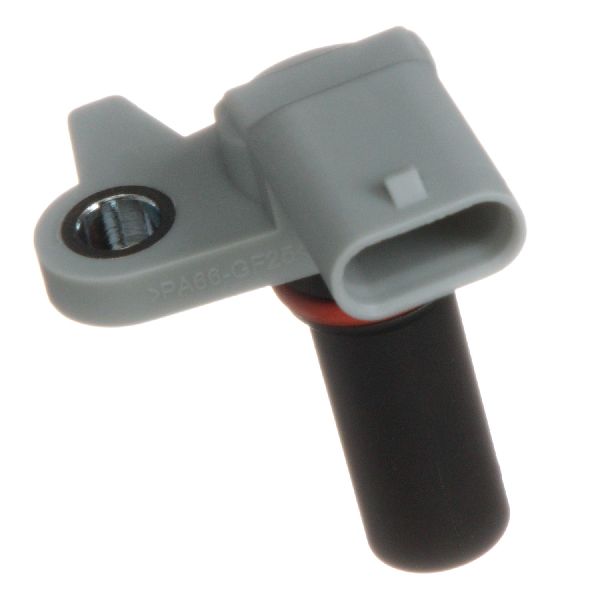
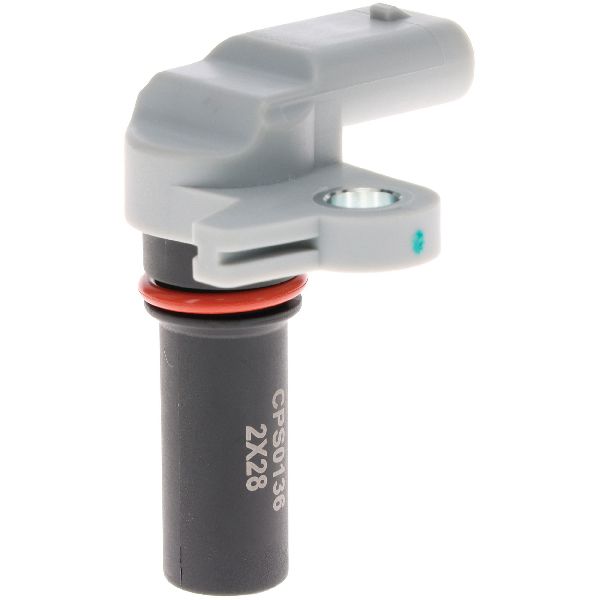
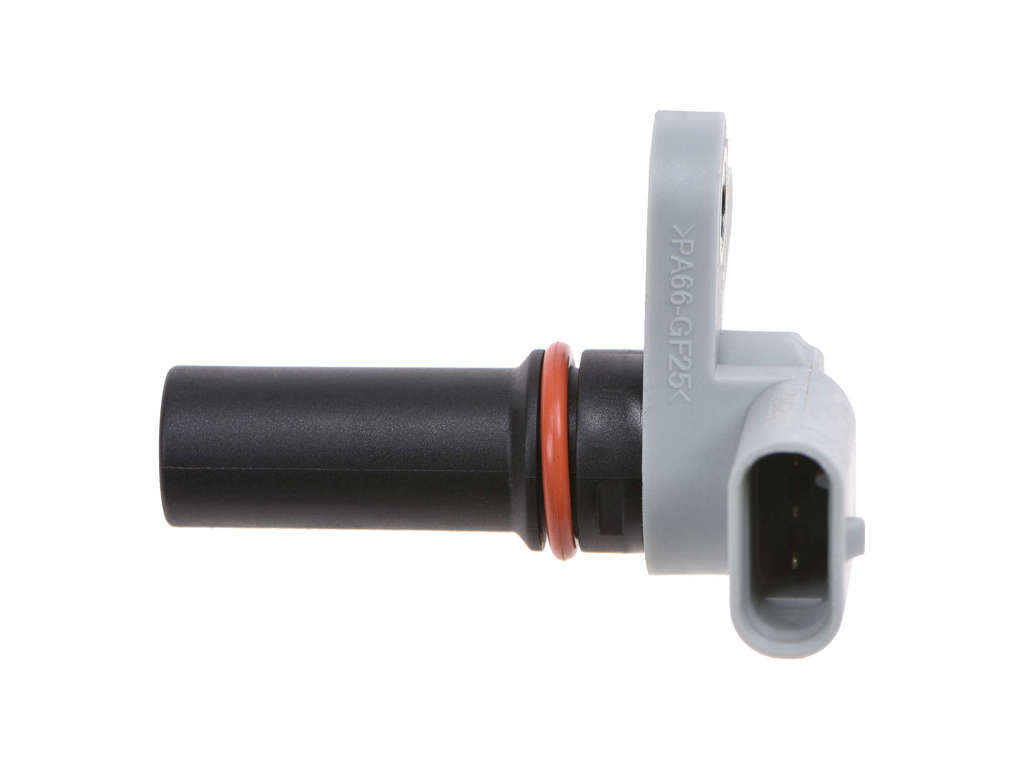
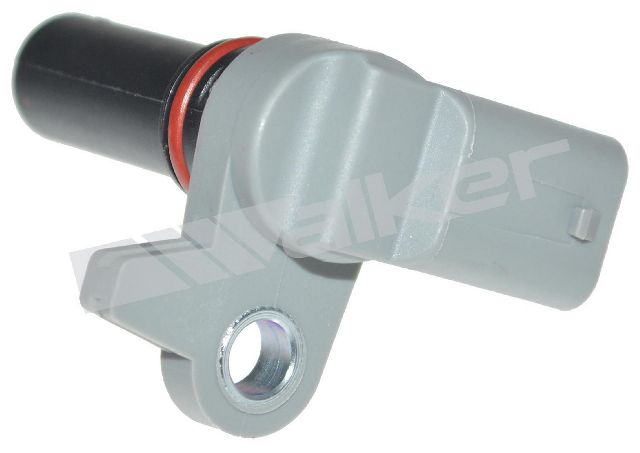
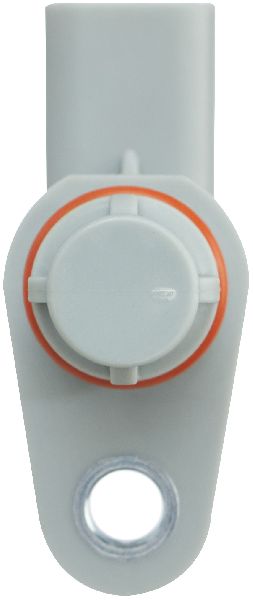
Est. part cost: $5-$25 - Faulty Camshaft Position Sensor 🟡 Medium Probability → Shop Engine Camshaft Position Sensor While less likely than the wiring issue on this platform, the sensor itself can fail due to heat, vibration, or internal defects over time.
How to confirm: If a thorough wiring harness inspection reveals no damage, the sensor is the next likely culprit. It can be tested with a multimeter for resistance or by observing its live data on a scan tool. A signal that drops out or is erratic indicates a failing sensor. Swapping the intake and exhaust sensors (if they are identical parts) can also help diagnose the issue; if the code changes to P0344 (Sensor 'A' intermittent), the sensor is bad.
Typical fix: Replace the Camshaft Position Sensor 'B' for Bank 1. This is typically held in by a single bolt.
Est. part cost: $40-$110 - Damaged Sensor Connector or Local Wiring ⚪ Low Probability
How to confirm: Visually inspect the connector at the camshaft position sensor for corrosion, bent pins, or loose connections. Wiggle the connector and nearby wiring while the engine is running to see if it affects engine behavior or triggers the code. Check for oil contamination inside the connector, which can disrupt the signal.
Typical fix: Clean the connector with electrical contact cleaner or repair the connector pigtail if the wires or pins are damaged. Ford offers pigtail kits for this purpose.
Est. part cost: $15-$50
Rare But Worth Checking
- Blown Fuse: The TSBs mention that the wiring harness issue can cause fuse 44 to blow. If you have multiple codes stored along with P0369, or a no-start condition, check the fuse box for any blown fuses related to the engine control circuits before proceeding with other diagnostics.
- Timing Chain/Belt Issue: → Shop Engine Timing Chain A stretched timing chain or a timing belt that has skipped a tooth can cause the camshaft and crankshaft signals to be out of sync, which may trigger this code. This is less likely on a newer vehicle and would usually be accompanied by other timing-related codes (like P0016) and potentially rattling noises from the engine.
- Powertrain Control Module (PCM) Fault: → Shop Engine Control Module (ECM) In very rare cases, the PCM itself can have an internal fault that prevents it from correctly interpreting the sensor's signal. This should only be considered after all other possibilities, especially the TSB-related wiring issue, have been exhaustively ruled out by a professional technician.
Diagnosis Steps
- Read all stored trouble codes with an OBD-II scanner. Take note of any other codes present, especially those listed in TSBs SSM 50245 and 50116.
- CRITICAL STEP: Thoroughly inspect the 14290 wiring harness in the area above the steering shaft u-joint, near the brake pedal support. Use a good light source. Look for any signs of abrasion, chafing, or exposed copper wires. This is the most likely cause on this vehicle.
- If harness damage is found, disconnect the battery. Repair the affected wires using solder and adhesive-lined heat-shrink tubing for a durable, sealed repair. Use tape and zip ties to secure the harness away from any moving parts, ensuring it cannot make contact again.
- If no harness damage is found, locate the exhaust camshaft position sensor ('Sensor B'). It is on the cylinder head, typically on the exhaust side. Inspect its electrical connector for damage, corrosion, or loose pins.
- Using a scan tool, monitor the live data for the Camshaft Position Sensor B signal (CMP B). Wiggle the harness and connector to see if the signal drops out, which would indicate an intermittent connection.
- If the wiring and connector are confirmed to be in good condition, replace the camshaft position sensor. It is typically held by one bolt. 🎬 Watch: How to fix the P0369 camshaft sensor circuit code
- Clear the trouble codes and perform a test drive, including highway speeds and turns, to ensure the problem is resolved.
Parts You'll Likely Need
- Camshaft Position Sensor
(OEM #HX7Z-6B288-A)— This is the sensor that is replaced if it fails after the wiring has been ruled out as the cause. This part number fits the 1.5L engine and may also fit other engines.
Trusted brands: Motorcraft, Bosch, Delphi, NTK
OEM price range: $65-$110
Aftermarket price range: $30-$70 - Electrical Tape and Zip Ties — Required for repairing and rerouting the chafed 14290 wiring harness, which is the most common fix.
OEM price range: $5-$15
Aftermarket price range: $5-$15 - Solder and Heat-Shrink Tubing Kit — For a proper, long-lasting repair of chafed wires, soldering is recommended over crimp connectors for reliability.
OEM price range: $10-$25
Aftermarket price range: $10-$25
Related Codes That Often Appear With This One
- P0340 — This code relates to the 'A' (intake) camshaft position sensor circuit. If the 14290 harness is damaged, it can affect multiple circuits simultaneously, as they are bundled together.
- P0344 — This is the intermittent version of the P0340 code, also pointing to a potential shared wiring problem.
- P0365 — This is the non-intermittent version of the P0369 code. Seeing both together strongly points to a persistent wiring or sensor issue.
- P06A7, P2122, P2127, and others — The TSBs list over 20 different codes that can be caused by the same chafing harness. The presence of multiple, seemingly unrelated electrical codes (for accelerator pedal position, A/C clutch, etc.) strongly points to this specific wiring issue.
Technical Service Bulletins (TSBs) & Recalls
- SSM 50245 - Mentions P0369 as a possible DTC resulting from a chafed 14290 harness near the steering shaft.
- SSM 50116 - An earlier version of the same bulletin, also identifying the chafed harness as a cause for P0369 and other codes.
Platform-Specific Known Issues
- TSB #SSM 50245 & #SSM 50116: Ford has identified that on some 2020-2021 Escapes, the engine wiring harness (part of the 14290 harness assembly) may contact the steering shaft u-joint. This can chafe the wiring, cause an open/short, and potentially blow fuse 44, leading to a rough running engine and a long list of potential DTCs, including P0369. The official repair is to inspect, repair, and secure the harness away from the shaft.
Mechanic-Grade Diagnostic Values
- Sensor Reference Voltage (KOEO) — expected: 4.8V - 5.2V. Failure: 0V indicates an open/short in the power supply wire from the PCM. Readings outside the expected range suggest a circuit issue or PCM fault.
- Sensor Signal Wire Voltage (Sensor Disconnected, KOEO) — expected: Approximately 5.0V. Failure: 0V indicates an open or short-to-ground in the signal wire between the sensor connector and the PCM.
- Sensor Ground Circuit (KOEO) — expected: Near 0 Ohms resistance to a known good ground, or ~12V when testing between the ground pin and the positive battery terminal.. Failure: High resistance indicates a poor ground connection, which can cause erratic signals.
- Sensor Signal (Backprobed, Engine Cranking/Running) — expected: A fluctuating digital signal (square wave) visible on an oscilloscope, or fluctuating voltage on a multimeter.. Failure: A flat line, no signal, or a signal that drops out intermittently indicates a faulty sensor or wiring issue.
Scan Tool Commands That Help
- Ford IDS (Integrated Diagnostic System): Power Balance Test — To identify if specific cylinders are underperforming due to the intermittent loss of the cam signal, which affects ignition and fuel timing. This helps confirm the impact of the fault on engine performance.
- Professional OBD-II Scanner with Live Data: Live Data Monitoring (CMP B PID) — Continuously monitor the camshaft position sensor's signal while performing a 'wiggle test' on the wiring harness to pinpoint the location of an intermittent open or short.
Wiring & Ground Locations
- 14290 Harness — The main engine wiring harness. The specific area of concern is routed above the steering shaft u-joint, accessible from the driver's side footwell near the brake pedal support.. This harness is cited in TSBs #SSM 50245 and #SSM 50116 as being prone to chafing against the steering shaft, causing shorts that trigger P0369 and many other codes.
- C175B — This is one of the main connectors at the Powertrain Control Module (PCM).. The 14290 harness, which contains the camshaft sensor wiring, plugs into the PCM at this connector. Checking for pin fitment issues or corrosion here is a valid diagnostic step if no damage is found elsewhere.
- Engine Block Ground — Typically a large gauge wire bolted directly to the engine block, often near the oil filter housing or on the side of the block.. A corroded or loose main engine ground can introduce electrical noise and resistance into the entire engine management system, potentially causing intermittent sensor faults like P0369.
Real Owner Repair Stories
- Carly Community Forum (2019 Ford Escape (187,031 km)) — Poor starting, reduced engine power, and a stored camshaft sensor error code.
❌ Tried (didn't work) A visual inspection of the wiring harness and connector did not reveal any obvious damage or corrosion.
✅ What actually fixed it A professional diagnosis confirmed a faulty cable connection at the camshaft sensor itself. The repair of the connection resolved the issue for a cost of 95€.
OEM Part Supersession History
HX7Z-6B288-A→No supersession found.— This appears to be the current and correct part number for the specified vehicle range.
Helpful Videos
We Have This Part in Stock


The information in this article is provided for general reference and educational purposes only. Vehicle specifications, procedures, and part compatibility can vary by production date, trim level, and region. Always consult your vehicle's factory service manual and verify part numbers before purchasing or performing repairs. Safety-critical components such as airbags, seat belts, and braking systems should be installed by a qualified professional.
- Ford ESCAPE:
- 🧭 Diagnostic Flowchart
- 🎬 Helpful Videos
- 🛍️ Shop This Part
- What's Unique About the 2020-2021 Ford ESCAPE
- Symptoms You May Notice
- Most Likely Causes
- Rare But Worth Checking
- Diagnosis Steps
- Parts You'll Likely Need
- Related Codes That Often Appear With This One
- Technical Service Bulletins (TSBs) & Recalls
- Platform-Specific Known Issues
- Mechanic-Grade Diagnostic Values
- Scan Tool Commands That Help
- Wiring & Ground Locations
- Real Owner Repair Stories
- OEM Part Supersession History
- 🎟️ Get 5% Off