

P0369 on 2012-2018 Ford Focus 2.0L: Exhaust Camshaft Sensor 'B' Intermittent Fault Causes and Fixes
On a 2012-2018 Focus 2.0L, code P0369 is most often a failing exhaust camshaft position sensor or a bad electrical connection to it. For 2012-2014 models, a known wiring harness chafing issue (TSB 18-2062) is a likely culprit. A new sensor is typically under $50 for an aftermarket part and is a simple DIY replacement.
- P0369 on your Focus points specifically to an intermittent signal from the exhaust camshaft position sensor, located at the back of the engine.
- The most likely cause is a faulty sensor, which is inexpensive and easy to replace.
- Before buying parts, swap the identical intake (front) and exhaust (rear) sensors. If the code changes to P0344, you have confirmed the sensor is bad. This is a free and highly effective diagnostic step.
- Always check the sensor's connector for damage or corrosion, as a bad connection is a common cause for intermittent codes.
- This is a very DIY-friendly repair, requiring only basic hand tools and about 15-20 minutes.
What's Unique About the 2012-2018 Ford Focus
The 2.0L GDI engine in the third-generation (Mk3) Ford Focus uses two camshaft position sensors that are identical and interchangeable. This is a key advantage for DIY diagnosis, as you can swap the intake and exhaust sensors to see if the fault code follows the sensor. This simple test can definitively confirm a bad sensor before you spend any money on parts. The code almost always points to the sensor on the exhaust side (rear of the engine).
Symptoms You May Notice
- Check Engine Light is on (may be intermittent)
- Engine runs rough or idles poorly
- Hesitation or stumbling during acceleration
- Loss of engine power
- Engine may be hard to start or experience extended cranking
- Intermittent stalling, especially when coming to a stop
- Decreased fuel economy
- Replacing the intake ('A') camshaft sensor instead of the exhaust ('B') sensor. Remember, 'B' is on the exhaust side at the rear of the engine.
- Replacing the crankshaft position sensor. This is a different sensor with a different function and codes.
- Immediately replacing the sensor without checking the wiring harness first. Up to 70% of intermittent electrical codes like P0369 can be caused by wiring or connector faults.
Most Likely Causes
- Failing Exhaust Camshaft Position Sensor ('B') 🔴 High Probability → Shop Engine Camshaft Position Sensor Sensors are exposed to significant heat and vibration at the back of the engine, leading to eventual electronic failure. It's a common wear-and-tear item. Multiple DIY repair videos confirm this is the most frequent fix.
How to confirm: Swap the exhaust (rear) sensor with the intake (front) sensor. Clear codes and drive. If the code changes to P0344 (Sensor 'A' Intermittent), the sensor is bad. If P0369 returns, the problem is in the wiring or elsewhere.
Typical fix: Replace the exhaust camshaft position sensor. It is recommended to use a high-quality OEM or reputable aftermarket part to avoid recurring issues.
Est. part cost: $25-$75 - Wiring Harness or Connector Issue 🔴 High Probability For 2012-2014 models, Ford issued TSB 18-2062 for a known issue where the engine harness can chafe against engine components, causing wires to short. On all years, the wiring is exposed to engine heat and vibration, which can cause wires to become brittle or connector pins to loosen or corrode over time, creating an intermittent connection.
How to confirm: Visually inspect the connector and wiring going to the exhaust camshaft sensor for any signs of corrosion, damage, or loose pins. For 2012-2014 models, specifically inspect the harness near ground G103 as detailed in TSB 18-2062. With the engine running, gently wiggle the connector and wiring (a 'wiggle test') to see if it causes the engine to stumble, which would indicate a poor connection.
Typical fix: Repair the damaged section of wiring or replace the connector pigtail. 🎬 See: How to rebuild electrical connectors For the issue in TSB 18-2062, the repair involves adding wire length and protecting the harness with split loom convolute. Ensure the connector is fully seated and the locking tab is engaged.
Est. part cost: $10-$30 - Low or Dirty Engine Oil ⚪ Low Probability The Variable Camshaft Timing (VCT) system uses oil pressure to adjust cam timing. While less likely to cause a purely intermittent electrical code, very low or sludgy oil can cause erratic VCT operation, which may indirectly trigger timing-related sensor codes.
How to confirm: Check the engine oil level and condition using the dipstick. If the oil is very low, black, or sludgy, it should be changed.
Typical fix: Perform an oil and filter change using the correct grade of oil (5W-20 Synthetic Blend).
Est. part cost: $40-$80
Rare But Worth Checking
- Failing VCT Solenoid: A sticky or failing exhaust VCT solenoid can cause the camshaft to be in a position the PCM doesn't expect, which can sometimes be misinterpreted as a sensor signal issue. This will usually be accompanied by other VCT-specific codes (e.g., P0010-P0017) and symptoms like a rough idle that may stabilize after an oil change. Resistance should be between 6.9 and 7.9 ohms.
- Timing Chain/Phaser Issue: → Shop Engine Timing Chain In higher-mileage vehicles, a stretched timing chain or worn camshaft phaser could cause the cam timing to be erratic enough to set this code, but this is a much more serious mechanical issue that would likely present with significant engine noise (rattling), especially on cold starts.
- Powertrain Control Module (PCM) Fault: → Shop Engine Control Module (ECM) This is extremely rare. The PCM is the last thing to suspect after all other possibilities, including wiring, have been exhaustively ruled out. A PCM fault could involve a failing internal driver or corrupted firmware.
Diagnosis Steps
- Check the engine oil level and condition. Top up or change if necessary.
- Scan for any other stored trouble codes to see if P0369 is part of a larger problem.
- Locate the exhaust camshaft position sensor ('B') on the rear of the cylinder head.
- Visually inspect the sensor's electrical connector and wiring for any obvious signs of damage, corrosion, or looseness. Pay close attention to the harness routing, especially on 2012-2014 models, per TSB 18-2062.
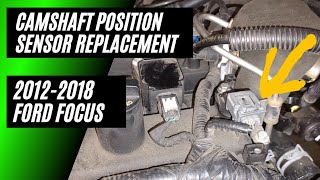
- Diagnostic Swap: Disconnect and remove both the intake (front) and exhaust (rear) camshaft position sensors. They are held by a single 8mm bolt each. 🎬 Watch: Step-by-step camshaft sensor replacement guide Swap their positions.
- Clear the codes and drive the vehicle. If code P0344 (Sensor 'A' Intermittent) appears, the sensor you moved to the front is faulty and needs replacement.
- If the original P0369 code returns after the swap, the sensor is likely good. The problem is in the wiring to the exhaust sensor or, rarely, the PCM.
- If wiring is suspected, use a multimeter to check for correct voltage (typically 5V reference) and ground at the connector with the key on. Perform a 'wiggle test' on the harness while monitoring sensor data on a scan tool to pinpoint intermittent breaks.
Parts You'll Likely Need
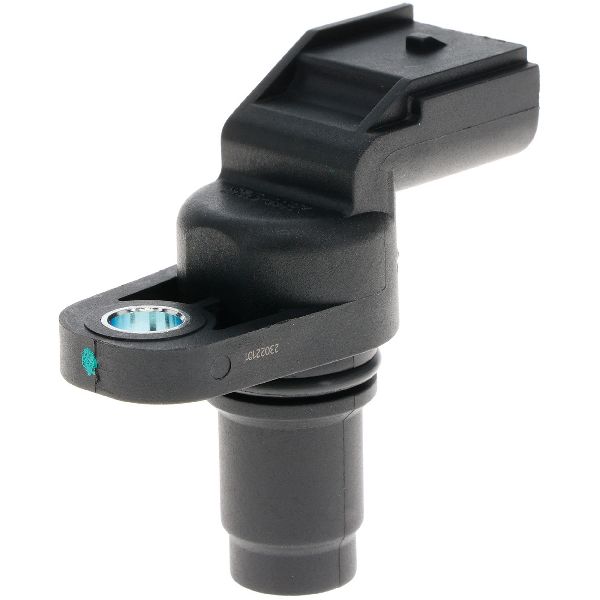
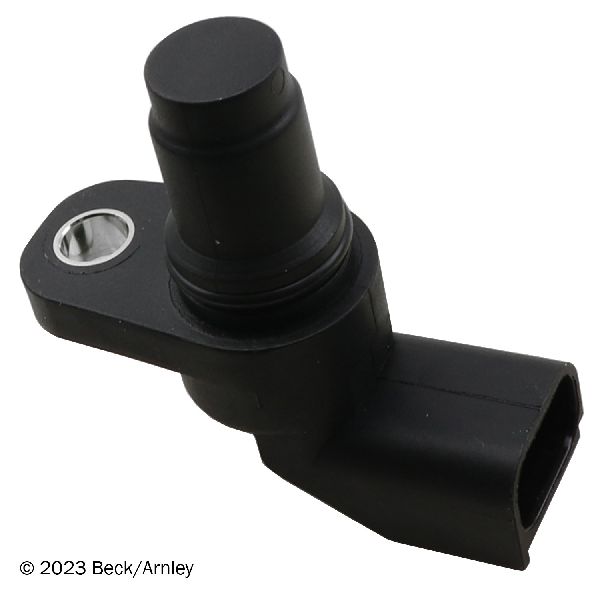
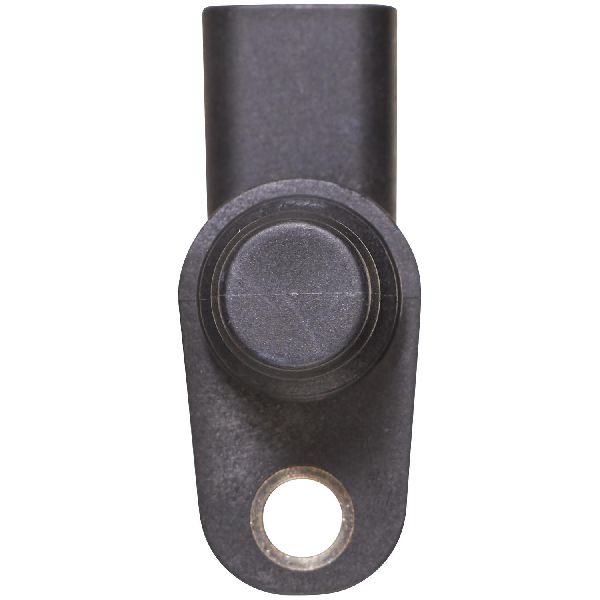
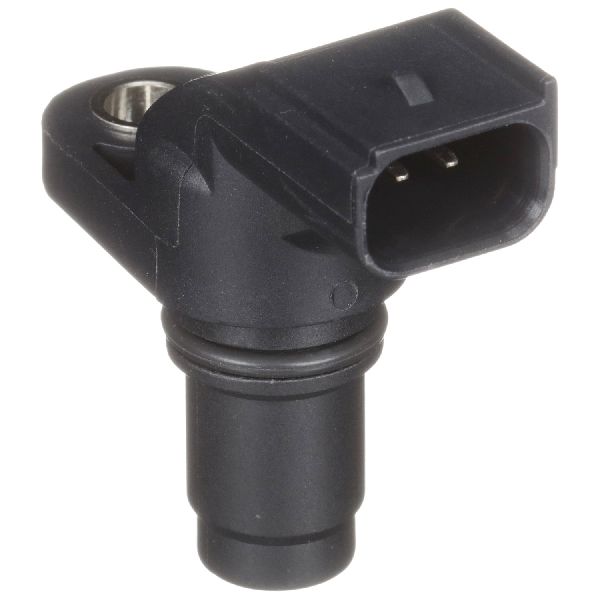
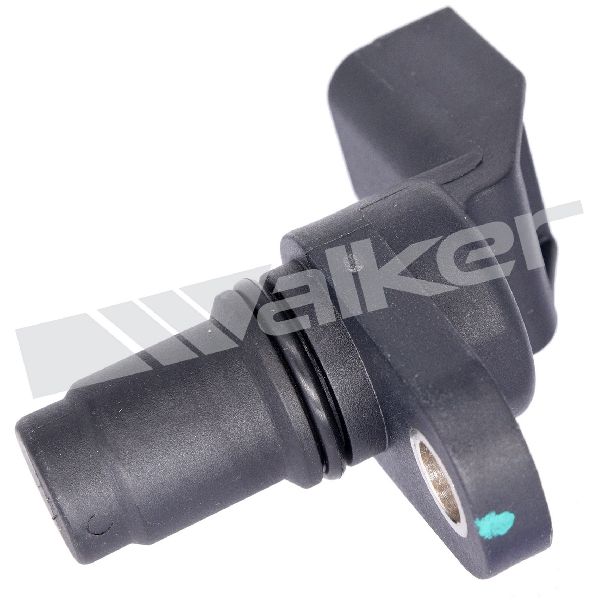
- Camshaft Position Sensor
(OEM #CM5Z-6B288-A)— This is the most common cause of P0369. The sensor fails electronically from heat and vibration over time.
Trusted brands: Motorcraft (OEM), Bosch, NTK/NGK, Delphi, Standard Motor Products (SMP)
OEM price range: $50-$80
Aftermarket price range: $25-$50
Related Codes That Often Appear With This One
- P0365 — P0365 is 'Camshaft Position Sensor 'B' Circuit'. P0369 indicates the fault is intermittent, while P0365 indicates it's a hard or constant fault. They both point to the same sensor and circuit, and it's common to see one turn into the other.
- P0344 — This is the intermittent code for the intake sensor ('A'). If you perform the diagnostic swap and P0344 appears, it confirms the original exhaust sensor is faulty.
Technical Service Bulletins (TSBs) & Recalls
- TSB 18-2062: Specifically for 2012-2014 Focus 2.0L GDI, addresses rough running, loss of power, and a list of DTCs including P0369 caused by the engine wiring harness chafing. The fix involves repairing and protecting the harness.
- TSB Bulletin #TSB18-2062: A manufacturer service bulletin notes that this code may be accompanied by a loss of engine RPM, loss of power, or a no-start condition.
Platform-Specific Known Issues
- TSB 18-2062: Wiring Harness Chafing: For 2012-2014 Focus models with the 2.0L GDI, Ford issued a Technical Service Bulletin for various drivability issues and codes, including P0369. The bulletin identifies a spot where the engine wiring harness can rub and chafe, causing intermittent shorts. The repair involves inspecting the harness, repairing damaged wires, and rerouting/protecting the harness with convoluted tubing.
Mechanic-Grade Diagnostic Values
- CMP Sensor Power Supply Wire Voltage — expected: ~5.0V DC (with key on, engine off). Failure: Voltage is 0V or significantly lower, indicating an open in the power wire or a PCM fault.
- CMP Sensor Ground Wire Check — expected: Should show battery voltage (~12.6V) when probing from the positive battery terminal to the ground pin in the connector.. Failure: No voltage or low voltage indicates a broken or high-resistance ground wire.
- CMP Sensor Signal Wire Voltage — expected: Hall-effect sensors like this one produce a square wave signal. A simple multimeter test with key-on-engine-off might show ~5.0V.. Failure: 0V or a voltage that doesn't change when the engine is cranked suggests a failed sensor or a short/open in the signal wire.
- VCT Solenoid Resistance — expected: 6.9 to 7.9 ohms between the two pins of the solenoid.. Failure: Resistance outside this range indicates a faulty solenoid.
- Scan Tool Live Data: VCT Advance Error PID (VCT_ADV_ERR) — expected: Should hover around 0° at idle in closed-loop operation.. Failure: A persistent error value greater than +/- 5 degrees indicates a timing correlation problem, potentially caused by a sticky VCT solenoid or mechanical issue.
Hidden / Shadow Codes Worth Checking
- Mode 6, Test ID $81: This test area in a generic OBD-II scanner can show VCT (Variable Cam Timing) monitor data, including camshaft angle error statistics. While not a 'shadow code,' it provides dealer-level insight into how far the cam timing is deviating, which can help confirm an intermittent mechanical or solenoid issue before it sets a hard code. (see via Advanced OBD-II scan tool with Mode 6 capability or Ford's IDS.)
Scan Tool Commands That Help
- Ford IDS (Integrated Diagnostic System): Datalogger with VCT PIDs (VCT_ADV_ERR, RCAM, VCT_DUTY) — Use this to monitor the requested vs. actual camshaft angle (RCAM) and the duty cycle being commanded to the VCT solenoid. If the error PID (VCT_ADV_ERR) is high while the duty cycle is also high, it suggests the PCM is trying to correct a mechanical or hydraulic issue (like a sticking phaser) but can't.
- Ford IDS (Integrated Diagnostic System): Power Balance Test — While not directly for P0369, if the intermittent fault is causing a subtle misfire, the Power Balance test can help identify which cylinder is affected, providing a clue if the issue is isolated or system-wide. This is a standard diagnostic tool for any drivability concern.
Wiring & Ground Locations
- G103 — On the engine block, near the area where the wiring harness is routed. For the TSB 18-2062 repair, the ground bolt must be removed to access the chafed section of the harness.. This is the specific ground point referenced in the TSB for harness chafing on 2012-2014 models. A poor connection here or damage to wires near it can cause intermittent electrical faults for multiple sensors, including the CMP.
- Exhaust CMP Connector (C140) — On the rear of the valve cover (firewall side), plugged into the exhaust camshaft position sensor.. This is the primary connection point for the sensor. All electrical testing (power, ground, signal) for the 'B' sensor circuit begins here. It is a 3-wire connector.
Real Owner Repair Stories
- Go-Parts.com Forum Summary (2019 Volvo XC40 (demonstrates a universal principle)) — P0369 code appeared immediately after a no-start condition and receiving a 'battery save mode' message. Cranking was slow.
❌ Tried (didn't work) Jump starting the vehicle allowed it to run, but the check engine light with P0369 remained.
✅ What actually fixed it Replacing the weak 12V battery (tested at 11.87V) permanently resolved the P0369 code. - Go-Parts.com Forum Summary (Unspecified vehicle, common issue) — P0369 code and loss of power.
❌ Tried (didn't work) Initial thought was to replace the sensor.
✅ What actually fixed it The technician first removed the sensor and found its magnetic tip was covered in fine, metallic debris. Cleaning the original sensor with a rag and reinstalling it completely fixed the problem without needing a new part.
OEM Part Supersession History
CM5Z-6B288-A→CM5Z-6B288-A (current)— No supersession found. This part number appears to be the original and currently specified part for the entire generation.
Model Year Variations Within This Range
- 2012-2014: These model years are specifically covered by TSB 18-2062 for a wiring harness that can chafe against engine components, causing intermittent shorts and codes like P0369.
- 2015-2018: These are post-refresh models. While the 2.0L GDI engine is the same, the wiring harness routing may differ slightly, making the specific chafing issue from TSB 18-2062 less likely, though general heat and vibration damage can still occur.
Diagnostic Flowchart
Other Known Issues on This Vehicle
Issues unrelated to this code that are worth knowing about as an owner of this generation:
- DPS6 'PowerShift' Automatic Transmission Failure 🔴 High — Extremely common on 2012-2016 models with the automatic transmission. Symptoms like shuddering, hesitation, and jerky shifts can appear early in the vehicle's life. (Ref: Multiple TSBs, warranty extensions, and a class-action lawsuit settlement exist for this issue.)
- Stuck/Failing EVAP Canister Purge Valve 🟠 Medium — Very common across the entire 2012-2018 model range. Often causes a rough idle, difficulty starting after refueling, and can lead to fuel tank deformation if not addressed. (Ref: NHTSA Recalls 18V735 (Ford 18S32) and 19V515 (Ford 19S22) were issued to reprogram the PCM and, if necessary, replace the valve and/or canister.)
- Sudden Power Steering Assist Failure 🔴 High — Most prevalent on the 2012 model year, but reported on others. Can result in a sudden and complete loss of power steering while driving, creating a significant safety risk. (Ref: No universal recall, but numerous NHTSA complaints have been filed. The typical fix is a costly replacement of the entire steering rack assembly.)
Used vs. New Parts: Buying Guide for This Vehicle
When a used part is the smart pick: For this specific repair, a used part is NOT recommended. Camshaft position sensors are relatively inexpensive electronic components that are subjected to intense heat and vibration. Their failure is due to internal electronic breakdown over time, so a used sensor from a junkyard has unknown remaining life and a high risk of premature failure.
What to inspect on the donor part:
- Not applicable as used sensors are not advised.
OEM-only on this vehicle (don't cheap out):
- While not strictly 'OEM-only,' using a Motorcraft sensor (CM5Z-6B288-A) provides the highest assurance of compatibility and longevity. Some modern ECUs can be sensitive to the signal quality of cheaper aftermarket sensors.
Aftermarket brands forum-validated for this vehicle:
- Delphi
- NTK / NGK
- Bosch
- Standard Motor Products (SMP)
Brands owners have reported issues with on this vehicle:
- Generic, unbranded, or 'white-box' sensors from online marketplaces. These often have a high failure rate and may not produce a clean enough signal for the PCM, causing the code to return.
Real Owner Stories
Aggregated from forums and TSBs cited above. Mileages and costs reflect what owners reported in those sources.
2015 Ford Focus 2.0L
Symptoms: The vehicle experienced an intermittent P0369 code. The diagnostic process involved swapping the intake and exhaust sensors to see if the code followed the sensor.
What fixed it: Replacing the camshaft position sensor after confirming the fault through a diagnostic swap.
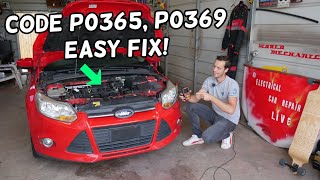
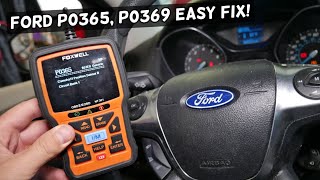
Source hint: YouTube - YOUCANIC: Provided a detailed guide on replacing the sensor for P0365/P0369 on a 2015 Focus 2.0L
2012-2014 Ford Focus 2.0L GDI
Symptoms: Rough running, loss of power, and various drivability issues including code P0369.
What fixed it: Inspecting the engine wiring harness for chafing, repairing damaged wires, and protecting the harness with split loom convoluted tubing as per the TSB instructions.
Source hint: TSB 18-2062: Specifically for 2012-2014 Focus 2.0L GDI
2012-2018 Ford Focus 2.0L
Symptoms: Check engine light on with code P0369; identified the exhaust side sensor as the culprit.
What fixed it: Replacement of the exhaust camshaft position sensor ('B') located on the rear of the engine.
Source hint: YouTube - Electrical Car Repair LIVE: Confirmed that P0369 points to the exhaust camshaft sensor ('B')
Related OBD-II Codes
Frequently Asked Questions
Does TSB 18-2062 apply to my 2015 Ford Focus?
Which sensor do I need to replace for a P0369 code on my 2.0L Focus?
Can I use a used sensor from a junkyard to fix this?
How can I tell if the sensor is actually bad or if it's a wiring problem?
Could my rough idle and P0369 be caused by my oil level?
Is there a specific wiring test I should perform for an intermittent P0369?
Helpful Videos


We Have This Part in Stock


The information in this article is provided for general reference and educational purposes only. Vehicle specifications, procedures, and part compatibility can vary by production date, trim level, and region. Always consult your vehicle's factory service manual and verify part numbers before purchasing or performing repairs. Safety-critical components such as airbags, seat belts, and braking systems should be installed by a qualified professional.
- Ford Focus:
- 🧭 Diagnostic Flowchart
- 🎬 Helpful Videos
- 🛍️ Shop This Part
- What's Unique About the 2012-2018 Ford Focus
- Symptoms You May Notice
- Most Likely Causes
- Rare But Worth Checking
- Diagnosis Steps
- Parts You'll Likely Need
- Related Codes That Often Appear With This One
- Technical Service Bulletins (TSBs) & Recalls
- Platform-Specific Known Issues
- Mechanic-Grade Diagnostic Values
- Hidden / Shadow Codes Worth Checking
- Scan Tool Commands That Help
- Wiring & Ground Locations
- Real Owner Repair Stories
- OEM Part Supersession History
- Model Year Variations Within This Range
- Other Known Issues on This Vehicle
- Used vs. New Parts: Buying Guide for This Vehicle
- Real Owner Stories
- 2015 Ford Focus 2.0L
- 2012-2014 Ford Focus 2.0L GDI
- 2012-2018 Ford Focus 2.0L
- Related OBD-II Codes
- Frequently Asked Questions
- 🎟️ Get 5% Off