

P0369 on 2007-2016 Toyota Sienna: Exhaust Camshaft Sensor Causes and Fixes
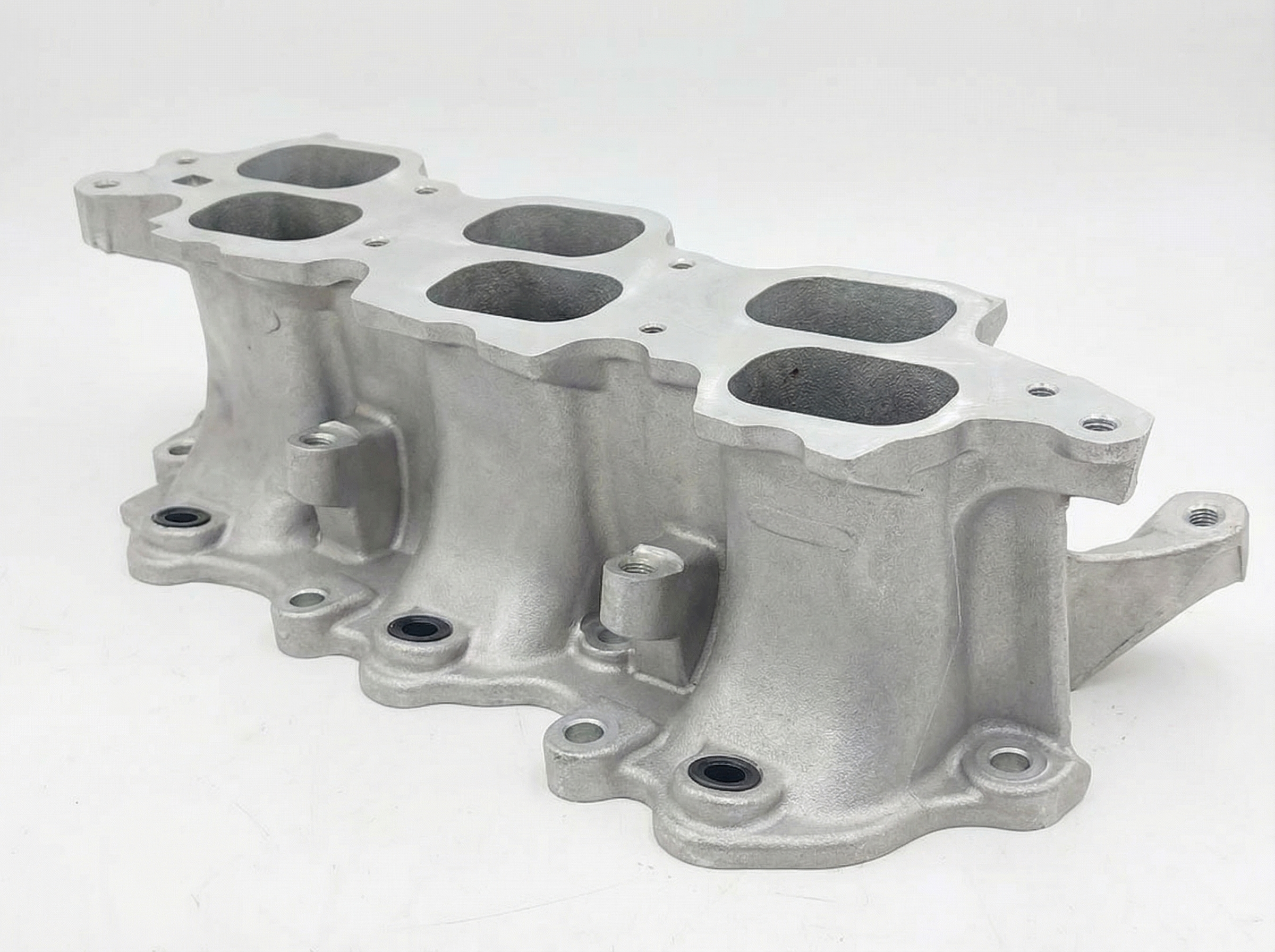
This code indicates an intermittent signal from the Bank 1 exhaust camshaft position sensor. On the Sienna's 2GR-FE engine, this sensor is on the rear cylinder head against the firewall, making it very difficult to access. The most likely cause is a failing sensor, but wiring issues are also common. Expect a high labor cost if a shop performs the repair due to the location, which requires removing the upper intake manifold and wiper cowl.
- P0369 points to the exhaust camshaft sensor on the rear cylinder head (Bank 1).
- The biggest challenge of this repair is the sensor's location against the firewall, requiring removal of the intake manifold.
- A failing sensor is the most likely cause, but wiring issues are a close second, especially for an 'intermittent' code.
- Due to the high labor cost, always use an OEM/Denso sensor and replace the intake gaskets 'while you're in there'.
What's Unique About the 2007-2016 Toyota Sienna
The primary challenge with a P0369 on the 2007-2016 Sienna is not the part itself, but its location. The Bank 1 (rear) camshaft sensors are positioned in a very tight space between the engine and the firewall. Unlike many other vehicles, accessing this sensor often requires the removal of the upper intake manifold and wiper cowl assembly, turning a simple sensor swap into a multi-hour job. Because of this high labor investment, misdiagnosing the problem is costly, and it is highly recommended to replace other hard-to-reach components like rear spark plugs at the same time.
Generation note: This range covers the end of the second generation (XL20, 2007-2010) and the start of the third generation (XL30, 2011-2016). Both generations use the 2GR-FE 3.5L V6 engine, and the location and repair procedure for the camshaft position sensors are identical.
Symptoms You May Notice
- Check Engine Light is on (may be intermittent)
- Engine is difficult to start or requires long crank times
- Rough or unstable idle
- Hesitation or stumbling during acceleration
- Reduced engine power and fuel economy
- Vehicle enters 'limp mode', limiting speed
- Engine may stall unexpectedly
- Replacing the wrong sensor. The code is for Bank 1 (rear bank), but people may mistakenly replace the easier-to-access Bank 2 (front bank) sensor.
- Replacing the sensor when the actual fault is in the wiring. Due to the intermittent nature of the code, a wiring fault is a strong possibility and should be checked before committing to the difficult sensor replacement.
- Using a cheap aftermarket sensor. Many forum users report that cheap sensors fail quickly or are dead-on-arrival, forcing them to repeat the difficult repair with an OEM part.
Most Likely Causes
- Failing Bank 1 Exhaust Camshaft Position Sensor 🔴 High Probability → Shop Engine Camshaft Position Sensor The sensor is exposed to extreme heat cycles at the back of the engine, which can lead to internal electronic failure over time. The sensor's internal components can degrade, leading to a weak or noisy signal that the PCM interprets as intermittent.
How to confirm: Swap the suspected faulty sensor with the identical sensor from Bank 2 (front of the engine). If the trouble code changes to P0394 (Camshaft Position Sensor 'B' Circuit Intermittent Bank 2), the sensor is confirmed bad. This is often easier than electrical testing due to the poor access, though it still requires significant labor to reach the rear sensor.
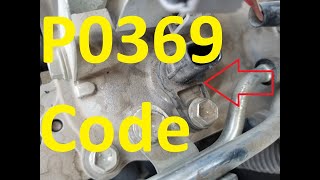
Typical fix: Replace the Bank 1 exhaust camshaft 🎬 See a breakdown of common causes and fixes for P0369. position sensor. Given the high labor cost to access it, using a high-quality OEM (Toyota) or OEM-supplier (Denso) part is strongly recommended to avoid repeat failure.
Est. part cost: $40-$110 - Wiring Harness or Connector Issue 🟡 Medium Probability The 'intermittent' nature of the code often points to a connection issue. The wiring harness is subject to intense heat and vibration, which can cause wires to fray or the connector pins to lose contact. Rodent damage is also a known issue in this area of the engine bay, as the wiring provides nesting material.
How to confirm: Visually inspect the wiring and connector leading to the sensor for any signs of damage, corrosion, or oil contamination. Perform a 'wiggle test' on the harness while monitoring live data on a scan tool to see if it causes the signal to drop out.
Typical fix: Repair the damaged section of wiring or replace the connector pigtail. Ensure the connection is secure and protected from heat.
Est. part cost: $15-$30 for a connector pigtail - Low or Dirty Engine Oil ⚪ Low Probability While this typically causes VVT performance codes (P001x), severely degraded or low oil can cause the VVT system to behave erratically. This erratic mechanical movement can, in some cases, be misinterpreted by the PCM as an intermittent sensor signal fault, especially if oil sludge is impeding normal VVT operation.
How to confirm: Check the engine oil level and condition. If the oil is low, black, or sludgy, it should be changed.
Typical fix: Perform an engine oil and filter change using the correct viscosity oil (0W-20 or 5W-20 depending on the year).
Est. part cost: $40-$80
Rare But Worth Checking
- Failing Engine Control Module (ECM): → Shop Engine Control Module (ECM) This is very rare. The ECM should only be considered after a faulty sensor and wiring have been definitively ruled out by a professional. An internal PCM fault can mimic a wiring problem.
- Damaged Camshaft Reluctor Ring: → Shop Engine Camshaft The sensor reads notches on a reluctor ring (or tone ring) on the camshaft. Physical damage to this ring, while extremely rare without other major engine trauma, can cause an intermittent signal. This would likely be accompanied by other serious symptoms and codes.
Diagnosis Steps
- Check the engine oil level and condition. Top up or change if necessary.
- Using an OBD-II scanner, confirm the P0369 code is present and check for any other related codes. Note the freeze frame data to see engine conditions when the code was set.
- Identify the correct sensor: Bank 1 (rear bank, by firewall), 'B' sensor (exhaust camshaft). It is the sensor on the passenger side of the rear cylinder head.
- Due to difficult access, the most practical next step is often to clear the codes and see if the fault returns immediately. If it does, a hard fault exists.
- If possible, perform a visual inspection of the sensor's wiring and connector for obvious damage, using a mirror and flashlight. Check for signs of rodent activity (chewed wires, nests).
- The most effective diagnostic for this specific vehicle is to swap the suspect Bank 1 exhaust sensor with the easily accessible Bank 2 exhaust sensor. This requires significant labor to access the rear sensor by removing the intake plenum and wiper cowl.
- After swapping, clear the codes and run the engine. If the code changes to P0394 (Bank 2, Sensor B), the original sensor is faulty.
- If the P0369 code returns after the swap, the problem lies in the wiring to the Bank 1 sensor or the ECM itself.
- If wiring is suspected, test the circuit for correct voltage (typically 5V reference), ground, and signal continuity between the ECM and the sensor connector. This is a job for a professional.
- Replace the faulty component (sensor or wiring) and reassemble. It is highly recommended to replace the intake manifold gaskets when reinstalling.
Parts You'll Likely Need
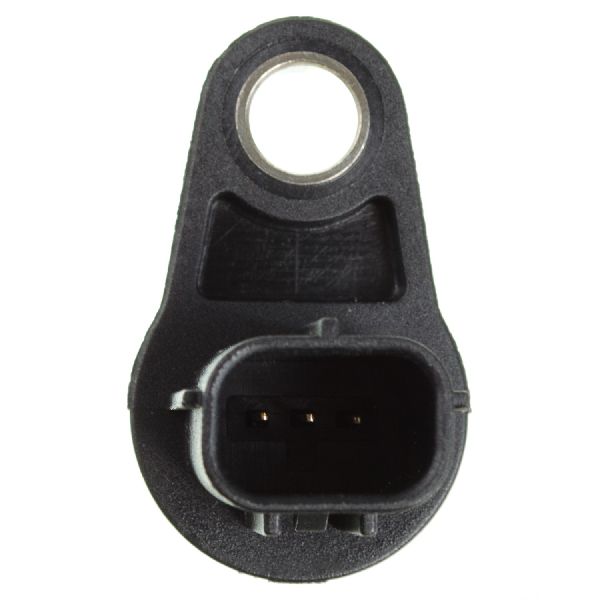
- Camshaft Position Sensor
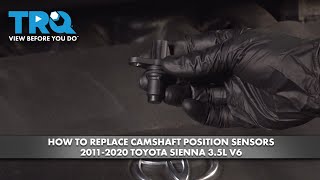
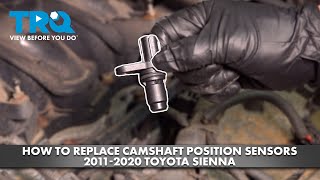
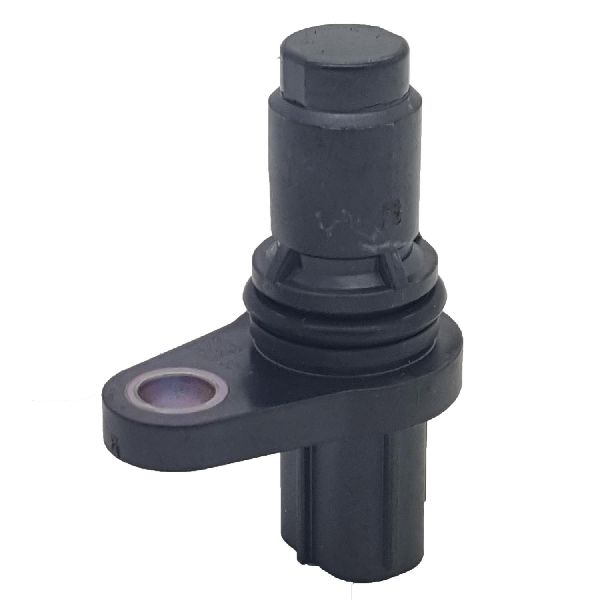
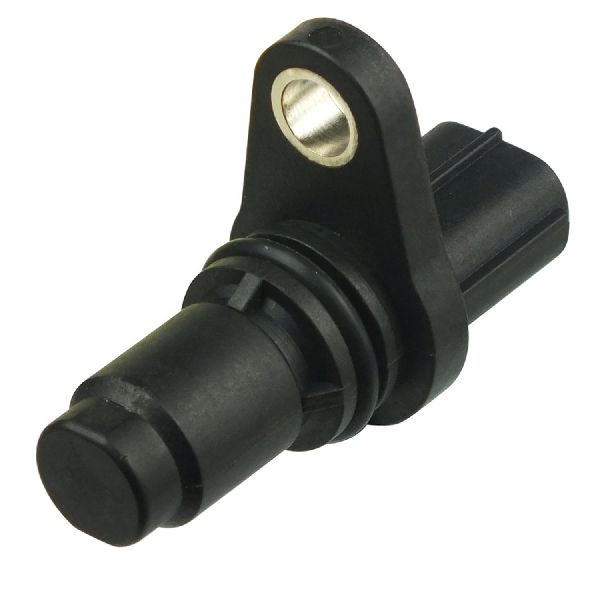
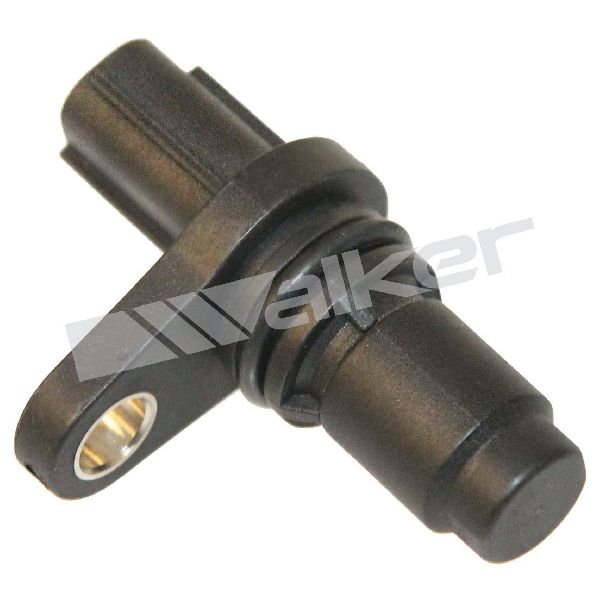
(OEM #90919-05060)— This is the most common failure point for code P0369. The 2GR-FE engine uses four identical sensors, so this part 🎬 Watch: How to replace the sensors on 2011-2020 models. number fits all locations. This part has been superseded by 90919-T5005.
Trusted brands: Toyota (OEM), Denso
OEM price range: $80-$110
Aftermarket price range: $40-$75 - Intake Manifold Gasket Set
(OEM #17176-0P021 (or similar))— The upper intake manifold must be removed to access the Bank 1 sensors. The gaskets are one-time use and must be replaced to prevent vacuum leaks.
Trusted brands: Toyota (OEM), Fel-Pro
OEM price range: $25-$40
Aftermarket price range: $15-$25
Related Codes That Often Appear With This One
- P034x, P036x, P039x — Other codes in this range relate to the other three camshaft position sensors. Seeing multiple codes may indicate a more widespread wiring issue, a problem with the VVT system, or a timing chain problem.
- P0017, P0019 — These codes indicate a correlation issue between the crankshaft and camshaft. If seen with P0369, it could point towards a more serious mechanical timing problem, like a stretched timing chain, rather than just a sensor circuit fault.
- P0365, P0366, P0367, P0368 — These are related codes for the same sensor circuit, indicating different fault types like malfunction, range/performance, low input, or high input, respectively. Seeing them alongside P0369 can help pinpoint the electrical nature of the fault.
Platform-Specific Known Issues
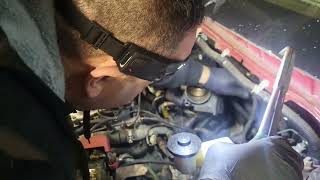
- Real-World Repair Story from YouTube: A YouTube video from the channel 'Alex's Garage' documents the process of replacing the Bank 1 camshaft sensor and spark plugs on a 2008 Sienna. The video clearly shows the necessity of removing the entire wiper cowl and intake plenum to gain access, confirming the high labor involved. The mechanic also notes the difficulty of cleaning old, improperly applied gasket sealant from the previous repair.
- Forum Discussion on Access and Part Choice: A thread on SiennaChat.com titled 'P
Mechanic-Grade Diagnostic Values
- Camshaft Position Sensor Internal Resistance — expected: 1,630 to 2,740 Ω (cold) or 2,065 to 3,225 Ω (hot). Failure: A reading outside of these ranges, or an open/infinite resistance, indicates a failed sensor.
- Continuity between Sensor Connector and ECM — expected: Below 1 Ω. Failure: Resistance higher than 1 Ω indicates a problem in the wiring harness.
- Wiring Harness to Ground (Check for Short) — expected: 10 kΩ or higher. Failure: A low resistance reading indicates a short to ground in the harness.
Hidden / Shadow Codes Worth Checking
- Mode $06 Data: Toyota vehicles provide diagnostic data under OBD-II Mode $06. While not a 'shadow code,' it gives access to the raw results of the PCM's self-tests before a code is officially set. A technician can view the VVT Monitor test results (TID/CID) to see if the system is passing or failing, which can help confirm an intermittent issue that hasn't yet triggered the Check Engine Light again. (see via A professional scan tool with Mode $06 capability, including Toyota's Techstream software.)
Scan Tool Commands That Help
- Toyota Techstream: Active Test: Control the VVT System — This bidirectional command allows a technician to manually command the VVT solenoids to operate. While it won't directly test the sensor, observing the engine's response and monitoring live data can help rule out issues with the VVT solenoids (Oil Control Valves) or phasers, narrowing the diagnosis to the sensor circuit.
- Toyota Techstream: Data List / Live Data — Monitoring the live data stream for the camshaft position sensors is crucial. For an intermittent fault like P0369, a technician would watch the 'Camshaft Position Sensor Bank 1 Exhaust' parameter while performing a 'wiggle test' on the harness to see if the signal drops out, confirming a wiring issue.
Wiring & Ground Locations
- Engine Harness Ground (Bank 1 Side) — On the side of the rear cylinder head (Bank 1), underneath the throttle body area.. A poor ground connection at this point can introduce electrical noise or resistance into the sensor circuits on Bank 1, potentially causing the intermittent signal fault of P0369. This is a critical check if the sensor and wiring continuity test good.
- ECM Connector B30 and B54 — The ECM is located behind the glove box. B30 is one of the main connectors to the ECM. B54 is the connector for the Bank 1 exhaust camshaft position sensor.. Technicians need to know these connector identifiers to perform pin-out tests for continuity and shorts between the sensor and the ECM, as specified in the 'specific_diagnostic_values' section.
- Main Engine Ground — A large ground wire runs from the top of the transmission bell housing to a point near the engine mount to provide the main ground for the starter and engine block.. While less specific to one sensor, a compromised main engine ground can cause widespread, difficult-to-diagnose electrical issues and spurious sensor codes across the entire engine management system.
OEM Part Supersession History
90919-05060→90919-T5005— The reason for the supersession is not officially documented in public sources, but it typically involves improvements in materials, internal electronics, or manufacturing processes to increase durability and reliability.
Heads up: There are no known incompatibilities. 90919-T5005 is the correct and direct replacement for 90919-05060.
Model Year Variations Within This Range
- 2007-2016: The core 2GR-FE engine architecture and sensor locations remained consistent throughout this period. The primary variation noted in service is the recommended engine oil viscosity, which may be 5W-20 for earlier models and 0W-20 for later models. Using the correct oil is important for proper VVT system function.
Diagnostic Flowchart
Other Known Issues on This Vehicle
Issues unrelated to this code that are worth knowing about as an owner of this generation:
- VVT-i Oil Line Rupture 🔴 High — Common on earlier 2GR-FE engines (approx. 2007-2010). A rubber section of a VVT-i oil supply line degrades and can rupture, causing rapid, catastrophic oil loss and engine seizure. (Ref: Limited Service Campaign (LSC) 90K was issued to replace the rubber line with an all-metal one. This campaign has expired.)
- Torque Converter Shudder 🟠 Medium — Affects some models, causing a vibration or shudder under light throttle between 25-50 mph. (Ref: Toyota issued a Warranty Enhancement Program (ZE7 for Sienna) to extend coverage for this issue, which may involve a software update or torque converter replacement. This program has also expired.)
- Power Sliding Door Cable Failure 🟡 Low — Very common across this generation. The steel cable inside the power sliding door mechanism frays and eventually snaps, disabling the power function. (Ref: A class-action settlement led to a warranty extension for some model years, but it is now expired.)
- Water Pump Failure 🟠 Medium — The water pump is a known wear item on the 2GR-FE and can fail prematurely, sometimes before 100,000 miles, leading to coolant leaks and potential overheating.
- Idler Pulley Failure 🟡 Low — The plastic idler pulley for the serpentine belt is a common failure point. It can develop bearing noise (whining or grinding) and eventually seize or break, causing a loss of all belt-driven accessories.
Used vs. New Parts: Buying Guide for This Vehicle
When a used part is the smart pick: For this specific repair, using a used part is almost never a smart choice. The primary cost is the 3-5 hours of labor required to access the sensor. The risk of a used electronic sensor failing shortly after installation far outweighs the small cost savings over a new part.
Donor-vehicle mileage cap: roughly under 60000 miles for the part to have meaningful remaining life.
What to inspect on the donor part:
- If forced to use a used part, source it from the lowest-mileage vehicle possible.
- Visually inspect the used sensor for any cracks in the plastic housing or corrosion on the pins.
- Test the resistance of the used sensor with a multimeter to ensure it falls within the specified range (1,630-2,740 Ω cold) before installation.
OEM-only on this vehicle (don't cheap out):
- Camshaft Position Sensor
Aftermarket brands forum-validated for this vehicle:
- Denso: Denso is the original equipment manufacturer (OEM) for many of Toyota's electronic parts, including sensors. A Denso-branded sensor from an auto parts store is generally considered equivalent in quality to the part from a Toyota dealership, often at a lower cost.
Brands owners have reported issues with on this vehicle:
- Generic, unbranded, or 'white-box' sensors from online marketplaces. Forum discussions frequently mention these parts being dead-on-arrival or failing prematurely, forcing a repeat of the expensive labor.
Real Owner Stories
Aggregated from forums and TSBs cited above. Mileages and costs reflect what owners reported in those sources.
2008 Toyota Sienna 3.5L V6
Symptoms: The owner needed to replace the Bank 1 camshaft sensor and spark plugs. The repair required removing the entire wiper cowl and intake plenum to gain access.
What fixed it: Replacement of the Bank 1 camshaft sensor; the mechanic noted difficulty cleaning old, improperly applied gasket sealant from a previous repair.
Source hint: YouTube channel 'Alex's Garage'
2007-2016 Toyota Sienna 3.5L V6
Symptoms: Extreme difficulty accessing the Bank 1 (rear) sensors; many DIYers reported high frustration levels with the reach required.
What fixed it: Taking the vehicle to a professional shop after abandoning the DIY attempt due to access constraints.
Source hint: SiennaChat.com - Multiple threads
Related OBD-II Codes
Frequently Asked Questions
Where is the Bank 1 'B' sensor located on my 2GR-FE engine?
Can I use an aftermarket sensor to fix P0369 on my Sienna?
Is there a TSB for the VVT-i oil line issue mentioned in forums?
Why is the labor so expensive for a simple sensor replacement?
Could my P0369 code be caused by rodents?
Does the 2GR-FE engine have a known issue with oil loss that could affect the VVT system?
Helpful Videos
Used OEM Parts in Stock
New Aftermarket Parts Available


The information in this article is provided for general reference and educational purposes only. Vehicle specifications, procedures, and part compatibility can vary by production date, trim level, and region. Always consult your vehicle's factory service manual and verify part numbers before purchasing or performing repairs. Safety-critical components such as airbags, seat belts, and braking systems should be installed by a qualified professional.
- Toyota Sienna:
- 🧭 Diagnostic Flowchart
- 🎬 Helpful Videos
- 🛍️ Shop This Part
- What's Unique About the 2007-2016 Toyota Sienna
- Symptoms You May Notice
- Most Likely Causes
- Rare But Worth Checking
- Diagnosis Steps
- Parts You'll Likely Need
- Related Codes That Often Appear With This One
- Platform-Specific Known Issues
- Mechanic-Grade Diagnostic Values
- Hidden / Shadow Codes Worth Checking
- Scan Tool Commands That Help
- Wiring & Ground Locations
- OEM Part Supersession History
- Model Year Variations Within This Range
- Other Known Issues on This Vehicle
- Used vs. New Parts: Buying Guide for This Vehicle
- Real Owner Stories
- 2008 Toyota Sienna 3.5L V6
- 2007-2016 Toyota Sienna 3.5L V6
- Related OBD-II Codes
- Frequently Asked Questions
- 🎟️ Get 5% Off