

P0390 on 2016-2017 Dodge Durango 3.6L: Camshaft Sensor 'B' Circuit (Bank 2) Causes & Fixes
On the 3.6L V6 Durango, P0390 is often caused by a needed powertrain software update per Dodge TSBs #18-049-20 and #18-024-17. This update changes the code to a 'two-trip' fault, making it less sensitive. If the software is current, the most likely cause is a faulty camshaft position sensor on the driver's side cylinder head. Expect to pay $30-$70 for a quality aftermarket sensor or up to $150 for an OEM Mopar part.
- First, check if your vehicle's computer has been updated. A Dodge TSB specifically addresses P0390 with a software reflash.
- If the software is up to date, the most likely culprit is the camshaft position sensor on the driver's side cylinder head.
- A simple way to test the sensor is to swap it with the one on the passenger side and see if the trouble code follows the sensor.
- Always check the sensor's electrical connector for oil contamination or damage, as this can mimic a sensor failure.
- Use a quality Mopar, Delphi, or NGK replacement sensor, as cheap parts are known to cause persistent problems.
What's Unique About the 2016-2017 Dodge DURANGO

For this specific Durango and its platform mates (like the Jeep Grand Cherokee), a P0390 code doesn't always mean a part has failed. Dodge/FCA released technical service bulletins (TSBs) indicating that the PCM's sensitivity to intermittent sensor glitches was too high. The official fix is often a simple software update that changes P0390 from a one-trip fault to a two-trip fault, preventing the check engine light from illuminating for a momentary signal loss. Therefore, checking the vehicle's service history for this update is a critical first step before replacing any parts.
Diagnostic Flowchart

Tap your situation to follow the diagnostic path that matches what you're seeing on this vehicle.
Symptoms You May Notice
- Check Engine Light is on
- Engine may be hard to start or cranks but won't start
- Rough idling or stalling, especially when coming to a stop
- Reduced engine power and hesitation during acceleration
- Decreased fuel economy
- Misfire-like sensations or engine stumbling under load
- Immediately replacing the camshaft position sensor without first checking if the required PCM software update (per TSBs 18-049-20 and 18-024-17) has been performed. The update itself may resolve the issue.
- Replacing the sensor but failing to identify and fix an oil leak from the oil filter housing that is contaminating the new sensor's connector.
Most Likely Causes

- Powertrain Control Module (PCM) Software Requires Update 🔴 High Probability → Shop Engine Control Module (ECM) Dodge issued TSBs #18-049-20 and #18-024-17 REV. C to address this exact code, indicating the original software was too sensitive. The update changes P0390 to a two-trip fault, preventing intermittent issues from triggering the check engine light.
How to confirm: A Dodge dealer or a well-equipped independent shop with a wiTECH scan tool can check the current PCM software version against the latest available and see if the TSB update has been performed. The TSB applies to vehicles built on or before March 06, 2017.
Typical fix: Reprogramming the PCM with the latest software. This typically costs one hour of dealer labor.
Est. part cost: $0 - Faulty Camshaft Position Sensor (Bank 2) 🟡 Medium Probability → Shop Engine Camshaft Position Sensor These sensors are exposed to extreme heat and oil and can fail over time. A very common issue on the 3.6L Pentastar is a leaking oil filter/cooler housing, which sits in the engine valley. Leaking oil can run down the back of the engine and contaminate the sensor's connector, causing a poor signal.
How to confirm: Swap the Bank 2 (driver side) sensor with the Bank 1 (passenger side) sensor. Clear the codes. If the fault code changes to P0365 (Bank 1, Sensor 2), the original sensor is bad. 🎬 See this walkthrough on diagnosing and replacing the sensors. Visually inspect the connector for oil saturation.
Typical fix: Replace the camshaft position sensor on the Bank 2 (driver's side) cylinder head. It is highly recommended to use an OEM Mopar part, as some aftermarket sensors can cause new issues.
Est. part cost: $30-$120 - Wiring or Connector Issue ⚪ Low Probability The wiring harness can be damaged by engine heat, or the connector pins can become corroded or contaminated with oil, especially from a leaking oil cooler housing.
How to confirm: Visually inspect the sensor connector and harness for damage, corrosion, or oil saturation. Perform a "wiggle test" on the harness while the engine is running to see if it triggers the fault. Check for 5V reference, ground, and signal continuity with a multimeter.
Typical fix: Repair the damaged section of the harness or clean/replace the connector.
Est. part cost: $5-$25
Rare But Worth Checking
- Low or Dirty Engine Oil: The VVT system uses oil pressure to adjust cam timing. Low or dirty oil can cause the phasers to respond slowly, leading to cam position codes. Always check the oil level and condition first. This is a simple but crucial first step.
- Failing Camshaft Phaser or Timing Chain: → Shop Engine Camshaft If the timing chain is stretched or a camshaft phaser is failing, the physical position of the camshaft can be out of sync with what the PCM expects, triggering this code. This is a more complex and expensive repair, often accompanied by other timing correlation codes or audible engine noise like the 'Pentastar tick'.
Diagnosis Steps
- Check for Technical Service Bulletins (TSBs). Ask a dealer if TSB 18-049-20 or 18-024-17 REV. C have been completed. If not, a PCM reflash is the most likely fix.
- Check engine oil level and condition. Top off or change if necessary.
- Inspect the wiring harness and connector for the Bank 2 (driver's side) camshaft position sensor. Look for oil contamination, corrosion, or damage. A common source of oil is a leaking oil filter housing in the engine valley.
- If the wiring looks good, swap the Bank 2 sensor with the Bank 1 (passenger side) sensor. They are identical parts. 🎬 Watch: Locate the Bank 1 and Bank 2 sensors here.
- Clear the codes and drive the vehicle. If the code returns as P0365 (Camshaft Position Sensor Circuit - Bank 1 Sensor 2), the sensor you moved is faulty and needs replacement.
- If the code P0390 returns, the problem is likely in the wiring or the PCM. Test the sensor circuit for 5-volt reference, ground, and signal using a multimeter.
- If wiring and sensor are confirmed good, the issue may be mechanical (timing chain/phaser) or a faulty PCM, requiring professional diagnosis.
Parts You'll Likely Need

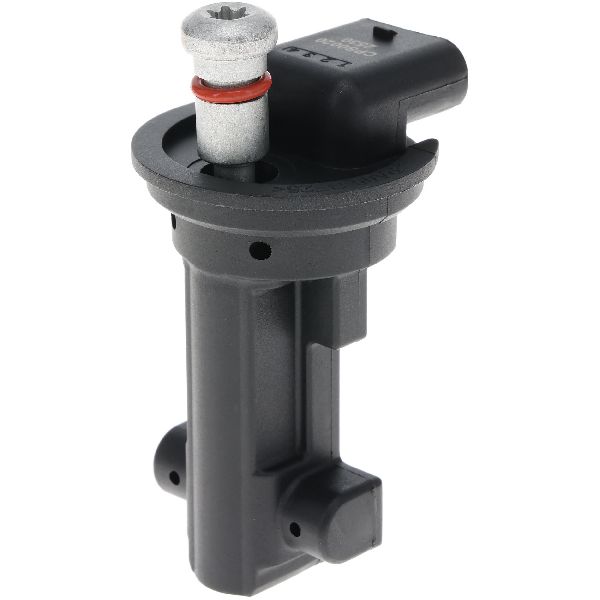
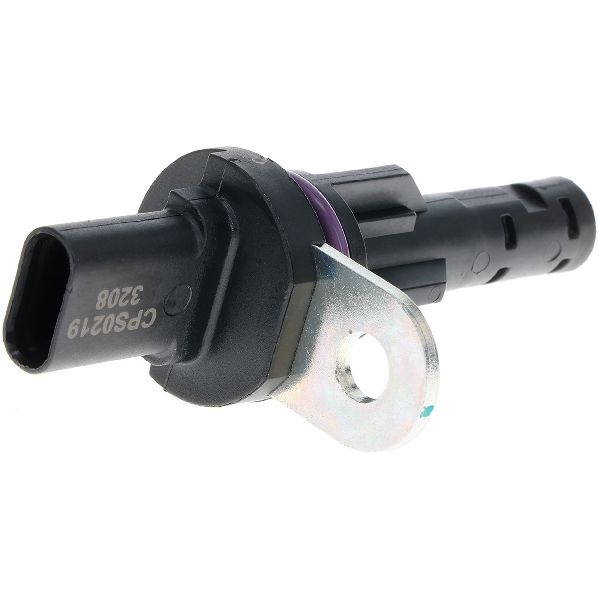
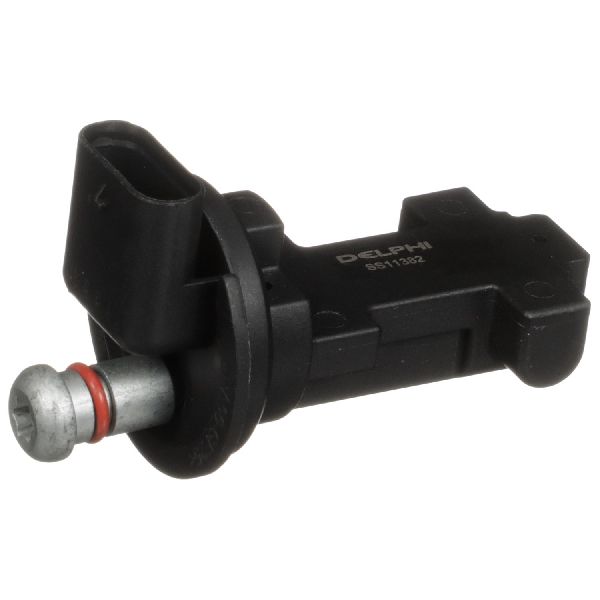
- Camshaft Position Sensor
(OEM #5149141AF)— This sensor is the most common hardware failure for this code after software issues are ruled out. It provides the signal that the PCM is reporting as lost. It is used on both banks.
Trusted brands: Mopar, Delphi, NGK/NTK
OEM price range: $60-$100
Aftermarket price range: $30-$70
Related Codes That Often Appear With This One
- P0394 — P0394 is the 'intermittent' version of P0390. They often appear together, pointing to a signal that is dropping out rather than being completely gone. The TSBs address both codes.
- P0345 — This code is for the intake camshaft reading ('Sensor A') on the same bank (Bank 2). Since one physical sensor reads both cams on the 3.6L, seeing both codes together can point more strongly to a faulty sensor or a wiring issue common to both circuits.
- P0365 / P0369 — These are the codes for the other sensor on Bank 1. If you swap sensors for diagnosis and the code changes to P0365, you've confirmed the sensor is bad.
Technical Service Bulletins (TSBs) & Recalls

- 18-049-20: Flash: Powertrain Control Module (PCM) Updates. Lists P0390 and other codes that can be resolved with a software update. This TSB explicitly states it changes P0390 from a one-trip to a two-trip fault. Supersedes 18-024-17 Rev. C.
- 18-024-17 REV. C: Flash: Powertrain Diagnostic and System Enhancements. An earlier TSB, superseded by 18-049-20, that also addresses P0390 with a PCM reflash for vehicles built on or before March 06, 2017.
Platform-Specific Known Issues
- A primary issue for the 2016-2017 Durango is the PCM software sensitivity. Dodge issued TSB #18-049-20, which supersedes earlier bulletins, to update the PCM. This update changes the logic for P0390 to a 'two-trip' fault, making it less likely to trigger from a minor, intermittent signal disruption.
- The 3.6L Pentastar engine is known for oil leaks from the plastic oil filter/cooler housing assembly located in the 'V' of the engine. When this housing leaks, oil can run down the back of the engine and saturate the Bank 2 camshaft position sensor connector, causing codes P0390 and P0345. 🎬 Watch: How oil leaks from the housing contaminate your wiring.
Helpful Videos
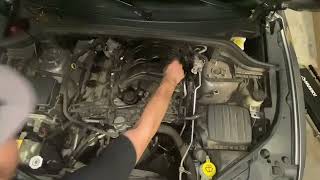

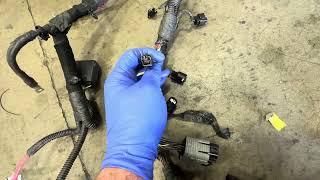
We Have This Part in Stock


The information in this article is provided for general reference and educational purposes only. Vehicle specifications, procedures, and part compatibility can vary by production date, trim level, and region. Always consult your vehicle's factory service manual and verify part numbers before purchasing or performing repairs. Safety-critical components such as airbags, seat belts, and braking systems should be installed by a qualified professional.
- Dodge DURANGO:
- 🧭 Diagnostic Flowchart
- 🎬 Helpful Videos
- 🛍️ Shop This Part
- What's Unique About the 2016-2017 Dodge DURANGO
- Symptoms You May Notice
- Most Likely Causes
- Rare But Worth Checking
- Diagnosis Steps
- Parts You'll Likely Need
- Related Codes That Often Appear With This One
- Technical Service Bulletins (TSBs) & Recalls
- Platform-Specific Known Issues
- 🎟️ Get 5% Off