

P0390 on 2011-2018 Ram 1500 5.7L HEMI: Camshaft Sensor 'B' Circuit Fixes
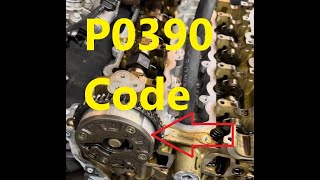
On a 2011-2018 Ram 1500 with the 5.7L HEMI engine, code P0390 almost always points to a failed camshaft position sensor. It's a simple, single-bolt replacement located on the front-passenger side of the engine block. The fix is typically straightforward, costing about $30-$70 for a quality aftermarket part and can be done with basic tools.
- P0390 on a 5.7L HEMI Ram points to the single camshaft position sensor, despite the confusing 'Bank 2, Sensor B' name.
- The most likely fix is replacing the sensor, which is an inexpensive part and a very easy DIY job.
- The sensor is located on the front of the engine on the passenger side, held by one 10mm bolt.
- Always check the wiring and connector for damage before replacing parts.
- The OEM part number is Mopar 5149054AC.
What's Unique About the 2011-2018 Ram 1500
The 5.7L HEMI is a pushrod engine with a single camshaft located in the engine block, unlike DOHC engines with multiple camshafts in the cylinder heads. Despite this, Ram uses generic OBD-II code definitions. Codes like P0390, P0340, P0344, and others all point to the *same single camshaft position sensor* on this engine. The 'Bank 2' and 'Sensor B' descriptors can be misleading; there is only one sensor to check. 🎬 See how this single sensor triggers common P0340 codes. Its failure is common enough that Chrysler issued Technical Service Bulletins (TSBs) to update PCM software to change how these codes are triggered.
Diagnostic Flowchart
Tap your situation to follow the diagnostic path that matches what you're seeing on this vehicle.
Symptoms You May Notice
- Check Engine Light is on
- Engine runs rough or idles poorly
- Engine is hard to start or has a long crank time
- Stalling, especially at low speeds or when coming to a stop
- Reduced engine power and hesitation during acceleration
- Decreased fuel economy by an estimated 3-5%
- Misfire-like sensations without a specific misfire code being set
- Searching for a second camshaft sensor that does not exist on this pushrod engine.
- Replacing the crankshaft position sensor instead of the camshaft position sensor.
- Assuming the 'Bank 2' designation means the sensor is on the driver's side of the engine (Bank 2 is the passenger side on this V8, but the single sensor is on the front timing cover, not tied to a specific bank).
- Immediately suspecting a major timing issue before replacing the inexpensive and high-failure-rate sensor.
Most Likely Causes
- Failed Camshaft Position Sensor 🔴 High Probability → Shop Engine Camshaft Position Sensor This sensor is a very common failure item on the 5.7L HEMI due to heat cycles and potential oil contamination from leaks. Its high failure rate is well-documented across numerous owner forums for Rams, Durangos, and Grand Cherokees.
How to confirm: After visually inspecting the wiring, replacing the sensor is the most direct diagnostic step. Given the low cost of the part ($30-$70) and high probability of failure, it's often the most efficient fix. Testing with a multimeter for resistance can also confirm failure if the reading is out of spec.
Typical fix: Replace the camshaft position sensor. It is held by a single 10mm bolt on the front of the engine block, passenger side.
Est. part cost: $25-$135 - Wiring Harness or Connector Damage 🟡 Medium Probability The sensor's wiring harness runs down the front of the engine, where it is exposed to heat, vibration, and potential oil leaks. A common chafe point is where the harness passes near the engine oil filter housing, which can lead to shorts or open circuits over time.
How to confirm: Visually inspect the sensor's electrical connector for corrosion, oil saturation, or pushed-out pins. Trace the harness from the sensor, paying close attention to the area around the oil filter for signs of rubbing or melting insulation. Wiggling the connector and harness with the engine running may cause the idle to change or stall, confirming a wiring issue.
Typical fix: Repair the damaged section of wire with solder and heat-shrink tubing or replace the electrical connector pigtail.
Est. part cost: $15-$40 for a new connector - Powertrain Control Module (PCM) Fault or Outdated Software ⚪ Low Probability → Shop Engine Control Module (ECM) While less common, the PCM can have internal circuit failures. More frequently, the PCM software may be overly sensitive. Chrysler released TSB 18-049-20 for some 5.7L vehicles to update the PCM software, changing the condition from a one-trip fault to a two-trip fault, making it less likely to trigger the code from a momentary glitch.
How to confirm: This should only be considered after a new OEM sensor and verified wiring do not resolve the code. A dealership or properly equipped shop can check if the PCM has the latest software calibration.
Typical fix: Reprogram the PCM with the latest software. In rare cases, the PCM must be replaced.
Est. part cost: $150 for a dealer reflash, $300-$800 for a replacement PCM
Rare But Worth Checking
- Timing Chain or Phaser Issue: While rare for just a P0390, significant timing chain stretch or a problem with the camshaft phaser can cause erratic signals. This would typically be accompanied by other timing correlation codes (like P0017/P0018), engine noise (rattling on startup), and more severe performance problems.
- Low Battery Voltage or Weak Starter: On some Chrysler vehicles, a low battery or a starter drawing excessive current during cranking can cause voltage drops in the 5-volt reference circuit that supplies the sensors. This can trigger erroneous camshaft or crankshaft sensor codes even if the sensors themselves are good.
Diagnosis Steps
- Read the code with an OBD-II scanner and note any other codes present. Freeze frame data can help identify when the fault occurred.
- Visual Inspection: Inspect the camshaft position sensor's electrical connector for damage, corrosion, or oil saturation. The sensor is on the front of the engine, passenger side, near the water pump and below the alternator.
- Wiring Check: Trace the wiring harness from the sensor, paying close attention to the area where it passes the oil filter for signs of chafing, melting, or breaks.
- Pro-Level Check: Using a multimeter, disconnect the sensor and turn the ignition to 'ON'. Check for a 5-volt reference on the supply wire and a good ground on the ground wire at the connector.
- Sensor Replacement (Most Likely Fix): If wiring appears intact, the most probable cause is the sensor itself. Given its low cost and high failure rate, replacement is a common and effective next step. Use an OEM Mopar sensor if possible, as some aftermarket sensors are known to cause issues.
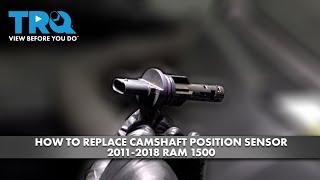
- Replacement Procedure: Remove the air intake tube for better access. Disconnect the electrical plug, then remove the single 10mm bolt holding the sensor in place.
- Lightly lubricate the O-ring on the new sensor with clean engine oil before installing it to ensure a good seal and prevent damage.
- Install the new sensor, tighten the bolt snugly (do not overtighten), and reconnect the electrical plug.
- Clear the trouble codes with the scanner and start the engine. Take a test drive to confirm the Check Engine Light does not return. Some vehicles may benefit from a 'cam sensor relearn' procedure with a high-end scan tool, but it is not always required.
Parts You'll Likely Need
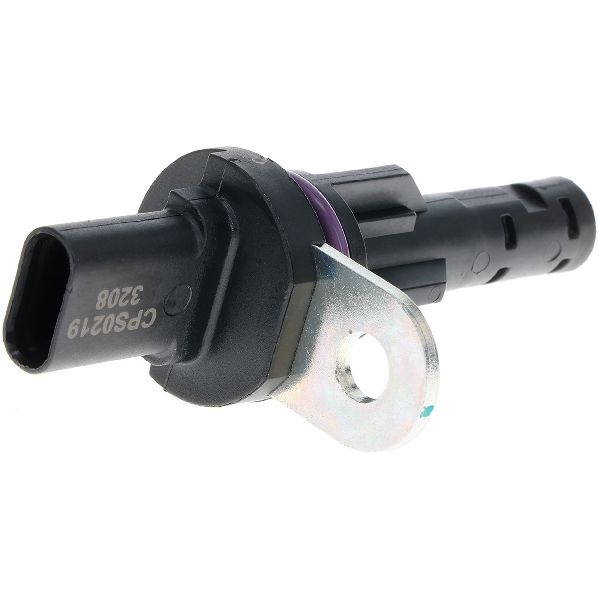
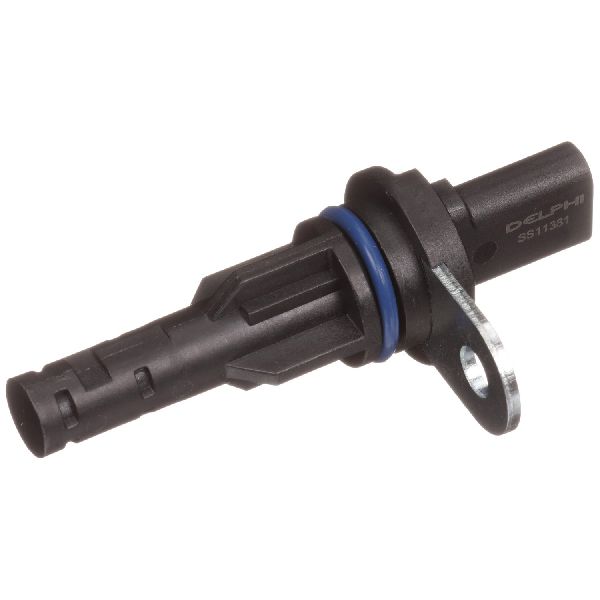
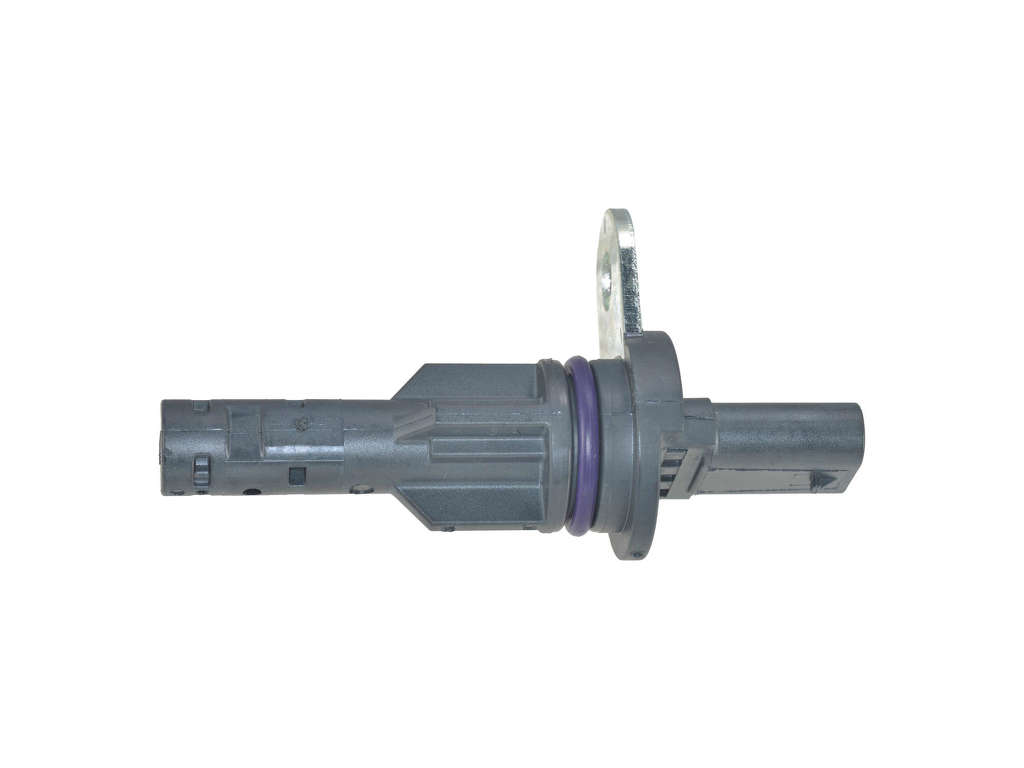
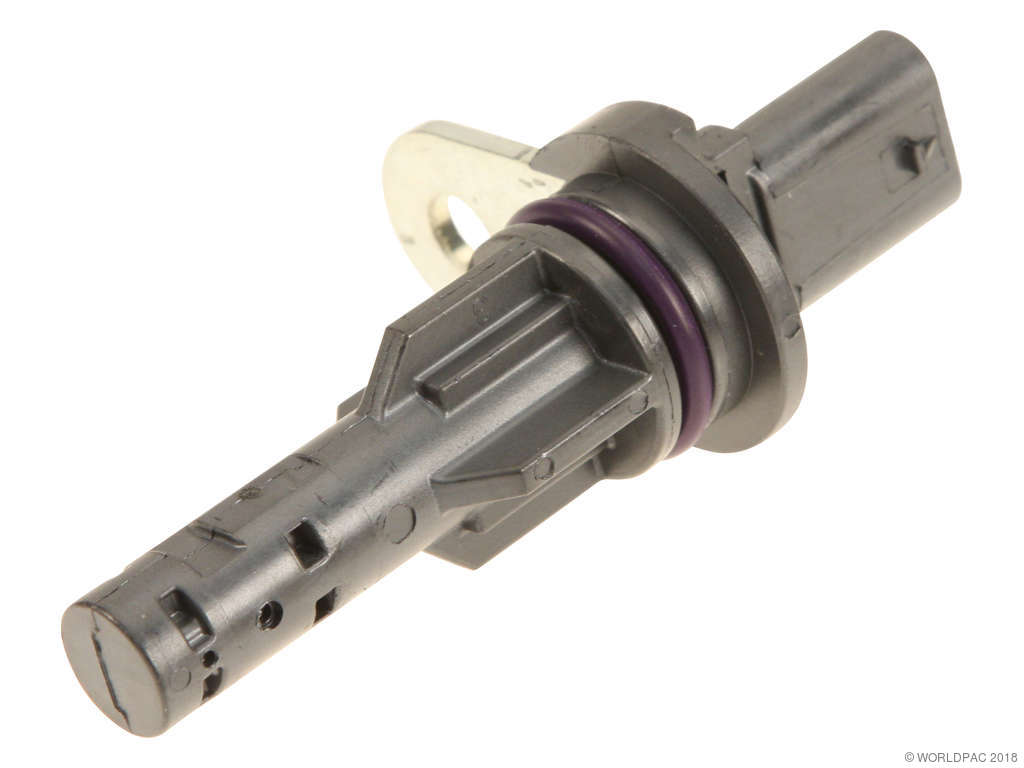
- Camshaft Position Sensor
(OEM #5149054AC)— This sensor is a common failure item on the 5.7L HEMI engine and is the direct cause of code P0390 and its related family of codes.
Trusted brands: Mopar (OEM - Recommended), Delphi, Standard Motor Products (SMP), Dorman, NGK/NTK
OEM price range: $60-$135
Aftermarket price range: $25-$70
Related Codes That Often Appear With This One
- P0394 — This is the 'intermittent' version of the same fault (Camshaft Position Sensor 'B' Circuit Intermittent Bank 2). They often point to the same root cause, such as a failing sensor or a loose/chafed wire.
- P0340, P0344, P0345, P0349, P0365, P0369 — These are all related camshaft position sensor circuit codes. The specific code triggered can vary, but on the 5.7L HEMI, they all point to the single cam sensor or its wiring. TSBs often group these codes together as having the same root cause.
- P06DD — This code for 'Engine Oil Pressure Control Circuit Stuck Off' can sometimes appear with cam sensor codes, as oil pressure issues can affect the Variable Valve Timing (VVT) system, which relies on cam position data.
Technical Service Bulletins (TSBs) & Recalls
- TSB 18-049-20 (2020-05-27): For some 2016-2017 Durango and Grand Cherokee models with the 5.7L engine, this bulletin involves reprogramming the PCM. It changes the fault logic for P0390/P0394 from a one-trip to a two-trip fault, reducing the chance of the light illuminating from a temporary glitch.
- Original Prompt TSB #05149141A (2015-08-04): This appears to be an internal FCA memo instructing technicians to contact a factory representative when replacing the cam sensor for P0390 and related codes. This indicates the issue was being closely monitored by the manufacturer, but it is not a standard repair bulletin for public/dealer use.
Platform-Specific Known Issues
- A known issue with premature lifter and camshaft failure exists on some 5.7L HEMI engines, often called the 'Hemi tick'. While this is a more serious mechanical problem, a failing camshaft sensor is a much more common and simpler issue to resolve first. Using high-quality oil is often recommended by owners to prolong lifter life.
Mechanic-Grade Diagnostic Values
- Camshaft Position Sensor 5-Volt Supply Circuit Voltage — expected: 4.5 - 5.2 Volts. Failure: Voltage below 4.5V or above 5.2V indicates a problem with the PCM or wiring.
- Camshaft Position Sensor Signal Circuit Voltage (Key On, Engine Off) — expected: 4.5 - 5.0 Volts. Failure: Voltage outside this range suggests a faulty sensor or wiring issue.
- Camshaft Position Sensor Signal Voltage (Dynamic Test) — expected: Voltage should drop from ~5V to near 0V when a piece of metal is passed in front of the sensor tip.. Failure: No change in voltage indicates a failed sensor.
- Camshaft Position Sensor Resistance — expected: 0.5 - 1.5 kΩ (kilo-ohms). Failure: Infinite resistance (open circuit) or zero resistance (short circuit) indicates a failed sensor.
Scan Tool Commands That Help
- Appcar DiagFCA / wiTECH / other professional scanners: Cam Crank Relearn — This routine should be performed after replacing a camshaft sensor, crankshaft sensor, or timing components to allow the PCM to relearn the relationship between the sensors. While not always required, it can resolve rough running or persistent codes after a repair. The procedure typically requires the engine coolant temperature to be above 158°F (70°C) to initiate.
Wiring & Ground Locations
- CMP Sensor Connector — On the front of the engine block, passenger side, near the water pump and below the alternator.. This is the primary point for visual inspection and electrical testing (power, ground, signal) of the camshaft position sensor circuit.
- K900 Sensor Ground Circuit (Example) — Wire running from the sensor connector back to a specific pin on the Powertrain Control Module (PCM) C2 connector.. A shared ground is often used for multiple sensors. While this specific designator is listed for the crankshaft sensor, a fault on this shared circuit could potentially affect the camshaft sensor as well. A bad ground here will cause incorrect sensor readings.
- F855/F856 5-Volt Supply Circuit (Example) — Wire running from the PCM C2 connector to the sensor connector, providing reference voltage.. Loss of this 5V supply will cause the sensor to stop sending a signal, immediately triggering a P0390 fault code. Testing for 4.5-5.2V here is a key diagnostic step.
Real Owner Repair Stories
- Reddit user in r/ram_trucks (2015 Ram BigHorn 3.6L, 105K miles (Note: 3.6L engine, but the principle applies as an edge case)) — Continuous P0390 code that kept returning.
❌ Tried (didn't work) Replacing the camshaft position sensor multiple times.
✅ What actually fixed it A responding user stated the ultimate fix was replacing the timing chains and guides, indicating the code was caused by a mechanical timing issue, not a sensor failure.
OEM Part Supersession History
5149054AA, 5149054AB→5149054AC— Standard part revision and improvement by the manufacturer.
Heads up: The newer part number 5149054AC is the correct replacement for the earlier versions and should be used for all repairs.
Model Year Variations Within This Range
- 2013+: Starting in 2013, the 5.7L HEMI was paired with a new 8-speed automatic transmission. This change involved different Powertrain Control Module (PCM) calibrations compared to the 2011-2012 models. This could affect software-related diagnostics and the applicability of specific software updates or TSBs.
Helpful Videos


We Have This Part in Stock


The information in this article is provided for general reference and educational purposes only. Vehicle specifications, procedures, and part compatibility can vary by production date, trim level, and region. Always consult your vehicle's factory service manual and verify part numbers before purchasing or performing repairs. Safety-critical components such as airbags, seat belts, and braking systems should be installed by a qualified professional.
- Ram 1500:
- 🧭 Diagnostic Flowchart
- 🎬 Helpful Videos
- 🛍️ Shop This Part
- What's Unique About the 2011-2018 Ram 1500
- Symptoms You May Notice
- Most Likely Causes
- Rare But Worth Checking
- Diagnosis Steps
- Parts You'll Likely Need
- Related Codes That Often Appear With This One
- Technical Service Bulletins (TSBs) & Recalls
- Platform-Specific Known Issues
- Mechanic-Grade Diagnostic Values
- Scan Tool Commands That Help
- Wiring & Ground Locations
- Real Owner Repair Stories
- OEM Part Supersession History
- Model Year Variations Within This Range
- 🎟️ Get 5% Off