

P0390 on 2015-2018 Ram ProMaster City: Exhaust Camshaft Sensor Circuit Causes and Fixes
P0390 on a 2015-2018 ProMaster City indicates a fault in the exhaust camshaft position sensor circuit. The most common fix is replacing the sensor itself, which is an accessible and affordable part ($30-$75). However, a manufacturer bulletin advises careful diagnosis of the wiring and connectors before replacing parts, as the underlying cause can be more complex.
- P0390 on a ProMaster City specifically points to a problem with the exhaust camshaft position sensor circuit.
- The most likely fix is replacing the exhaust camshaft position sensor, an affordable and accessible part on the driver's side of the valve cover.
- Before replacing the sensor, always inspect the wiring and connector for damage or oil contamination, as this is a common point of failure.
- A factory TSB exists for this issue, warning that the root cause can be complex. If a new sensor doesn't fix the problem, further professional diagnosis of the wiring or timing components may be needed.
What's Unique About the 2015-2018 Ram PROMASTER CITY
The 2.4L Tigershark engine in the ProMaster City uses Chrysler's MultiAir technology, an electro-hydraulic system for variable valve timing. This system is sensitive to oil pressure and quality. A key issue for this platform is a Technical Service Bulletin (TSB #05149141A) issued for the 2015 model year. This TSB specifically instructs technicians to contact a factory engineer before replacing the camshaft sensor for a P0390 code, which strongly suggests that the root cause can be more complex than a simple sensor failure and that misdiagnosis is common. This indicates Chrysler was aware of underlying issues, potentially related to wiring or mechanical timing, that a simple part swap would not fix.
Diagnostic Flowchart
Tap your situation to follow the diagnostic path that matches what you're seeing on this vehicle.
Symptoms You May Notice
- Check Engine Light is on
- Engine is hard to start or fails to start
- Engine stalls, especially at idle or when stopping
- Rough running and unstable idle
- Hesitation or lack of power during acceleration
- Reduced fuel economy
- Replacing the camshaft position sensor without first inspecting the wiring and connector for damage or oil contamination.
- Replacing the crankshaft position sensor, which is a different part of the engine timing system.
- Ignoring the TSB and repeatedly replacing the sensor when the underlying cause is a wiring fault, low oil level, or a more complex mechanical timing issue.
Most Likely Causes
- Failed Exhaust Camshaft Position Sensor 🔴 High Probability → Shop Engine Camshaft Position Sensor The manufacturer issued a TSB related to camshaft position sensor failures on this engine, indicating it's a recognized weak point. These sensors are exposed to significant heat and vibration, and internal electronics can fail over time. Oil can also leak into the sensor's connector, disrupting the signal.
How to confirm: Use a scan tool to check for a signal from the sensor. An advanced method is to use an oscilloscope to verify the sensor's output waveform, which should be a clean square wave. A simpler method is to swap it with the intake sensor (if they are identical parts) and see if the code changes to P0340 (Intake Sensor 'A' Circuit). If the code changes, the sensor is bad.
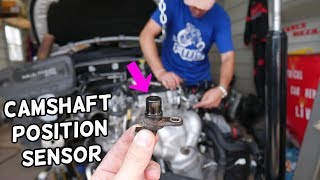
Typical fix: Replace the exhaust camshaft position sensor. It is located on the driver's side of the valve cover and is relatively easy to access. 🎬 Watch this video to see the sensor location and replacement steps.
Est. part cost: $30-$75 - Wiring Harness or Connector Damage 🟡 Medium Probability Engine vibrations and heat can cause wiring to become brittle or connectors to loosen over time. Oil leaks from the valve cover gasket can contaminate the connector, causing a poor connection. The TSB's existence suggests wiring issues are a common point of misdiagnosis.
How to confirm: Visually inspect the wiring harness leading to the exhaust cam sensor for any signs of chafing, melting, or corrosion. Unplug the connector and check for bent, corroded, or oil-fouled pins. Use a multimeter to check for a 5-volt reference signal and a good ground at the connector with the key on.
Typical fix: Repair the damaged section of wiring or clean the connector terminals with electrical contact cleaner. If the connector itself is damaged, it will need to be replaced with a new pigtail. 🎬 Watch how to replace a damaged camshaft sensor connector plug.
Est. part cost: $5-$50 - Low or Contaminated Engine Oil ⚪ Low Probability The MultiAir2 valve actuation system is electro-hydraulic and highly sensitive to oil pressure and cleanliness. Low or dirty oil can affect the camshaft phasers' ability to respond to PCM commands, leading to timing correlation issues that may be misinterpreted by the PCM as a sensor circuit fault.
How to confirm: Check the engine oil level and condition via the dipstick. If the oil is very low, black, sludgy, or past its recommended change interval, it could be a contributing factor.
Typical fix: Perform an engine oil and filter change using the manufacturer-specified oil grade (e.g., SAE 0W-20).
Est. part cost: $40-$80
Rare But Worth Checking
- Timing Chain or Camshaft Phaser Issue: → Shop Engine Camshaft A stretched timing chain or a faulty camshaft phaser can cause the camshaft's actual position to deviate from what the PCM expects, sometimes triggering sensor circuit codes. Forum users with persistent P0390 codes on the related 3.6L engine have reported that a full timing chain and guide replacement was the ultimate fix after multiple sensor replacements failed.
- Powertrain Control Module (PCM) Fault: → Shop Engine Control Module (ECM) In very rare cases, the internal circuitry of the PCM that reads the sensor's signal can fail. This should only be considered after all other possibilities, especially wiring, have been exhaustively ruled out.
Diagnosis Steps
- Read the fault codes with an OBD-II scanner and note any other codes present. Record the freeze-frame data.
- Check the engine oil level and condition. If low or dirty, an oil change is a wise first step.
- Visually inspect the exhaust camshaft position sensor, its connector, and the nearby wiring. The sensor is on the driver's side of the valve cover. Look for oil contamination, melted plastic, or chafed wires.
- Disconnect the sensor and check the connector terminals for corrosion or damage. Ensure it's securely plugged in.
- With the key on, engine off, use a multimeter to test the connector for a 5-volt reference and a good ground.
- If power and ground are present, test the signal wire for continuity back to the PCM. Check for any shorts to power or ground.
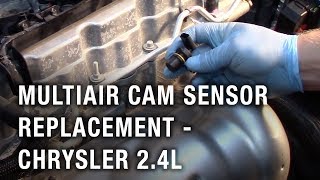
- If wiring is confirmed good, swapping the exhaust sensor 🎬 See a mechanic demonstrate the MultiAir cam sensor replacement process. with the intake sensor is a practical test. Clear codes and run the engine. If the code changes to P0340, the sensor is confirmed bad.
- If the sensor and wiring are good, the issue may be mechanical (timing chain, phaser) or, in rare cases, the PCM itself. This may require professional diagnosis.
- After any repair, clear the codes and perform a drive cycle to ensure the fault does not return.
Parts You'll Likely Need
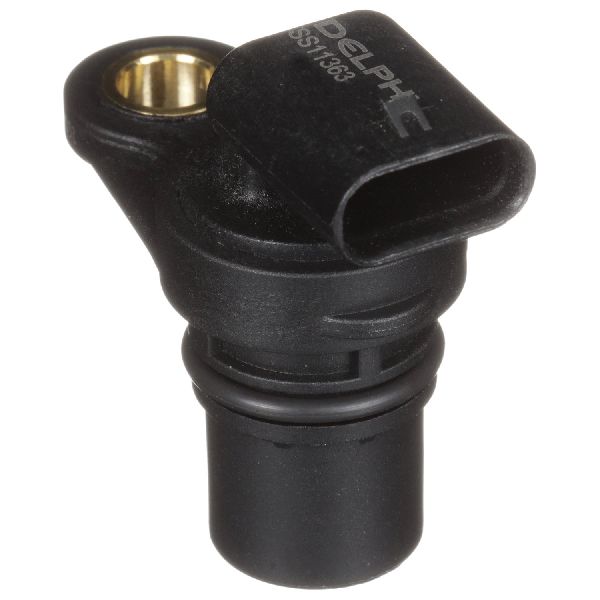
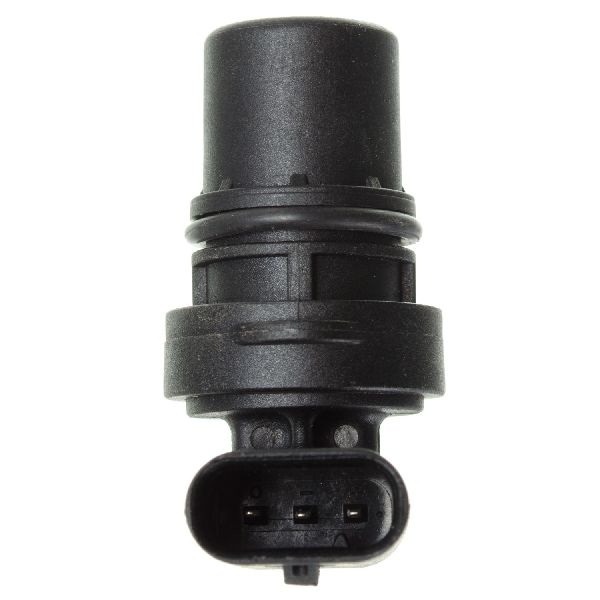
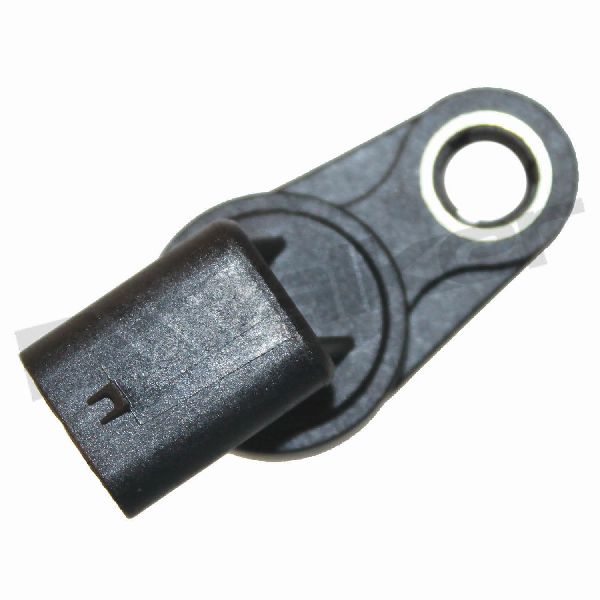
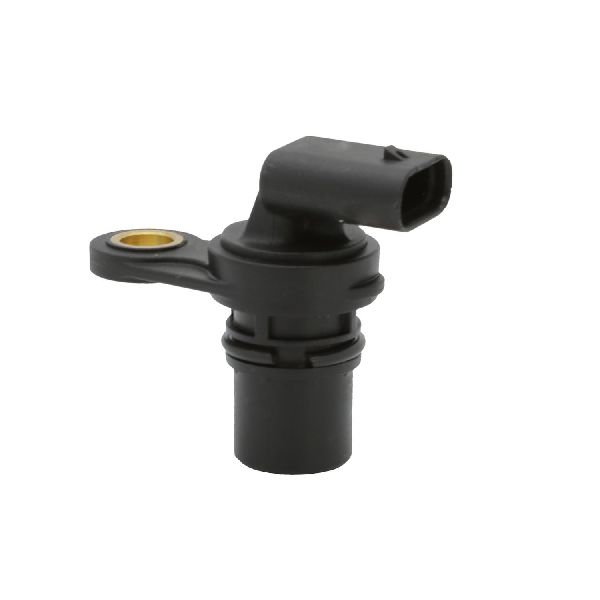
- Exhaust Camshaft Position Sensor
(OEM #68080819AC)— This sensor is the most frequent cause of the P0390 code on this vehicle, and its failure is a known issue acknowledged by a TSB. The OEM part number 68080819AC has been superseded by 68080819AD.
Trusted brands: Mopar, Delphi, NGK, Standard Motor Products
OEM price range: $50-$90
Aftermarket price range: $30-$75
Related Codes That Often Appear With This One
- P0394 — This code indicates an intermittent signal from the same exhaust camshaft sensor circuit, often preceding or accompanying a hard P0390 fault.
- P0340 — This code is for the intake ('A') camshaft position sensor. If both appear, it could suggest a common problem like a wiring harness issue affecting both sensors, a systemic oil pressure problem, or a base timing issue.
- P0365 — This is another code related to the exhaust camshaft position sensor circuit ('B' sensor). The specific code triggered can depend on the exact nature of the failure (e.g., no signal vs. range/performance vs. intermittent).
Technical Service Bulletins (TSBs) & Recalls
- 05149141A: Advises technicians to perform deeper diagnostics and contact a factory engineer before replacing the camshaft position sensor for code P0390, among others, on 2015 models.
Platform-Specific Known Issues
- A manufacturer Technical Service Bulletin (TSB #05149141A) was issued for 2015 models. It covers codes P0340, P0344, P0345, P0349, P0365, P0369, P0390, and P0394. The bulletin advises technicians to contact a specific factory support line before replacing the sensor, indicating that diagnosis may be complex and that simply swapping the part may not resolve the issue. This suggests a high rate of misdiagnosis where the true fault lies in wiring, oil quality, or mechanical timing.
- The 2.4L Tigershark engine uses the same camshaft position sensor across several other Chrysler/Jeep/Dodge/Ram vehicles, indicating a widespread part application.
Mechanic-Grade Diagnostic Values
- Camshaft Position Sensor 5V Supply — expected: 4.8V - 5.2V with key on, engine off.. Failure: Voltage below 4.8V or absent points to a wiring or PCM supply issue.
- Camshaft Position Sensor Ground Circuit Resistance — expected: Less than 3.0 ohms to a known good chassis ground.. Failure: Resistance higher than 3.0 ohms indicates a poor ground connection, which can cause erratic signals.
- Camshaft Position Sensor Signal (Hall-Effect Bench Test) — expected: The signal wire voltage should toggle between approximately 4.8V and 0V when a metal object (like a socket) is passed in front of the sensor tip.. Failure: If the voltage does not change, or is stuck at 0V, the sensor has failed.
Scan Tool Commands That Help
- wiTECH, Appcar DiagFCA, or other professional FCA scan tool: Cam/Crank Relearn (or Cam/Crank Misalignment) — This procedure is required after replacing a camshaft or crankshaft position sensor, or after any timing chain service. It synchronizes the PCM with the new sensor's signal. Failure to perform this can cause the P0390 code to persist even with a new, functioning sensor. The engine must be at operating temperature (coolant > 158°F / 70°C) to run the procedure.
- wiTECH or equivalent professional scan tool: VVT System Test — If a mechanical timing or oil pressure issue is suspected, this bidirectional test commands the VVT solenoids to actuate the cam phasers. It helps identify a stuck or slow-to-respond phaser that could be the underlying cause of the timing deviation triggering the P0390 code.
Wiring & Ground Locations
- Primary Engine Ground Strap — On the ProMaster (non-City, but platform relevant), a primary braided ground strap connects from a bolt on the transmission mount to the chassis. This is a critical ground path for the engine and transmission.. A corroded or loose main engine ground can cause inconsistent voltage and data corruption for all engine sensors, including the camshaft position sensor. This can lead to intermittent and hard-to-diagnose codes like P0390. Verifying this ground is a good step when chasing electrical gremlins.
Real Owner Repair Stories
- Our Next Chapter blog (2017 Jeep Wrangler 3.6L V6 (different vehicle but uses a related Pentastar engine with similar oiling system design)) — Persistent P0390, P0394, P0345, and P0349 codes.
❌ Tried (didn't work) Replaced both Bank 2 (driver's side) camshaft sensors., Swapped sensors from Bank 1 to Bank 2., Replaced the engine wiring harness., Replaced the Bank 2 exhaust camshaft.
✅ What actually fixed it The final fix was discovering and replacing a missing oil gallery plug located under the Bank 2 (driver's side) valve cover. This restored proper oil pressure to the camshaft phasers, which resolved the timing-related fault codes.
OEM Part Supersession History
68080819AC→68080819AD— Part revision by the manufacturer. The camshaft position sensor is used across a wide range of FCA/Stellantis engines, including the 2.0L Turbo and 2.4L MultiAir.
Heads up: The new part number 68080819AD replaces previous versions 68080819AC, 68080819AB, and 5033308AB. They are interchangeable.
Helpful Videos
We Have This Part in Stock


The information in this article is provided for general reference and educational purposes only. Vehicle specifications, procedures, and part compatibility can vary by production date, trim level, and region. Always consult your vehicle's factory service manual and verify part numbers before purchasing or performing repairs. Safety-critical components such as airbags, seat belts, and braking systems should be installed by a qualified professional.
- Ram PROMASTER CITY:
- 🧭 Diagnostic Flowchart
- 🎬 Helpful Videos
- 🛍️ Shop This Part
- What's Unique About the 2015-2018 Ram PROMASTER CITY
- Symptoms You May Notice
- Most Likely Causes
- Rare But Worth Checking
- Diagnosis Steps
- Parts You'll Likely Need
- Related Codes That Often Appear With This One
- Technical Service Bulletins (TSBs) & Recalls
- Platform-Specific Known Issues
- Mechanic-Grade Diagnostic Values
- Scan Tool Commands That Help
- Wiring & Ground Locations
- Real Owner Repair Stories
- OEM Part Supersession History
- 🎟️ Get 5% Off